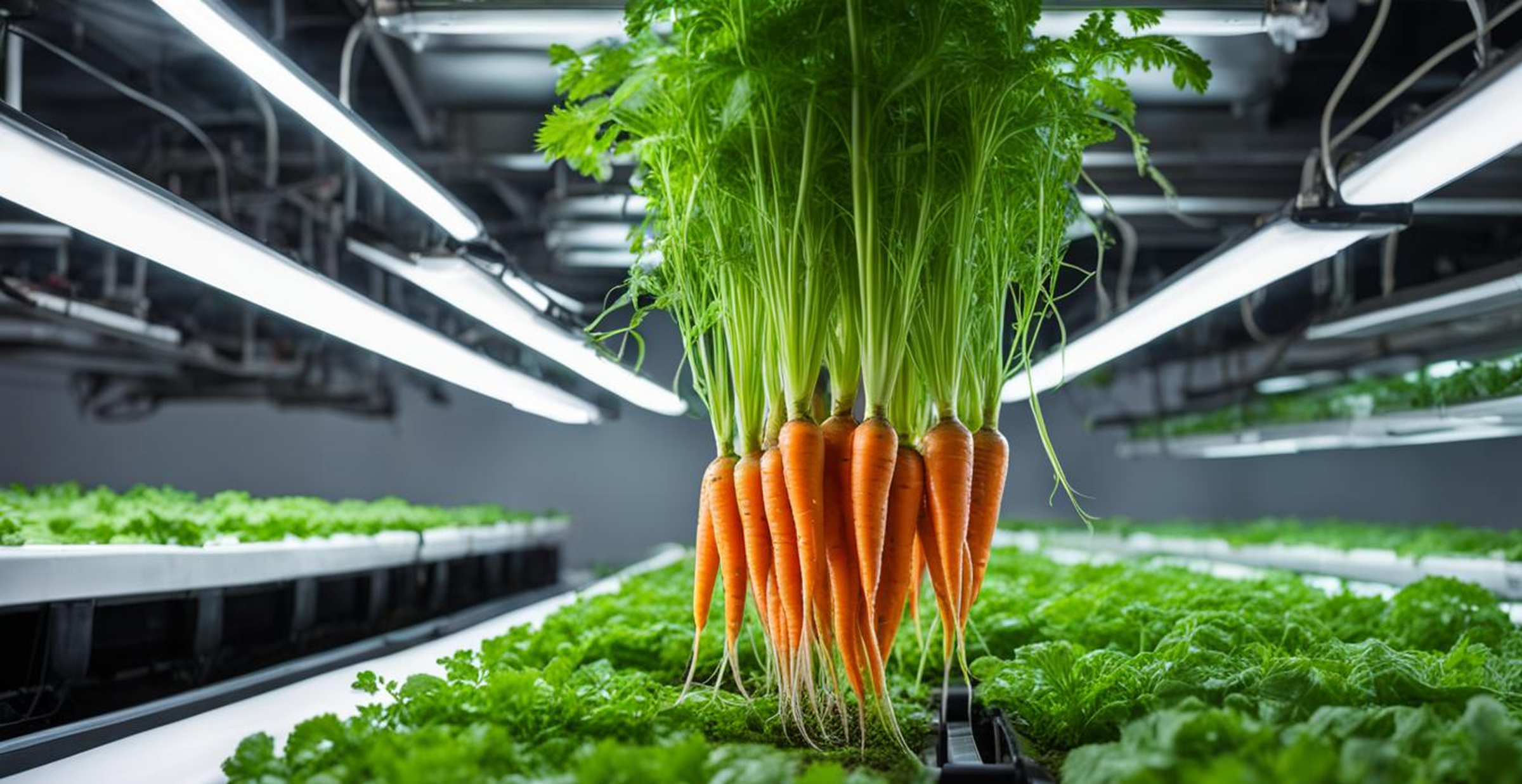
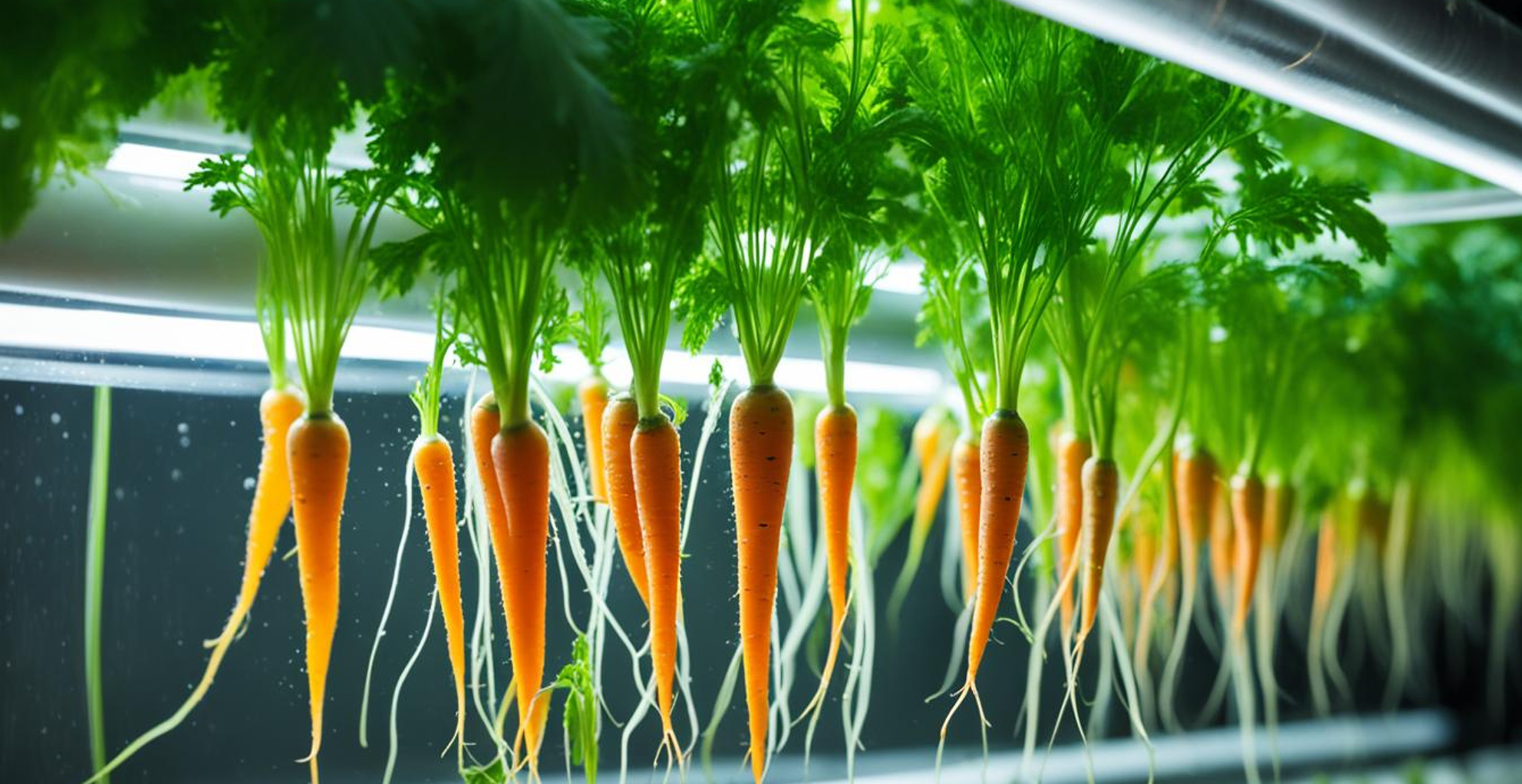
Can you grow carrots hydroponically? Many gardening beginners are confused about this--hydroponic carrots. This article explains this doubt in detail and shares a detailed tutorial on how to grow carrots hydroponically.
What Are Hydroponic Carrots?
Hydroponic carrots are carrots cultivated using hydroponics, a soilless farming method that relies on nutrient-rich water solutions and sometimes inert substrates to support plant growth. Here's a detailed breakdown:
Key Features of Hydroponic Carrots:
-
Growing Medium:
-
Unlike leafy greens, carrots require a substrate to mimic soil structure, allowing their taproots to develop properly. Common mediums include coconut coir, perlite, vermiculite, or sand, which provide support and aeration.
-
-
System Design:
-
Deep Water Culture (DWC) or Ebb and Flow systems are often used, as they accommodate deeper root growth. Containers must be sufficiently deep (12-18 inches) to allow full carrot development.
-
Systems like Nutrient Film Technique (NFT) are less suitable due to shallow channels.
-
-
Nutrient Requirements:
-
Balanced nutrient solutions with higher phosphorus levels during root development stages to promote healthy taproot growth. pH levels are maintained between 6.0–6.5 for optimal nutrient uptake.
-
-
Light Management:
-
Tops require adequate light for photosynthesis, while the root zone is kept dark to prevent greening (which causes bitterness). Opaque containers or light-blocking materials are used.
-
-
Varieties:
-
Shorter or round varieties (e.g., Parisian or Chantenay) are often preferred for hydroponics due to space constraints. Baby carrots are also commonly grown.
-
Advantages:
What are the benefits of hydroponic carrots? There are three major points of advantage as follows:
-
Controlled Environment: Reduced pest/disease risks and year-round growth in indoor setups.
-
Efficiency: Faster growth cycles and higher yields per square foot compared to soil farming.
-
Water Conservation: Uses up to 90% less water than traditional methods.
Challenges:
-
System Setup: Requires initial investment in equipment and expertise to monitor pH, EC, and nutrients.
-
Root Deformities: Poor medium choice or inadequate depth can lead to misshapen carrots.
Taste and Quality:
-
Hydroponic carrots can match soil-grown ones in taste and texture if nutrient balance and light are properly managed. Some argue they may even be sweeter due to optimized growing conditions.
Applications:
-
Ideal for urban farming, vertical agriculture, and regions with poor soil quality. Commercial growers increasingly adopt hydroponics for consistent, high-quality produce.
In essence, hydroponic carrots leverage technology to overcome traditional farming limitations, offering a sustainable alternative with careful attention to system design and plant needs.
Can You Do Hydroponic Carrots
Can you grow carrots in a hydroponic system? Growing carrots hydroponically is indeed possible, though it requires careful attention to system design, variety selection, and nutrient management.
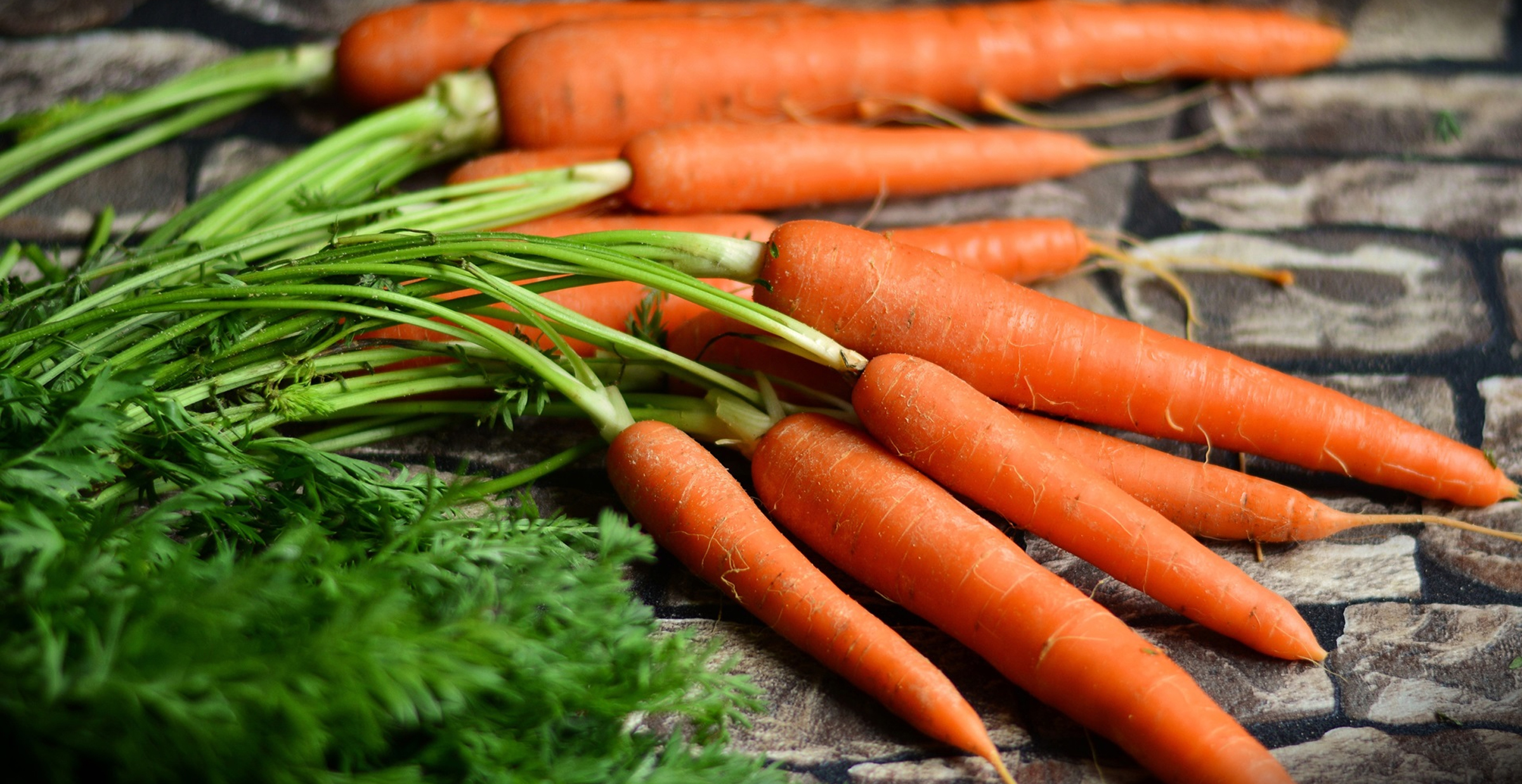
How To Grow Carrots Hydroponically?
How to grow carrots in a hydroponic system? Here's a structured guide to help you succeed:
1. Choose the Right Carrot Variety
-
Shorter Varieties: Opt for compact types like 'Paris Market' (round), 'Chantenay' (stubby), or 'Little Finger' (small and slender). These adapt better to confined spaces in hydroponic systems.
2. Select a Suitable Hydroponic System
-
Media-Based Systems: Use deep containers (at least 12 inches deep) with a loose, well-draining medium like coconut coir, perlite, or a mix of perlite/vermiculite. This supports root expansion and prevents compaction.
-
Ebb and Flow or DWC: Ensure reservoirs are deep enough. Avoid NFT (Nutrient Film Technique) as it lacks support for root vegetables.
3. Setup and Medium Preparation
-
Container Depth: Minimum 12 inches to accommodate root growth.
-
Medium: Pre-soak coconut coir or perlite to ensure moisture retention without waterlogging. Fill containers loosely to avoid hindering carrot shape.
4. Seed Germination
-
Pre-Soaking: Soak seeds for 12-24 hours to speed up germination.
-
Starter Cubes: Use rockwool or peat pellets. Plant 2-3 seeds per cube, thinning to the strongest seedling after germination.
-
Environment: Maintain 65-75°F with a humidity dome. Provide indirect light until sprouts appear (7-14 days).
5. Transplanting
-
Timing: Move seedlings to the hydroponic system once they have 2-3 true leaves.
-
Spacing: Space plants 2-3 inches apart to allow root development without competition.
6. Nutrient Solution Management
-
NPK Ratio: Use a balanced solution (e.g., 10-10-10) early on, shifting to higher phosphorus/potassium (5-15-14) during root development.
-
pH Levels: Maintain 5.8-6.2. Adjust using pH up/down solutions.
-
EC Range: Keep electrical conductivity between 1.6-2.2 mS/cm for optimal growth.
-
Change Solution: Refresh every 1-2 weeks to prevent nutrient imbalances.
7. Environmental Conditions
-
Lighting: 12-16 hours daily under full-spectrum LED lights (6000-7000K). Position lights 6-12 inches above plants.
-
Temperature: Ideal range 60-75°F. Use fans or cooling systems to avoid excess heat.
-
Aeration: Ensure oxygen-rich roots with air stones (in DWC) or proper drainage in media systems.
8. Monitoring and Maintenance
-
Check Roots: Regularly inspect for rot or discoloration. Trim affected roots if necessary.
-
Pest/Disease Control: Use neem oil or beneficial insects for pests. Avoid overwatering to prevent fungal issues.
-
Algae Prevention: Cover exposed medium and use opaque reservoirs.
9. Harvesting
-
Timing: Harvest in 70-80 days, or when tops are ~1/2 inch in diameter.
-
Method: Gently pull carrots from the medium. Rinse and store in cool, humid conditions.
10. Troubleshooting Tips
-
Forked Carrots: Caused by compact medium or debris. Ensure loose, debris-free medium.
-
Small Roots: Adjust nutrients to lower nitrogen, increase phosphorus/potassium.
-
Slow Growth: Check light intensity, temperature, and nutrient levels.
By following these steps, you can successfully grow crisp, sweet carrots hydroponically. Start small to test your setup, and adjust variables as needed for optimal results. Happy growing! 🌱🥕
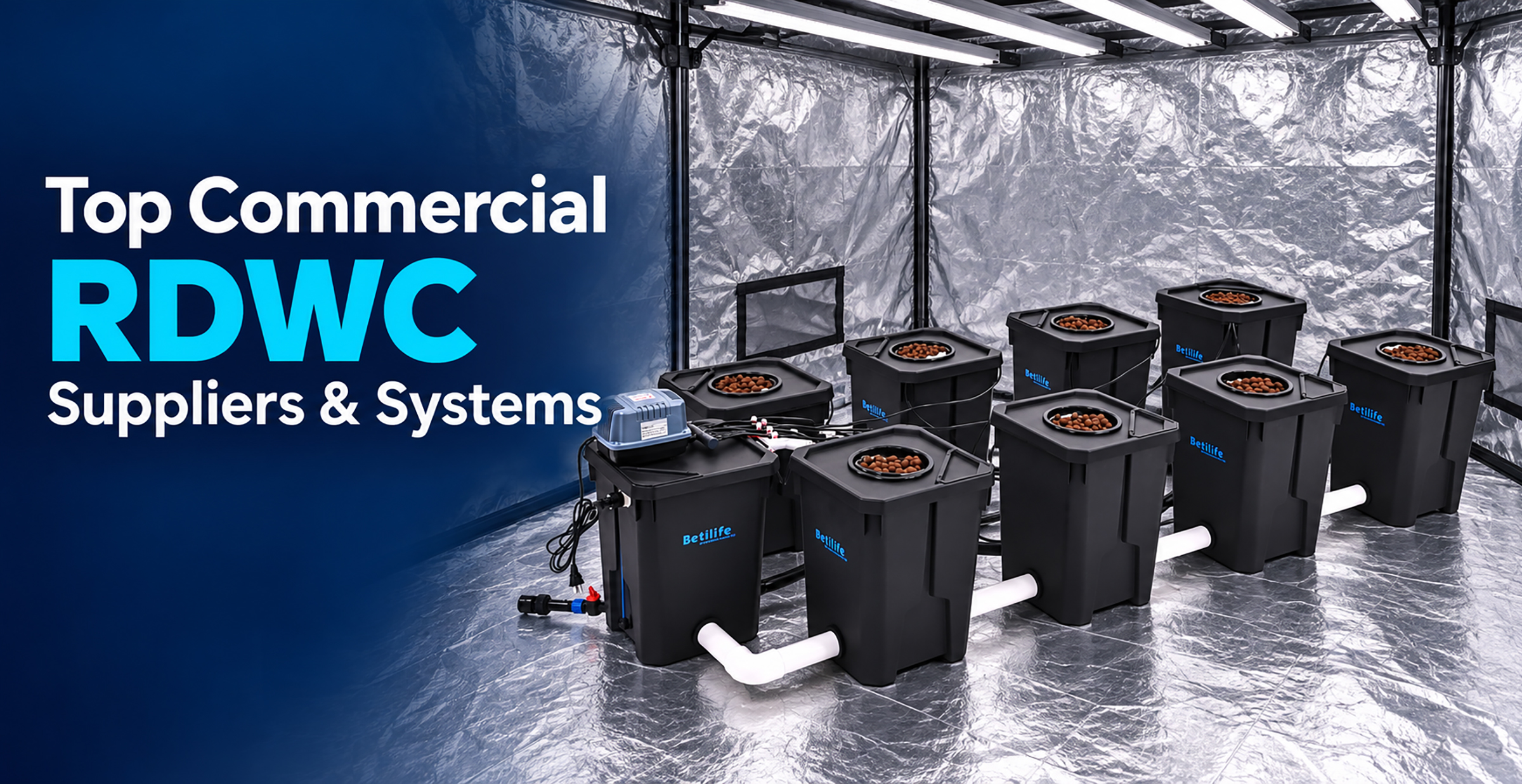
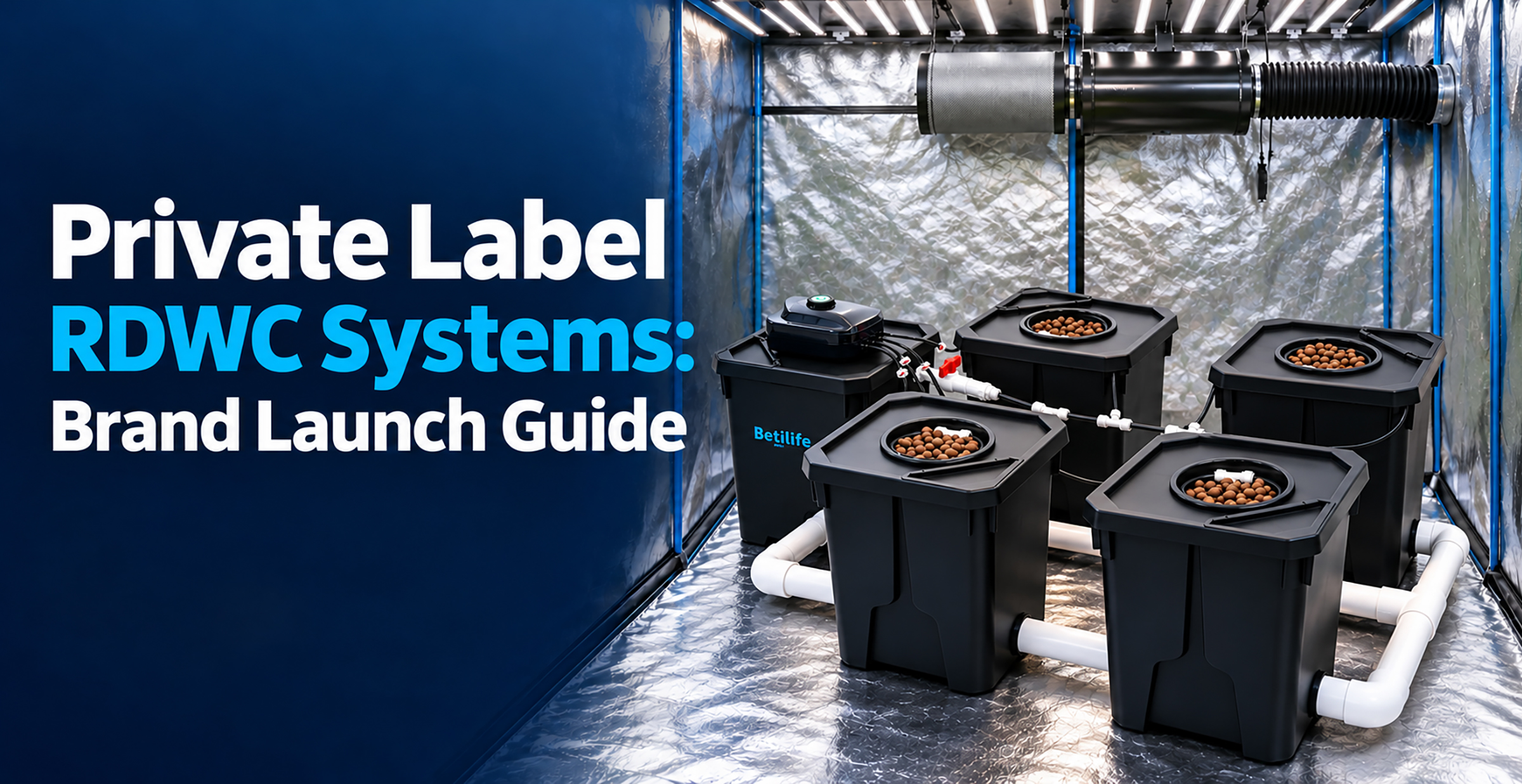
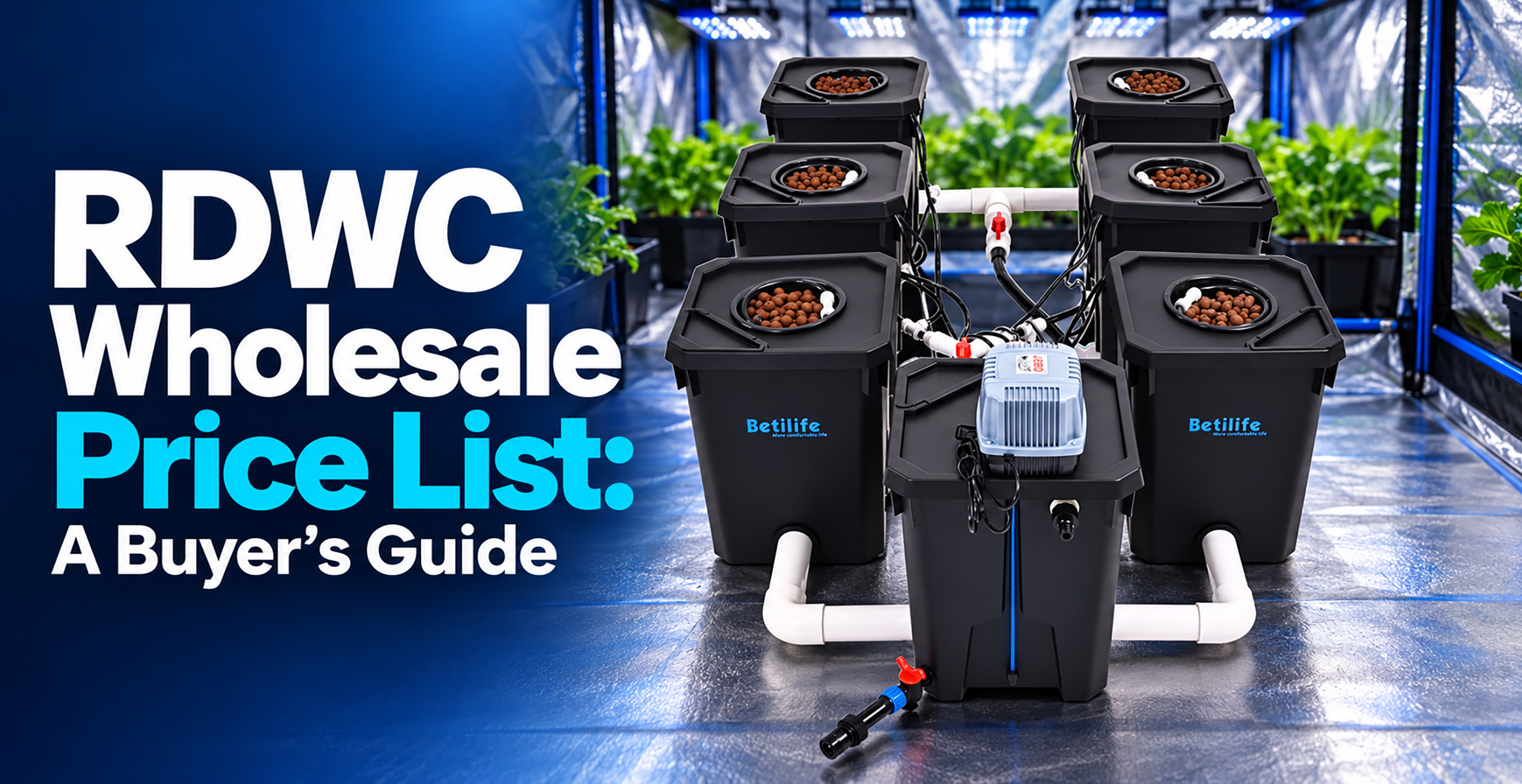
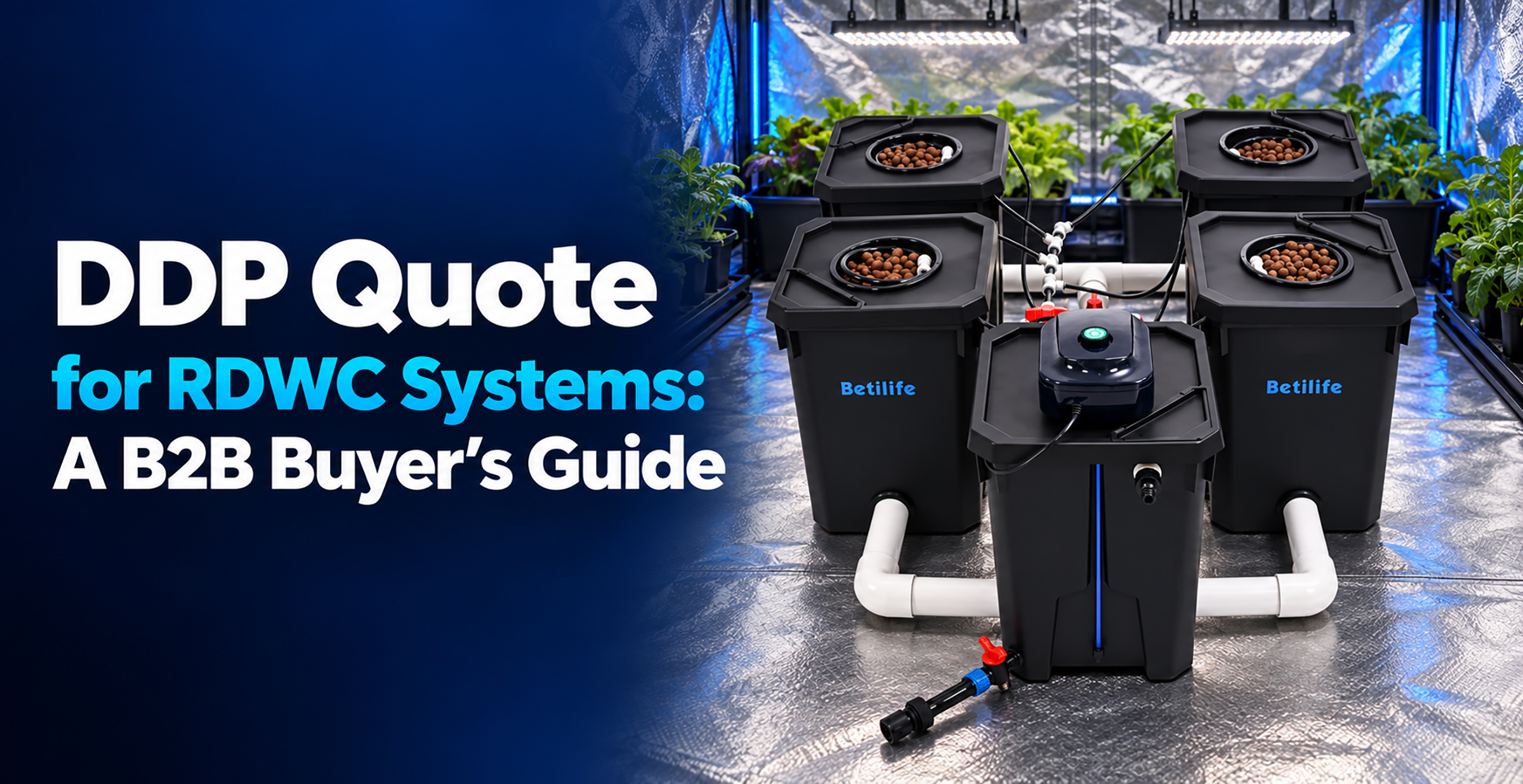
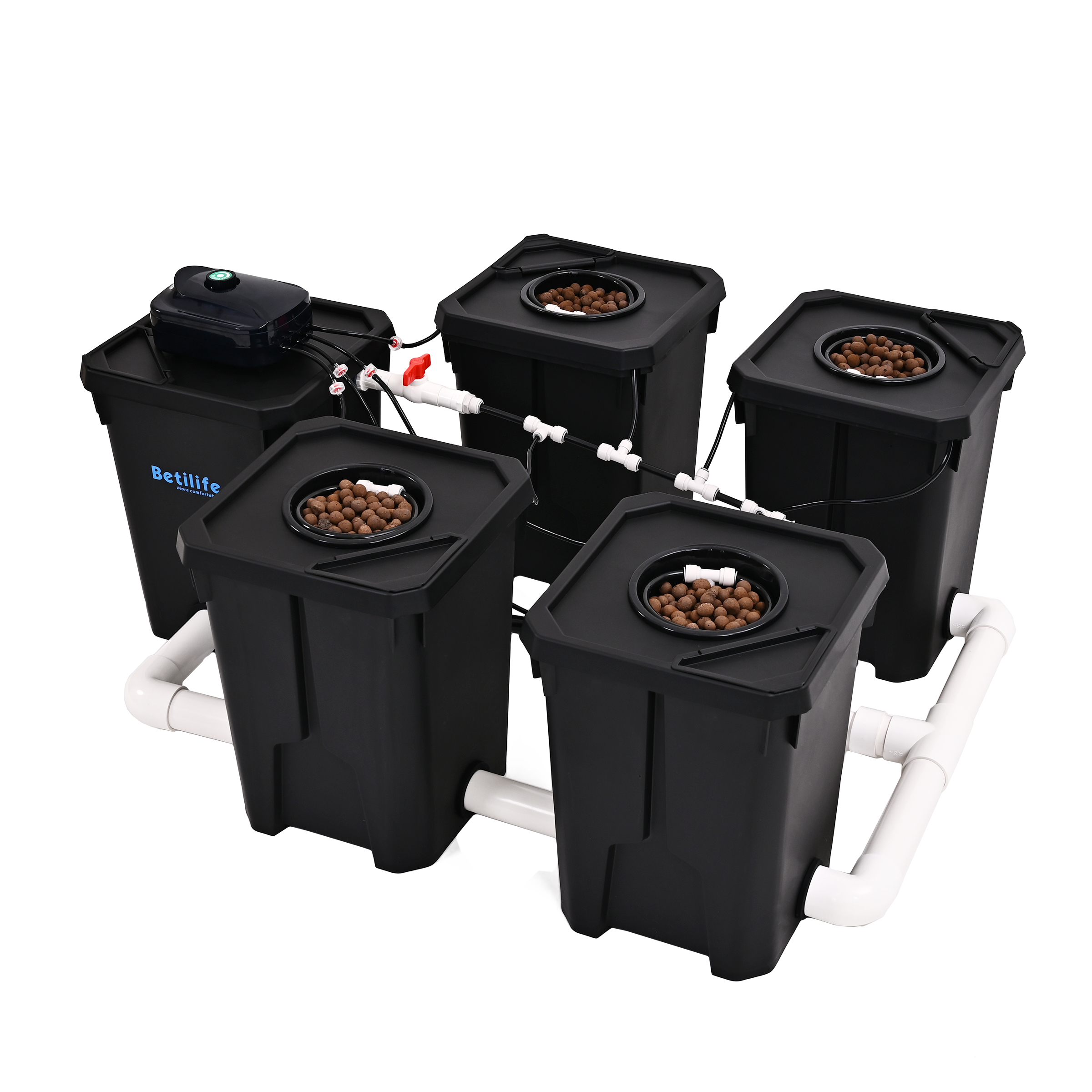
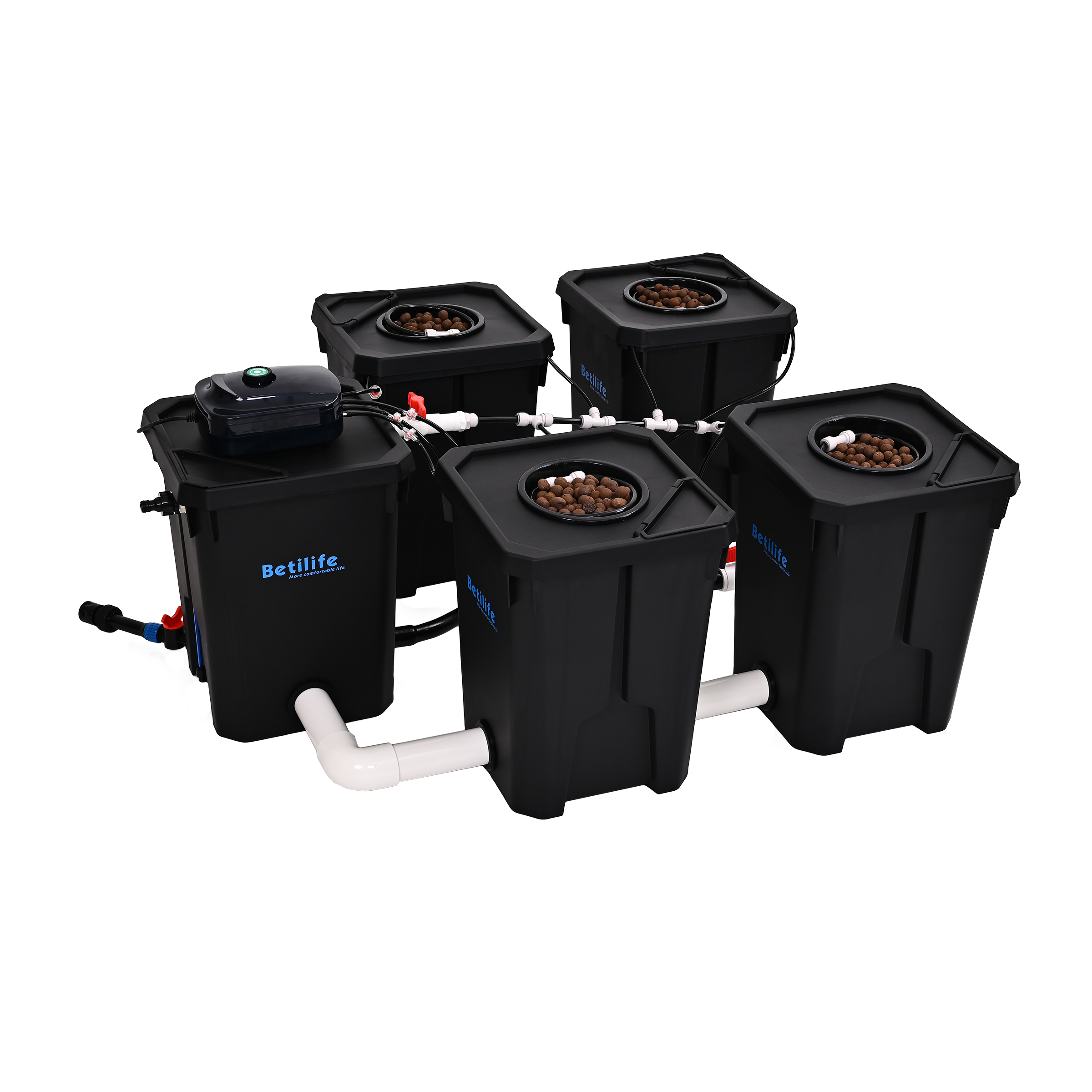
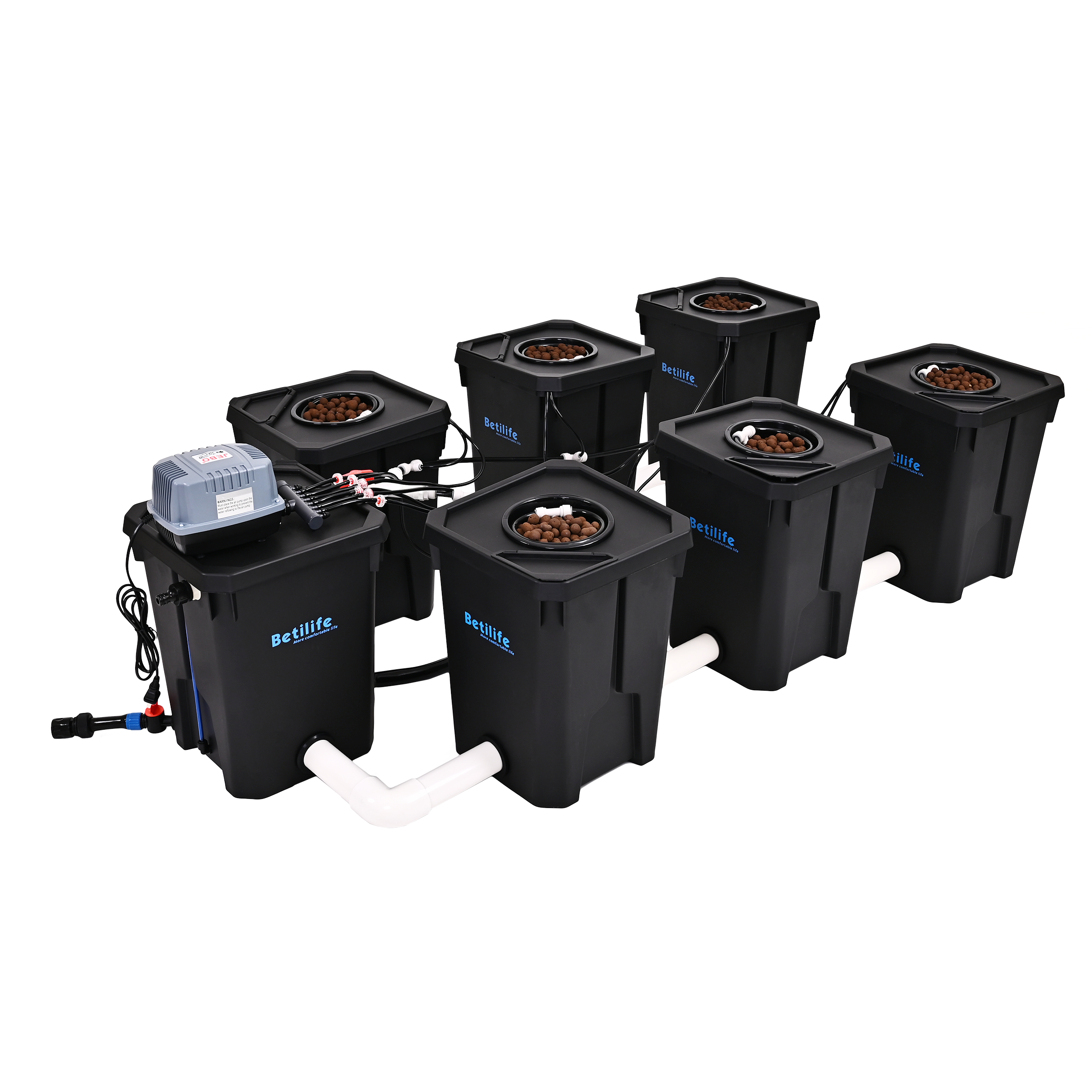
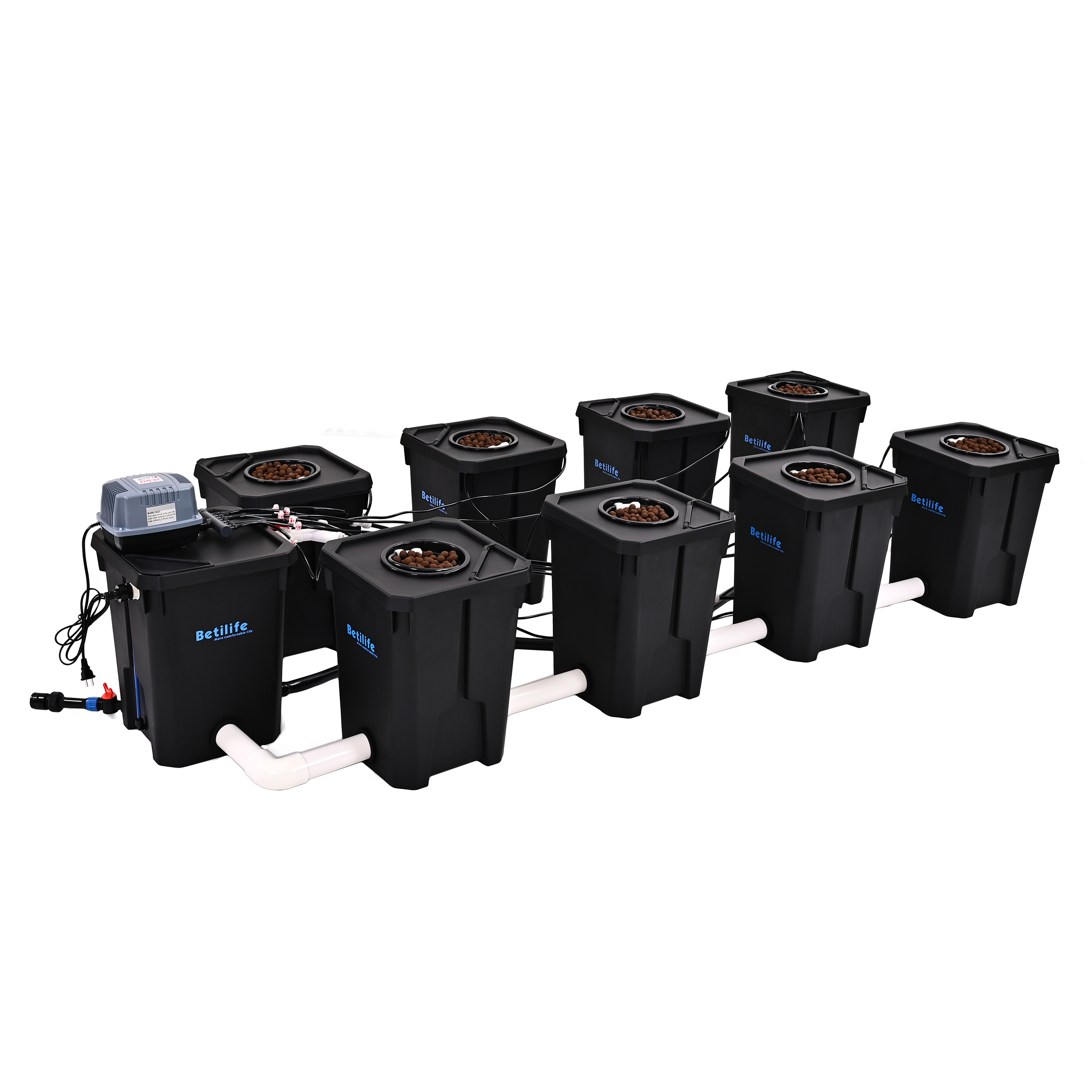
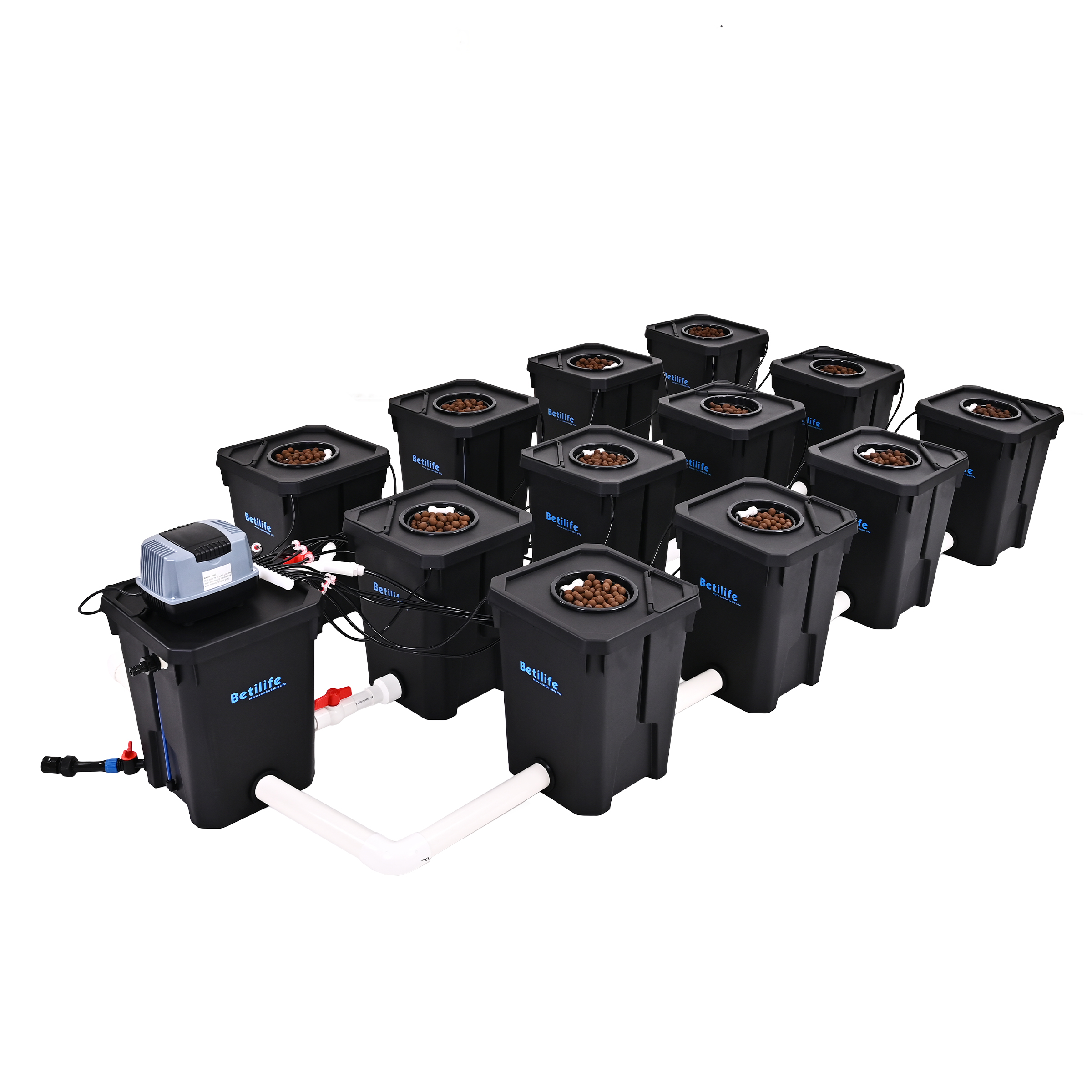
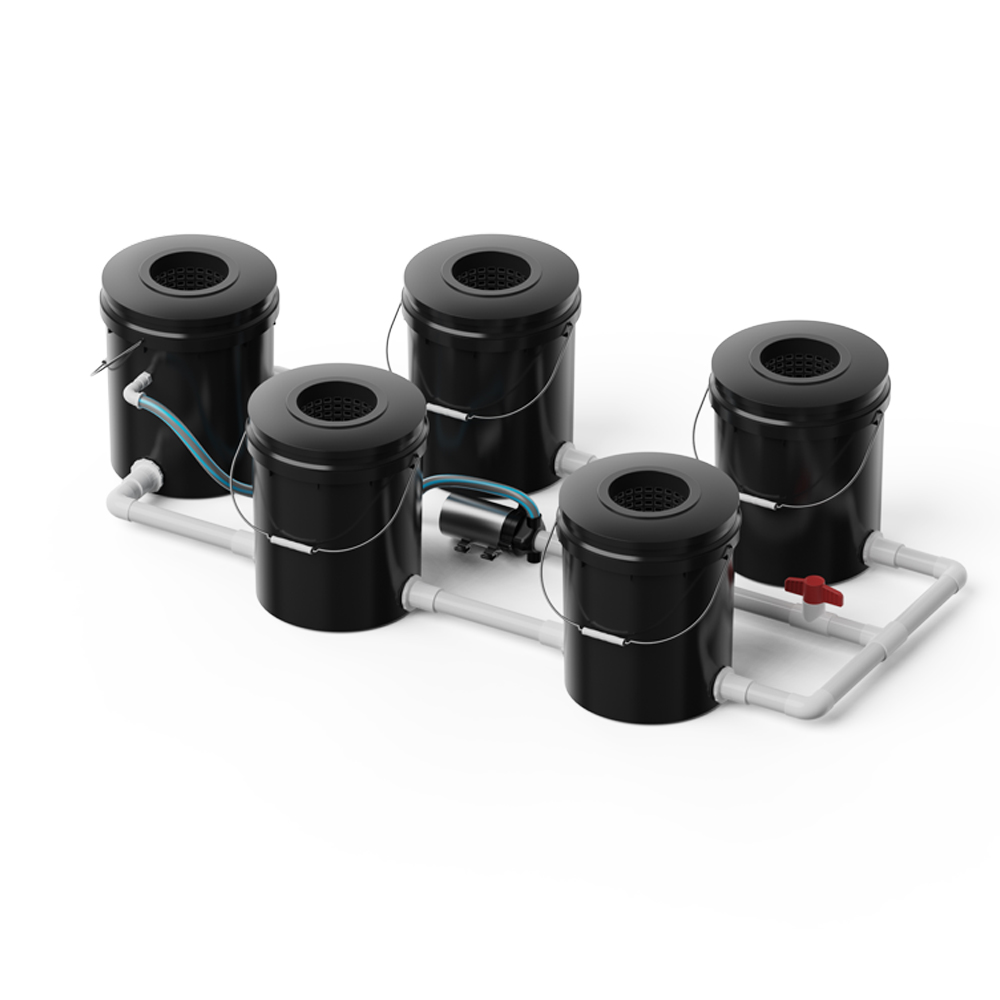
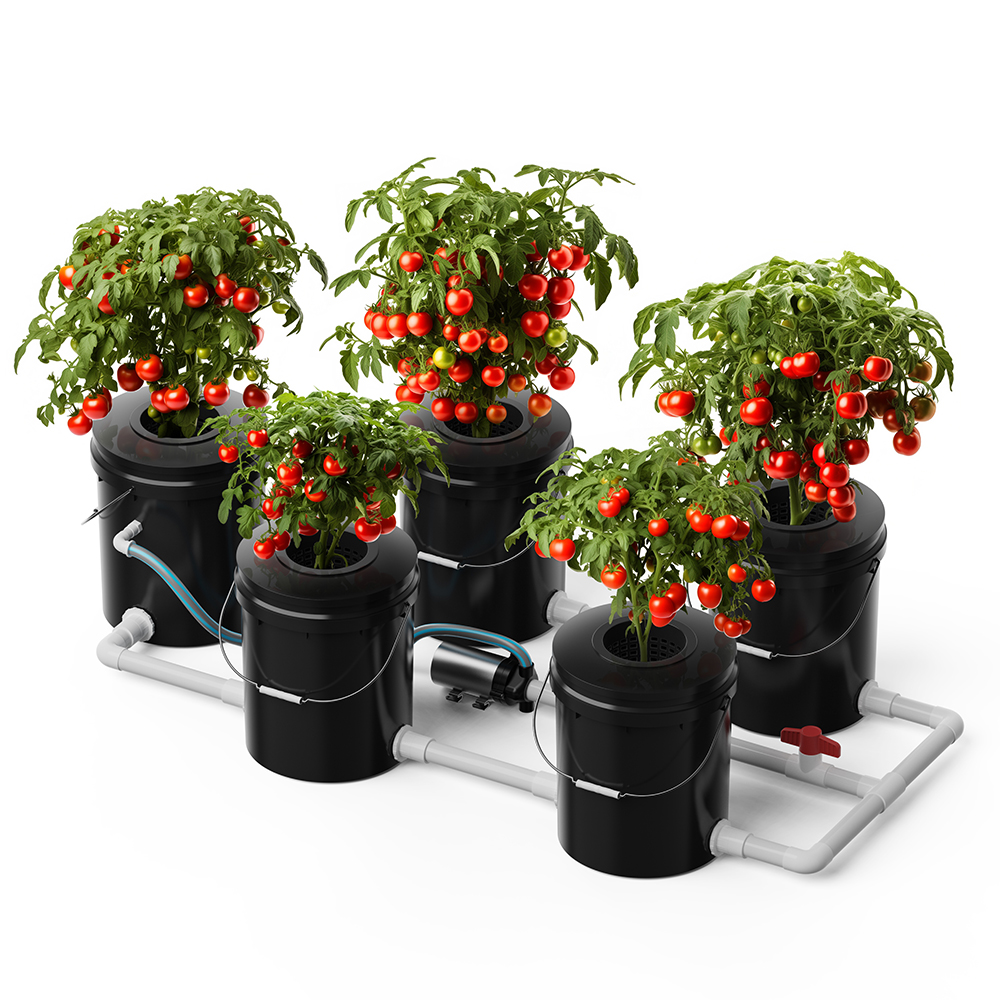
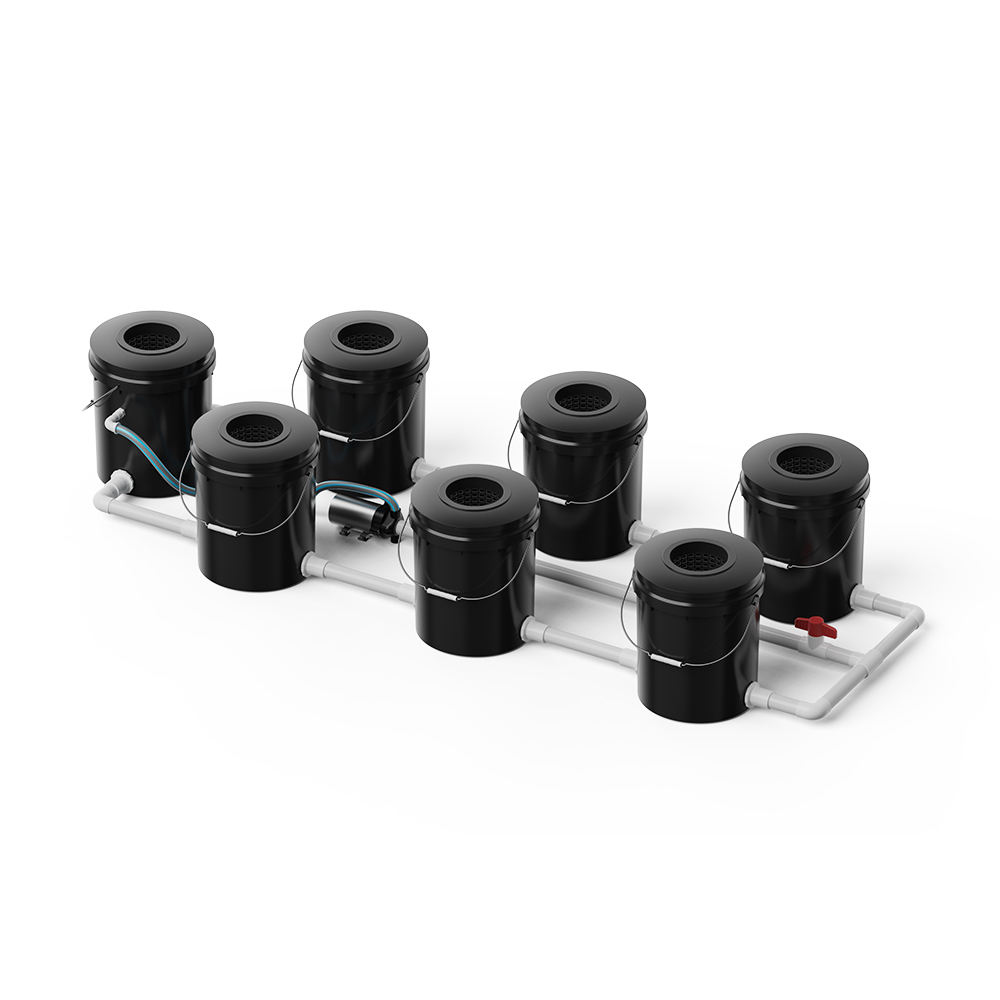
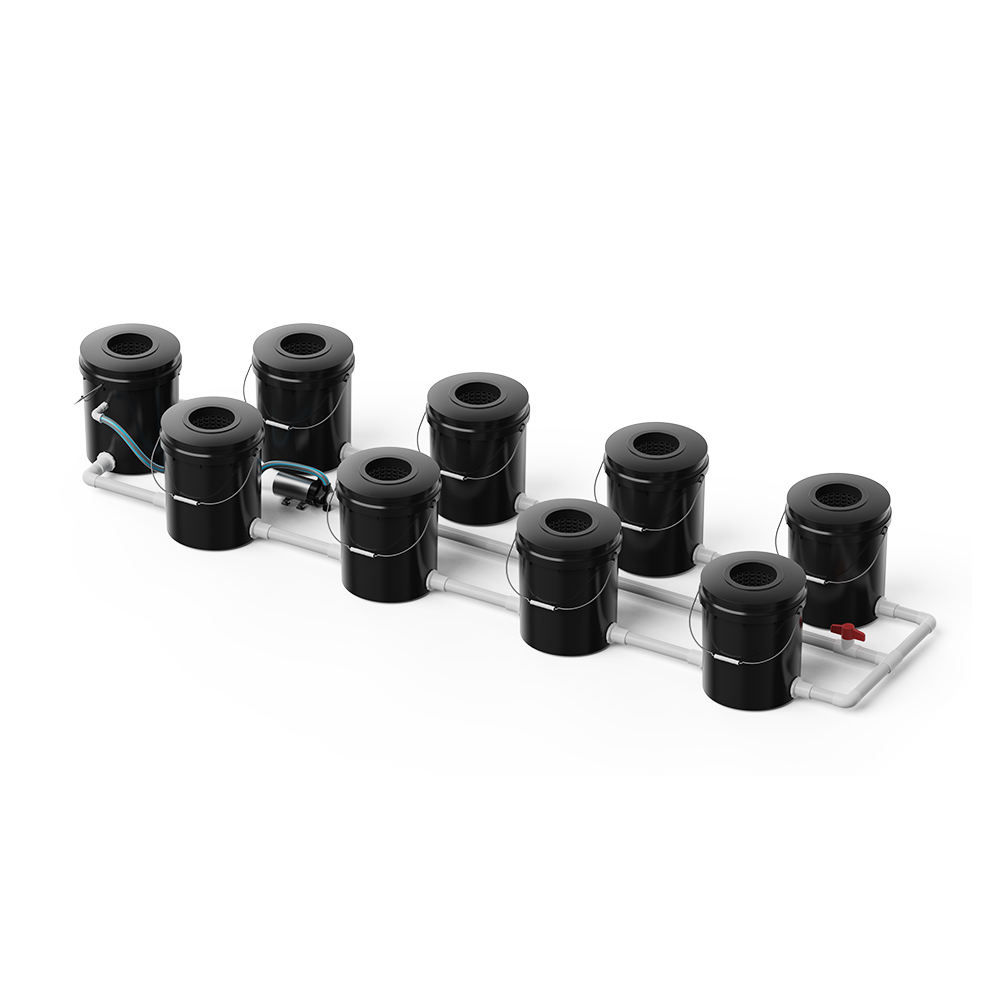
If you need to grow carrots hydroponically indoors or outdoors at home, you can choose BetiLife™ Hydroponic Systems: