Do you need a water chiller for RDWC? Learn when it’s essential, ideal water temps, and how to boost yields with the BetiLife™ RDWC Hydroponic System.
Do You Need a Water Chiller for RDWC? (Complete Grower’s Guide)
Featured Snippet Answer (Quick Take)
Do you need a water chiller for RDWC?
Yes—in most cases, a water chiller is essential for RDWC systems. If your nutrient solution rises above 72°F (22°C), you risk root rot, low oxygen levels, and reduced yields. A hydroponic water chiller maintains stable temperatures, improving plant health, growth rate, and final harvest quality.
Why Water Temperature Matters in RDWC?
Recirculating Deep Water Culture (RDWC) systems rely on oxygen-rich nutrient solutions. Temperature directly affects how much dissolved oxygen your plants receive.
Ideal RDWC Water Temperature:
-
Optimal range: 65–68°F (18–20°C)
-
Danger zone: Above 72°F (22°C)
What Happens If Water Gets Too Warm?
-
Oxygen levels drop rapidly
-
Roots become stressed
-
Pathogens like Pythium thrive
-
Growth slows or stalls
-
Risk of total crop loss increases
In short, temperature control = yield control.
When Do You NEED a Water Chiller?
Not every grower starts with a chiller—but most eventually need one.
You Definitely Need a Water Chiller If:
-
You Grow Indoors with Strong Lights
-
HID lights, LEDs, and pumps all generate heat that transfers into your reservoir.
-
-
Your Room Temperature Exceeds 75°F (24°C)
-
Even ambient heat will gradually warm your water.
-
-
You Run Multi-Bucket RDWC Systems
-
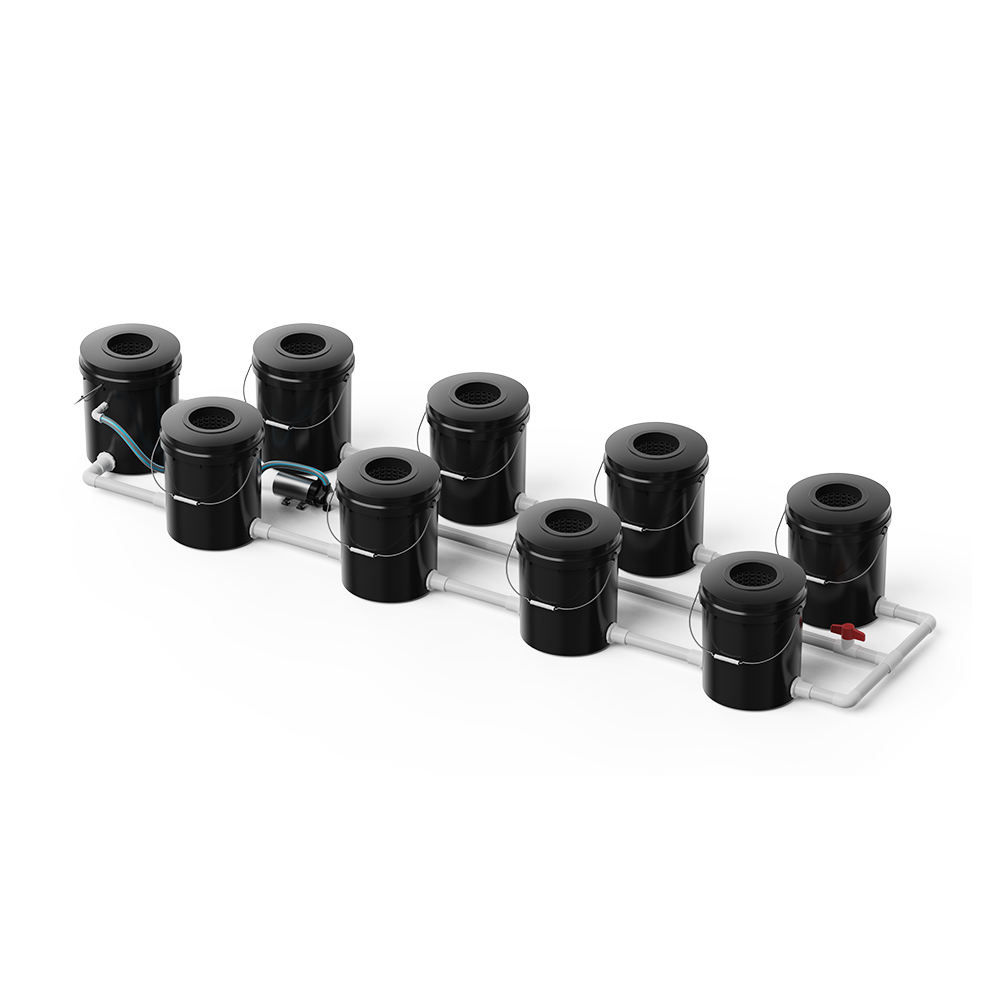
Larger systems (like 5, 7, or 9 buckets) retain more heat due to recirculation.
-
-
You Grow High-Value Crops
-
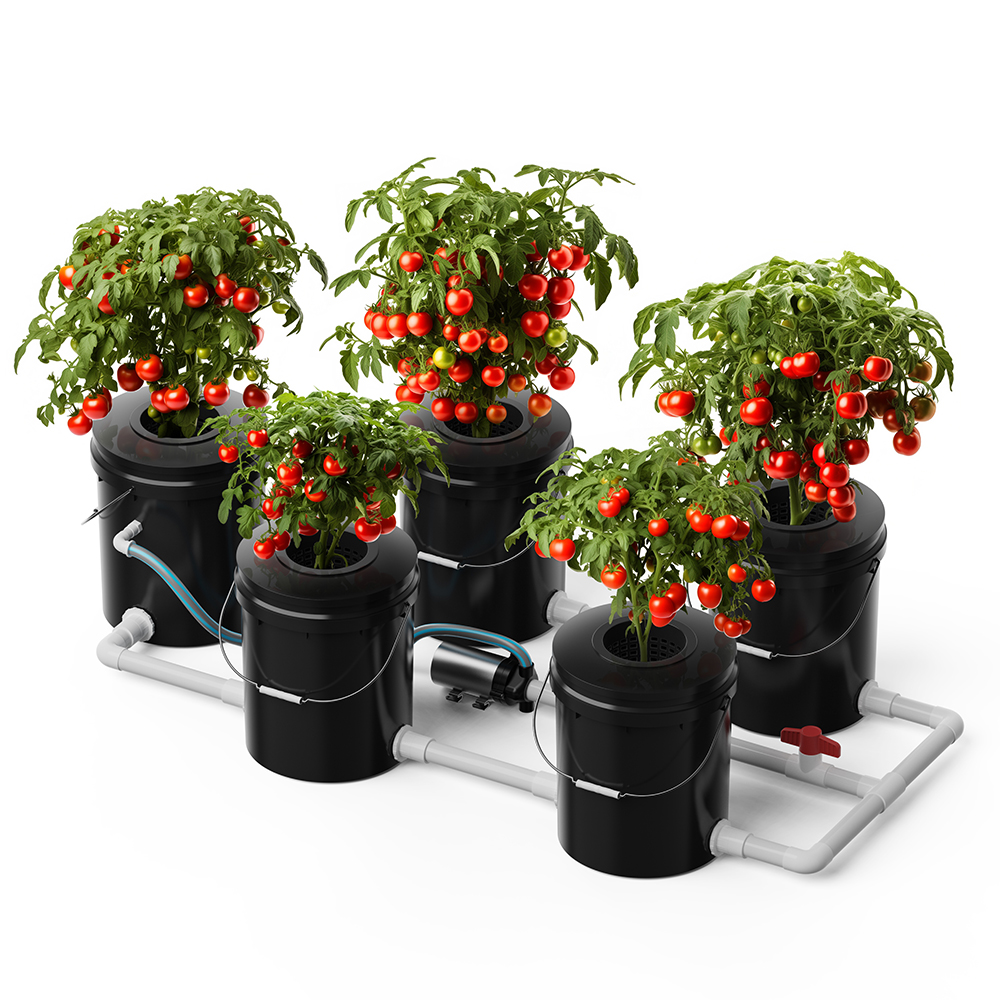
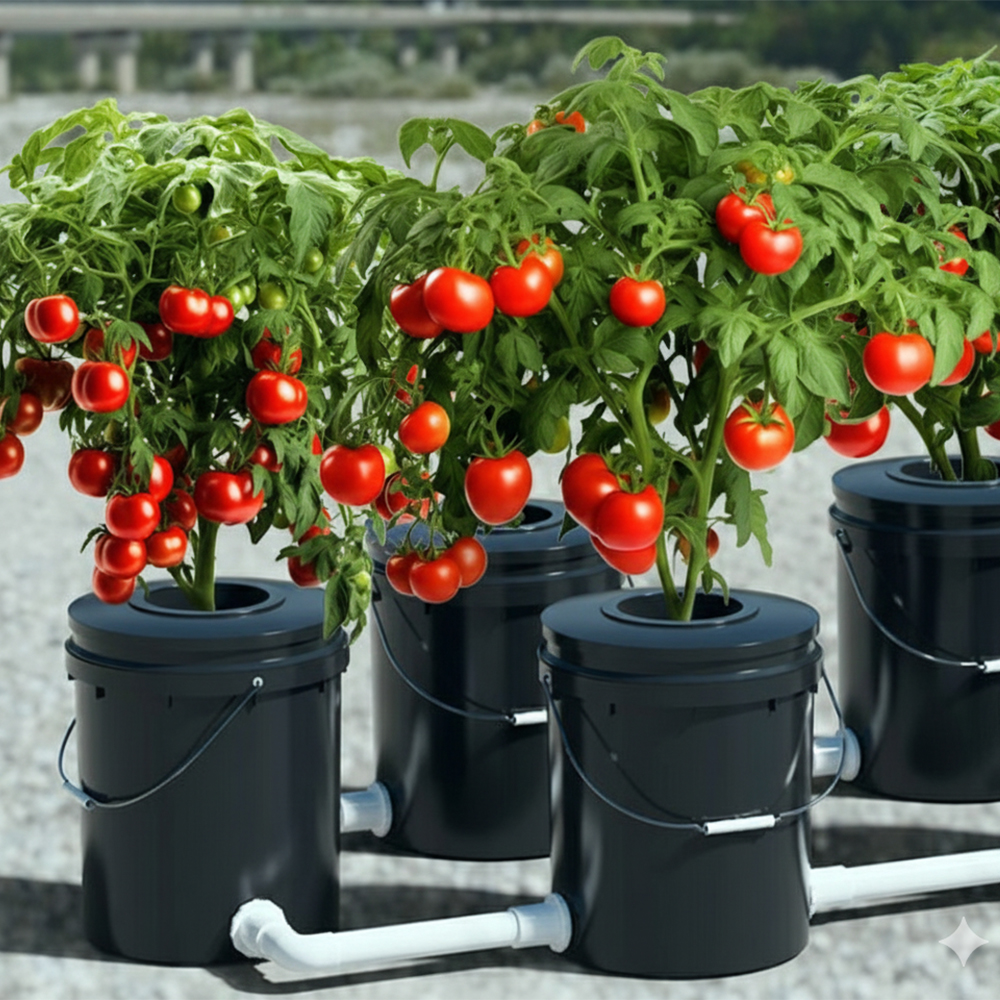
Tomatoes, peppers, cucumbers, and especially sensitive crops demand stable root conditions.
-
When You Might NOT Need a Chiller
You may avoid using a hydroponic water chiller if:
-
You grow in a cool climate
-
Your grow room stays below 70°F (21°C)
-
You run small systems (1–2 buckets)
-
You use aggressive cooling alternatives (rarely reliable)
However, most growers find these conditions hard to maintain consistently.
Alternatives to a Water Chiller (And Why They Fall Short)
Some growers try to avoid the cost—but alternatives are often temporary fixes.
Common Methods:
-
Frozen water bottles ❌ (labor-intensive, inconsistent)
-
Insulated reservoirs ❌ (slows heat, doesn’t stop it)
-
Air pumps ❌ (adds oxygen, but not cooling)
-
Beneficial bacteria ❌ (helps, but doesn’t fix heat)
👉 Reality: These methods may delay problems—but they don’t replace proper temperature control.
Benefits of Using a Hydroponic Water Chiller
Adding a water chiller to your RDWC system delivers immediate advantages:
-
Faster Growth Rates
-
Cool water increases oxygen availability, boosting root metabolism.
-
-
Higher Yields
-
Healthy roots = bigger plants = more production.
-
-
Disease Prevention
-
Chillers dramatically reduce the risk of root rot.
-
-
Stable System Performance
-
No daily temperature fluctuations = predictable results.
-
-
Less Maintenance Stress
-
No more swapping ice bottles or constant monitoring.
-
Why BetiLife™ RDWC Hydroponic System Works Better with a Chiller
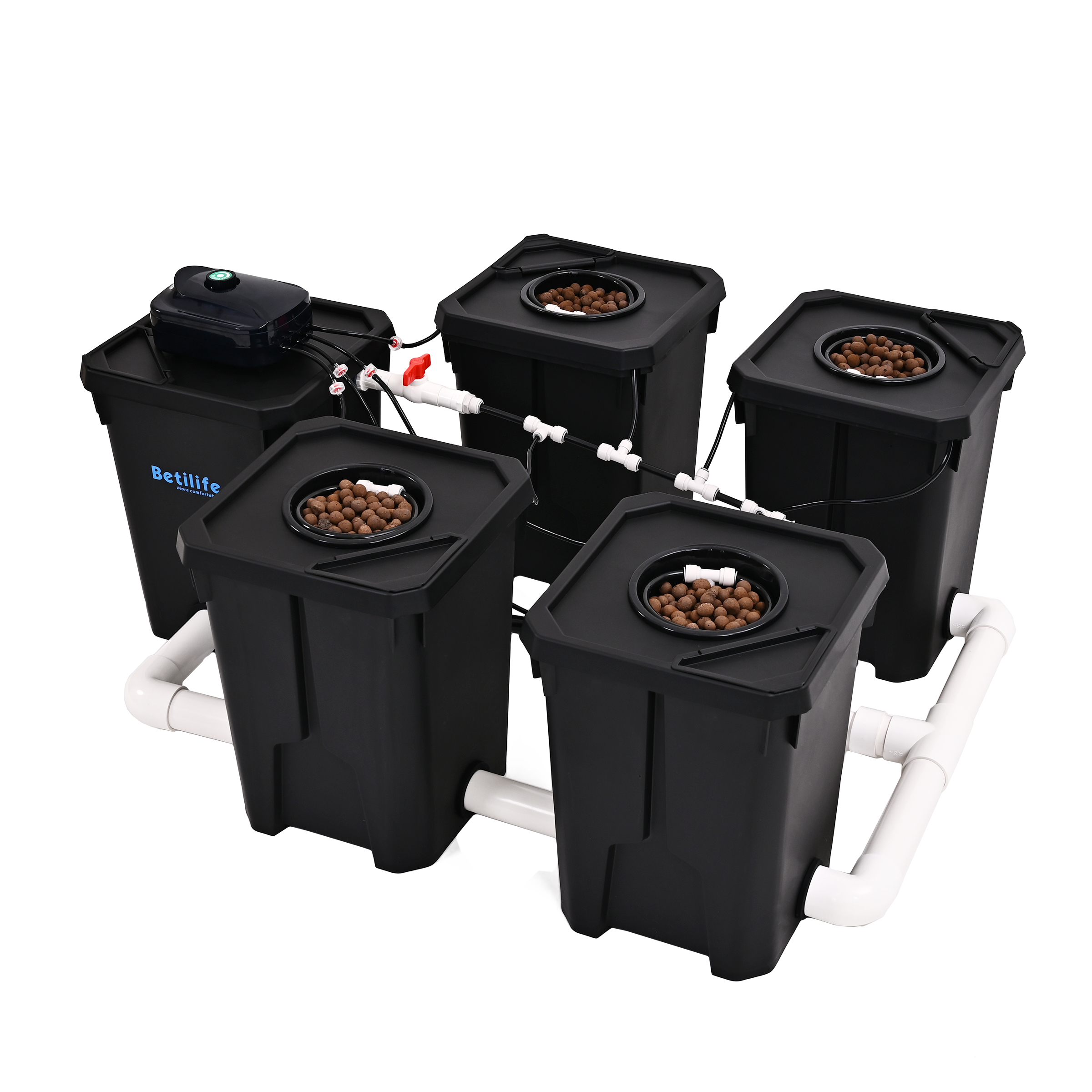
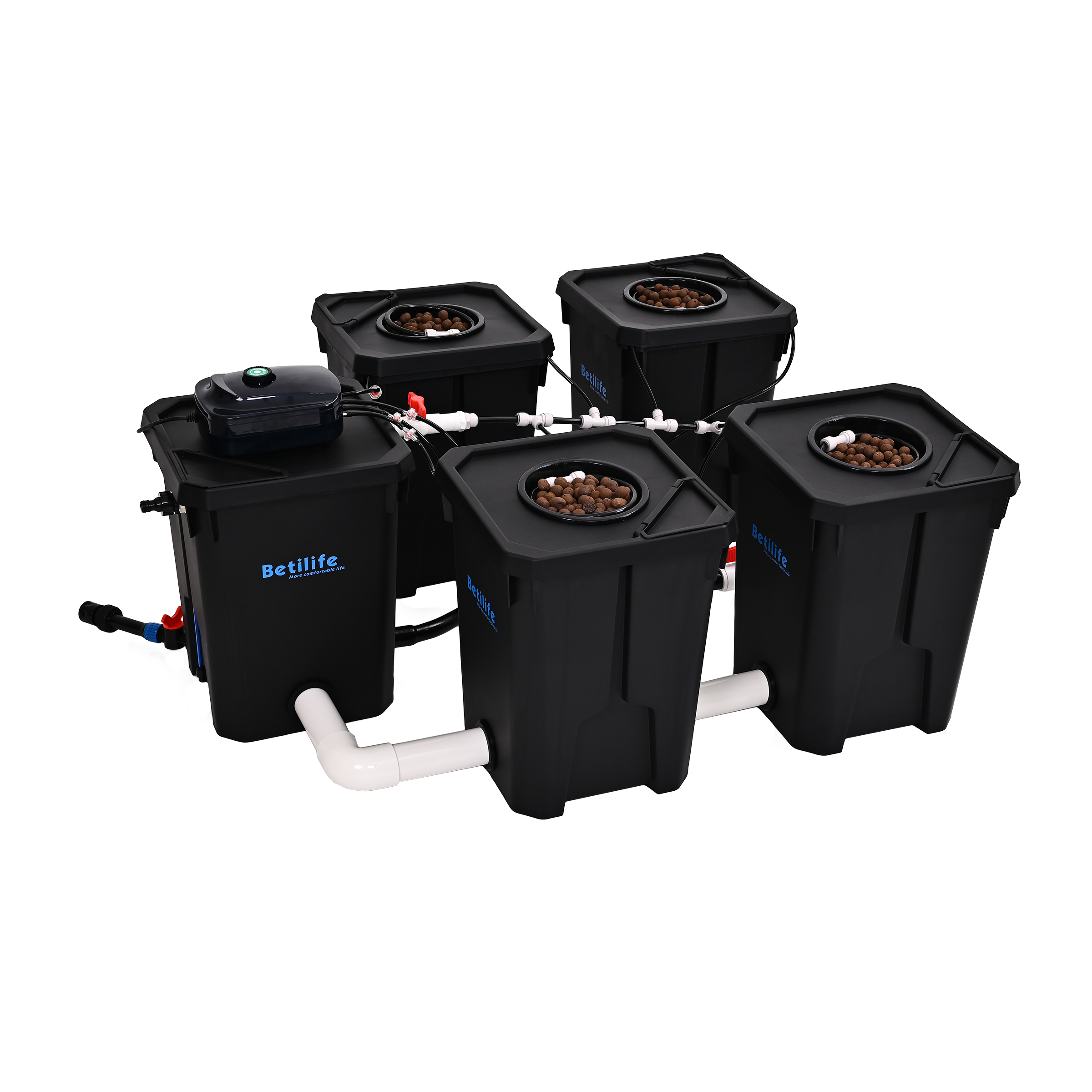
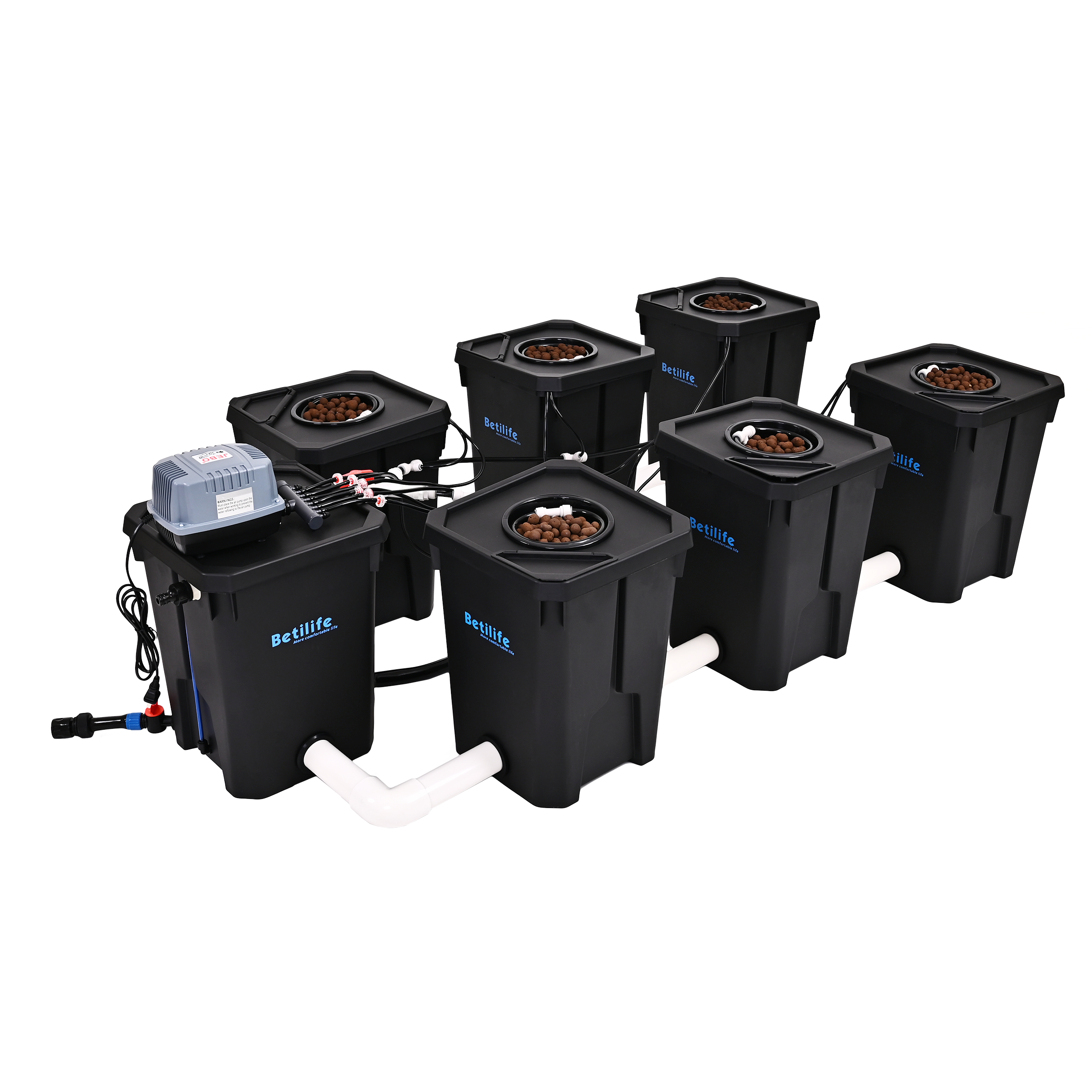
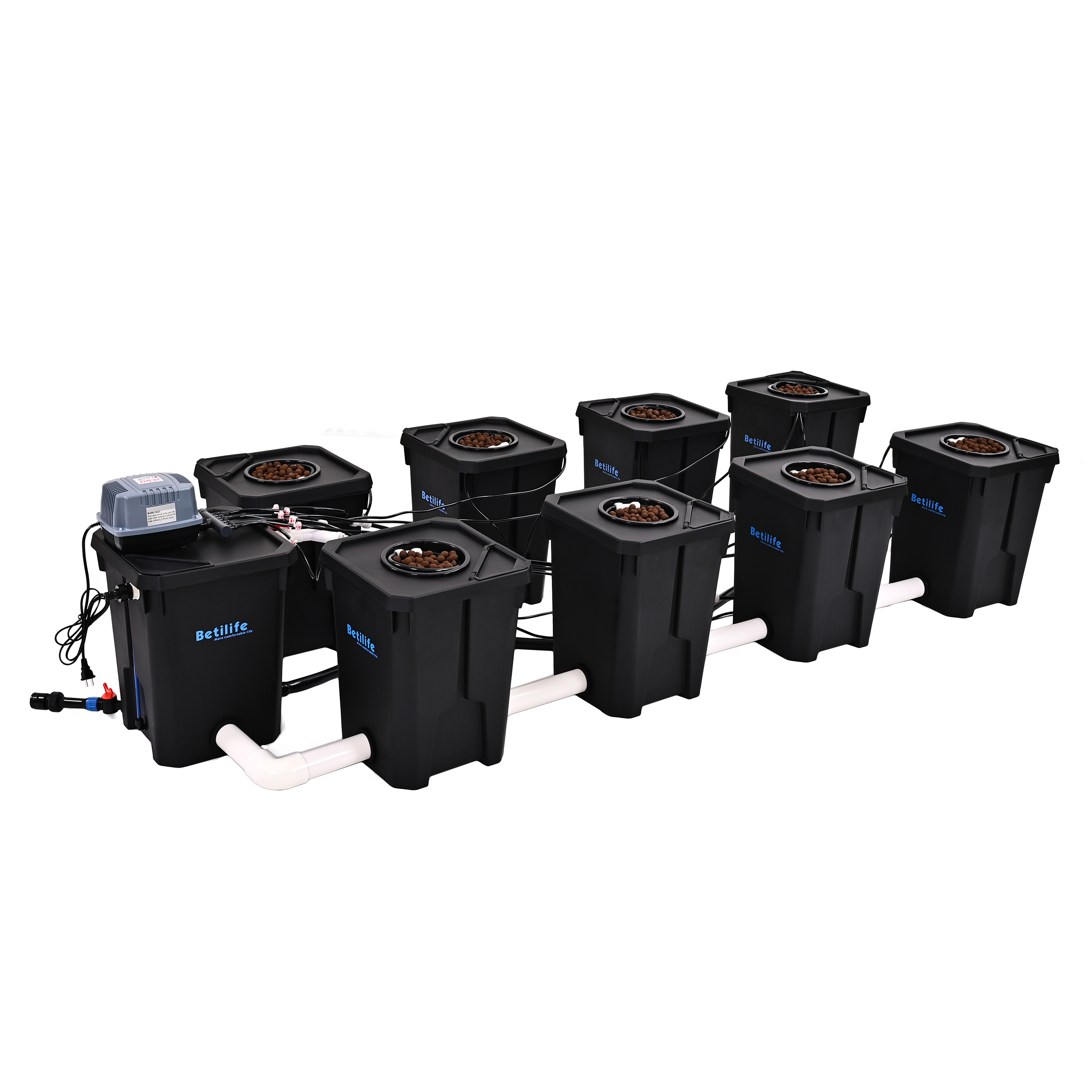
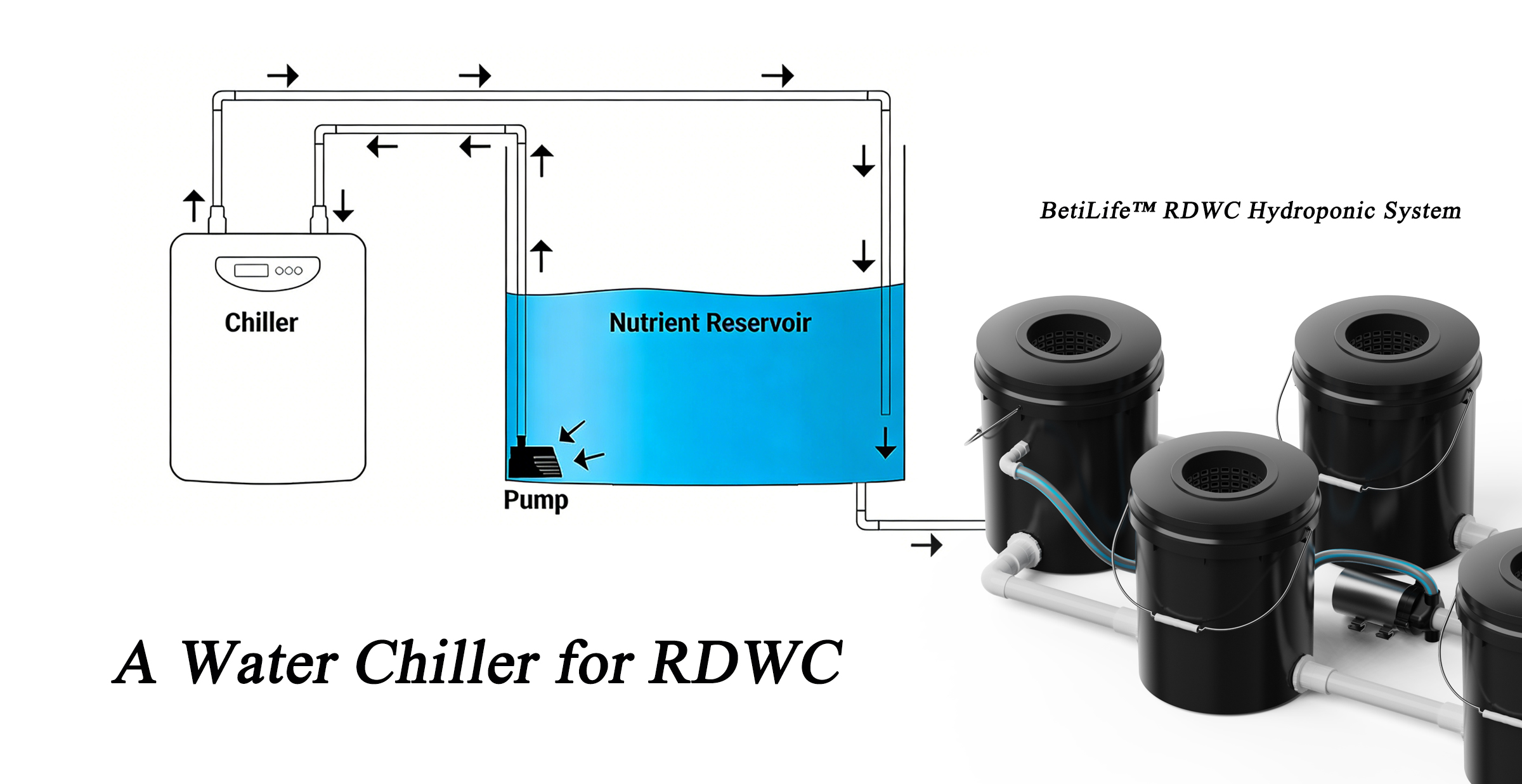
The BetiLife™ RDWC Hydroponic System is designed for maximum efficiency and scalability, but like all RDWC systems, it performs best under optimal temperature conditions.
Key Advantages When Paired with a Water Chiller:
-
✔ Optimized Recirculation Design
-
Ensures evenly cooled nutrient solution across all buckets.
-
-
✔ High Oxygen Delivery
-
Combines perfectly with chilled water for explosive root growth.
-
-
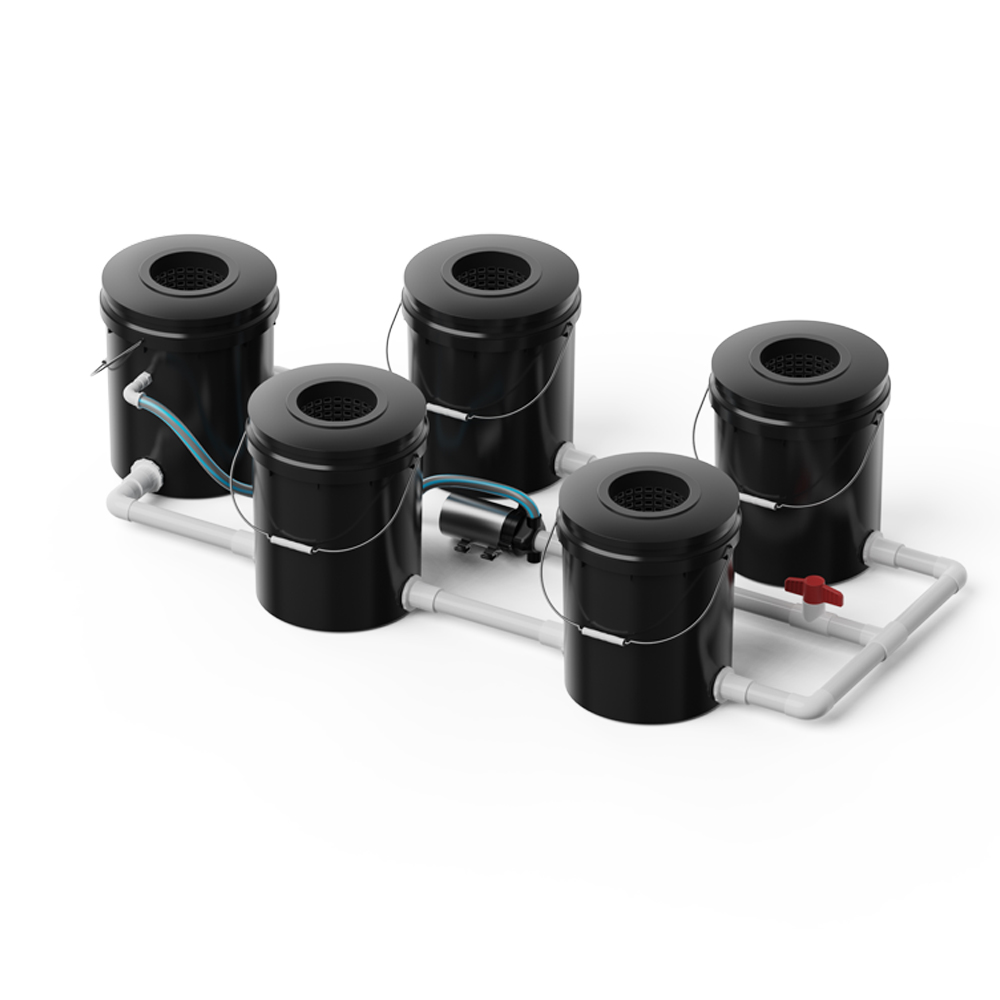
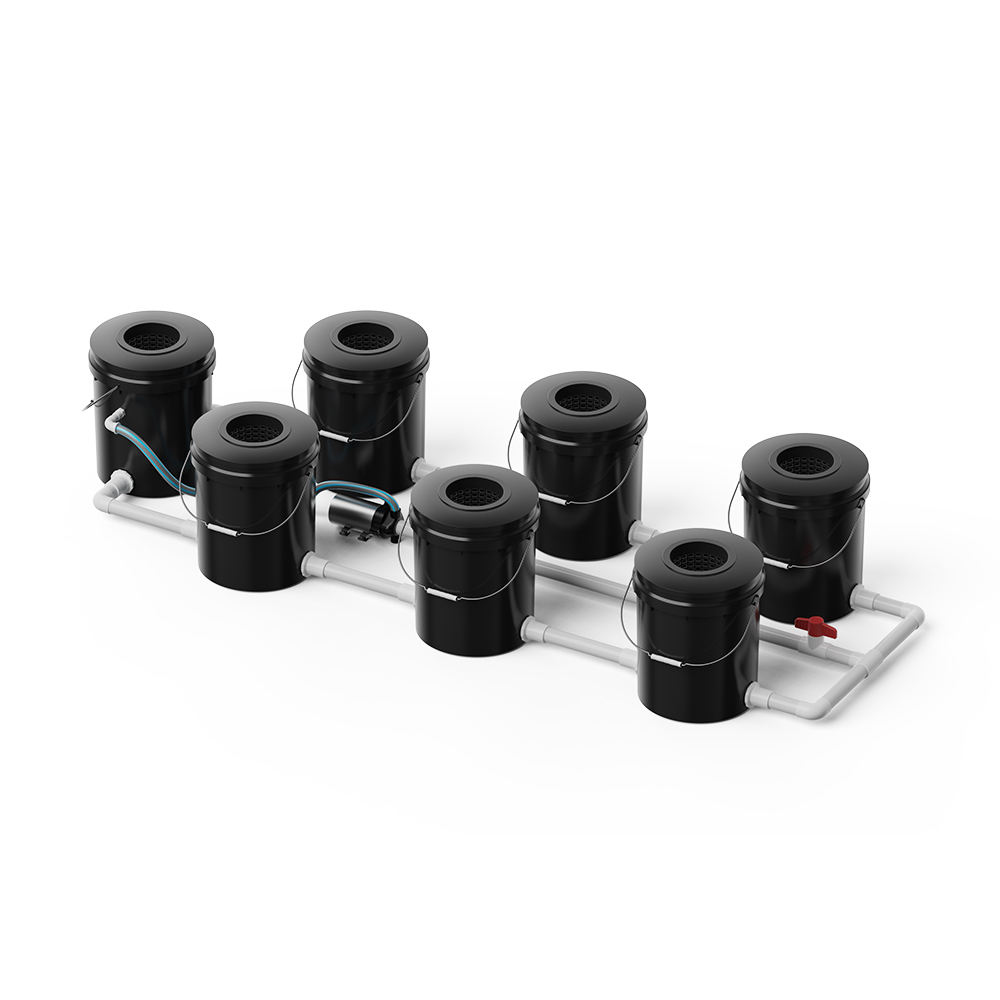
✔ Scalable Bucket Configurations (5 / 7 / 9 Buckets)
-
Larger systems benefit even more from temperature stability.
-
-
✔ Reduced Labor Costs
-
Automated system + chiller = near hands-off operation.
-
👉 Result: Faster growth cycles, higher turnover, and better ROI for commercial growers.
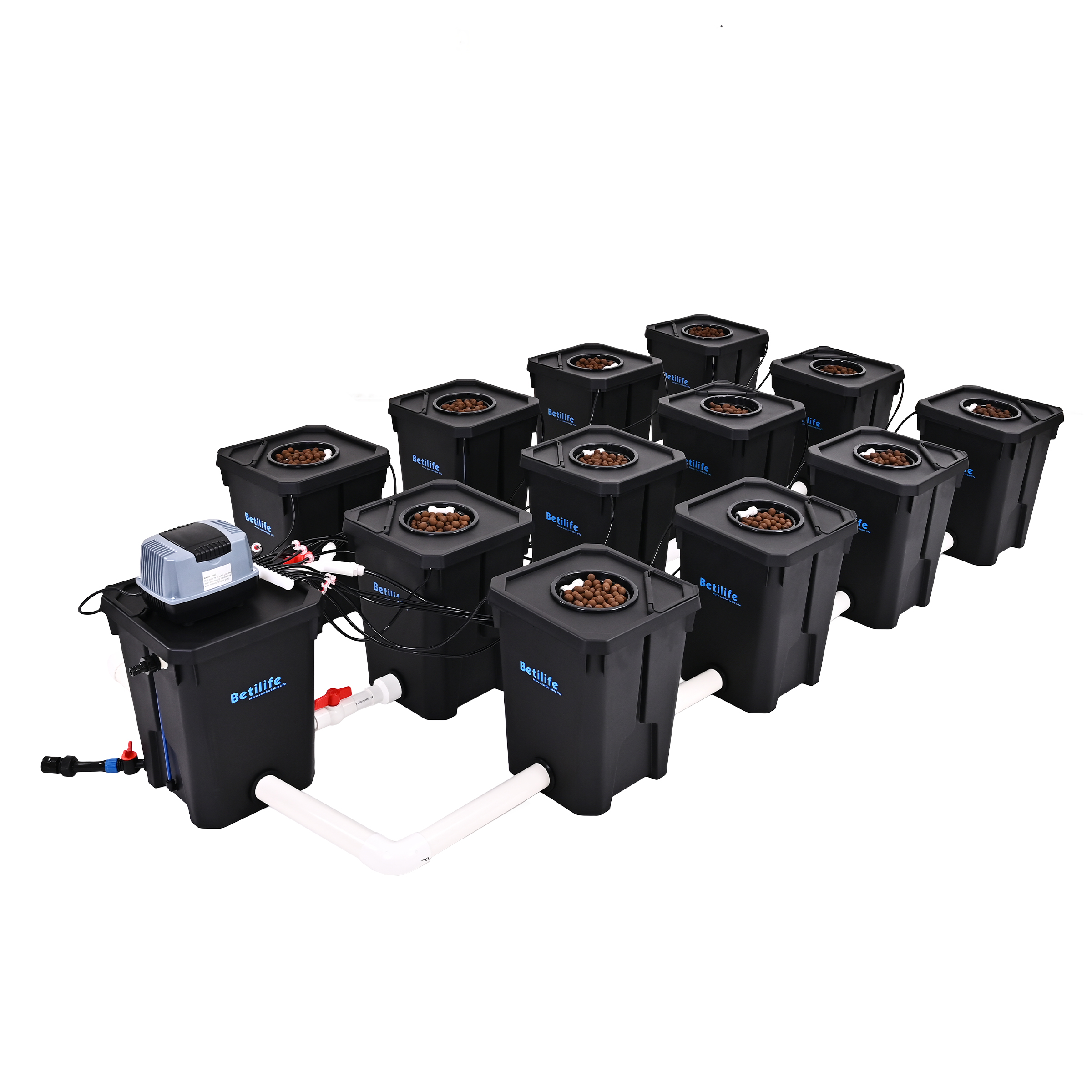
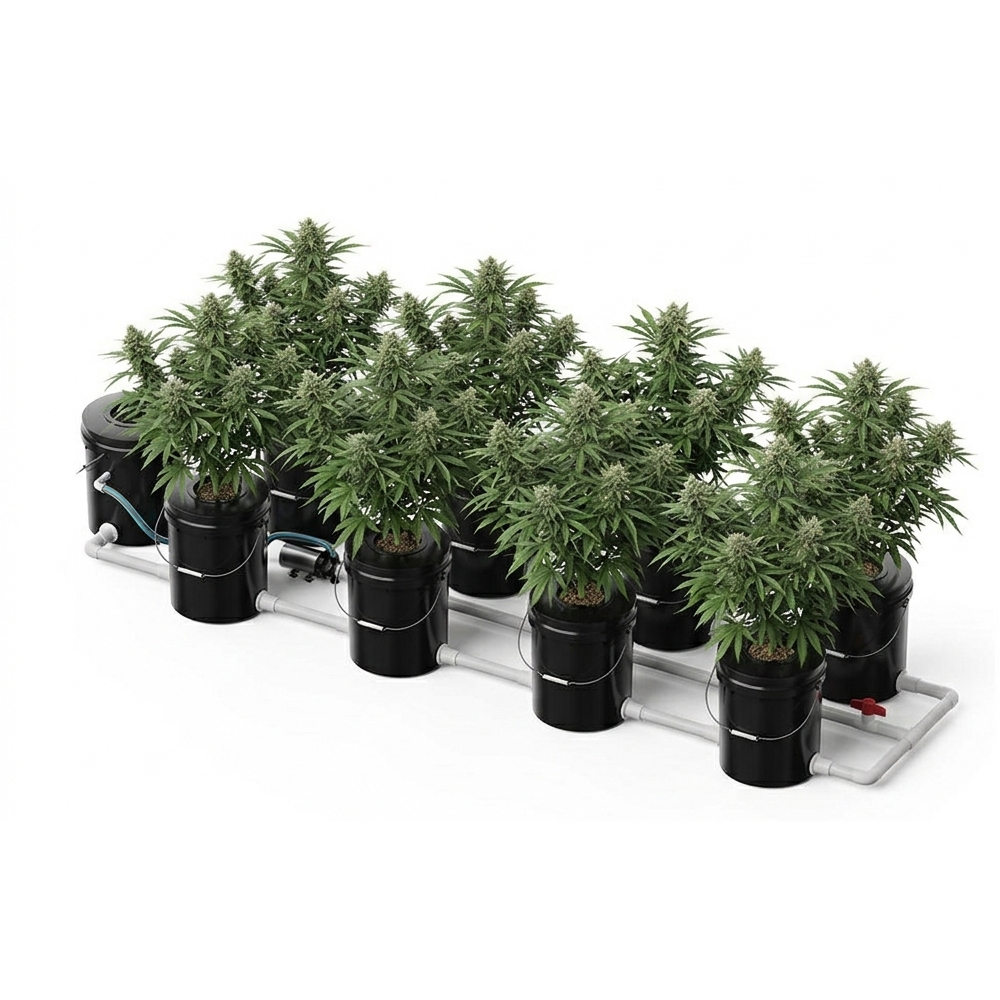
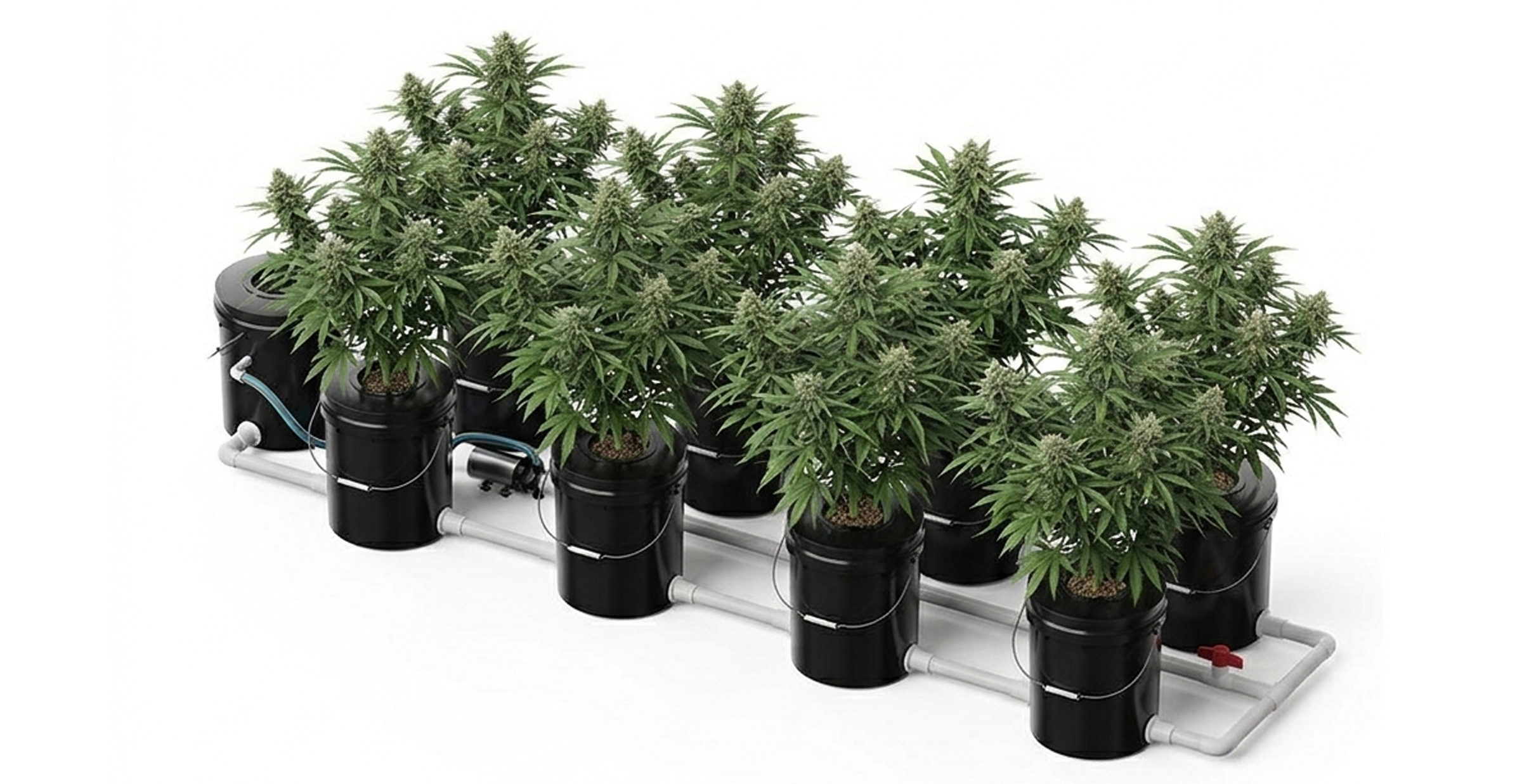 BetiLife™ RDWC Hydroponic System 9 Buckets Cannabis Cultivation
What Size Water Chiller Do You Need?
Choosing the right chiller depends on your system size.
General Guidelines:
| System Size | Total Water Volume | Recommended Chiller |
|---|---|---|
| 1–4 buckets | 20–50 gallons | 1/10 HP |
| 5–9 buckets | 50–150 gallons | 1/4 HP |
| 10+ buckets | 150+ gallons | 1/2 HP or more |
💡 Pro Tip: Always slightly oversize your chiller for better efficiency.
Cost vs ROI: Is a Water Chiller Worth It?
Initial Cost:
-
$150 – $600+ depending on size
Potential Loss Without One:
-
Crop failure
-
Reduced yields (20–50% loss)
-
Increased disease risk
👉 Bottom Line: A water chiller pays for itself quickly—especially in commercial RDWC setups.
Pro Grower Tips for RDWC Temperature Control
-
Keep your reservoir outside the grow tent
-
Use reflective insulation on buckets
-
Minimize pump heat exposure
-
Monitor temps daily (or automate sensors)
-
Pair with a high-quality RDWC system like BetiLife™
Final Verdict: Do You Need a Water Chiller for RDWC?
Yes—if you want consistent, high-yield results.
While small or cool setups may survive without one, serious growers understand:
👉 A hydroponic water chiller is not optional—it’s a performance upgrade.
When combined with the BetiLife™ RDWC Hydroponic System, it creates a professional-grade growing environment that maximizes yield, minimizes risk, and scales efficiently.
👉 Explore BetiLife™ RDWC Hydroponic Systems today and grow smarter, not harder.
 BetiLife™ Professional RDWC Complete Kit
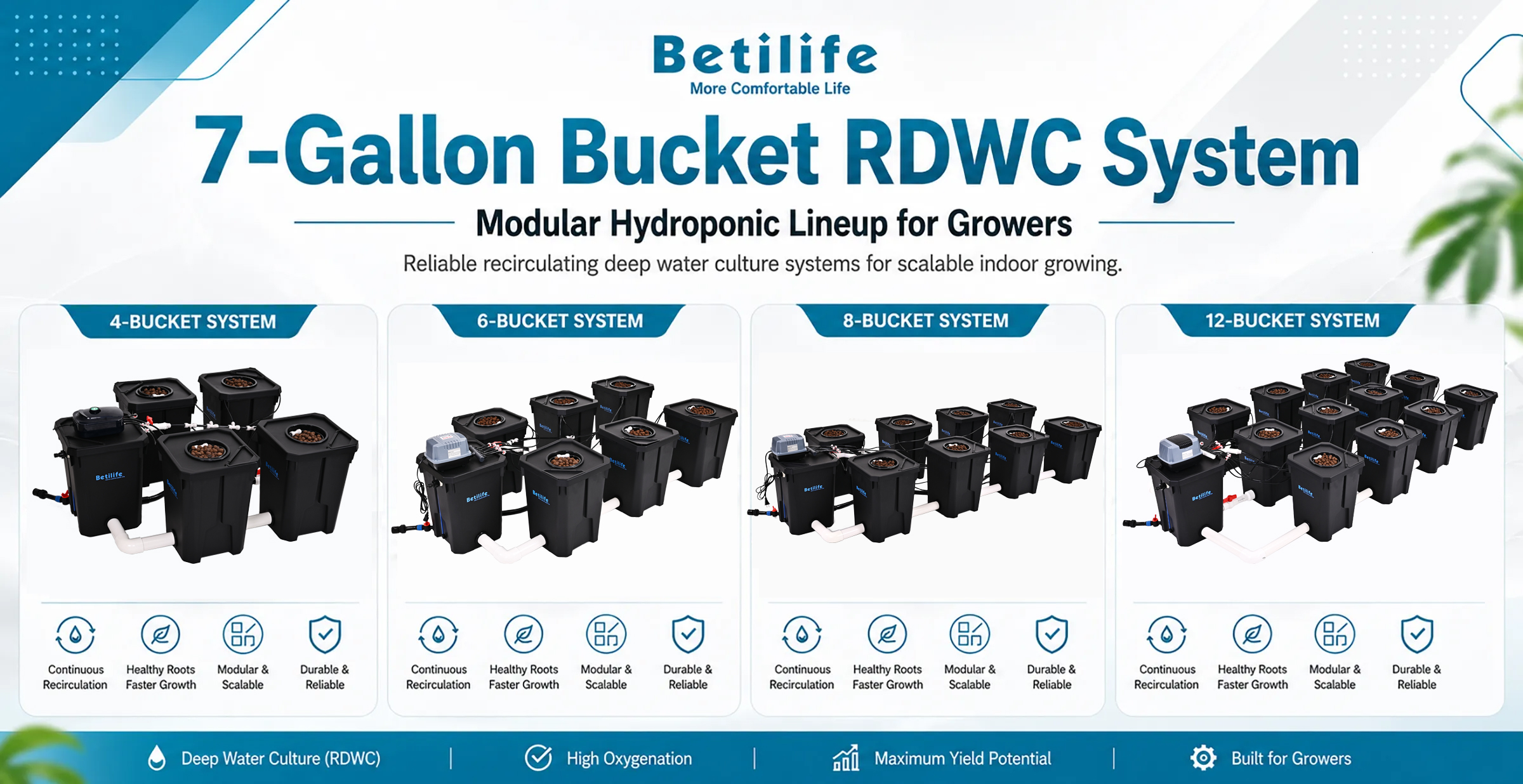
7-Gallon Bucket Commercial RDWC System
FAQ (People Also Ask Optimization)
Do RDWC systems need cold water?
Yes. RDWC systems perform best between 65–68°F, where oxygen levels are highest.
Can I run RDWC without a chiller?
You can, but it increases the risk of root disease and reduces yield consistency.
What temperature causes root rot in hydroponics?
Root rot commonly develops when water temperature exceeds 72°F (22°C).
Is a water chiller better than ice for hydroponics?
Yes. A chiller provides consistent, automated cooling, while ice is temporary and unstable.
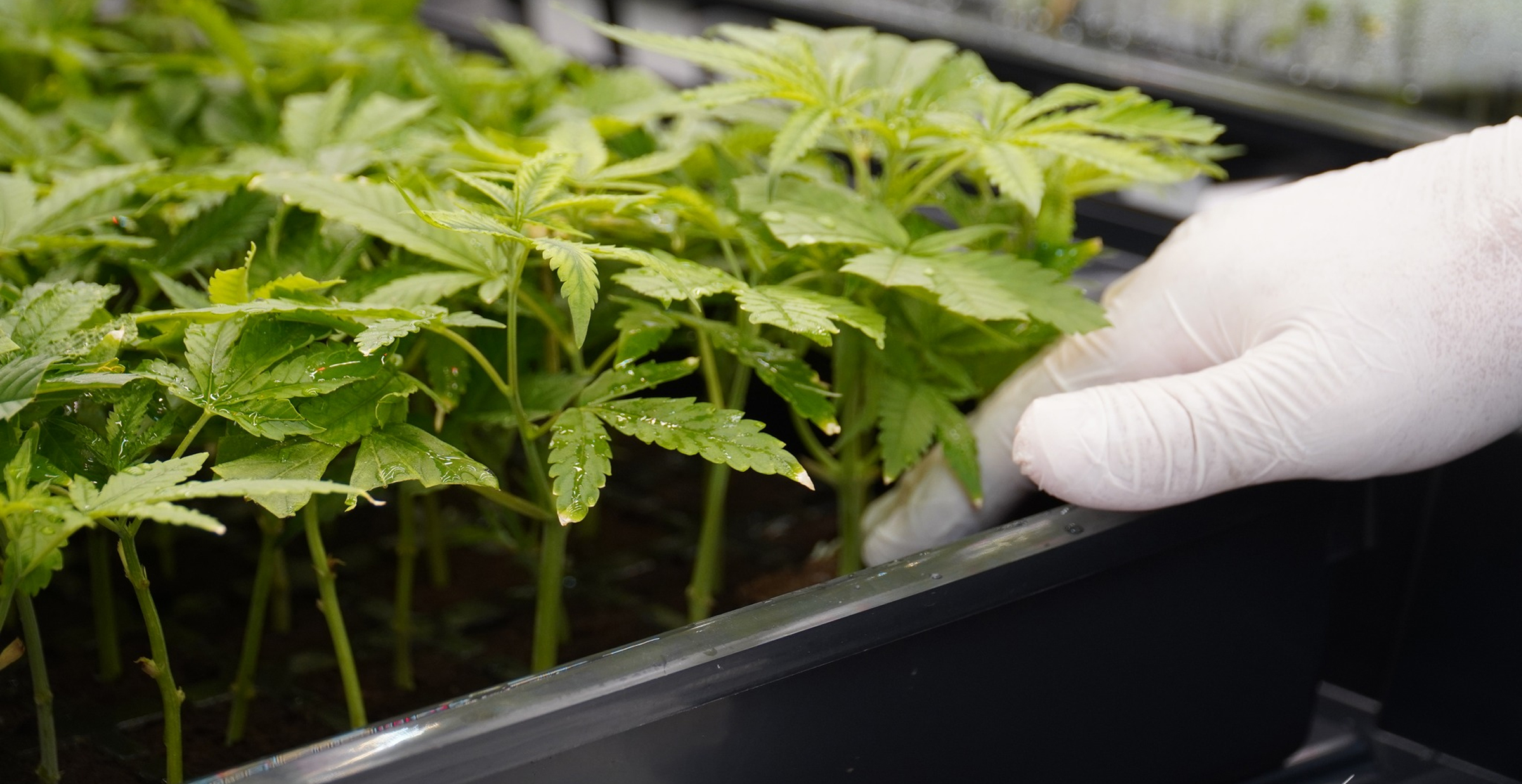 Cannabis Seedling Cultivation
Learn more about hydroponics: