This article is about "Hydroponic Strawberries: Overview and Cultivation".
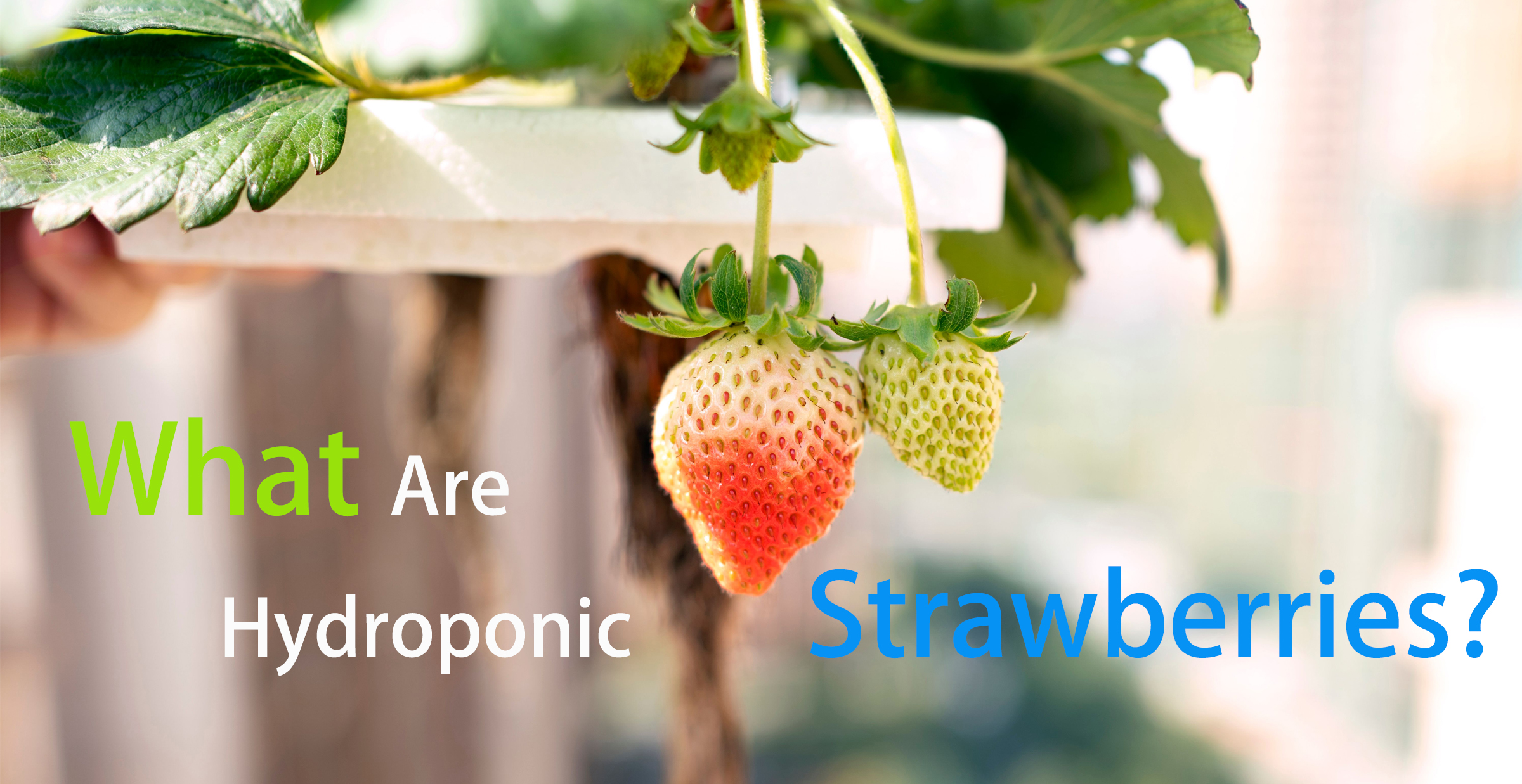
What Are Hydroponic Strawberries?
Hydroponic strawberries meaning growing strawberries in a water solution environment (not soil), this soil-less hydroponic growing method is categorized as Deep Water Culture (DWC), Nutrient Film Technique (NFT), Drip Irrigation, Aeroponics, Ebb and Flow, and Wick System, which delivers nutrients and water directly to the plant roots for a controlled environment and year-round growing. Hydroponic strawberry plants produce results faster than conventionally grown strawberries, are pesticide-free, and have sweeter, more flavorful strawberries.
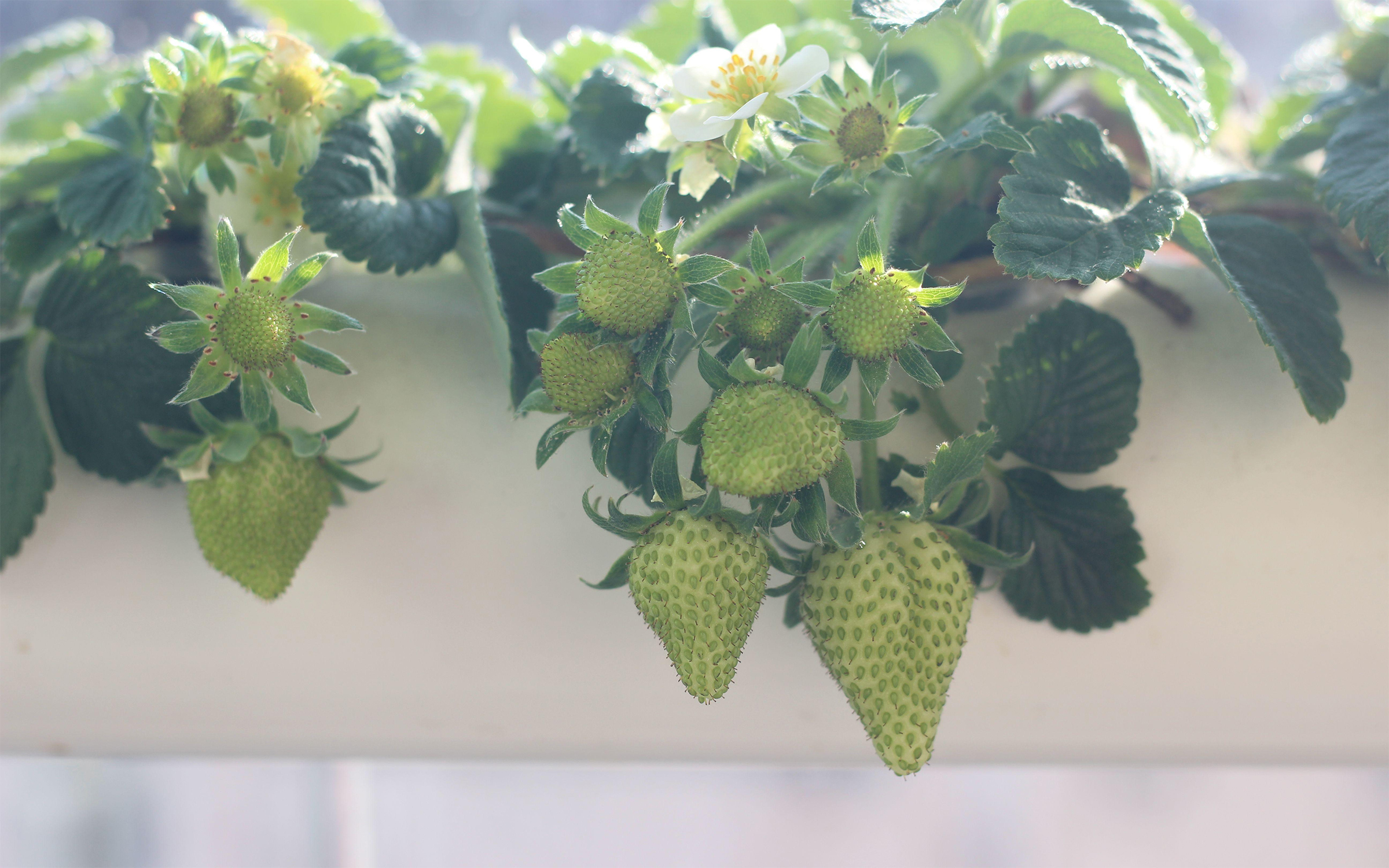
Here's a more detailed look at hydroponic strawberries:
How To Grow Hydroponic Strawberries?
Growing Process
-
Variety Selection
-
Opt for day-neutral or everbearing varieties (e.g., Albion, Seascape) that fruit continuously, ideal for controlled environments.
-
-
Hydroponic System Setup
-
Common Systems:
-
Nutrient Film Technique (NFT): Roots sit in a shallow stream of nutrient solution.
-
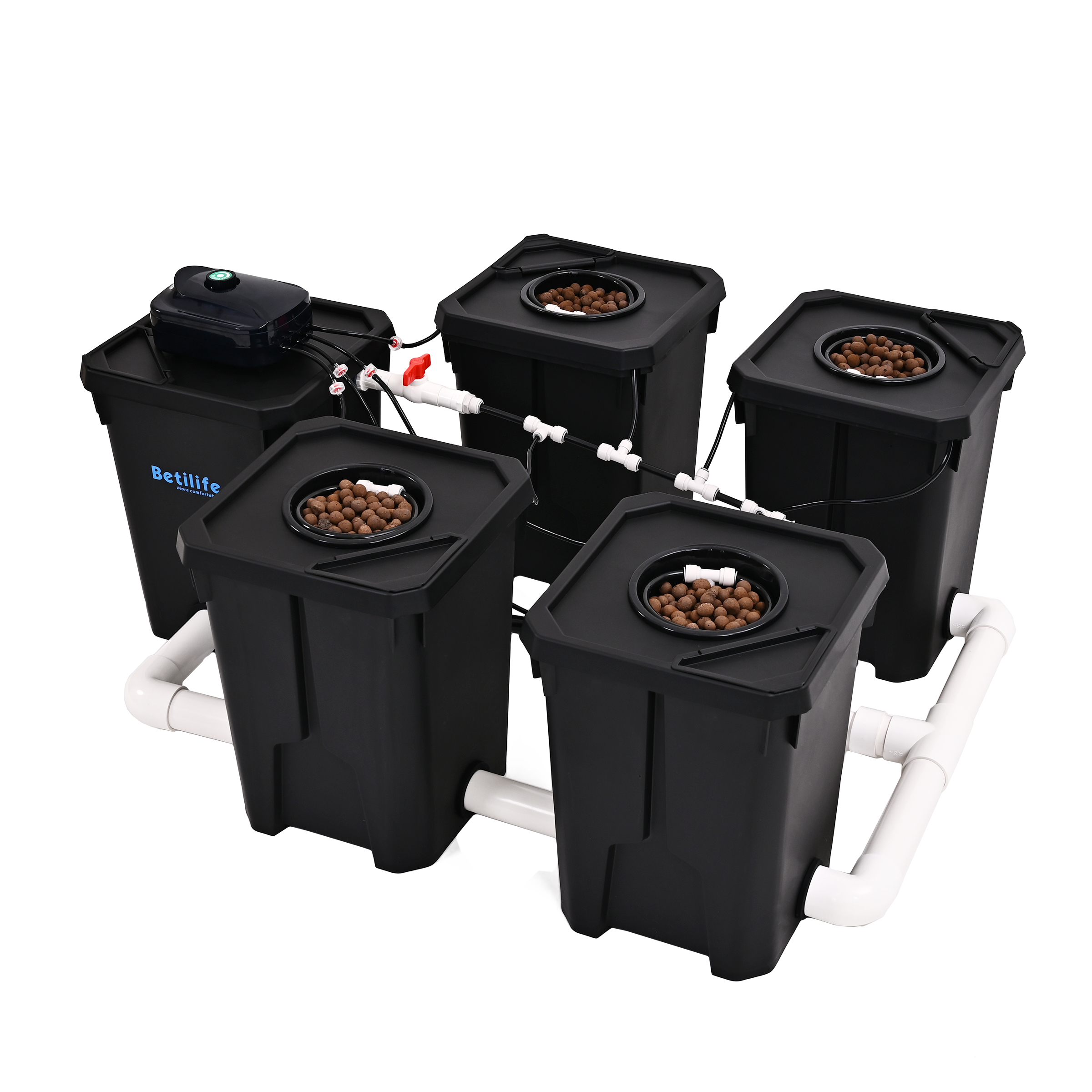
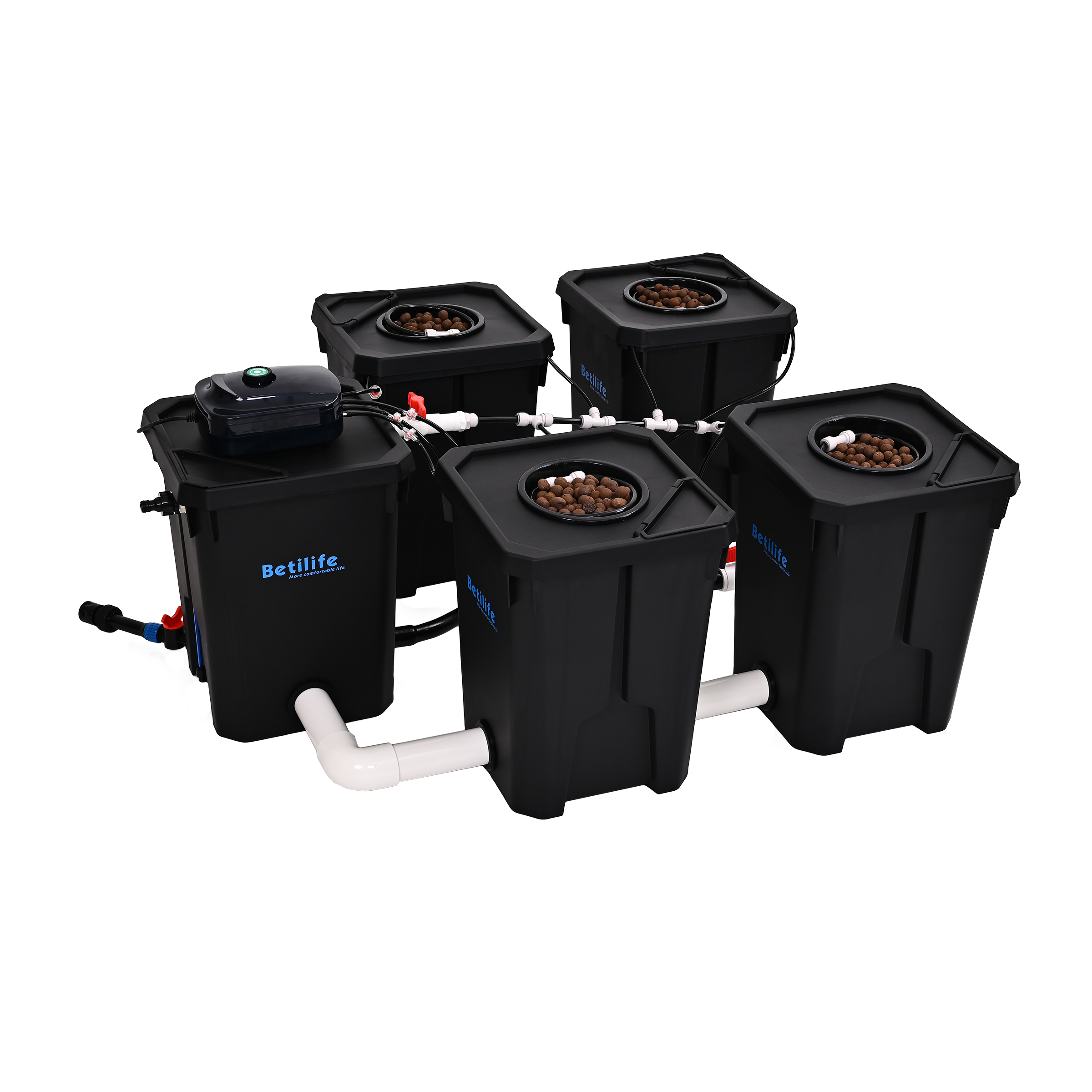
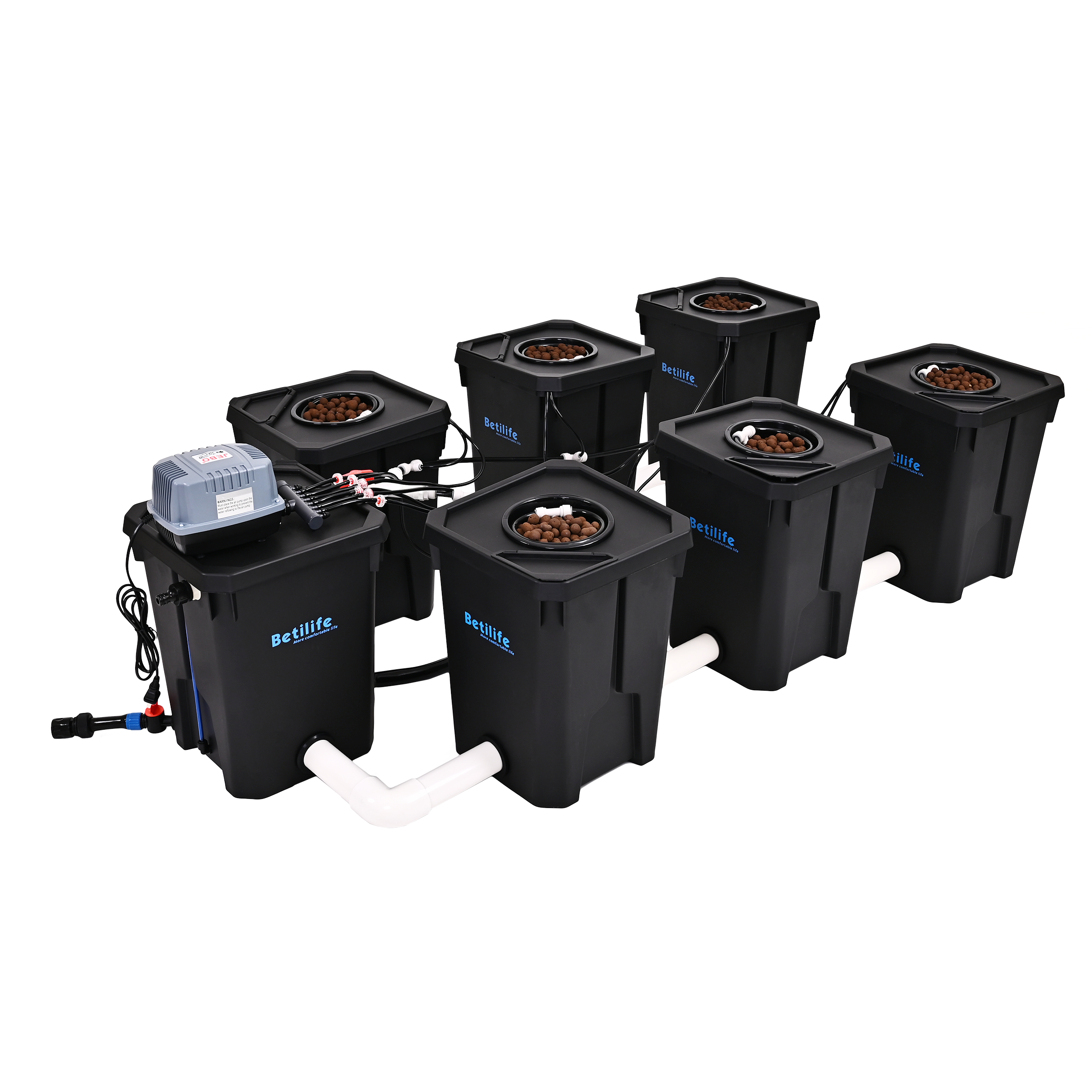
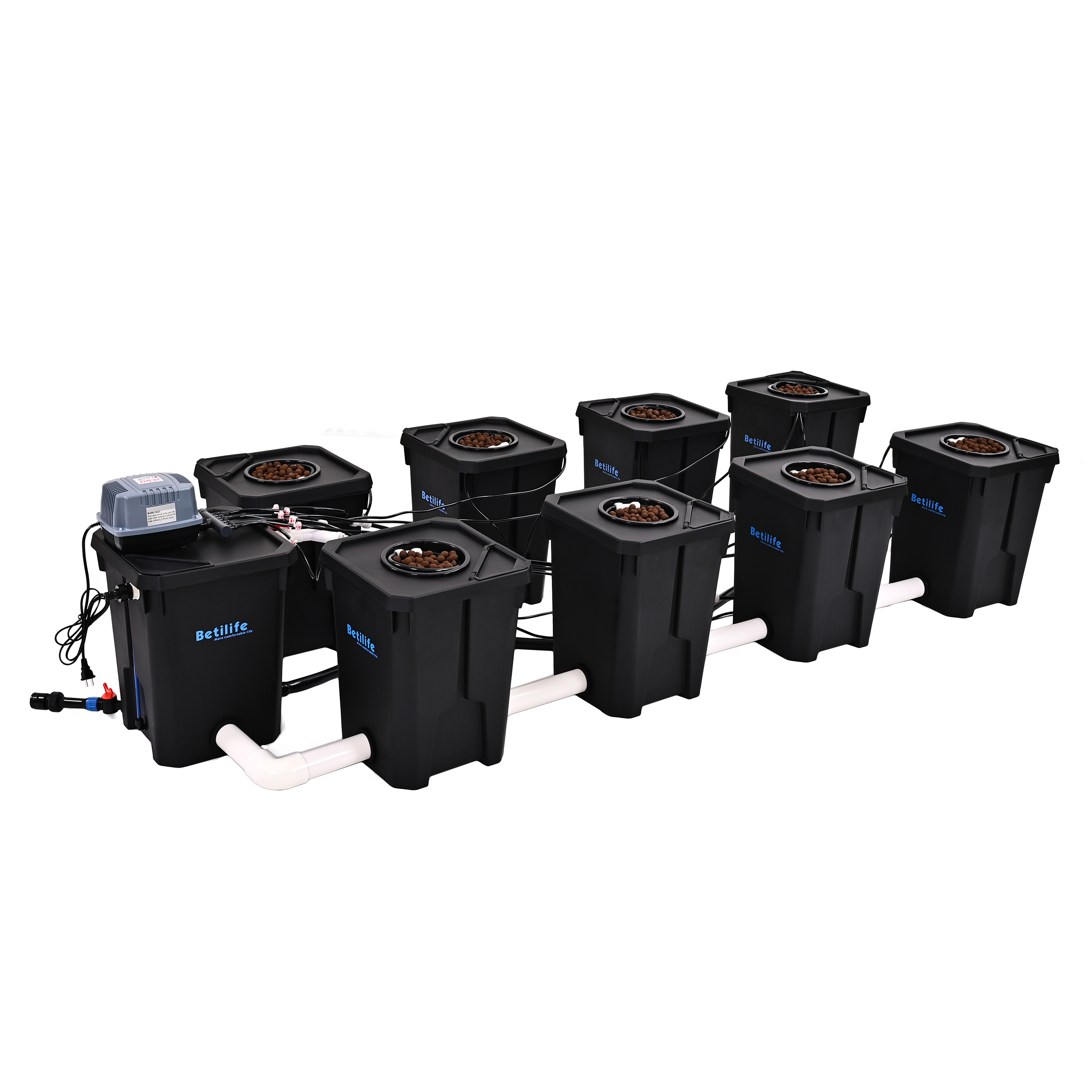
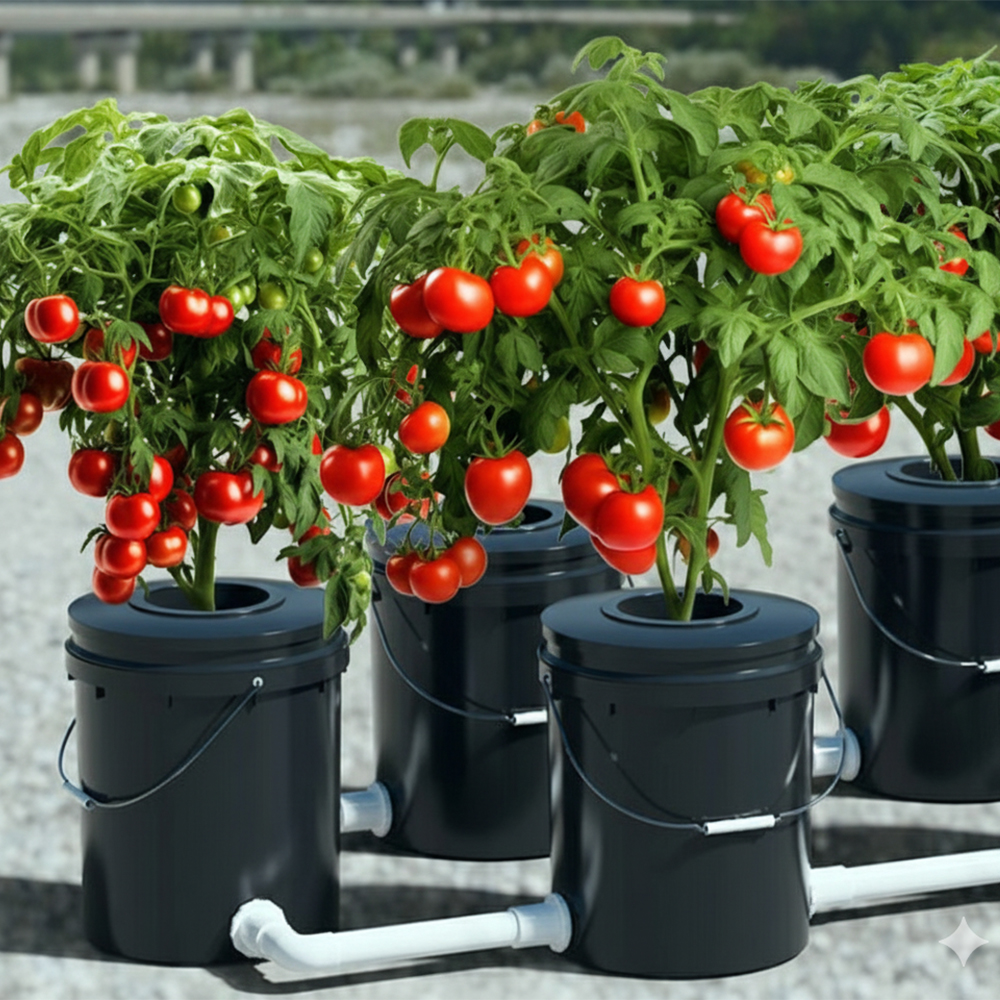
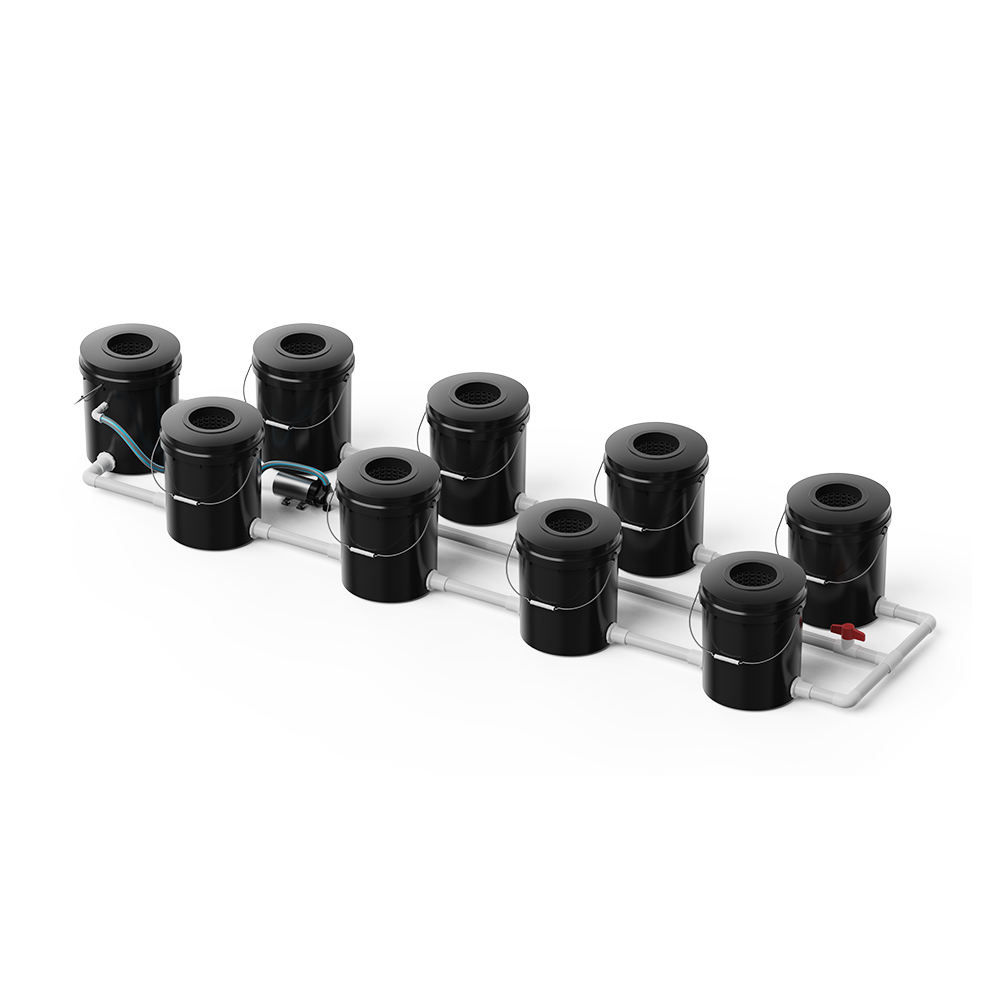
Deep Water Culture (DWC): Roots submerged in oxygenated water using air stones.
-
Drip Systems: Nutrient solution dripped onto plants via emitters.
-
Ebb and Flow: Periodically floods and drains the root zone.
-
-
Growing Media: Use inert, porous substrates like coconut coir, perlite, rockwool, or clay pellets to support roots.
-
-
Nutrient Solution Management
-
Macro/Micronutrients: Ensure balanced N-P-K (nitrogen, phosphorus, potassium) and essential minerals (calcium, magnesium).
-
pH Levels: Maintain between 5.5–6.5; adjust using pH up/down solutions.
-
Electrical Conductivity (EC): Monitor to avoid nutrient imbalances (ideal range: 1.8–2.5 mS/cm).
-
Temperature: Keep solution at 18–22°C (64–72°F) to prevent root diseases.
-
-
Environmental Control
-
Lighting: Use LED or high-intensity grow lights for 12–16 hours/day if sunlight is insufficient.
-
Temperature/Humidity: Maintain air temperature at 18–25°C (64–77°F) and humidity at 60–75%.
-
Air Circulation: Use fans to strengthen plants and reduce fungal risks.
-
-
Pollination
-
Manual Methods: Vibrate flowers (e.g., with an electric toothbrush) or use a soft brush to transfer pollen.
-
Biological Agents: Introduce bumblebees in greenhouse settings.
-
-
Maintenance
-
Pruning: Remove runners and dead leaves to direct energy toward fruiting.
-
Pest/Disease Management: Inspect regularly for aphids, spider mites, or powdery mildew; use organic pesticides or beneficial insects.
-
Root Health: Prevent root rot by ensuring oxygenation and avoiding waterlogging.
-
-
Harvesting
-
Pick berries when fully red and ripe, typically 4–6 weeks after flowering. Handle gently to avoid bruising.
-
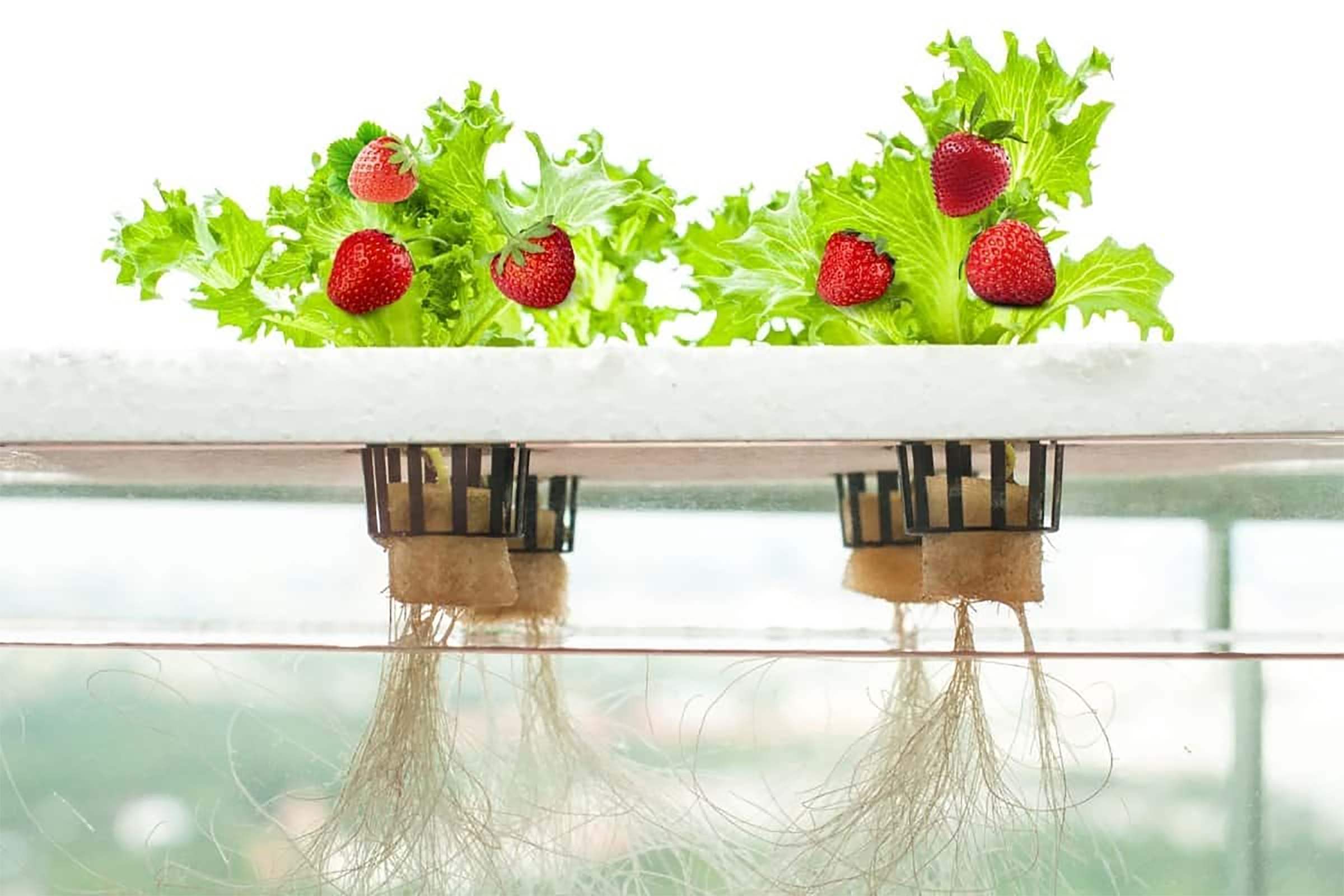 Nutrient Film Technique (NFT) for Hydroponic Strawberry Cultivation
Advantages
-
Resource Efficiency: Uses ~90% less water than soil farming.
-
Higher Yields: Optimized conditions boost productivity.
-
Year-Round Production: Unaffected by seasonal changes.
-
Reduced Pesticides: Lower soil-borne disease risk.
Challenges
-
Initial Cost: High setup expenses for systems and climate control.
-
Technical Expertise: Requires knowledge of hydroponics and plant biology.
-
Monitoring: Constant attention to pH, EC, and environmental factors.
Innovations
-
Vertical Farming: Maximizes space efficiency in urban areas.
-
Automation: Sensors and dosing systems for real-time adjustments.
Hydroponic strawberries exemplify modern agriculture's potential, combining technology and biology for sustainable, high-quality fruit production. 🍓🍓🍓
View More: Best Strawberries For Hydroponics
Hydroponic Strawberry Tower
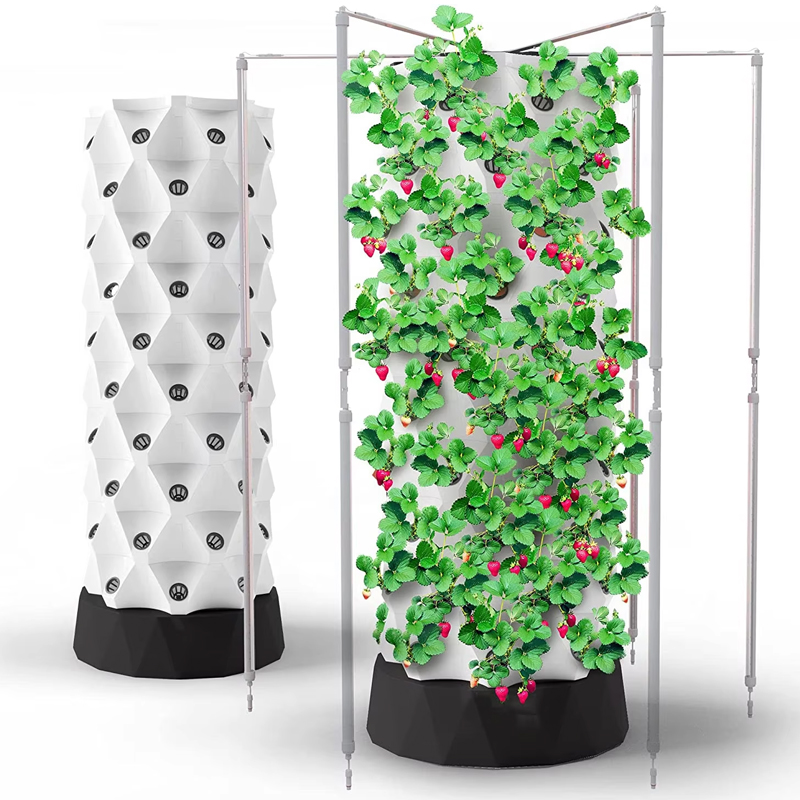
48-80 Pods Hydroponic Garden Tower, Vertical Garden Growing System Kits
Betilife's automatic hydroponics system (Your indoor hydroponic garden) uses NFT, an advanced version of traditional hydroponics. Nutrients and CO2 are fed constantly in an efficient and effective automated process that yields maximum results.
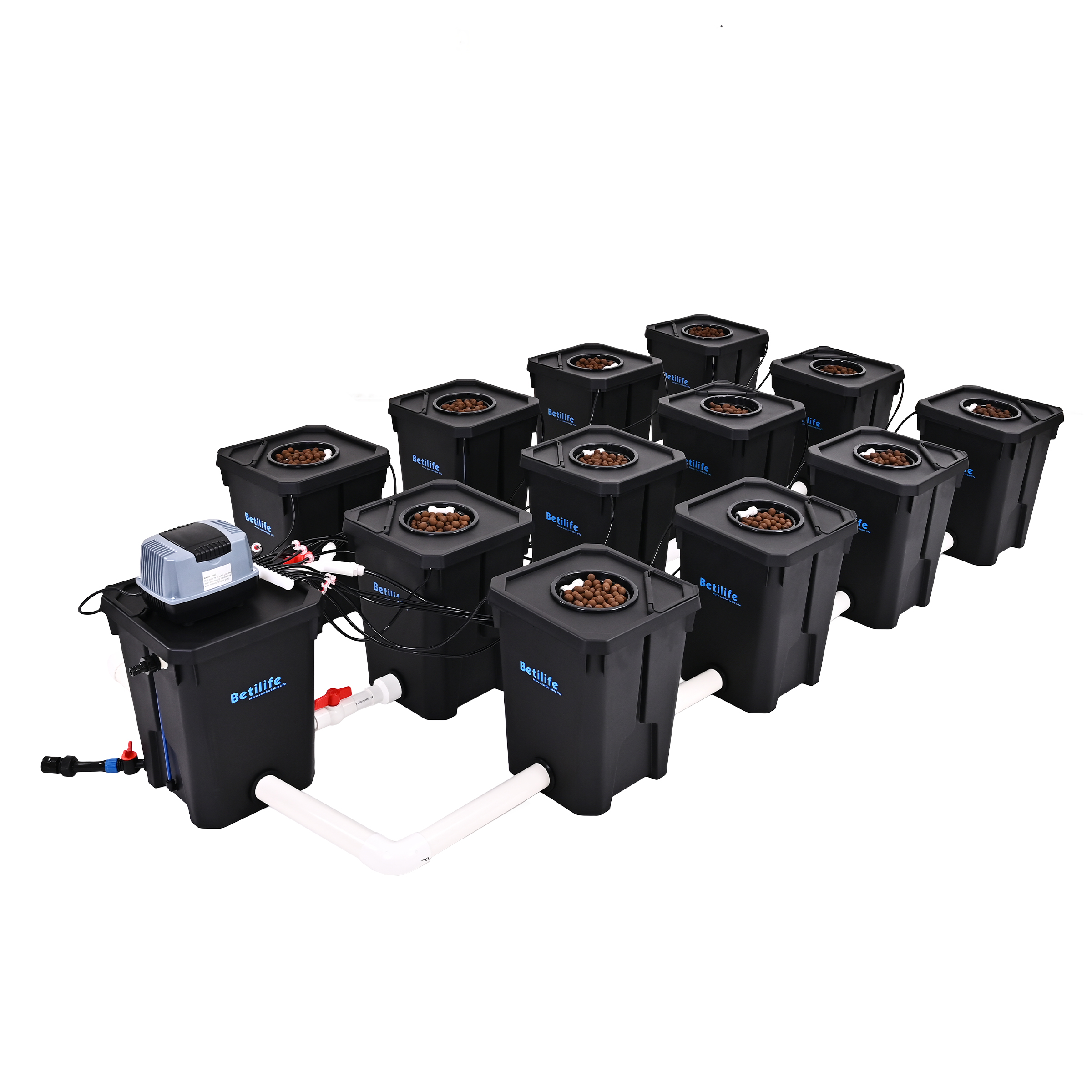
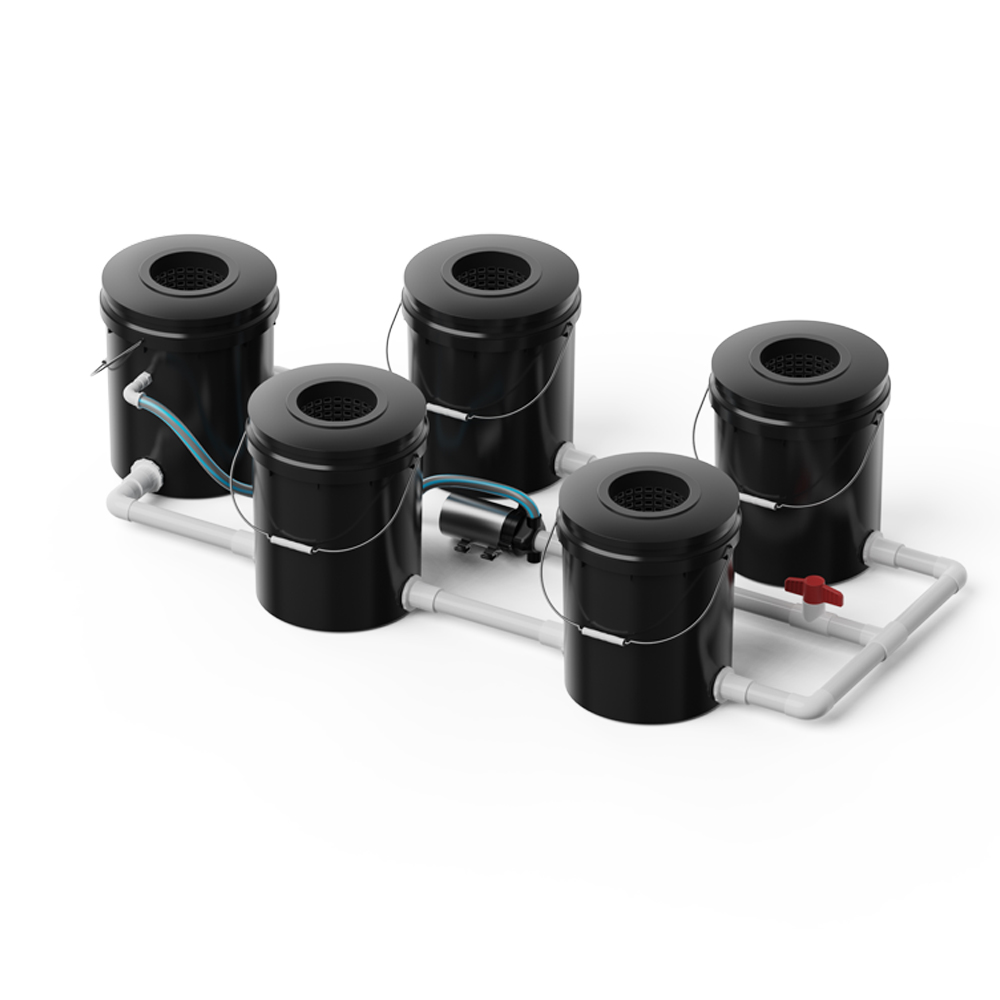
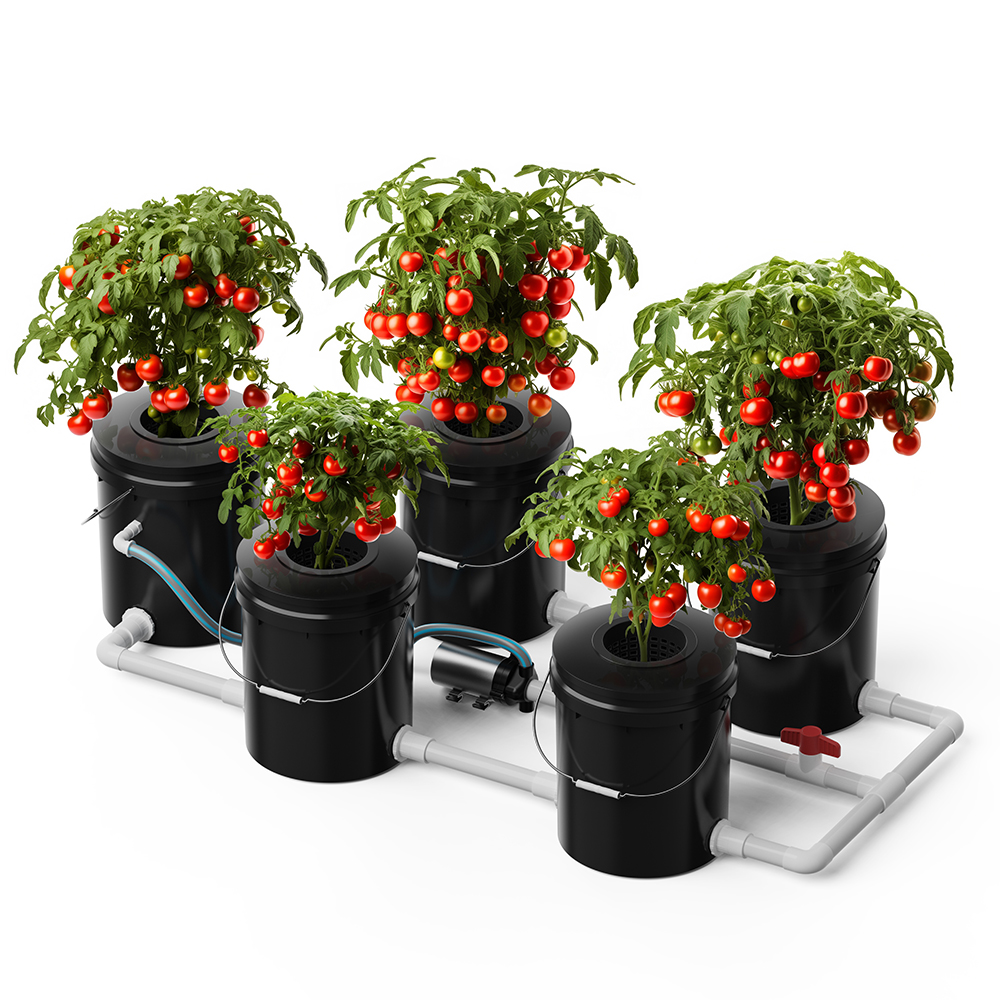
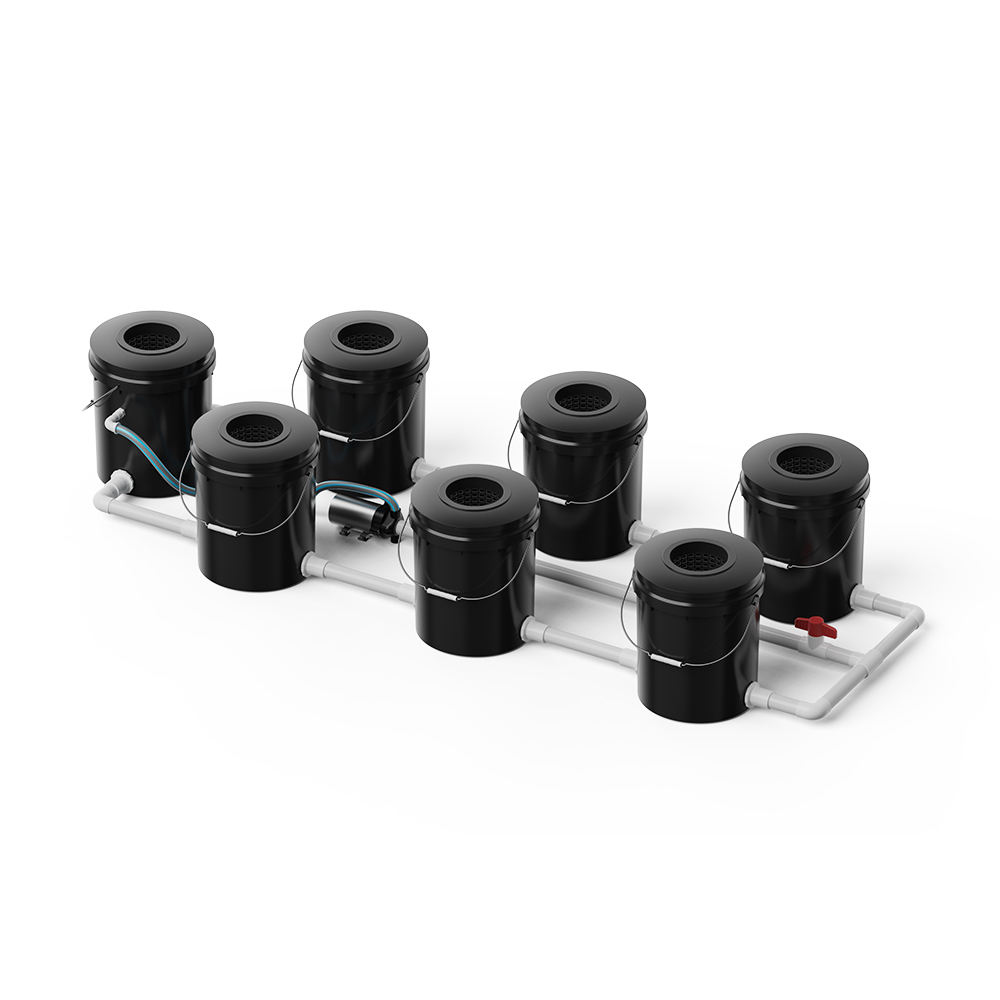
If you need to hydroponically grown strawberries indoors or outdoors at home, you can choose BetiLife™ Hydroponic Systems: