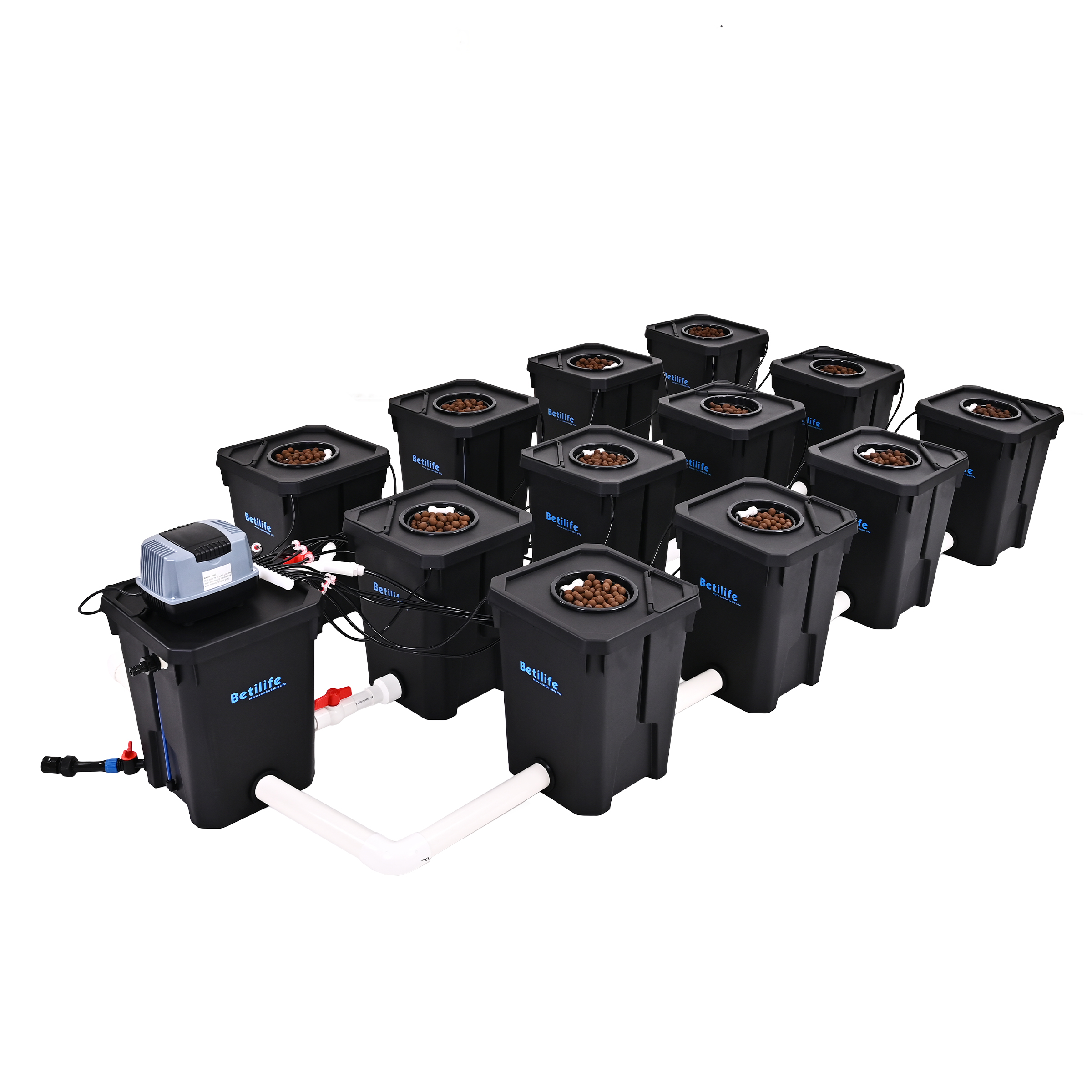
What is the Nutrient Film Technique NFT of Hydroponic
What is the NFT nutrient film technique in hydroponics? The Nutrient Film Technique (NFT) is a hydroponic system where plants grow with their roots exposed to a thin, continuous stream of nutrient-rich water. This method emphasizes efficient nutrient uptake and oxygenation, ideal for fast-growing, shallow-rooted crops. And learning together about the Nutrient Film Technique advantages and disadvantages.
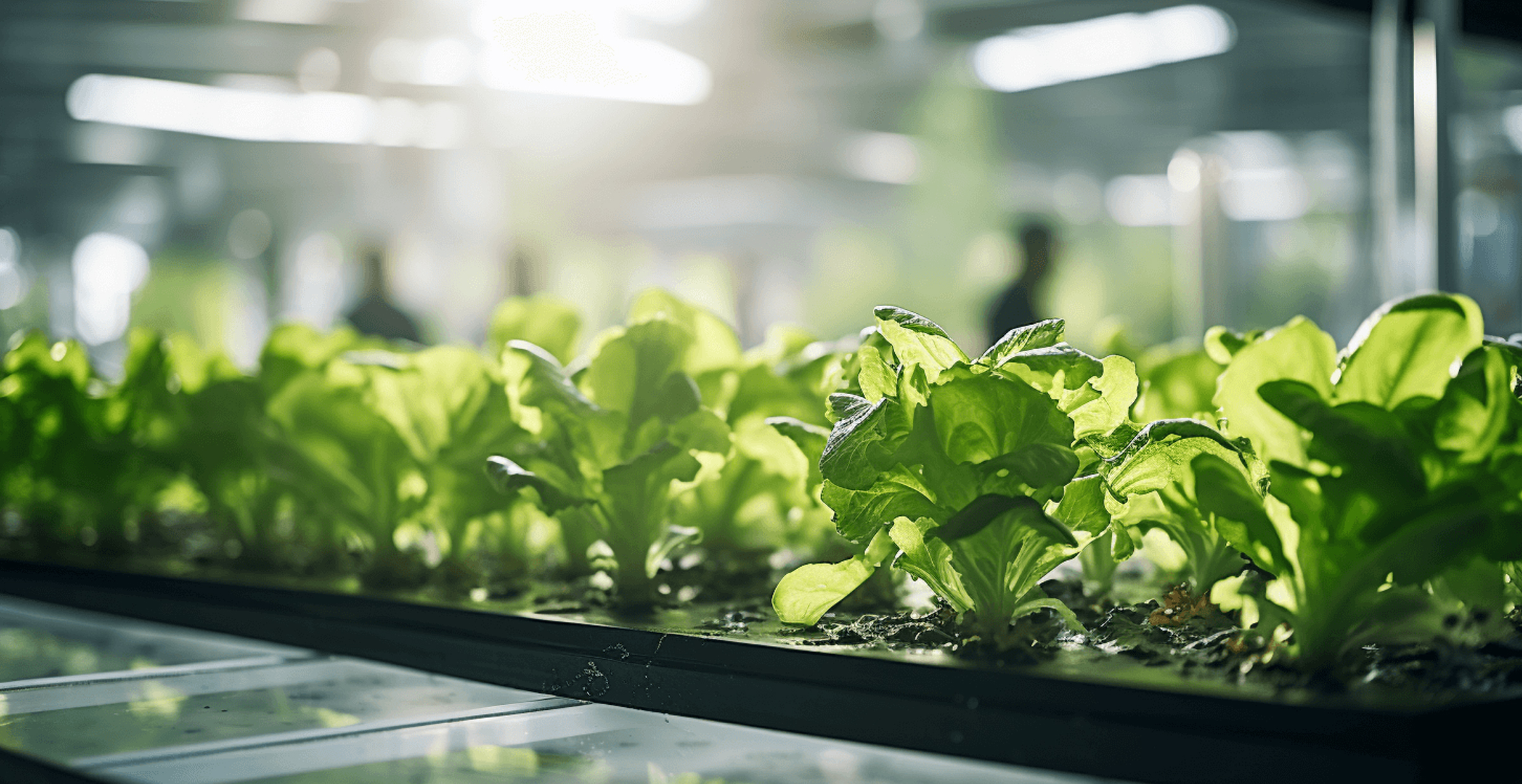
NFT - Nutrient Film Technique Definition
Nutrient Film Technique (NFT) is a method of hydroponics in which the plant's root system is suspended in a shallow channel of constantly circulating nutrient-rich water, which allows the plant's root system to take up essential nutrients and oxygen through the shallow channel to promote rapid plant growth.
How does the Nutrient Film Technique work?
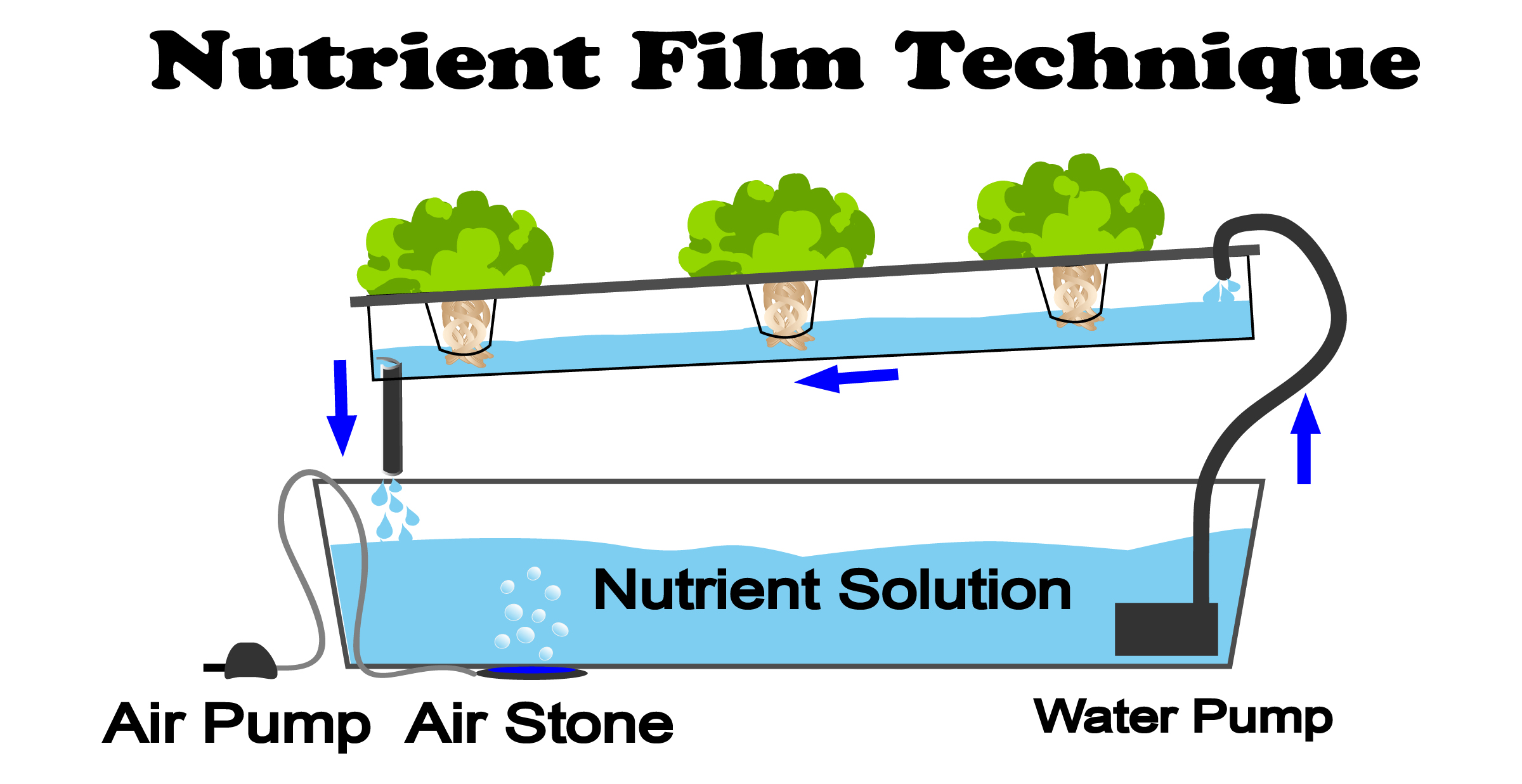
In a well-designed NFT system, the nutrient solution is transported by pumping action from the tank to the plant channel, where it flows by gravity through the exposed root system to the collection system. The collection system then returns the nutrient solution to the tank to be pumped to the plants again.
-
Nutrient solution
Nutrient-rich water is pumped into an inclined channel in which plant roots are suspended.
-
Thin Film
A thin film of nutrient solution continuously flows over the root system, enabling the plant to absorb the nutrients.
-
Recirculation
The used solution is collected at the bottom of the channel and circulated back to the nutrient film.
-
Oxygen Access
The shallow nature of the nutrient film also allows the root system to access oxygen, which is essential for healthy root growth.
-System.jpeg?w=2400&h=1237)
Key Components
-
Reservoir: Stores nutrient solution.
-
Submersible Pump: Circulates the solution.
-
Channels/Gullies: Sloped (typically 1:30 to 1:40 gradient) to allow solution flow; plants sit in net pots here.
-
Tubing: Transports solution from reservoir to channels.
-
Return System: Drains excess solution back to the reservoir.
Management Considerations
- Slope Adjustment: Ensure gentle gradient for optimal flow.
- Monitoring: Regularly check pH, EC, and nutrient levels.
- Prevent Algae: Use opaque channels to block light.
- Redundancy: Backup power for pumps to avoid system failure.
- Sanitation: Clean reservoirs/tubing to prevent clogs and disease.
Nutrient Film Technique (NFT) Advantages/Benefits
-
Water/Nutrient Efficiency
Recirculating system reduces waste.
-
Oxygenation
Roots access air directly, enhancing growth.
-
Low Medium Use
No soil or aggregate; seedlings often start in inert cubes (e.g., rockwool).
-
Automation-Friendly
Easily integrated with monitoring systems for pH, EC, and temperature.
-
Scalability
Suitable for home and commercial setups.
Nutrient Film Technique (NFT) Disadvantages
-
Power Dependency
Pump failure can desiccate roots within hours.
-
Disease Risk
Pathogens spread quickly in recirculated water.
-
Clogging/Temperature Sensitivity
Debris in tubing or extreme temps disrupt root health.
-
Limited Crop Variety
Unsuitable for deep-rooted or long-term crops.
The NFT is known for its simplicity/scalability and efficiency, making it a popular choice for commercial leafy greens production, as well as for its simple system setup for hobby gardeners.
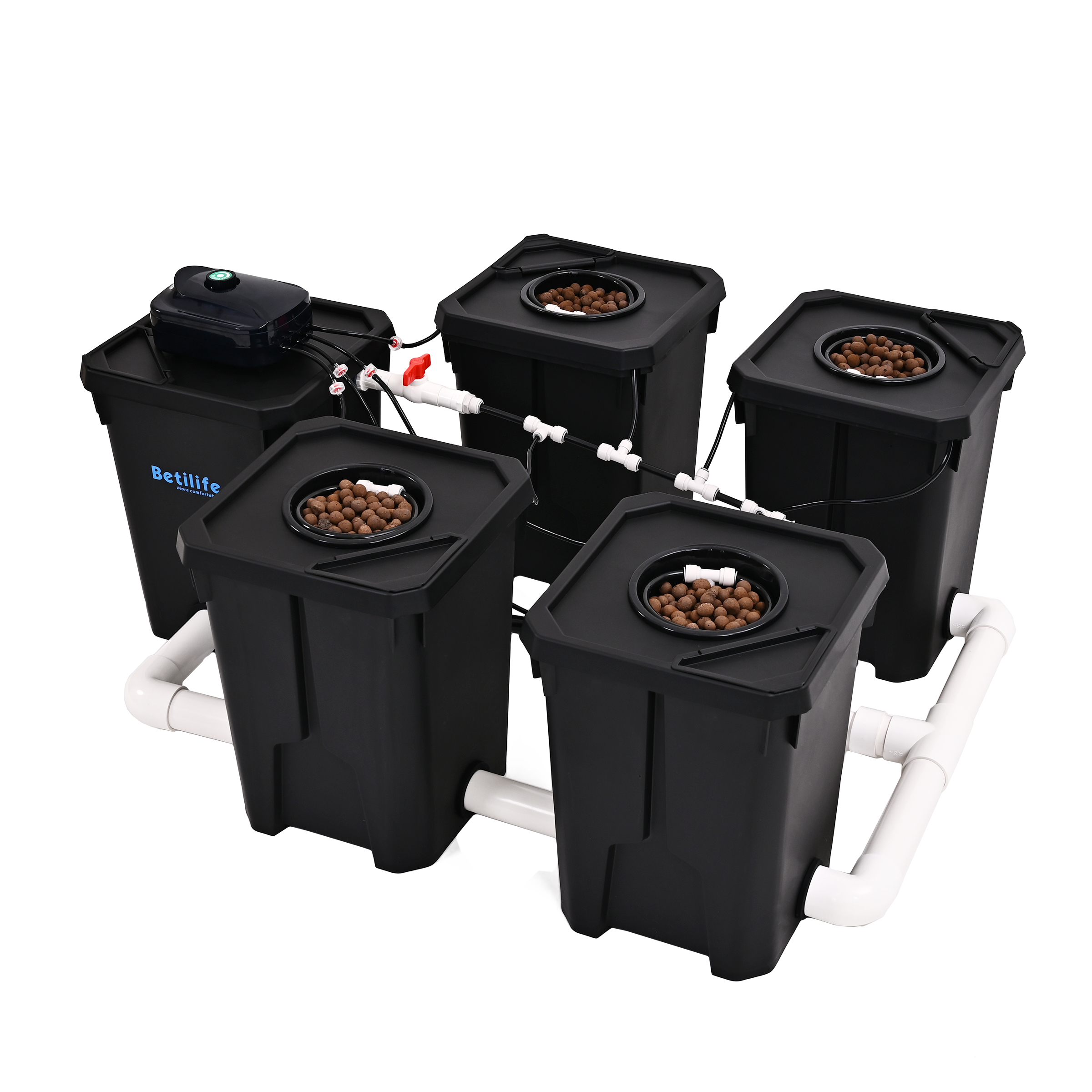
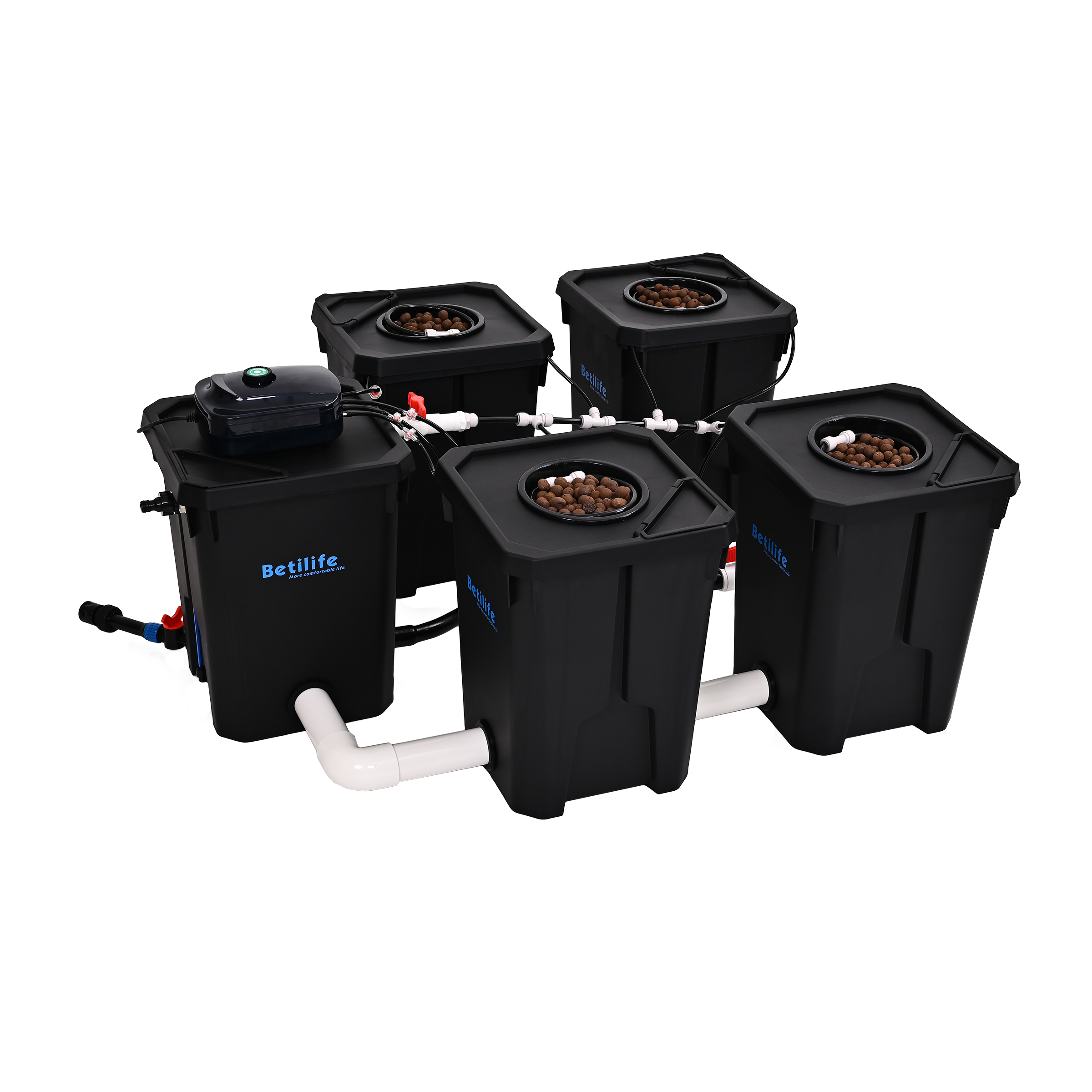
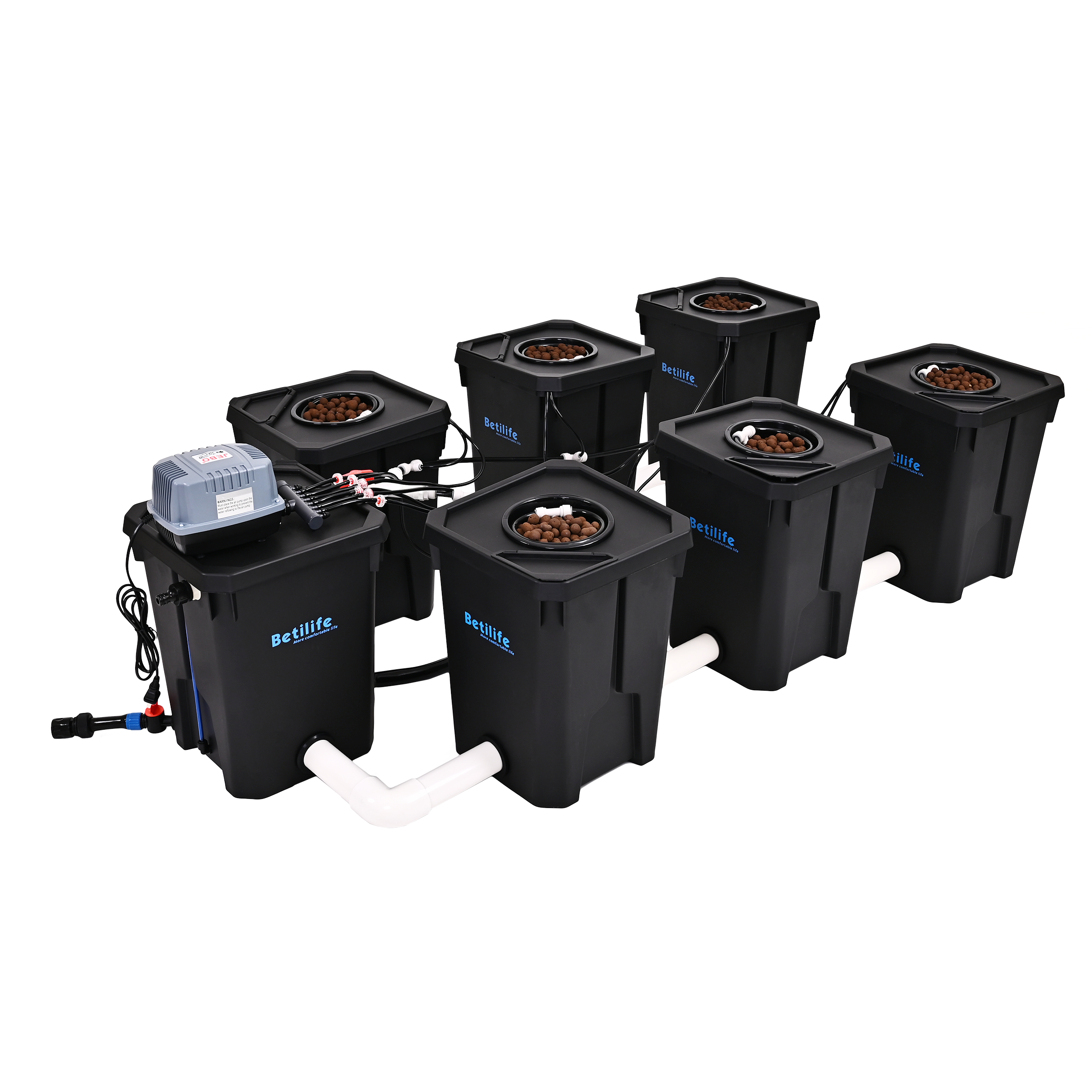
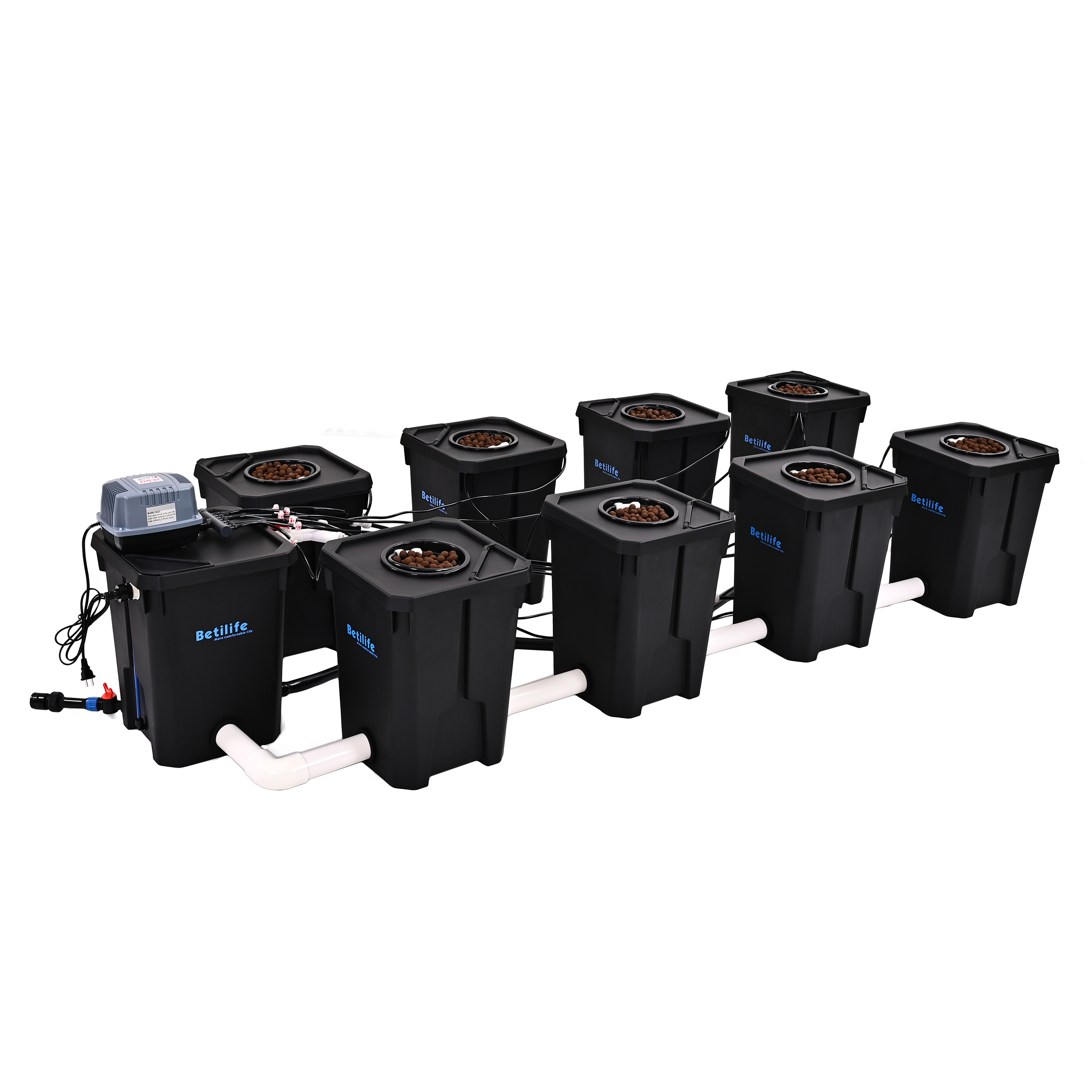
If you need to grow vegetable hydroponically indoors or outdoors at home, you can choose BetiLife™ Hydroponic Systems:
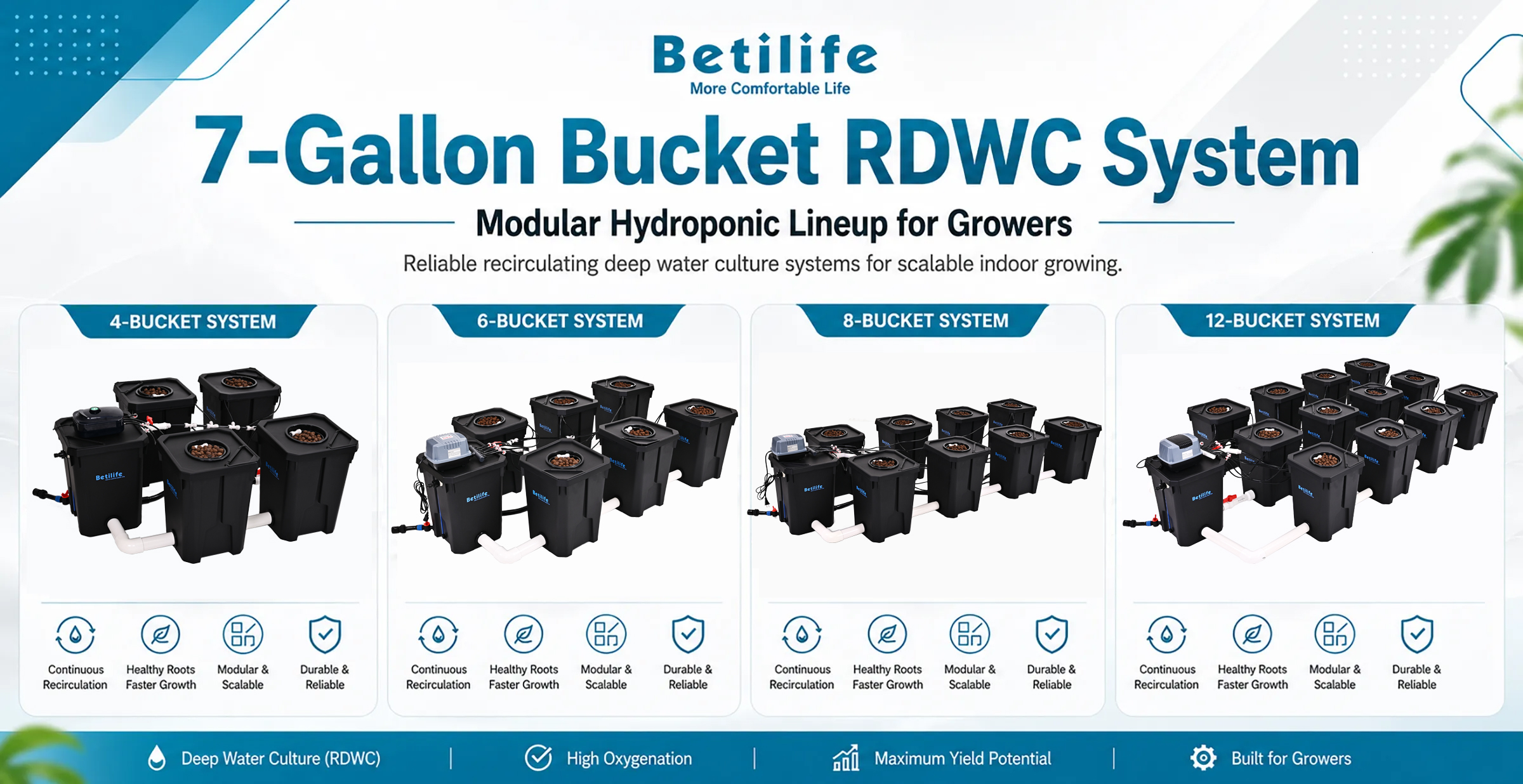
7-Gallon Bucket Commercial RDWC System
👉 Explore BetiLife™ RDWC Hydroponic Systems today and grow smarter, not harder.
 BetiLife™ Professional RDWC Complete Kit
Learn more about hydroponics:
- What Is Hydroponics
- What is a Deep Water Culture
- What is the Ebb and Fow Flood and Drain System
- What is Aeroponic
- What is the Wick System In Hydroponics
- What is Drip System
- What Are The Best Flowers For Hydroponics
- How To Grow Hydroponic Tomatoes Indoor
- Can You Do Hydroponic Carrots
- What Are The Best Plants To Grow In Hydroponic Towers
- What Are The Best Hydroponic Lettuce Varieties
- How To Grow Hydroponic Lettuce Indoors At Home
- What Are The Best Strawberries To Grow Hydroponically
- What Are Hydroponic Strawberries