Ebb and Flow (Flood and Drain) Hydroponics System
Explain what the Ebb and Flow meaning or definition is and let everyone know what the Flood and Drain hydroponic system is and really understand how Ebb and Flow hydroponic system works.
What is the Ebb and Fow Flood and Drain System?
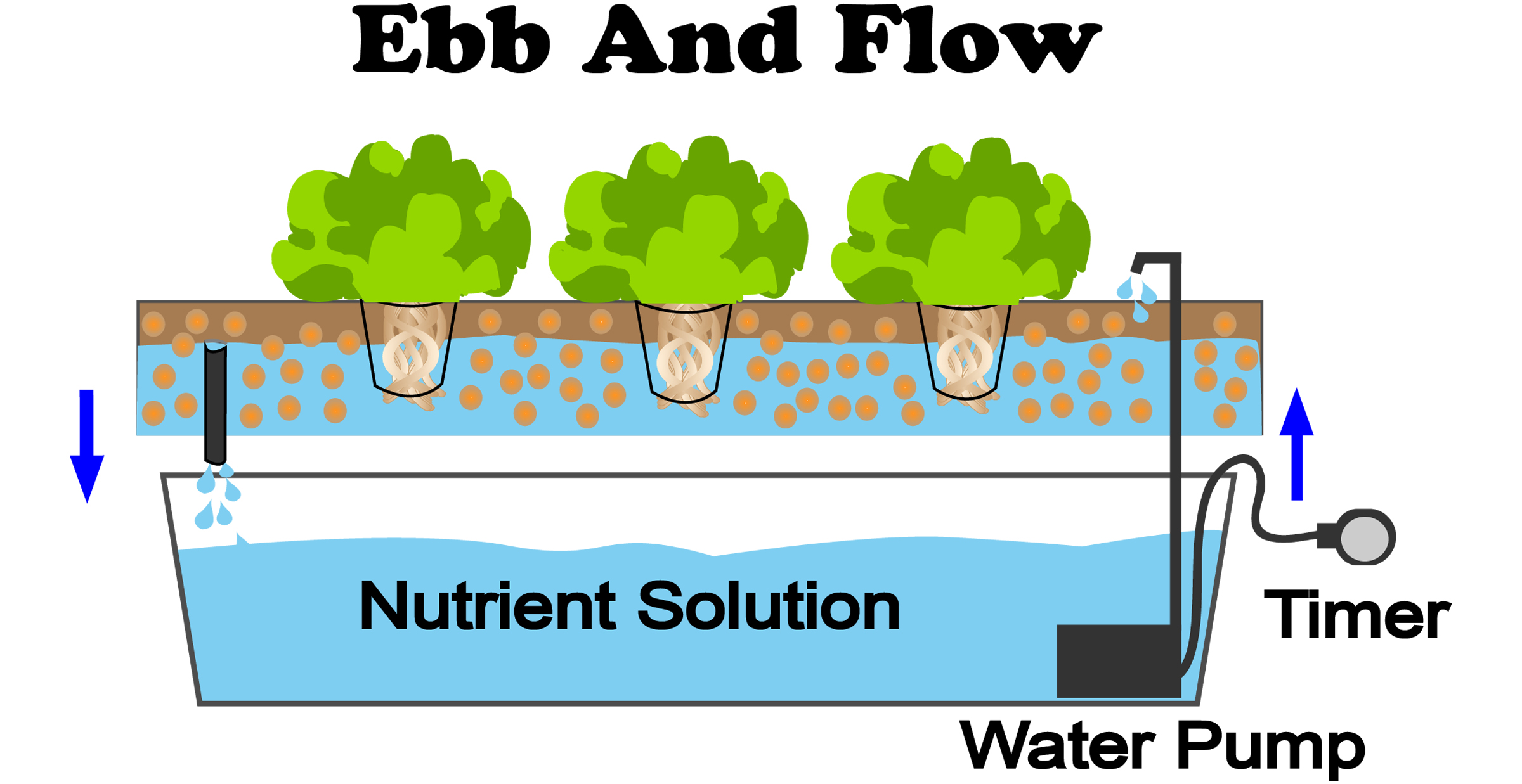
Ebb and Flow (Flood and Drain) Definition: Ebb and Flow, also known as Flood and Drain, the Ebb and Flow hydroponics is a popular and versatile method of soilless culture. The Flood and Drain hydroponic system periodically injects a nutrient-rich water solution into the plant root zone and discharges the water, recycling it, week after week, so as to achieve rapid nutrient uptake and growth of the plant roots.
The system alternates between providing nutrients and allowing roots access to air, thus promoting healthy plant growth and preventing root rot.
How does Ebb and Flow (Flood and Drain) Hydroponics Work?
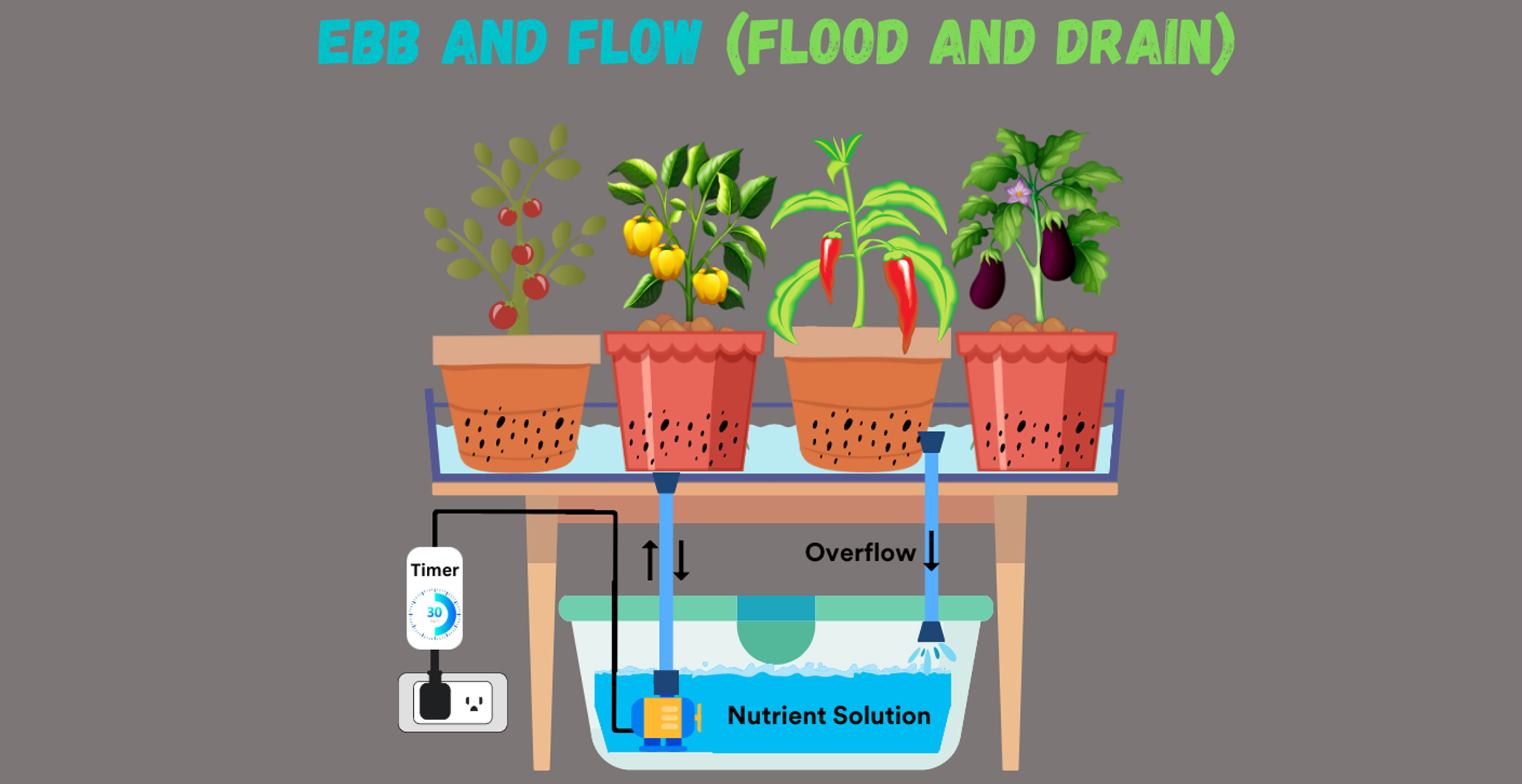
Ebb and Flow hydroponics (also called Flood and Drain) works by periodically flooding the plant roots with nutrient solution and then draining it back to a reservoir. This cycle provides both nutrients and essential oxygen to the roots.
Here's a breakdown of how it functions
-
The Core Components
-
Flood Tray / Grow Tray
Holds the plants (usually in net pots or similar containers).
-
Growing Medium
An inert medium like hydroton (clay pebbles), rockwool cubes, perlite, or gravel that supports the plants physically and holds some moisture between floods. Crucially, it allows air pockets.
-
Reservoir
Tank located below the flood tray holding the nutrient solution.
-
Submersible Pump
Sits in the reservoir.
-
Timer
Controls the pump (ON for flood, OFF for drain). This is the "brain" of the system.
-
Fill Tube (Inlet)
Connects the pump to the flood tray, delivering the nutrient solution upwards.
-
Drain Fitting / Standpipe (Outlet):
An opening in the bottom of the flood tray connected to a drain tube leading back to the reservoir. This includes:
-
Overflow Tube
Sets the maximum flood level in the tray. Water rises until it reaches the top of this tube and then flows back down through the drain tube.
-
Siphon Break (Optional but Recommended)
A small hole or valve just below the waterline in the fill tube that prevents siphoning when the pump turns off, ensuring a complete drain.
-
-
-
The Flood and Drain Cycle (Controlled by the Timer)
-
Phase 1: Flood (Pump ON - Timer Activates)
-
The timer turns the submersible pump on.
-
The pump pushes nutrient solution from the reservoir up through the fill tube and into the flood tray.
-
Solution level in the tray rises, surrounding the plant roots and growing medium.
-
Flooding continues until the solution level reaches the top of the overflow tube.
-
At this point, the solution begins draining back down the drain tube (via gravity) into the reservoir even while the pump is still running. Excess solution pumped in simply flows over the overflow and back down.
-
Duration:
Typically lasts 5-15 minutes (varies based on plant size, medium, environment). The goal is to fully saturate the root zone and medium.
-
-
Phase 2: Soak (Pump Still ON - Optional)
-
Some systems keep the pump running for a short period after the initial flood peak is reached. This ensures thorough saturation, especially with less absorbent mediums or large root masses. Not all systems use a distinct soak phase.
-
-
Phase 3: Drain (Pump OFF - Timer Deactivates)
-
The timer turns the pump off.
-
Water stops being pumped into the tray.
-
The nutrient solution remaining in the tray immediately begins draining back down through the drain tube and fill tube (due to gravity) into the reservoir below.
-
The siphon break (if present) ensures all water drains completely back to the reservoir, leaving the roots and medium moist but not submerged.
-
Duration:
Draining is usually rapid, taking just a few minutes.
-
-
Phase 4: Dry/Drain Period (Pump OFF)
-
With the solution drained away, air is pulled down into the spaces within the growing medium and around the roots.
-
This is critical – the roots get vital oxygen (aeration) needed for respiration and healthy growth.
-
The moist medium provides some water to the roots, but the primary source is the periodic flood.
-
Duration
This is the longest phase, typically lasting 20 minutes to several hours (e.g., 1-4 hours). The medium should not completely dry out, but roots get ample oxygen.
-
-
Repeat
The timer activates the pump again, restarting the flood phase. The cycle repeats continuously.
-
Key Principles & Advantages
-
Oxygenation
The drain phase is crucial. Draining pulls fresh air into the root zone, preventing root rot and promoting vigorous growth. This alternation between wet and dry is the system's core strength.
-
Efficiency
Nutrients and water are recirculated, minimizing waste.
-
Flexibility
Works well for a wide variety of plants. Flood frequency and duration can be easily adjusted via the timer to suit different plant needs (e.g., seedlings need more frequent floods than mature plants; thirsty plants like tomatoes need more than succulents).
-
Scalability
Can be built small (for a few plants) or very large (commercial greenhouses).
-
Cost-Effectiveness
Relatively simple components compared to some other hydroponic methods.
Important Considerations
-
Medium Choice
Must provide good support, retain some moisture, and allow for excellent drainage and aeration during the drain phase. Hydroton is very popular.
-
Timer Settings
Critical for success. Incorrect settings (too frequent/long floods or too long dry periods) can drown roots or dry them out.
-
Overflow Height
Must be set correctly to ensure roots are adequately submerged during flood but not excessively deep.
-
Pump Reliability
System failure (pump or timer) can quickly lead to plant stress. Dry periods are tolerable briefly, but constant flood or constant dry is disastrous.
-
Reservoir Maintenance
Nutrient solution needs monitoring (pH, EC) and periodic changing/refilling. Covering the reservoir prevents algae growth.
-
Root Rot Risk
While designed to prevent it, poor drainage, over-flooding, or contaminated water can still lead to problems.
In essence, Ebb and Flow mimics natural tidal patterns, providing roots with alternating periods of nutrient-rich "high tide" and oxygen-rich "low tide," resulting in healthy and productive plants.
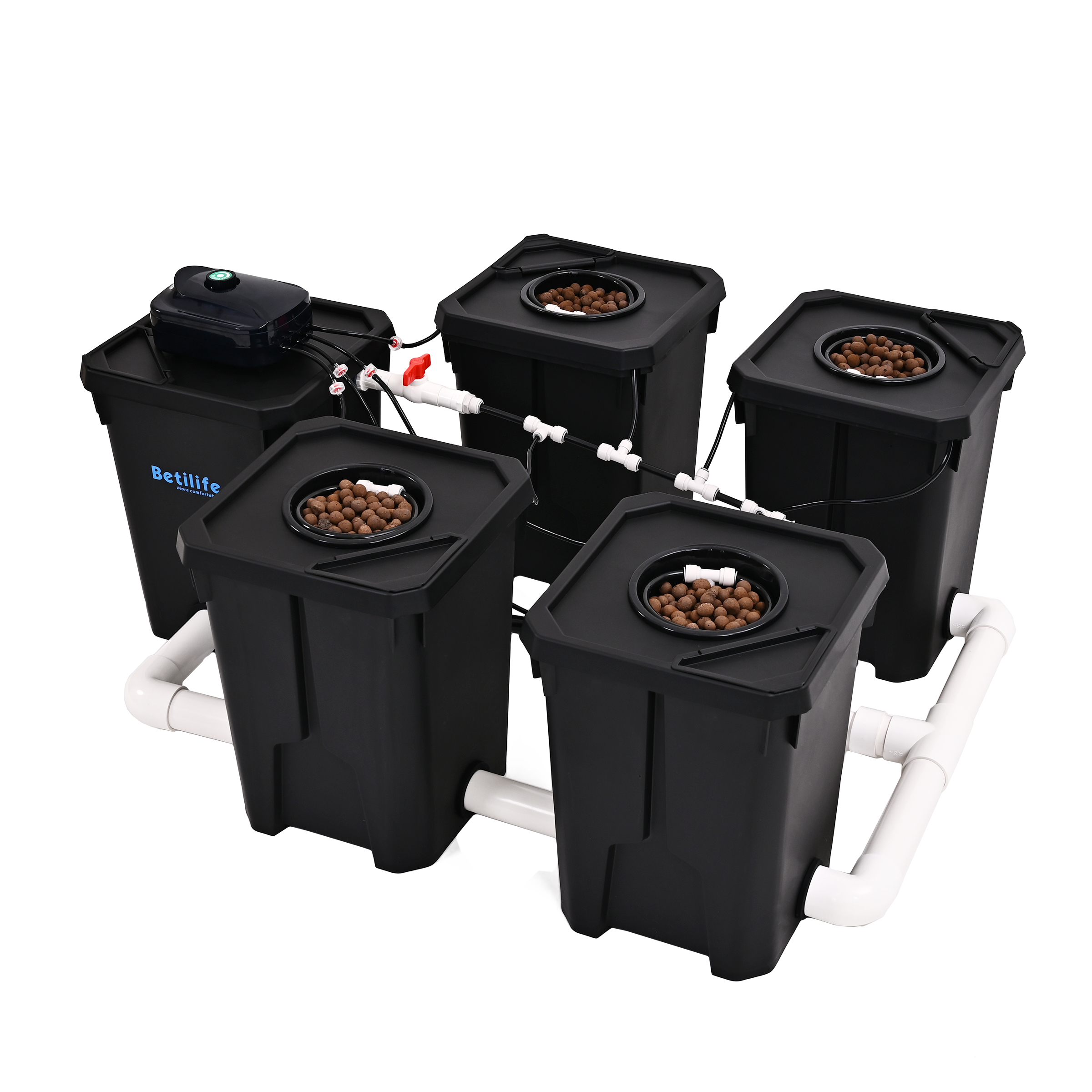
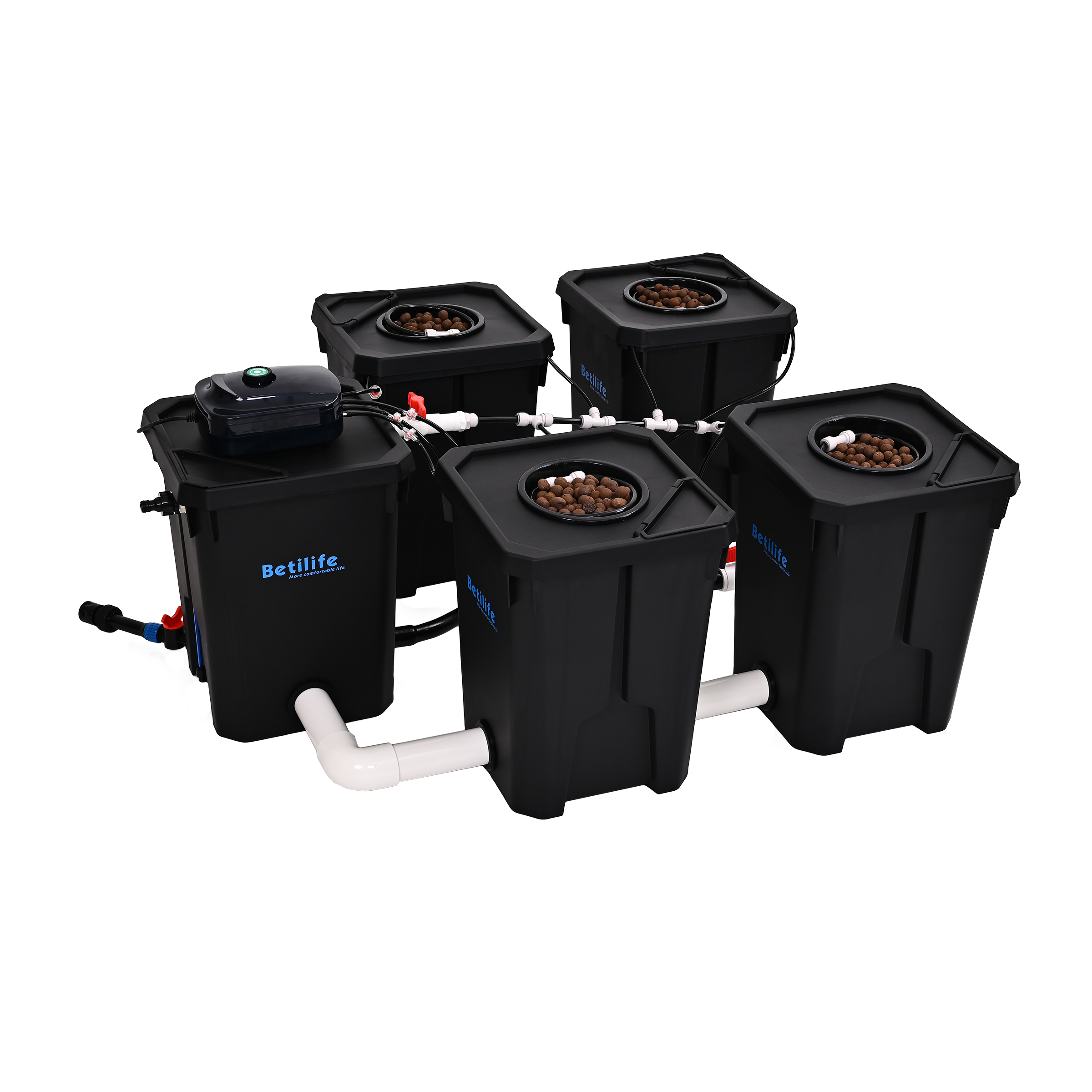
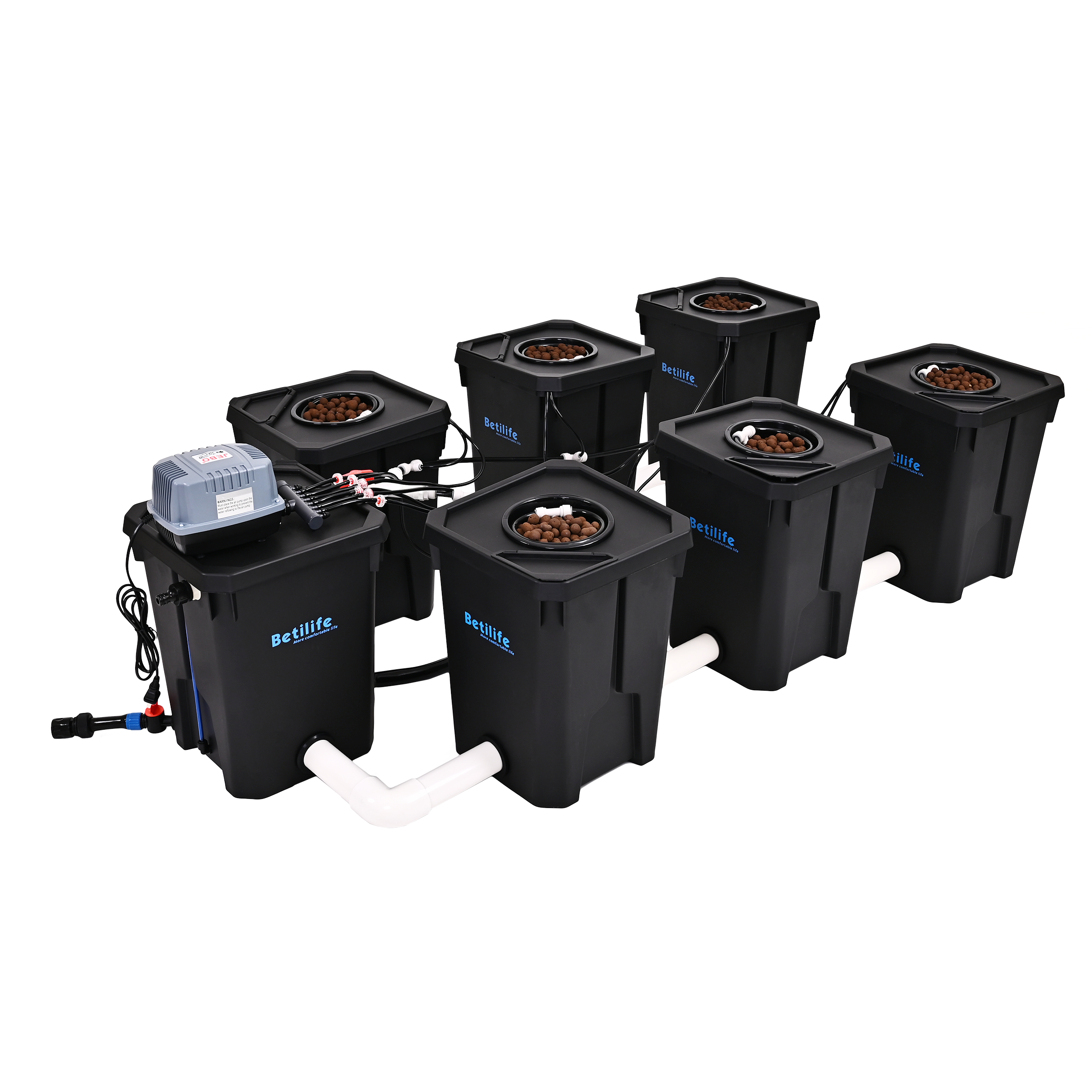
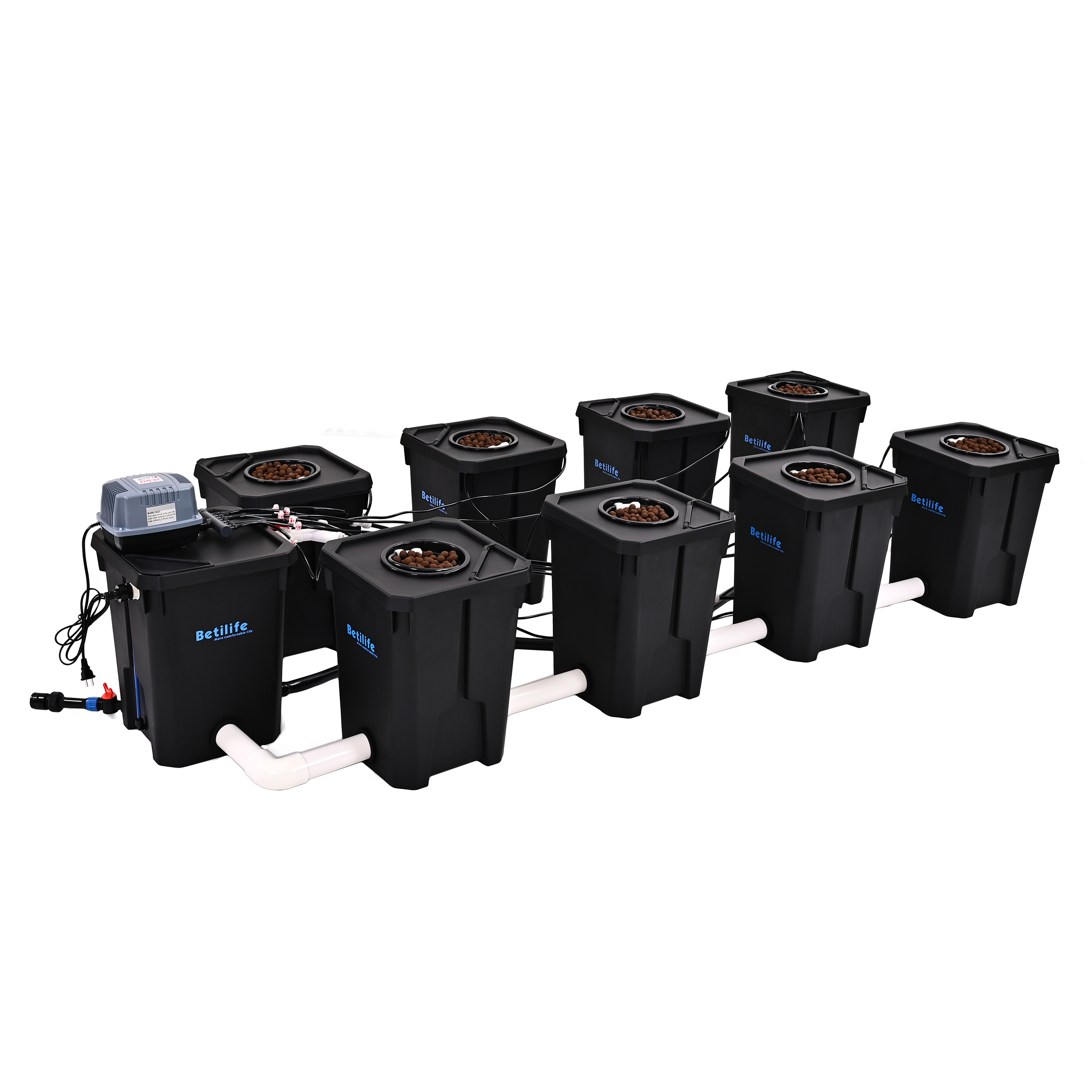
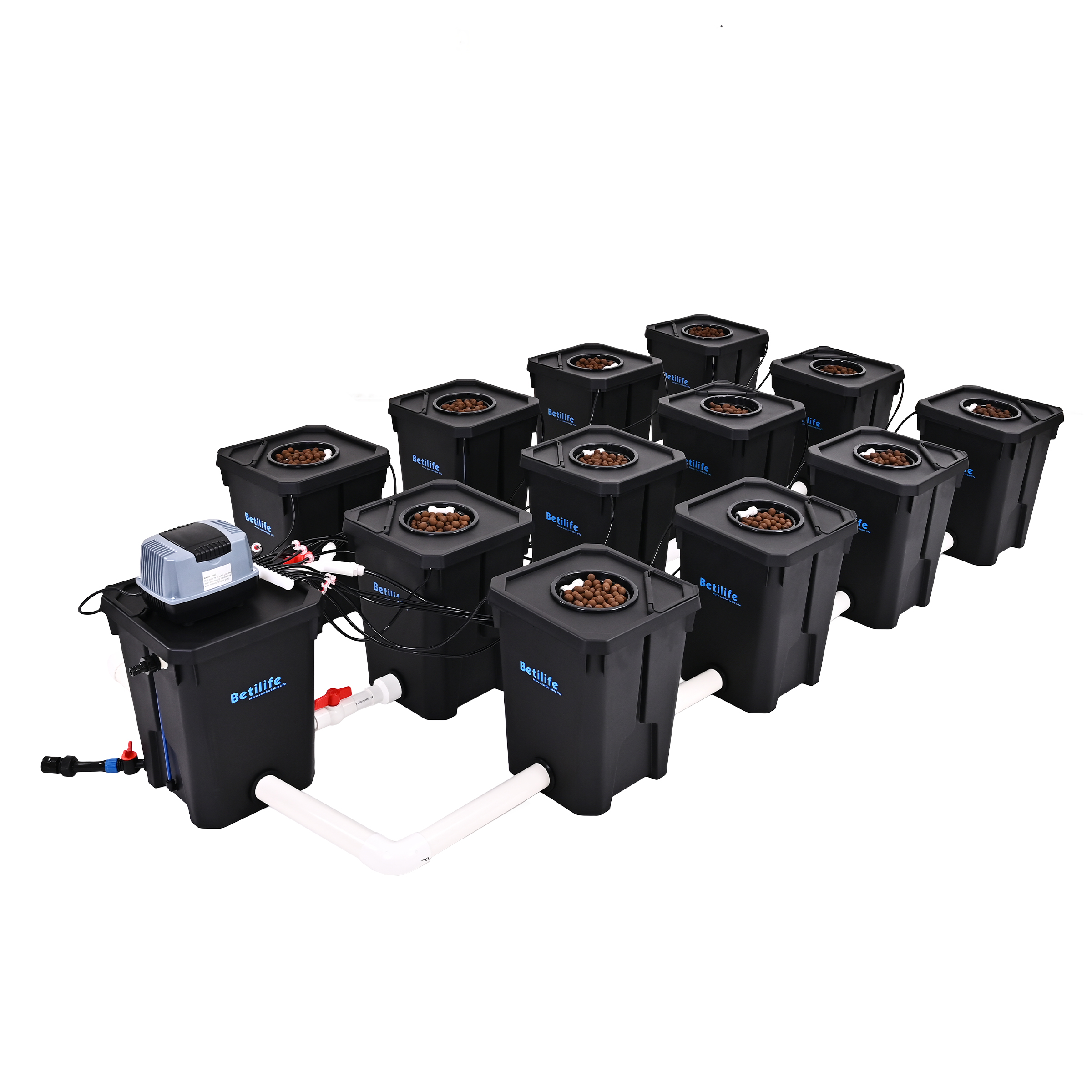
If you need to grow vegetable hydroponically indoors or outdoors at home, you can choose BetiLife™ Hydroponic Systems:
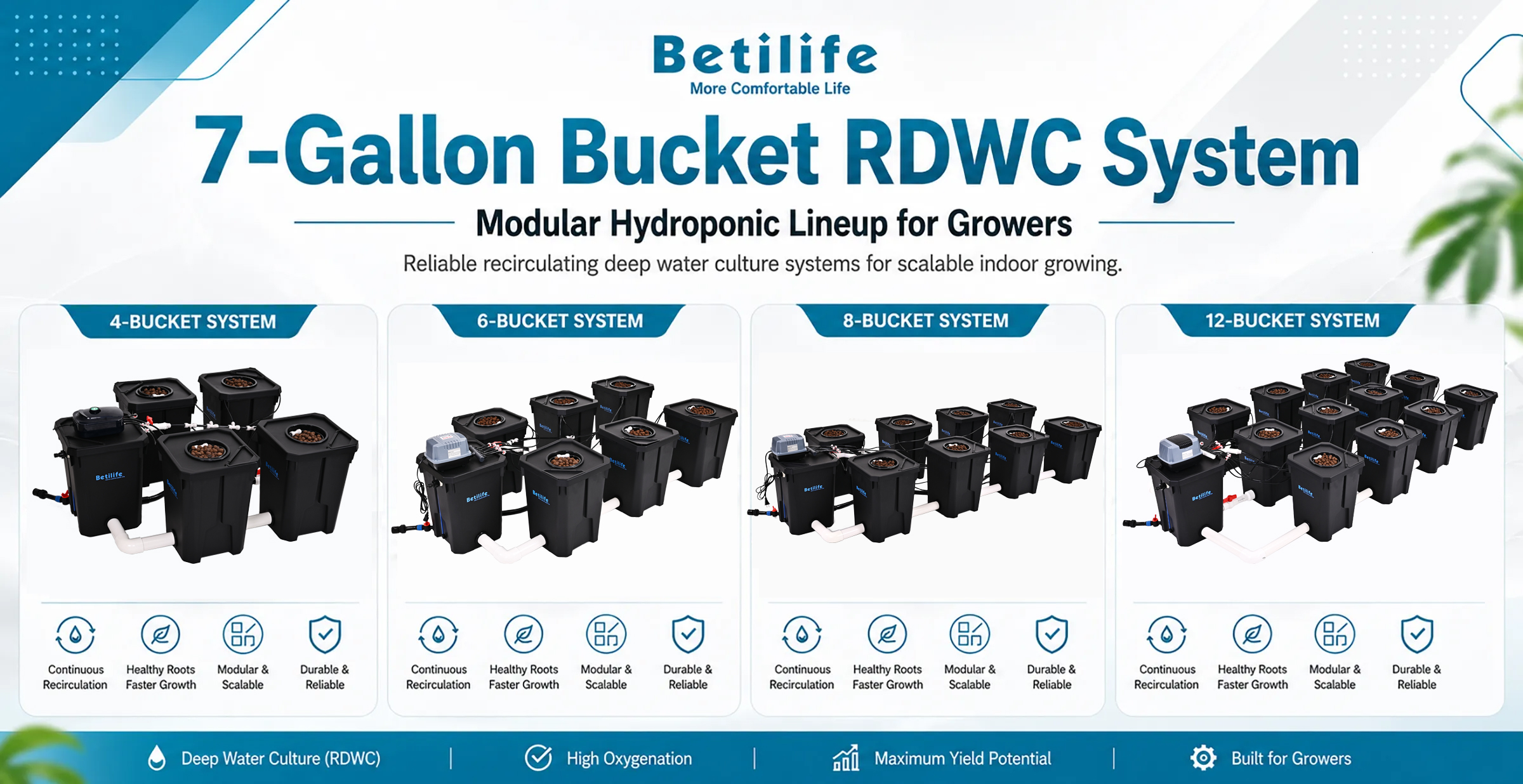
7-Gallon Bucket Commercial RDWC System
👉 Explore BetiLife™ RDWC Hydroponic Systems today and grow smarter, not harder.
 BetiLife™ Professional RDWC Complete Kit
Learn more about hydroponics:
- What Is Hydroponics
- What is a Deep Water Culture
- What is the Nutrient Film Technique
- What is Aeroponic
- What is the Wick System In Hydroponics
- What is Drip System
- What Are The Best Flowers For Hydroponics
- How To Grow Hydroponic Tomatoes Indoor
- Can You Do Hydroponic Carrots
- What Are The Best Plants To Grow In Hydroponic Towers
- What Are The Best Hydroponic Lettuce Varieties
- How To Grow Hydroponic Lettuce Indoors At Home
- What Are The Best Strawberries To Grow Hydroponically
- What Are Hydroponic Strawberries