Hydroponic Drip Irrigation System For Garden Plants
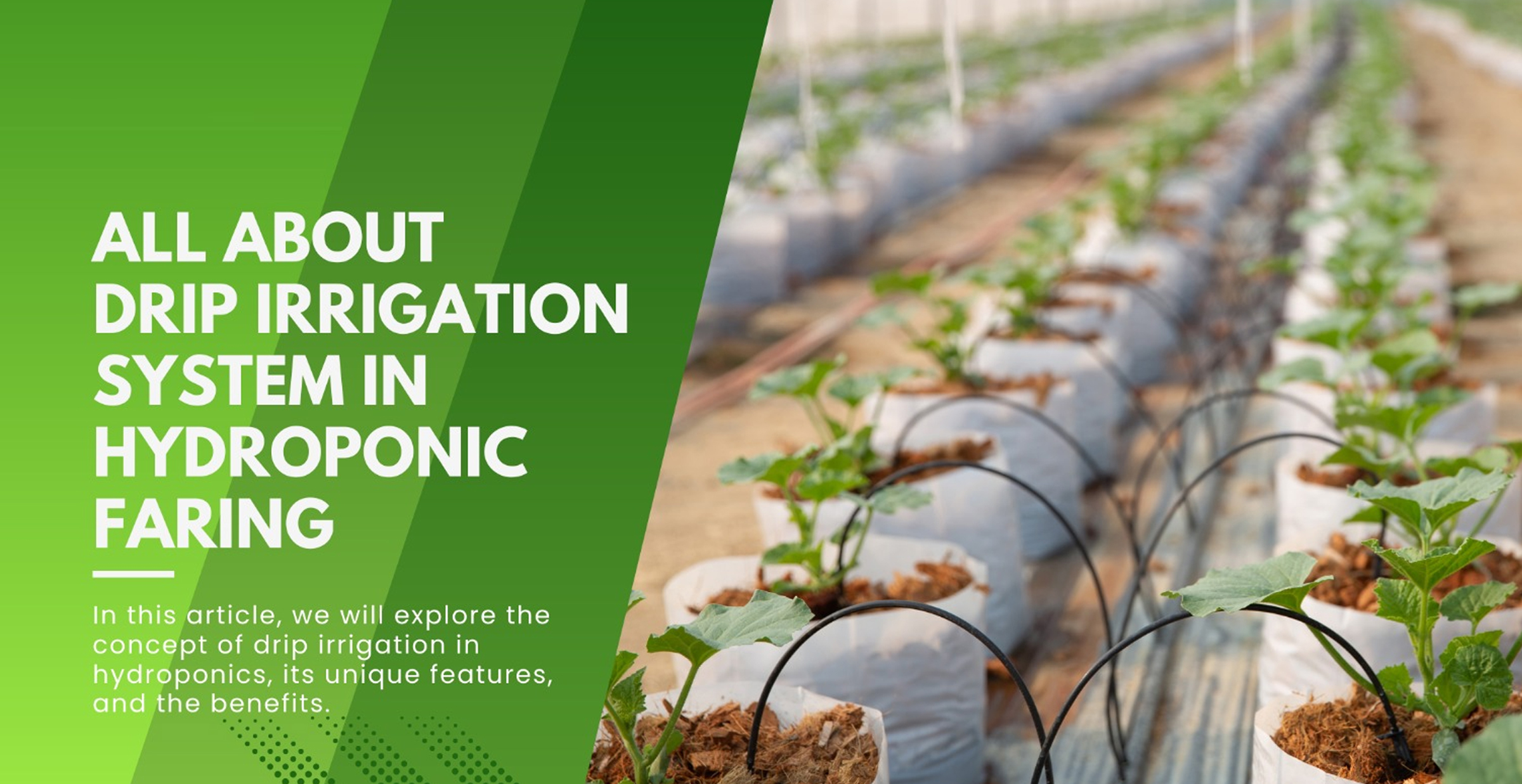
What is a Hydroponic Drip Irrigation System For Garden Plants? Garden Drip Irrigation System Hydroponic, also known as Drip System or Micro-Irrigation System, is an irrigation system that delivers water slowly and directly to the root zone of plants through a network of pipes, tubing, and sprinklers. This method delivers water and nutrients efficiently, conserving resources while promoting plant growth.
What is Drip System?
A hydroponic drip irrigation system is a method of growing plants without soil, where a nutrient-rich water solution is delivered directly to the roots of each plant using a network of tubes, pipes, and small emitters (drippers). It combines the principles of hydroponics (soilless cultivation) with the precision and efficiency of drip irrigation.
How does a Drip System Work?
A hydroponic drip system works by delivering a controlled flow of nutrient solution directly to the base of each plant using a network of tubes and emitters (drippers). It's one of the most common and versatile hydroponic methods, suitable for both small and large-scale operations, especially for larger plants like tomatoes, peppers, or cucumbers.
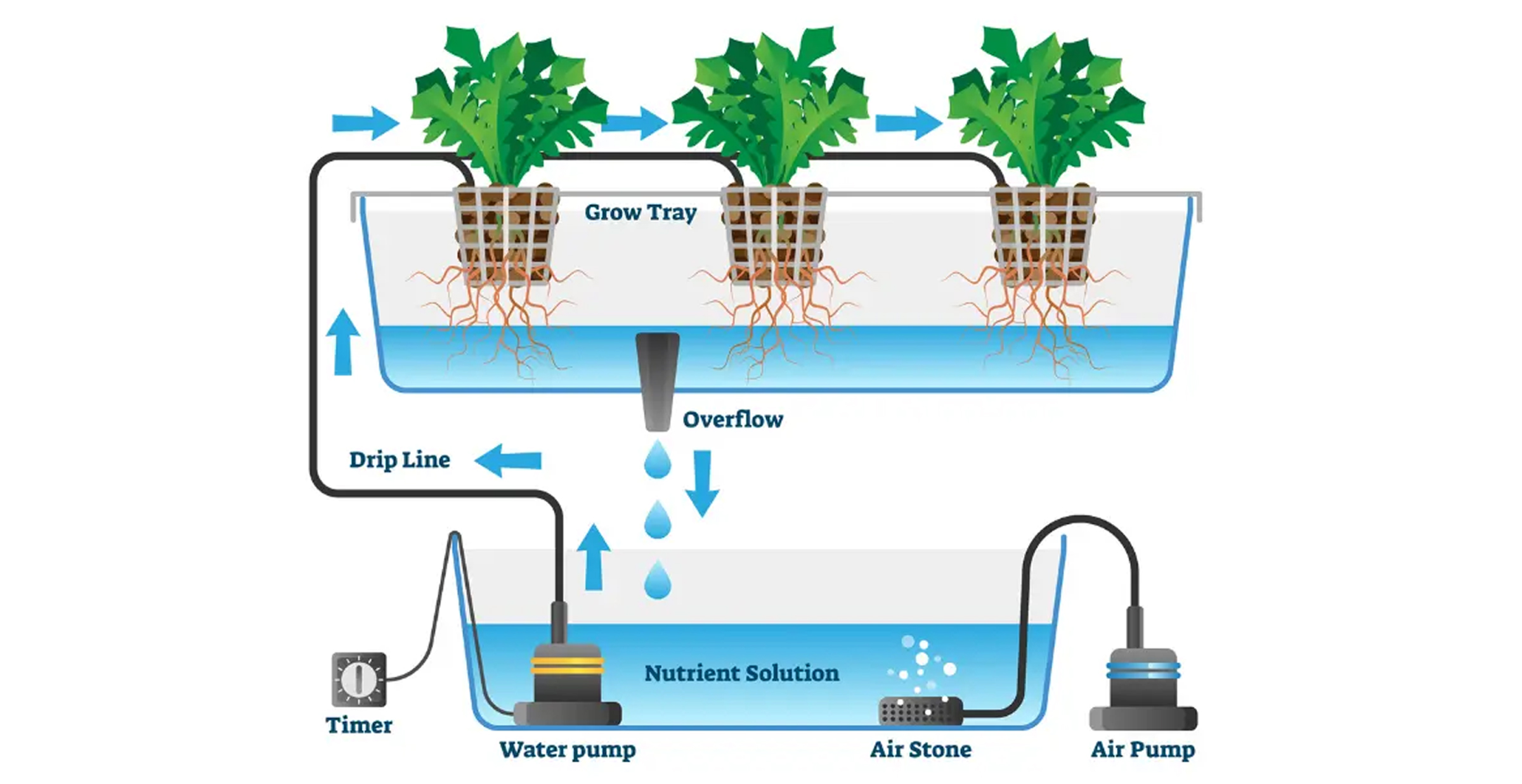
Here's a breakdown of how it works, step-by-step:
-
The Reservoir
-
A large tank holds the nutrient-rich water solution.
-
The solution contains all the essential minerals plants need to grow.
-
-
The Submersible Pump
-
Located inside the reservoir.
-
Activated by a timer according to a set schedule (e.g., several times a day for a few minutes each time).
-
When the timer turns the pump on, it pushes the nutrient solution out of the reservoir.
-
-
The Delivery Tubing
-
Main Line: A larger tube carries the nutrient solution from the pump.
-
Sub-Main Lines (Optional): Sometimes used for branching off to different sections.
-
Spaghetti Tubing / Micro-Tubing: Smaller tubes branch off the main lines, leading to each individual plant site.
-
-
Drip Emitters (Drippers)
-
Attached to the end of the micro-tubing at each plant site.
-
These are the critical components that control the flow rate.
-
They come in various types:
-
Pressure-Compensating (PC): Deliver a consistent flow rate regardless of pressure fluctuations or elevation changes in the system. Most common in professional setups.
-
Non-Pressure Compensating: Simpler and cheaper, but flow rate can vary if pressure changes.
-
Adjustable: Allow manual setting of the drip rate.
-
-
They drip the nutrient solution slowly and precisely onto the growing medium at the base of the plant.
-
-
The Growing Medium
-
Plants are held in inert, porous media contained within pots, slabs (like rockwool), or grow bags.
-
Common Media: Rockwool, coconut coir, perlite, vermiculite, clay pebbles (LECA), or mixes of these.
-
Function: The medium supports the plant roots physically and acts as a temporary reservoir for the nutrient solution and oxygen between watering cycles. It wicks moisture to the roots and allows excess solution to drain away.
-
-
The Delivery Process
-
The timer activates the pump.
-
The pump pushes nutrient solution through the main line.
-
Solution flows into the sub-main lines (if present) and then into the micro-tubing leading to each plant.
-
The drip emitter restricts the flow, allowing solution to drip slowly and steadily onto the growing medium surrounding the plant's stem/root crown.
-
The porous medium absorbs the solution, making it available to the roots and storing some moisture.
-
The timer turns the pump off after the predetermined duration.
-
-
Drainage and Return (Recovery vs. Non-Recovery)
-
Recirculating/Recovery Systems (Most Common)
-
Excess nutrient solution that drains out the bottom of the plant containers is collected.
-
Collection channels, gutters, or trays guide this "runoff" solution.
-
The runoff drains back into the main reservoir to be reused.
-
Advantages: More water and nutrient efficient.
-
Disadvantages: Requires monitoring and adjusting the reservoir's pH and EC (nutrient strength) more frequently, as imbalances can build up. Risk of spreading disease if one plant gets sick.
-
-
Non-Recirculating/Non-Recovery/Drain-to-Waste Systems
-
Excess nutrient solution is not collected and reused.
-
It simply drains away (often into a waste drain or separate container that is discarded).
-
Advantages: Simpler reservoir management (pH/EC remains more stable), lower risk of disease spread.
-
Disadvantages: Less efficient, uses more water and nutrients. Can create waste disposal considerations.
-
-

Drip Irrigation Advantages and Disadvantages
Key Advantages of Drip Irrigation Systems
Drip irrigation offers significant advantages that make it one of the most efficient and widely used irrigation methods, especially in agriculture, landscaping, and hydroponics. Here’s a structured breakdown of its key benefits:
1. Exceptional Water Efficiency
-
Targeted Delivery: Water drips directly to the root zone, minimizing evaporation, runoff, and wind drift.
-
Reduced Waste: Up to 30–50% less water used compared to sprinklers or flood irrigation.
-
Why it matters: Critical in drought-prone regions and for sustainable farming.
2. Precision Nutrient Management (Crucial for Hydroponics)
-
Fertigation Enabled: Nutrients dissolved in water are delivered straight to roots.
-
Optimal Uptake: Prevents nutrient leaching and allows fine-tuned control over EC/pH.
-
Result: Higher yields, better crop quality, and reduced fertilizer costs.
3. Reduced Weed Growth & Disease Risk
-
Dry Soil Surface: Only the root zone is wetted, leaving inter-row areas dry.
→ Fewer weeds germinate (no water for them!). -
Healthy Foliage: Prevents water contact with leaves/stems, reducing fungal diseases (e.g., powdery mildew).
4. Flexibility & Adaptability
-
Works on Slopes/Rough Terrain: Maintains uniform flow (with pressure-compensating emitters).
-
Scalable: Suitable for small gardens, greenhouses, or large farms.
-
Compatible Media: Works with soil, coco coir, rockwool, clay pebbles, etc.
5. Energy Savings
-
Low Pressure Required: Operates at 10–30 PSI (vs. 40–80 PSI for sprinklers).
→ Lower pump costs and energy use.
6. Automation & Labor Reduction
-
Timers/Sensors: Fully automated scheduling based on soil moisture, weather, or plant needs.
-
Less Manual Work: No moving hoses or hand-watering. Ideal for remote/unattended sites.
7. Improved Plant Health & Yields
-
Consistent Moisture: Avoids soil dryness/wetness cycles that stress plants.
-
Oxygen Balance: Roots access air between watering cycles (reduces root rot).
-
Result: Faster growth, higher-quality produce, and extended harvests.
8. Soil Erosion & Salinity Control
-
Gentle Application: No surface runoff or soil disturbance.
-
Salt Leaching: Flushes salts below the root zone (unlike flood irrigation).
9. Resource Efficiency
-
Water Conservation: Maximizes every drop (ideal for water-scarce areas).
-
Reduced Chemical Use: Targeted delivery cuts pesticide/herbicide needs.
10. Long-Term Cost-Effectiveness
-
Lower Operating Costs: Saves water, energy, fertilizers, and labor.
-
ROI: High initial investment pays off in 2–5 years for commercial growers.
⭐ Key Advantages in Hydroponics
-
Prevents Overwatering: Roots get oxygen even in inert media.
-
Customizable per Plant: Adjust flow rates for different crops (e.g., tomatoes vs. lettuce).
-
Recovery Systems: Drainage can be recycled, cutting nutrient waste.
💡 Practical Applications
-
Agriculture: Vineyards, orchards, row crops (tomatoes, strawberries).
-
Landscaping: Parks, gardens, trees.
-
Hydroponics: Ideal for larger plants (peppers, cucumbers, cannabis).
⚖️ Bottom Line
Drip irrigation’s precision and efficiency make it a game-changer for sustainable growing. While maintenance is required (clogging prevention, pH monitoring), its benefits—water savings, higher yields, and automation—often far outweigh the drawbacks, especially in water-sensitive or high-value crop systems.
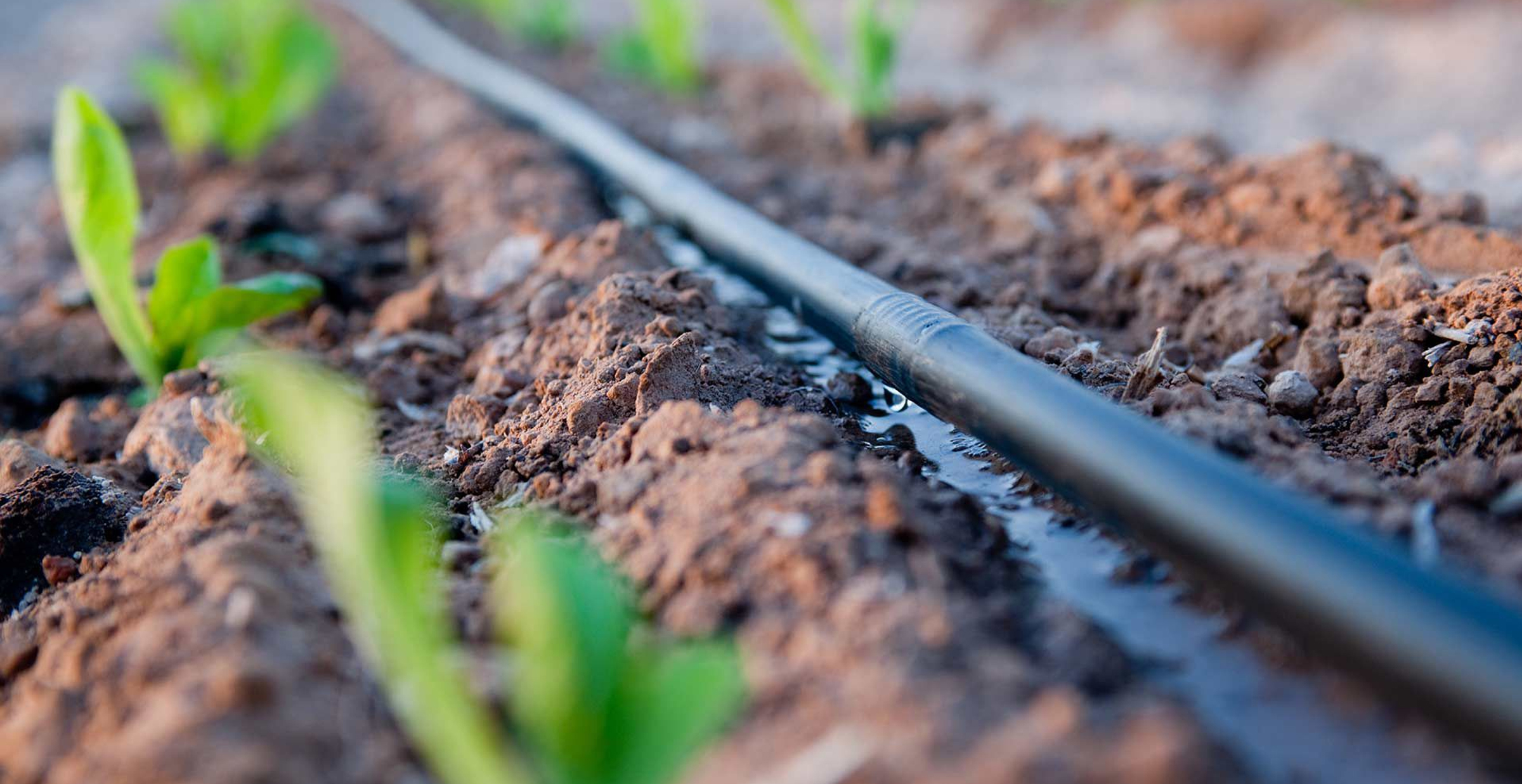
Drip Irrigation Disadvantages
While drip irrigation is highly efficient, it comes with several notable disadvantages, especially in hydroponics where precision is critical. Here's a breakdown of key drawbacks:
1. Clogging Risks
-
Emitters/Drippers: Tiny openings easily clog from mineral deposits (e.g., calcium), algae, biofilm, or debris.
-
Solution Requires:
-
High-quality water filtration (screen, disc, or media filters).
-
Regular flushing of lines.
-
Use of pressure-compensating (PC) emitters.
-
-
Impact: Reduced uniformity, dead plants if undetected.
2. System Complexity & Cost
-
High Initial Investment: Pumps, filters, tubing, emitters, timers, and sensors add up.
-
Installation Labor: Designing and laying out tubing for large areas is time-consuming.
-
Maintenance Tools: pH/EC meters, replacement parts, and cleaning supplies add ongoing costs.
3. Maintenance Demands
-
Constant Monitoring: Emitters must be checked frequently for clogs or leaks.
-
Filter Cleaning: Filters need regular rinsing/replacement.
-
Line Flushing: Sediment buildup requires periodic system flushing.
4. Uneven Water Distribution
-
Pressure Variations: In non-PC systems, pressure drops (e.g., on slopes) cause inconsistent flow.
-
Emitter Wear: Flow rates can change over time due to wear or clogging.
-
Root Zone Dry Spots: Poorly placed emitters or media inconsistencies lead to uneven moisture.
5. Salt Accumulation (Critical in Hydroponics)
-
White Crusts: Evaporation at drip points concentrates salts, forming toxic crusts.
-
Root Burn: Salt buildup damages roots if not flushed periodically.
-
Mitigation: Requires occasional "leaching" (flushing with plain water).
6. Vulnerability to Physical Damage
-
Rodents/Pests: Animals chew through tubing.
-
Human Error: Accidental cuts during gardening/mowing.
-
UV Degradation: Sunlight breaks down exposed tubing over time.
7. Limited Root Zone Coverage
-
Localized Wetting: Roots may not expand beyond the drip zone, limiting growth in large plants.
-
Shallow Rooting: Roots cluster near emitters, reducing drought resilience.
8. Disease Spread (in Recirculating Systems)
-
Pathogen Transmission: One infected plant can contaminate the entire reservoir via runoff.
-
Prevention: Requires sterilization (UV, ozone) or switching to drain-to-waste.
9. Installation Precision Required
-
Emitter Placement: Must align perfectly with each plant’s base.
-
Hydraulic Design: Poor planning causes pressure imbalances (e.g., dead zones).
10. Water Quality Dependency
-
Sensitive to Contaminants: Sediment or hard water demands robust filtration.
-
pH/Nutrient Imbalances: More critical than in soil due to direct root exposure.
11. Not Ideal for All Crops
-
Poor Suitability:
-
Close-spaced crops (e.g., lettuce) where micro-sprinklers are more efficient.
-
Seed germination (requires uniform moisture).
-
💡 Mitigation Tips:
-
Use Pressure-Compensating Emitters: Ensure uniform flow.
-
Install Redundancy: Extra emitters per plant as backup.
-
Automate Monitoring: Moisture sensors + alarms for failures.
-
Flush Monthly: Prevent salt/mineral buildup.
-
Start Simple: Begin with small-scale systems before expanding.
⚖️ Bottom Line:
Drip irrigation excels in water/nutrient efficiency but demands vigilant maintenance and precision. It’s less "set-and-forget" and more "monitor-and-adjust." For hydroponics, the stakes are higher—clogs or imbalances can kill plants rapidly. Success hinges on proactive management!
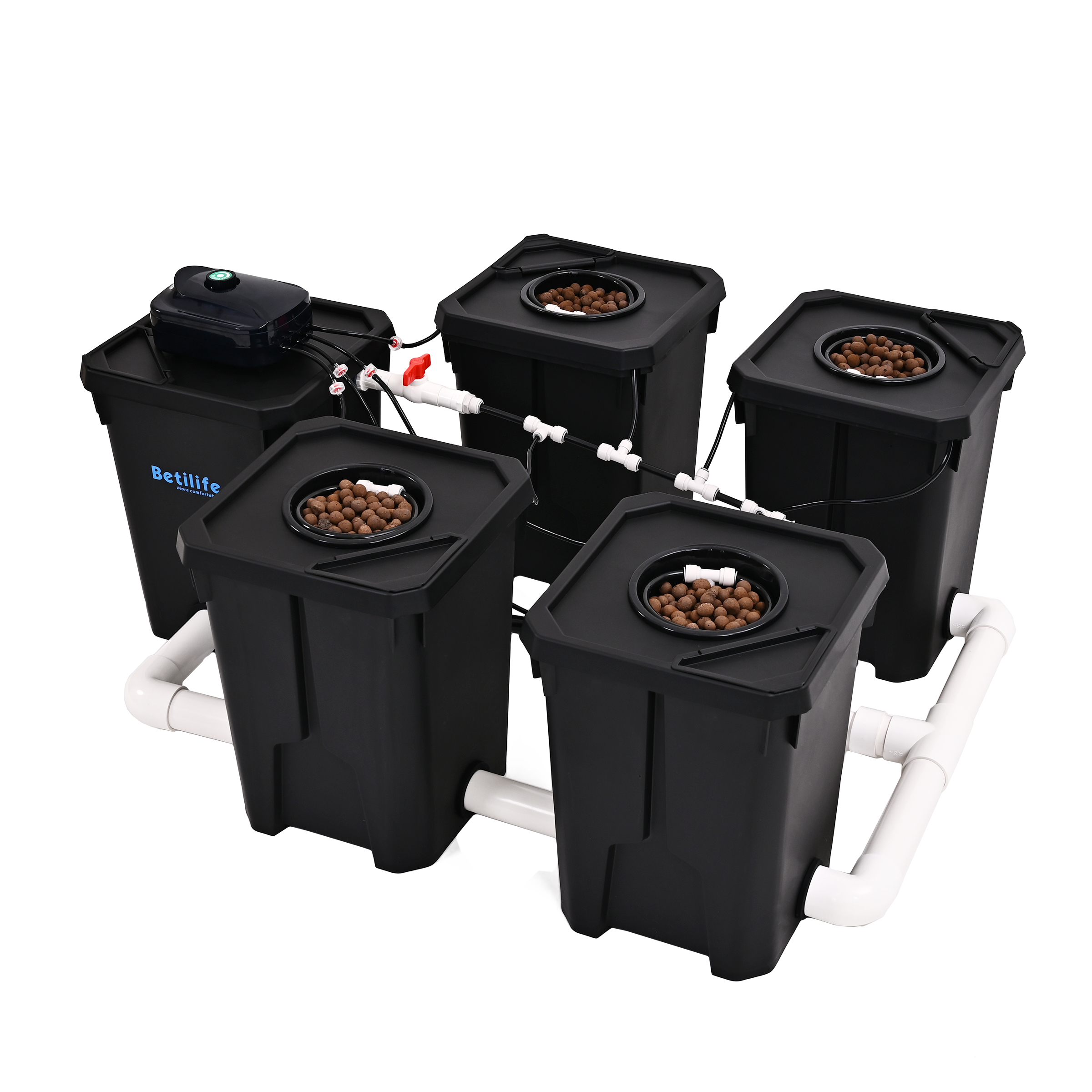
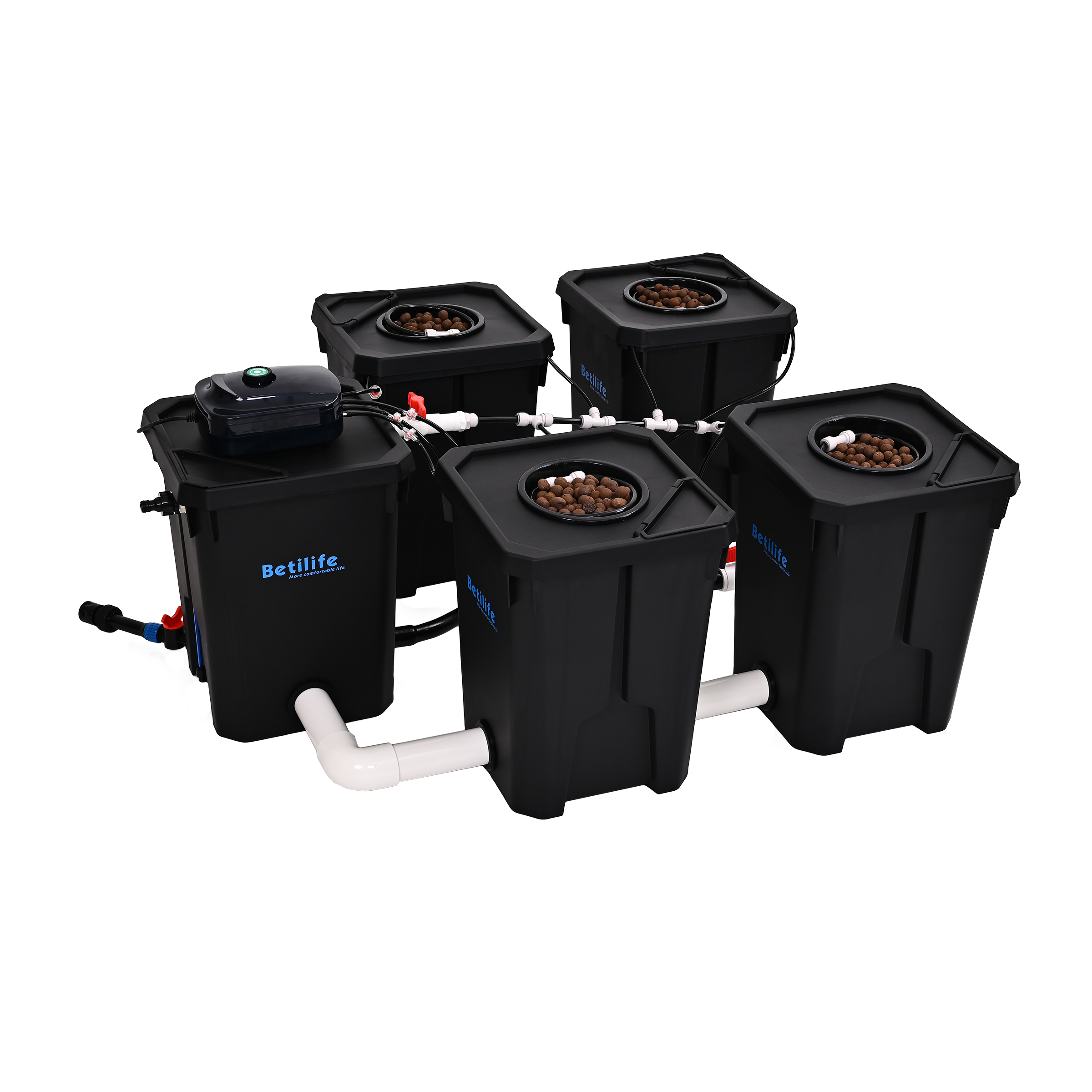
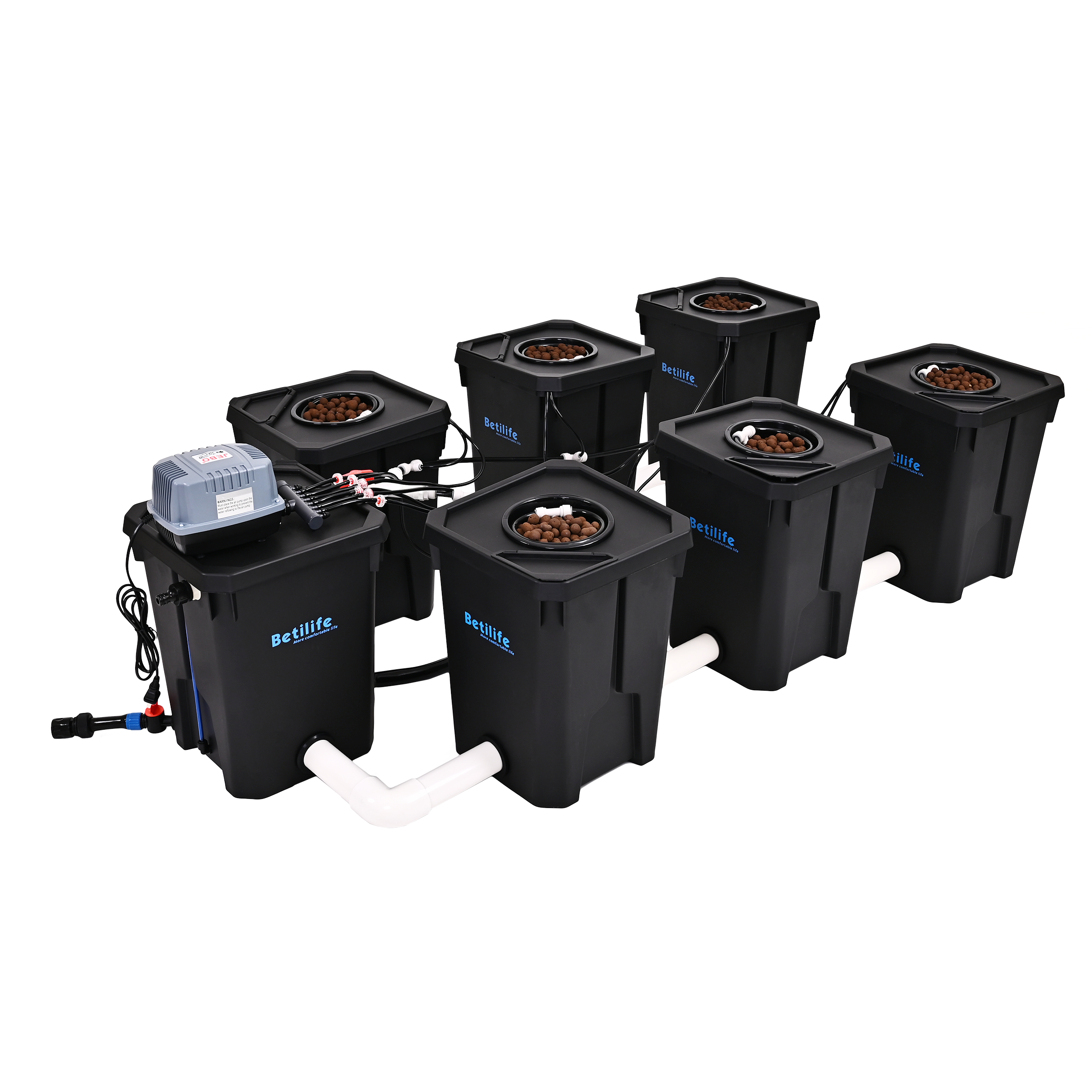
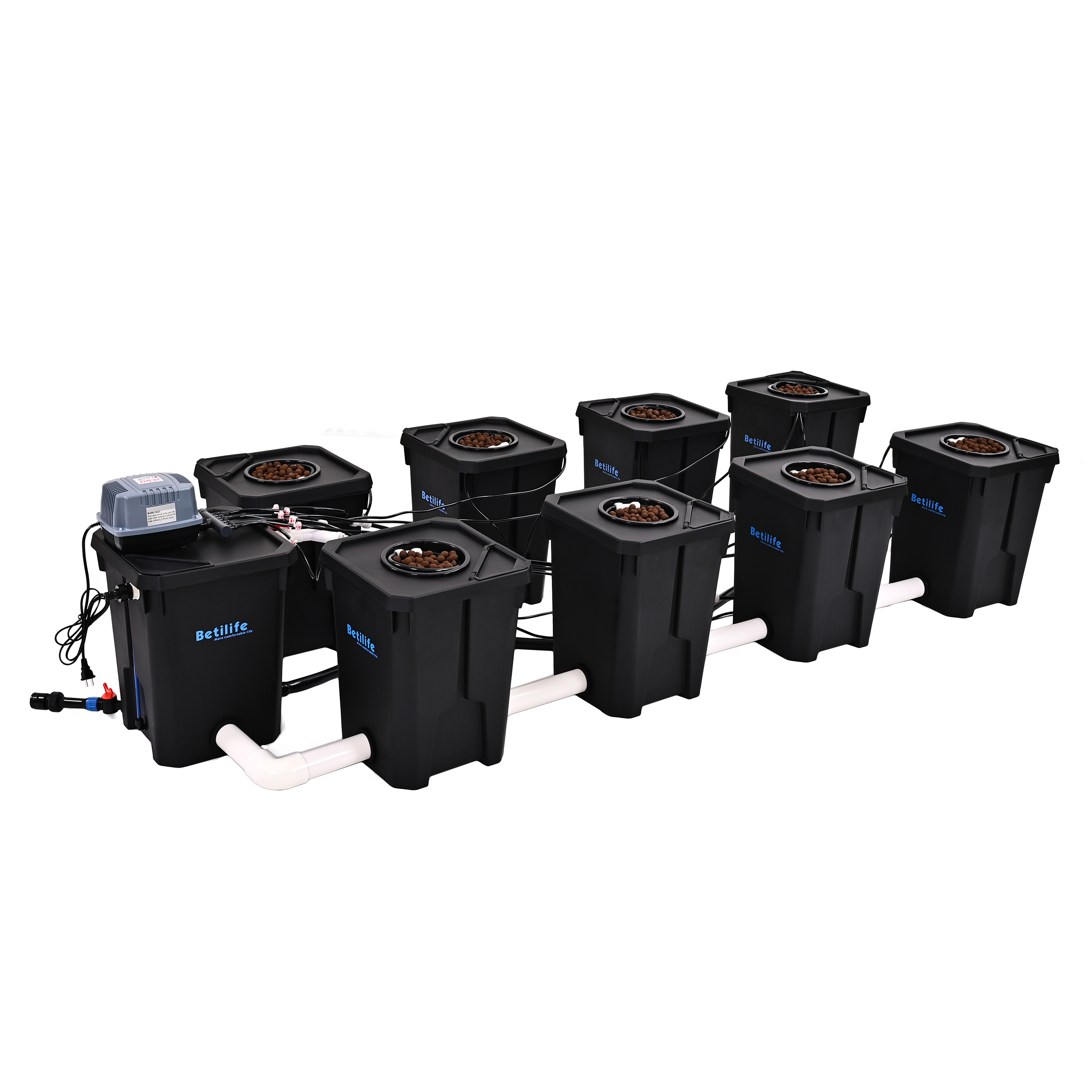
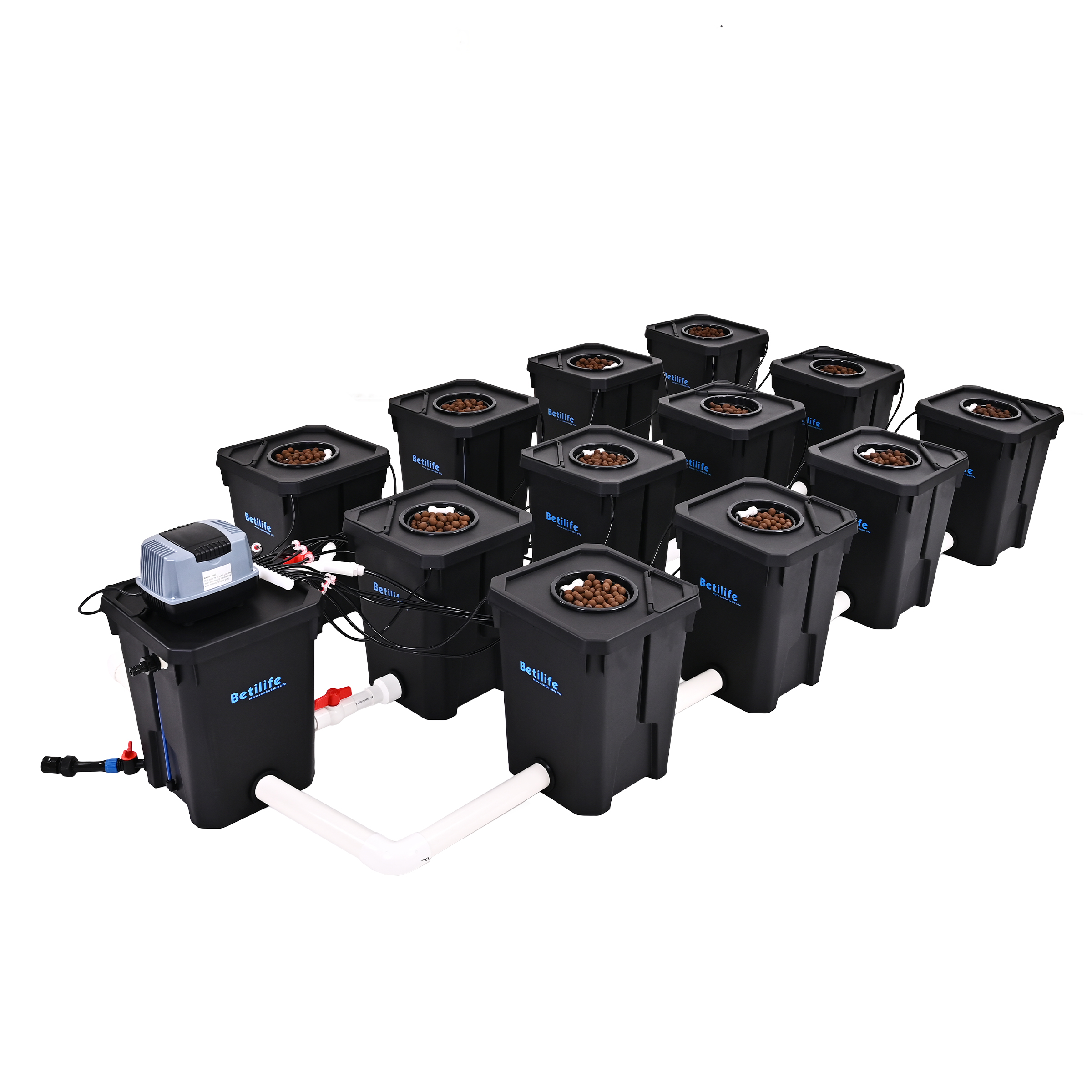
If you need to grow vegetable hydroponically indoors or outdoors at home, you can choose BetiLife™ Hydroponics Growing System:
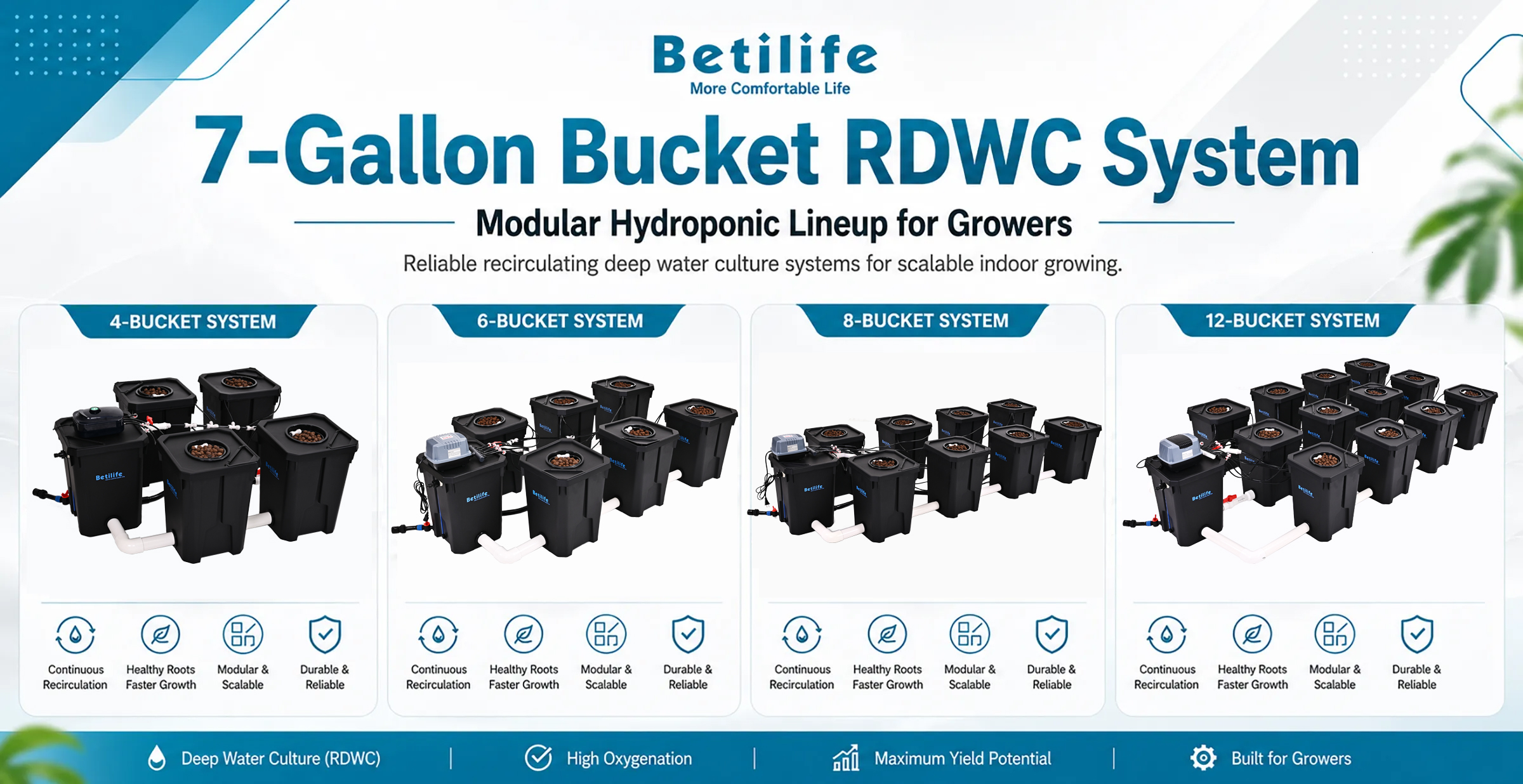
7-Gallon Bucket Commercial RDWC System
Learn more about hydroponics:
- What Is Hydroponics
- What is a Deep Water Culture
- What is the Nutrient Film Technique
- What is Aeroponic
- What is the Ebb and Fow Flood and Drain System
- What is the Wick System In Hydroponics
- What Are The Best Flowers For Hydroponics
- How To Grow Hydroponic Tomatoes Indoor
- Can You Do Hydroponic Carrots
- What Are The Best Plants To Grow In Hydroponic Towers
- What Are The Best Hydroponic Lettuce Varieties
- How To Grow Hydroponic Lettuce Indoors At Home
- What Are The Best Strawberries To Grow Hydroponically
- What Are Hydroponic Strawberries