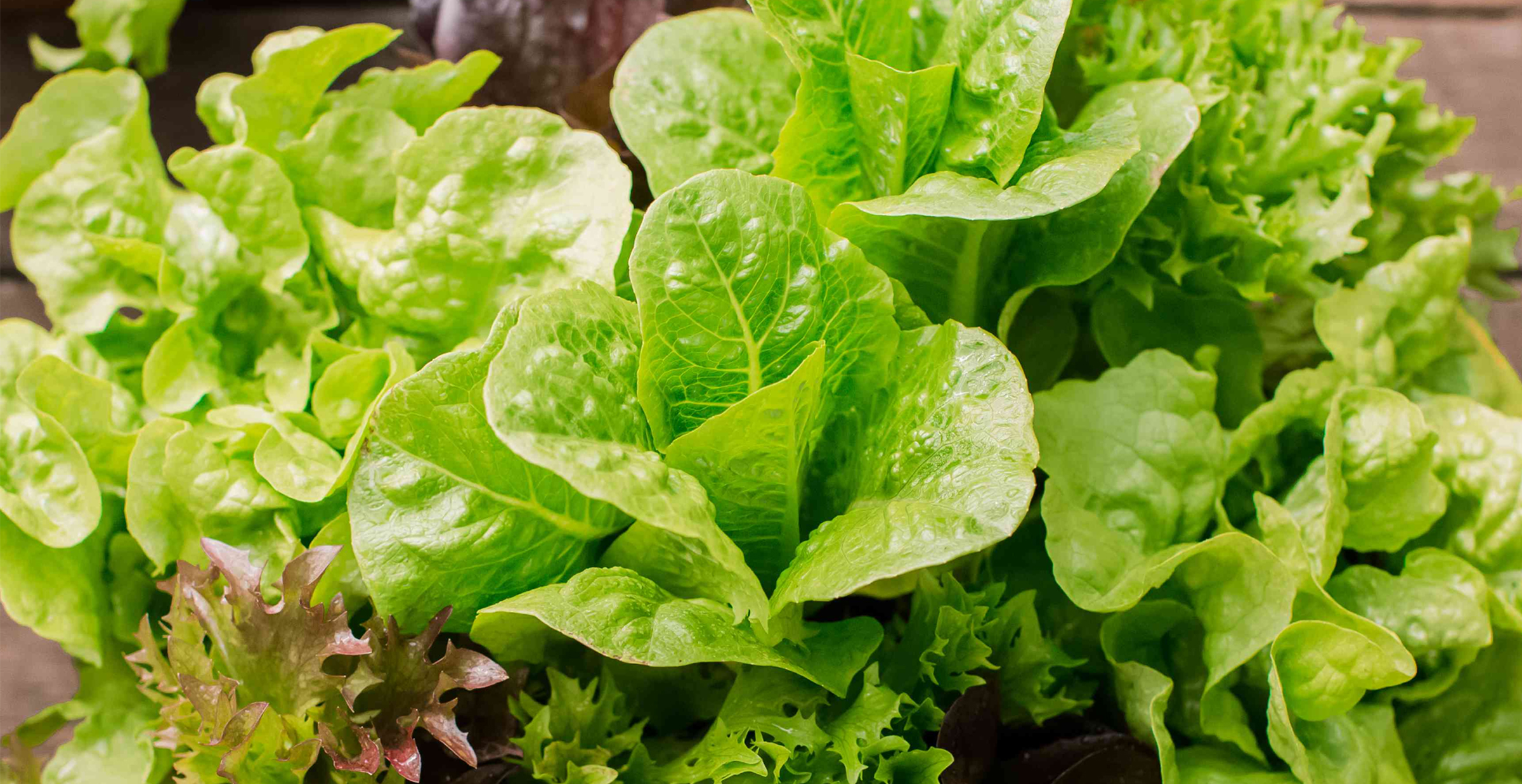
Some of the best plants to grow in a hydroponic tower are leafy greens and herbs, which can thrive in a hydroponic tower by absorbing nutrients quickly because of their shallow and fast-growing root systems.
Best Plants To Grow In Hydroponic Towers
Hydroponic towers are ideal for growing plants that thrive in soilless, nutrient-rich environments with efficient space utilization. Here's a curated list of plants best suited for hydroponic towers, organized by category, along with key considerations:
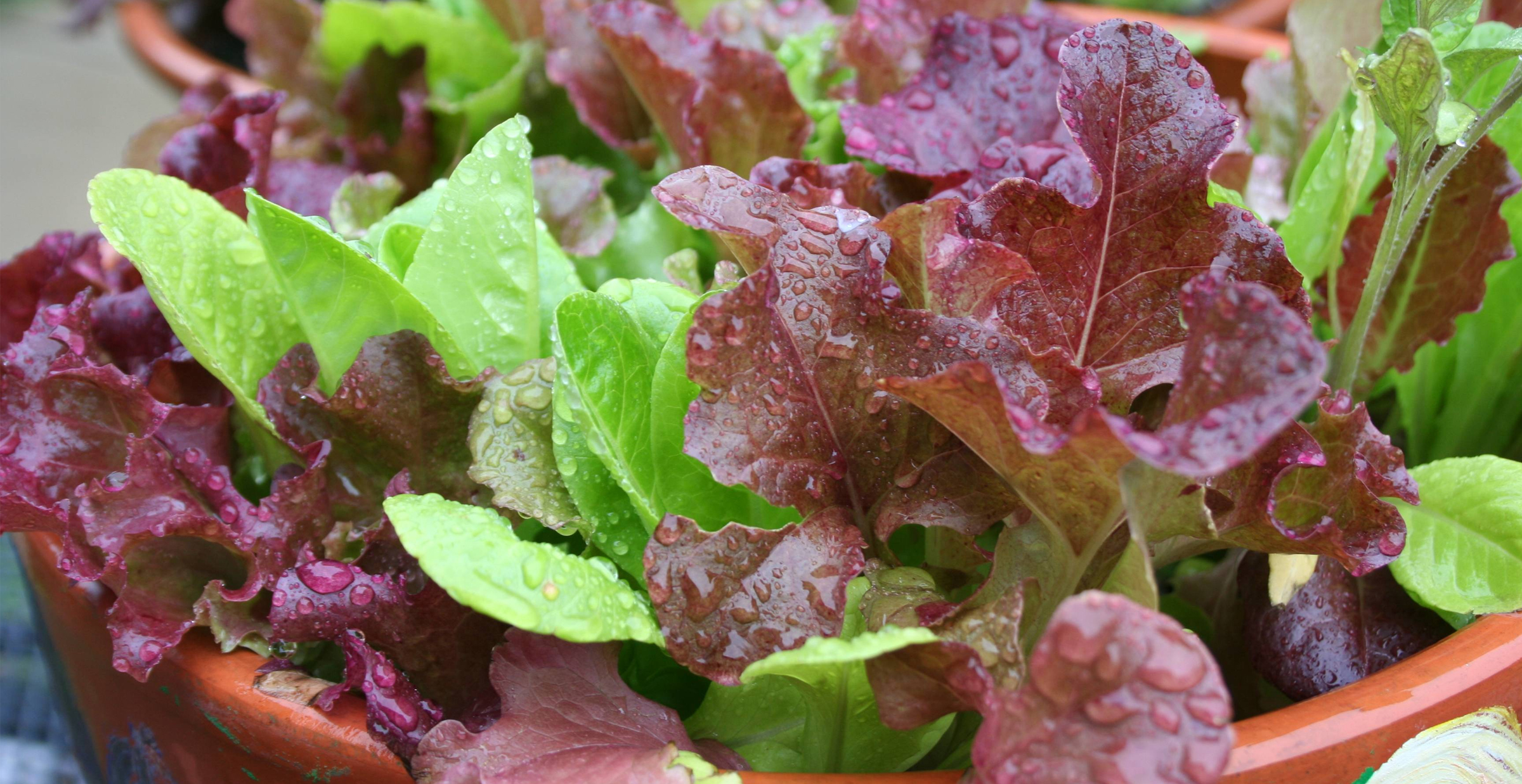
1. Leafy Greens
-
Examples: Lettuce (butterhead, romaine), Spinach, Kale, Swiss Chard, Arugula, Bok Choy.
-
Why They Thrive: Shallow roots, rapid growth (3-4 weeks), and compact size. They prefer moderate nutrient levels (pH 5.5–6.5) and tolerate lower light.
2. Herbs
-
Examples: Basil, Cilantro, Mint, Parsley, Chives, Oregano, Thyme.
-
Why They Thrive: Fast-growing with small root systems. Basil and mint are particularly vigorous. Prefer pH 5.5–6.5 and benefit from regular harvesting.
3. Fruiting Plants (Compact Varieties)
-
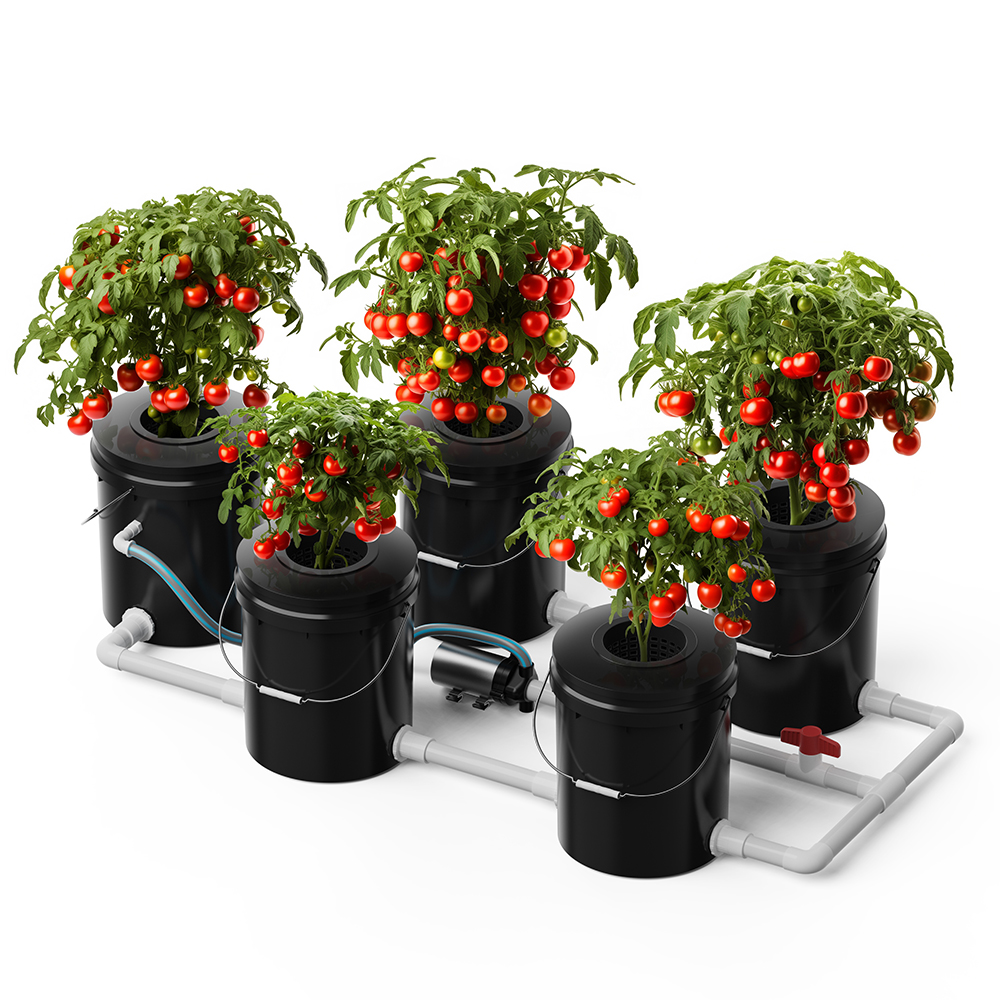
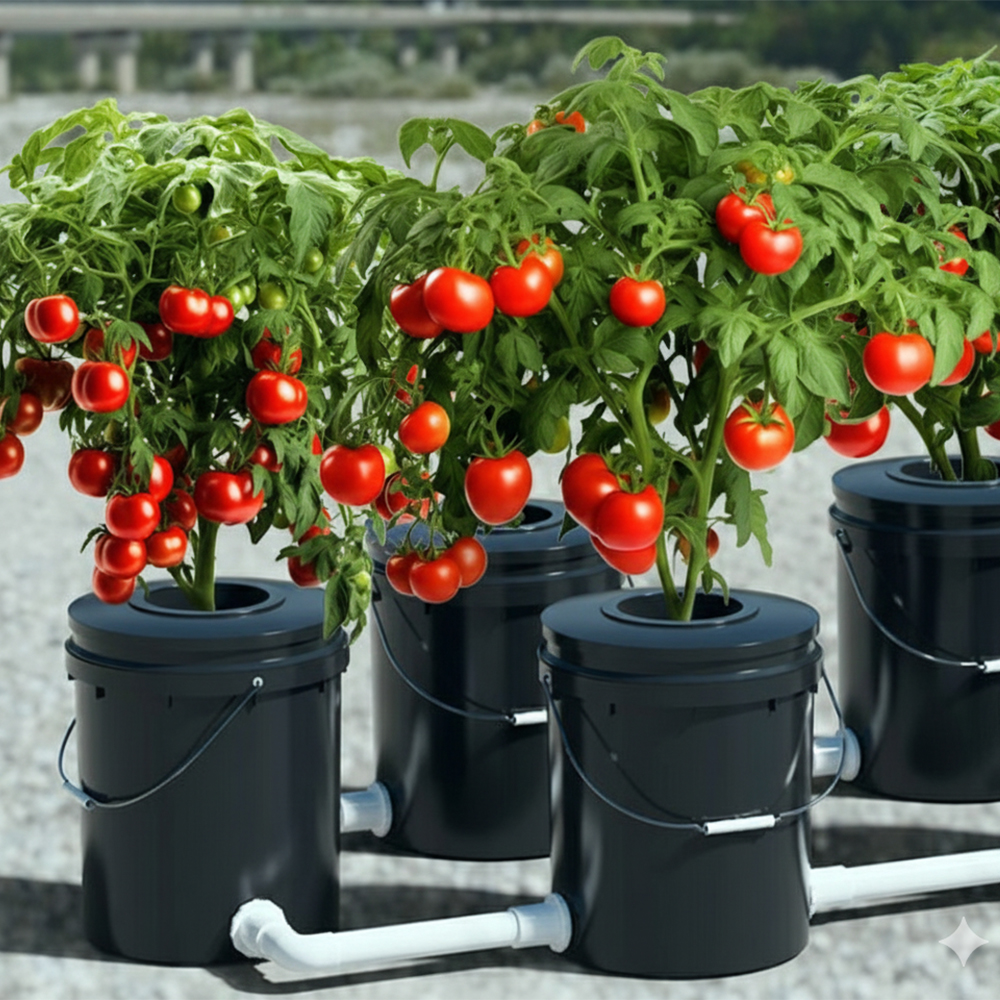
Examples: Strawberries, Dwarf Tomatoes (e.g., cherry tomatoes), Peppers (bell or chili).
-
Considerations: Require sturdier towers for support, higher nutrient demands (especially potassium during fruiting), and ample light. Hydroponic strawberries adapt well to vertical growth with proper spacing.
4. Microgreens & Sprouts
-
Examples: Broccoli, Radish, Pea Shoots, Sunflower Shoots.
-
Why They Thrive: Ultra-fast growth (1-2 weeks), minimal space, and high yield. Ideal for continuous harvests.
5. Flowers (Edible or Ornamental)
-
Examples: Nasturtiums, Marigolds, Petunias.
-
Benefits: Enhance aesthetics, attract pollinators (if outdoors), and some (like nasturtiums) are edible/pest-repellent. Prefer pH 5.5–6.5.
6. Small Root Vegetables
-
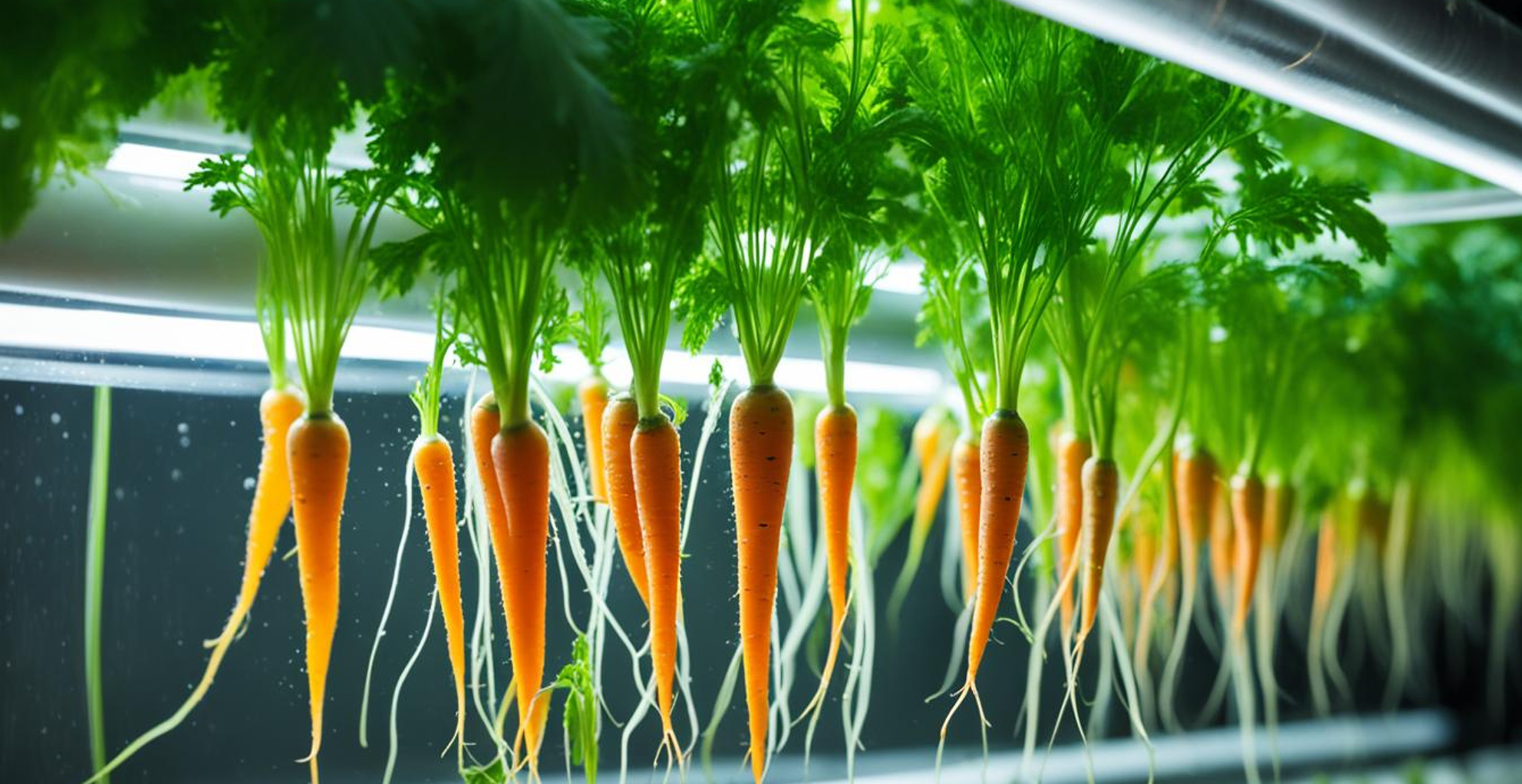
Examples: Radishes, Baby Carrots, Green Onions.
-
Considerations: Possible with careful variety selection (shallow roots). Standard root veggies (e.g., full-sized carrots) are less suitable.
7. Avoid or Limit
-
Large Plants: Squash, corn (too bulky).
-
Deep-Rooted Vegetables: Potatoes, standard carrots.
-
High-Maintenance Plants: Those prone to pests (e.g., aphids) or requiring complex support.
8. Key Considerations
-
Nutrient Management: Group plants with similar pH (5.5–6.5) and nutrient needs. Fruiting plants may need adjusted formulas during growth stages.
-
Lighting: Ensure adequate LED or natural light, especially for fruiting plants (12–16 hours/day).
-
Support Structures: Use trellises or clips for vining plants (e.g., tomatoes).
-
Harvest Strategy: Prioritize cut-and-come-again plants (e.g., leafy greens, herbs) for continuous yield.
By selecting plants aligned with these criteria, hydroponic towers can maximize space efficiency and productivity, whether indoors or outdoors.
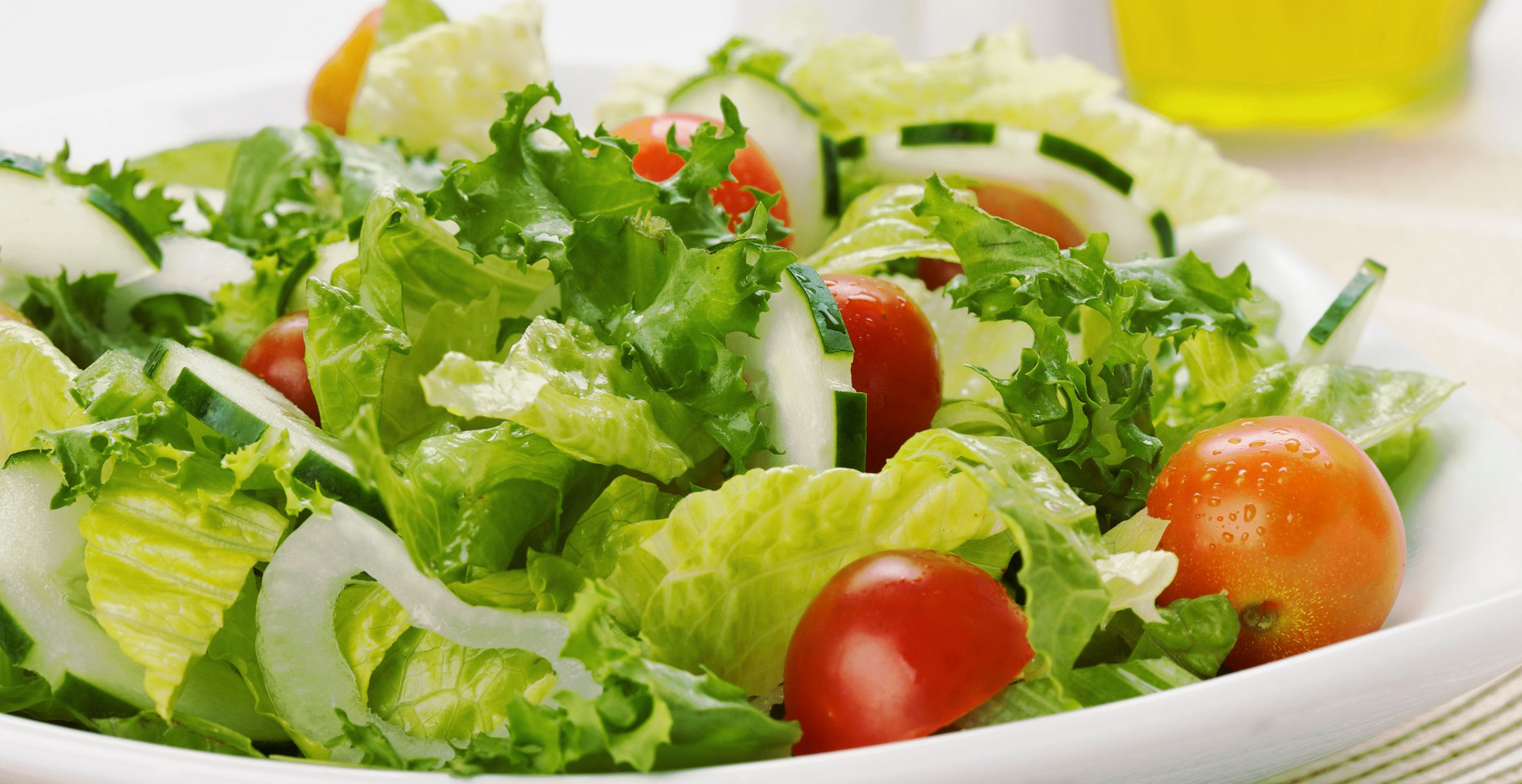
What Plants Grow Best In A Hydroponic Tower?
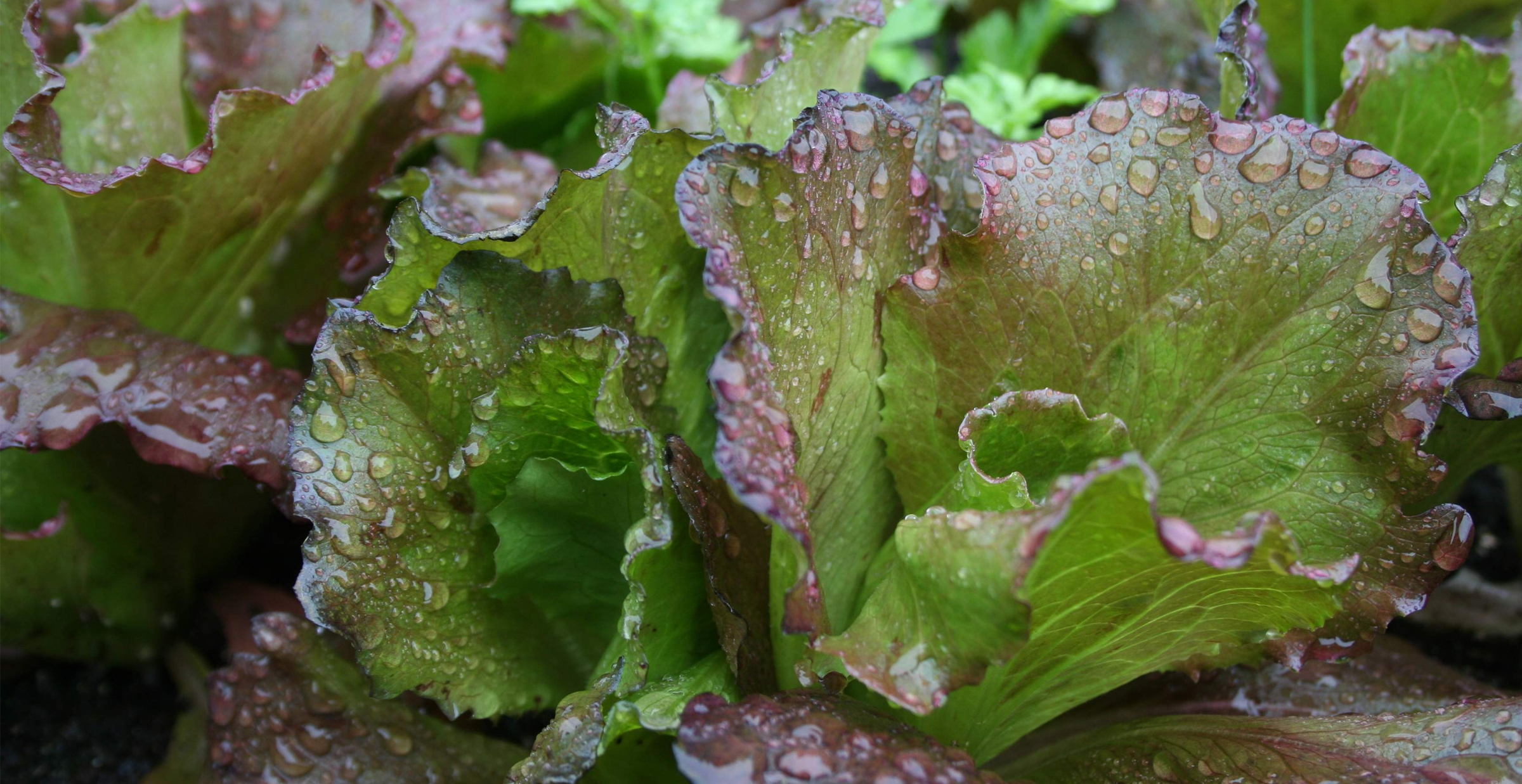
The plants that grow best in hydroponic towers are lettuces; varieties of lettuce such as romaine, butterhead, loose-leaf, and iceberg grow quickly and are usually ready to pick and eat in only about 3-4 weeks, while being very fresh and clean, which makes them great for salads.
View More:
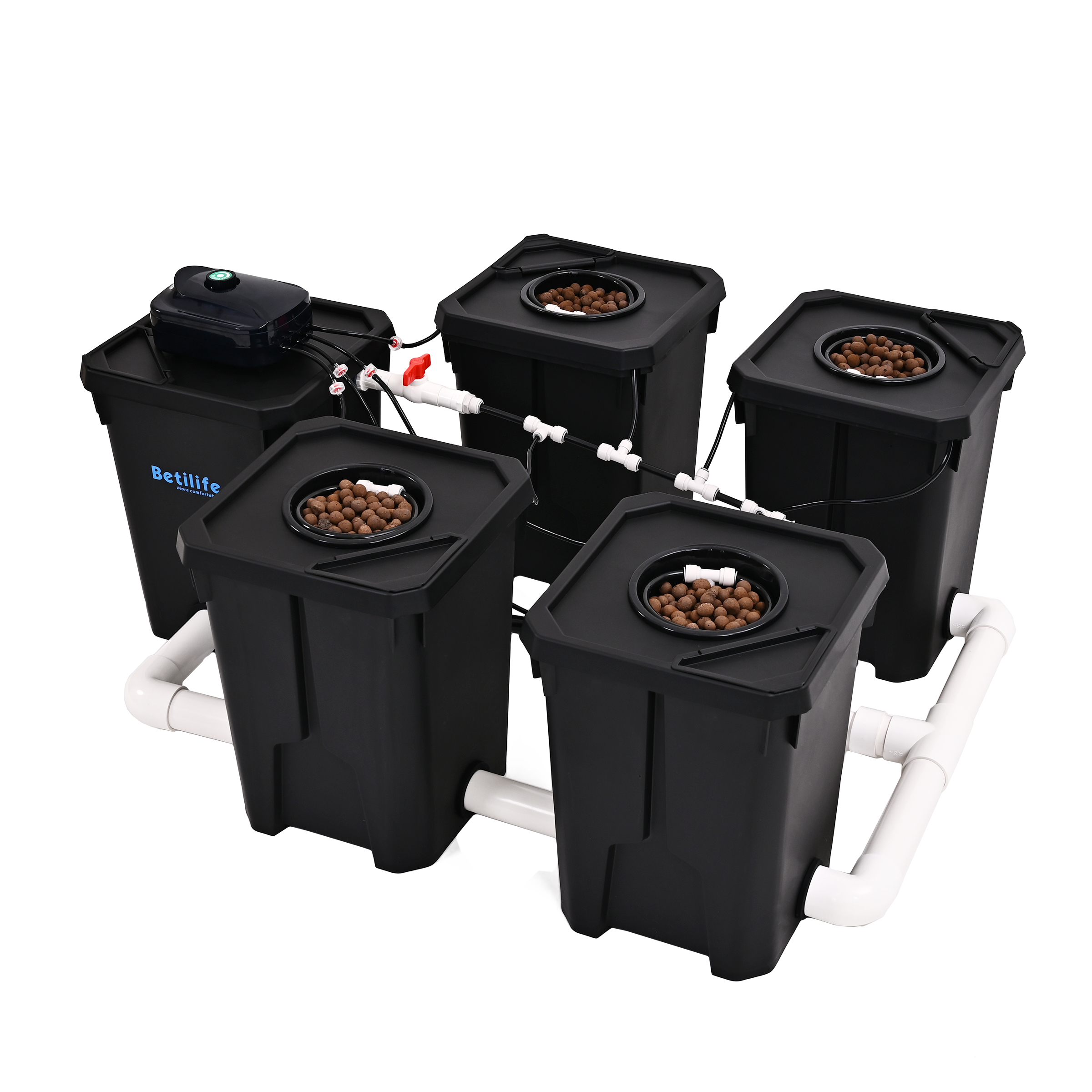
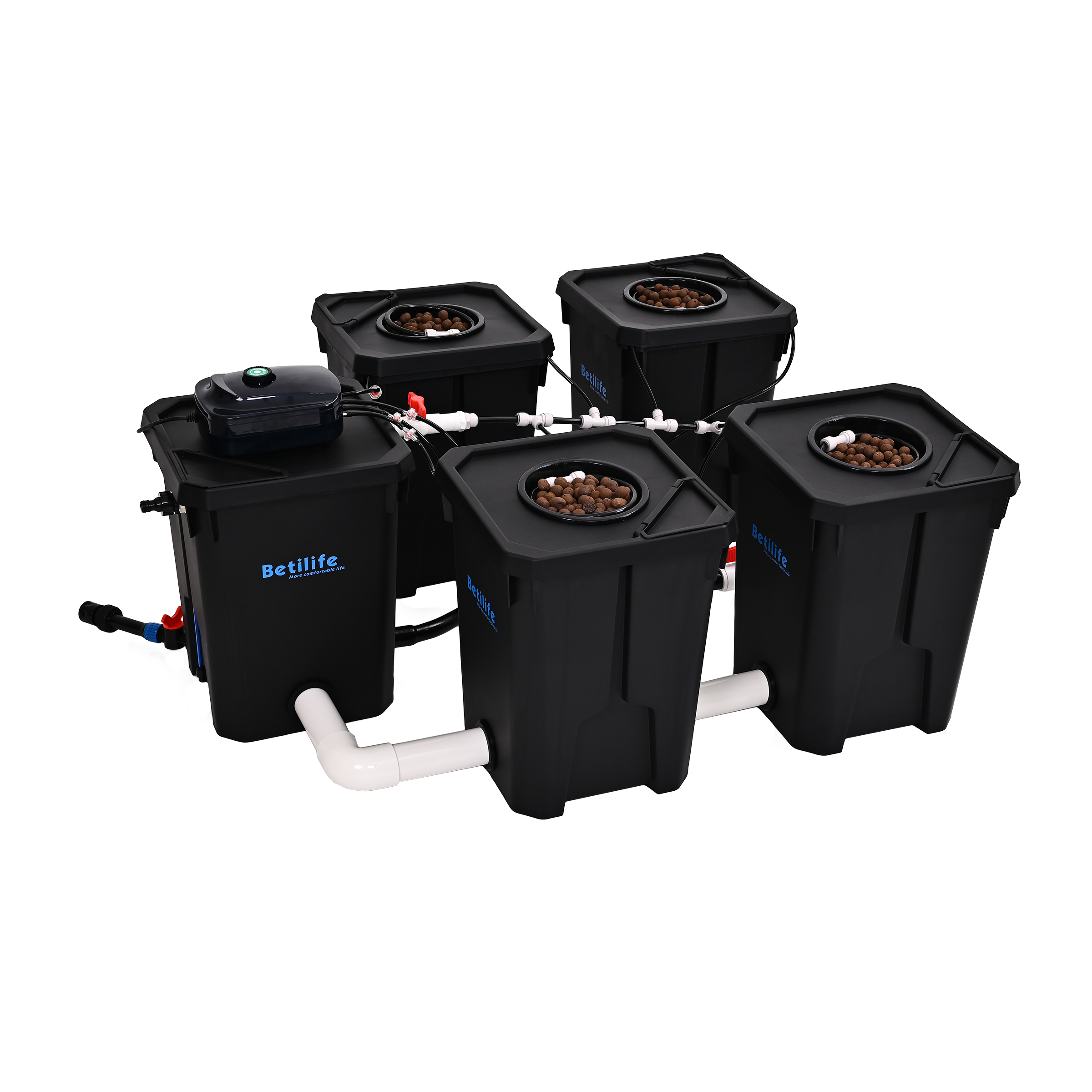
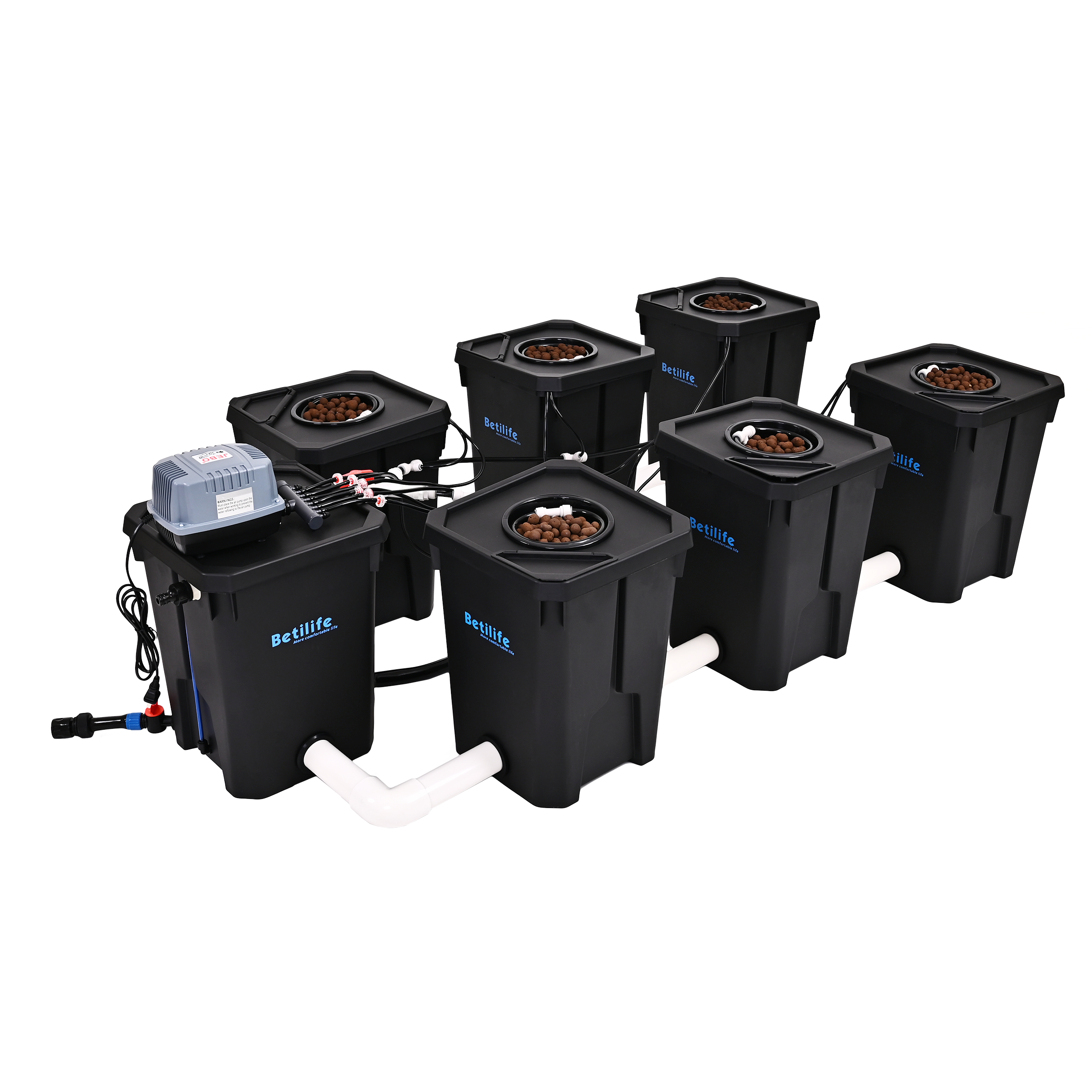
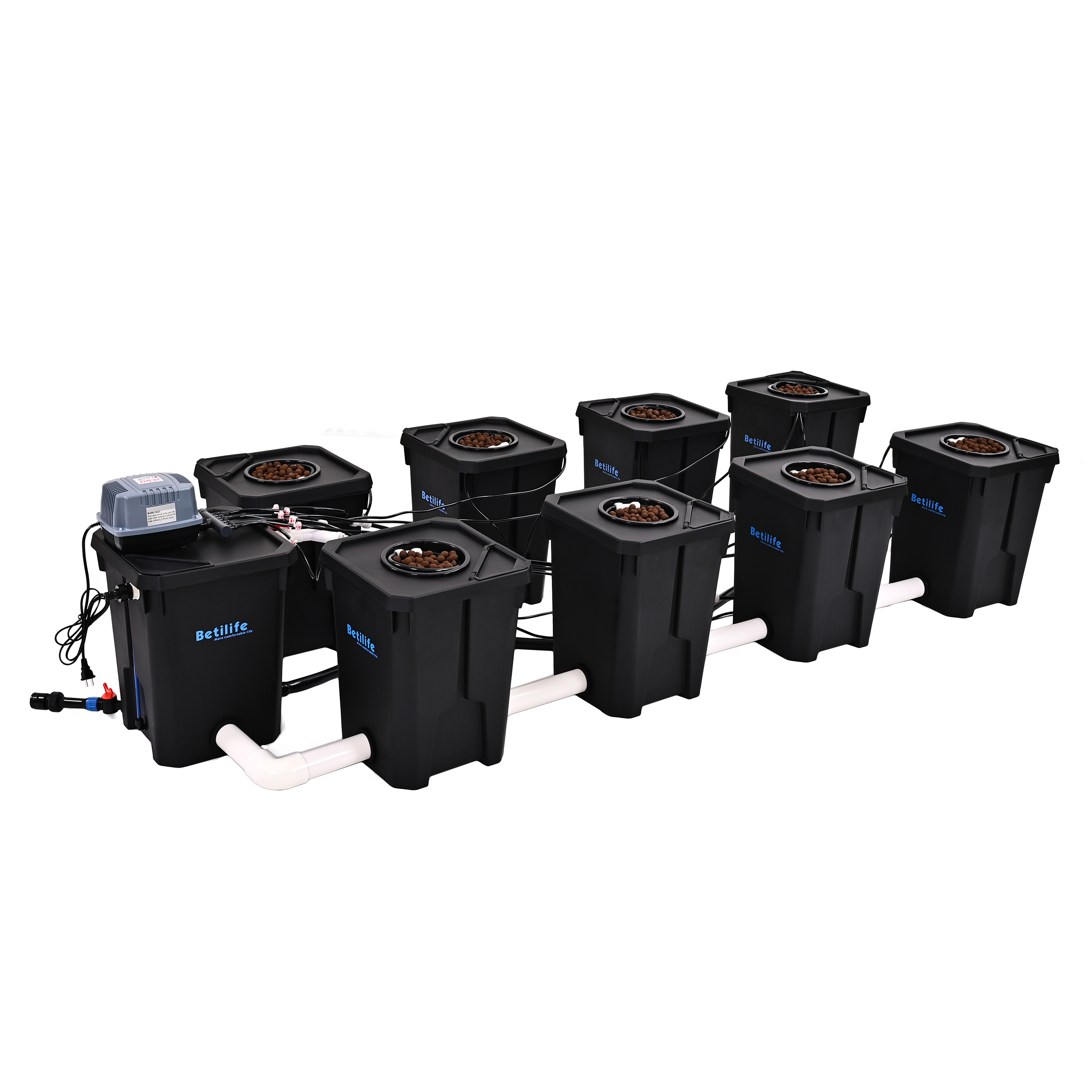
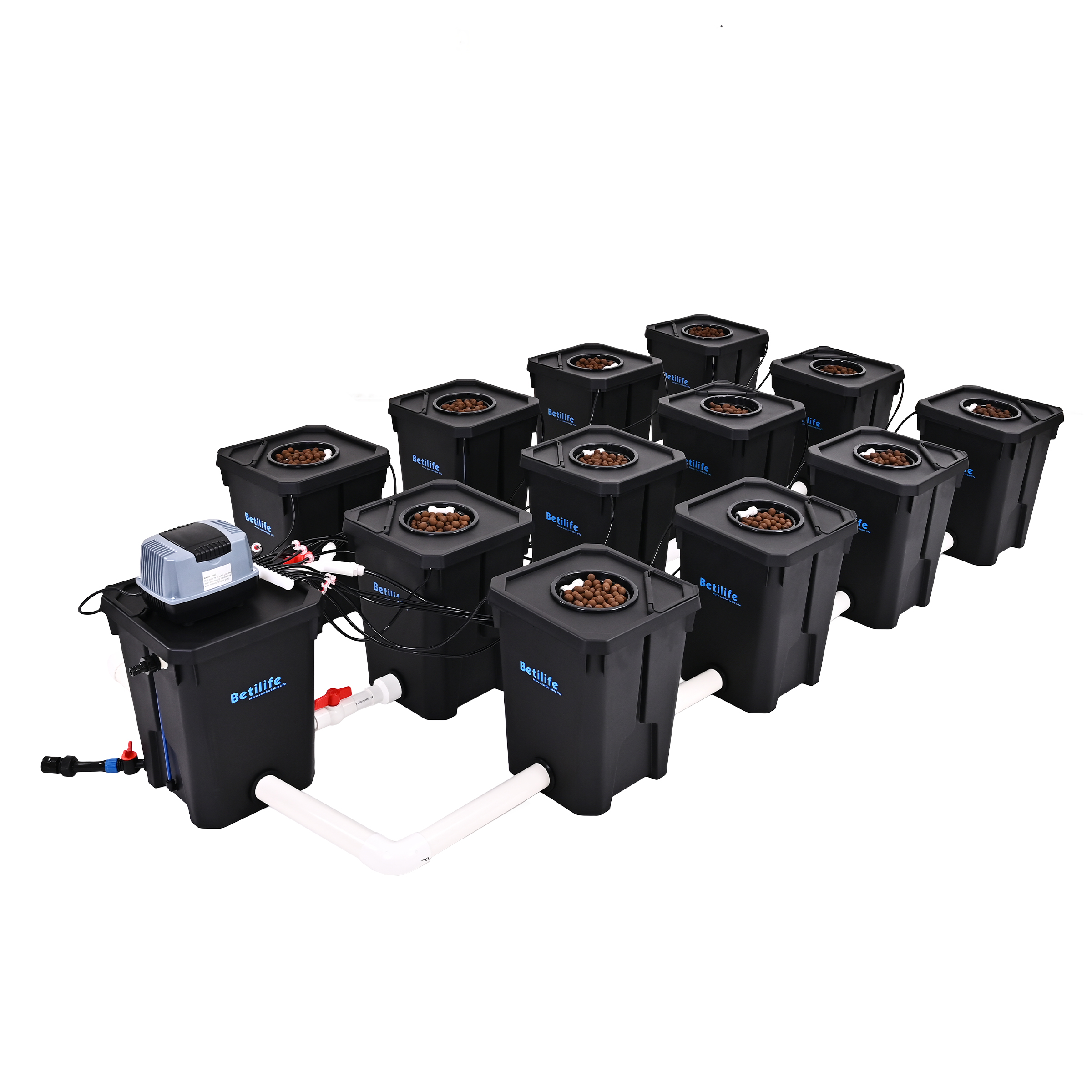
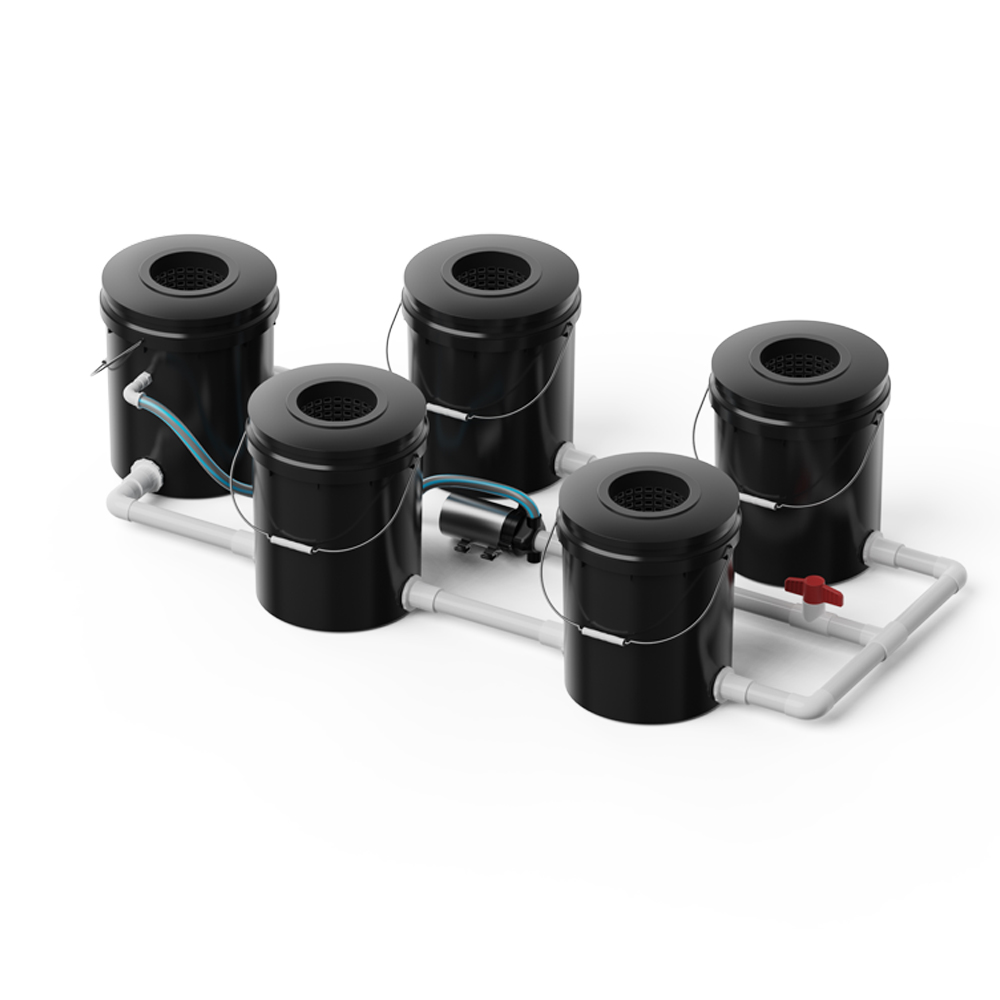
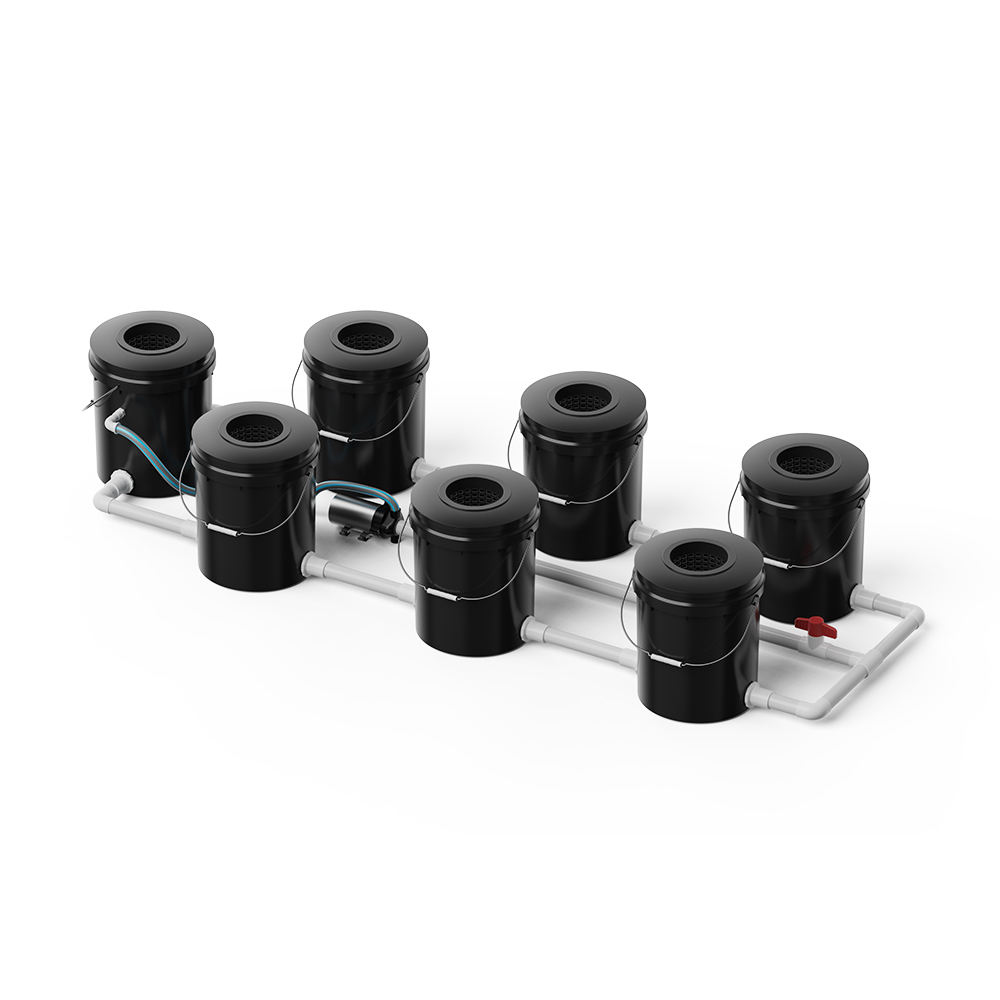
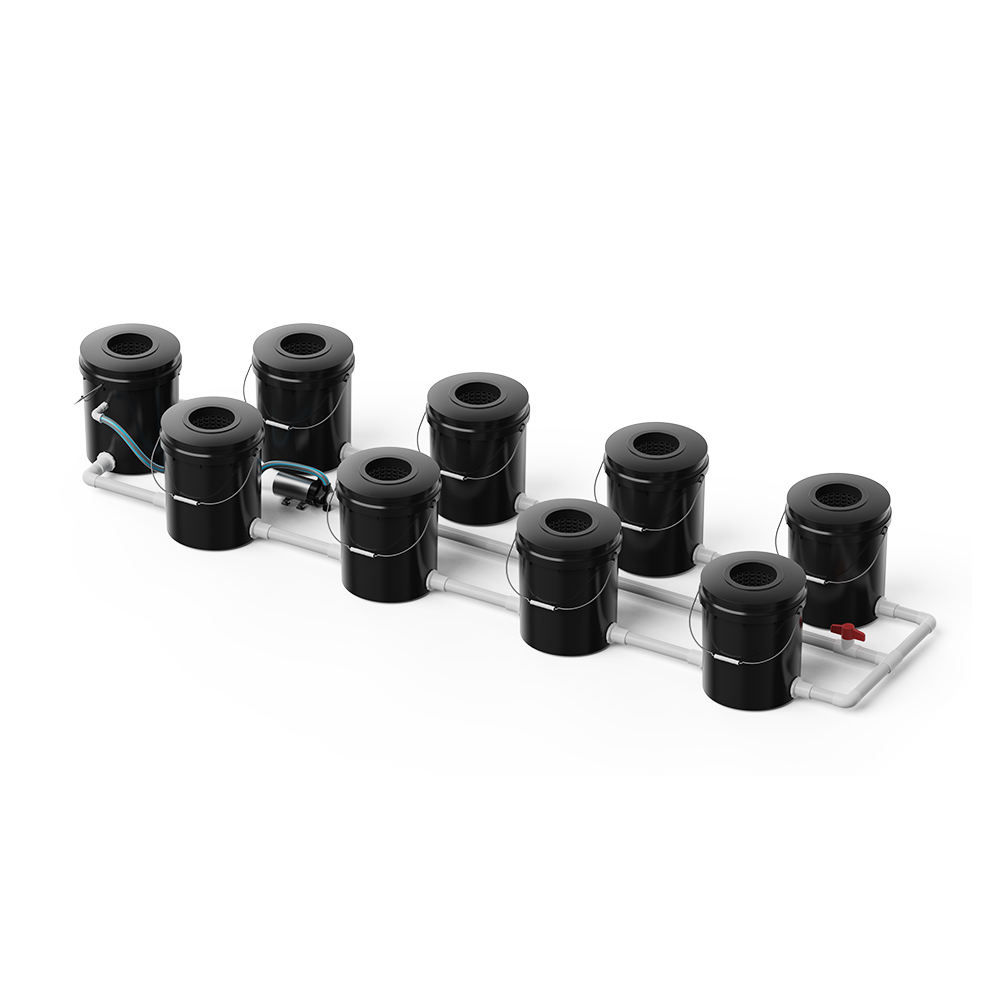
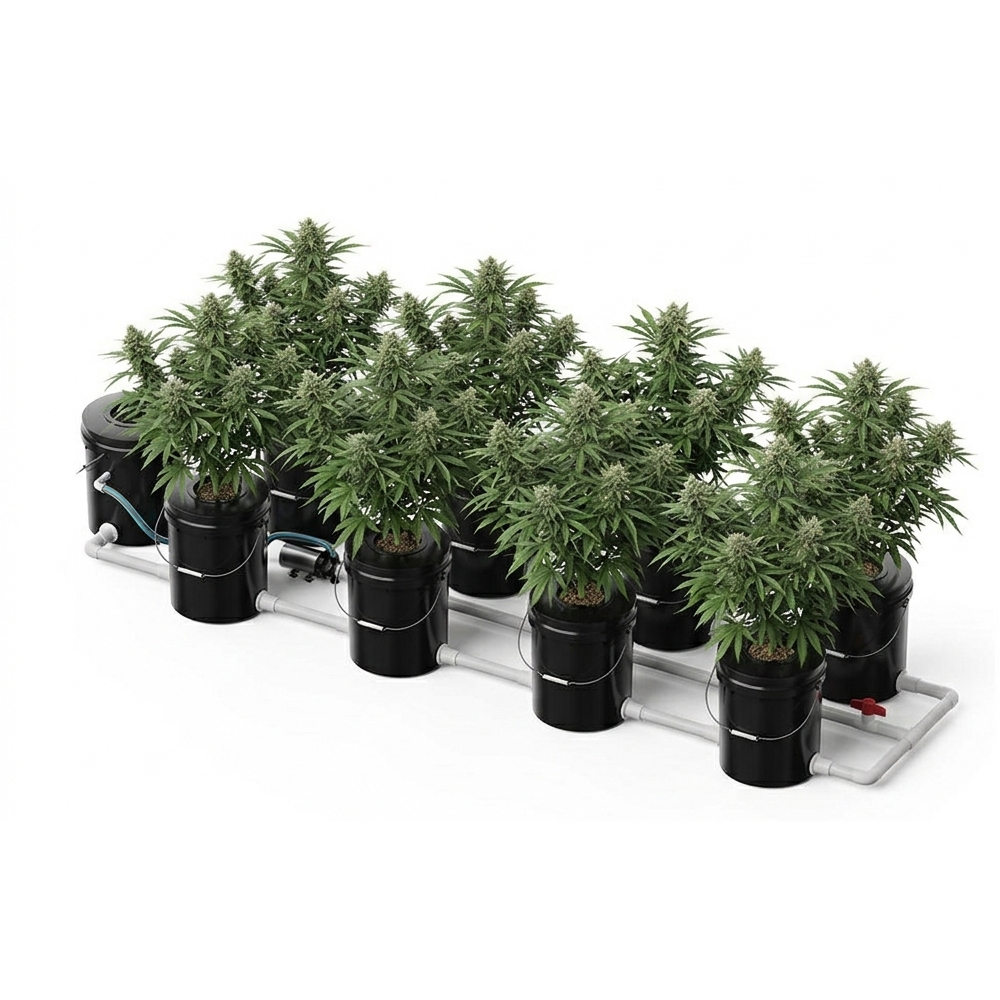
BetiLife™ Hydroponic Lettuce Systems offer a variety of hydroponics techniques, including Nutrient Film Technique (NFT), Deep Water Culture (DWC), Kratky Method, and Aeroponics, each with its own set of advantages, and are easy to use and operate for beginners to gardeners.
If you need to grow lettuce hydroponically indoors or outdoors at home, you can choose BetiLife™ Hydroponic Systems: