The Deep Water Culture (DWC) method is an excellent way for beginners to get started with hydroponics. It's simple in concept, can produce speedy growth, and is very low-cost to start. Here is a complete guide to the best DWC hydroponics step by step for beginners, and detailed instructions to get you started.
Why DWC is Great for Beginners
-
Simplicity: The core concept—roots suspended in oxygenated nutrient solution—is easy to understand.
-
Fast Growth: Constant access to water, oxygen, and nutrients leads to explosive plant growth.
-
Low Cost: You can build a basic system with cheap, readily available parts.
-
Fewer Components: No complex timers or drip lines like in some other systems.
The Best DWC Setup for Beginners: The Single 5-Gallon Bucket
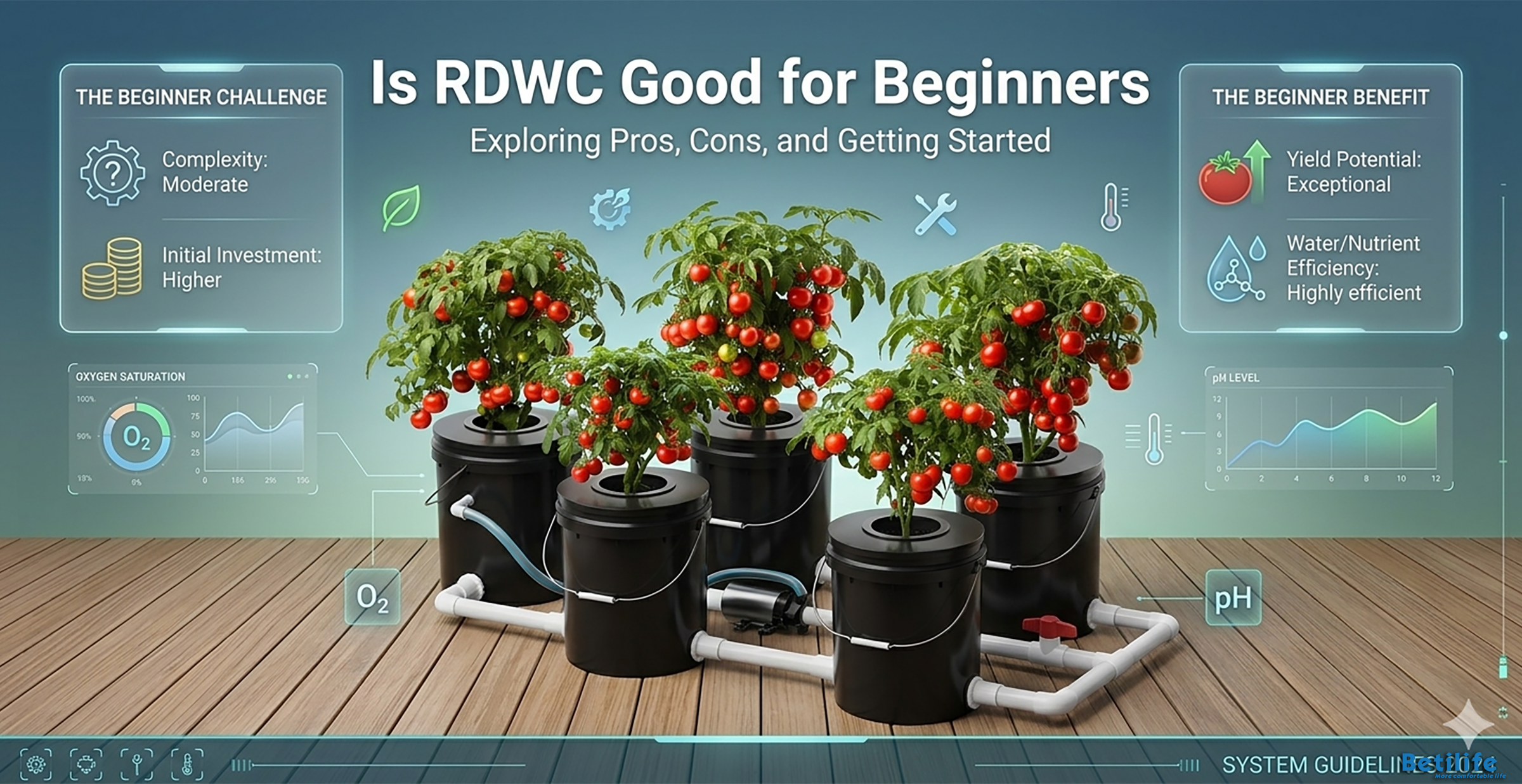
We recommend starting with a single 5-gallon bucket system. Why?
-
Manageable: It's easier to monitor and adjust the water chemistry (pH and nutrients) in one bucket than in a large, multi-plant system.
-
Isolation: If you have a problem with one plant (e.g., root rot), it won't affect your other plants.
-
Scalability: Once you master one bucket, you can easily build more!
-
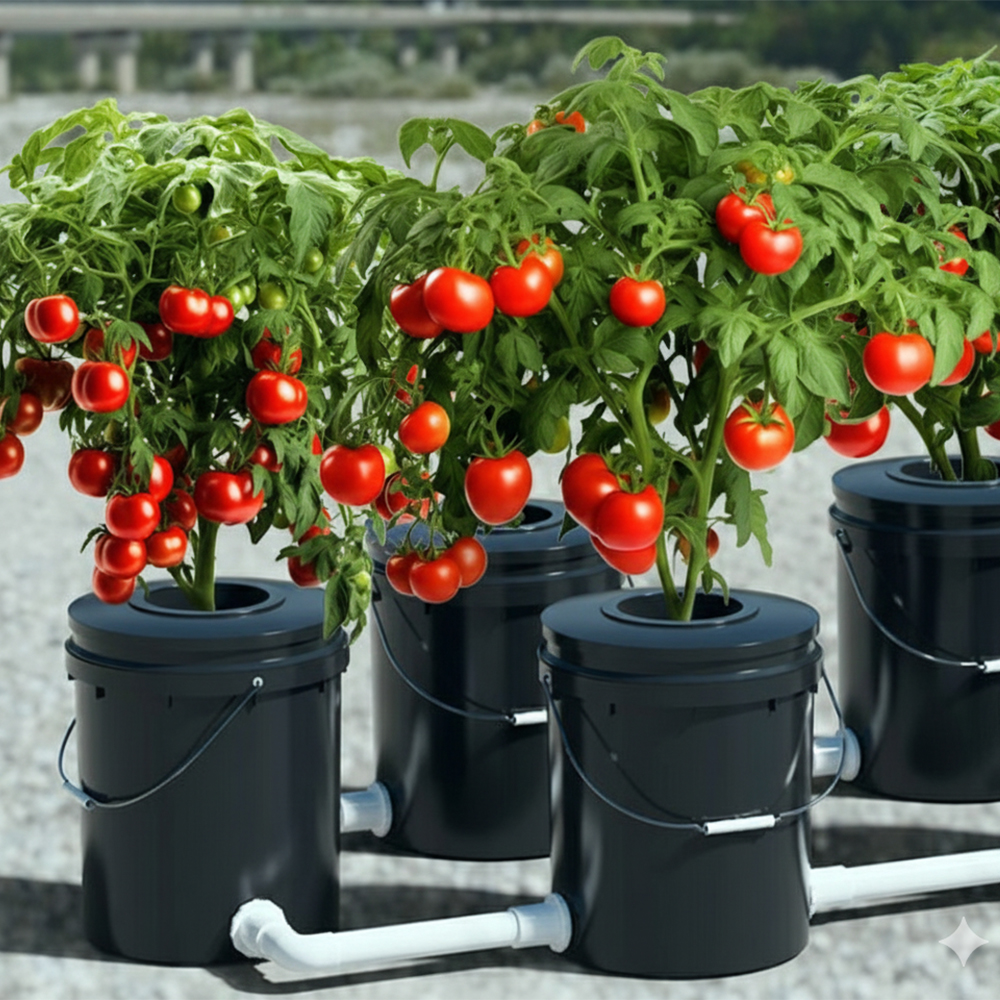
Ideal for Larger Plants: Perfect for growing one large plant like a tomato, pepper, cucumber, or a few smaller herbs like basil.
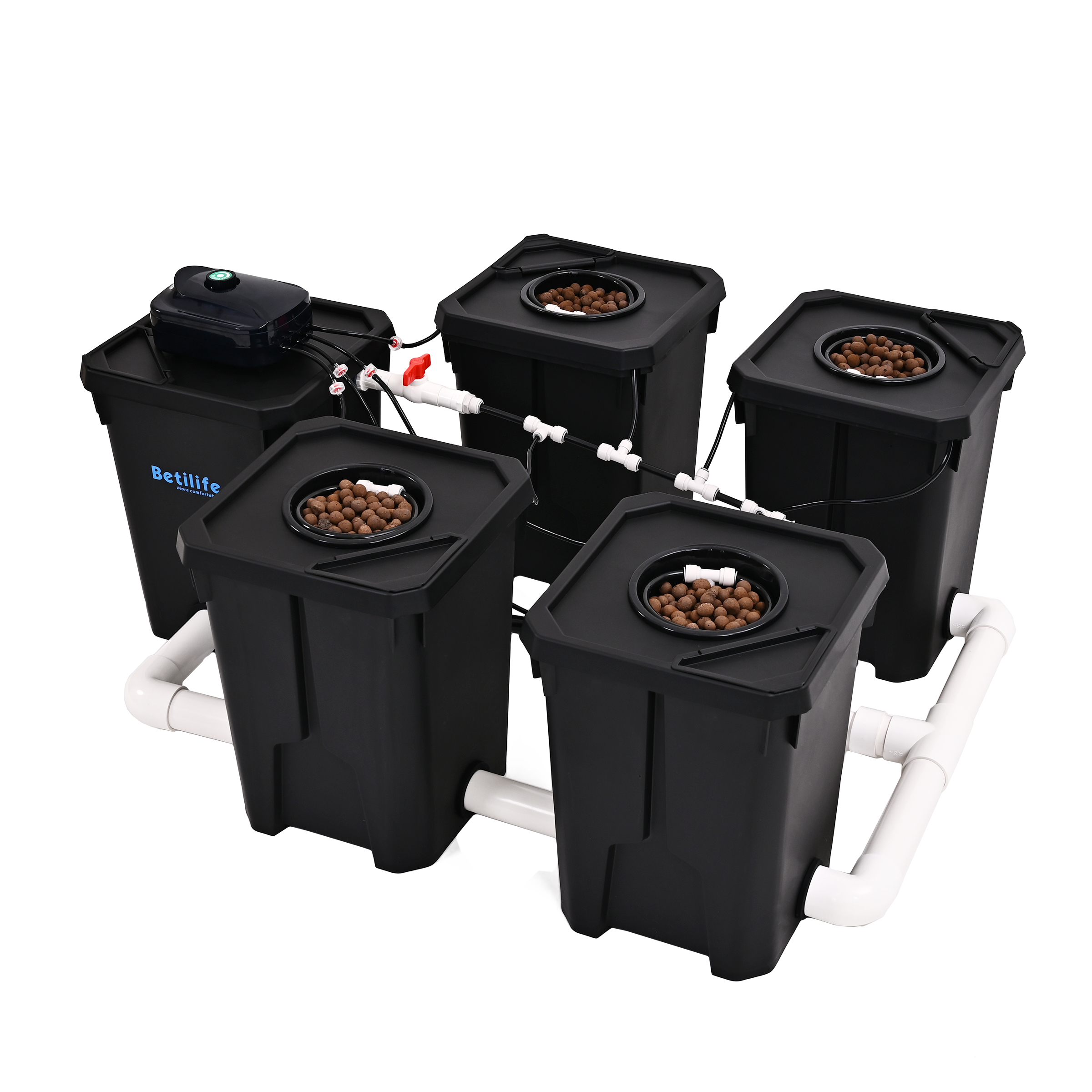
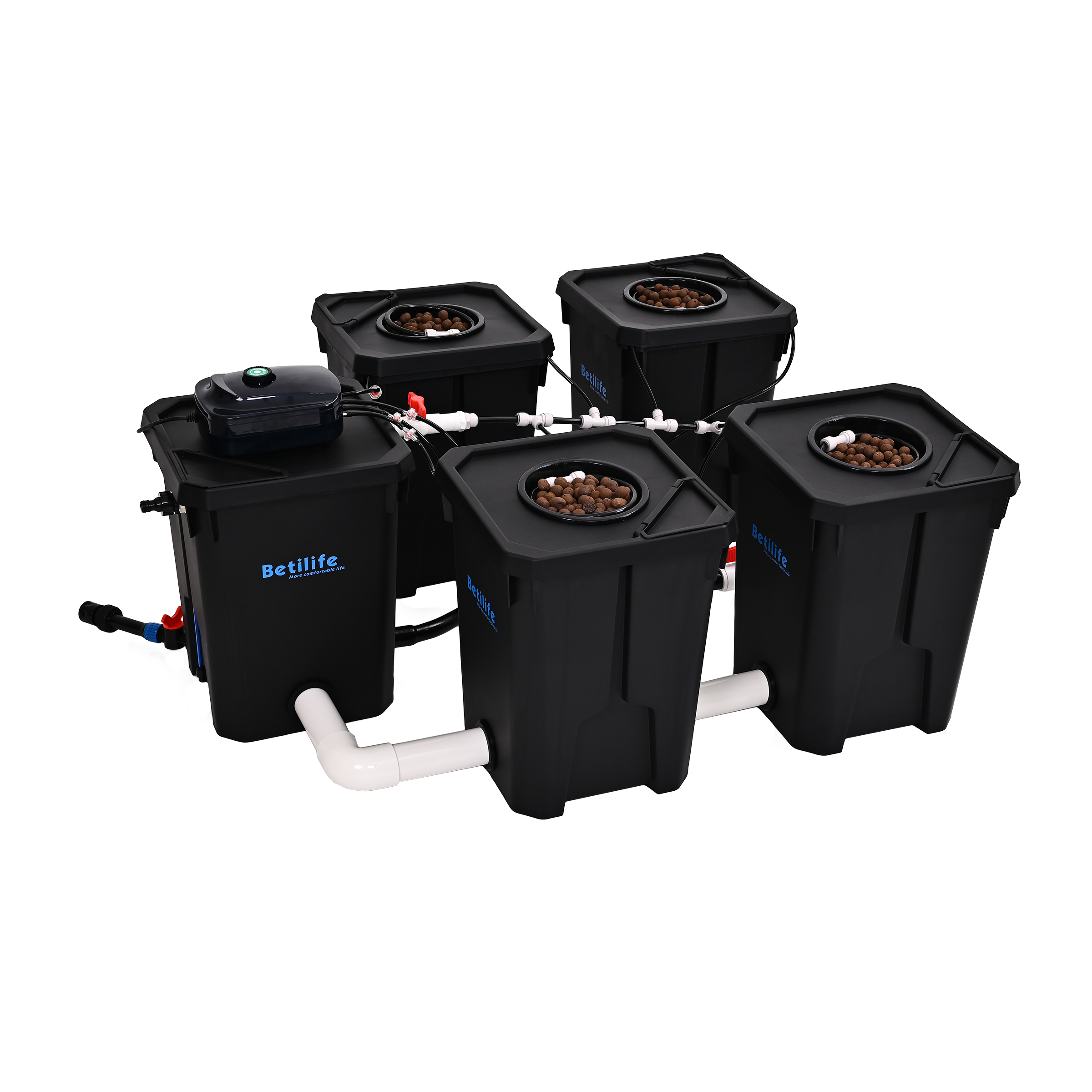
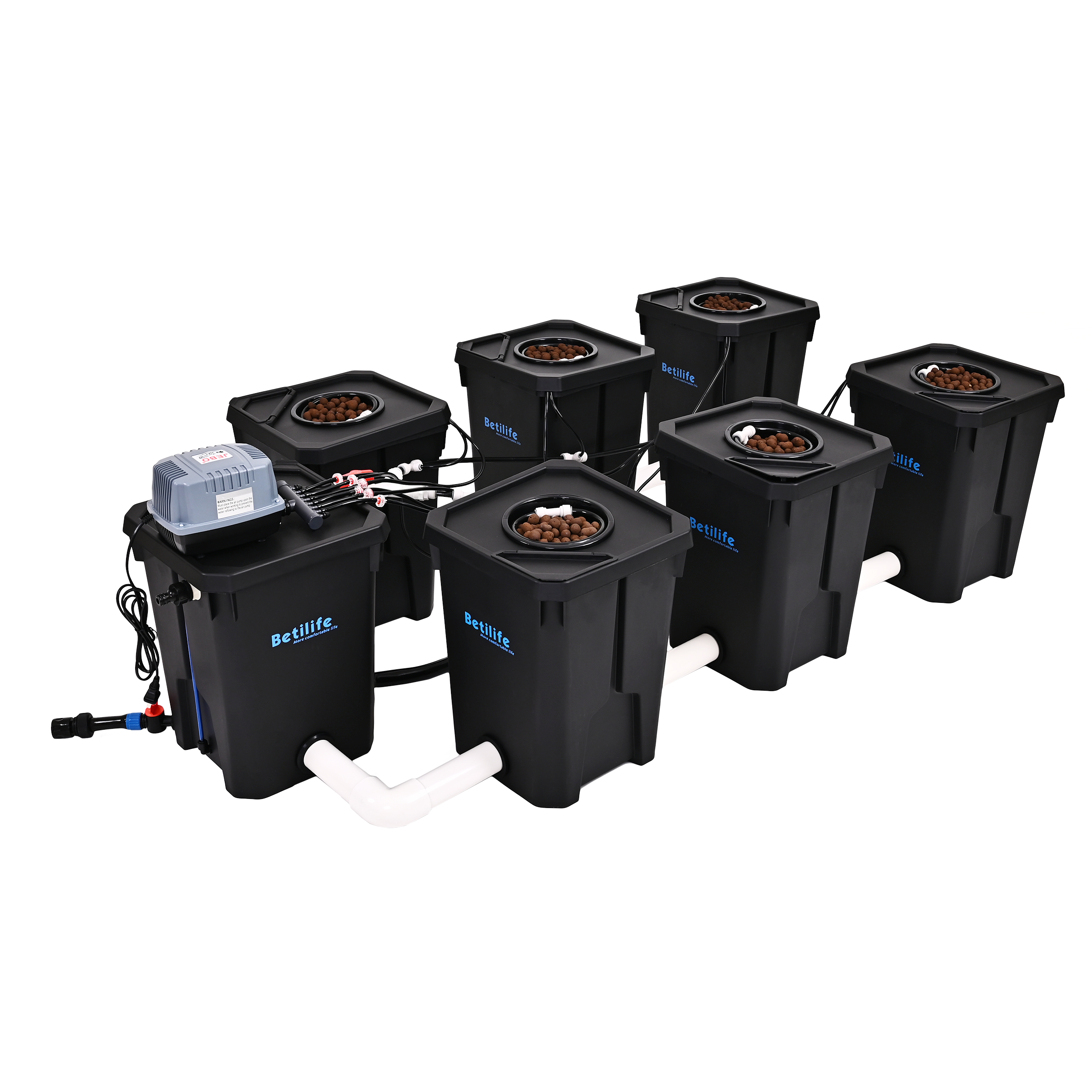
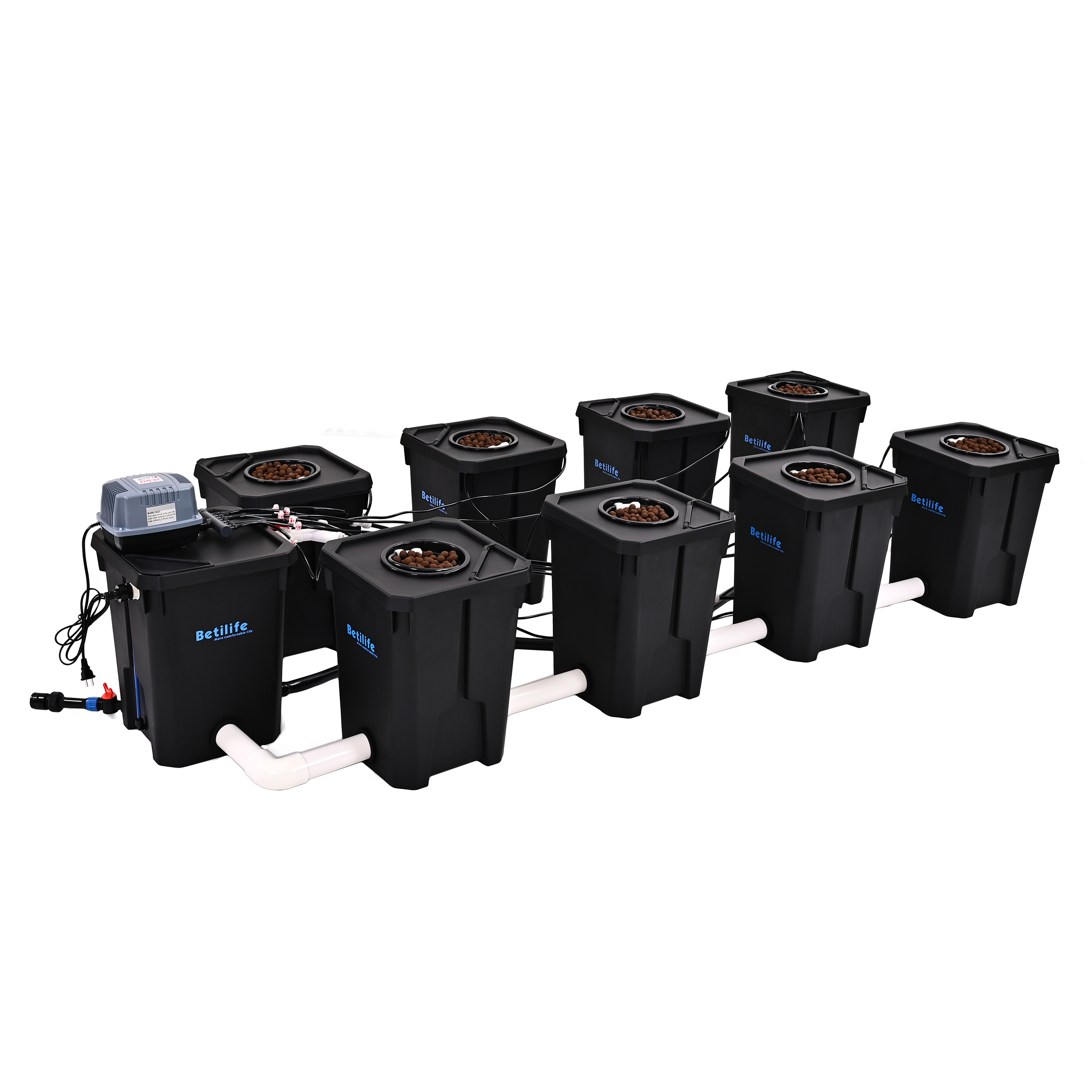
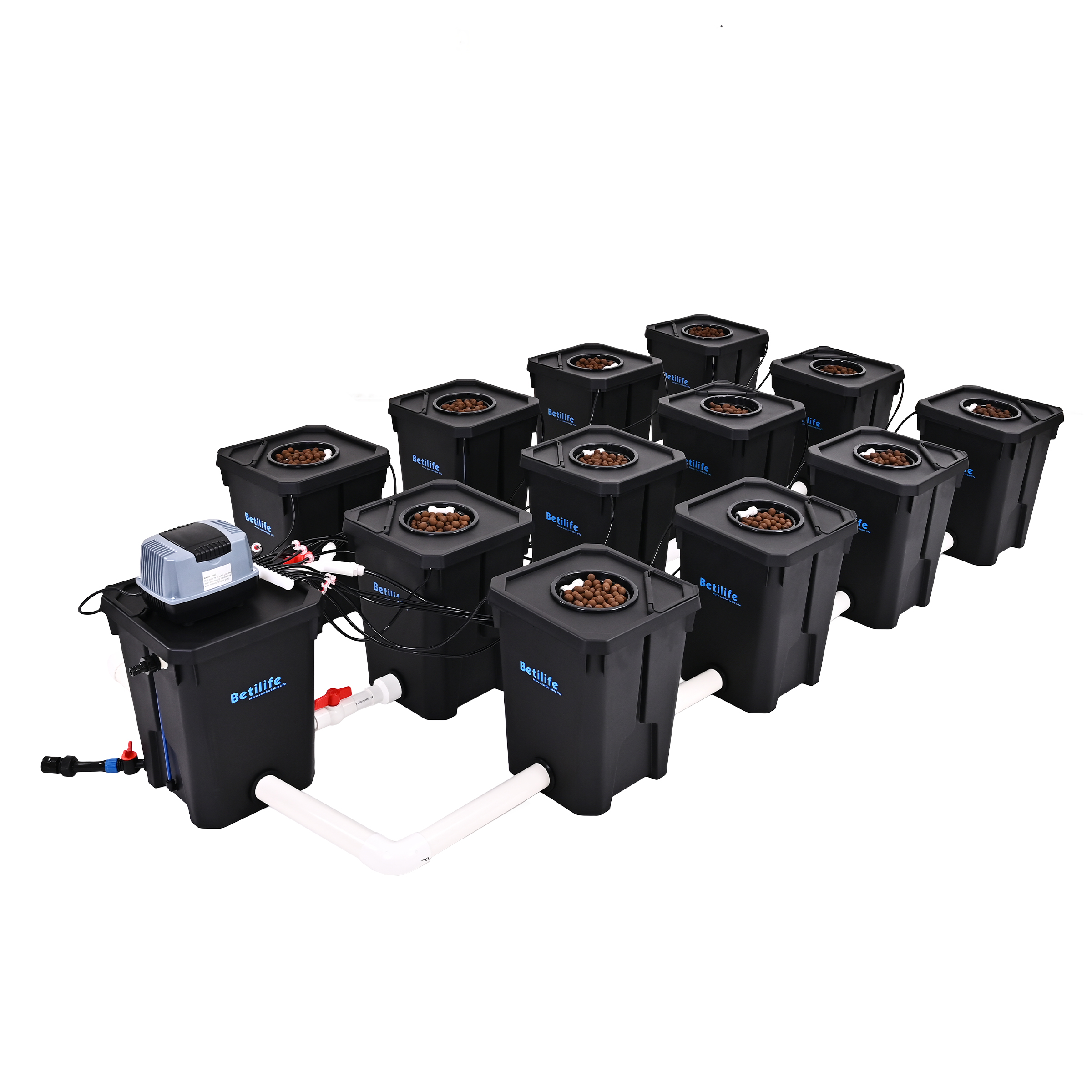
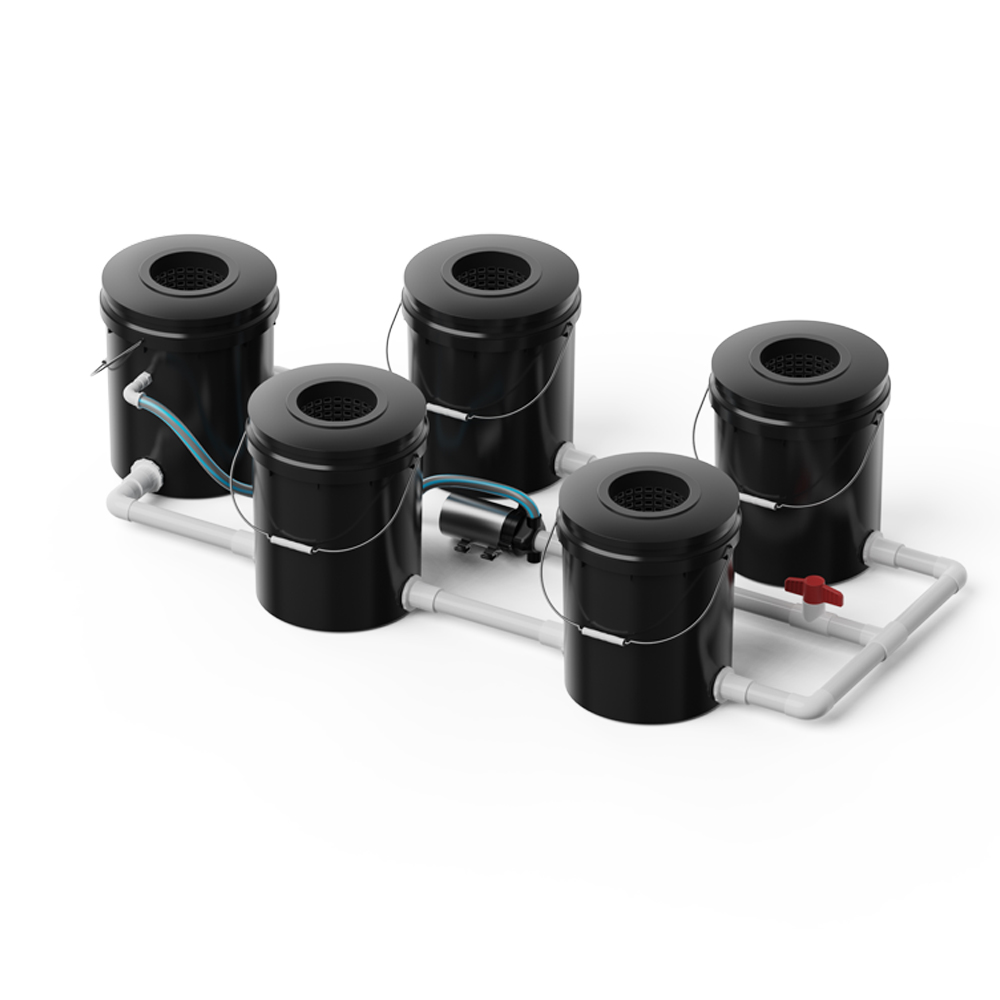
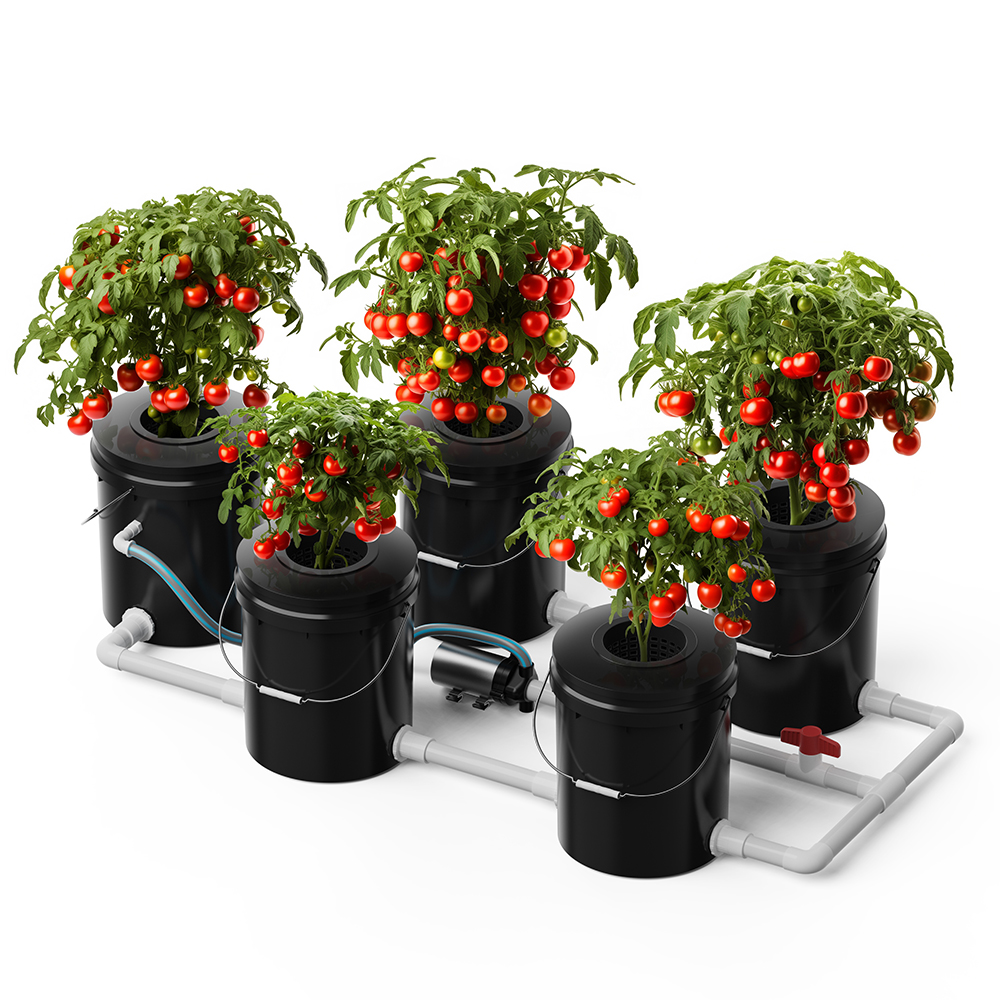
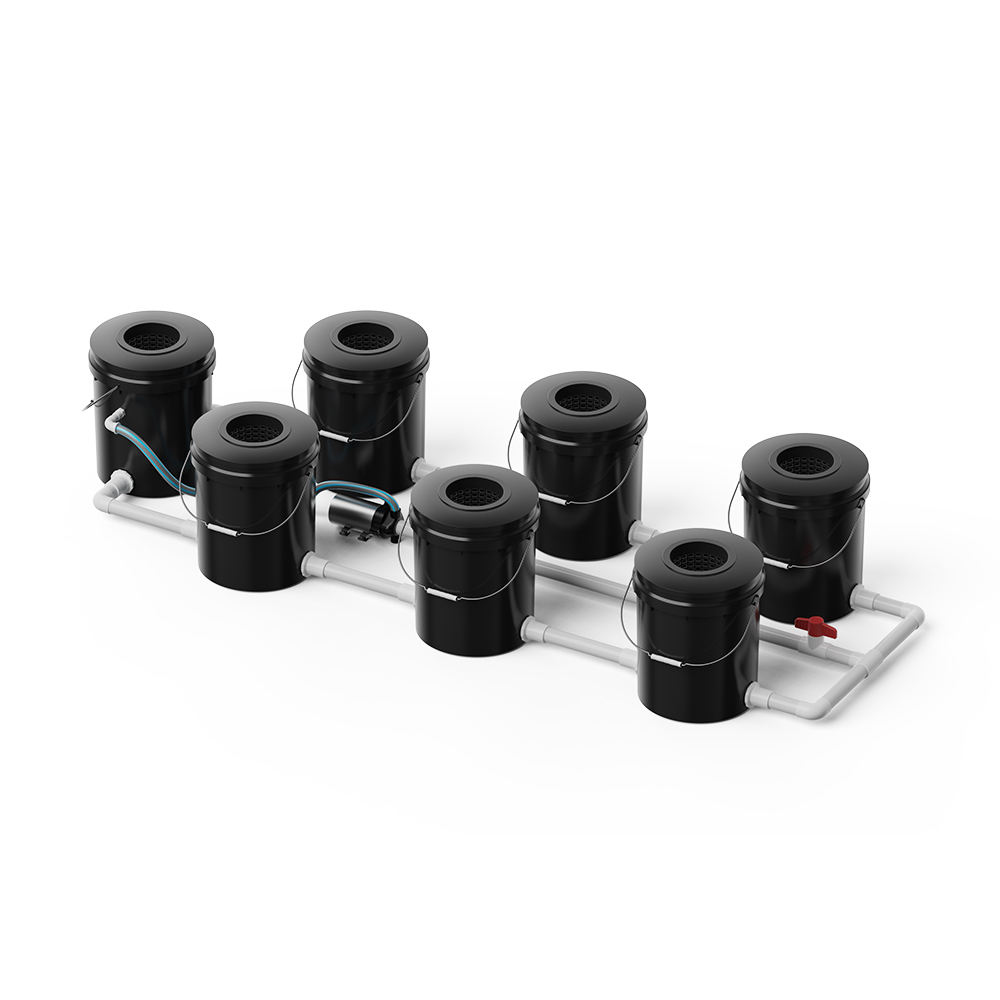
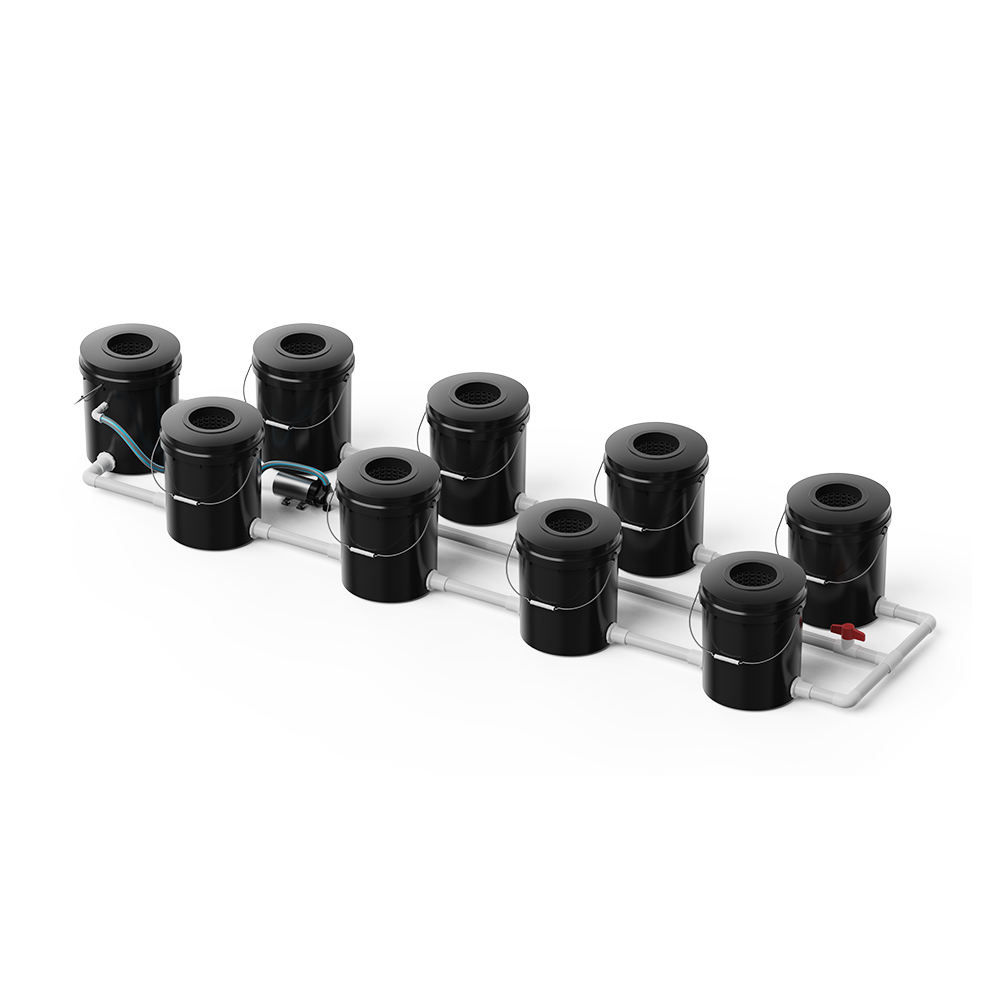
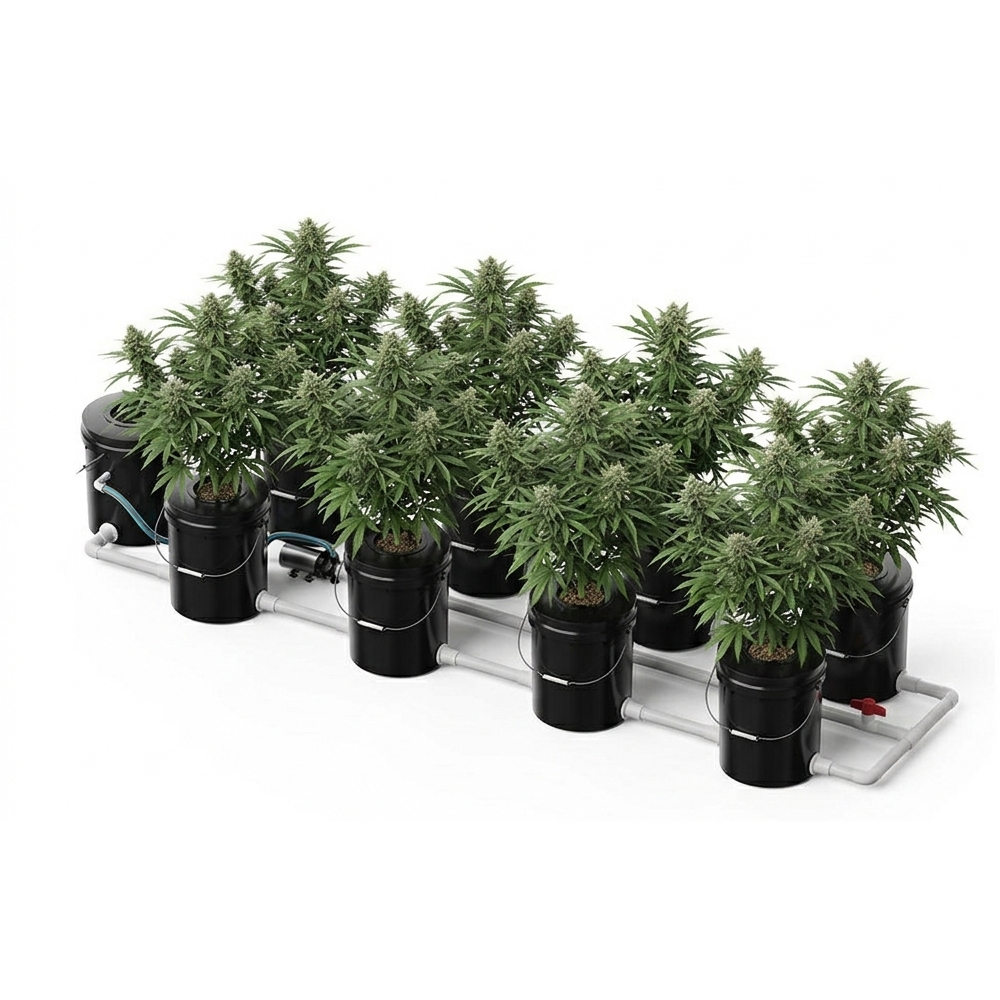
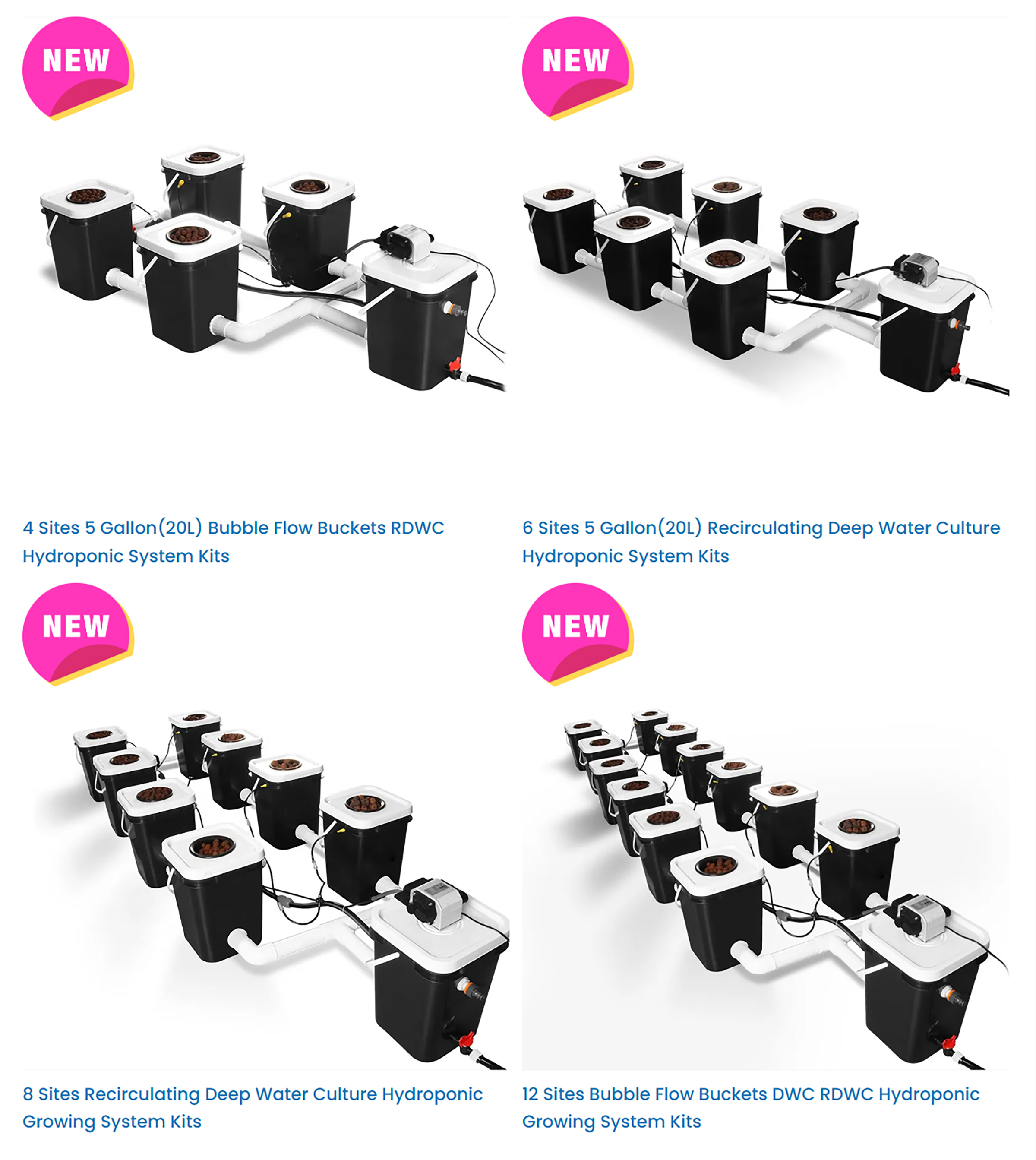 DWC Hydroponic System Growing Kits 5 Gallon(20L) Buckets
Step-by-Step Instructions: Building Your First DWC System
What You'll Need:
Part 1: The Hardware
-
1x 5-Gallon Food-Grade Bucket (with lid) - Black is best to block light and prevent algae.
-
1x Net Pot (6-inch size fits a standard bucket lid perfectly)
-
1x Air Pump (for aquariums, a small one is fine for a single bucket)
-
1x Air Stone (the long "cylinder" or "bar" type is ideal)
-
~3-5 feet of Air Line Tubing
-
Hydroponic Growing Medium: Clay Pebbles (LECA) are the best for beginners. Rockwool cubes are also common for starting seeds.
Part 2: The Nutrients & Tools
-
Hydroponic Nutrient Solution: A balanced, two-part (Grow & Bloom) or three-part (Flora Series) solution is ideal. General Hydroponics Flora Series is a very popular and beginner-friendly choice.
-
pH Control Kit: This is NON-NEGOTIABLE. You MUST have:
-
pH Up & pH Down solutions
-
A pH Test Kit (a digital pH meter is highly recommended over drops for accuracy)
-
-
TDS/PPM/EC Meter (Optional but Highly Recommended): Measures nutrient strength.
-
Drill with a Hole Saw Attachment (to cut the hole for the net pot in the lid).
The 8-Step Setup & Growing Process
Step 1: Prepare the Bucket Lid
-
Take your bucket lid and, using the hole saw, cut a hole in the center the same diameter as your net pot. A 6-inch net pot typically needs a 3.5-4-inch hole.
-
Ensure the net pot sits snugly in the hole without falling through.
Step 2: Set Up the Aeration System
-
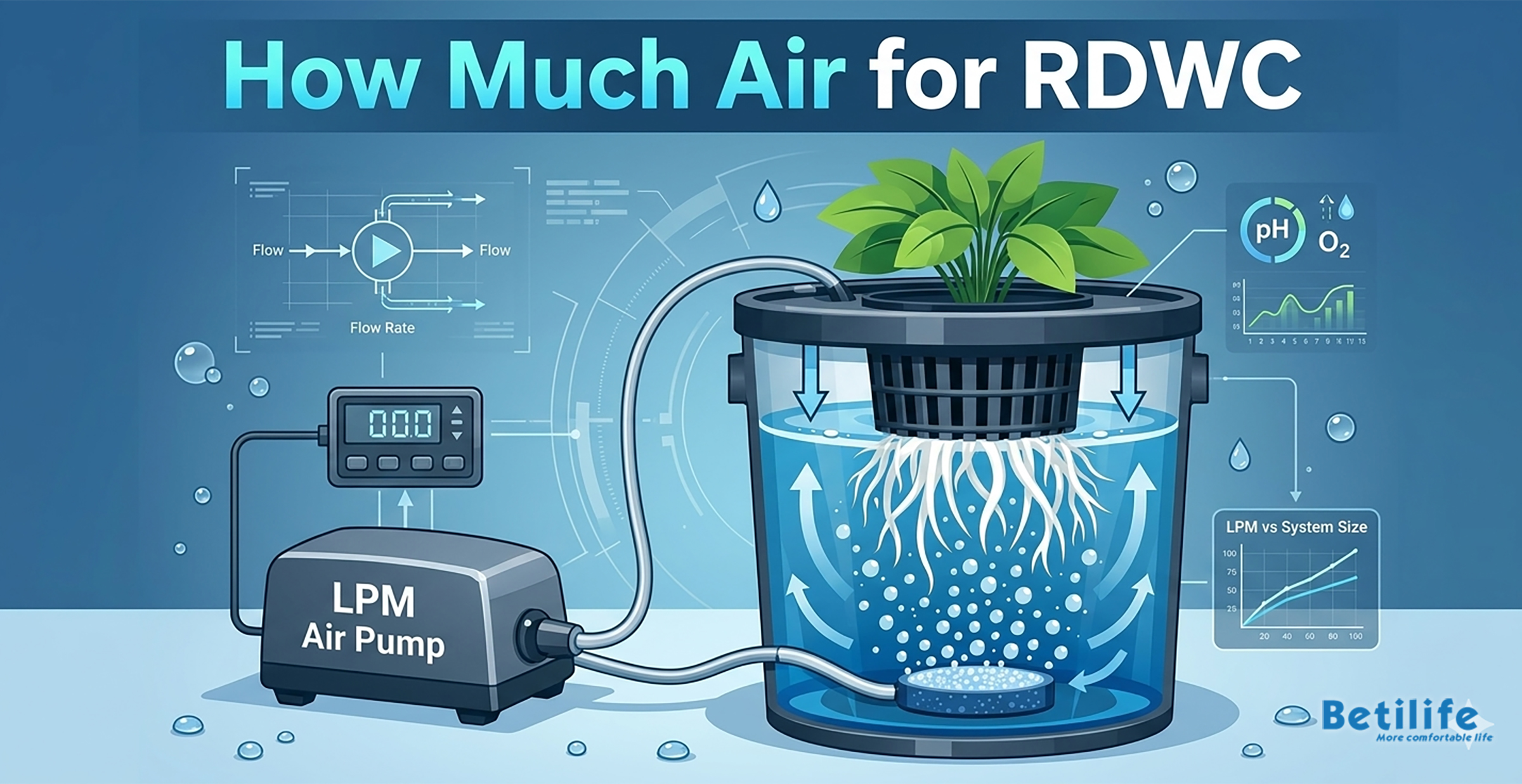
Connect one end of the air line tubing to the air pump.
-
Connect the other end to the air stone.
-
Place the air stone at the bottom of the empty, clean bucket.
-
Run the tubing out the side, under the lip of the lid. You can drill a tiny hole for it if needed.
Step 3: Prepare the Growing Medium
-
Rinse Clay Pebbles: Place your clay pebbles in a colander and rinse them thoroughly until the water runs clear. This removes dust and debris.
-
Soak Pebbles: Soak them in clean water for a few hours (or overnight) to ensure they are saturated.
Step 4: Mix the Nutrient Solution
-
Fill your bucket with water. Use distilled, reverse osmosis (RO), or tap water that has been left out for 24 hours to evaporate chlorine. Chloramine, however, will not evaporate and may require a neutralizer.
-
Add Nutrients: Follow the instructions on your nutrient bottle for the "seedling" or "first week" stage. USE LESS THAN RECOMMENDED TO START (e.g., 1/4 or 1/2 strength) to avoid "nutrient burn" on young plants.
-
Check and Adjust pH: This is the most critical step.
-
Stir the solution well.
-
Test the pH with your meter or kit.
-
The ideal range for most plants is 5.5 - 6.5.
-
If the pH is too high, add a few drops of pH Down. If it's too low, add a few drops of pH Up.
-
Stir, wait 15 minutes, and test again. Repeat until the pH is stable in the ideal range.
-
Step 5: Transplant Your Seedling
-
Start Seeds: Germinate your seeds in a small rockwool cube or a starter plug. Once the seedling has its first set of true leaves, it's ready to transplant.
-
Assemble the Net Pot:
-
Place a few clay pebbles at the bottom of the net pot to form a base.
-
Gently place your seedling (in its rockwool cube) on top of this base.
-
Carefully fill in around the seedling and cube with more clay pebbles to support the stem. The cube should be about 1/2 to 1 inch below the rim of the net pot.
-
⚠️ Pro Tip: Ensure the bottom of the rockwool cube and the emerging roots will be able to touch (or be very close to) the nutrient solution once the lid is on the bucket.
Step 6: Final Assembly
-
Place the bucket lid (with the net pot secured) onto the bucket.
-
Plug in the air pump. You should immediately see bubbles rising from the air stone. This oxygenates the water and prevents the roots from drowning.
Step 7: Ongoing Maintenance (The Key to Success!)
-
Check Water Level Daily: In the beginning, the roots aren't touching the water. Once they grow long enough to reach the solution (the "water roots"), the plant will start drinking rapidly.
-
Top off with fresh, pH-balanced water as needed to maintain the level. A good rule is to keep the water about 1-2 inches below the bottom of the net pot, creating an "air gap."
-
-
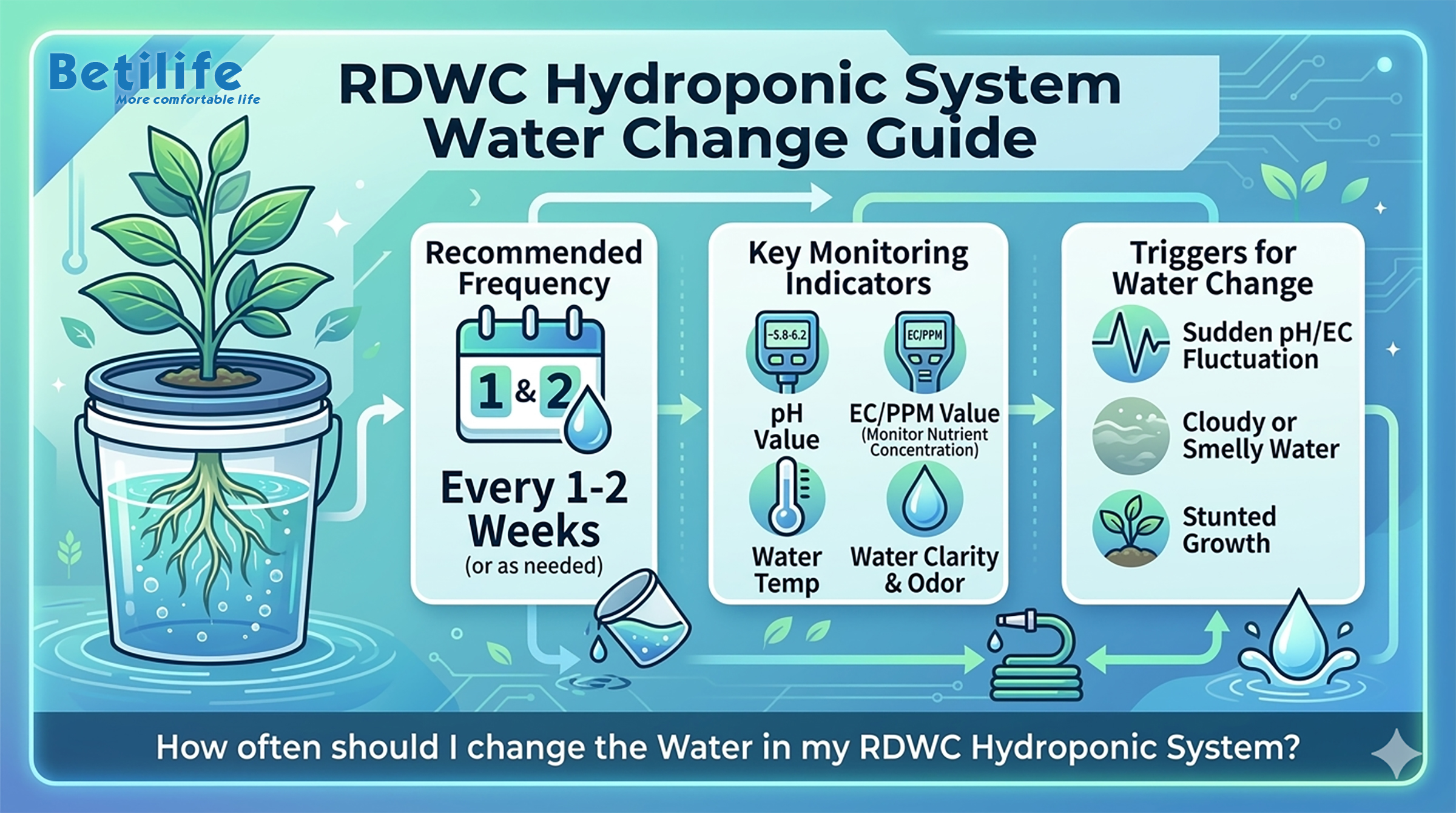
Change the Reservoir Weekly:
-
Every 7-14 days, empty the bucket.
-
Clean the bucket with a mild bleach solution (then rinse thoroughly) to prevent slime.
-
Mix a fresh, full-strength nutrient solution and refill.
-
Always check and adjust the pH after adding nutrients and when topping off.
-
-
Monitor Plant Health: Yellowing leaves can indicate nutrient issues. Slimy or brown roots are a sign of root rot (often due to high water temperature or lack of oxygen).
Step 8: Harvest and Enjoy!
Harvest your herbs, lettuce, or fruiting plants as they mature. You'll be amazed at how much faster and larger they grow compared to soil!
Best Plants for Your First DWC Bucket
-
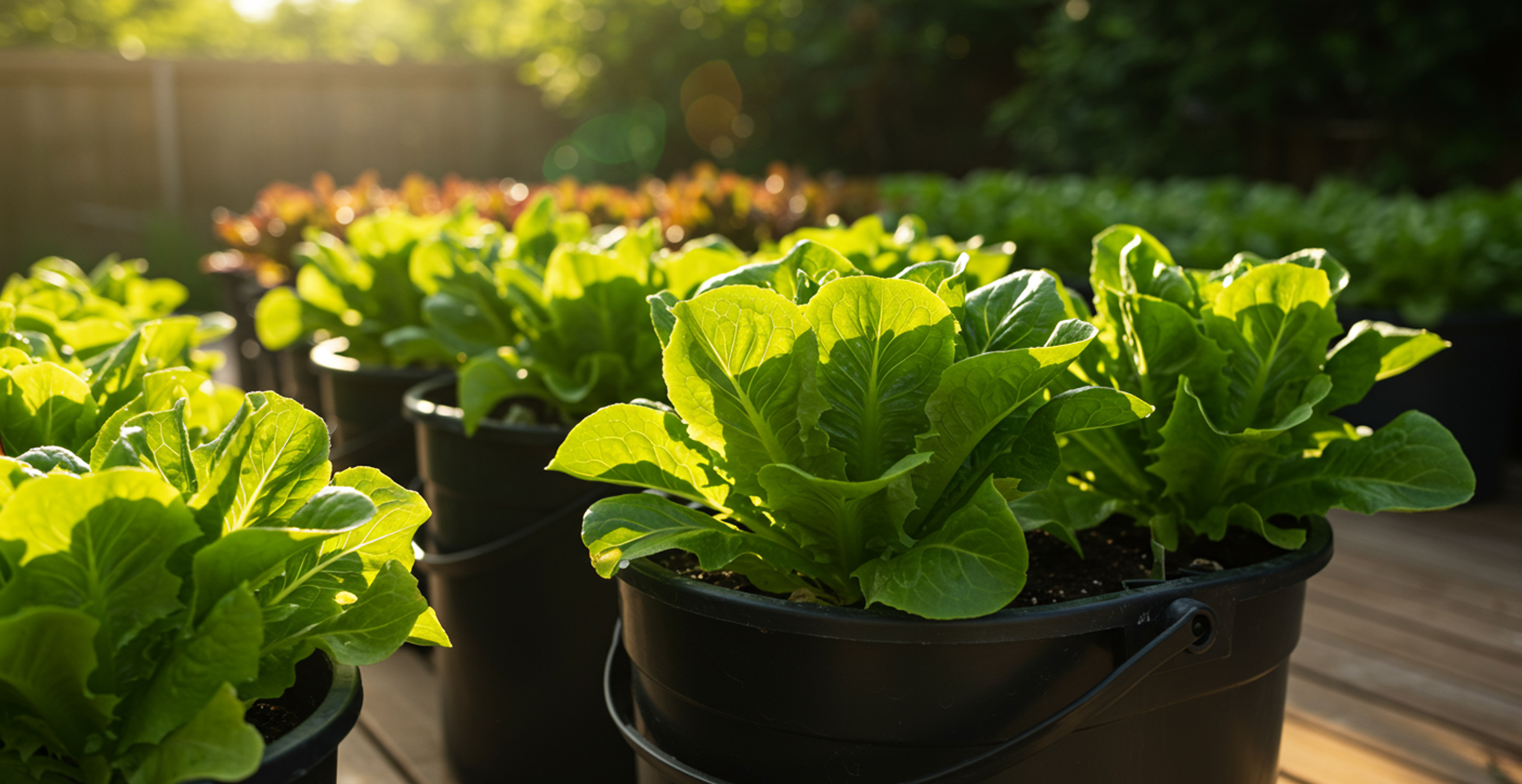
Easy & Fast: Lettuce, Kale, Spinach, Herbs (Basil, Mint, Cilantro)
-
Great for Fruiting: Tomatoes, Peppers, Cucumbers (these will need support/stakes)
-
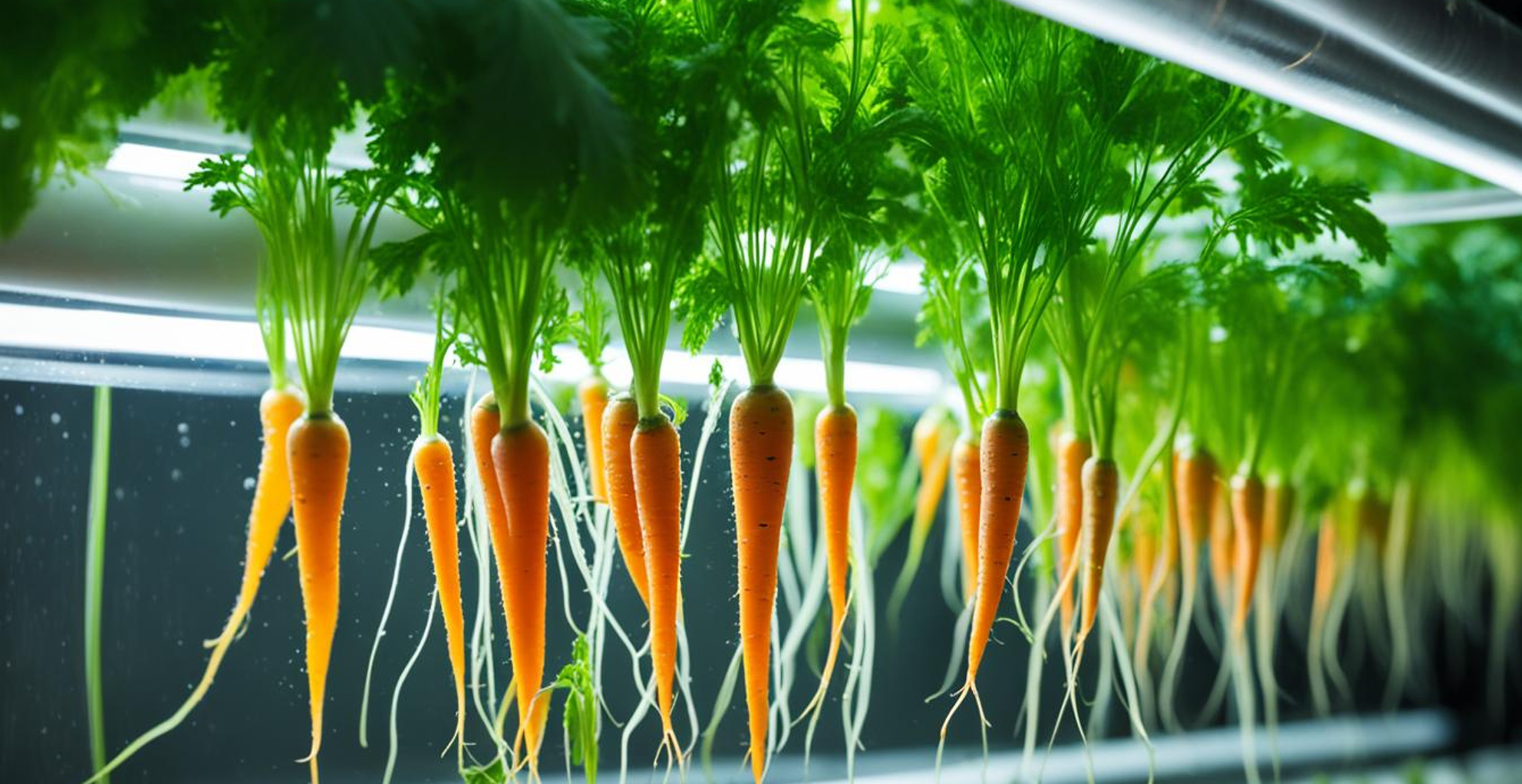
Avoid: Large, sprawling plants (squash, pumpkins) and root vegetables (carrots, potatoes).
Beginner Troubleshooting Tips
-
Algae Growth: This means light is getting into your reservoir. Use a black bucket and ensure the lid is light-proof. Cover any holes with tape.
-
Root Rot (Brown, Slimy Roots): Ensure your air pump is always running and providing plenty of bubbles. Keep your water temperature cool (ideally 65-68°F / 18-20°C). You can use a beneficial bacteria product like Hydroguard to prevent it.
-
Plant Looks Wilting or Unhealthy: 99% of problems are related to pH. Check it first! Then check your nutrient strength (PPM).
Starting with a single DWC bucket is the perfect way to learn the fundamentals of hydroponics. It's a rewarding and highly effective method. Good luck, and enjoy your harvest.
If you need to grow vegetable hydroponically indoors or outdoors at home, you can choose BetiLife™ Hydroponic Systems:
- DWC Deep Water Culture Hydroponic System Growing Kits
- Hydroponic Growing Systems
- Vertical Hydroponic Towers
Learn more about hydroponics:
- What Is Hydroponics
- What is the Nutrient Film Technique NFT
- What is Aeroponic
- What is the Ebb and Fow Flood and Drain System
- What is Drip System
- What is the Wick System In Hydroponics
- What Are The Best Flowers For Hydroponics
- Can You Do Hydroponic Carrots
- What Are The Best Plants To Grow In Hydroponic Towers
- What Are The Best Hydroponic Lettuce Varieties
- What Are Hydroponic Strawberries
- How to Choose the Best Hydroponic Grow Pods Coir
- Best Nutrients for Deep Water Culture
- How to Grow Arugula Hydroponically
- Growing Hydroponic Cilantro
- How to Grow Hydroponic Lavender
- What Plants Grow Best in a Deep Water Culture System