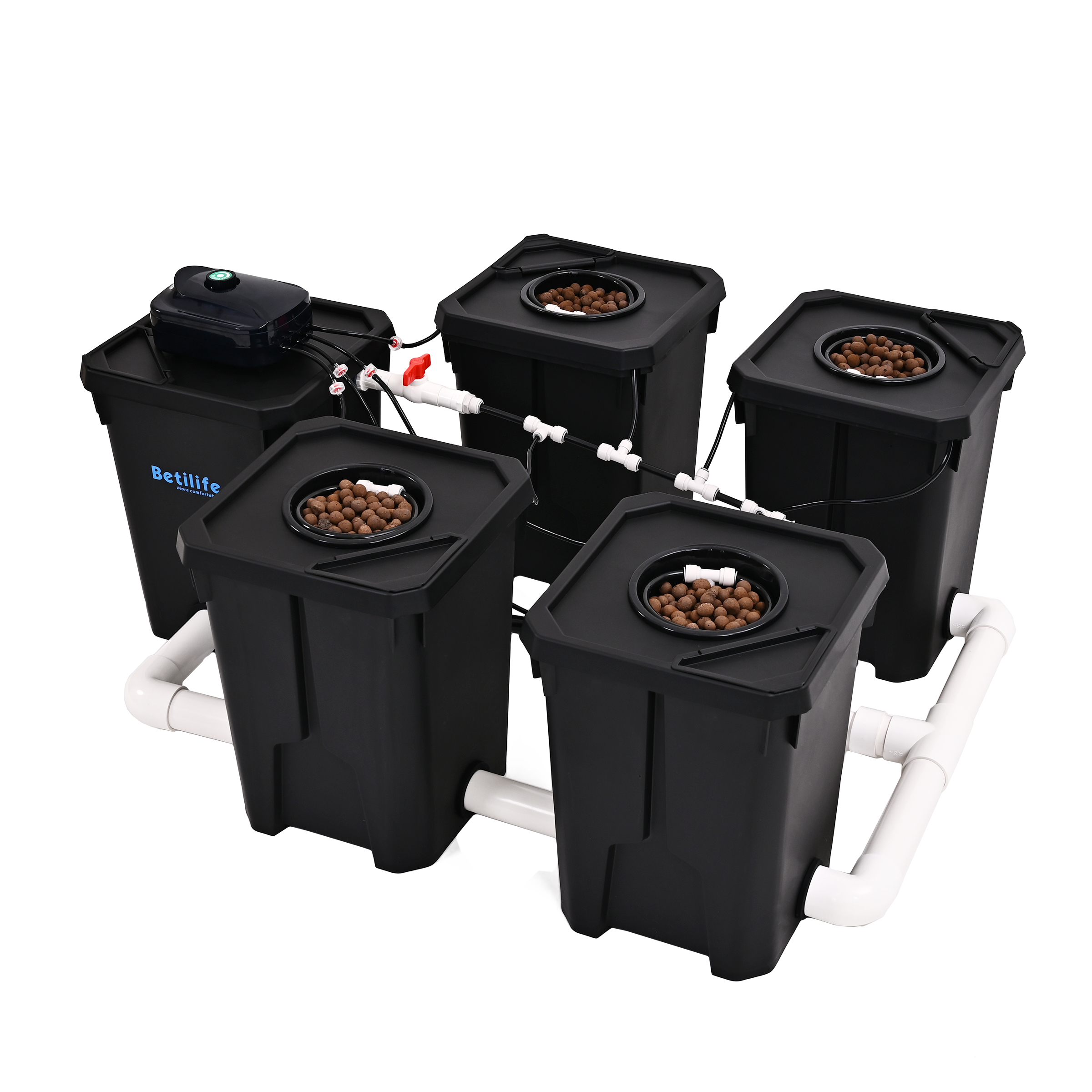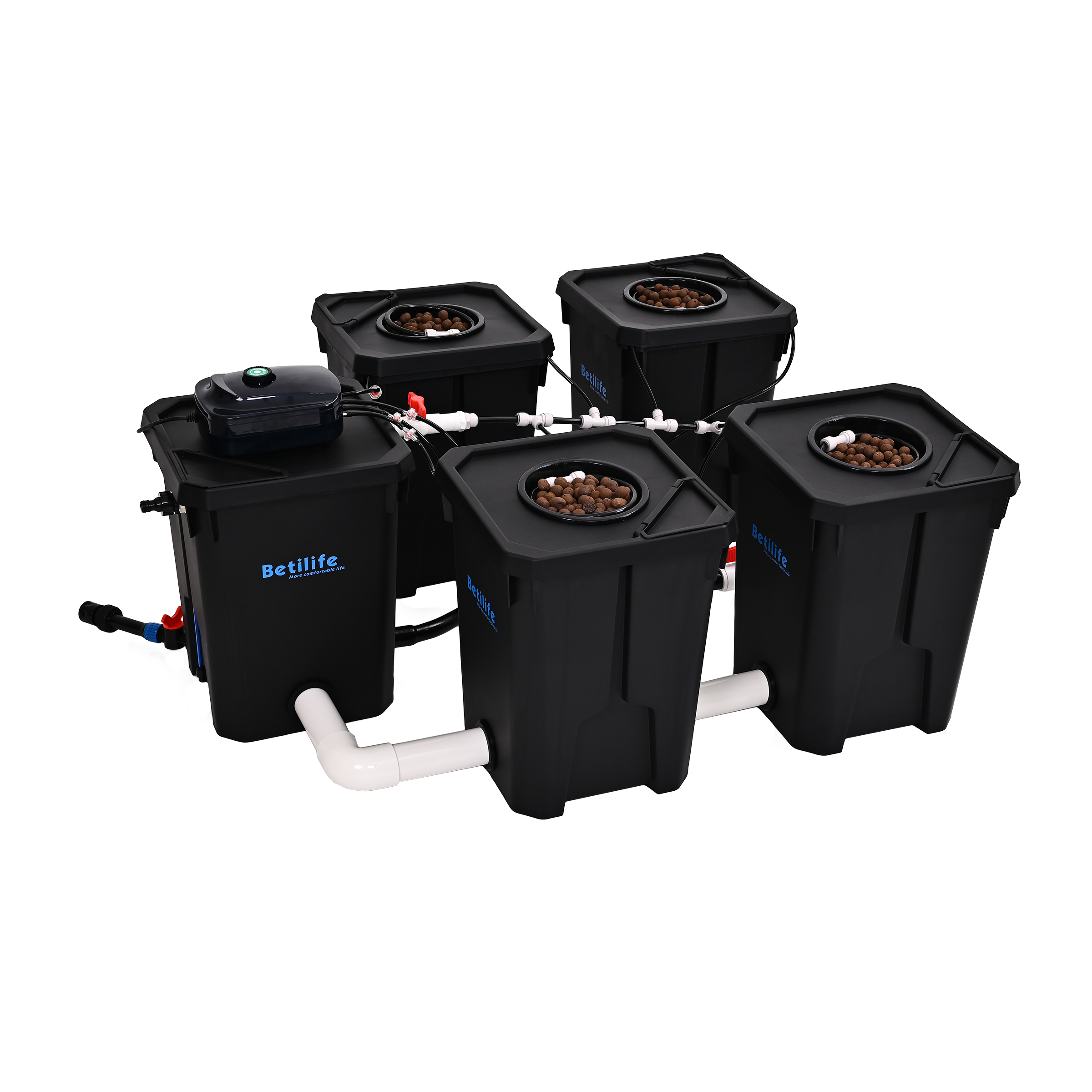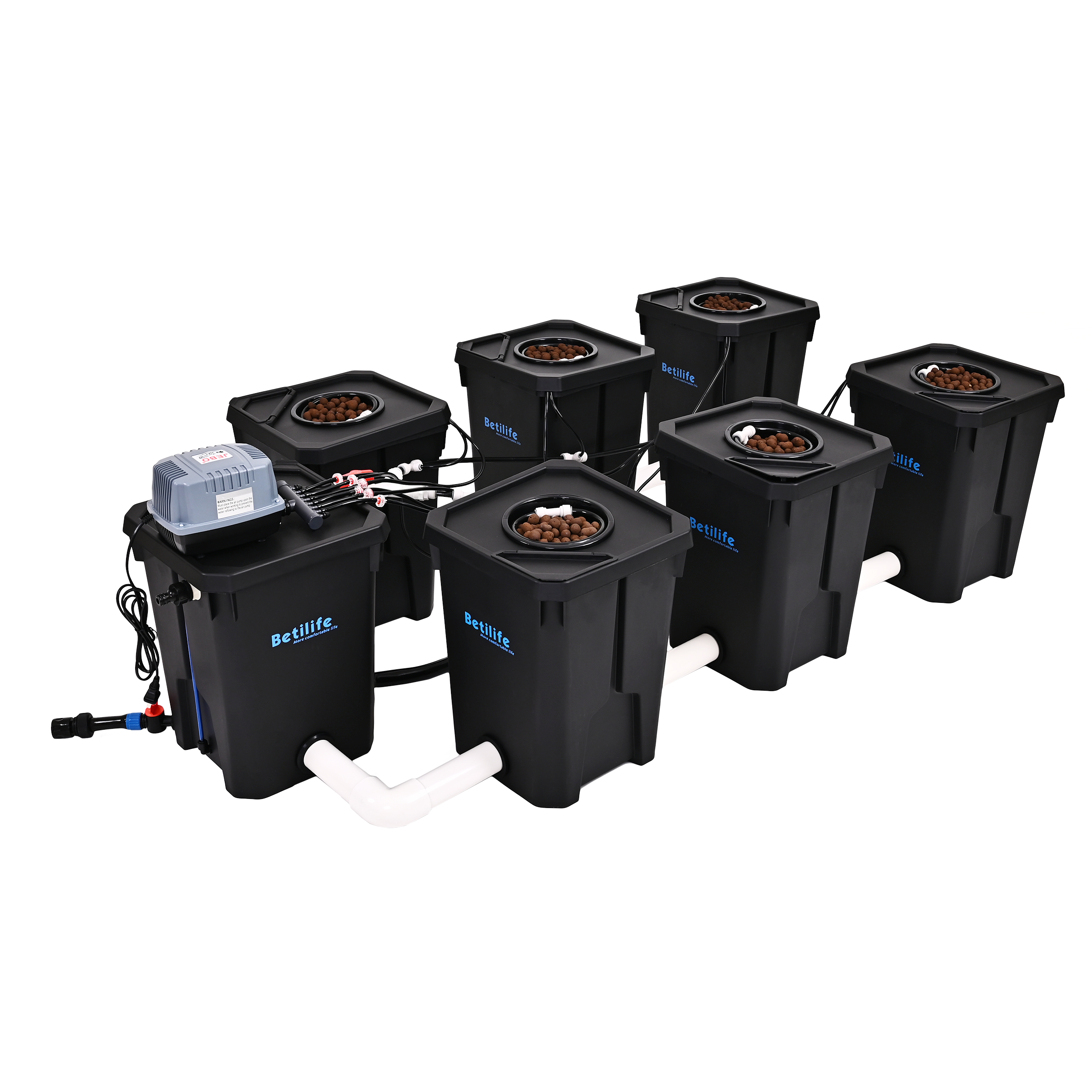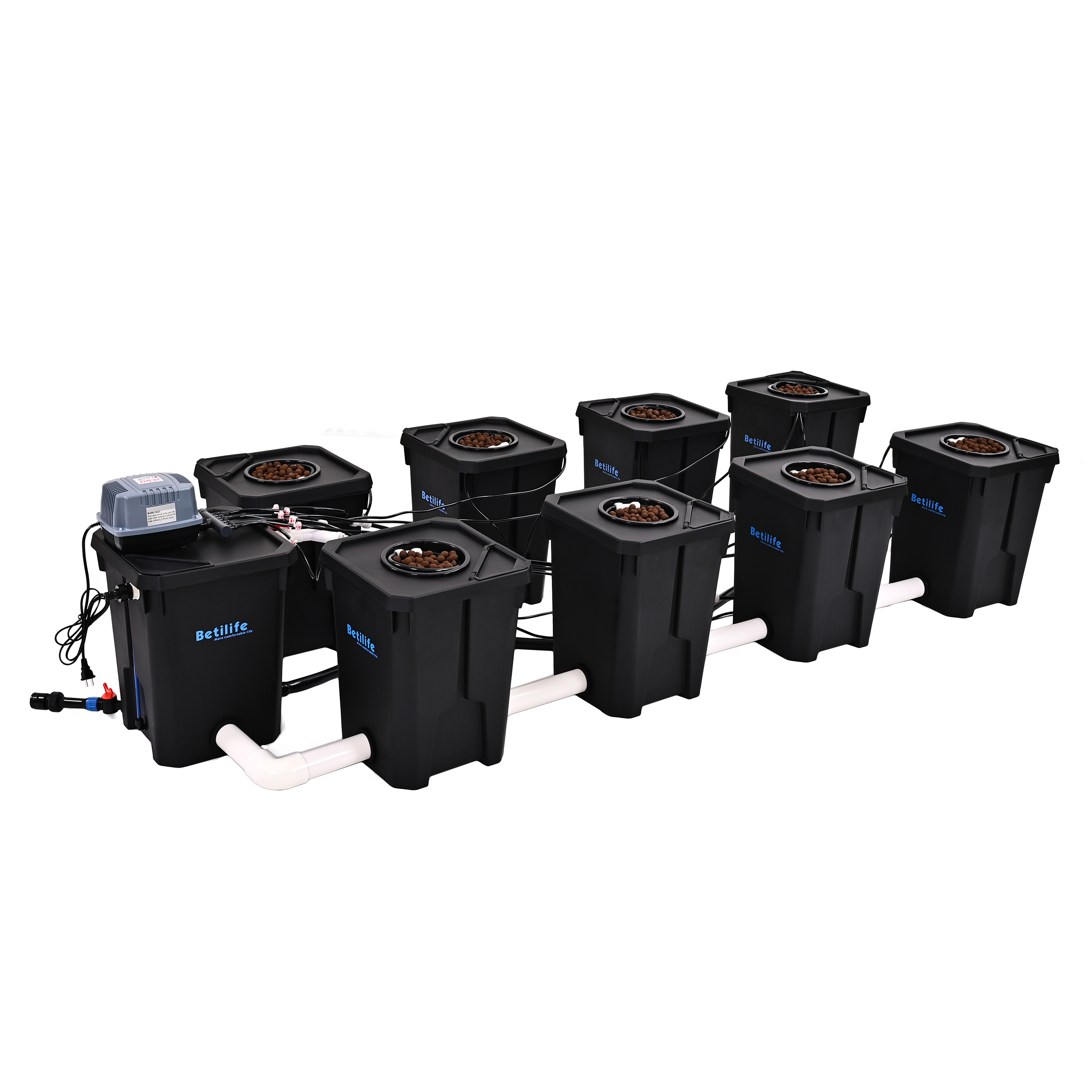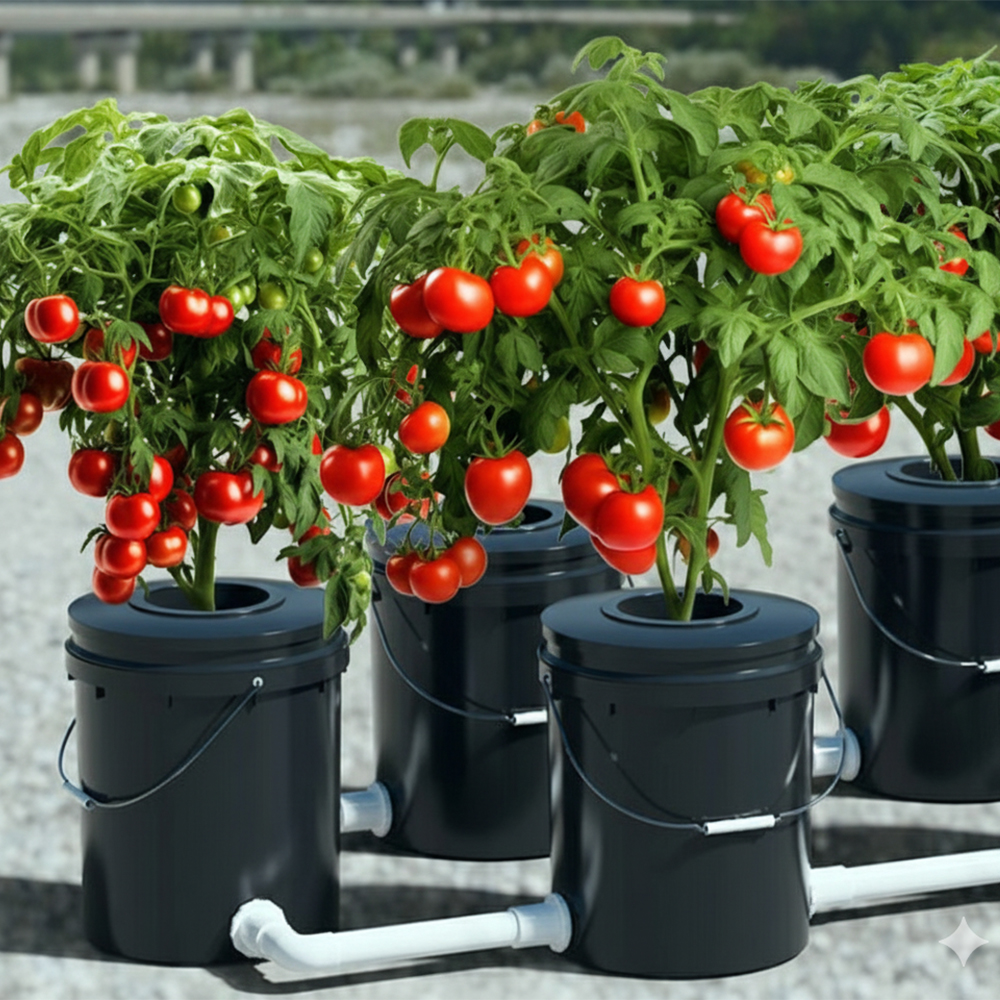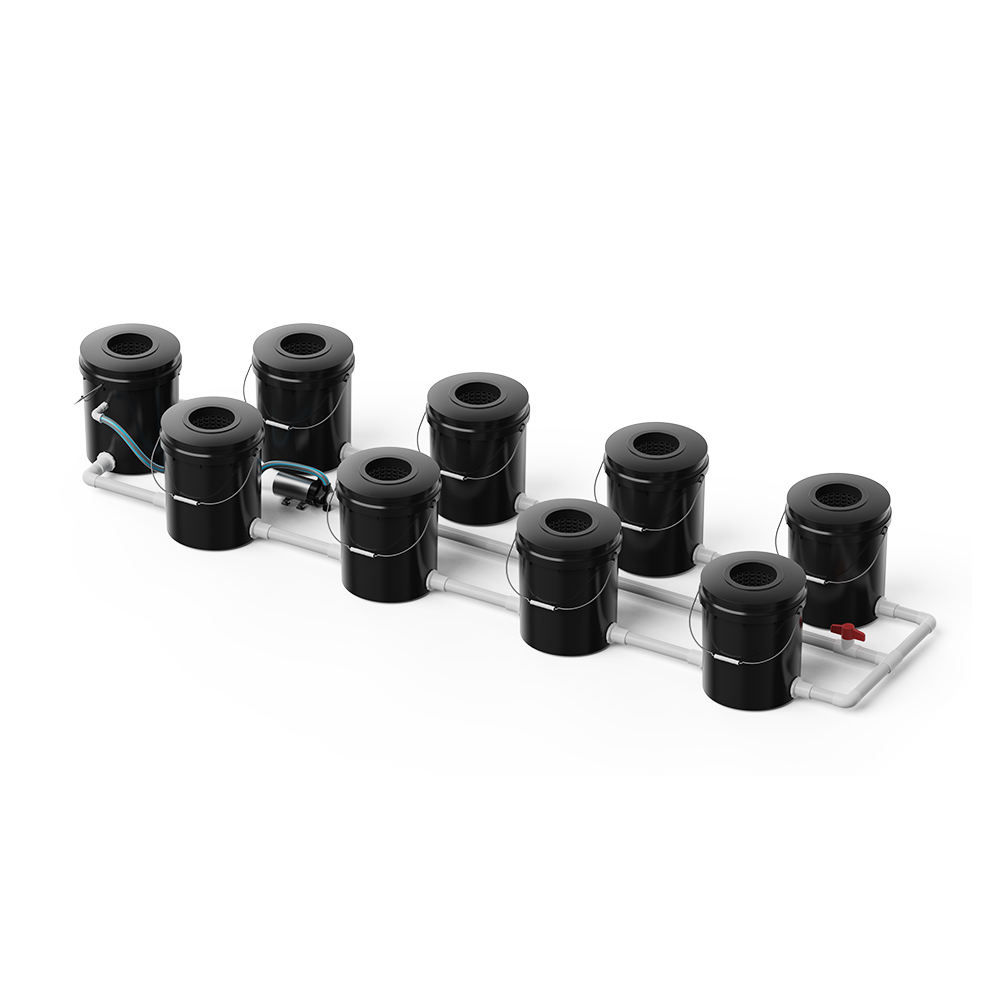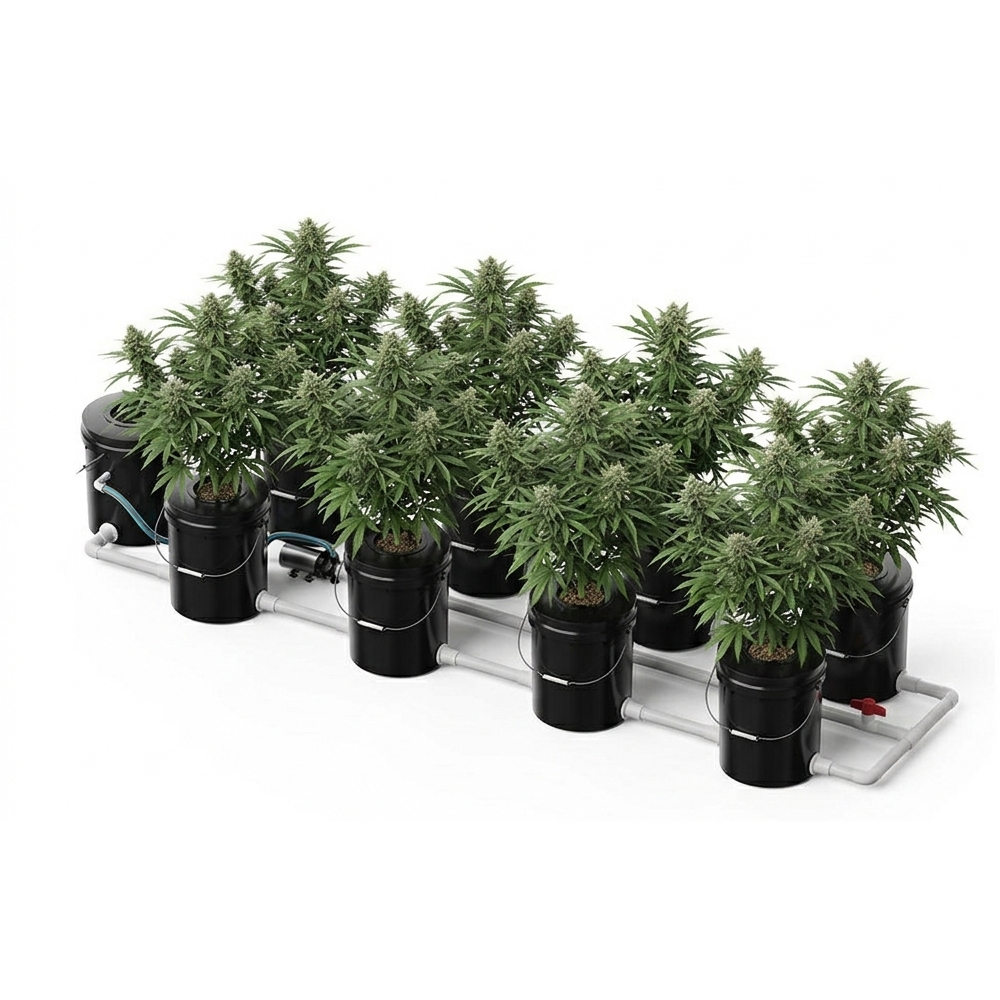
Coconut coir can serve as an important hydroponic growing medium. Here, we share the coco coir hydroponics guide to teach you how to choose the right and best hydroponic grow pods coir, and combine coconut coir media to quickly grow plants hydroponically.
What is Coconut Coir Hydroponics?
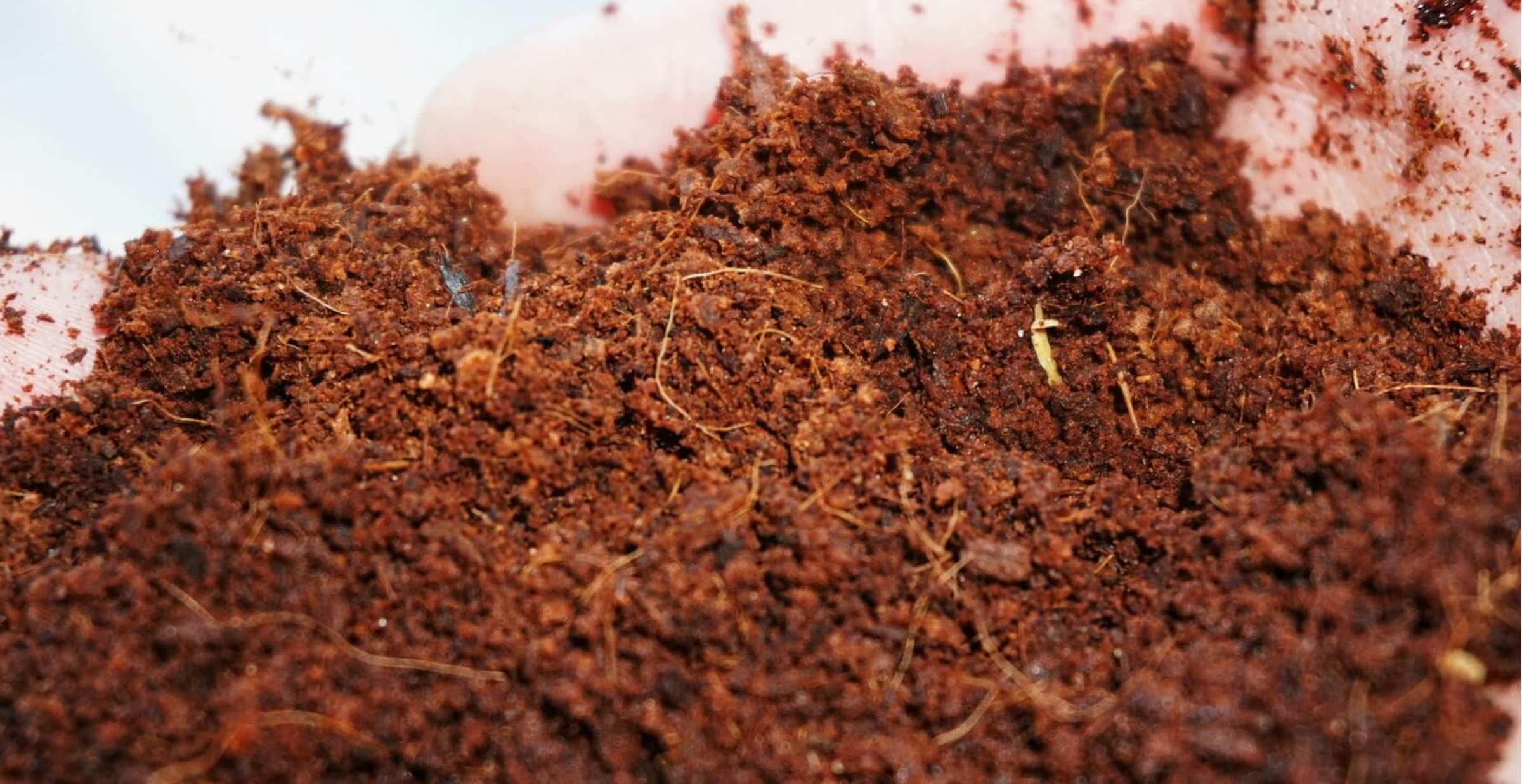
Coconut coir hydroponics is a soilless gardening method that uses coconut coir, the fibrous material from coconut husks, as a growing medium in hydroponic systems. It provides a soil-like environment for plant roots, offering good water retention and aeration while also being a sustainable alternative to peat moss.
Coco coir is a popular and effective hydroponic growing medium, especially for beginners, due to its high water retention, aeration, and ease of use. It's a sustainable choice, derived from coconut husks, and can be used on its own or mixed with other mediums like perlite for enhanced drainage. For optimal results, coco coir should be properly rinsed to remove salts and potentially pre-charged with calcium and magnesium.
-
What is Coconut Coir?
-
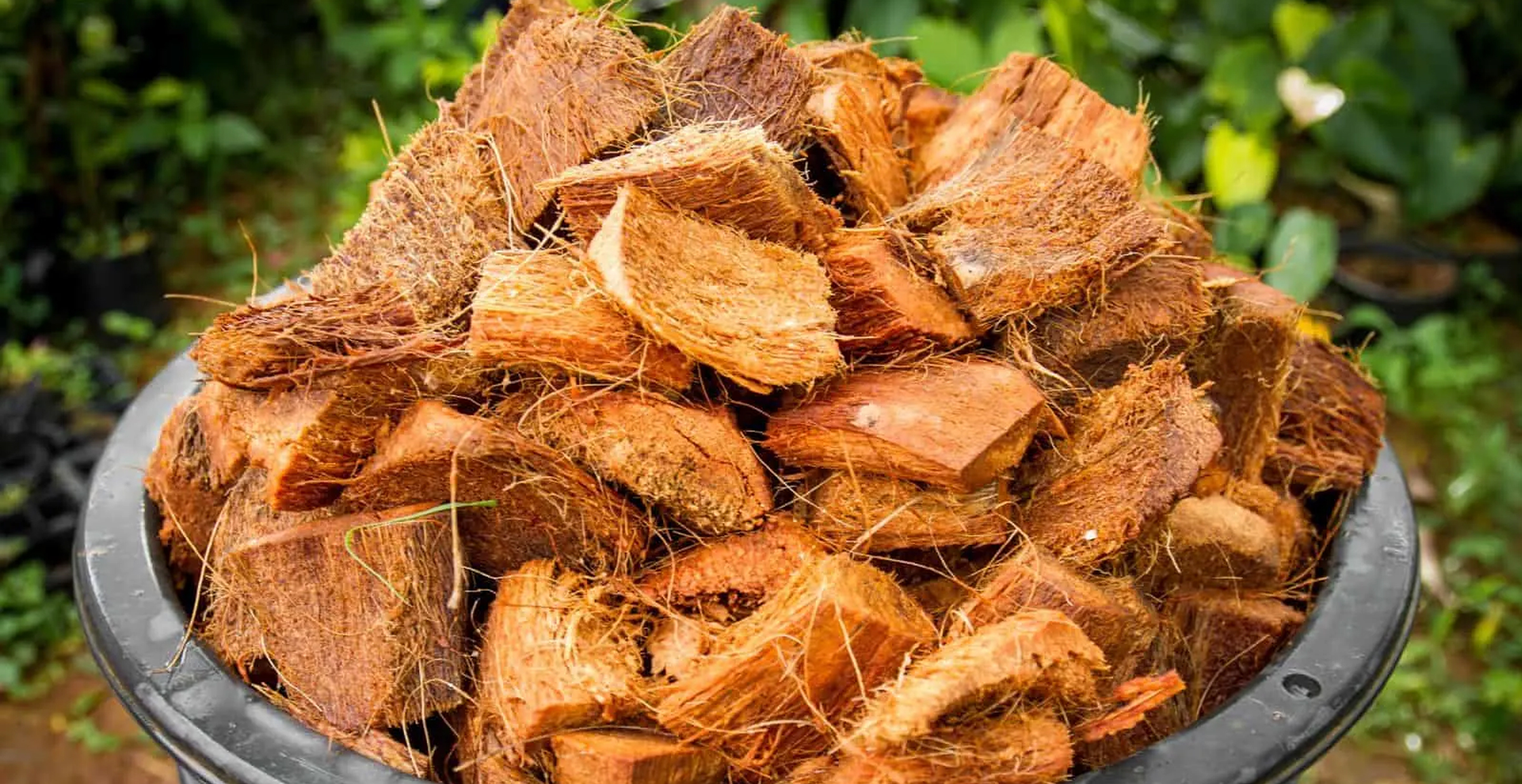
It's a natural fiber extracted from the husk (mesocarp) of coconuts.
-
Processed into various forms: chips (chunky pieces), fiber (stringy strands), peat (fine, soil-like particles), or most commonly, bricks/blocks (compressed material that expands when hydrated) or pre-bagged loose material.
-
It's a renewable, biodegradable, and often considered an eco-friendly byproduct of the coconut industry.
-
-
Why use Coconut Coir in Hydroponics?
Coconut coir possesses several ideal properties for hydroponic growing:
-
Excellent Water Retention: Holds significant amounts of water (up to 10x its weight), ensuring roots have constant access to moisture.
-
Superior Aeration/Oxygenation: Its fibrous structure creates ample air pockets (pores) even when saturated, providing crucial oxygen to roots. This prevents root rot common in overly wet mediums.
-
Good Drainage: While holding water well, it doesn't become waterlogged, allowing excess nutrient solution to drain freely.
-
Neutral pH Range: Fresh, high-quality, and properly buffered coir typically starts near a neutral pH (5.8 - 6.8), which is ideal for most hydroponic crops and easy to adjust.
-
Good Cation Exchange Capacity (CEC): It can hold onto some positively charged nutrient ions (like Calcium, Magnesium, Potassium) and release them slowly to the plant roots, acting as a minor nutrient buffer. (This also means it can initially bind calcium/magnesium, requiring pre-treatment - see "Considerations" below).
-
Root-Friendly: Its texture encourages strong, healthy root growth and development.
-
Inert & Sterile: When processed correctly, it's free of weeds, pests, and diseases. It contains minimal inherent nutrients, giving the grower complete control over plant nutrition via the hydroponic solution.
-
Sustainable & Renewable: Utilizes a waste product (coconut husks).
-
Reusable: Can often be reused for multiple grows after proper sterilization (though performance may decrease over time).
-
-
How to use Coco Coir for hydroponics?
-
As a Standalone Medium: Used in pots, slabs, or grow bags. Common in drip irrigation systems, Ebb & Flow (Flood and Drain), and Drain-to-Waste systems.
-
As a Component: Often mixed with other mediums like perlite, vermiculite, or clay pebbles to enhance drainage and aeration further (e.g., 70% coco coir / 30% perlite is a popular mix).
-
Preparation:
-
Expanding: Bricks/blocks need soaking in water to expand.
-
Rinsing & Buffering (CRITICAL STEP): Raw coir often contains high levels of potassium (K) and sodium (Na) salts. It also has a high CEC for Calcium (Ca) and Magnesium (Mg). To prevent nutrient lockout (especially Ca/Mg deficiency early on):
-
Rinse: Thoroughly flush with plain water to remove excess salts.
-
Buffer: Soak the rinsed coir in a solution containing Calcium Nitrate and Magnesium Sulfate (Epsom Salt) for several hours (often overnight). This saturates the coir's binding sites with Ca and Mg, preventing it from stripping these nutrients from your hydroponic solution later.
-
-
pH Adjustment: Check and adjust the pH of the buffered/rinse water run-off to the desired range (usually 5.8-6.0) before planting.
-
-
-
Common Hydroponic Systems Using Coco Coir:
-
Top Feed / Drip Irrigation: Nutrient solution is dripped onto the surface of the coir.
-
Ebb & Flow (Flood and Drain): The tray containing pots/slabs of coir is periodically flooded with nutrient solution, then drained.
-
Drain-to-Waste (DTW): Nutrient solution is applied to the top and excess drains out the bottom, not recirculated. This is very common with coir to avoid salt buildup in the reservoir.
-
(Less common in Recirculating Systems like NFT or DWC due to potential for fines/clogging and pH/CEC dynamics).
-
-
What are the Disadvantages of Coco Coir in Hydroponics?
-
Buffering is Essential: Skipping proper buffering almost guarantees early calcium/magnesium deficiencies.
-
Salt Content: Low-quality coir can have high salt levels; always rinse and buffer. Use reputable brands.
-
pH Drift: While starting neutral, coir can experience slight pH drift over time. Regular monitoring and adjustment of the nutrient solution are necessary.
-
Nutrient Management: Due to its CEC, coir acts as a slight buffer. Nutrient formulations specifically designed for "coco coir" are often recommended, as they account for the higher potassium levels and potential Ca/Mg needs. EC/PPM levels might need a slight adjustment compared to pure hydro.
-
Fines: Lower grades can contain fine particles ("fines") that compact over time, reducing aeration. Look for "washed," "buffered," and "low EC" labels. Pre-mixed blends with perlite/chips help.
-
Decomposition: While slow, it does break down over multiple grows, losing some structure and aeration. Reusable 2-3 times typically.
-
Disposal: While biodegradable, large quantities shouldn't just go to landfill. It can be composted or used as a soil amendment.
-
Coconut coir hydroponics is the practice of growing plants without soil, using processed coconut husk fiber as the root support and moisture/nutrient delivery medium. Its exceptional combination of water retention, aeration, and root-friendly properties, coupled with its sustainability, makes it one of the most popular hydroponic substrates today. Proper preparation (especially rinsing and buffering) and using nutrients formulated for coir are critical for success. It excels particularly in drain-to-waste and drip irrigation systems.
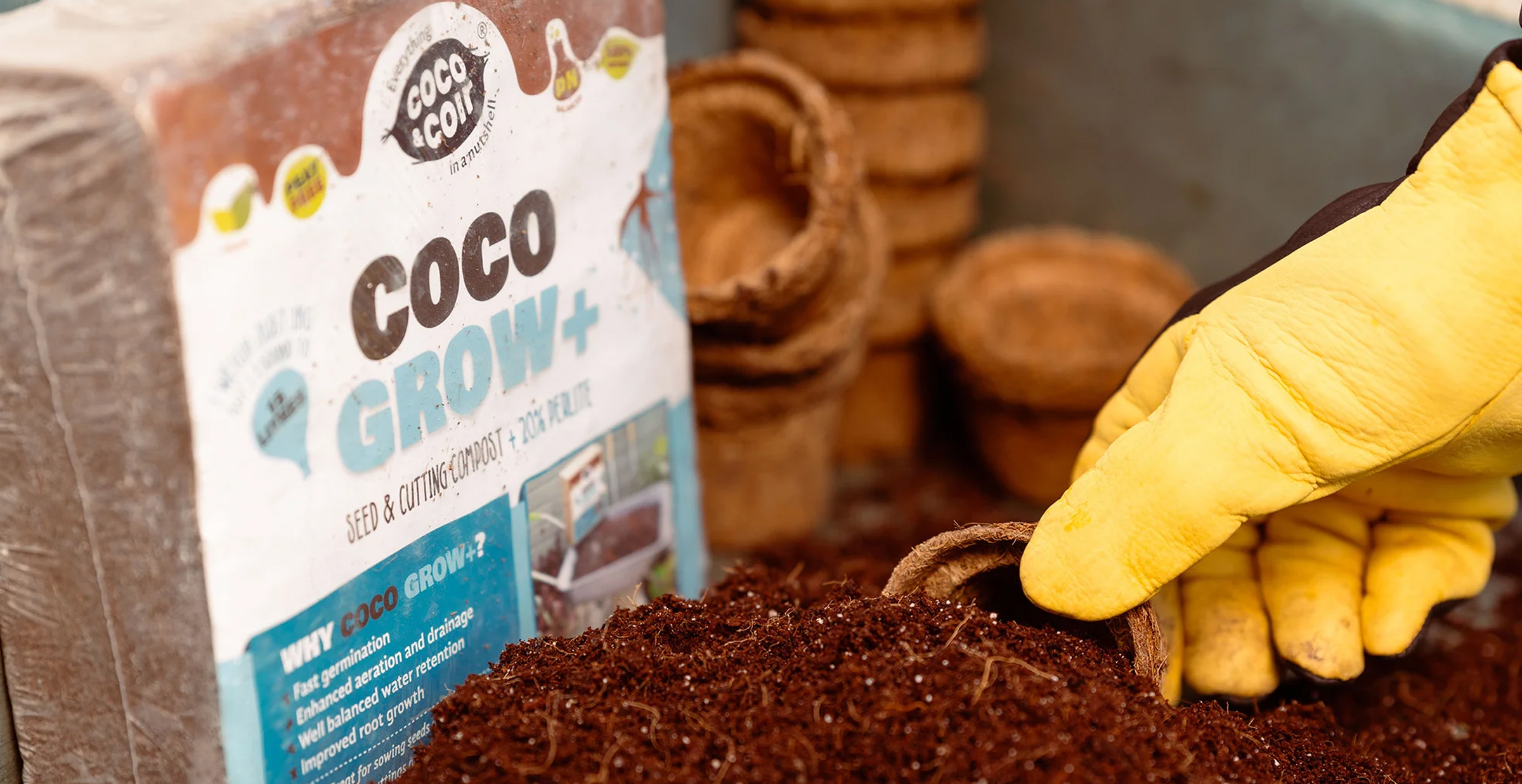
Top Recommendations for Hydroponic Coir Grow Pods
-
Canna Coco Plugs/Starter Plugs
-
Pros: Excellent buffering & rinsing, consistent texture, pre-formed plugs, trusted brand, often includes Trichoderma. Ideal propagation.
-
Cons: Premium price.
-
-
Botanicare Ready Gro Aeration/CocoTek Bricks/Sheets
-
Pros: High quality, well-buffered/washed, different textures available (Aeration = chunkier), consistent results.
-
Cons: Bricks require expansion.
-
-
General Hydroponics Rapid Rooter Plugs
-
Pros: Popular plugs, blend of coir & other materials, excellent aeration & moisture retention, great for seeds/clones.
-
Cons: Not 100% coir.
-
-
Grow!t Clay Pebble & Coco Coir Pellets
-
Pros: Convenient compressed pellets, expand easily, good blend, affordable.
-
Cons: Requires careful hydration, quality can vary slightly.
-
-
Plantonix Coco Grow Bricks
-
Pros: OMRI Listed, triple-washed, low EC, compressed for easy storage, good value.
-
Cons: Requires expansion/filling pots.
-
How to Use Coir Pods Effectively?
-
Hydration (If Compressed): Use low EC water (RO or distilled if tap is hard). Soak thoroughly until fully expanded. Gently break apart.
-
Check pH/EC (Optional but Recommended): Test runoff water pH & EC after hydration. Adjust if needed (run more low EC water through).
-
Planting: Sow seeds or insert clones/cuttings into pre-formed plugs or filled net pots.
-
Initial Watering: Keep moist but not saturated. Coir holds water well.
-
Nutrient Solution: Start with a mild hydroponic nutrient solution (1/4 strength), always including Cal-Mag (unless pre-charged). Increase strength as plants grow. Monitor pH (5.5-6.5).
-
Transplanting: Pre-formed plugs can be dropped directly into larger coir pots or systems.
Summary Checklist for "Best" Choice:
✅ Buffered & Pre-Washed (MUST)
✅ Low EC (< 1.0-2.0 mS/cm)
✅ Appropriate pH (5.8-6.8)
✅ Suitable Texture (Fine for seeds, Chunky for large plants, Blend for versatility)
✅ Convenient Form Factor (Plugs for propagation, Bricks/Flakes for pots)
✅ Reputable Brand
✅ Pre-Charged with Cal-Mag (Strongly Recommended)
✅ Contains Beneficials (Bonus)
By prioritizing buffering/washing, EC, pH, and texture suited to your plants and system, you'll select excellent coir grow pods for healthy hydroponic growth.
BetiLife™ Hydroponic Systems offer a variety of hydroponics techniques, including Deep Water Culture (DWC), Nutrient Film Technique (NFT), each with its own set of advantages, ranging from beginner-friendly to easy-to-use. The hydroponics system automation controls lighting and water circulation, making it easy to grow plants without the need for daily care.
If you need to grow plant hydroponically indoors or outdoors at home, you can choose BetiLife™ Hydroponics Growing System:
- Hydroponic Growing Systems
- Vertical Hydroponic Towers
- Deep Water Culture System Kits
- Drip Irrigation System Kits
Learn more about hydroponics:
- Can Mint be Grown Hydroponically
- Growing Hydroponic Spinach Indoors
- What Are The Best Flowers For Hydroponics
- How To Grow Hydroponic Tomatoes Indoor
- Can You Do Hydroponic Carrots
- What Are The Best Plants To Grow In Hydroponic Towers
- What Are The Best Hydroponic Lettuce Varieties
- How To Grow Hydroponic Lettuce Indoors At Home
- What Are The Best Strawberries To Grow Hydroponically
- What Are Hydroponic Strawberries
- The Best Hydroponic Pepper Varieties
- Bell Pepper Hydroponics Setup
- How to Grow Hydroponic Lavender
- How to Grow Hydroponic Cucumbers Indoors
- How to Grow Basil Hydroponically
- Growing Hydroponic Cilantro
- How to Grow Arugula Hydroponically
- Growing Hydroponic Blueberries Indoors
Related FAQs
What is the Best Substrate for Hydroponics?
The "best" hydroponic substrate depends on the specific needs of the plants and the hydroponic system being used, but rockwool and coconut coir are widely considered top choices. Rockwool provides excellent aeration and water retention, while coconut coir is a more sustainable, organic option with good water-holding capacity.
Is Coco Coir Good for Hydroponics?
Yes, coco coir is a suitable and often favored growing medium for hydroponics. It offers good water retention, aeration, and is a renewable resource, making it a popular alternative to peat moss. However, it's important to prepare and manage coco coir properly to maximize its benefits in a hydroponic system.
Do You Feed Nutrients Every Time You Water in Coco Coir?
In comparison, because coir's ability to hold and exchange nutrients with the plant is much greater than most soils, the buildup of salt is reduced in the coir-based media. Therefore, by feeding with the nutrient solution at every watering, you can maintain relatively uniform chemical conditions in the root zone. It's time to stop feeding once 10 to 20 percent of the water used for your plants runs out of the bottom when using coco coir.