Can mint be grown hydroponically? Yes, growing hydroponic mint is considered the easiest way to grow mint. This article shares how to grow mint hydroponically, the definitive hydroponic mint guide to mint seeds, system setup, nutrient solution, growing time, and more.
What is Hydroponic Mint?
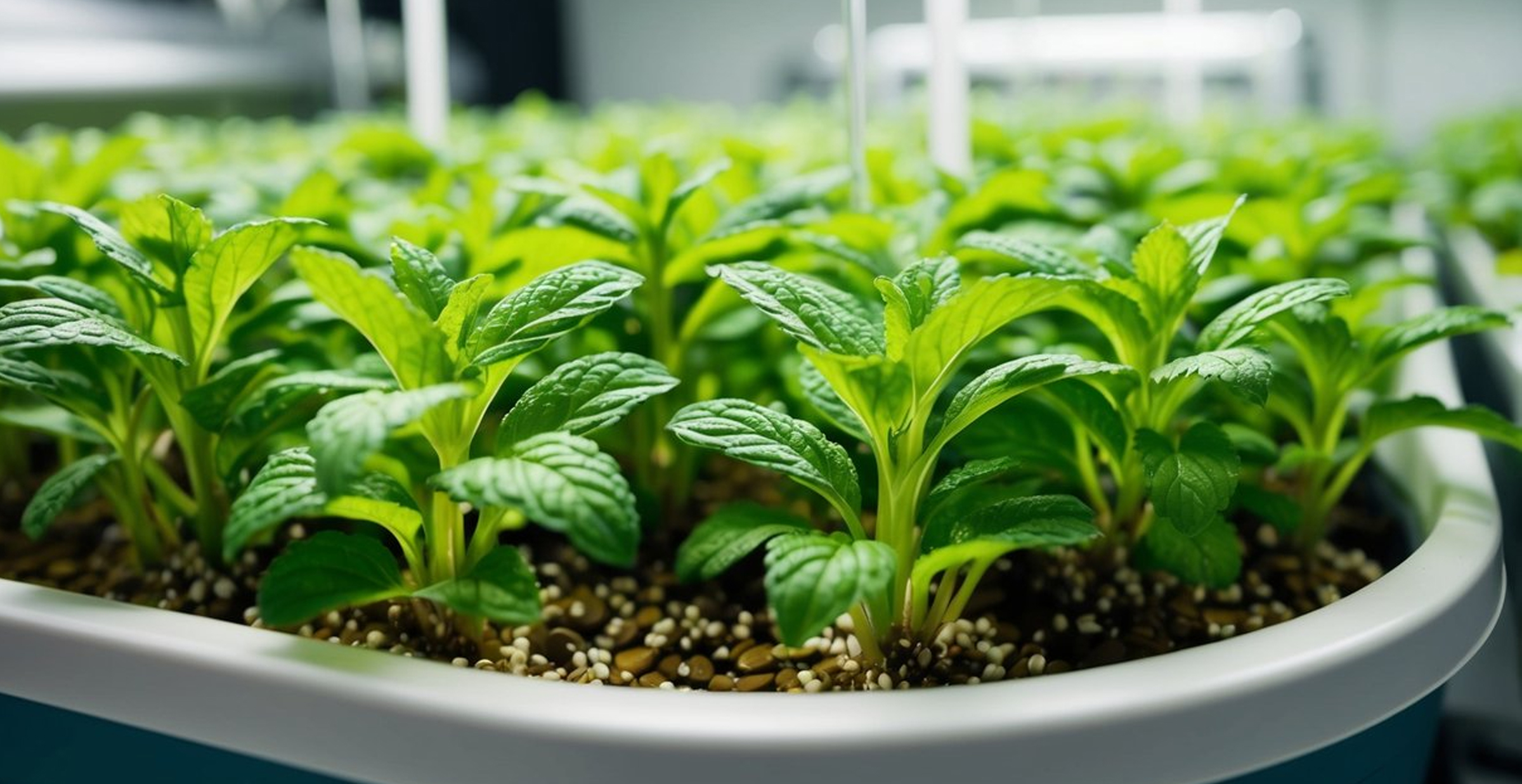
Hydroponic mint refers to growing mint plants without soil, using a nutrient-rich water solution to deliver all the essential minerals and elements the plant needs directly to its roots. This method allows for controlled environmental conditions, potentially leading to faster growth and higher yields compared to traditional soil-based cultivation. Mint is particularly well-suited for hydroponics due to its ease of propagation from cuttings and relatively low nutrient requirements.
Why Mint Thrives Hydroponically?
-
Aggressive Growth: Mint grows quickly and spreads rapidly in soil, often becoming invasive. Hydroponics contains its roots while satisfying its need for nutrients and water.
-
Moisture-Loving: Mint hates drying out. Hydroponics provides constant access to water and nutrients.
-
Space Efficiency: Grows well vertically or in compact systems.
-
Pest & Disease Reduction: Eliminates soil-borne pests and diseases (though watch for aerial pests).
-
Faster Growth & Higher Yields: Optimized conditions often lead to faster growth and more frequent harvests compared to soil.
-
Year-Round Harvest: Grow indoors regardless of season.
How to Grow Mint Hydroponically?
Getting Started: Hydroponic Mint Guide
-
Choosing a System (Easiest to More Complex)
-
Kratky Method (Passive): Simplest. Plant sits in net pot with roots suspended in nutrient solution in a reservoir. No pumps or electricity. Great for beginners/single plants. Solution isn't topped up; roots access air as level drops.
-
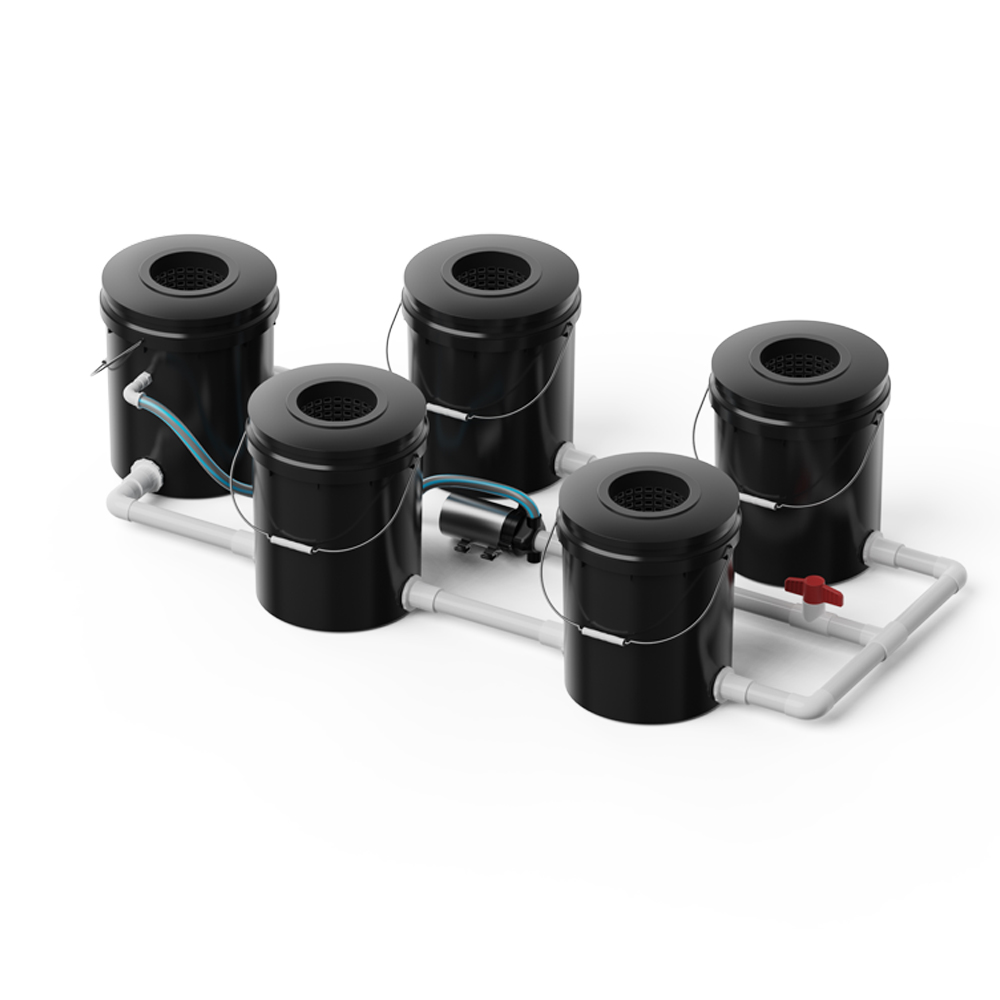
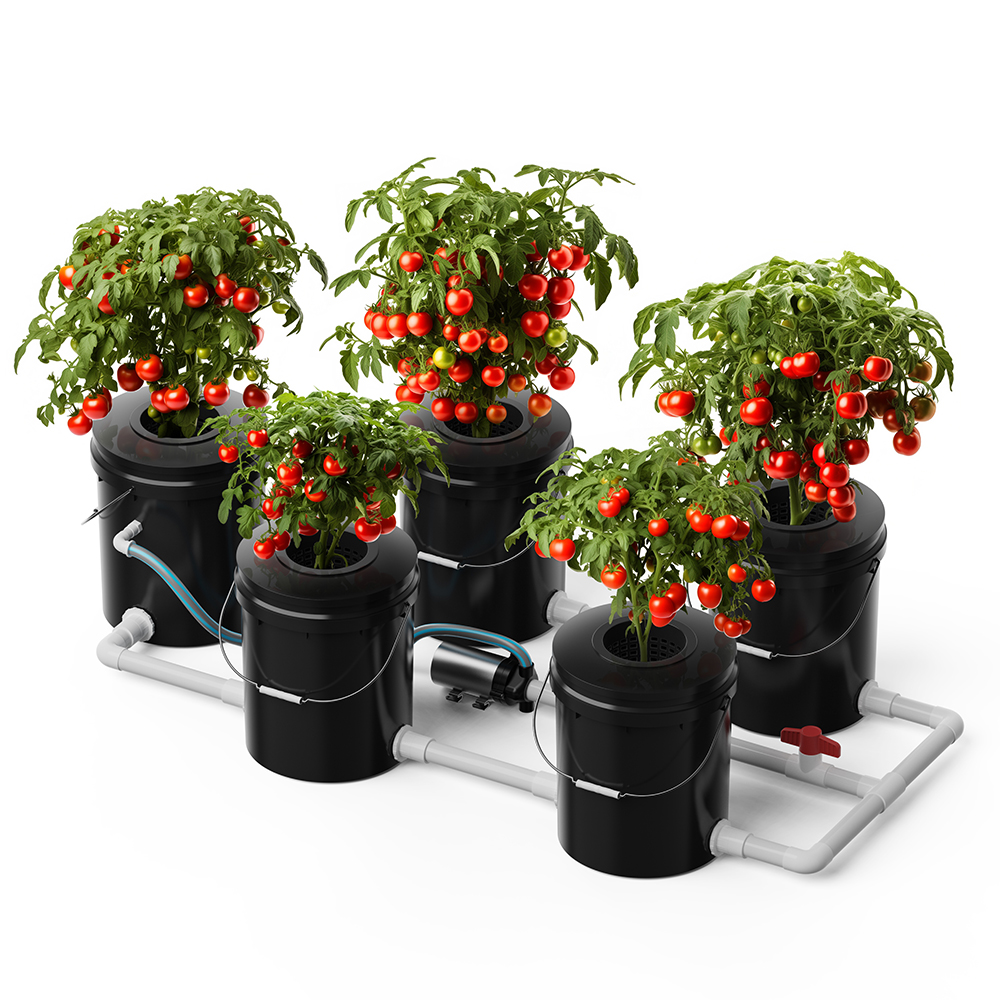
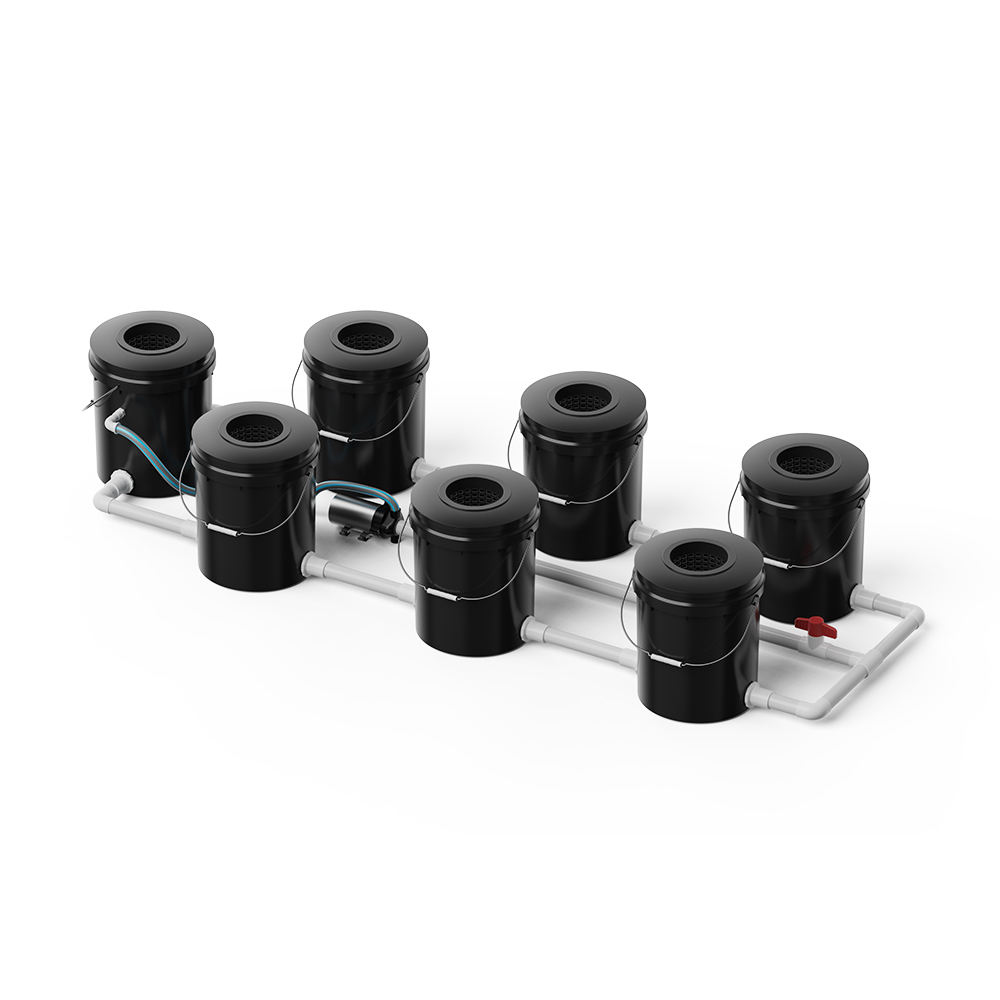
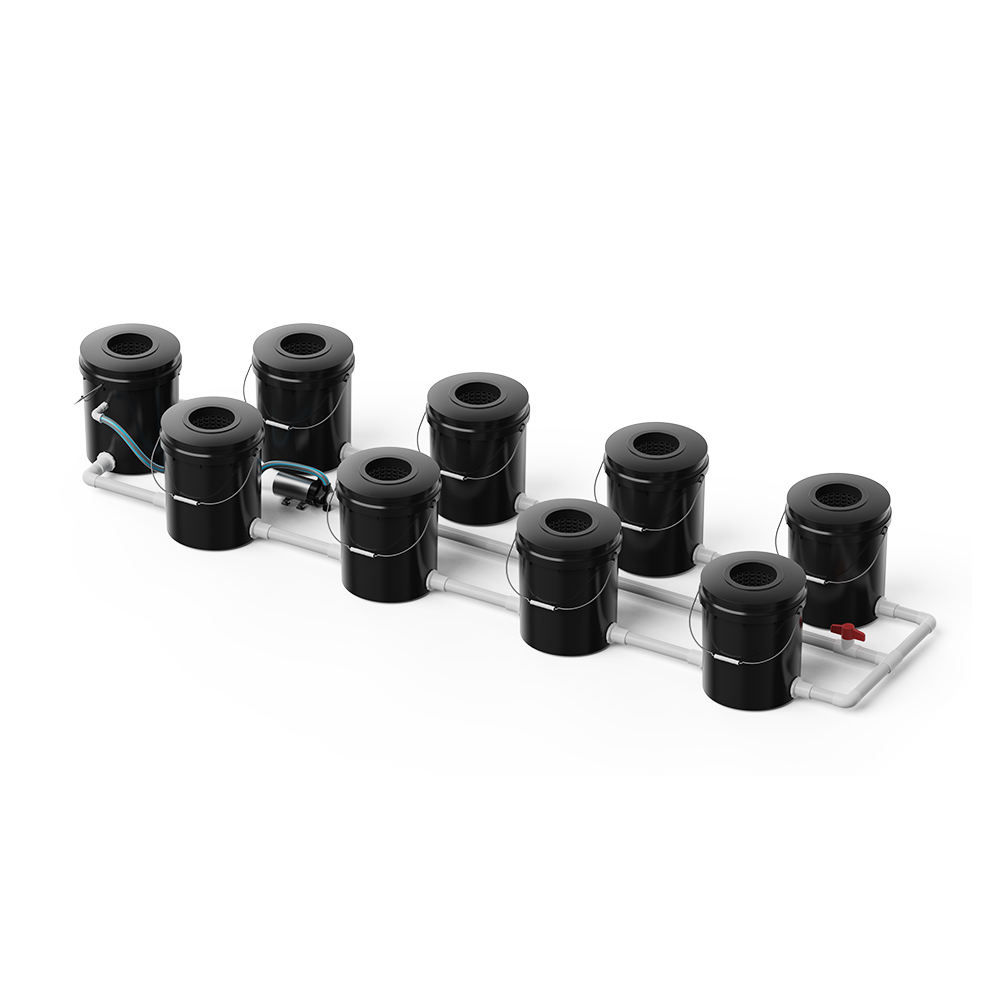
Deep Water Culture (DWC): Roots suspended in aerated nutrient solution using an air pump and stone. Excellent growth, simple setup. Good for multiple plants.
-
Nutrient Film Technique (NFT): Thin film of nutrient solution flows continuously over roots in a sloped channel. Efficient, but roots can clog channels if not maintained.
-
Ebb and Flow (Flood & Drain): Periodically floods the grow tray with nutrient solution, then drains it back to the reservoir. Good for larger setups.
-
Drip Systems: Nutrient solution dripped onto the growing medium around the plant base. Reliable, but needs good drainage.
-
Recommendation: Kratky or DWC are ideal starting points for mint.
-
-
Propagation (Starting Your Plants):
-
Cuttings (Highly Recommended & Fastest):
-
Take 4-6 inch stem cuttings from a healthy mint plant, just below a leaf node.
-
Remove leaves from the bottom 1-2 inches.
-
Place cuttings in a glass of plain water or directly into damp rooting plugs (like rockwool cubes, oasis cubes, or rapid rooters). Keep moist/wet.
-
Roots should develop in 7-14 days. Once roots are 1-2 inches long, they're ready for your hydroponic system.
-
-
Seeds (Slower):
-
Start seeds in damp rockwool cubes, peat pellets, or starter plugs.
-
Keep warm and moist (use a humidity dome if possible).
-
Germination takes 10-15 days.
-
Transplant seedlings into the system once they have several true leaves and established roots.
-
-
-
Growing Medium:
-
Supports the plant and holds moisture around the roots.
-
Common Choices: Hydroton (clay pebbles - excellent drainage/aeration), Rockwool cubes (good water retention, start seeds/cuttings), Coconut Coir (good water/air balance), Perlite/Vermiculite mixes. Avoid dense mediums that stay too wet.
-
Net Pots: Plants grow in these, filled with your chosen medium, suspended over the nutrient solution.
-
-
Nutrient Solution:
-
Formula: Use a balanced, general-purpose hydroponic nutrient solution formulated for leafy greens/herbs or vegetative growth. Look for an NPK ratio around 2-1-6 or 3-1-4 during the main growing phase. Avoid bloom boosters.
-
pH Level: Mint prefers a pH between 5.5 and 6.5. Test pH regularly (every 1-2 days initially, then weekly). Adjust using pH Up or pH Down solutions.
-
Electrical Conductivity (EC): Target an EC range of 1.0 to 2.0 mS/cm. Mint isn't a heavy feeder. Start at the lower end and increase slightly if growth seems slow. Higher EC can sometimes reduce flavor intensity.
-
Solution Temperature: Keep reservoir temps between 65-75°F (18-24°C). Warmer water holds less oxygen and encourages root rot.
-
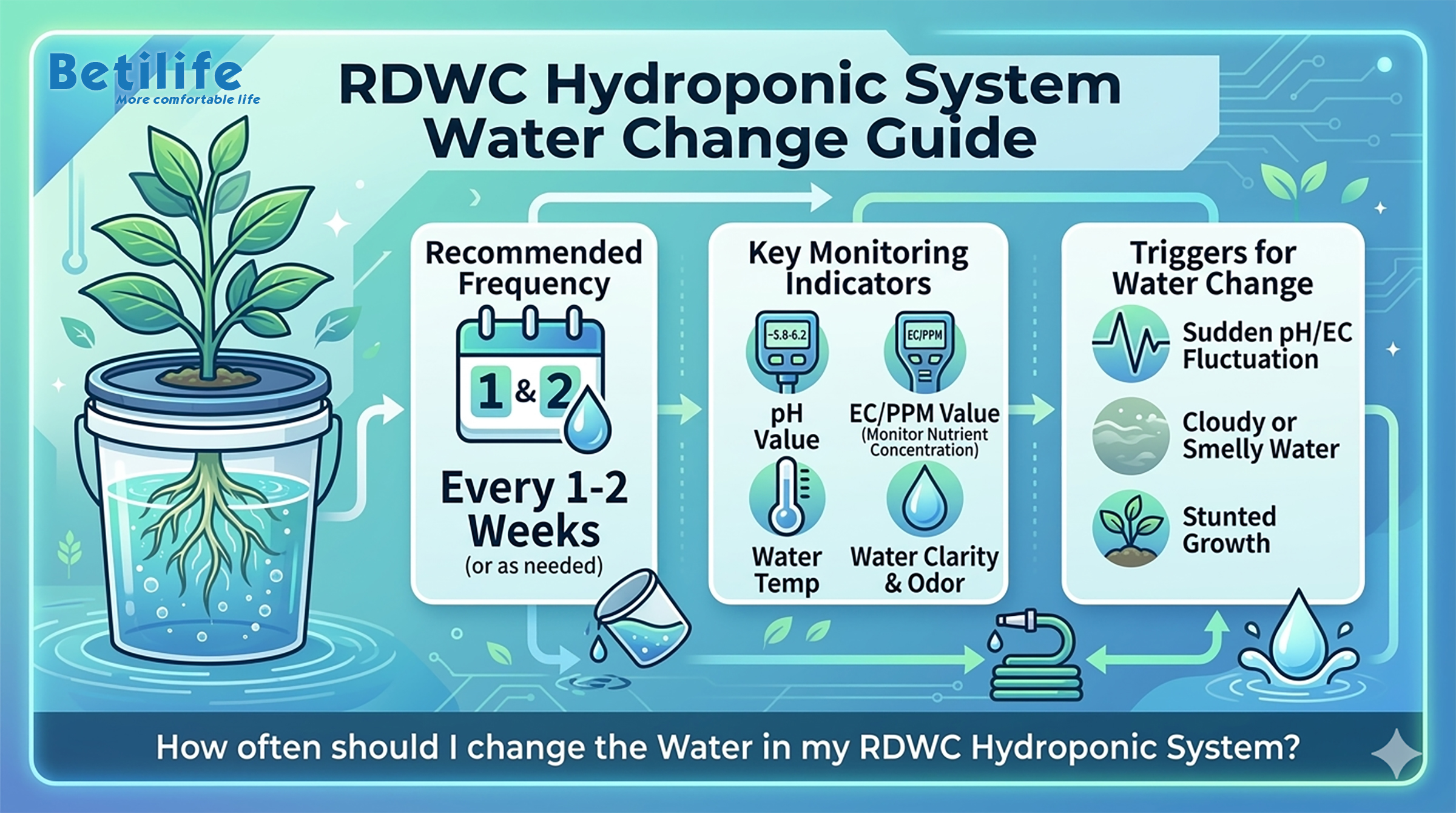
Topping Up & Changing: Top up the reservoir with plain pH-adjusted water as levels drop. Completely change the nutrient solution every 1-2 weeks to prevent salt buildup and nutrient imbalances.
-
-
Light:
-
Type: LED grow lights are ideal (energy-efficient, low heat). T5 fluorescents work well too.
-
Intensity: Mint grows well under moderate light. Provide 12-16 hours of light per day.
-
PPFD (Light Intensity): Aim for 150-250 µmol/m²/s (micromoles per square meter per second). It can tolerate lower light but grows slower; too much intense light isn't necessary.
-
Distance: Keep lights 6-12 inches above the plant canopy, adjusting as it grows.
-
-
Environment:
-
Temperature: Ideal air temperature is 65-75°F (18-24°C). Avoid extremes.
-
Humidity: Moderate humidity (40-60%) is generally fine. Good airflow helps prevent fungal issues.
-
Air Circulation: Use a small fan to gently circulate air around plants. This strengthens stems, prevents pests/fungus, and replenishes CO2.
-
Maintenance & Harvesting
-
Pruning/Pinching: Regularly pinch off the top sets of leaves (just above a leaf node) once stems are 6-8 inches tall. This encourages bushy growth and prevents legginess. Don't remove more than 1/3 of the plant at once.
-
Harvesting: Harvest leaves as needed, ideally before flowering for peak flavor. Snip stems just above a leaf node. Regular harvesting promotes new growth.
-
Root Pruning (if needed): In systems like DWC or NFT, roots can become very dense. Trim roots back by 1/3 if they threaten to clog the system.
-
Pest Monitoring: Watch for common pests like aphids, spider mites, or whiteflies, especially indoors. Use insecticidal soap, neem oil, or introduce beneficial insects like ladybugs. Prevention (cleanliness, airflow) is key.
-
Preventing Root Rot: Ensure good oxygen levels (air stone in DWC, solution level dropping in Kratky). Avoid warm reservoir temps. Consider adding a beneficial bacteria product (like Hydroguard).
Troubleshooting Common Issues
-
Yellowing Leaves: Often nutrient deficiency (Nitrogen, Iron common), pH imbalance, or overwatering (in non-hydroponic context, but check root health). Check pH/EC first, then consider nutrient strength.
-
Leggy Growth: Insufficient light intensity or duration. Move lights closer or increase intensity/duration.
-
Brown/Tip Burn: Often nutrient burn (EC too high), salt buildup, or inconsistent watering (less common in hydro). Check/adjust EC, flush system with plain pH'd water, then add fresh nutrients.
-
Wilting: Check reservoir level (Kratky), pump/air stone function (DWC/NFT), root health (signs of rot?), or excessive heat.
-
Slow Growth: Check light levels, temperature, nutrient strength (too low?), pH imbalance, or root issues.
-
Root Rot (Brown, slimy roots, foul smell): Immediately remove affected roots. Change nutrient solution completely. Lower reservoir temp. Increase aeration. Use beneficial bacteria. Ensure no light leaks into reservoir.
Enjoying Your Hydroponic Mint
Harvest fresh sprigs for:
-
Drinks: Mojitos, teas, lemonade
-
Cooking: Salads, sauces, marinades, desserts, Middle Eastern dishes
-
Garnishes
-
Aromatherapy
In summary: Mint is an EXCELLENT hydroponic herb! Start with cuttings, choose a simple system like Kratky or DWC, maintain pH (5.5-6.5) and moderate EC (1.0-2.0), provide moderate light, keep things clean, and pinch regularly for bushy growth. Enjoy your abundant, fresh, and flavorful harvests!
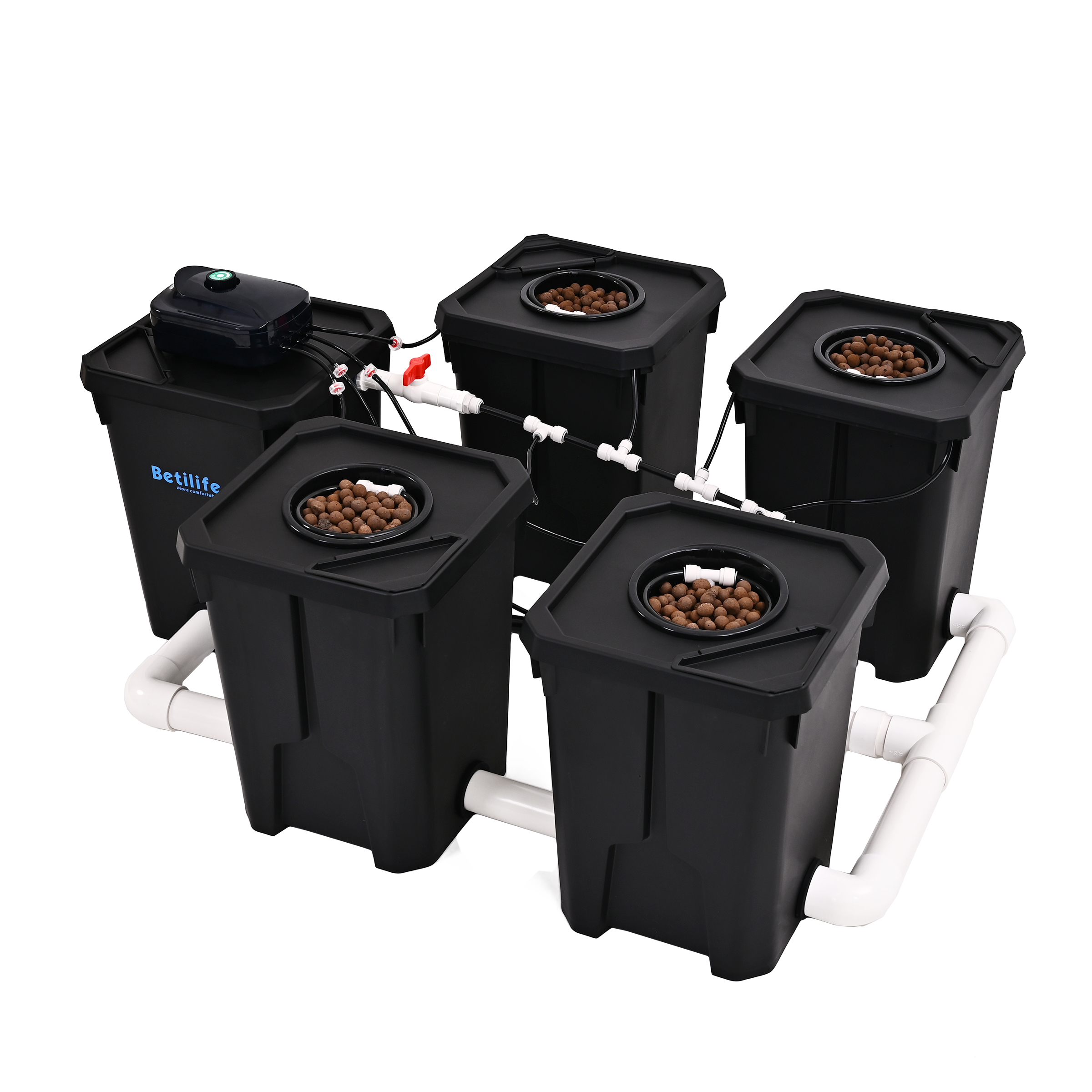
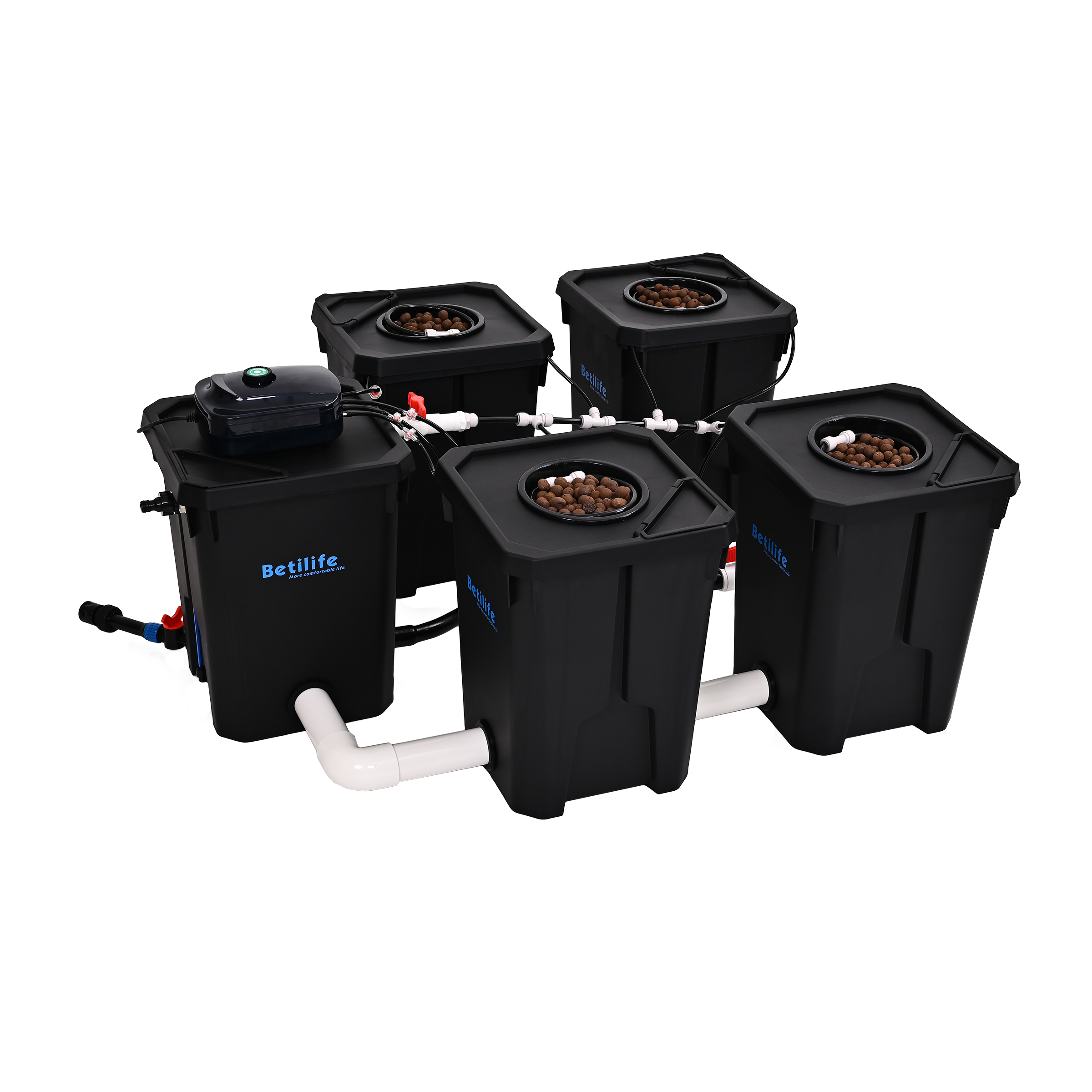
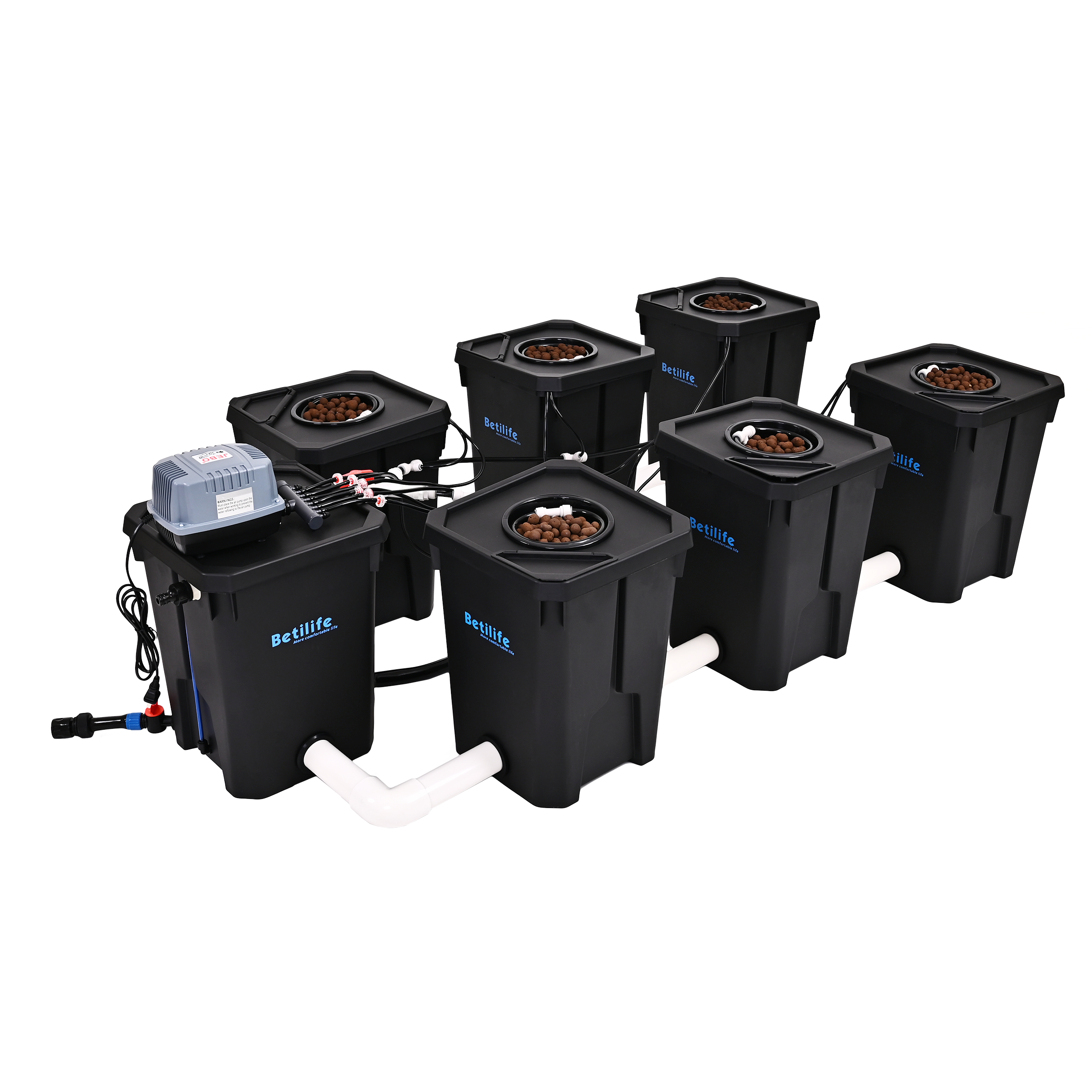
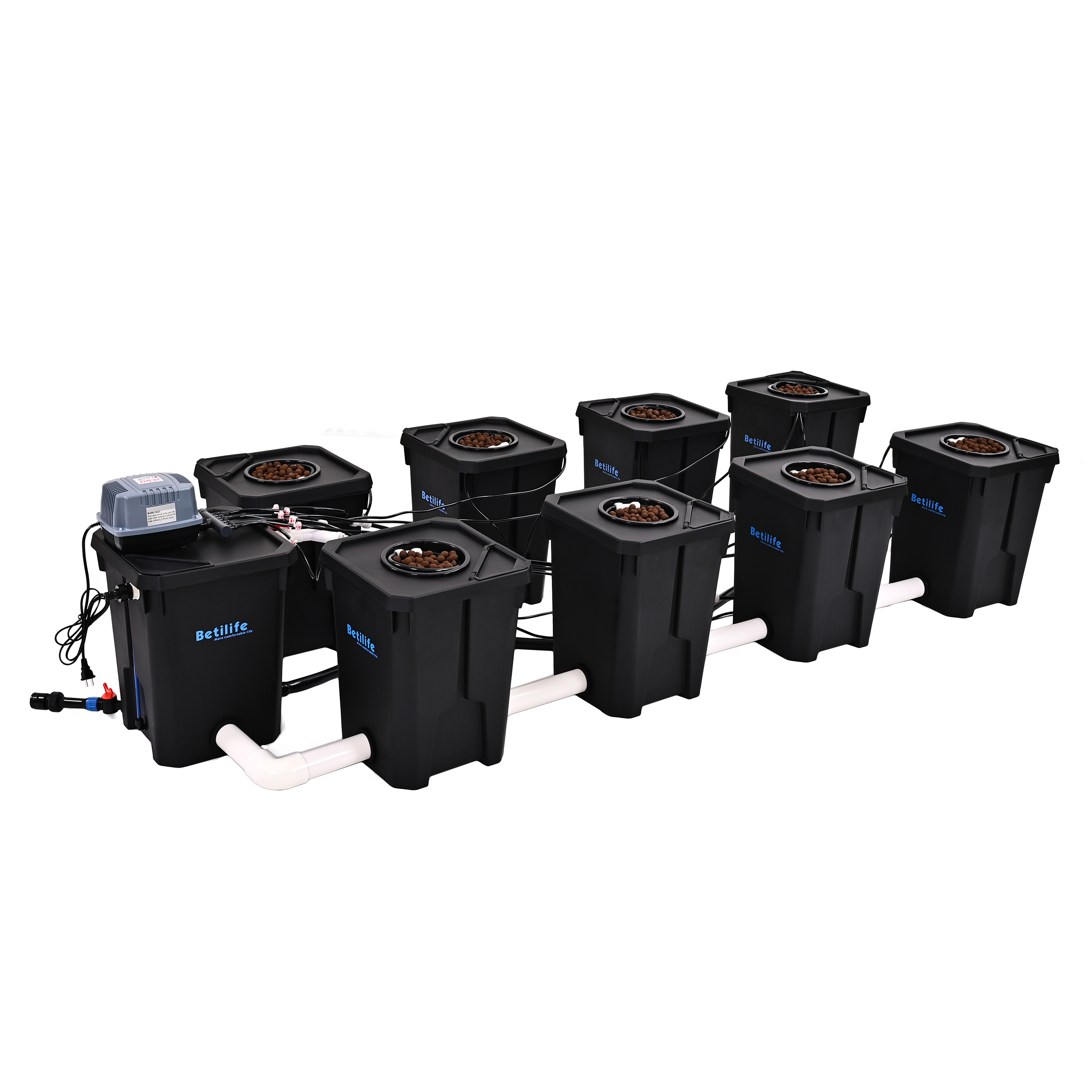
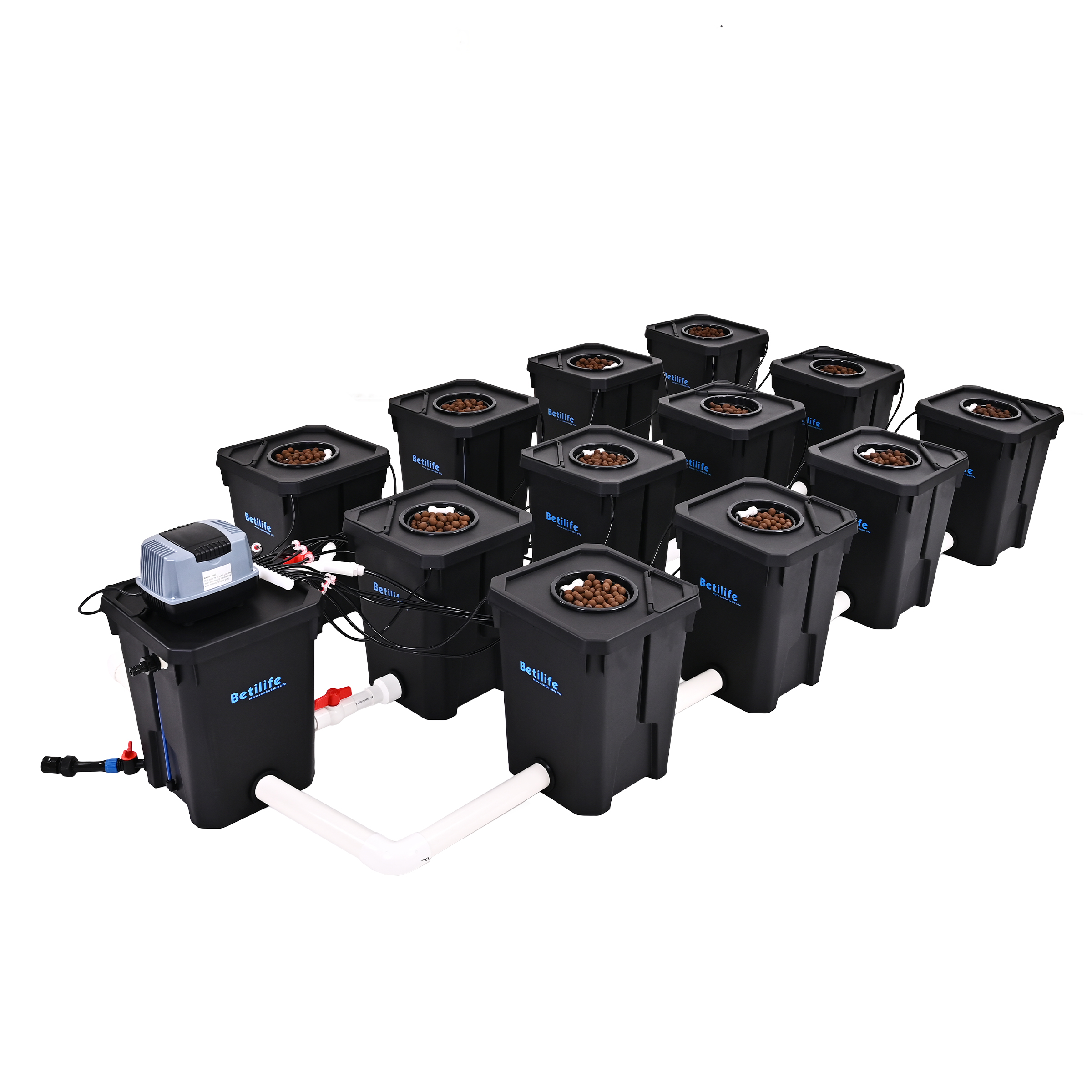
BetiLife™ Hydroponic Mint Systems offer a variety of hydroponics techniques, including Deep Water Culture (DWC), Nutrient Film Technique (NFT), each with its own set of advantages, ranging from beginner-friendly to easy-to-use. Mint hydroponics system automation controls lighting and water circulation, making it easy to grow mint without the need for daily care.
If you need to grow mint hydroponically indoors or outdoors at home, you can choose BetiLife™ Hydroponics Growing System:
- Hydroponic Growing Systems
- Vertical Hydroponic Towers
- Deep Water Culture System Kits
- Drip Irrigation System Kits
Learn more about hydroponics:
- Growing Hydroponic Spinach Indoors
- What Are The Best Flowers For Hydroponics
- How To Grow Hydroponic Tomatoes Indoor
- Can You Do Hydroponic Carrots
- What Are The Best Plants To Grow In Hydroponic Towers
- What Are The Best Hydroponic Lettuce Varieties
- How To Grow Hydroponic Lettuce Indoors At Home
- What Are The Best Strawberries To Grow Hydroponically
- What Are Hydroponic Strawberries
- The Best Hydroponic Pepper Varieties
- Bell Pepper Hydroponics Setup
- How to Grow Hydroponic Lavender
- How to Grow Hydroponic Cucumbers Indoors
- How to Grow Basil Hydroponically
- Growing Hydroponic Cilantro
- How to Grow Arugula Hydroponically
- Growing Hydroponic Blueberries Indoors
Related FAQs
How Long does it Take to Grow Mint Hydroponically?
| Growing Hydroponic Mint | ||||
| Germination | Light | EC Range | pH Range: | Time to Harvest |
| Easy | 24-16 hours | 2.0-2.4 | 5.5 - 6.0 | 4-6 weeks |
| Nutrient and Health Info - Small amounts of mint may not be chock full of vitamins and minterals, but it is known to help with indegestion and even irratable bowel syndrome. | ||||
| Tips & Tricks - Grow peppermint for its sweetness in desserts, syrups and refreshing drinks. Grow the more savory spearmint for cooking and spices. | ||||
Is Water Mint the Same as Mint?
Both the names water mint and brook mint refer to the same type of mint: Mentha aquatica. It originated in Europe and is now found in large parts of Africa and Europe. As the name suggests, this mint enjoys wet conditions.
Why is My Mint Dying in Water?
Mint loves moisture but hates soggy roots. Waterlogged soil suffocates roots, causing leaves to wilt and yellow.