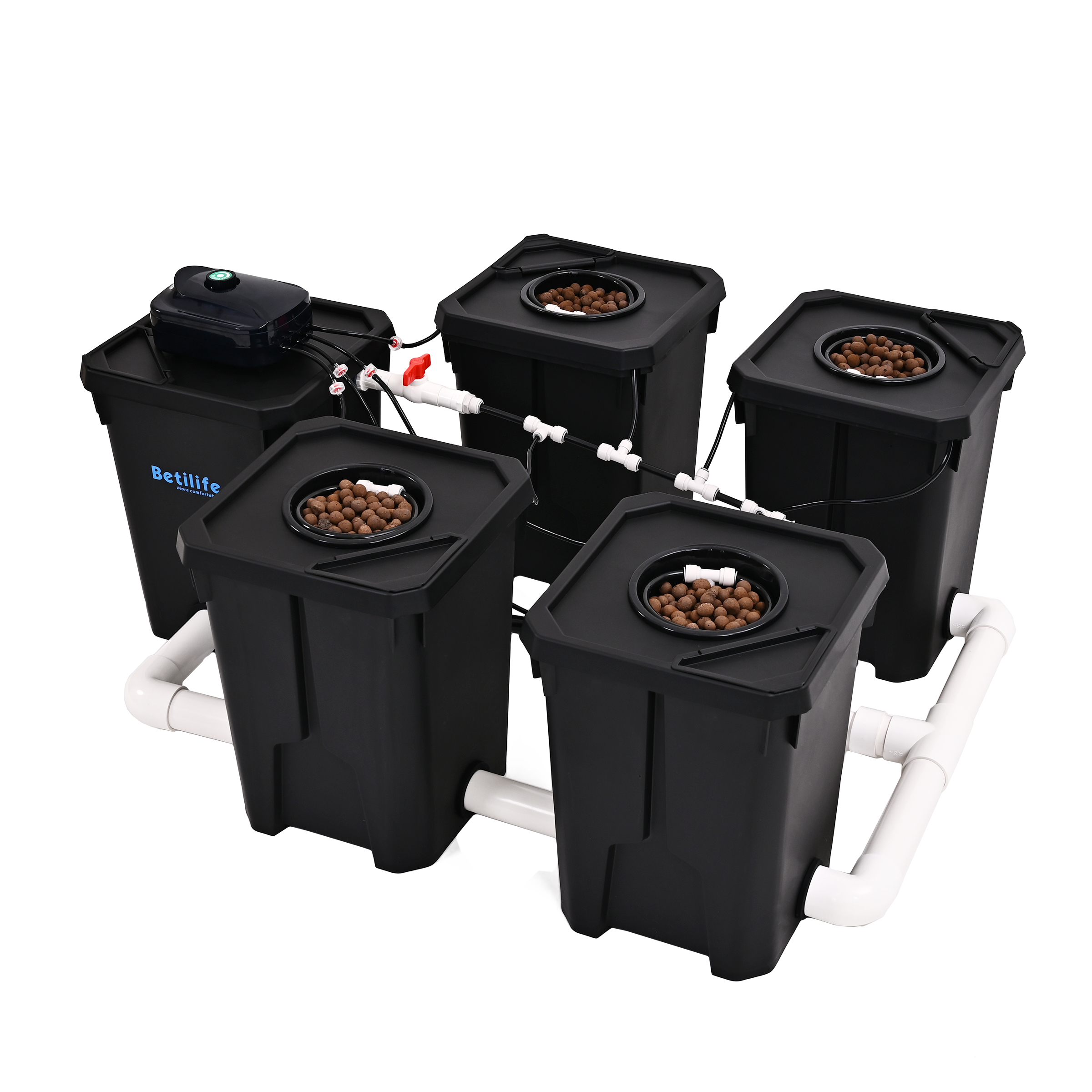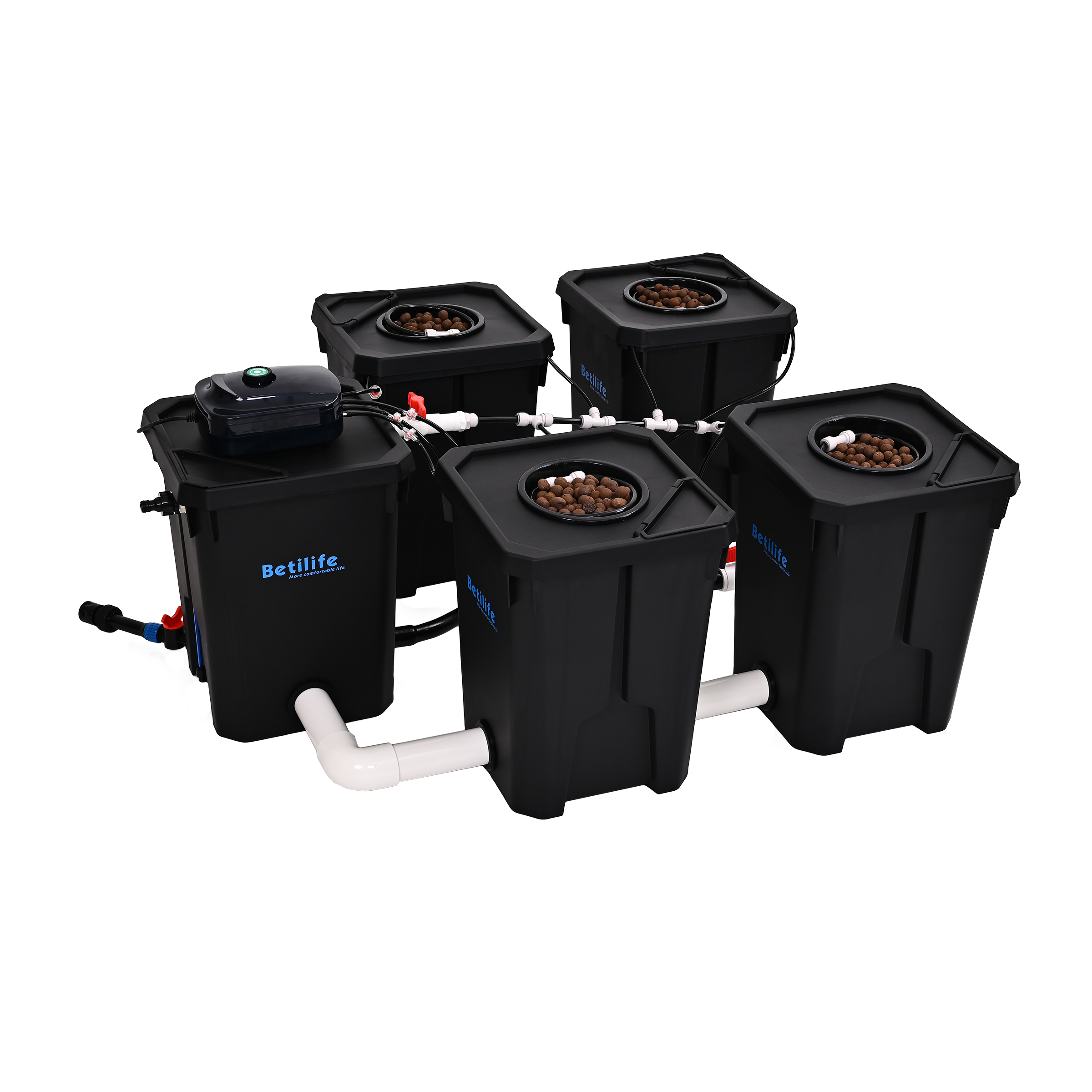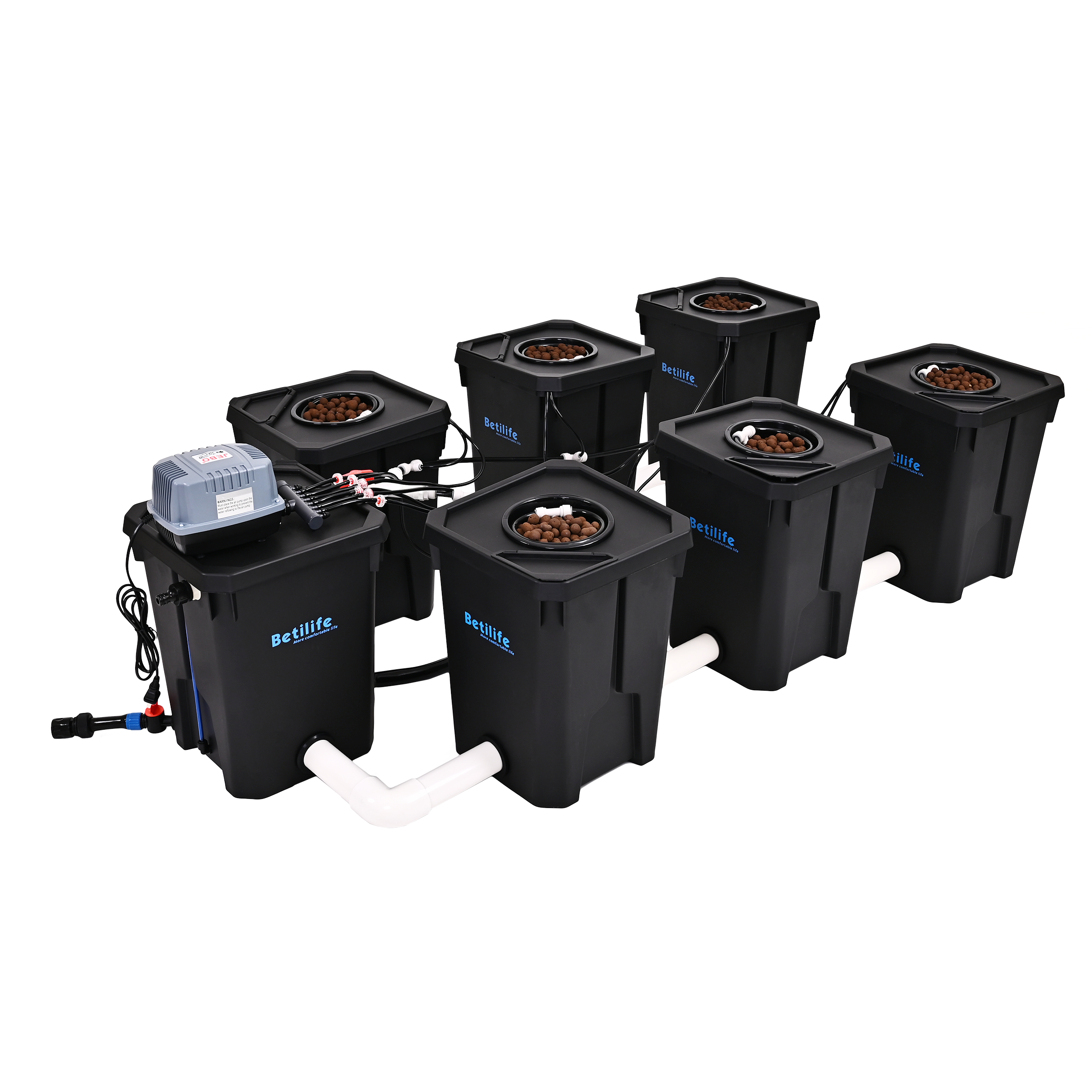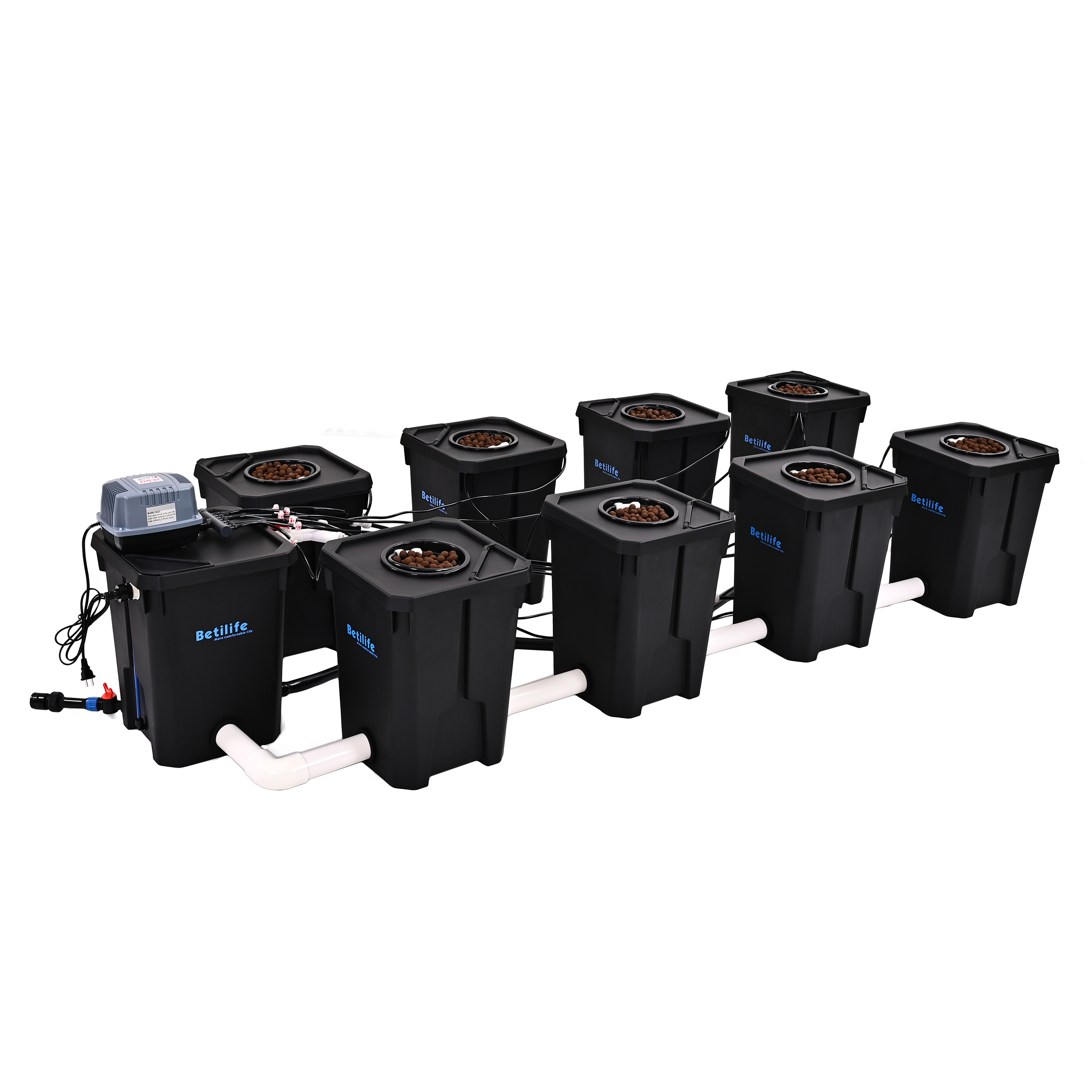
The growing hydroponic blueberries guide teaches you how to grow blueberries hydroponically indoors, select the best blueberry varieties for hydroponic cultivation, and set up a hydroponic blueberry system, all combined with a blueberry hydroponic system kit, to help you quickly and successfully harvest blueberries hydroponically.
What Are Hydroponic Blueberries?
Hydroponic Blueberries are blueberries grown using a soilless method called hydroponics. This involves cultivating the plants in a nutrient-rich water solution, often with a substrate such as coco coir or perlite to support the roots, instead of traditional soil. This allows for precise control over environmental factors such as nutrient levels, pH, and temperature, potentially leading to higher yields and better quality blueberries.
Their roots grow either directly in oxygenated nutrient solution or within an inert medium (like coco coir, perlite, clay pebbles, or rockwool) that is regularly irrigated with the solution.
A reservoir holds the nutrient solution, which is pumped to the plants and then drained or recirculated.

Hydroponic Blueberries Benefits
-
Faster Growth & Higher Potential Yields: Optimized nutrient delivery and controlled environment can lead to faster growth and potentially higher yields per plant compared to traditional soil, especially in controlled environments.
-
Water Efficiency: Hydroponic systems recirculate water, using significantly less than traditional field irrigation.
-
Year-Round Production: Grown indoors (greenhouses, vertical farms), they can produce fruit outside the normal seasonal window.
-
Space Efficiency: Vertical stacking and compact systems allow production in urban areas or non-arable land.
-
Reduced Soil-Borne Pests & Diseases: Eliminating soil removes risks from many common pathogens and pests (like nematodes, certain fungi).
-
Precise Nutrient Control: Growers can fine-tune nutrients exactly to the plant's needs at each growth stage.
-
Cleaner Fruit: Berries grow without contact with soil, potentially reducing contamination and making harvest cleaner.
The Best Blueberry Hydroponic System
Hydroponic blueberry plants in systems such as:
-
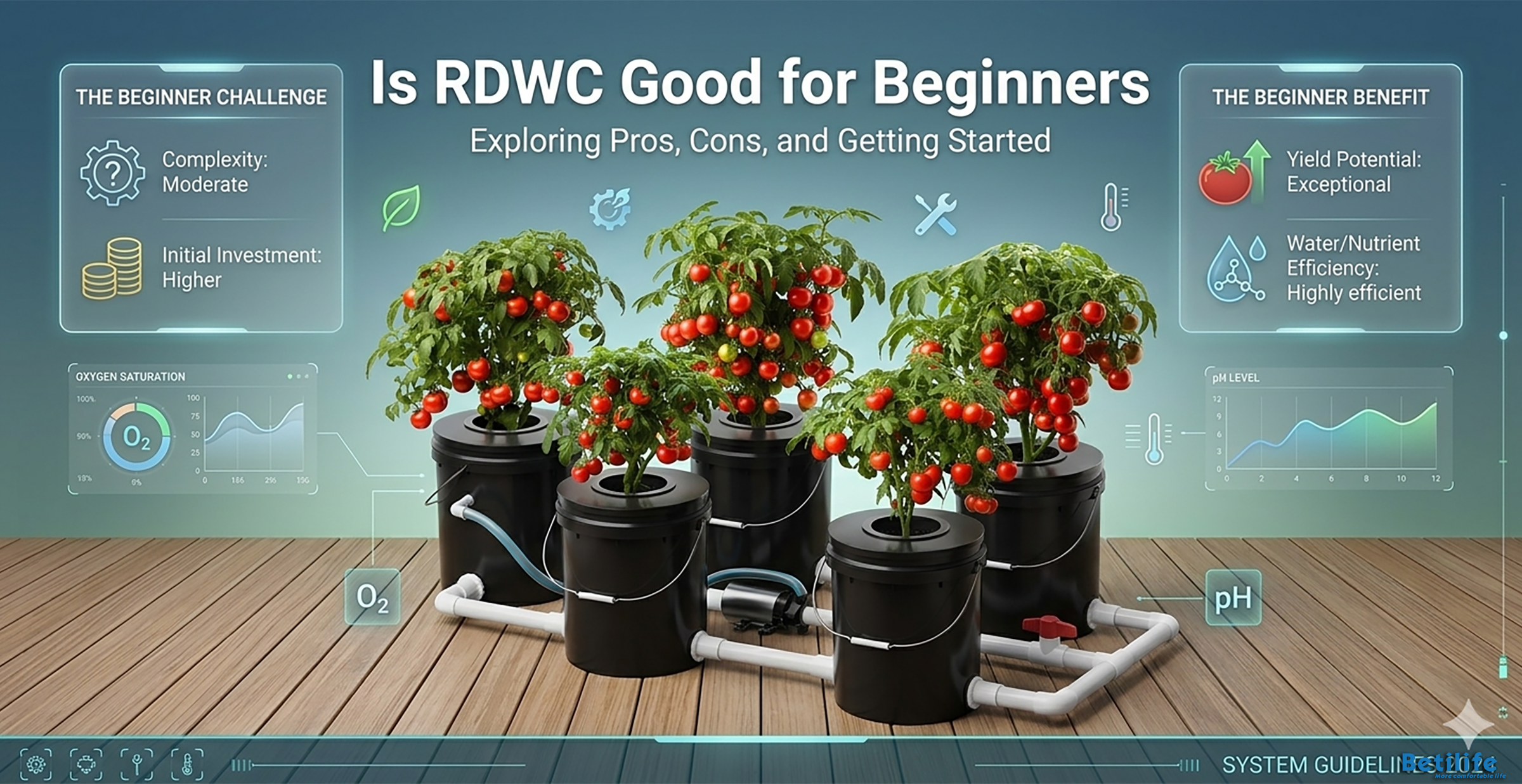
Deep Water Culture (DWC) / Recirculating DWC (RDWC)
-
Pros: Excellent oxygenation, good for larger root masses.
-
Cons: Requires large reservoirs for mature plants, pH/nutrient stability needs careful monitoring.
-
-
Drip Irrigation (with Coco Coir or Perlite/Vermiculite Mix)
-
Pros: Good root aeration, easier pH management in the medium, forgiving.
-
Cons: Requires reliable pumps/timers, potential for clogging.
-
-
-
Pros: Efficient water/oxygen balance.
-
Cons: Less ideal for large, woody-rooted plants like mature blueberries; roots can clog channels; risk of catastrophic failure if pumps stop.
-
-
Ebb and Flow (Flood and Drain)
-
Pros: Good aeration cycles, suitable for larger containers.
-
Cons: Requires reliable timers/pumps, reservoir size.
-
How to Grow Blueberries Hydroponically?
Growing blueberries hydroponically is possible but challenging due to their specific needs (especially low pH). However, it's rewarding!

Hydroponic Blueberries Setup (DWC/Drip Hybrid Example)
-
Container: Use a large (5-10+ gallon) bucket or tote for the reservoir. Place the blueberry plant in a net pot lid (6-10+ inches in diameter).
-
Growing Medium:
-
Best: Coco Coir (buffers pH well, good aeration/water retention). Pre-rinse thoroughly!
-
Alternative: Perlite/Vermiculite mix (70/30 or 60/40) or Rockwool cubes (for starting/small plants).
-
Avoid clay pebbles alone (poor moisture retention for blueberries).
-
-
Planting:
-
Carefully remove soil from the nursery plant's roots. Rinse gently but thoroughly with lukewarm water.
-
Place roots into the net pot and surround with your chosen pre-moistened medium. Support the stem.
-
-
Nutrient Solution:
-
Use a hydroponic nutrient formulated for "acid-loving" or "berry" plants. Examples:
-
Masterblend 4-18-38 (needs separate Calcium Nitrate & Epsom Salt - follow berry formula)
-
Jack's Hydro FeED (Popular for blueberries - contains iron EDDHA)
-
FloraSeries (Use their "Hard Water" variant if your source water is hard; adjust ratios for berries).
-
Dyna-Gro Foliage Pro (7-9-5) + Bloom (3-12-6) - often used successfully.
-
-
Start VERY Dilute: 1/4 to 1/2 strength recommended dosage for seedlings/young plants. Gradually increase as the plant matures.
-
Ammonium Nitrogen: Ensure your nutrient provides a significant portion of N as Ammonium (NH4+). Check labels or ask manufacturers.
-
EC/TDS: Maintain relatively low levels compared to other crops. Target 1.0 - 1.8 mS/cm (500-900 ppm) for young plants, up to 2.0-2.5 mS/cm (1000-1250 ppm) for mature fruiting plants. Monitor plant response!
-
-
pH Management (ESSENTIAL):
-
Target Range: 4.8 - 5.3 is ideal. Never let it drift above 5.8 for extended periods.
-
Use pH Down: Phosphoric acid is common. Citric acid is a gentler, organic option often preferred for blueberries, but may require more frequent adjustment.
-
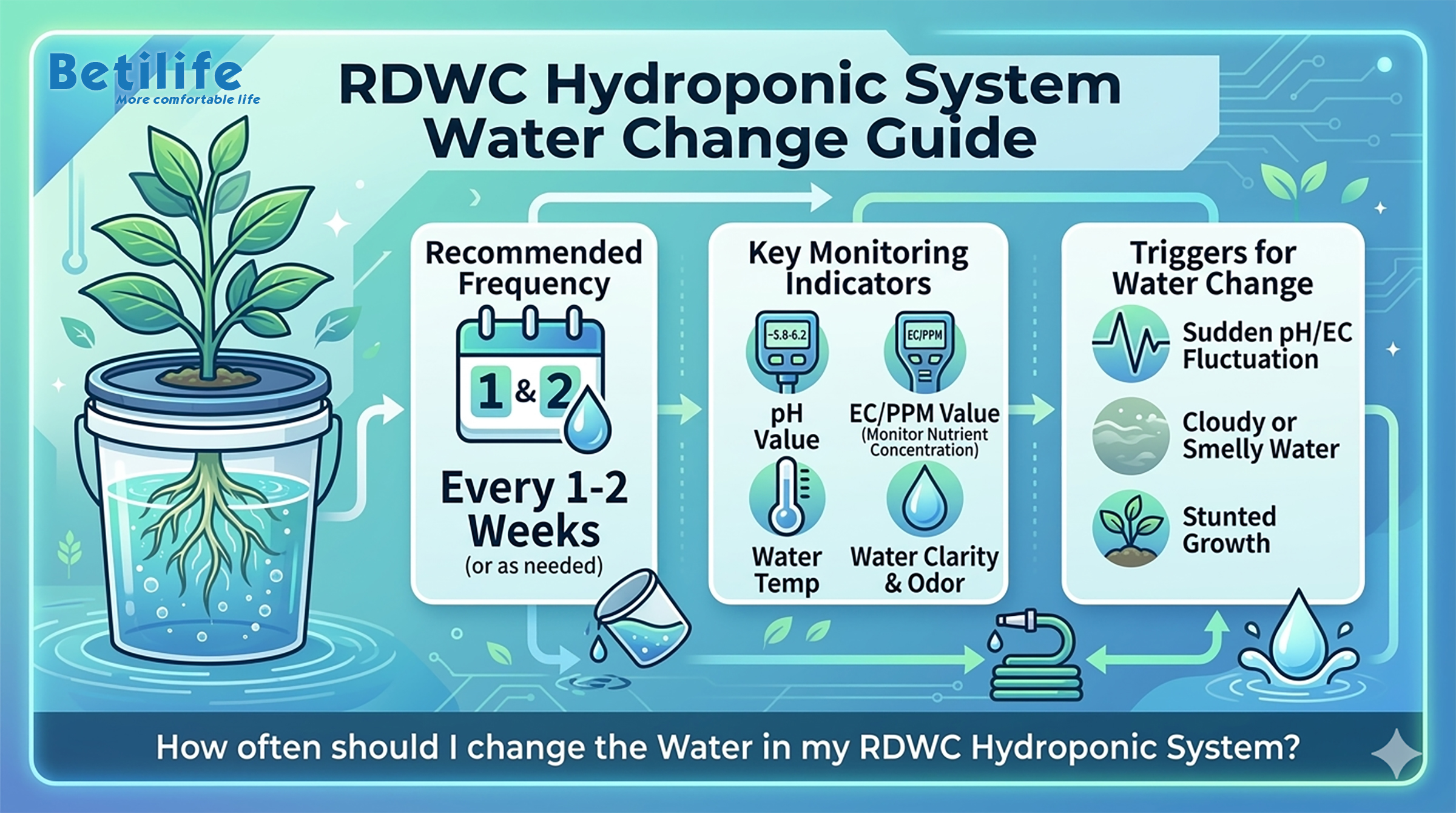
Monitor DAILY: pH will drift upwards constantly in hydroponics. Check and adjust pH daily, especially initially. Use a reliable pH meter and calibrate it regularly.
-
-
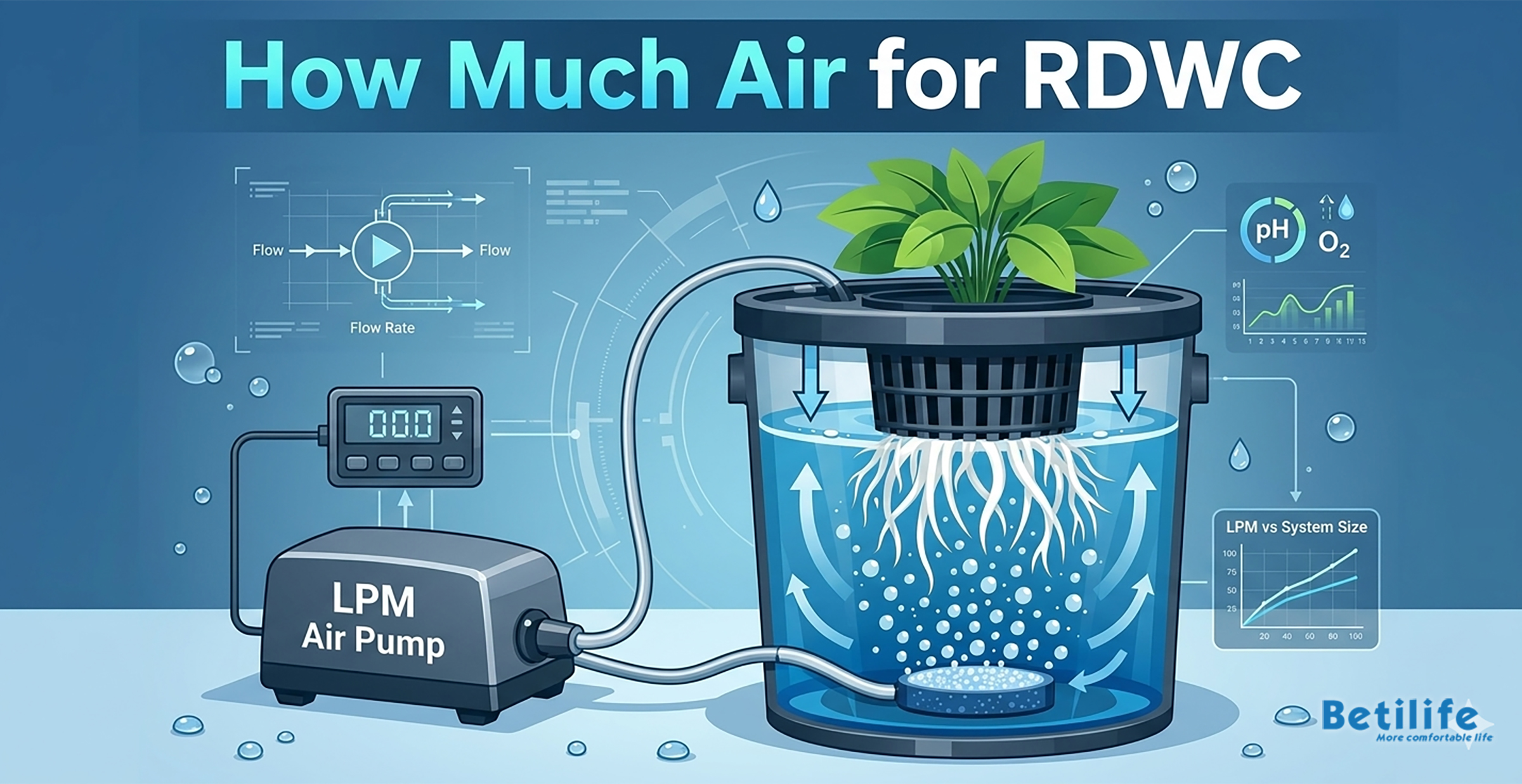
Oxygenation (DWC): Use a powerful air pump and large air stones to keep the reservoir solution highly oxygenated.
-
Lighting (Indoor):
-
High Intensity: Blueberries need full sun. Provide 14-16 hours of light daily.
-
PPFD: Target 400-600+ µmol/m²/s at the canopy level for vegetative growth, potentially higher during fruiting.
-
Spectrum: Full-spectrum LED grow lights are ideal.
-
-
Temperature:
-
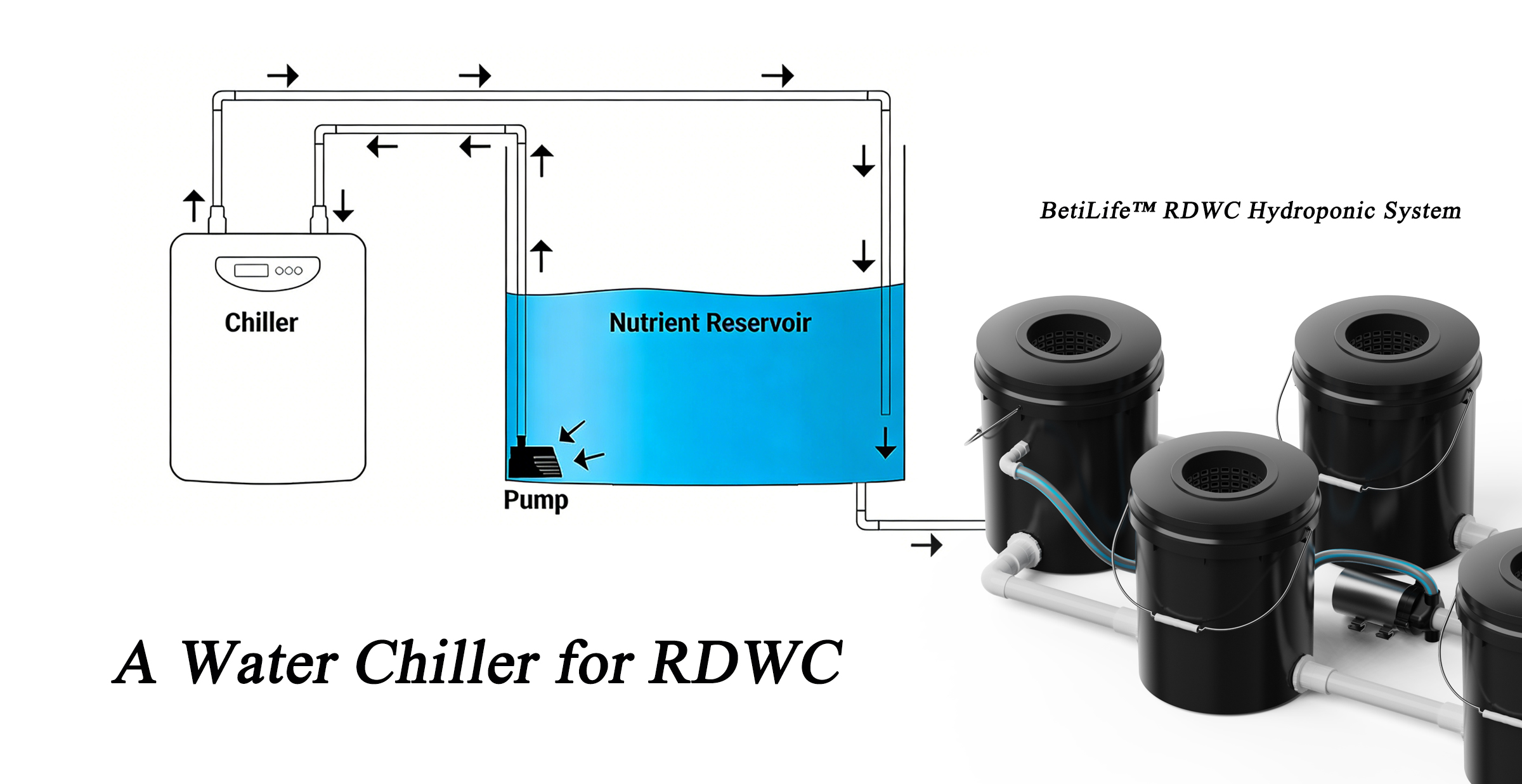
Root Zone: Cool roots are preferred (65-70°F / 18-21°C). Insulate reservoirs or use water chillers if necessary in warm environments.
-
Air: 70-80°F (21-27°C) during the day, slightly cooler at night.
-
-
Pollination (Indoor): Blueberries need cross-pollination. If growing only one plant indoors, you must hand-pollinate.
-
Use a small, soft paintbrush or electric toothbrush to gently vibrate flowers daily when they are open and pollen is visible (usually mid-morning). Transfer pollen between flowers.
-
-
Pruning: Prune in late winter/early spring (before growth starts) or after harvest. Remove dead/damaged wood, low growth, and thin crowded branches to improve light/airflow. Maintain an open vase shape.
-
Winter Dormancy (Chilling):
-
Timing: After leaves drop naturally in fall (or induced by reducing light/temp).
-
Method: Move the entire plant (pot/reservoir) to a dark location between 33-45°F (1-7°C). A fridge (check humidity) or an unheated garage/basement often works. Do not let roots freeze or dry out completely.
-
Duration: Provide the exact number of chilling hours required by your variety (research this!).
-
Restart: After chilling, bring back into warm conditions and full light to break dormancy. Resume normal nutrient feeding.
-
Troubleshooting
-
Nutrient Deficiencies (Yellowing leaves, stunting): The most common issue is Iron (Fe) deficiency due to high pH. Check pH FIRST! If pH is correct, ensure your nutrient has chelated iron (Fe EDDHA works best at low pH). Magnesium deficiency can also occur.
-
Root Rot: Caused by low oxygen or pathogens. Ensure strong aeration (DWC), avoid over-saturating medium (drip), keep root temps cool. Consider beneficial bacteria (e.g., Hydroguard).
-
Poor Growth/Fruiting: Insufficient light, incorrect pH, nutrient imbalance, lack of chilling hours, or the plant is too young.
-
pH Drift: Very common. Diligent daily adjustment is key. Ensure your nutrient solution is well-mixed before adjusting pH.
Hydroponic blueberries are an advanced project requiring significant attention to pH, nutrient selection, and dormancy. Start with a suitable dwarf variety, be prepared for daily pH monitoring, invest in good nutrients for acid-loving plants, and don't skip the winter chilling period. The reward of harvesting plump, home-grown blueberries indoors makes the effort worthwhile for dedicated hydroponic enthusiasts! Good luck!🫐🫐🫐
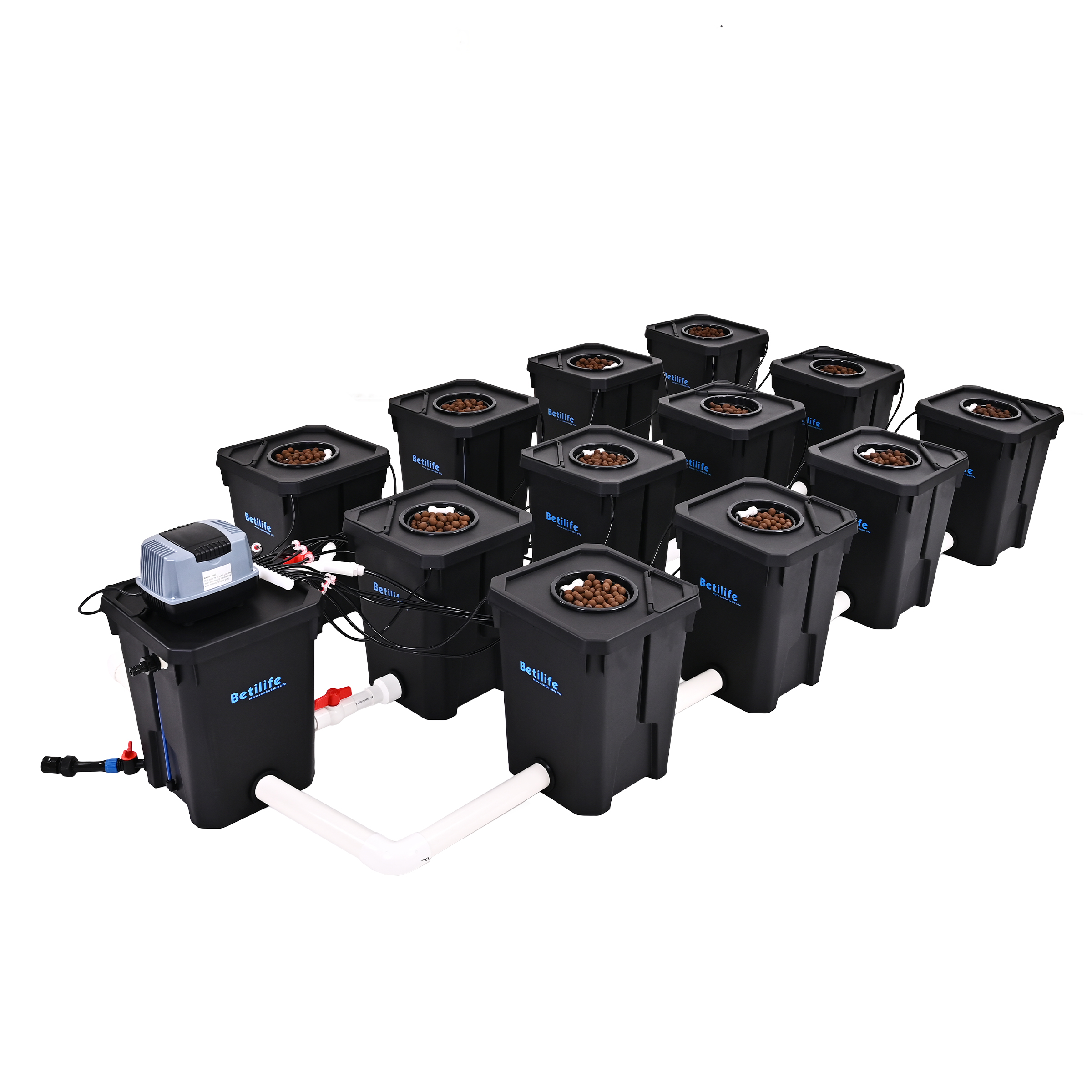
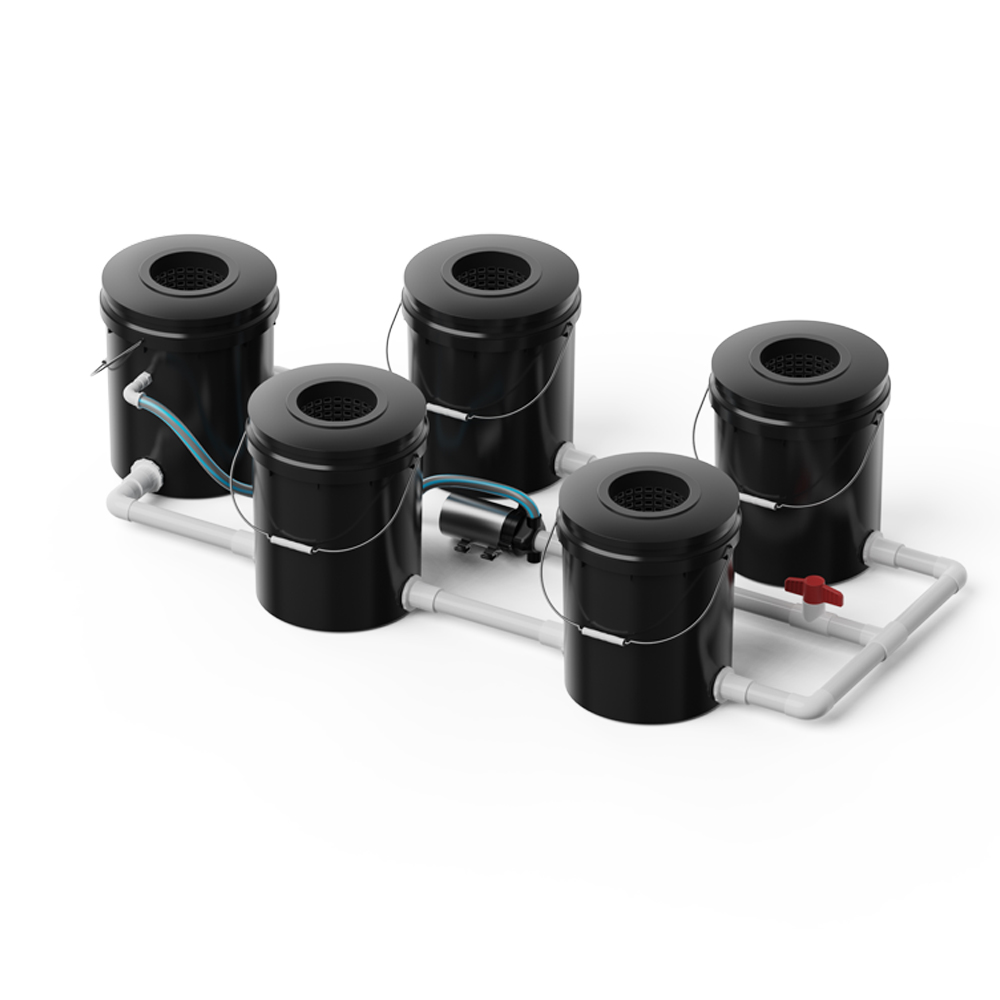
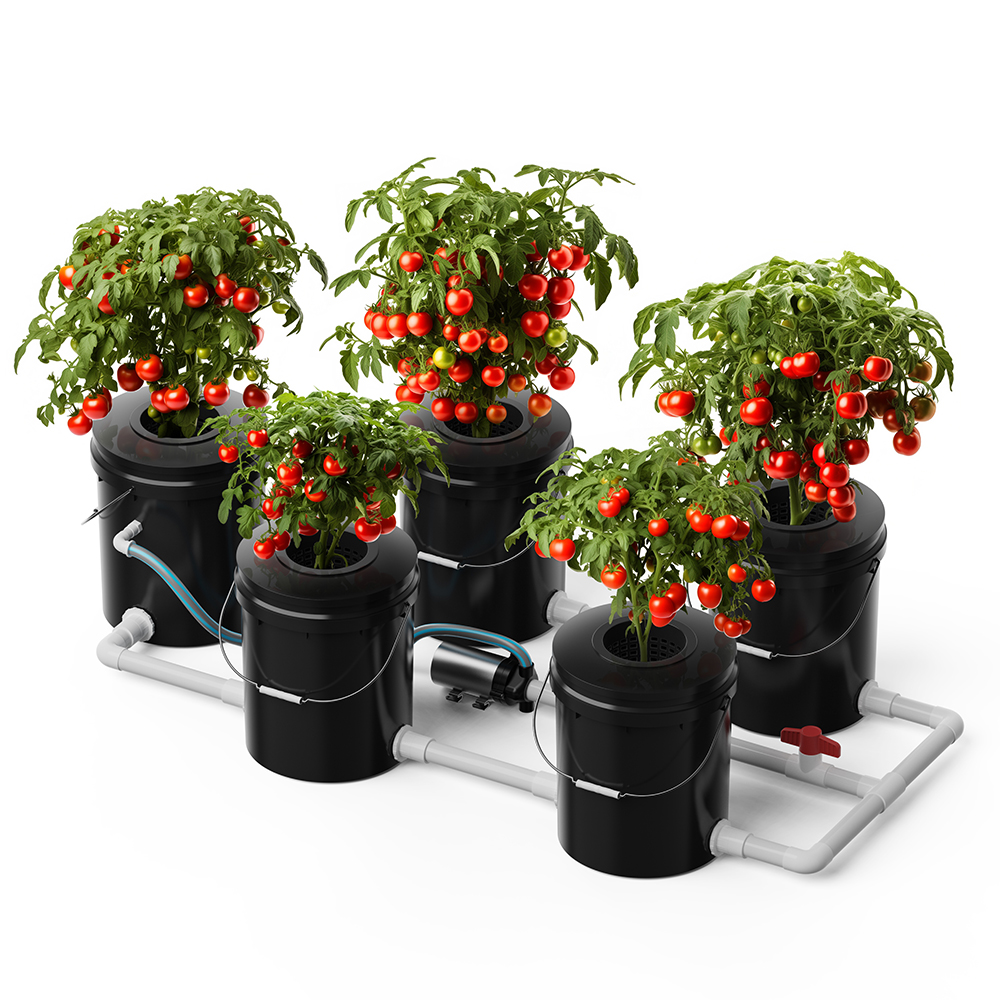
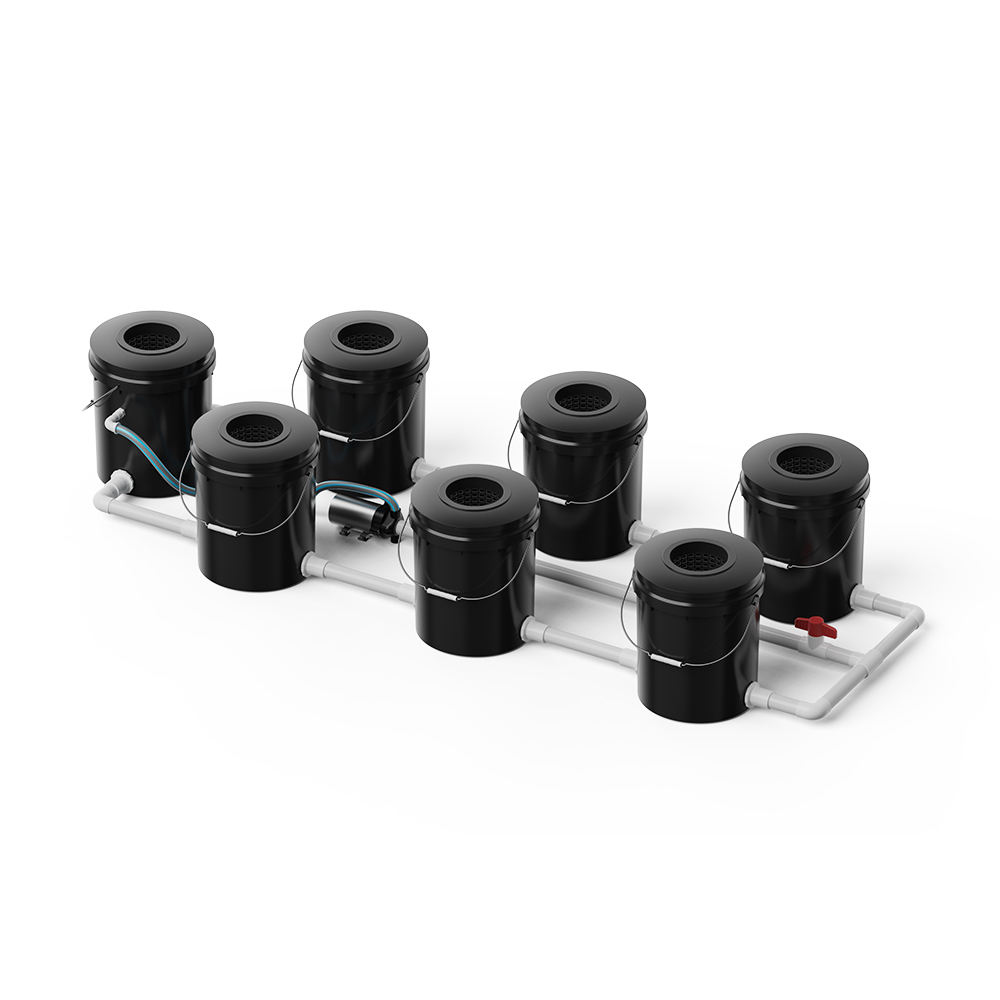
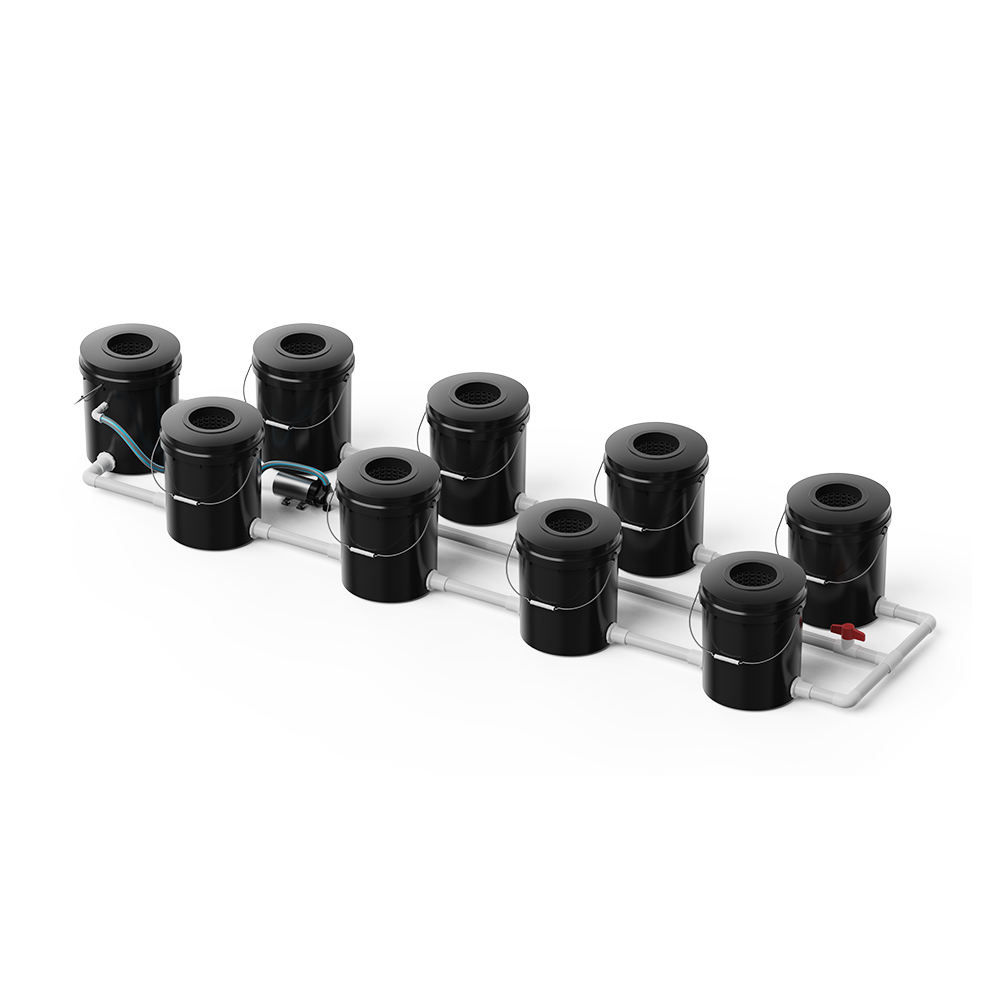
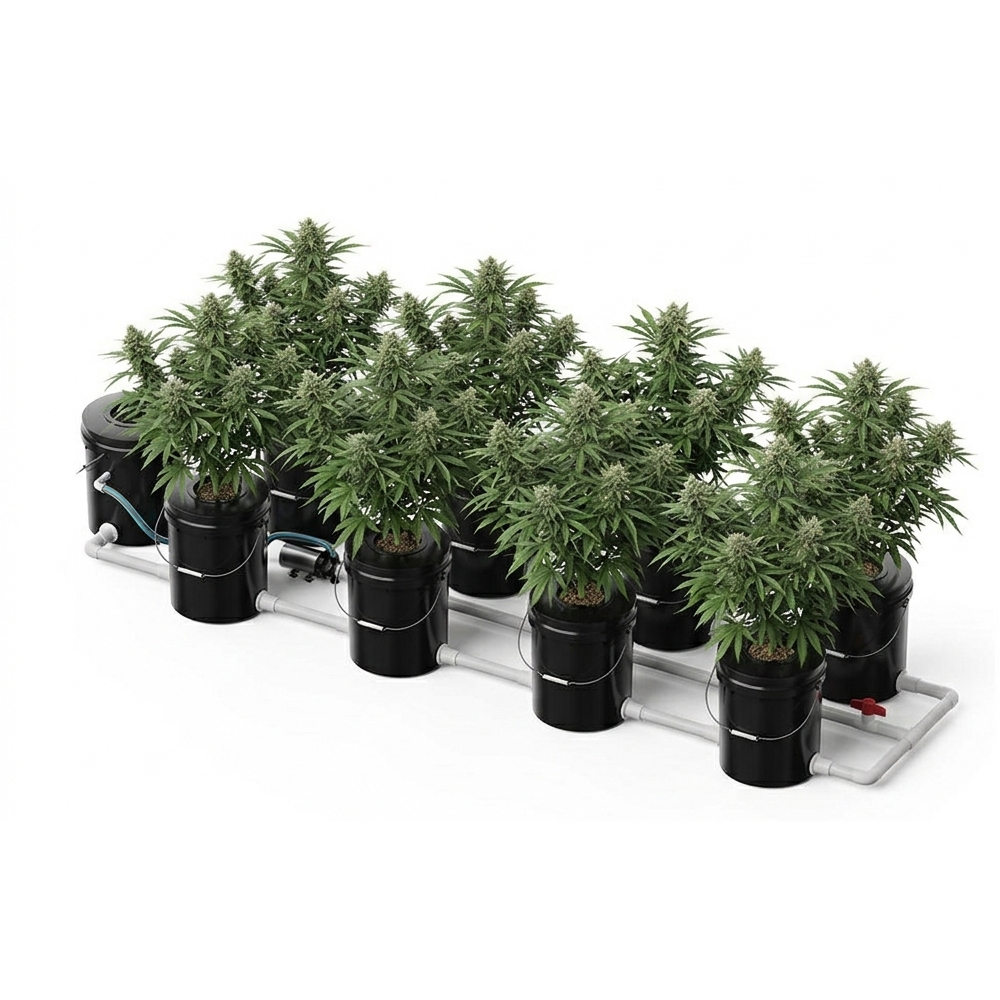
BetiLife™ Hydroponic Blueberry Systems offer a variety of hydroponics techniques, including Deep Water Culture (DWC), Nutrient Film Technique (NFT), each with its own set of advantages, ranging from beginner-friendly to easy-to-use. Blueberries hydroponics system automation controls lighting and water circulation, making it easy to grow blueberries without the need for daily care.
If you need to grow blueberries hydroponically indoors or outdoors at home, you can choose BetiLife™ Hydroponics Growing System:
Learn more about hydroponics:
- What Are The Best Flowers For Hydroponics
- How To Grow Hydroponic Tomatoes Indoor
- Can You Do Hydroponic Carrots
- What Are The Best Plants To Grow In Hydroponic Towers
- What Are The Best Hydroponic Lettuce Varieties
- How To Grow Hydroponic Lettuce Indoors At Home
- What Are The Best Strawberries To Grow Hydroponically
- What Are Hydroponic Strawberries
- The Best Hydroponic Pepper Varieties
- Bell Pepper Hydroponics Setup
- How to Grow Hydroponic Lavender
- How to Grow Hydroponic Cucumbers Indoors
- How to Grow Basil Hydroponically
- Growing Hydroponic Cilantro
- How to Grow Arugula Hydroponically
Related FAQs
Can You Grow Blueberries Hydroponically?
Yes, blueberries can be grown hydroponically. These advantages include better control over nutrient delivery, efficient water use, and the potential for increased productivity.
What are the Best Blueberries to Grow Hydroponically?
For hydroponic cultivation, Top Hat, Sunshine Blue, and Bluegold are excellent blueberry varieties. These dwarf or semi-dwarf varieties are well-suited for the controlled environment of hydroponics due to their compact size and adaptability.
How Long Does it Take to Grow Blueberries Hydroponically?
Hydroponic blueberries generally take 2-3 years to mature and produce a substantial harvest, though they can be coaxed into near-continuous fruiting with the right conditions once established. While the initial growth phase can take some time, hydroponic systems can offer a more efficient way to grow blueberries compared to traditional soil methods, potentially shortening the overall timeline.