What is the Best Pepper for Hydroponics? There are many varieties of peppers suitable for hydroponics. The best hydroponic pepper varieties suitable for hydroponics for beginners are Bell Peppers, Jalapeños, Cayenne Peppers, and Mini Sweet Peppers. For experienced growers, hotter varieties like Habaneros, Scotch Bonnets, and Chocolate Habaneros can also be successful. Dwarf varieties, such as Thai Hot Peppers, are also well-suited for smaller hydroponic setups.
What is Hydroponic Pepper Growing?
Hydroponic pepper growing is the method of cultivating pepper plants (like bell peppers, chili peppers, or jalapeños) without using soil. Instead, the plants are grown with their roots directly exposed to a nutrient-rich, an oxygenated water the solution, providing all the essential elements they need for growth and fruit production.
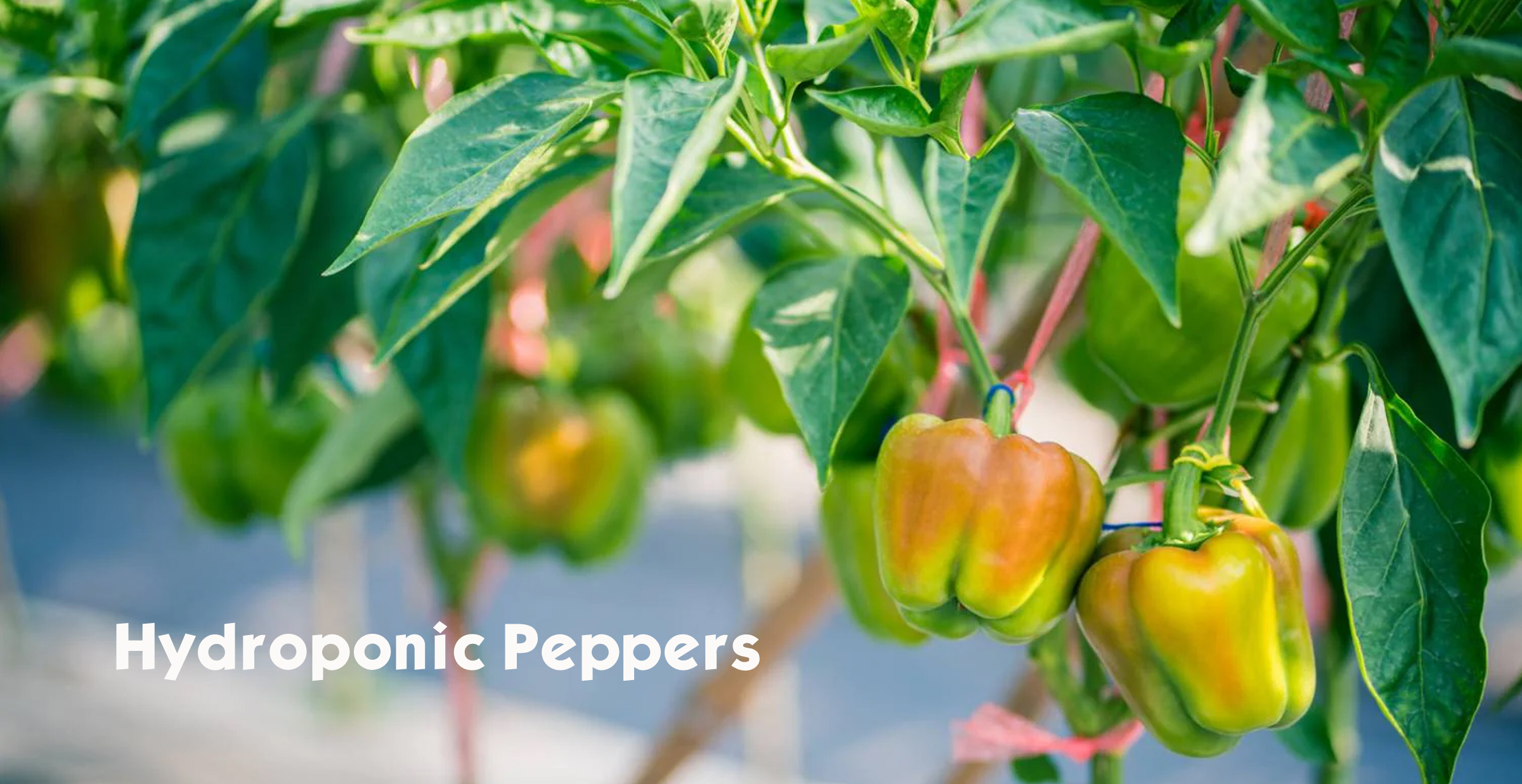
Hydroponic peppers are grown without soil, using a nutrient-rich water solution to support plant growth. This method offers several advantages, including faster growth, higher yields, and precise control over nutrient intake. Popular varieties, such as bell peppers, jalapenos, and habaneros, can be successfully grown hydroponically.
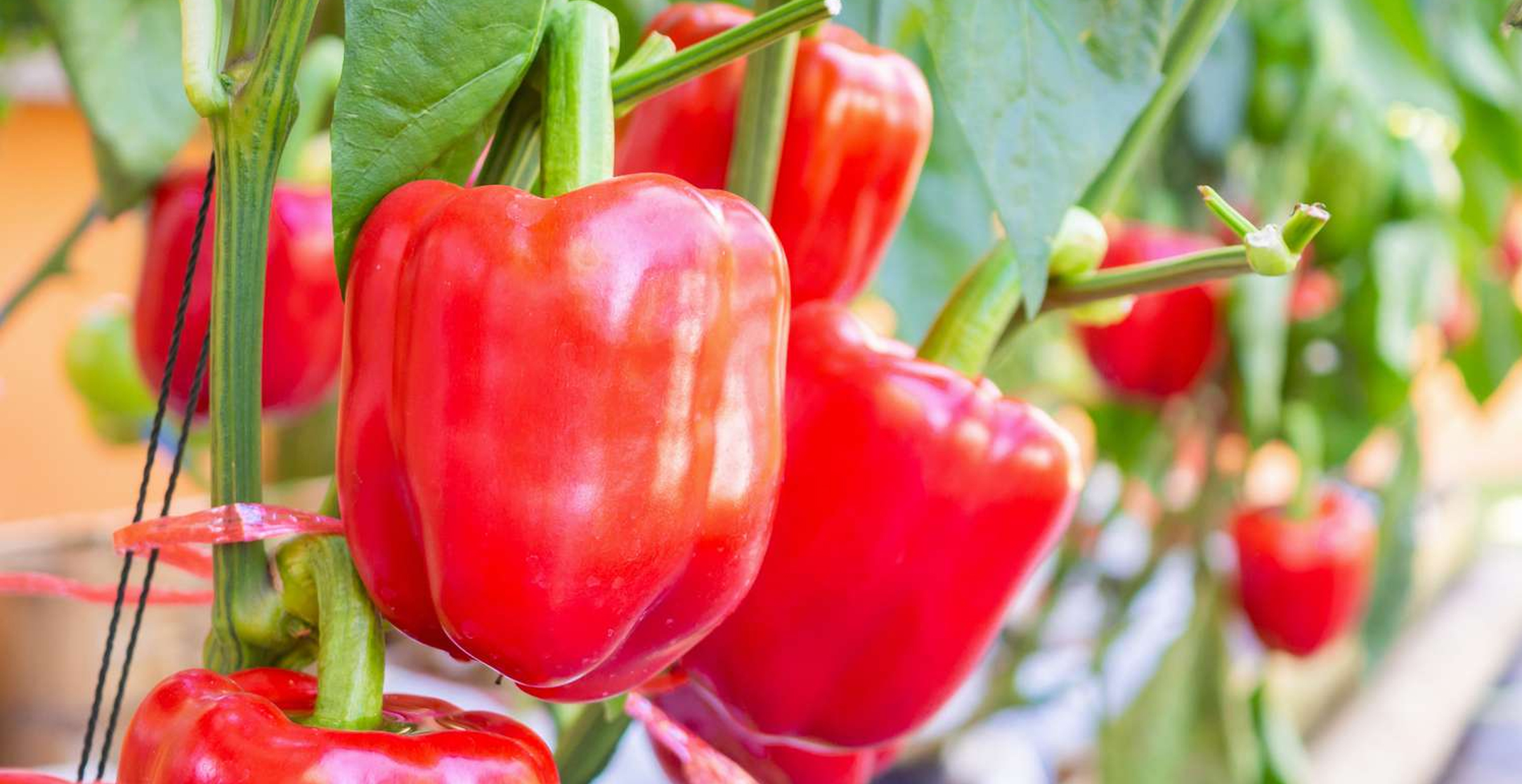
The Best Hydroponic Pepper Varieties
Choosing the best hydroponic pepper varieties depends heavily on your goals (sweet vs. hot, yield vs. unique flavor), system type, and space. The best hydroponic pepper varieties suitable for hydroponics for beginners are Bell Peppers, Jalapeños, Cayenne Peppers, and Mini Sweet Peppers. However, some varieties consistently outperform others in hydroponic environments due to traits like disease resistance, compact growth, productivity, and adaptability.
Here's a breakdown:
Key Advantages of Hydroponics for Peppers
-
Faster Growth & Earlier Harvest: Precise nutrient delivery accelerates growth.
-
Higher Yields: Optimized conditions maximize fruit production.
-
Better Control: Manage nutrients, pH, and water precisely, reducing issues like blossom end rot.
-
Space Efficiency: Especially with compact varieties or vertical systems.
-
Reduced Soil-Borne Diseases: Eliminates many common pathogens.
Top Hydroponic Pepper Varieties
1. Sweet Bell Peppers
- California Wonder (Green to Red): The classic, reliable bell pepper. Excellent flavor, thick walls, good yields. Adaptable and widely available.
- Yolo Wonder (Green to Red): Similar to California Wonder but often more compact and disease-resistant. Great for smaller spaces.
- Red Knight / Orange Sun / Golden Cal Wonder: Colorful hybrids known for exceptional yields in hydroponics, strong plants, large blocky fruit, and reliable performance.
- Ace (Green to Red): Compact plant, early maturing, produces well even in slightly less-than-ideal light (though high light is still best). Good for beginners or smaller systems.
- Cubanelle (Light Green to Red): Long, tapered, frying peppers. Sweet, thin-walled, very productive. Popular for cooking.
2. Specialty Sweet / Mild Peppers
- Banana Pepper (Yellow, sometimes hot varieties exist - check!): Long, tapered, mild (usually) to medium heat. Very prolific, great for pickling or fresh use.
- Shishito (Green to Red): Japanese variety. Mostly mild, but about 1 in 10 is surprisingly hot! Thin-walled, perfect for blistering in a pan. Highly productive.
- Padrón (Green): Similar concept to Shishito (Spanish origin). Small, mostly mild, with occasional hot ones. Excellent yields.
- Mini Sweet / Lunchbox Peppers (Mixed Colors): Compact plants producing tons of small, sweet, blocky peppers in yellow, orange, and red. Perfect for snacking, salads, and small systems.
3. Hot Peppers (Mild to Medium)
- Jalapeño (Green to Red): The classic. Reliable, good yields, versatile use (pickled, fresh, smoked). Look for productive hybrids like 'Jalapeno M' or 'Early Jalapeno'. Moderate Heat.
- Hungarian Wax / Hot Banana (Yellow to Red): Similar shape to banana peppers but reliably hotter (medium heat). Very productive and good for pickling. Medium Heat.
- Serrano (Green to Red): Slimmer, hotter cousin of Jalapeño. Excellent flavor, very productive. Medium to Hot.
- Cayenne (Red): Long, thin, very prolific peppers. Dries well for flakes/powder. Hot.
- Habanero (Orange, Red, etc.): Distinctive floral/fruity flavor behind intense heat. Surprisingly productive in hydroponics with good light and warmth. Very Hot. (Requires more warmth than some).
4. Compact / High-Yield Hybrids (Often Sweet or Mild)
- Red Ember / Orange Blaze / Yellow Fire: Specifically bred for container and hydroponic production. Compact plants (12-18"), extremely high yields of full-sized, flavorful bell peppers early and continuously. Excellent choice for space-limited hydro.
- Mohawk: Another compact bell pepper hybrid known for high hydro yields and good disease resistance.
Critical Factors for Hydroponic Success (Regardless of Variety)
-
Light: Peppers are high-light plants. They need at least 12-16 hours of intense light daily (600-1000+ PPFD). High-quality LED grow lights are ideal.
-
Nutrients: Use a complete hydroponic nutrient solution formulated for vegetables/blooming/fruiting. Calcium (Ca) and Magnesium (Mg) are especially crucial to prevent blossom end rot. Maintain a slightly acidic pH (5.5 - 6.5), drifting within that range.
-
Pollination: Indoor hydro systems lack wind/insects. Gently shake plants daily when flowers are open, or use a small electric toothbrush to vibrate flowers. Some small pollinators (like mason bees) can also work.
-
Support: Pepper plants, especially heavily fruiting ones, need support. Use trellis netting, stakes, or tomato cages to prevent branches from breaking.
-
Pruning: For indeterminate varieties (most peppers), pruning the first few flowers can encourage stronger initial growth. Removing suckers (like tomatoes) is less common but removing lower leaves for airflow and light penetration is beneficial. Prune strategically to manage size and direct energy.
-
Temperature: Peppers thrive with warm roots (68-75°F / 20-24°C) and warm air (75-85°F / 24-29°C days, not below 60°F / 15°C nights). Cool temperatures stunt growth and fruit set.
-
System Choice:
-
DWC/RDWC: Excellent for large, productive plants like bells. Provides great root oxygenation.
-
NFT: Works well for smaller, more compact varieties (Mini Sweets, Shishito, Padrón, Banana Peppers). Ensure channels are wide enough for root masses.
-
Ebb & Flow / Dutch Bucket: Very versatile, suitable for almost any pepper size. Allows for larger root zones.
-
Recommendation Summary
-
For Highest Yield & Classic Bells: 'Red Knight', 'Orange Sun', 'California Wonder', 'Yolo Wonder'.
-
For Compact Spaces/Highest Efficiency: 'Red Ember'/'Orange Blaze'/'Yellow Fire', 'Mini Sweets', 'Shishito', 'Padrón'.
-
For Reliable Mild/Medium Heat: 'Jalapeño', 'Hungarian Wax', 'Serrano', 'Cayenne'.
-
For Intense Heat & Flavor: 'Habanero' (ensure warmth!).
-
For Unique Flavors & Cooking: 'Cubanelle', 'Shishito', 'Padrón'.
Start with 1-2 varieties known for hydroponic success and experiment as you gain experience! Purchase seeds from reputable suppliers specializing in vegetables or hydroponics. Enjoy your bountiful hydroponic pepper harvest.
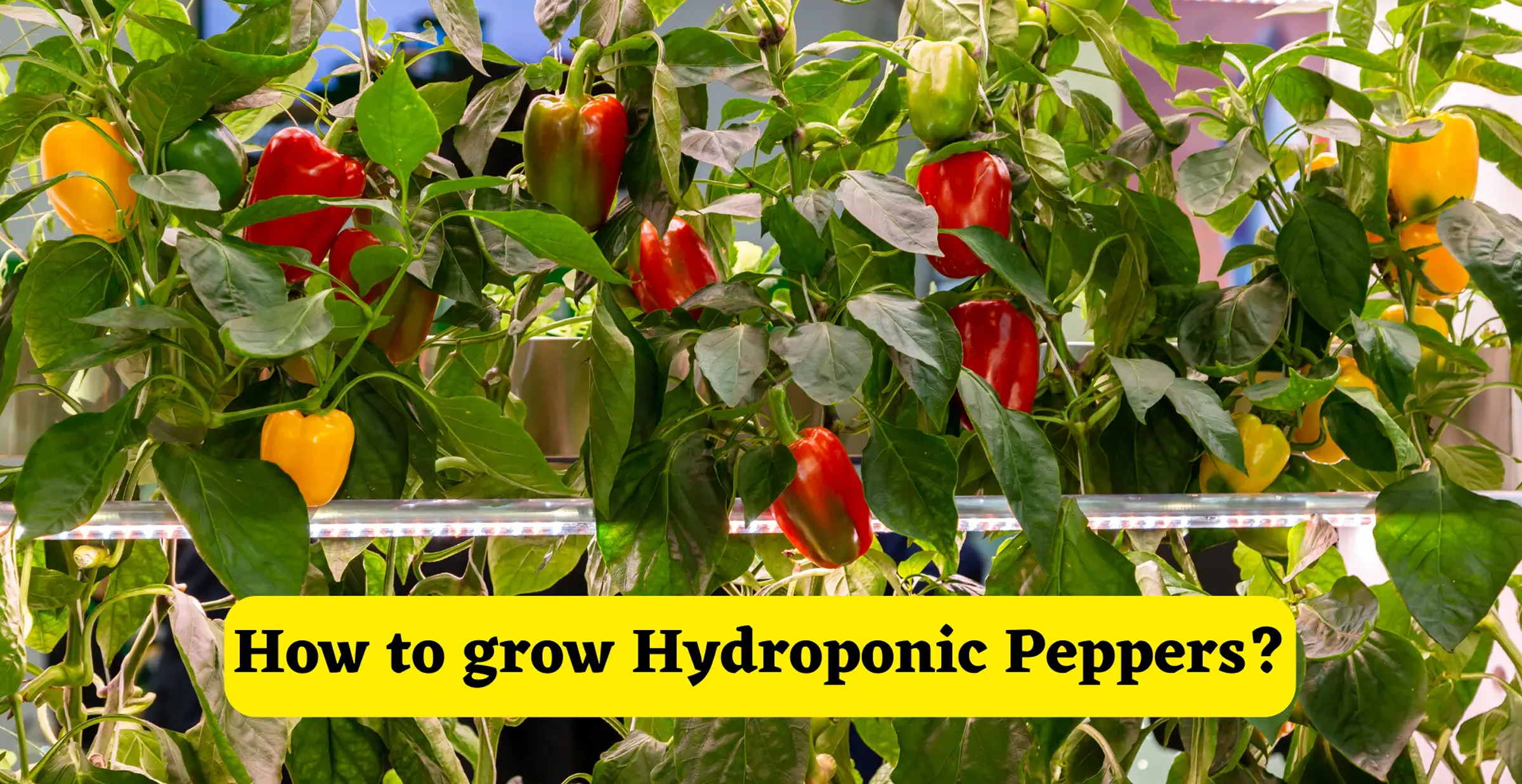
How to Plant Pepper Hydroponically
Growing peppers hydroponically is a rewarding way to enjoy fresh, flavorful peppers year-round, with potentially higher yields and faster growth than in soil.
Here's a step-by-step guide:
Key Advantages of Hydroponic Peppers
-
Faster growth and earlier harvests.
-
Higher yields in a smaller space.
-
Precise control over nutrients and pH.
-
Reduced risk of soil-borne pests and diseases.
-
Efficient water usage.
-
Year-round growing (indoors).
Hydroponic Pepper Plants Essential Steps
-
Choose Your Pepper Variety
-
Start Simple: For beginners, smaller varieties like Thai chilies, jalapeños, shishitos, or mini bell peppers are often easier to manage than large bell peppers. They mature faster and are less demanding on the system.
-
Consider Size: Remember pepper plants can get large (3-5+ feet tall) and need strong support. Factor this into your system design and space.
-
-
Select a Hydroponic System
-
Deep Water Culture (DWC): Excellent for beginners. Roots are suspended directly in oxygenated nutrient solution. Simple and effective, but requires good aeration (air pump & stone). Needs monitoring of water level and EC/pH.
-
Drip System: Versatile and scalable. Nutrient solution is dripped onto the base of each plant via emitters. Can use various media (coco coir, perlite, clay pebbles). Requires a pump, timer, reservoir, and tubing.
-
Ebb and Flow (Flood & Drain): Periodically floods the grow tray (holding plants in net pots with media) with nutrient solution, then drains it back to the reservoir. Needs a pump, timer, and reliable drainage.
-
Nutrient Film Technique (NFT): A thin film of nutrient solution constantly flows over the bare roots in a sloped channel. Efficient but less forgiving of pump failures or root clogs. Better suited for smaller, faster-growing plants than large peppers, but possible with careful management.
-
Kratky Method (Passive): Simplest setup (no pumps). Seedling starts with roots partially submerged; as roots grow and solution level drops naturally, an air gap forms. Best for smaller pepper varieties and single harvests; not ideal for large/long-term plants. Requires careful initial setup.
-
-
Gather Equipment & Supplies
-
System Components: Reservoir, grow tray/channel/net pots, pump(s), air stone & pump (for DWC/drip/ebb), tubing, timers (for drip/ebb).
-
Growing Medium: For net pots - Clay pebbles (LECA), Rockwool cubes (starter plugs), Coco coir, Perlite, or mixes. (Not needed for pure DWC/Kratky).
-
Hydroponic Nutrients: Crucial! Use a complete, high-quality 2 or 3-part hydroponic nutrient formula designed for vegetables or tomatoes/peppers. Avoid soil fertilizers. Look for balanced N-P-K plus micronutrients (Calcium, Magnesium are vital!). Follow the mixing instructions.
-
pH Control Kit: pH meter (digital recommended) and pH Up/Down solutions. Peppers thrive at pH 5.8 - 6.2.
-
EC/TDS Meter: Measures nutrient solution strength (Electrical Conductivity/Total Dissolved Solids). Essential for monitoring and adjustments.
-
Lighting: Critical for indoor growing! High-intensity grow lights (LEDs are most efficient): Aim for 600-1000+ µmol/m²/s PPFD at the canopy level for 12-16 hours per day. Full-spectrum or with strong red/blue components. Position lights close (12-24 inches) and adjust as plants grow.
-
Support Structures: Stakes, trellis netting, tomato cages – essential for supporting heavy pepper plants.
-
Seeds or Seedlings: Use disease-free seeds or hydroponically-started seedlings (avoid soil-started ones to prevent contamination).
-
Environment Control (Indoors): Thermometer/Hygrometer. Target Day: 70-85°F (21-29°C), Night: 60-70°F (15-21°C). Humidity: 40-70%. Good air circulation (oscillating fan) is vital to prevent disease and strengthen stems.
-
Water: Start with good quality water (filtered tap, RO, or distilled). Avoid very hard water.
-
-
Germination & Seedling Stage
-
Start seeds in Rockwool cubes, rapid rooter plugs, or small net pots with a starter medium like coco coir/perlite.
-
Keep warm (75-85°F / 24-29°C) and humid (use a dome). Provide gentle light (seedling LED or fluorescent).
-
Keep the medium moist but not saturated. Use a very dilute nutrient solution (1/4 strength) or just pH-adjusted water initially.
-
Once true leaves appear, gradually introduce full-strength seedling nutrients (EC ~1.0-1.4 mS/cm).
-
-
Transplanting to the Hydroponic System
-
Transplant seedlings into net pots within your main system once they have several true leaves and a healthy root system emerging from the starter plug/pot.
-
Handle roots gently!
-
Surround the starter plug with your chosen inert medium (clay pebbles work well).
-
Ensure roots make contact with the nutrient solution (or the drip/flow in other systems). In DWC, the water level should initially touch the net pot base; roots will grow down. Lower the level slightly as roots develop to maintain an air gap.
-
-
Vegetative Growth Stage
-
Nutrients: Use a nutrient formula higher in Nitrogen (N) to promote leaf and stem growth. Target EC: 1.8 - 2.5 mS/cm. (Always follow your specific nutrient brand's recommendations.)
-
pH: Maintain 5.8 - 6.2. Check and adjust daily or every other day.
-
Light: Provide intense light (600+ PPFD) for 14-16 hours/day.
-
Environment: Maintain optimal temperatures and humidity. Ensure strong air circulation.
-
Training/Pruning: Pinch off early flower buds while the plant is still small (<12-18 inches) to encourage bushier vegetative growth. You may prune lower leaves/suckers for airflow if needed. Begin training/supporting stems early.
-
-
Flowering & Fruiting Stage
-
Nutrient Shift: As flowers appear, switch to a bloom/fruiting formula higher in Phosphorus (P) and Potassium (K). Target EC: 2.2 - 3.0+ mS/cm (peppers are heavy feeders during fruiting). Ensure adequate Calcium and Magnesium! Monitor plants closely for deficiencies.
-
pH: Continue maintaining 5.8 - 6.2.
-
Light: Maintain intensity, but you can reduce photoperiod slightly to 12-14 hours/day if desired, though 14-16 is still fine.
-
Pollination: Peppers self-pollinate. Gently shake the main stem daily when flowers are open, or use a small, soft brush to transfer pollen between flowers. An oscillating fan often provides enough vibration.
-
Support: Actively tie stems to stakes/cages as fruits develop and get heavy.
-
Pruning: Remove excessive foliage blocking light from developing fruits. Pinch off small, late-forming flowers if the plant is already carrying many peppers to allow existing ones to mature larger.
-
-
Maintenance & Monitoring
-
Check EC & pH Daily: Adjust as needed. Top off the reservoir with pH-adjusted water as levels drop.
-
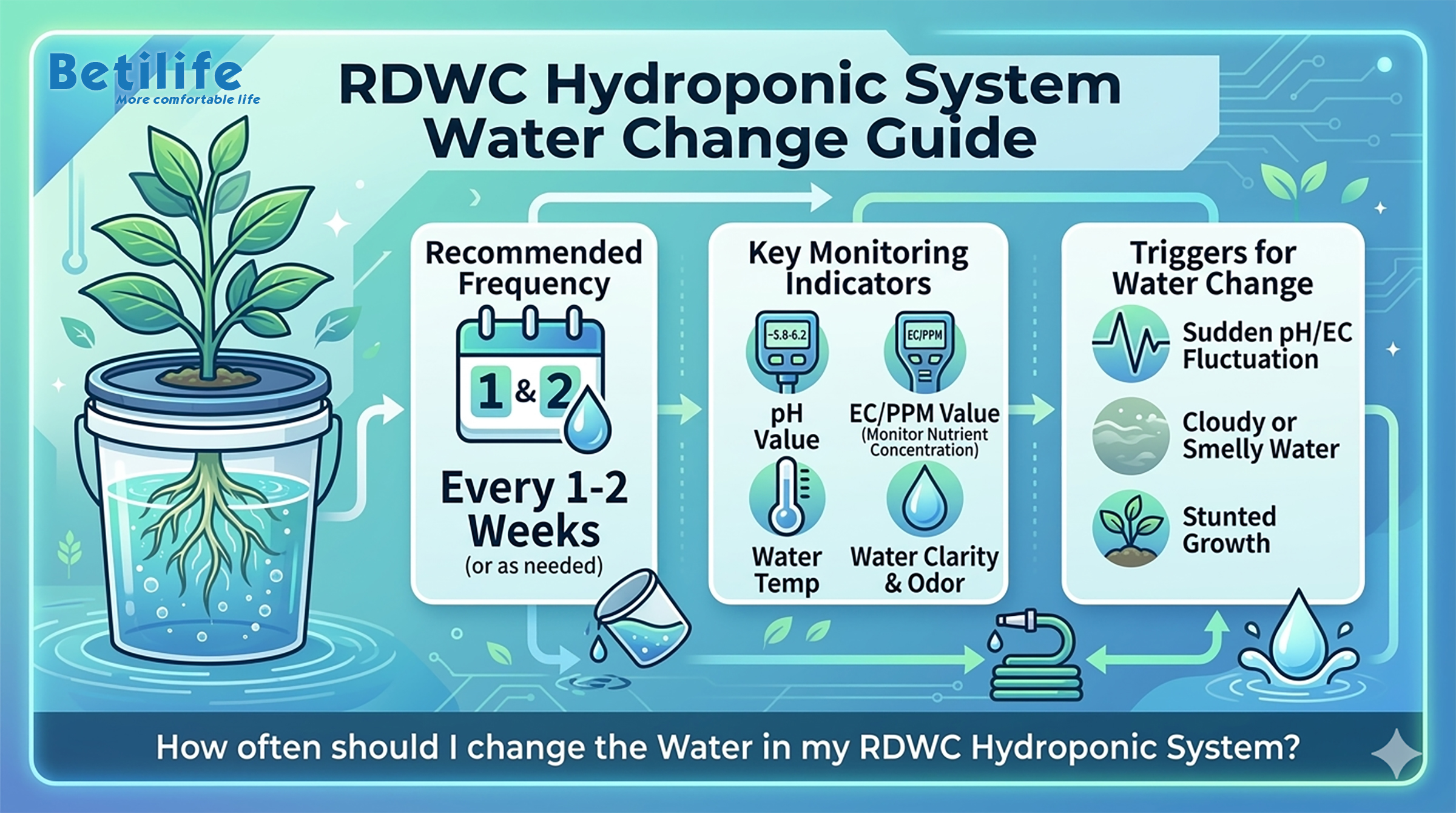
Change Reservoir: Completely replace the nutrient solution every 1-2 weeks to prevent salt buildup and nutrient imbalances. Flush the system with pH-adjusted water occasionally (especially if EC climbs too high).
-
Top Off Water: Use pH-adjusted water between full reservoir changes.
-
Inspect Plants: Daily for pests (aphids, spider mites, whiteflies - treat immediately with insecticidal soap or neem oil if growing organically) and signs of nutrient deficiencies (yellowing leaves, spotting - correct EC/pH/nutrient mix).
-
Cleanliness: Keep the reservoir dark to prevent algae. Clean equipment between cycles.
-
-
Harvesting
-
Harvest peppers when they reach the desired size and color (most start green and ripen to red, yellow, orange, etc.). Use clean scissors/pruners.
-
Regular harvesting encourages more fruit production.
-
Tips for Success
-
Start Small: Begin with one or two plants to learn the system.
-
Temperature is Key: Peppers LOVE warmth. Cool temperatures slow growth significantly.
-
Don't Overcrowd: Give plants ample space (at least 2 sq ft per large plant) for light and air penetration.
-
Consistency: Regular monitoring and maintenance (pH, EC, water level) are critical.
-
Oxygen: Ensure excellent root zone oxygenation (especially in DWC). A strong air pump is non-negotiable.
-
Patience: Peppers take time to mature and fruit, especially larger varieties. It might be 2-3 months from transplant to first harvest.
By carefully managing the environment, nutrients, and light, you can achieve fantastic hydroponic pepper harvests. Good luck!
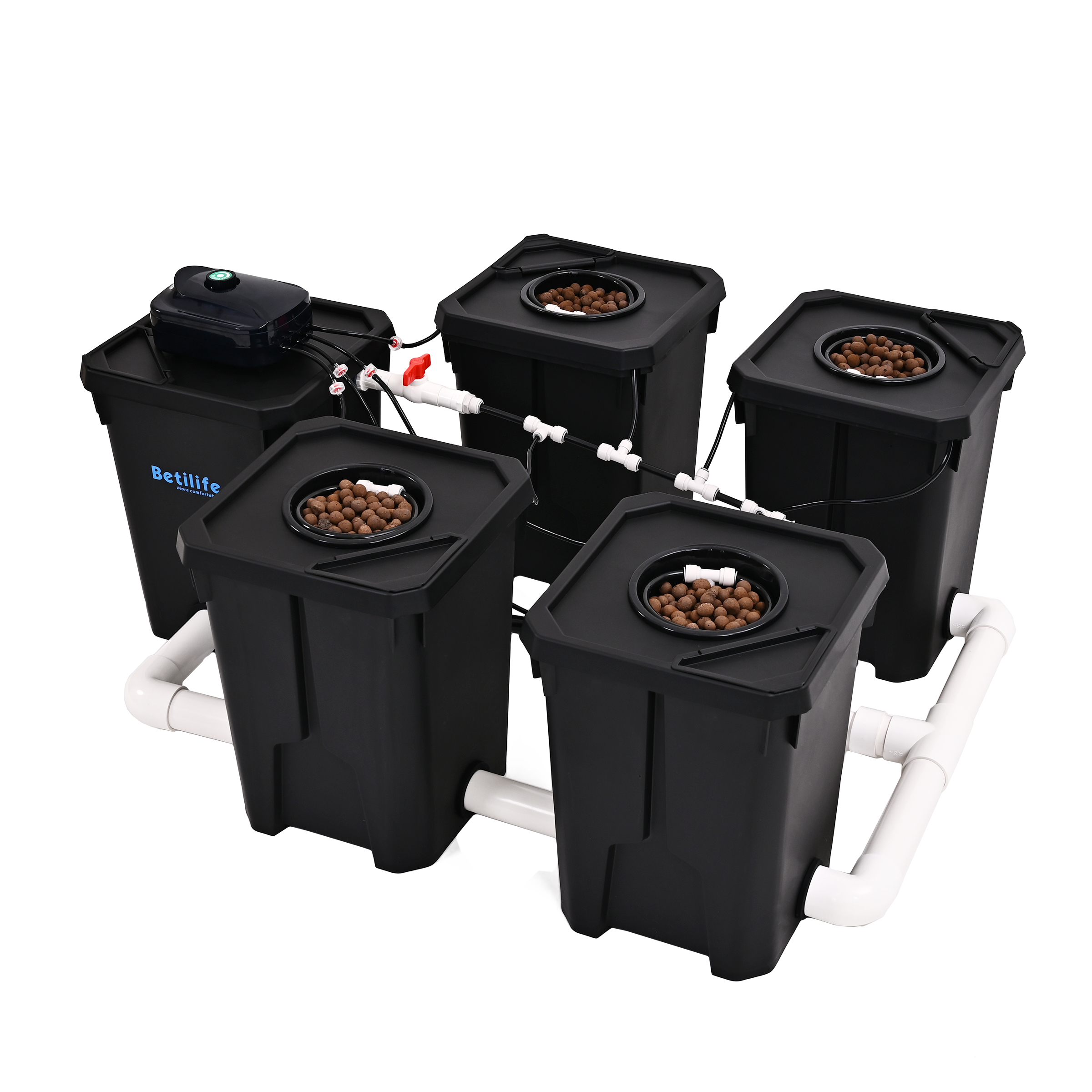
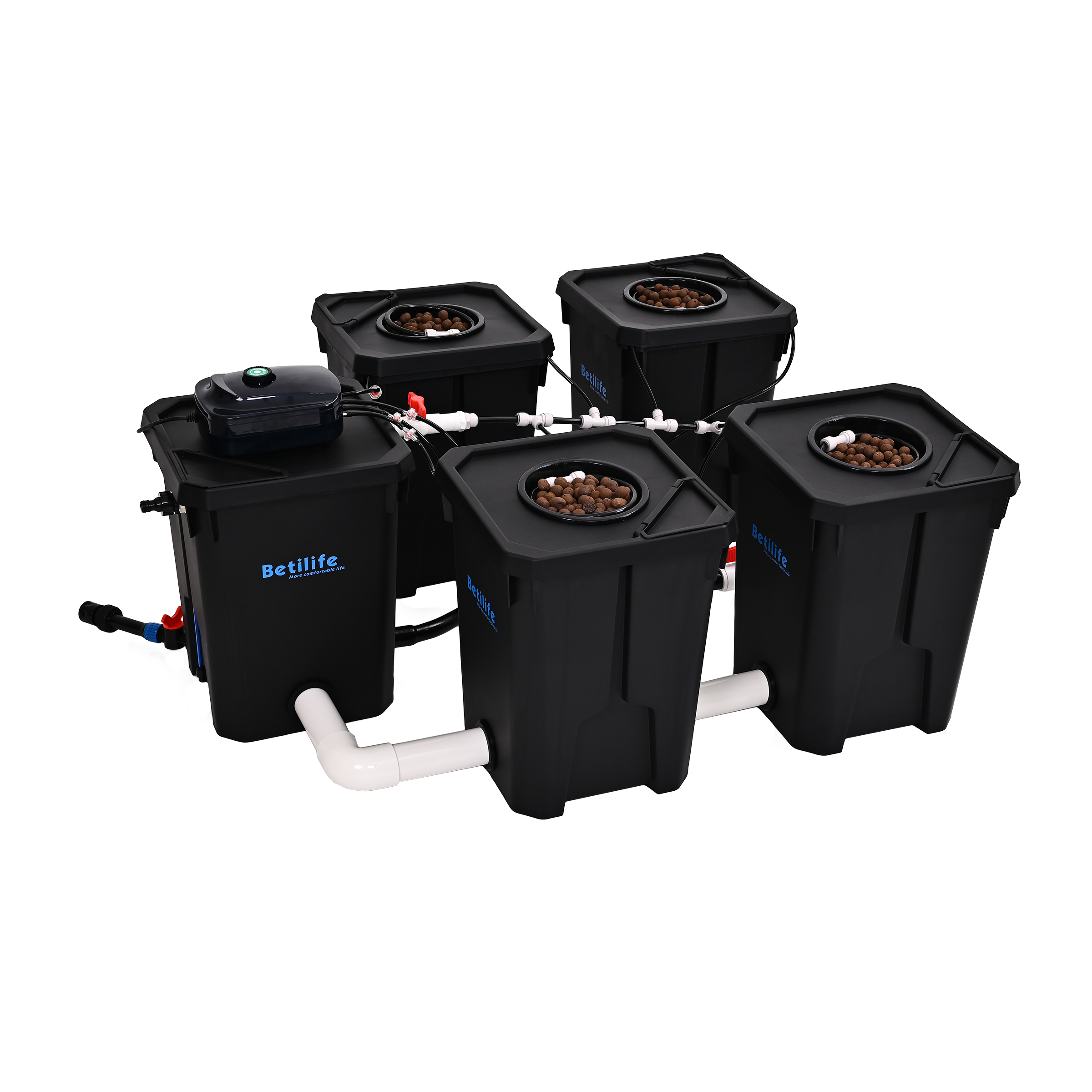
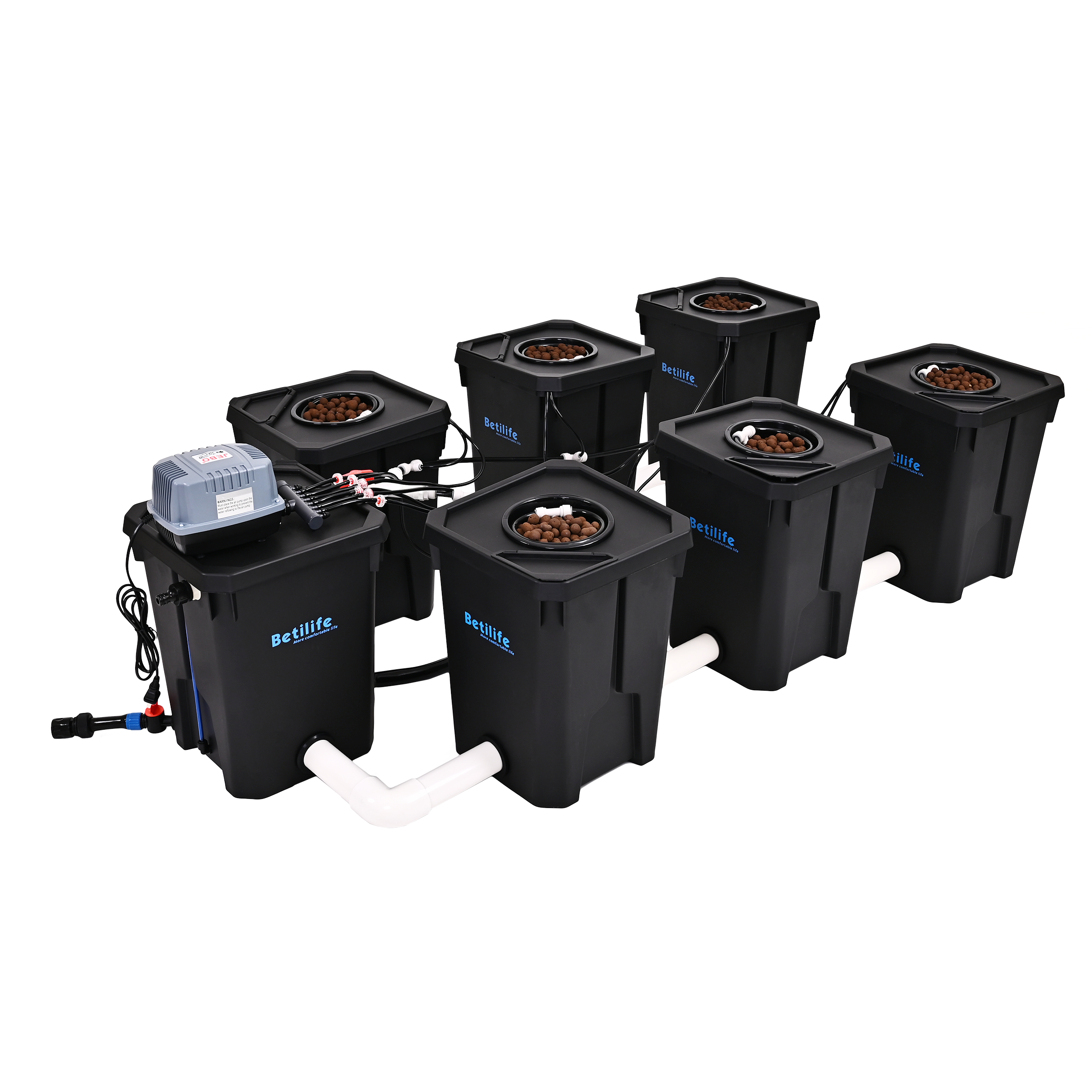
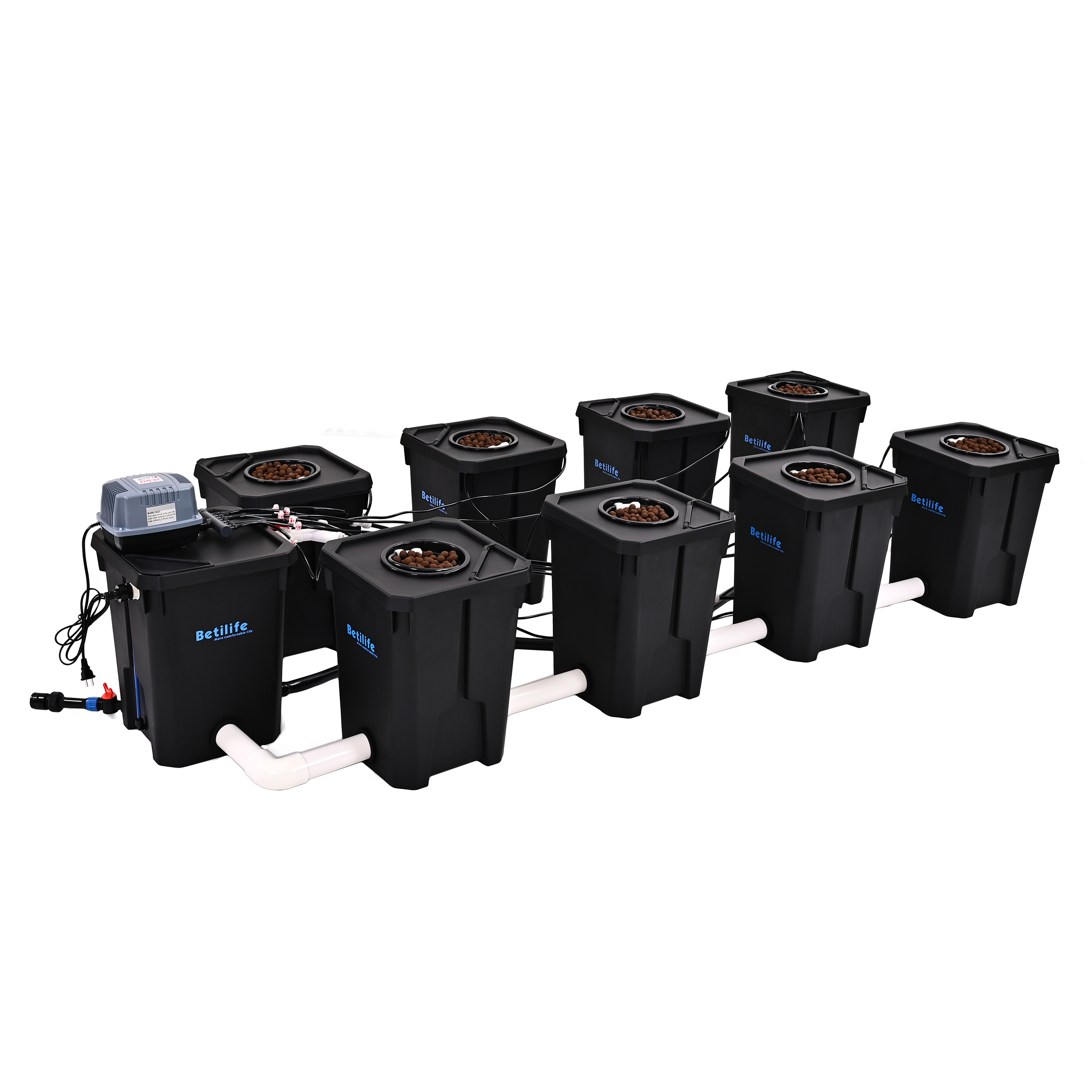
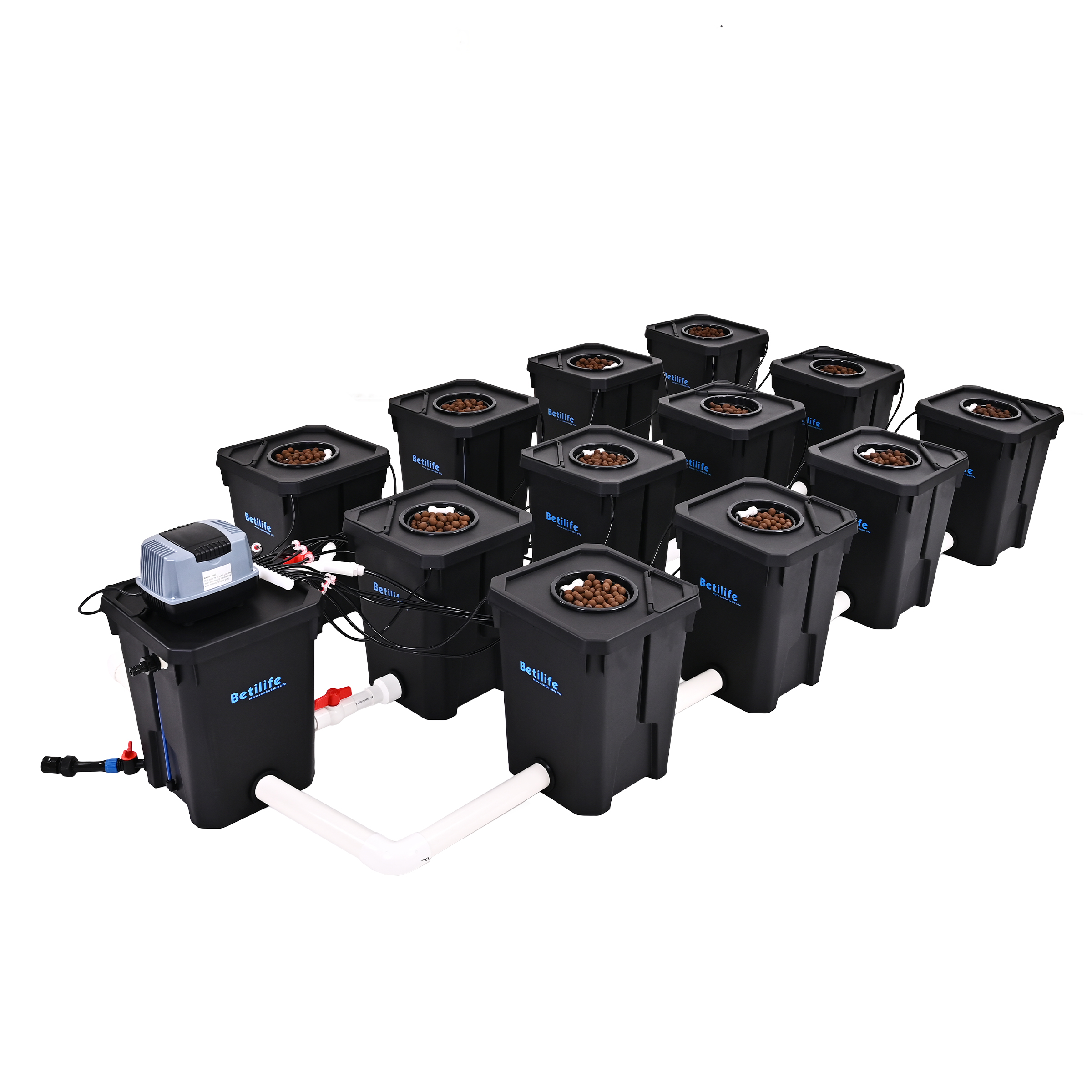
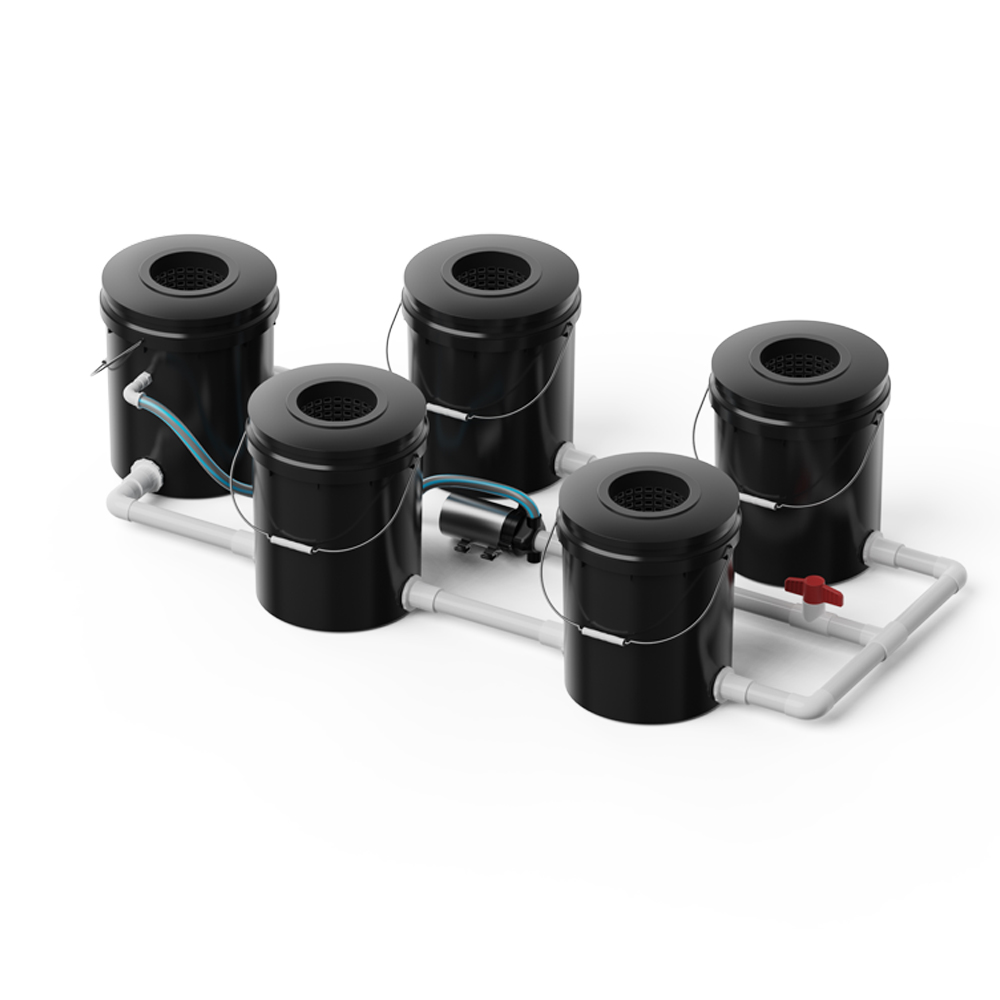
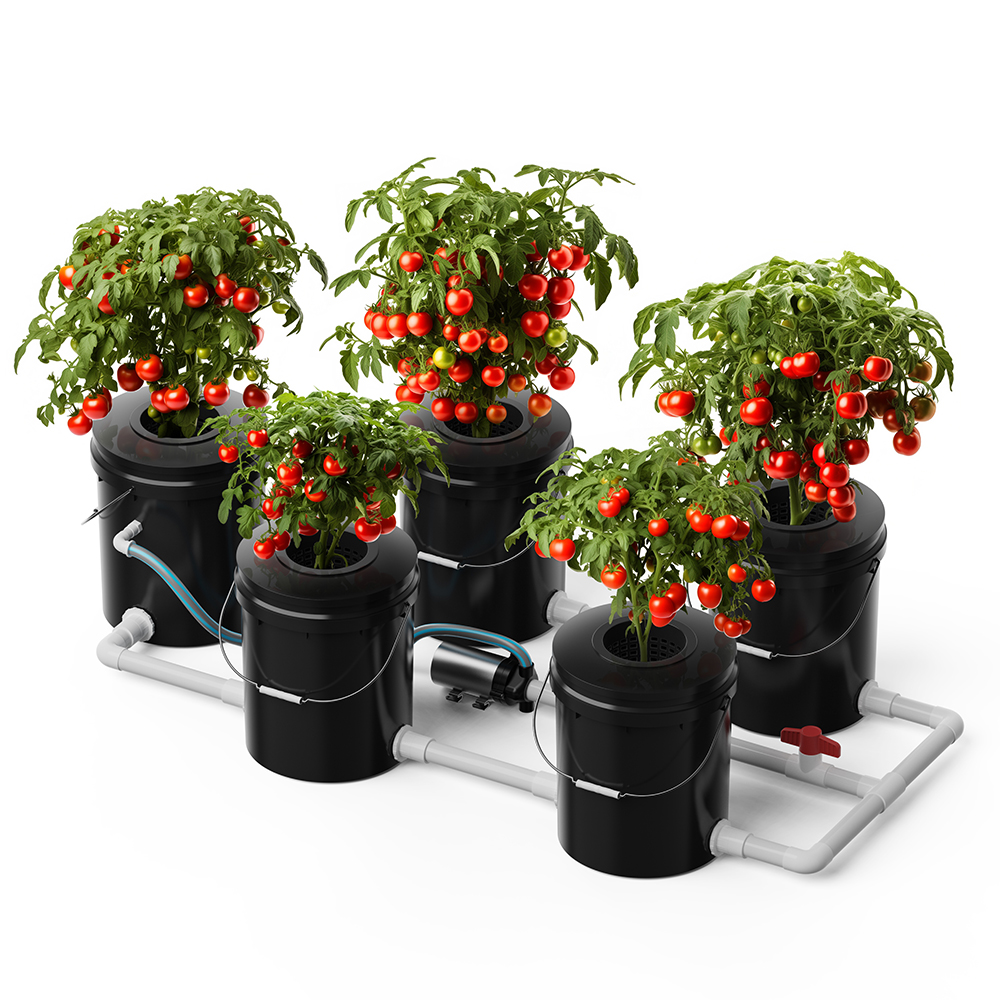
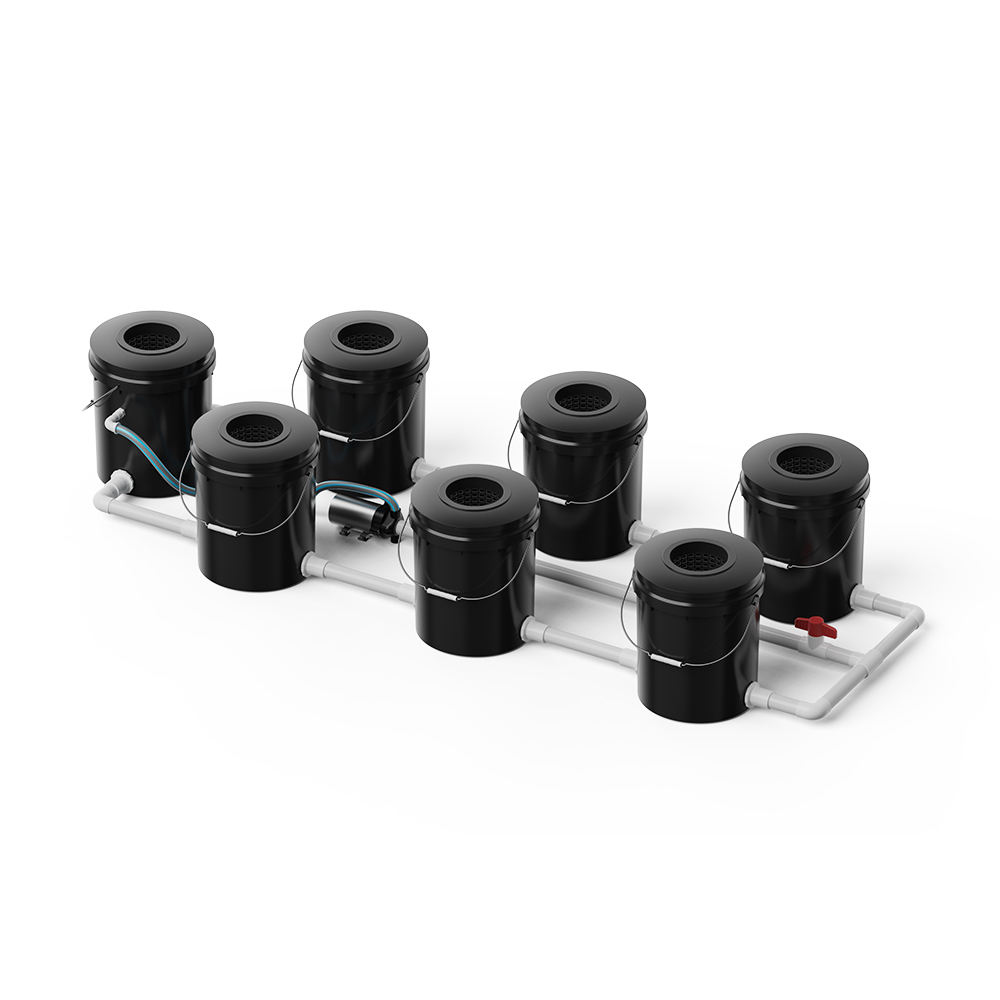
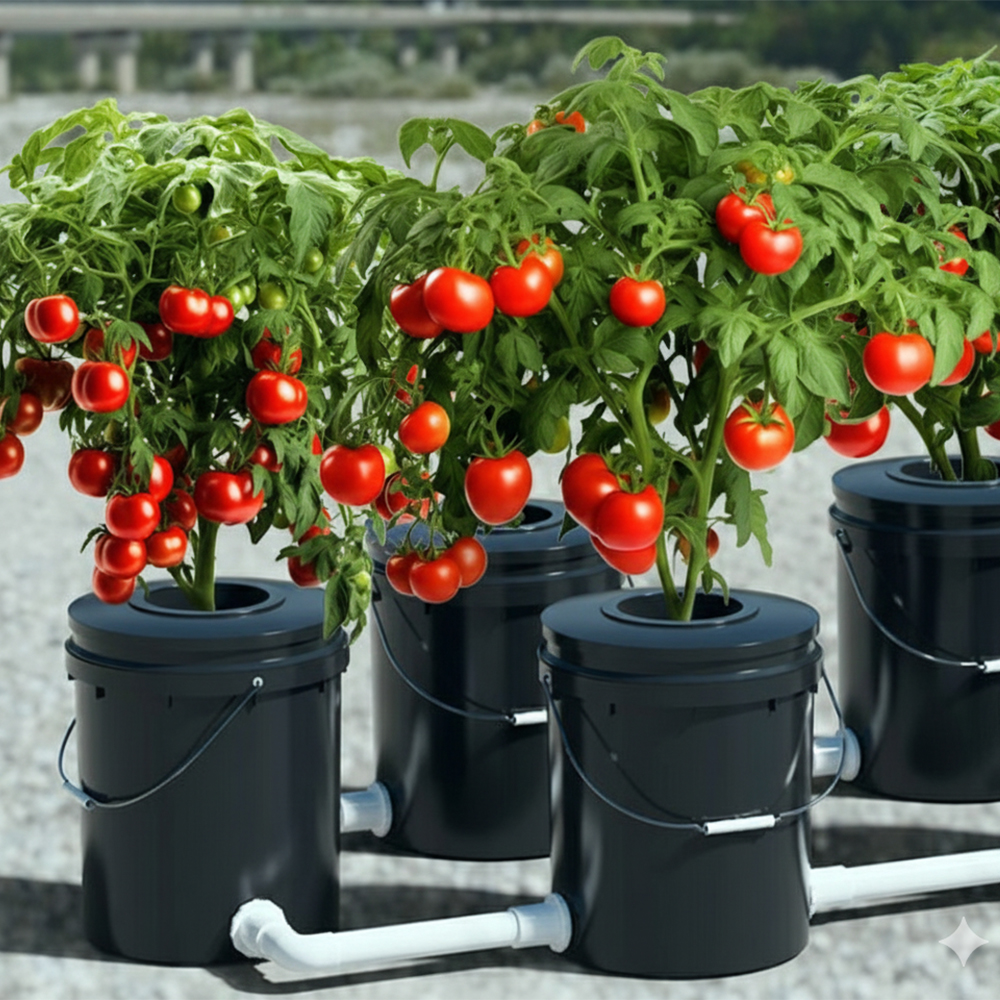
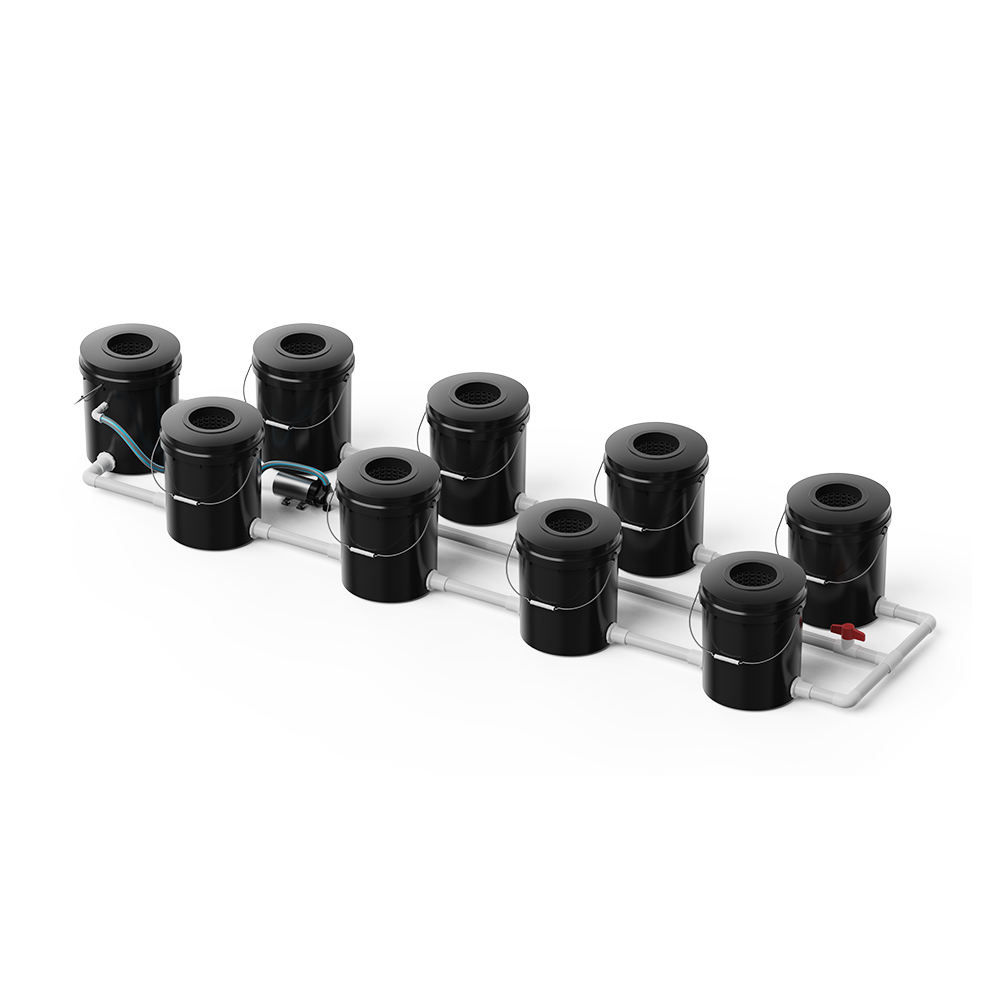
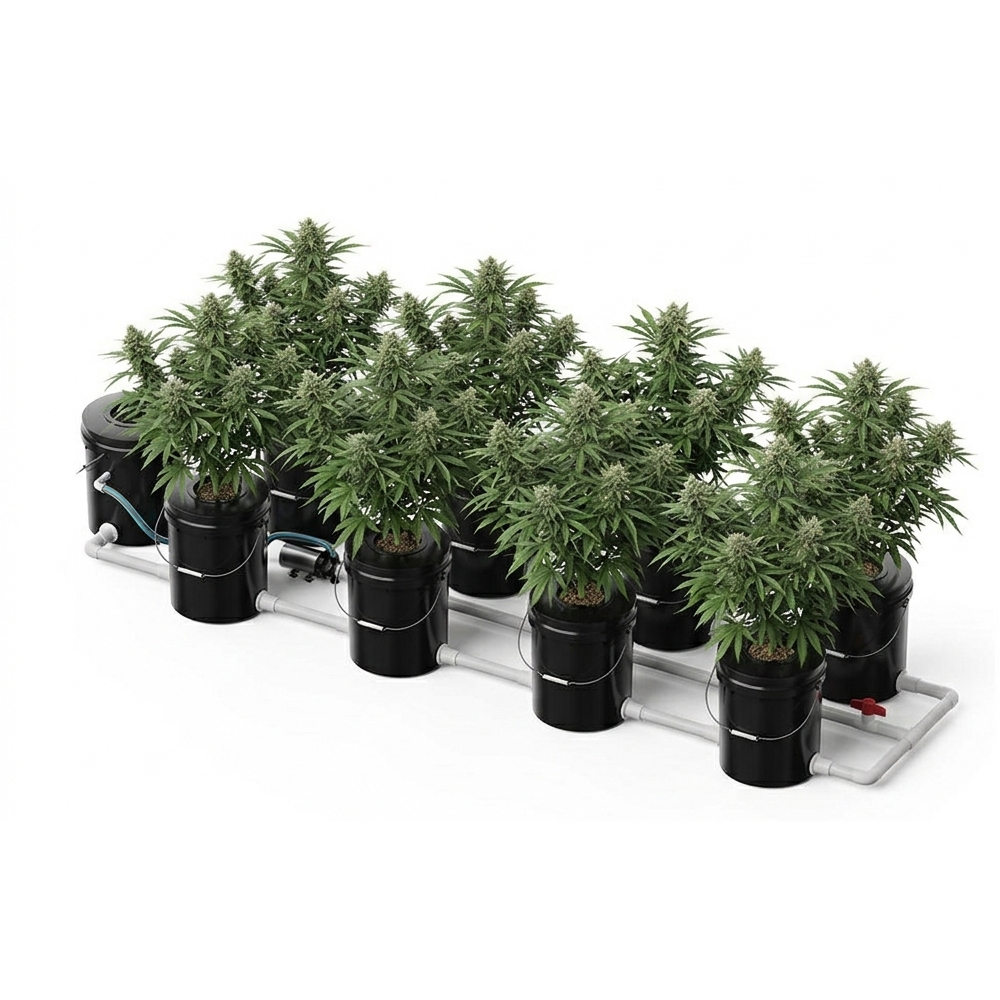
BetiLife™ Hydroponic Pepper Systems offer a variety of hydroponics techniques, including Deep Water Culture (DWC), Nutrient Film Technique (NFT), and Aeroponics, each with its own set of advantages, ranging from beginner-friendly to easy-to-use. Pepper hydroponics system automation controls lighting and water circulation, making it easy to grow peppers without the need for daily care.
If you need to grow vegetable hydroponically indoors or outdoors at home, you can choose BetiLife™ Hydroponics Growing System:
Related FAQs
How Long does it Take to Grow Hydroponic Peppers?
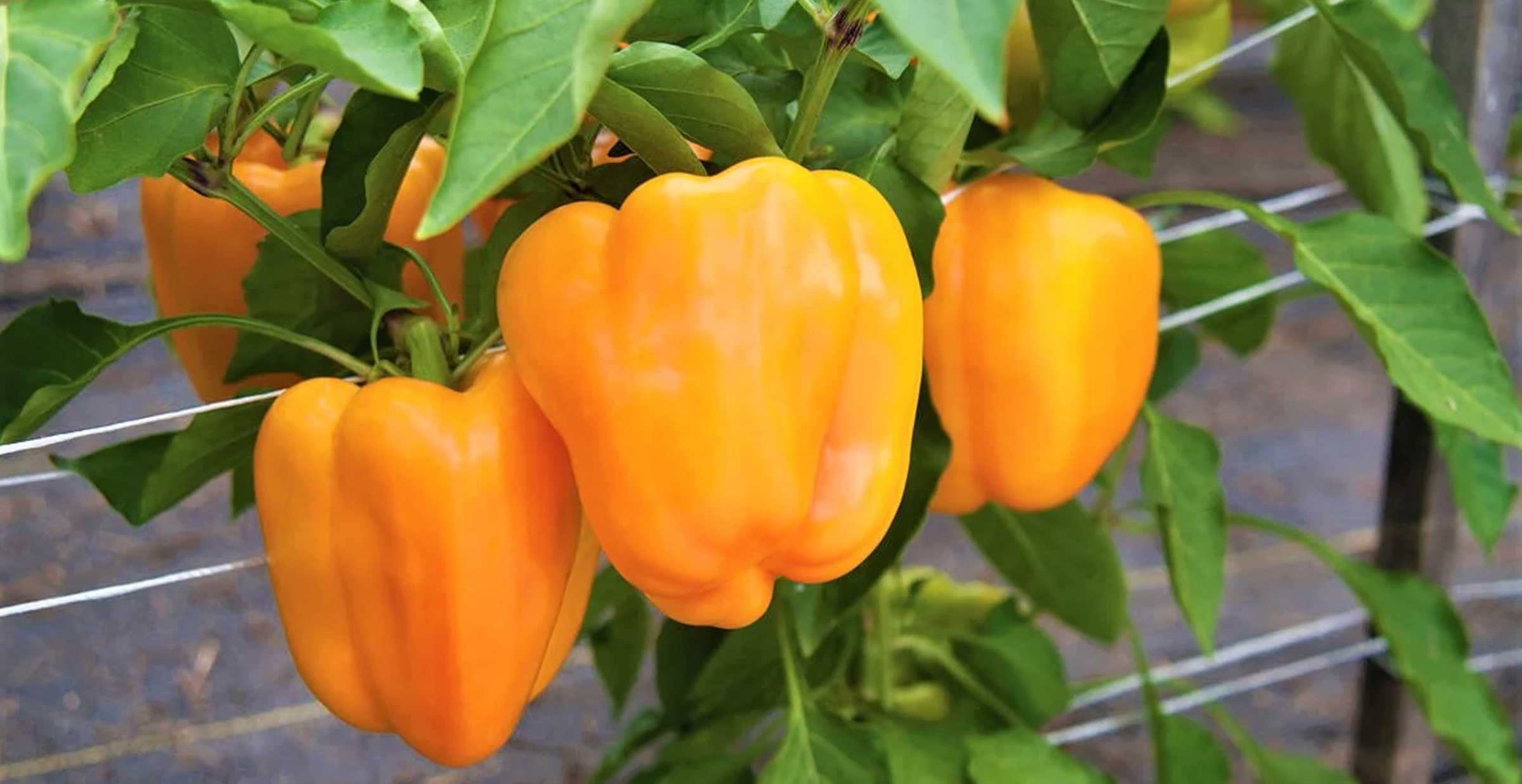
The maturity time for sweet peppers depends on the variety, typically starting from 60 to 90 days after planting. Mature sweet peppers are brightly colored, fully developed in size, with smooth and taut skin.
How Much does a Hydroponic Bell Pepper Plant Yield?
The average hydroponic Bell pepper yield per plant can be significantly higher than a soil-grown pepper plant. A hydroponic bell pepper plant can produce a yield of about 30 to 40 kg of peppers per plant. While the average Bell pepper plant grown in soil will only yield around 2 to 4 kg.
Why are My Pepper Leaves Curling up in My Hydroponics?
Underwatering and overwatering are the leading causes of pepper leaf curl, so always assess your watering schedule first. Underwatered pepper plants usually look droopy, and their leaves may turn brown and crispy.