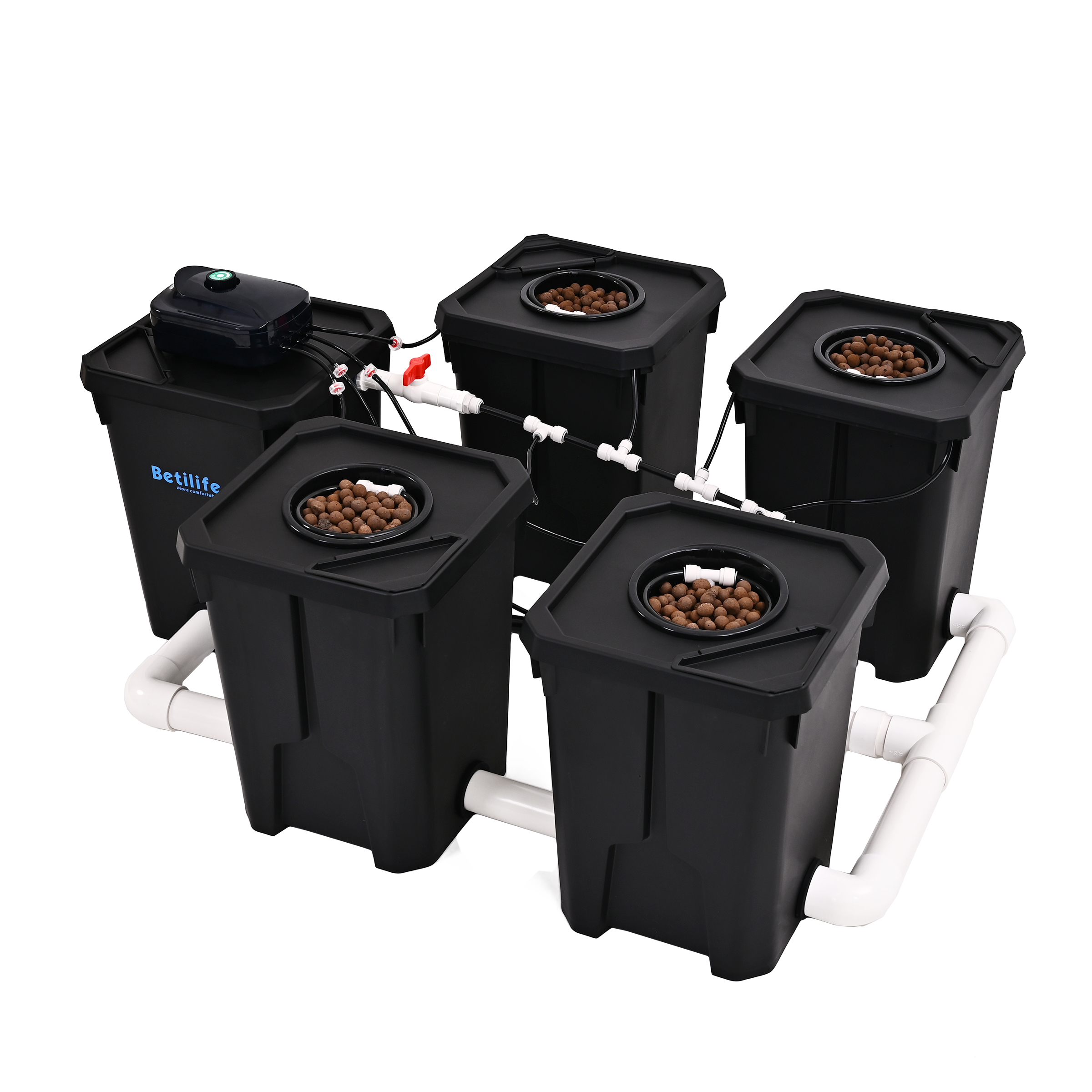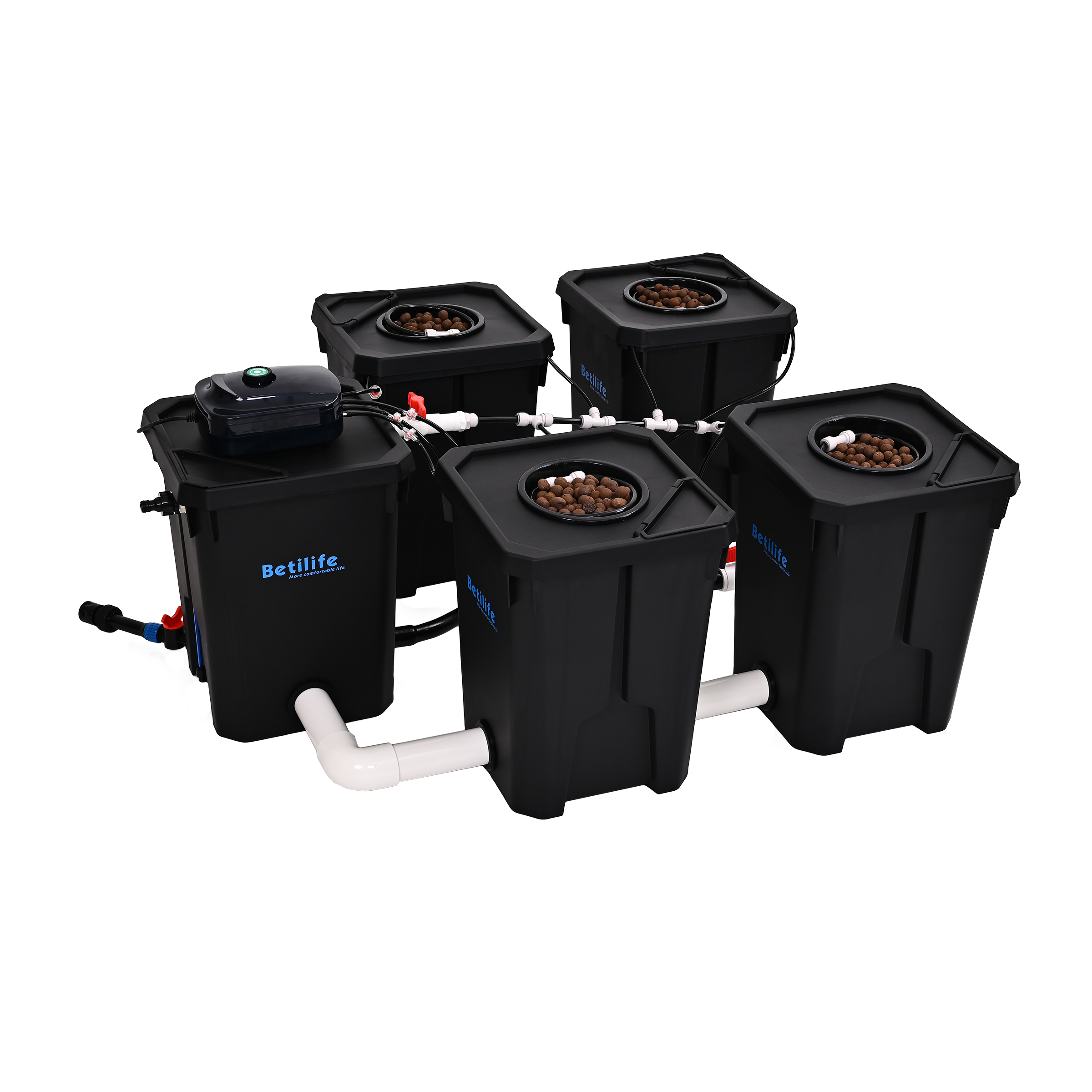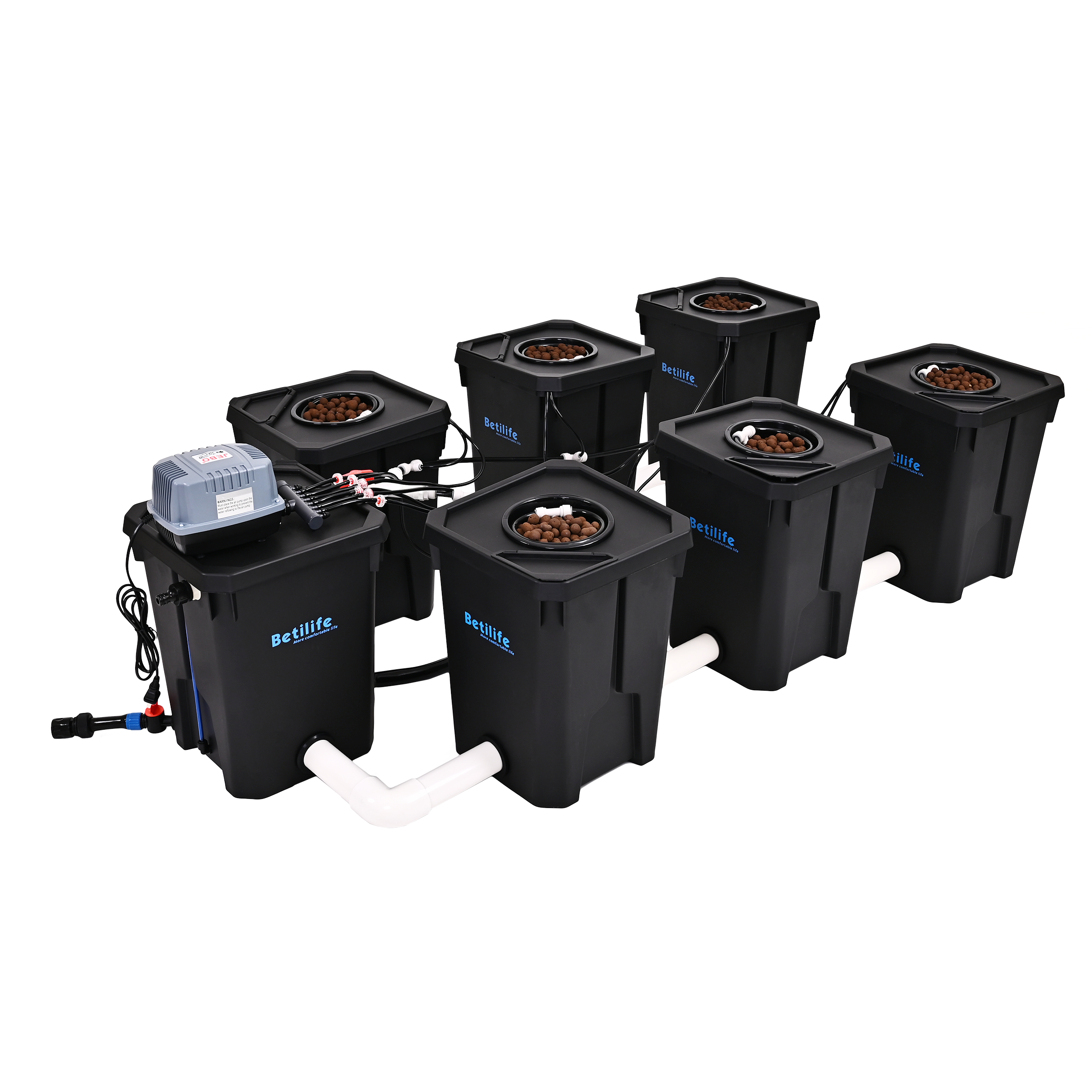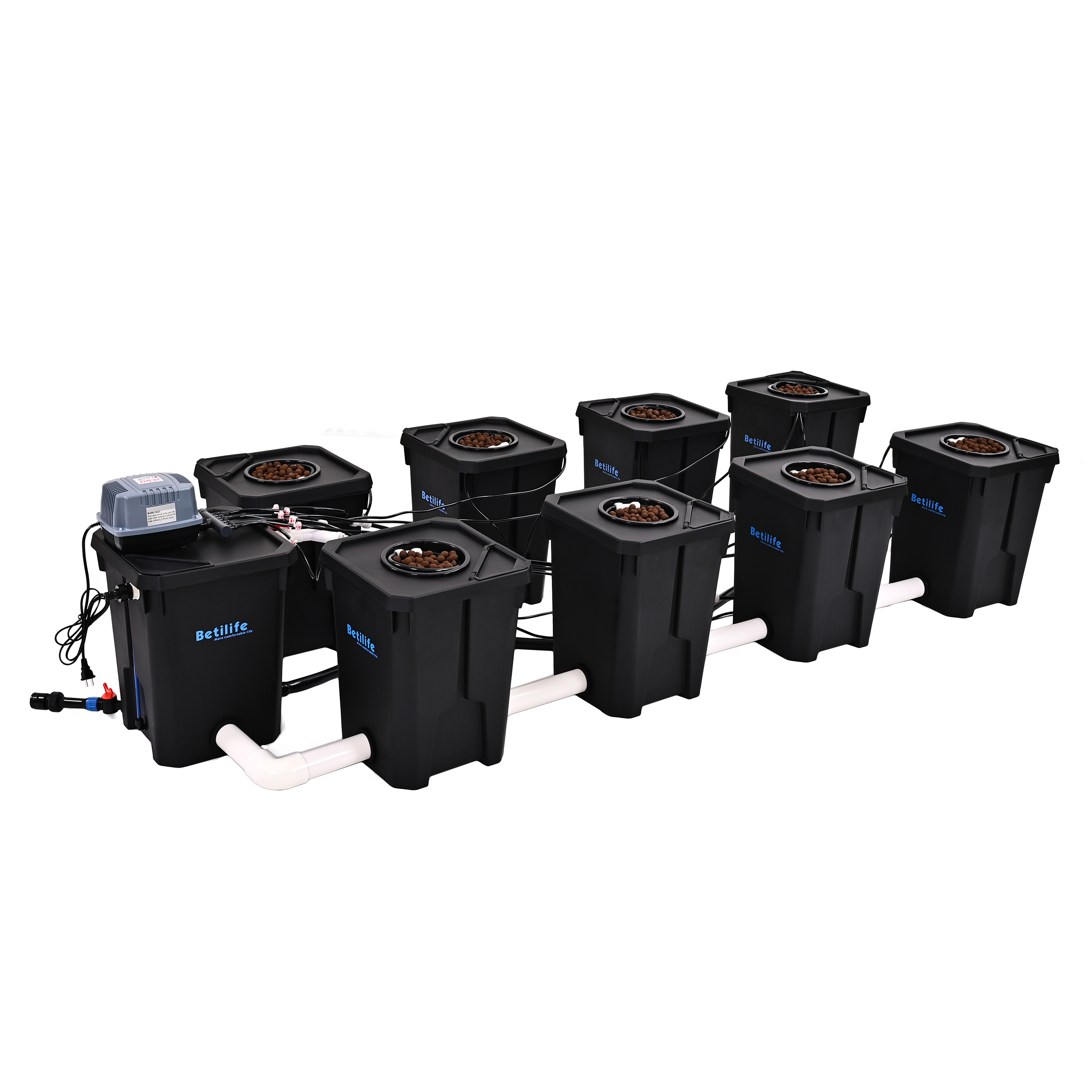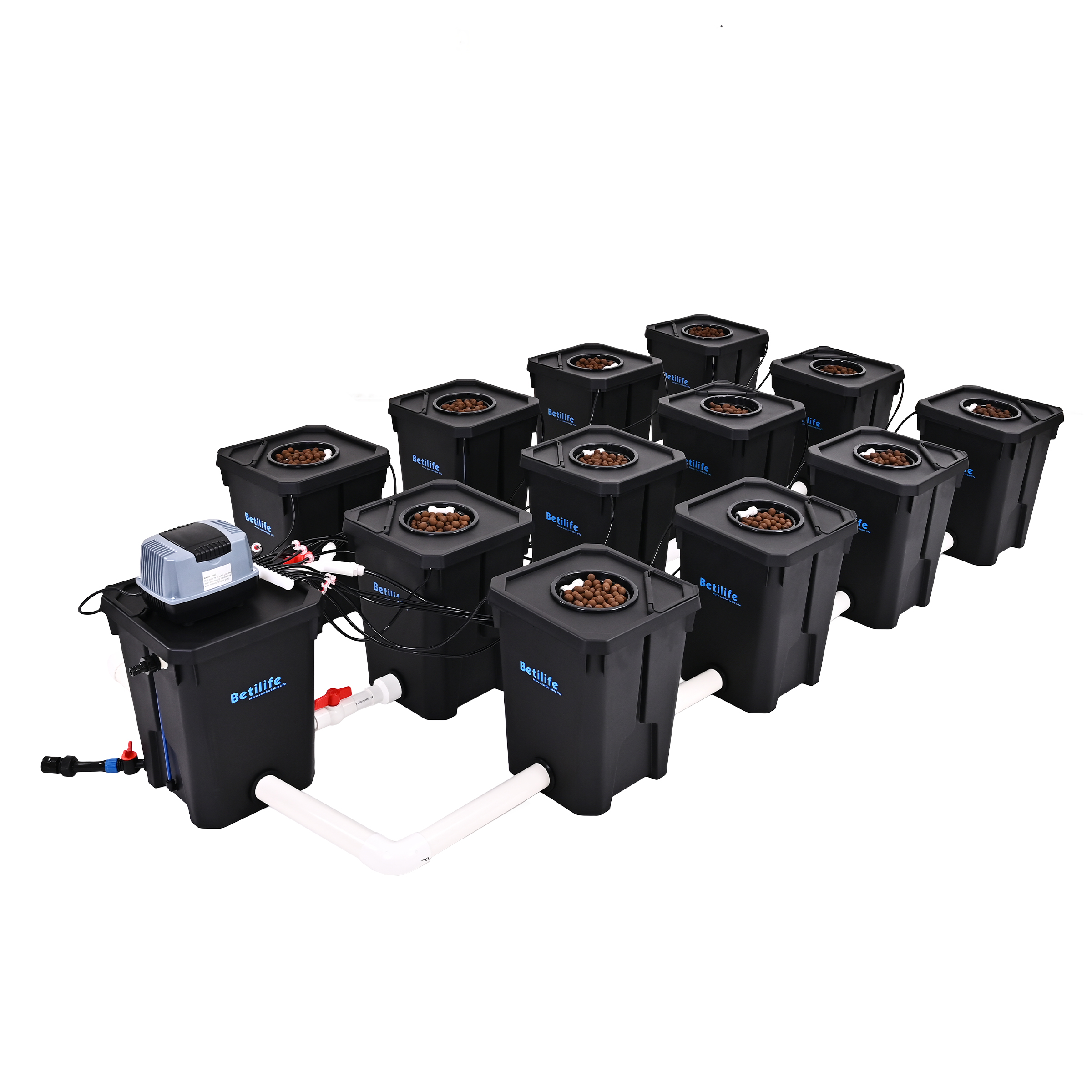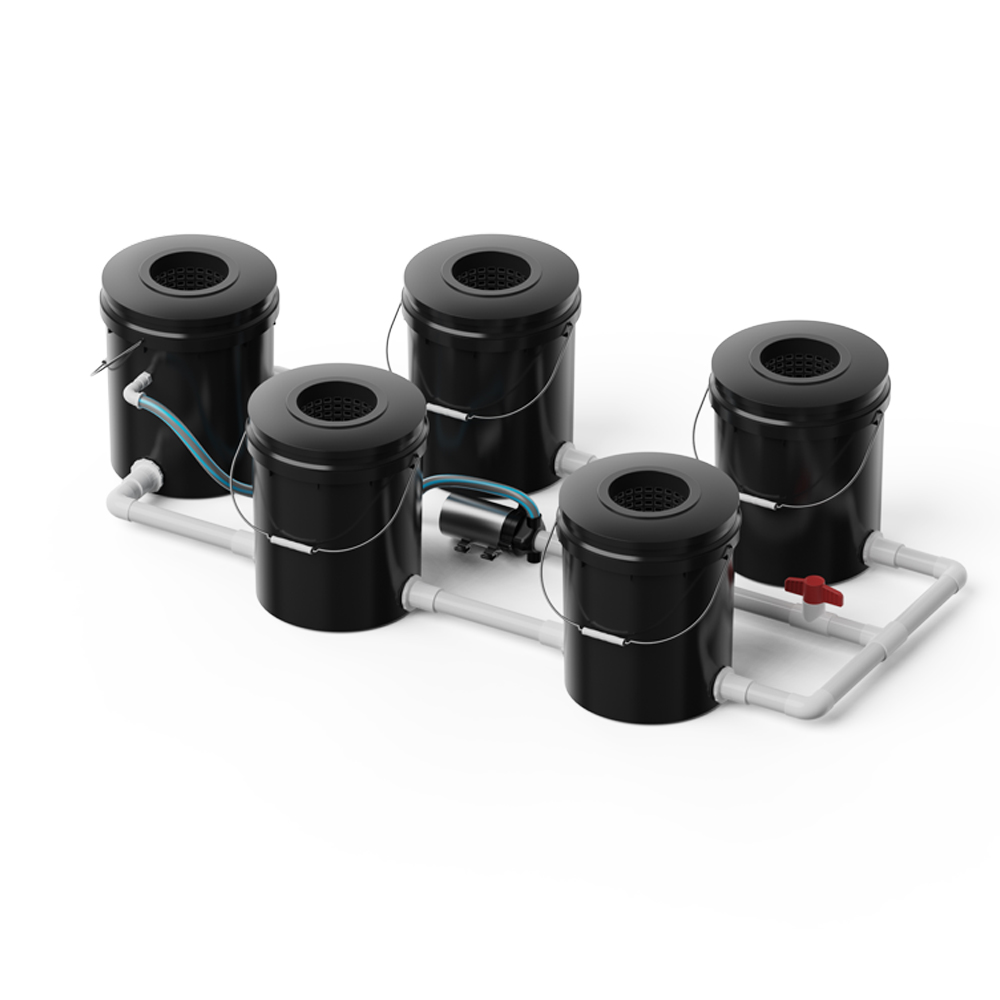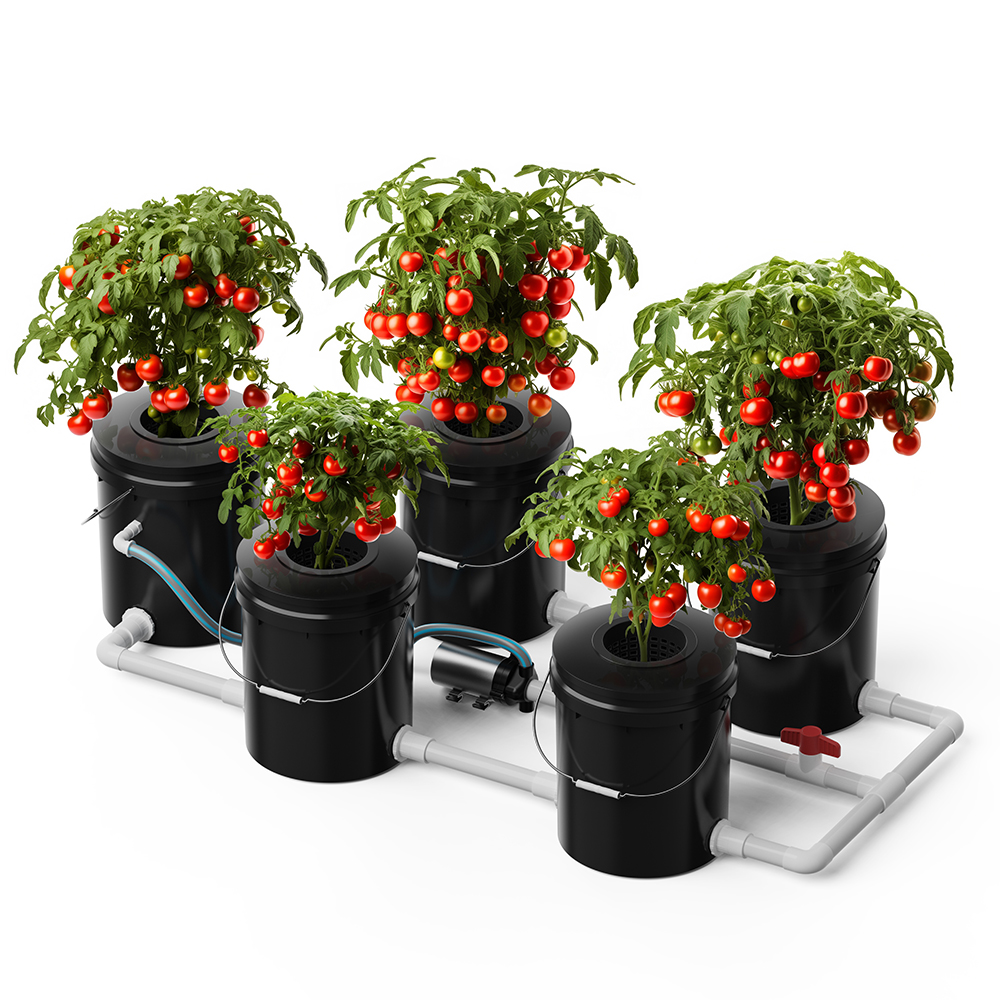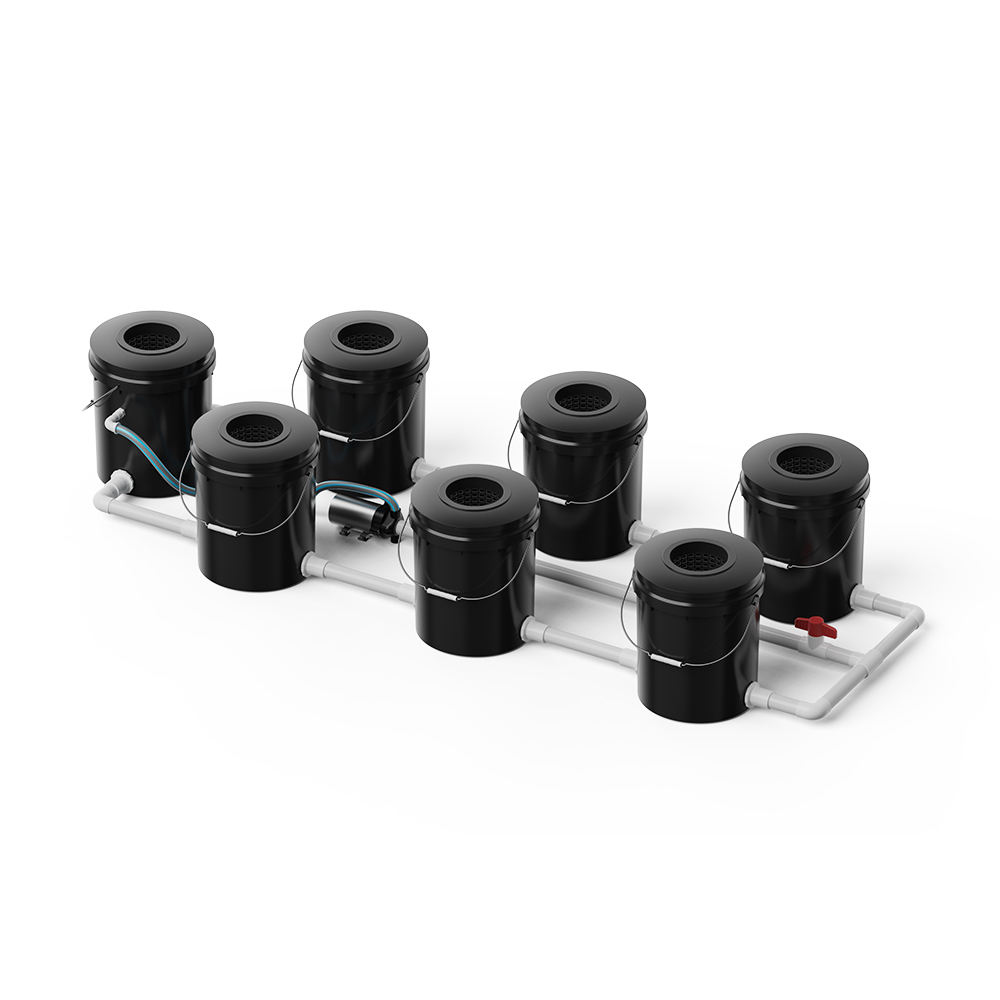
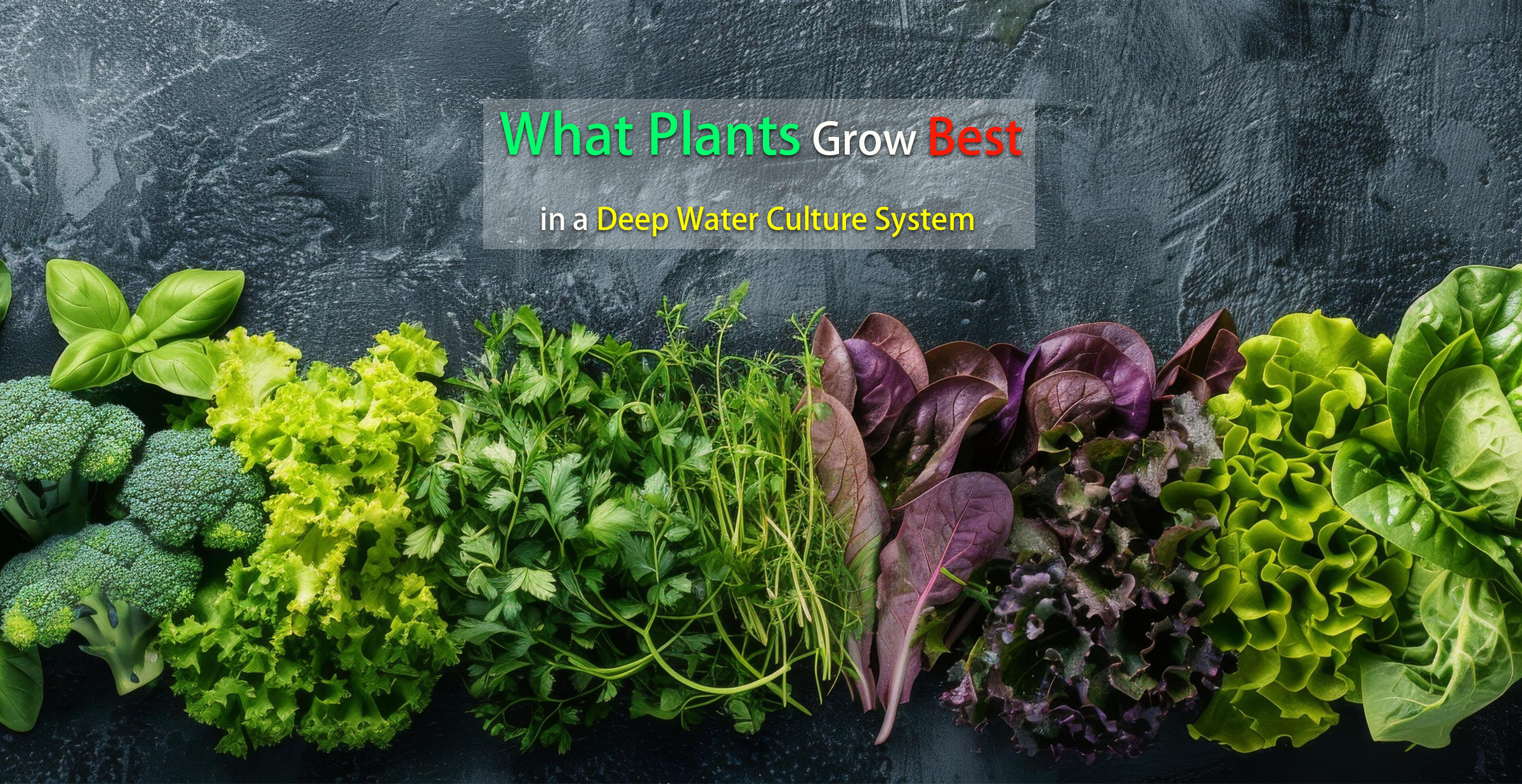
Many friends ask if I use a deep water culture hydroponic system, and what plants grow best in this system (best plants for deep water culture)? Plants most suitable for deep water cultivation are typically leafy greens and herbs, such as lettuce, kale, spinach, swiss chard, mint, cilantro, and basil.
What Plants Grow Best in a Deep Water Culture System?
Of course! This is an excellent question for anyone getting into hydroponics. Deep Water Culture (DWC) is a fantastic and relatively simple system where plant roots are suspended in a highly oxygenated nutrient solution.
The short answer is: Leafy greens and herbs are the undisputed champions of DWC, but many fruiting plants can also thrive with a little more attention.
Here’s a detailed breakdown of the best plants for DWC, categorized for clarity.
The Gold Standard: Best Plants for Deep Water Culture
These plants have relatively low oxygen demands, grow quickly in water, and are perfectly suited for the constant moisture of a DWC system.
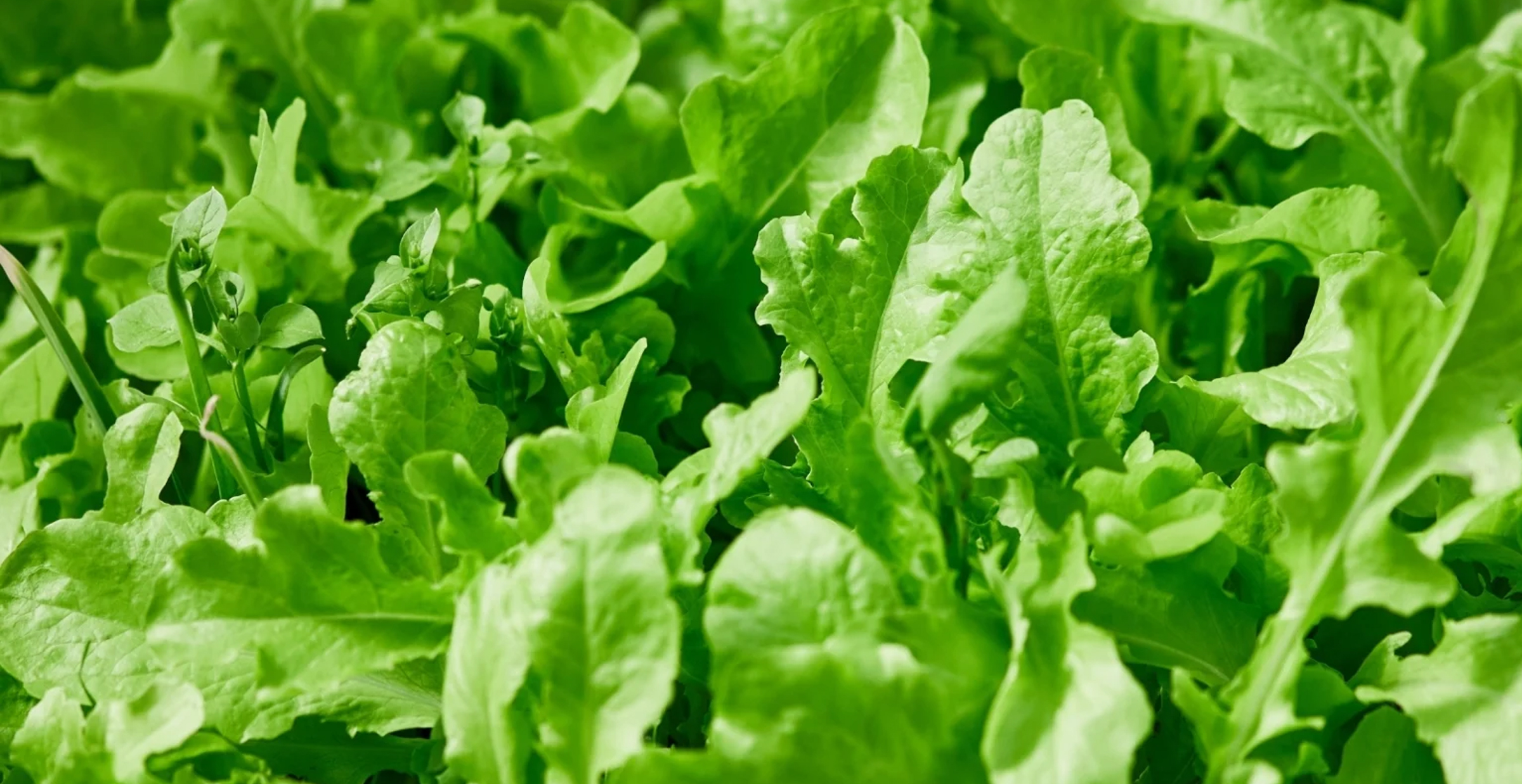
1. Leafy Greens (The Easiest & Most Rewarding)
These are the go-to choices for beginners because they grow rapidly and have minimal problems.
-
Lettuce: All types excel—Butterhead, Romaine, Oakleaf, and Loose-leaf. They grow incredibly fast and rarely bolt (go to seed) in a controlled environment. Click to view >>> How To Grow Hydroponic Lettuce
-
Kale: Becomes a prolific producer in DWC. You can practice "cut-and-come-again" harvesting for months.
-
Swiss Chard: Both the leaves and colorful stems do well. It's a beautiful and productive plant.
-
Spinach: Grows very well, though it can be slightly more sensitive to heat than lettuce. Click to view >>> How To Grow Spinach Hydroponically?
-
Bok Choy & Pac Choi: These Asian greens are perfectly suited for DWC and grow crisp and flavorful.
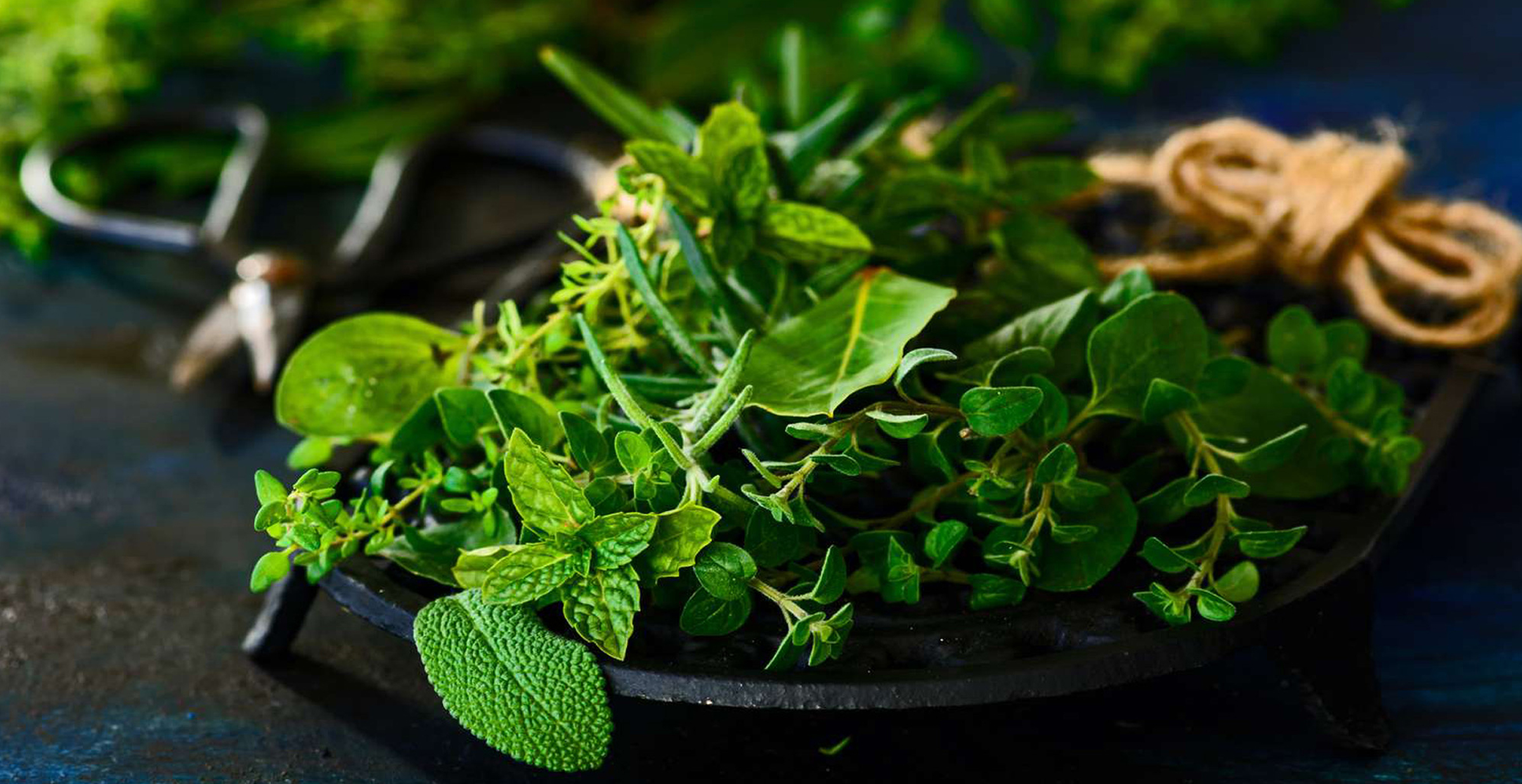
2. Herbs (Flavor Powerhouses)
Herbs grown in DWC are often more aromatic and potent than their soil-grown counterparts.
-
Basil: The king of DWC herbs. It grows into a massive, bushy plant. Genovese, Thai, and Lemon basil all perform exceptionally well. Click to view >>> How to Grow Basil Hydroponically
-
Mint: Grows so vigorously it can become "invasive" even in hydroponics! Keep it in its own container. Click to view >>> Can Mint be Grown Hydroponically
-
Cilantro: Grows quickly and is less likely to bolt prematurely compared to soil.
-
Oregano & Thyme: These woody herbs adapt well to DWC and will provide a continuous harvest.
-
Parsley: Both curly and flat-leaf varieties are strong performers.
3. Fruiting Plants (Need More Space & Care)
These are more advanced but highly rewarding. They require more light, stronger nutrient concentrations (especially during flowering/fruiting), and sturdy support.
-
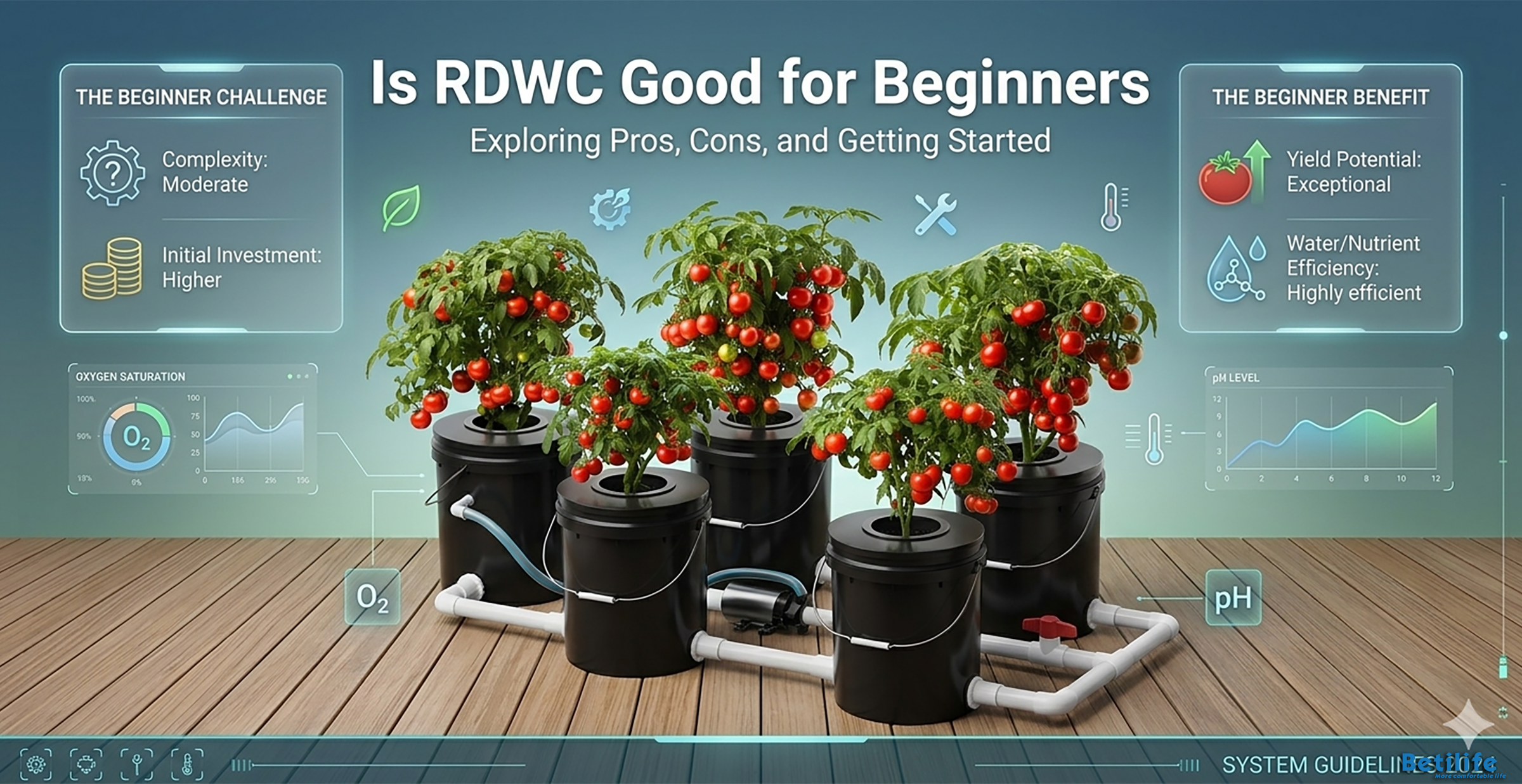
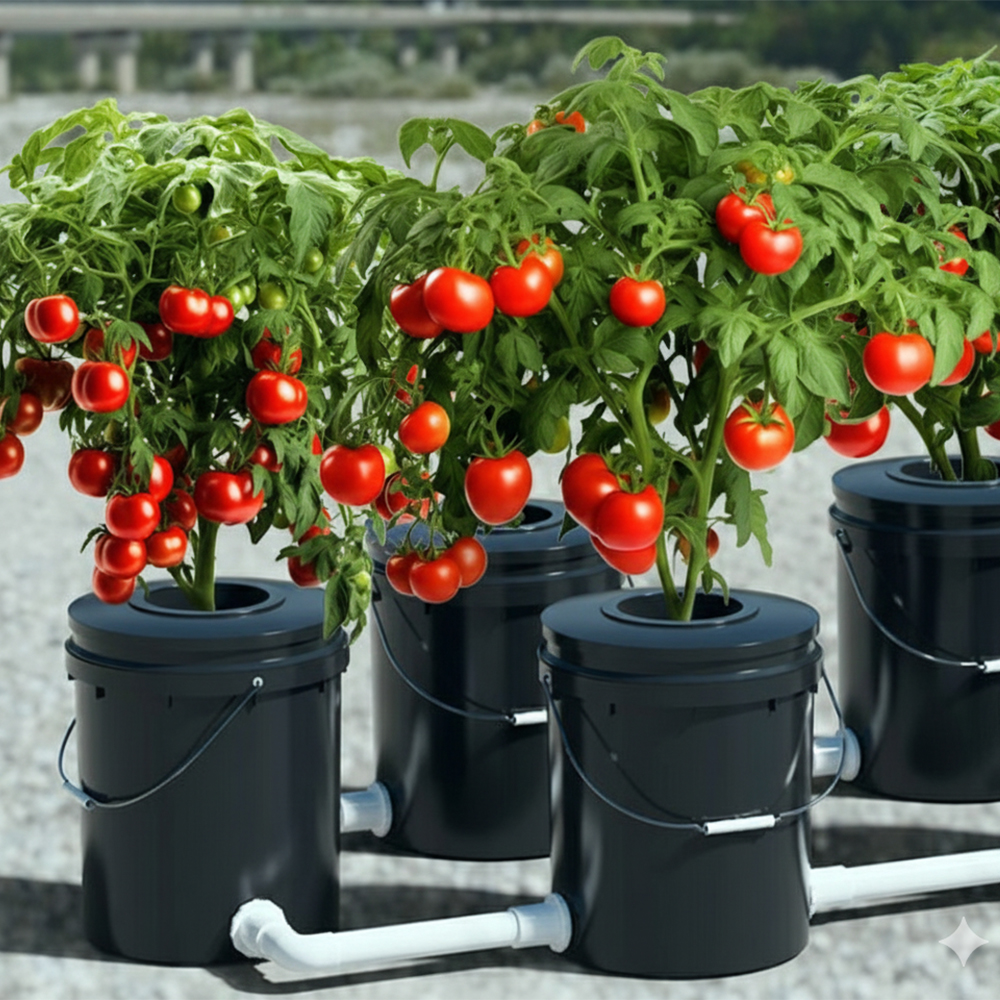
Tomatoes: Dwarf, determinate, or cherry tomato varieties are best for smaller systems. Larger varieties need immense support and a large reservoir. Watch for higher nutrient demands (especially Calcium and Magnesium). Click to view >>> How To Grow Hydroponic Tomatoes Indoor
-
Peppers: Both bell peppers and chili peppers (like jalapeños or habaneros) thrive in DWC. They love the warm root zone and produce heavily. Click to view >>> How to grow bell pepper hydroponically indoors?
-
Cucumbers: Bush varieties are ideal. Vining types will need a very strong trellis. They are heavy feeders and drink a lot of water. Click to view >>> How to Grow Hydroponic Cucumbers
-
Strawberries: A fantastic choice! They fruit continuously and can be grown vertically to save space. They prefer a slightly lower EC (nutrient strength) than tomatoes or peppers. Click to view >>> What Are The Best Strawberries To Grow Hydroponically?
Plants to Avoid in Standard DWC
It's just as important to know what not to grow.
-
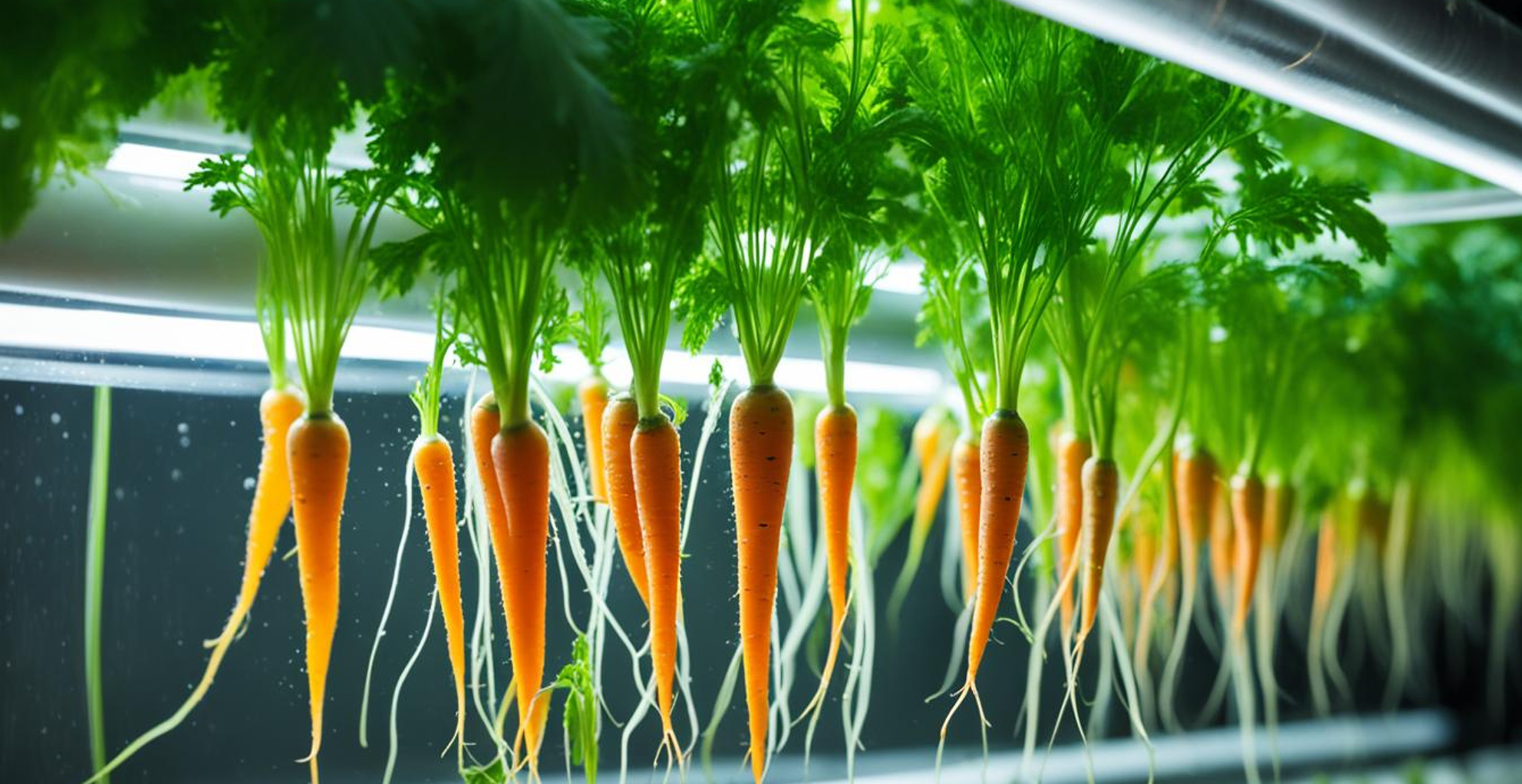
Root Vegetables: Carrots, potatoes, radishes, and onions are a hard no. The DWC environment doesn't allow for the proper tuber/root formation they need.
-
Large, Space-Hungry Plants: Corn, zucchini, and large squash varieties are impractical due to their size and massive root systems.
-
Perennial Plants with Dormancy Periods: While possible, plants like asparagus or rhubarb that require a cold dormancy period are not ideal for a continuous system like DWC.
-
Plants That Prefer Dry Conditions: Mediterranean herbs like Rosemary and Lavender can be challenging. They are prone to root rot if not given perfect conditions, as they naturally prefer drier soil.
Key Factors for Success with Any DWC Plant
Choosing the right plant is only half the battle. Success hinges on managing these factors:
-
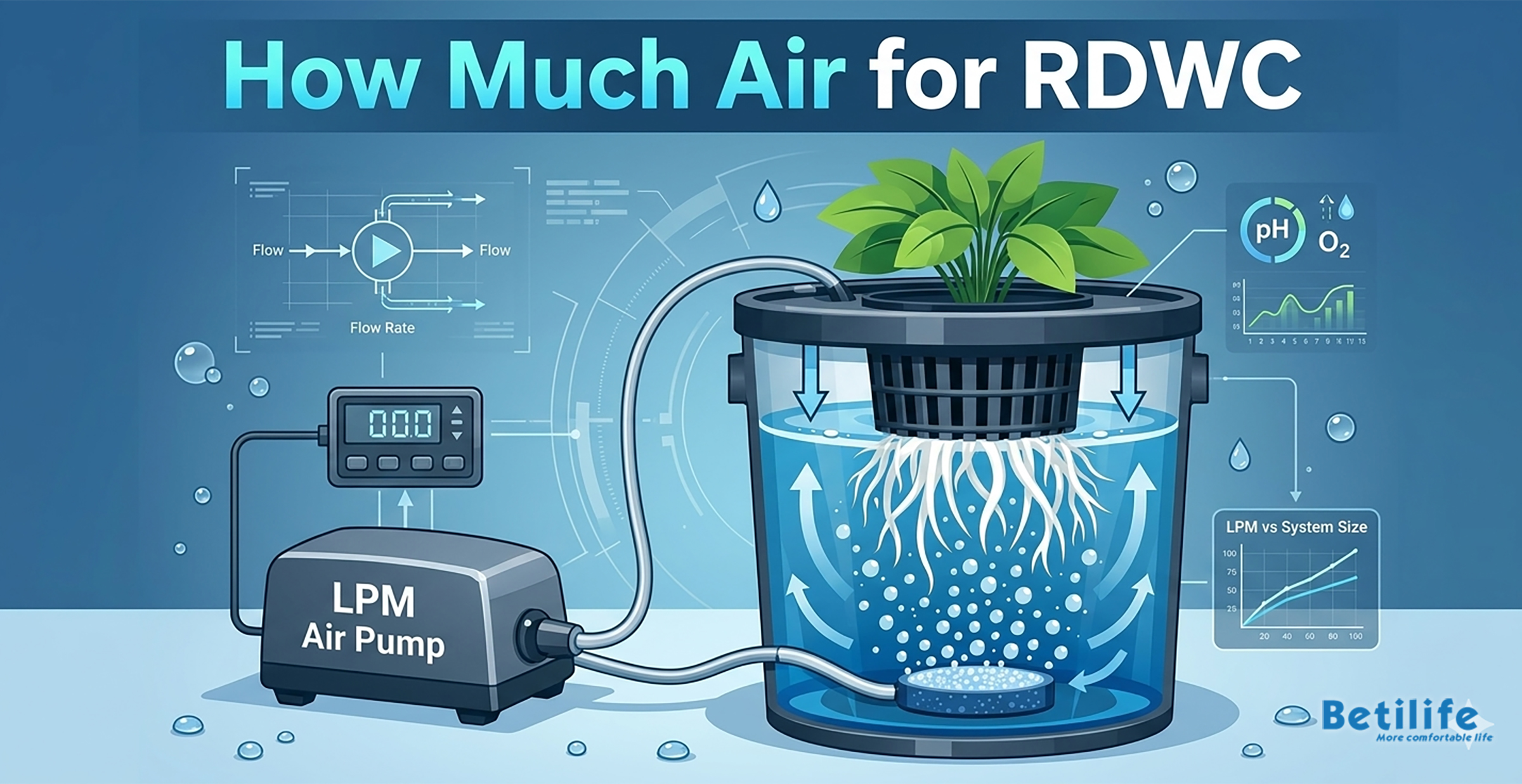
Oxygen, Oxygen, Oxygen! This is the most critical element. You must have a powerful air pump and a reliable air stone to keep the nutrient solution supersaturated with dissolved oxygen. Without it, roots will drown and rot.
-
Water Temperature: Keep your reservoir between 65-68°F (18-20°C). Warmer water holds less dissolved oxygen, creating a breeding ground for root rot pathogens (like Pythium). Use an aquarium heater in cold climates and a chiller (or reflective insulation) in warm climates.
-
Nutrient Solution Management:
-
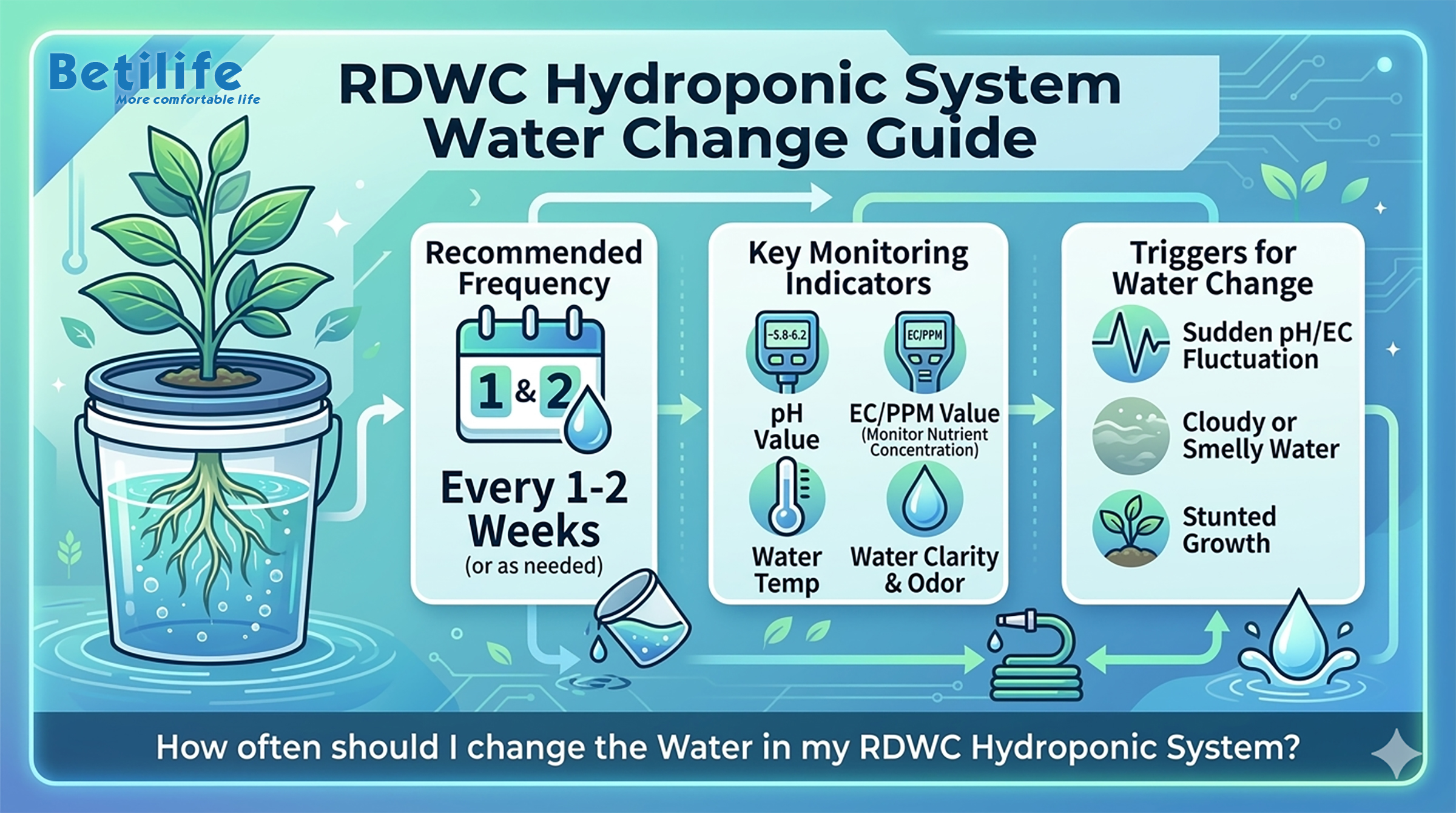
pH Level: Maintain a pH between 5.5 and 6.5. Check it regularly (every 1-2 days) and adjust with pH Up/Down solutions.
-
EC/TDS (Nutrient Strength): Monitor the Electrical Conductivity (EC) or Total Dissolved Solids (TDS) to ensure your plants are getting the right amount of food. Seedlings need a weak solution, while heavy-feeding fruiting plants need a strong one.
-
-
Light & Support: Provide adequate light for the plants you choose (fruiting plants need much more than lettuce). Also, provide physical support (trellis, tomato cage) for taller or vining plants.
Quick-Start Summary Table
| Plant Type | Examples | Difficulty | Key Considerations |
|---|---|---|---|
| Excellent (Easy) | Lettuce, Kale, Basil, Mint | Beginner | Low nutrient needs, fast growth, minimal support. |
| Very Good | Swiss Chard, Bok Choy, Cilantro | Beginner | Similar to "Excellent" category. All-around easy. |
| Good (Intermediate) | Tomatoes, Peppers, Cucumbers | Intermediate | Need strong support, high light, and more nutrients. |
| Avoid | Carrots, Potatoes, Corn, Large Squash | N/A | Unsuitable root structure or size for the system. |
Conclusion: For your first DWC system, you can't go wrong starting with lettuce and basil. They will give you quick, satisfying results and help you master the basics of pH and nutrient management. Once you're comfortable, you can confidently move on to the exciting challenge of growing juicy tomatoes and peppers right in your own home.
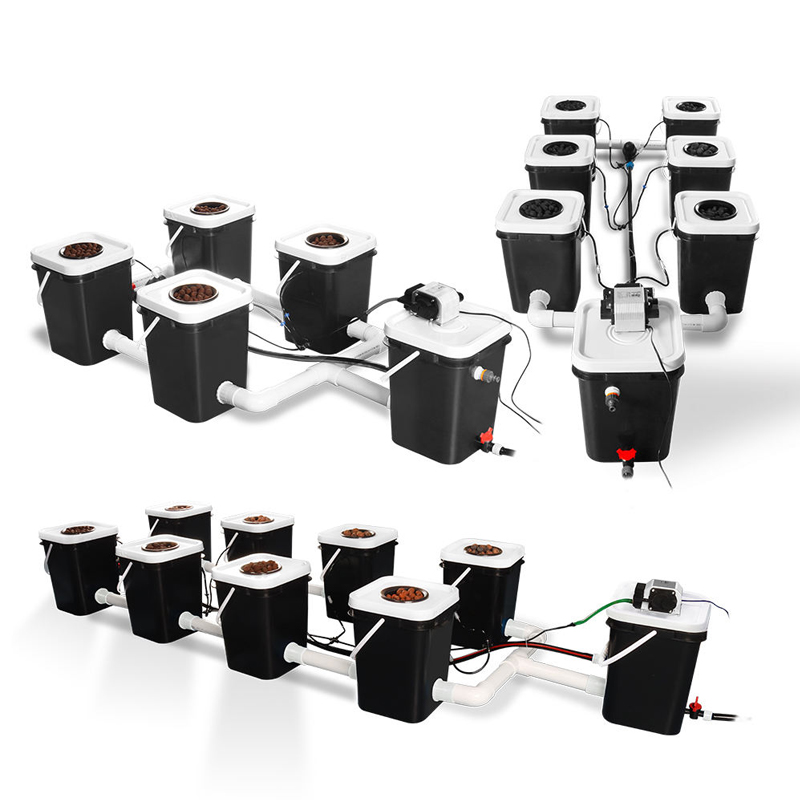
If you need to grow vegetable hydroponically indoors or outdoors at home, you can choose BetiLife™ Hydroponic Systems:
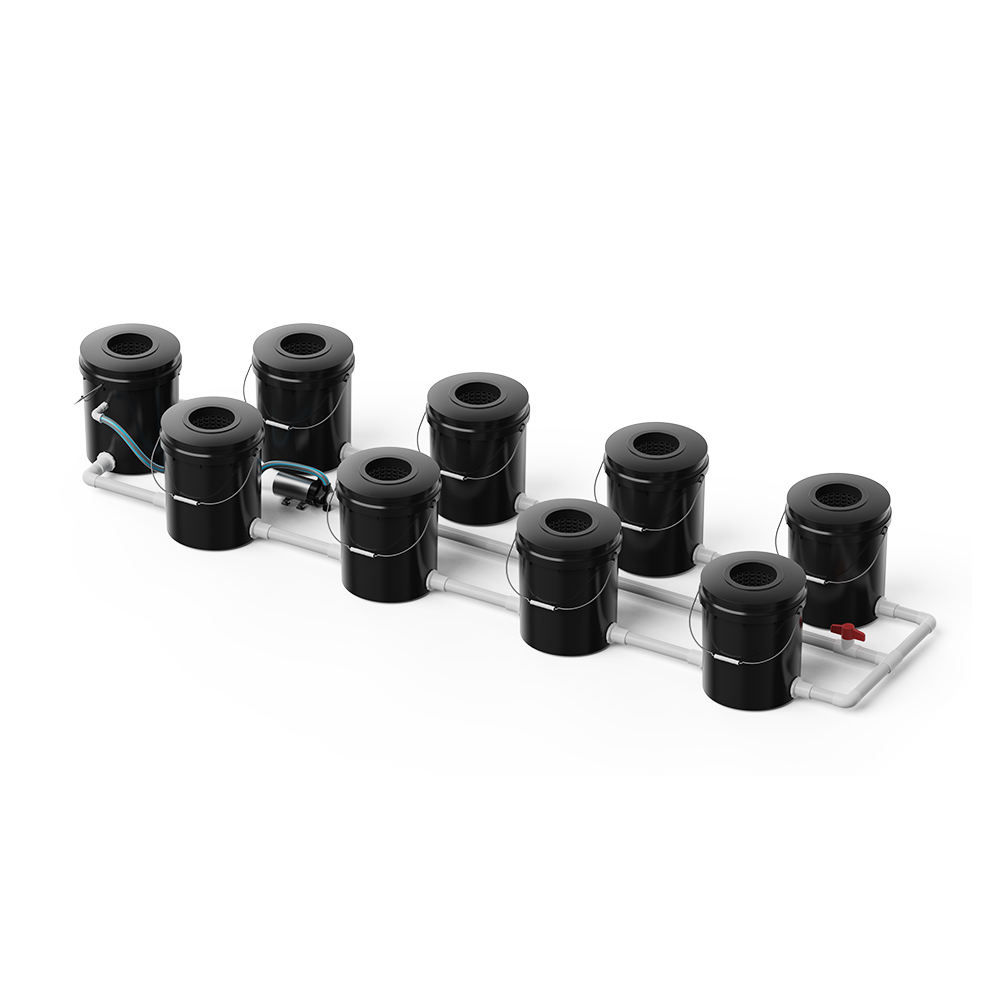
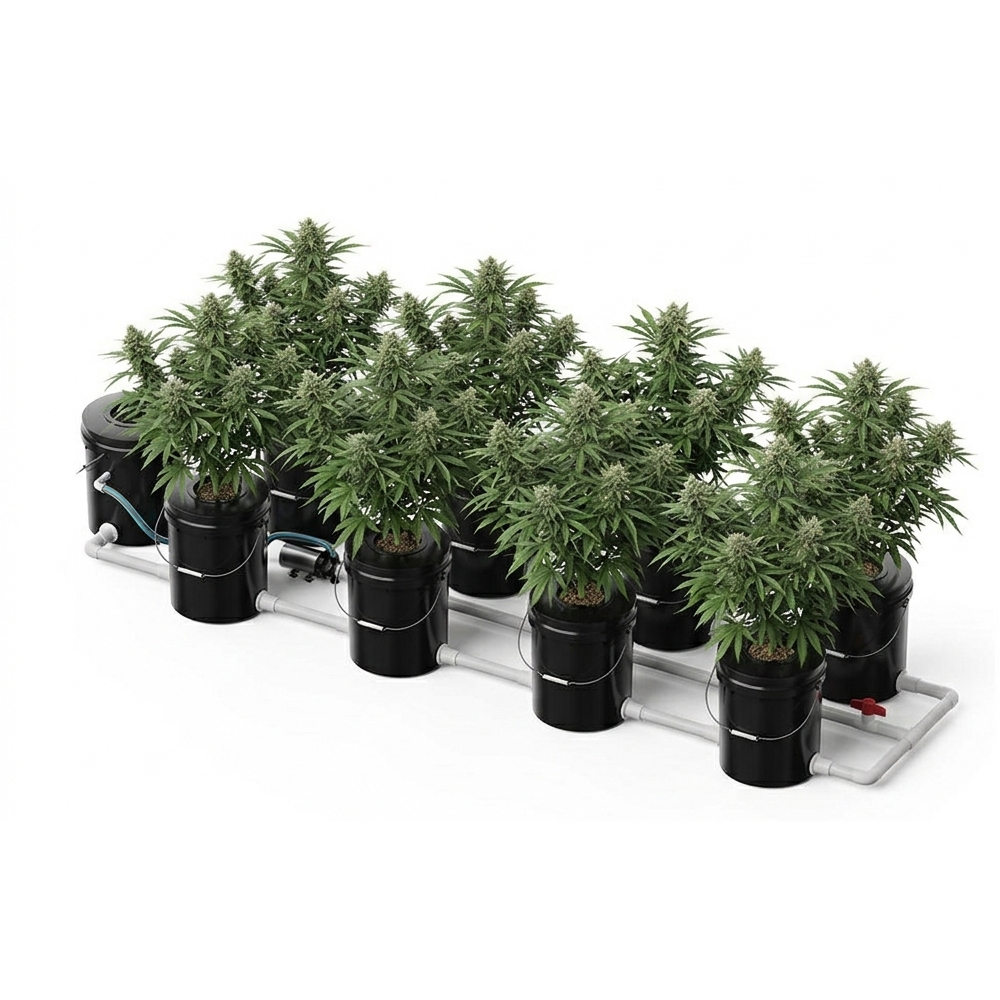
- DWC Deep Water Culture Hydroponic System Growing Kits
- Hydroponic Growing Systems
- Vertical Hydroponic Towers
DWC Deep Water Culture Hydroponic System Growing Kits
Learn more about hydroponics:
- What Is Hydroponics
- What is the Nutrient Film Technique NFT
- What is Aeroponic
- What is the Ebb and Fow Flood and Drain System
- What is Drip System
- What is the Wick System In Hydroponics
- What Are The Best Flowers For Hydroponics
- Can You Do Hydroponic Carrots
- What Are The Best Plants To Grow In Hydroponic Towers
- What Are The Best Hydroponic Lettuce Varieties
- What Are Hydroponic Strawberries
- How to Choose the Best Hydroponic Grow Pods Coir
- Best Nutrients for Deep Water Culture
- How to Grow Arugula Hydroponically
- Growing Hydroponic Cilantro
- How to Grow Hydroponic Lavender