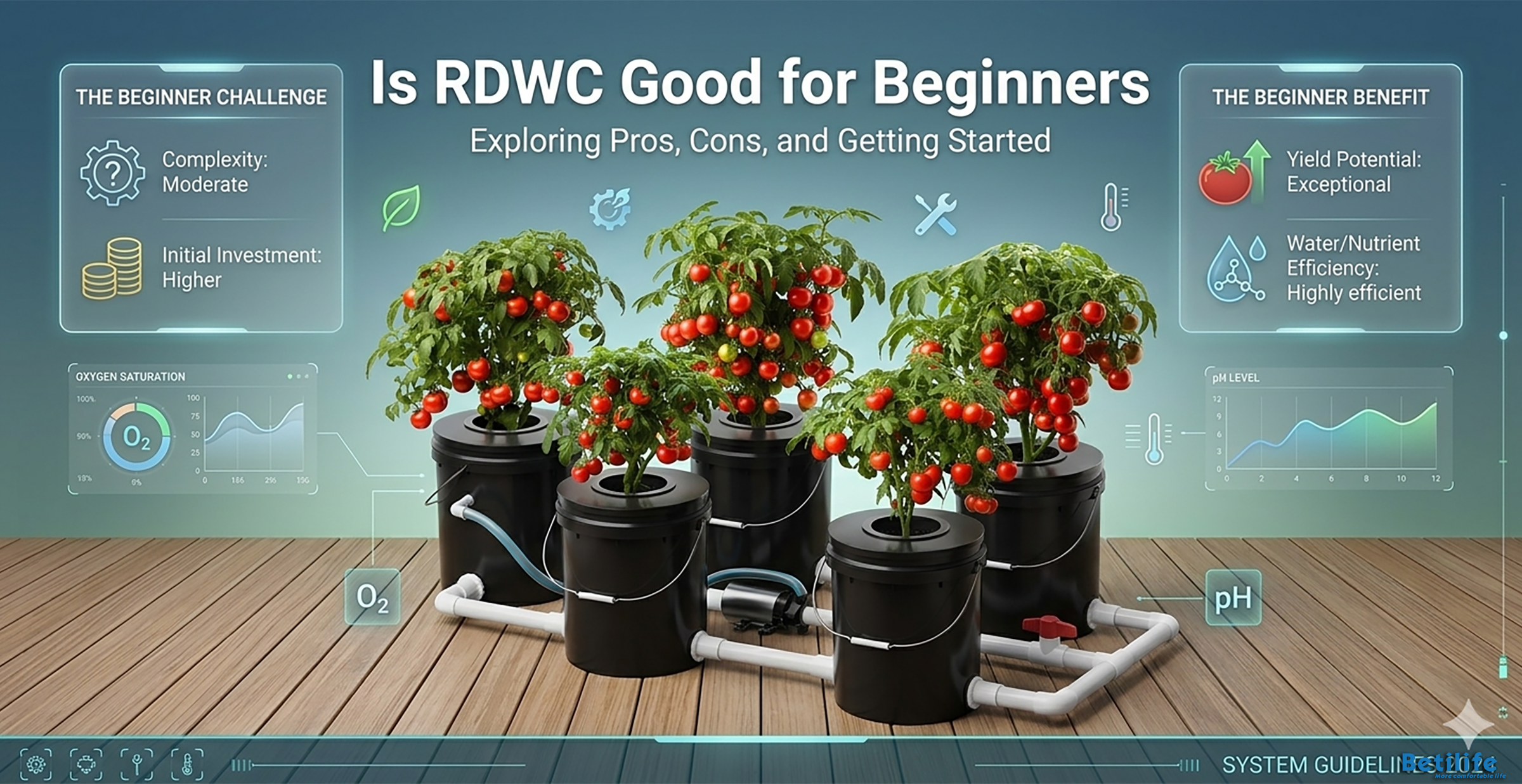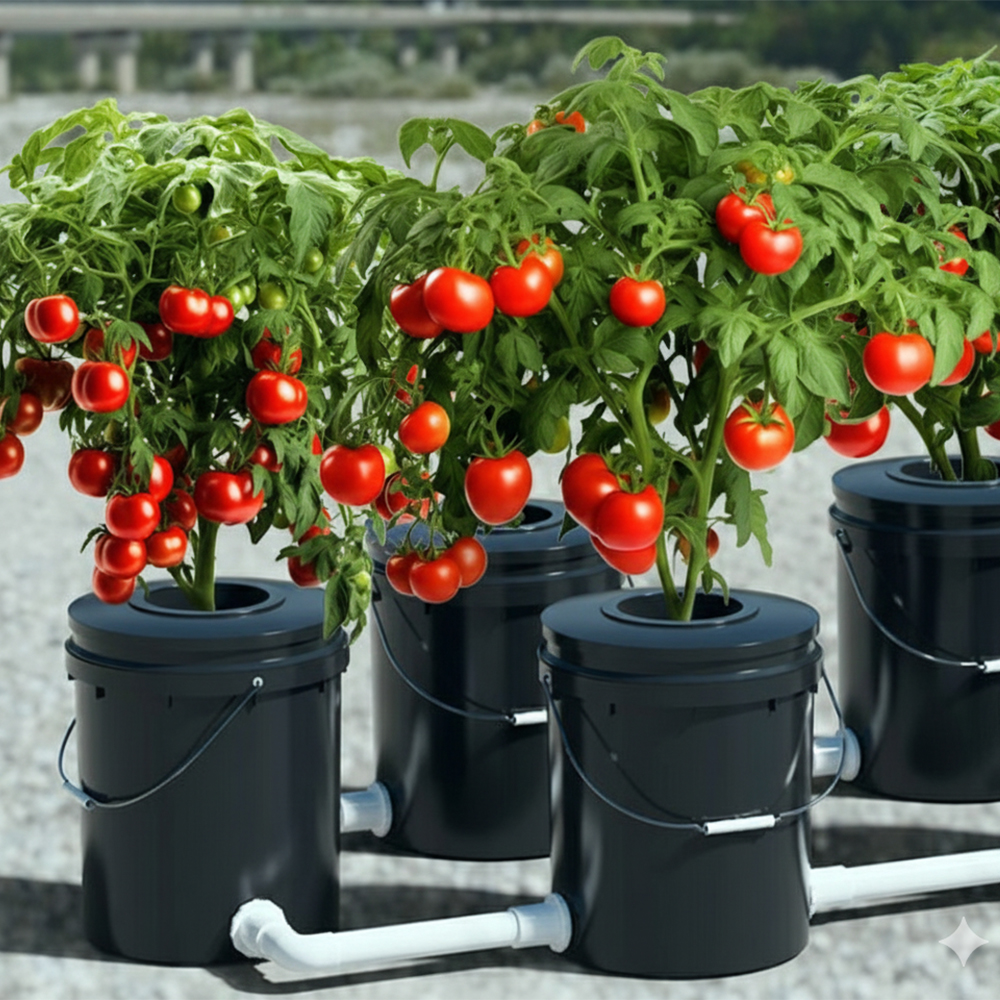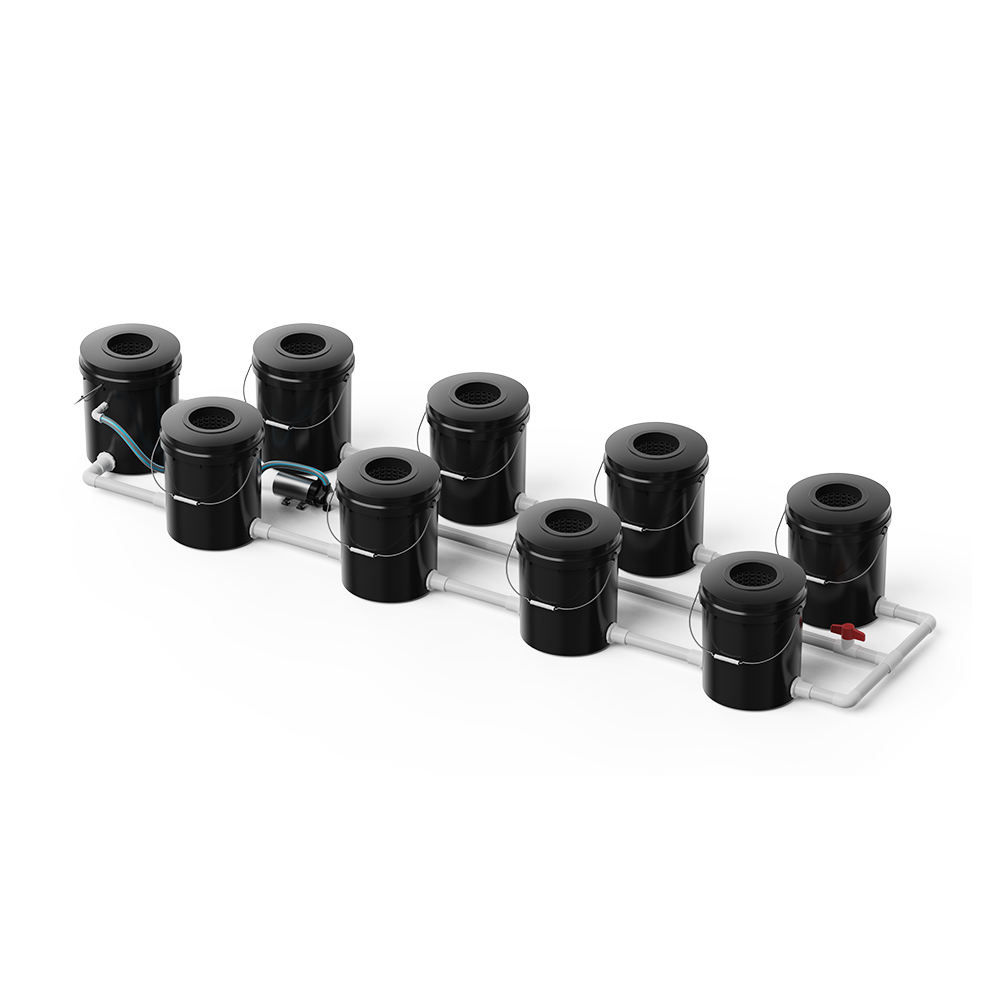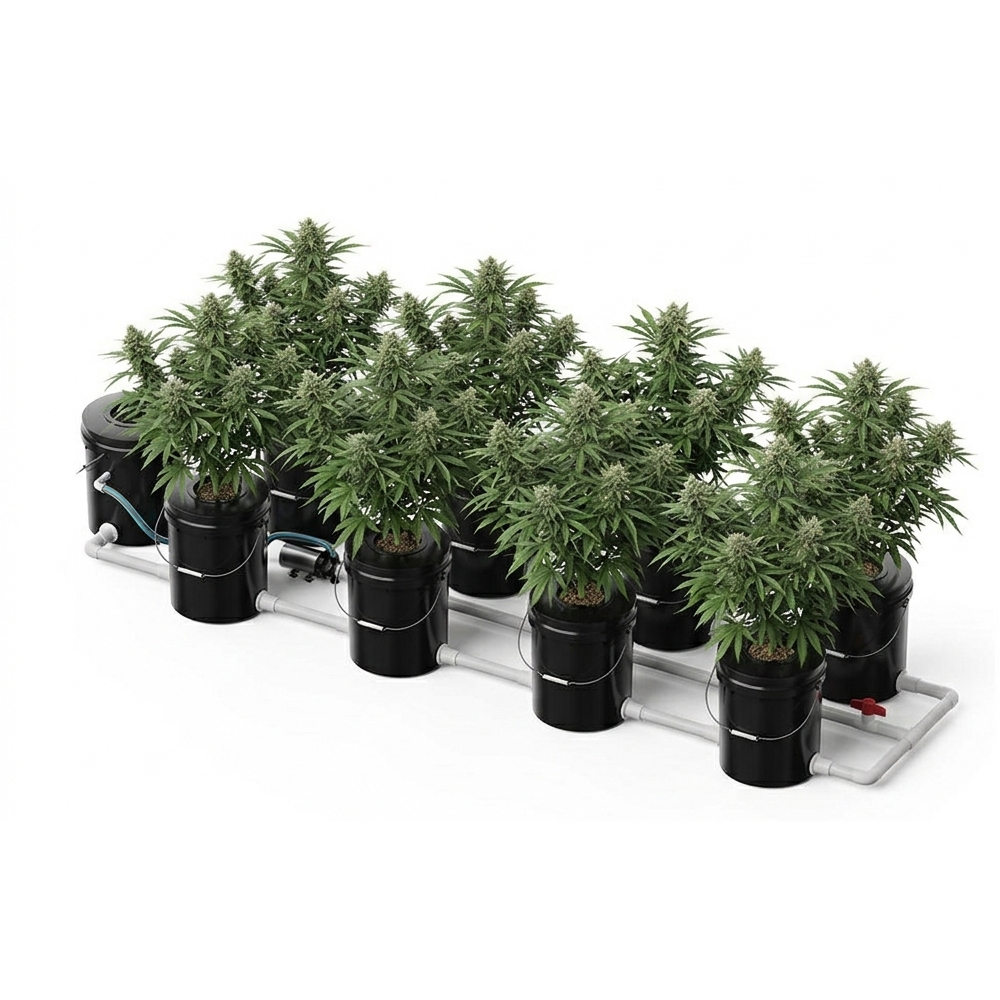

Can lavender be grown hydroponically? Yes, lavender can be grown hydroponically with a hydroponic lavender kit. How to grow lavender hydroponically? If you master the lavender hydroponics setup correctly, you can quickly grow lavender hydroponically.
What is Hydroponic Lavender in Water?
Hydroponic lavender refers to the practice of growing lavender plants (Lavandula species) using a hydroponic system where the roots are primarily suspended in or exposed to a nutrient-rich water solution, instead of traditional soil. This method allows for precise control over the growing environment, potentially leading to faster growth rates and healthier plants compared to traditional soil-based methods.
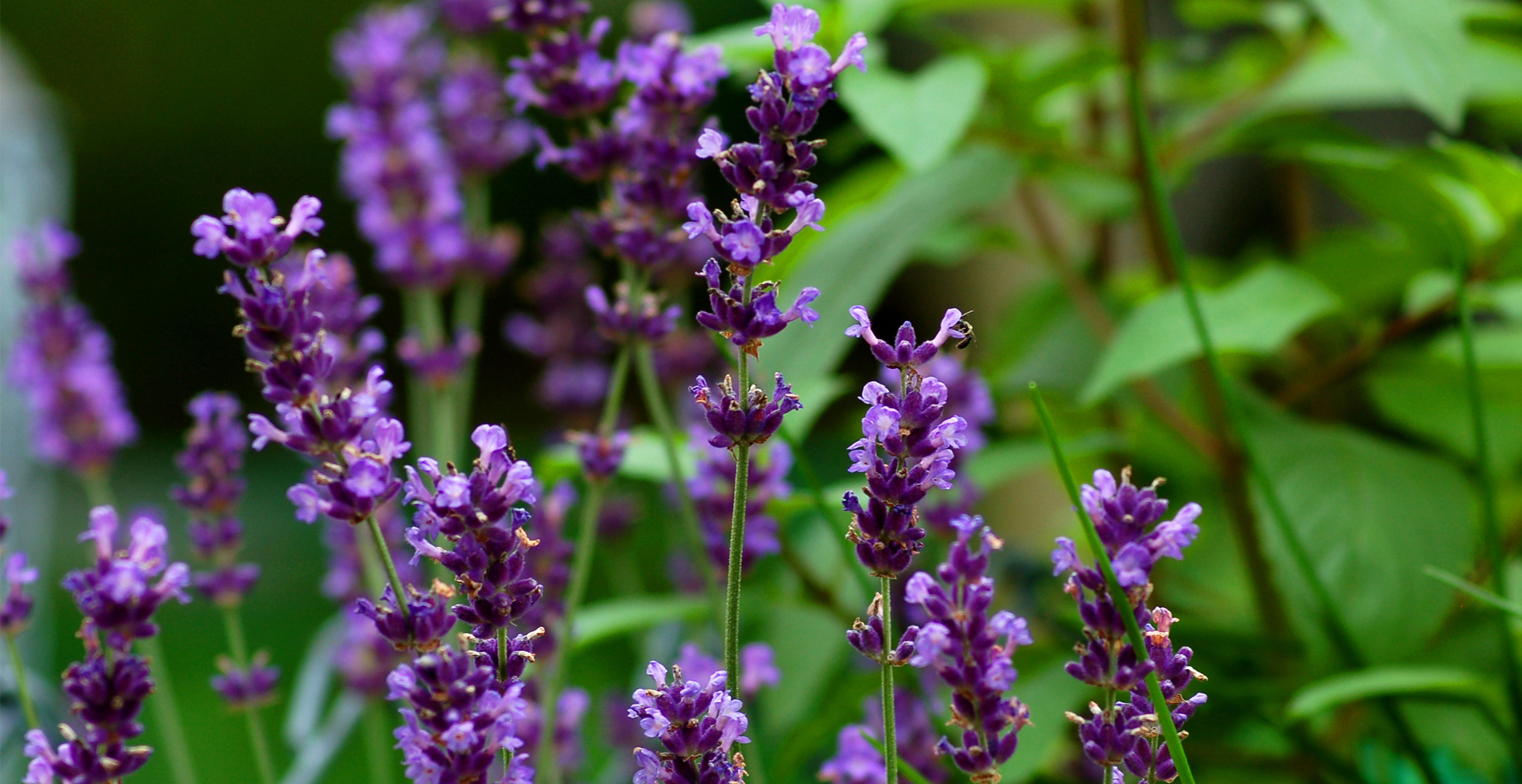
Here's a breakdown of what it means, its feasibility, challenges, and considerations:
-
The Lavender Hydroponics Core Concept
-
Hydroponics: A method of growing plants without soil. Plants receive essential nutrients dissolved in water directly to their roots.
-
"In Water": This specifically implies using a hydroponic technique where the roots are constantly or frequently in direct contact with the nutrient solution. Common systems fitting this description include:
-
Deep Water Culture (DWC): Roots are suspended directly into an aerated nutrient reservoir.
-
Nutrient Film Technique (NFT): A thin film of nutrient solution constantly flows over the roots in a sloped channel.
-
Aeroponics: Roots hang in air and are misted frequently with nutrient solution (less "in water," but still water-based).
-
Ebb and Flow (Flood and Drain): Roots are periodically flooded with nutrient solution, then drained.
-
-
-
Feasibility & Challenges (It's Tricky!)
Lavender is notoriously difficult to grow hydroponically, especially in systems where roots are constantly wet, due to its natural adaptations:
-
Mediterranean Origins: Lavender thrives in dry, sandy, well-drained, alkaline soils with low fertility. It's highly susceptible to root rot caused by fungi (like Phytophthora and Pythium) when roots stay constantly moist.
-
Low Nutrient Needs: Lavender prefers relatively low nutrient levels, especially nitrogen. Standard hydroponic nutrient solutions often need significant dilution and careful formulation (higher potassium, lower nitrogen) to avoid excessive leafy growth and poor oil production.
-
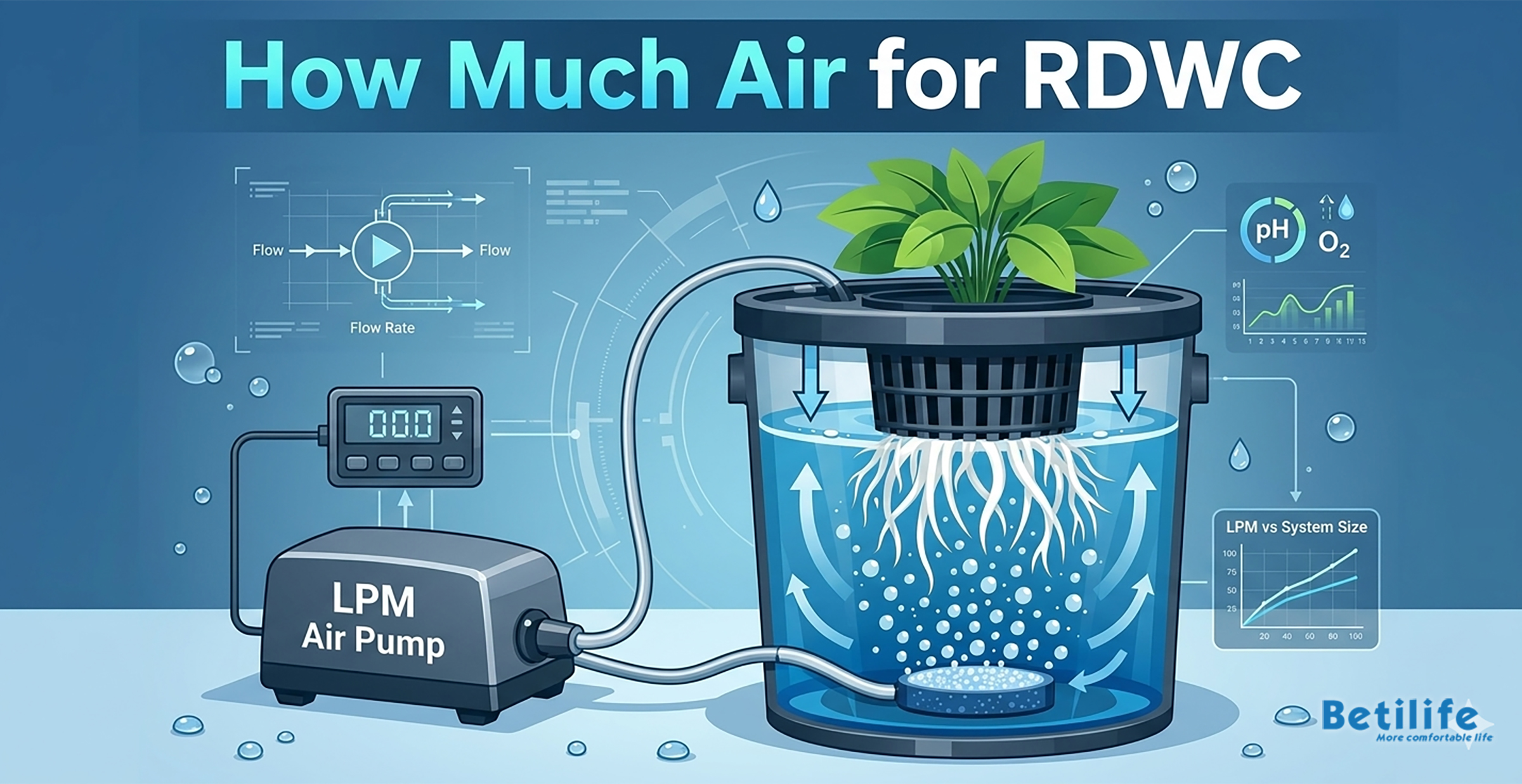
Oxygen Requirement: Roots need an excellent oxygen supply. Stagnant water drowns them. Vigorous aeration (like in DWC) is critical.
-
pH Sensitivity: Lavender prefers a slightly alkaline pH (around 6.4 - 7.0 in hydroponics, closer to 7.0-7.2 is often recommended), which may require adjustment compared to standard hydroponic solutions for other plants.
-
-
Why Attempt Hydroponic Lavender? (Potential Benefits)
-
Controlled Environment: Precise control over nutrients, pH, and water can potentially lead to optimized growth and essential oil content (in theory).
-
Faster Growth (Potential): Under ideal conditions, growth rates can be faster than soil.
-
Water Efficiency: Recirculating systems use less water than traditional irrigation.
-
Space Efficiency & Purity: Suitable for vertical farming, urban settings, or research. Avoids soil-borne diseases and weeds.
-
Year-Round Production: Possible in controlled environments like greenhouses.
-
-
Key Considerations for Success (If Attempting)
-
System Choice: Avoid pure DWC or NFT. Systems with excellent drainage and aeration cycles are better:
-
Aeroponics: Excellent oxygen supply, minimizes constant water contact.
-
Modified DWC: Extreme aeration (multiple strong air stones), potentially using a larger air gap.
-
Ebb and Flow: Shorter flood cycles, longer dry periods.
-
Drip Systems (using an inert medium like rockwool, coco coir, or perlite): This is often the most recommended approach for lavender hydroponics. The medium provides physical support and helps regulate moisture/oxygen around the roots, preventing constant saturation. (Technically "hydroponic" but roots aren't purely "in water").
-
-
Nutrient Solution:
-
Dilution: Start with a significantly diluted solution (e.g., 1/4 to 1/2 strength) of a standard hydroponic formula.
-
Formulation: Target higher K (Potassium) and P (Phosphorus), lower N (Nitrogen), adequate Ca (Calcium), and Mg (Magnesium). EC (Electrical Conductivity) should be kept relatively low.
-
pH: Maintain between 6.4 and 7.2 (aim for the higher end).
-
-
Oxygen: CRITICAL. Ensure vigorous and constant aeration in any water-based system. Root rot sets in quickly without oxygen.
-
Variety Selection: Some varieties might be slightly more tolerant than others, but all lavenders share the basic dislike for wet feet. English Lavender (Lavandula angustifolia) is commonly used.
-
Sterility: Maintain clean systems and reservoirs to prevent pathogens.
-
Light: Lavender needs full sun conditions (high-intensity light if grown indoors).
-
How to Grow Hydroponic Lavender?
Growing lavender hydroponically indoors with a kit is achievable, but it's more challenging than many common hydroponic herbs (like basil or lettuce). Lavender thrives on excellent drainage, high light, and slightly alkaline conditions – factors you need to carefully manage in hydroponics.
Here’s a step-by-step guide tailored for using a hydroponic kit:
The Hydroponic Lavender Core Challenges & Keys to Success
-
Drainage is Paramount: Lavender hates wet feet. Your system must provide excellent oxygenation and prevent roots from sitting in stagnant water.
-
Light Hunger: Lavender needs intense light (full sun equivalent).
-
pH Quirk: Prefers a slightly alkaline pH (6.4 - 7.0), unlike most hydroponic plants, which prefer slightly acidic (5.5 - 6.5). Maintaining this higher pH is crucial.
-
Nutrient Sensitivity: Prefers lower nutrient strength and is sensitive to overfeeding, especially nitrogen.
-
Humidity & Airflow: Needs good air circulation and lower humidity to prevent fungal diseases.
Hydroponic Lavender Step-by-Step Guide
-
Choose the RIGHT Hydroponic Kit
-
Best Options: Ebb & Flow (Flood and Drain) or Top-Fed Drip Systems. These provide excellent periodic flooding/draining or direct drip to the root zone, ensuring good oxygenation.
-
Acceptable with Modifications: Deep Water Culture (DWC) can work only if you use a large air stone/pump for massive oxygenation and ensure the roots are only partially submerged (using a net pot filled with a very chunky medium like clay pebbles). NFT is generally not recommended due to the potential for waterlogging.
-
Avoid: Systems prone to constant saturation (like basic passive wick systems).
-
Kit Features: Ensure your kit includes a reservoir, pump, grow lights (or strong enough capacity to add your own), net pots, and ideally, an air pump/stone (especially for DWC). A pH test kit and EC meter are essential add-ons.
-
-
Selecting Your Lavender & Starting
-
Strong Recommendation: Start with Clones or Seedlings. Lavender seeds have notoriously low and slow germination rates (often needing cold stratification). Purchase healthy lavender cuttings (clones) or small seedlings from a reputable nursery. This saves weeks/months.
-
If Starting from Seed (Advanced):
-
Use rockwool cubes or rapid rooter plugs.
-
Stratify seeds (refrigerate in a damp paper towel in a sealed bag for 2-4 weeks).
-
Sow seeds shallowly (they need light to germinate).
-
Provide bottom heat (70-75°F / 21-24°C).
-
Keep medium slightly moist, never soggy.
-
Germination can take 2-4 weeks. Be patient.
-
-
-
Prepare the Growing Medium
-
Ideal: Hydroton (Clay Pebbles). Provides superb drainage and aeration. Rinse thoroughly before use.
-
Good Alternatives: Growstones, Perlite (large grade), Coconut Coir chips (must be very chunky and well-rinsed to avoid salt buildup). Avoid fine mediums like sand or vermiculite.
-
Fill net pots with your chosen medium.
-
-
Transplanting Seedlings/Clones
-
Gently remove seedlings/clones from their starter plugs or soil. Rinse roots extremely carefully but thoroughly to remove all soil particles. This is critical to prevent disease in hydroponics.
-
Place the plant into the net pot, carefully spreading the roots over/into the medium. Fill around the stem with more medium for support. Ensure the crown (where the stem meets roots) is slightly above the medium line to prevent rot.
-
-
Nutrient Solution Setup
-
Use a Hydroponic Nutrient: Choose a balanced formula suitable for herbs or flowering plants (look for something with moderate nitrogen and higher potassium/potash for flowering). General-purpose formulas can work, but may need slight adjustment.
-
Start VERY Diluted: Lavender is sensitive. Start seedlings/clones at 1/4 strength of the manufacturer's recommendation.
-
Gradually Increase: As plants establish and show vigorous growth (after 2-4 weeks), you can slowly increase strength up to 1/2 strength maximum. Never go to full strength.
-
EC/TDS Target: Aim for an EC of 1.0 - 1.6 mS/cm (or TDS of 500 - 800 ppm). Monitor closely – if leaf tips burn, dilute immediately.
-
The Critical pH Adjustment: Lavender needs a pH of 6.4 - 7.0. This is higher than typical hydroponics.
-
Use pH Down (phosphoric acid) or pH Up (potassium hydroxide) solutions specifically made for hydroponics.
-
Test pH daily and adjust as needed. The pH will tend to drift down over time; you'll likely be adding small amounts of pH Up frequently.
-
This is one of the most crucial factors for success!
-
-
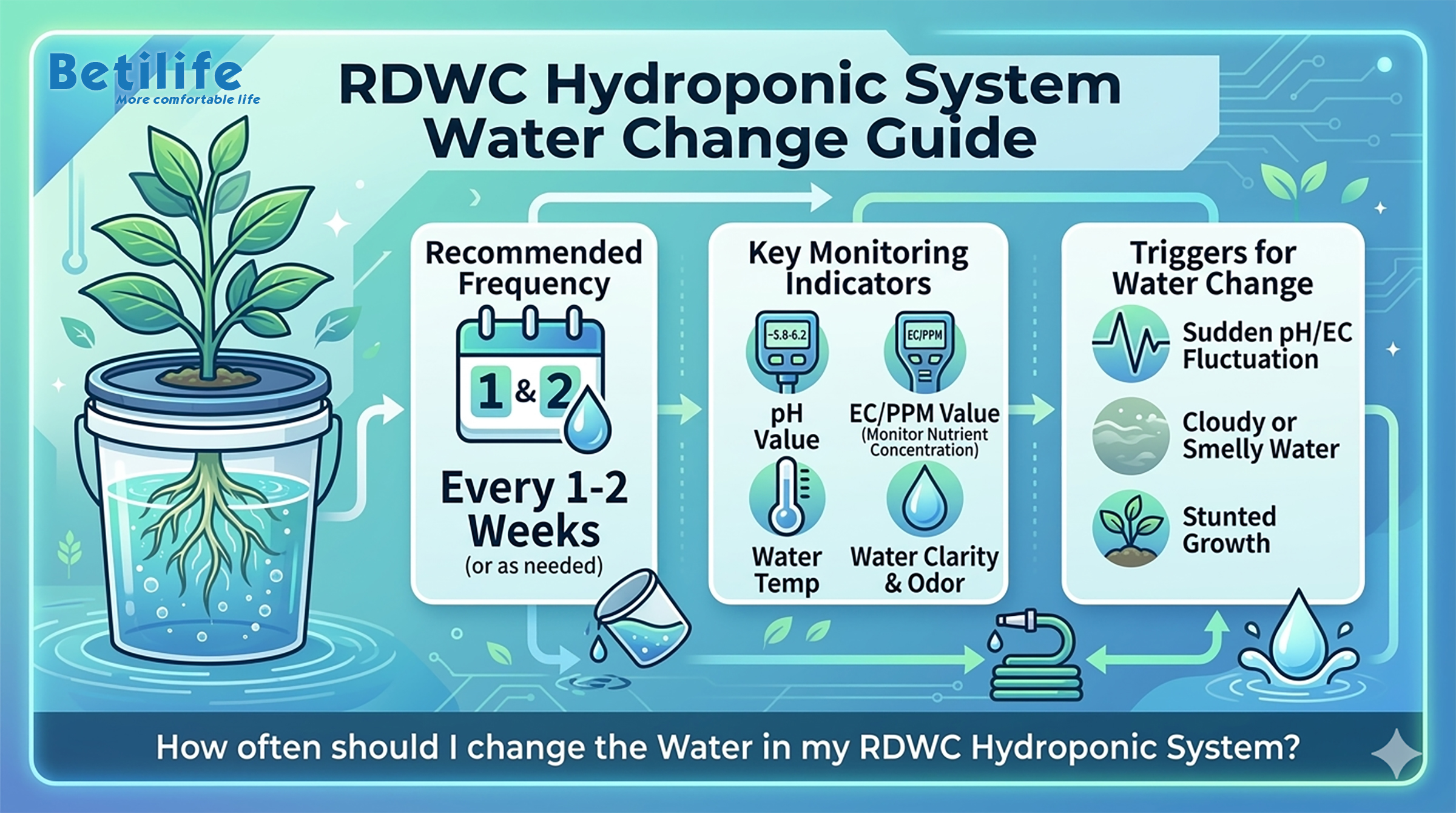
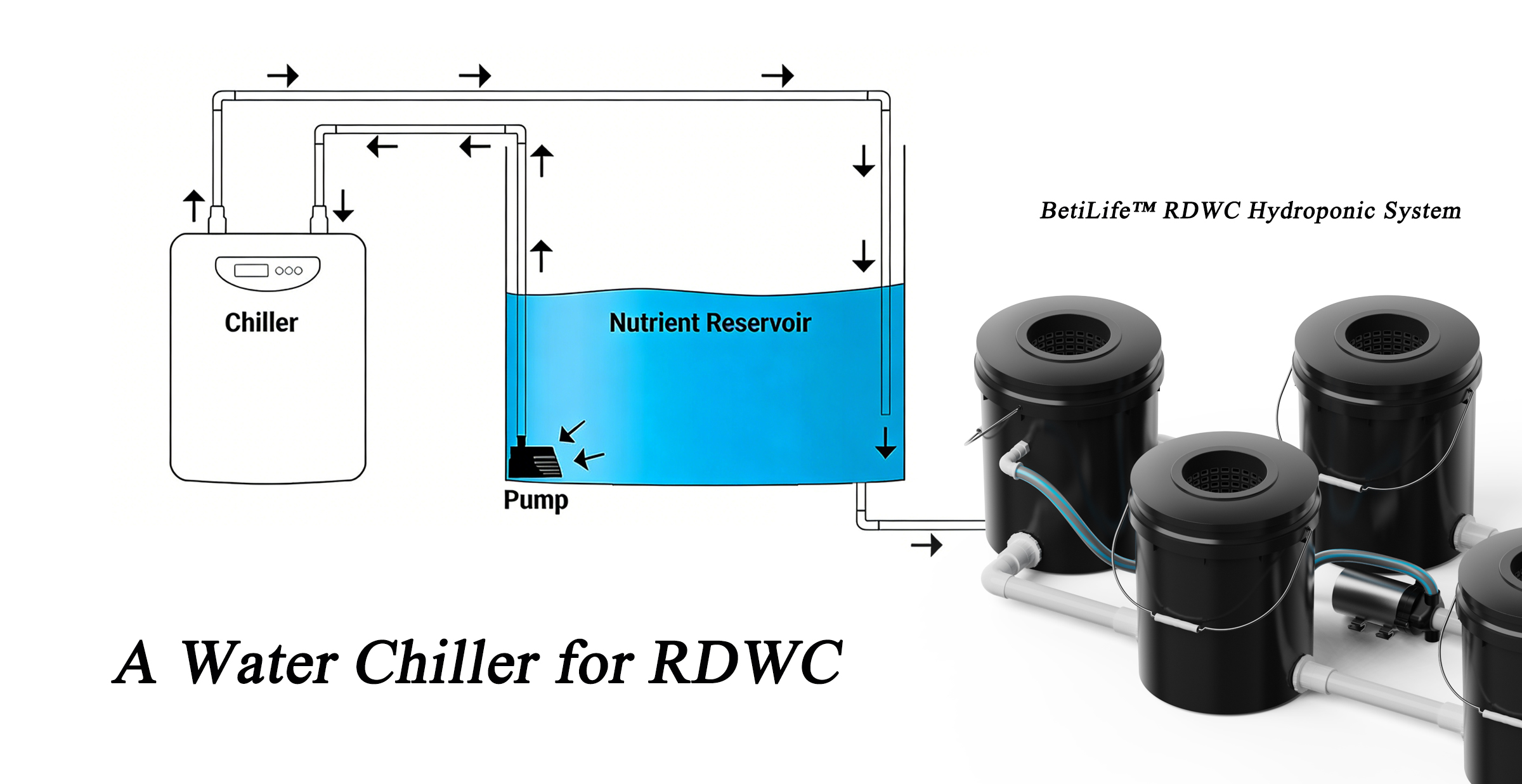
Reservoir Management: Change the nutrient solution completely every 1-2 weeks. Top up with plain pH-adjusted water between changes as the level drops. Keep reservoir temperature cool (65-68°F / 18-20°C is ideal).
-
-
Lighting (Non-Negotiable)
-
Lavender needs high-intensity light for at least 12 hours per day, ideally 14-16 hours during vegetative growth.
-
Kit Lights: If your kit has lights, ensure they are strong LEDs or fluorescents designed for plant growth. They must be positioned close (6-12 inches) to the plant tops. If they seem weak, supplement or replace.
-
Recommended Lights: High-Output LED Grow Lights (Full Spectrum, preferably with some extra blue/red) are ideal. T5 HO fluorescents can work for smaller setups. Aim for 30-50+ watts per square foot of actual LED power draw (PPFD of 400-600+ µmol/m²/s).
-
Use a timer for consistent light cycles.
-
-
Environmental Control
-
Temperature: Ideal range is 60-75°F (15-24°C). Cooler nights are beneficial. Avoid extremes.
-
Humidity: Lavender prefers low to moderate humidity (40-50%). High humidity promotes mold and mildew. Ensure good ventilation. A small oscillating fan pointed near (not directly at) the plants is highly recommended.
-
Air Circulation: The fan is essential not just for humidity control, but also to strengthen stems and prevent pests/disease.
-
-
Pruning and Training
-
Pinch/Topping: When plants are 4-6 inches tall, pinch off the very top growing tip. This encourages bushier side growth.
-
Regular Light Pruning: Throughout growth, lightly trim stem tips to promote fullness and prevent legginess. Avoid cutting into woody stems.
-
Harvest Pruning: Harvest stems by cutting just above a leaf node. Never remove more than 1/3 of the plant at once.
-
-
Troubleshooting
-
Yellowing Leaves: Could be overwatering (poor drainage/oxygen), nutrient burn (EC too high), nitrogen deficiency (rare at low EC), or pH imbalance. Check EC, pH, and root health first.
-
Wilting: Underwatering (pump failure?), root rot (soggy roots, brown/slimy – check drainage/oxygen), or heat stress.
-
Slow Growth/No Flowers: Insufficient light is the most common cause. Check pH next, then nutrient strength.
-
Root Rot: Foul smell, brown/mushy roots. Caused by poor oxygenation, high reservoir temperatures, or pathogens. Remove affected plants immediately. Clean the system thoroughly with H2O2 or bleach solution. Improve aeration/drainage. Consider adding a beneficial bacteria product (like Hydroguard).
-
Powdery Mildew: White powder on leaves. Caused by high humidity and poor airflow. Increase ventilation/fan speed, lower humidity if possible. Neem oil or potassium bicarbonate sprays can help (use cautiously in hydroponics).
-
-
Harvesting
-
Harvest stems when about half the flowers on the spike are open, early in the morning, after dew dries for peak oil content.
-
Cut long stems with sharp, clean pruners.
-
Drying: Bundle stems and hang upside down in a dark, warm (70-80°F), dry, well-ventilated area for 1-2 weeks until completely dry. Store dried buds in airtight containers.
-
Important Considerations for Kit Users
-
Kit Limitations: Many beginner kits are optimized for leafy greens/herbs, not flowering Mediterranean perennials. Be prepared to potentially upgrade lighting, add an air pump, or modify the system slightly for better drainage.
-
Patience: Lavender grows slower than basil! Don't expect explosive growth.
-
Vigilance: Daily pH checks and regular EC/reservoir management are essential. Lavender is less forgiving than easy hydroponic crops.
-
Start Small: Try one or two plants first to learn their quirks in your specific setup.
While challenging, successfully growing fragrant hydroponic lavender indoors is incredibly rewarding. Pay close attention to drainage, light intensity, and especially the higher pH requirement, and you'll increase your chances significantly. Good luck!
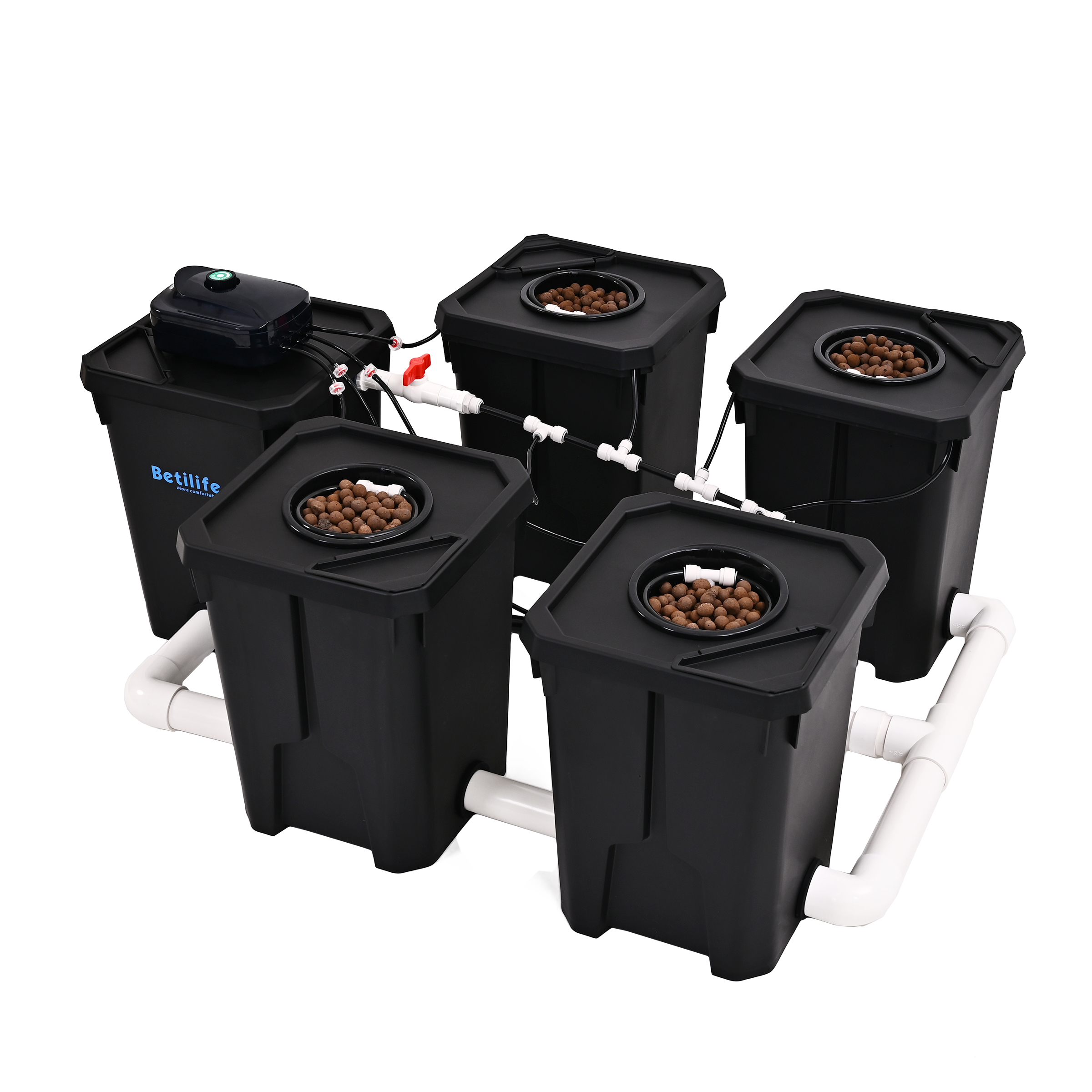
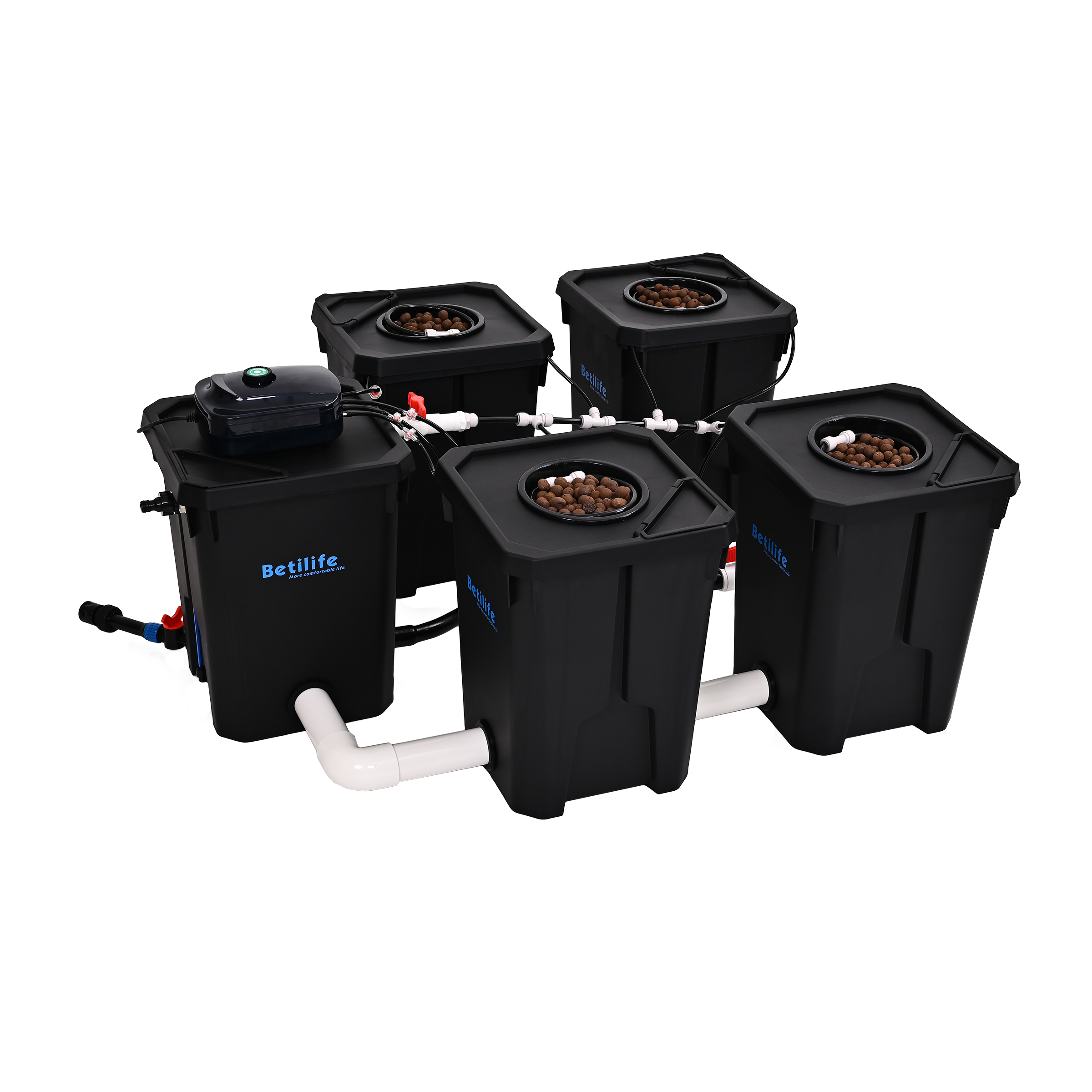
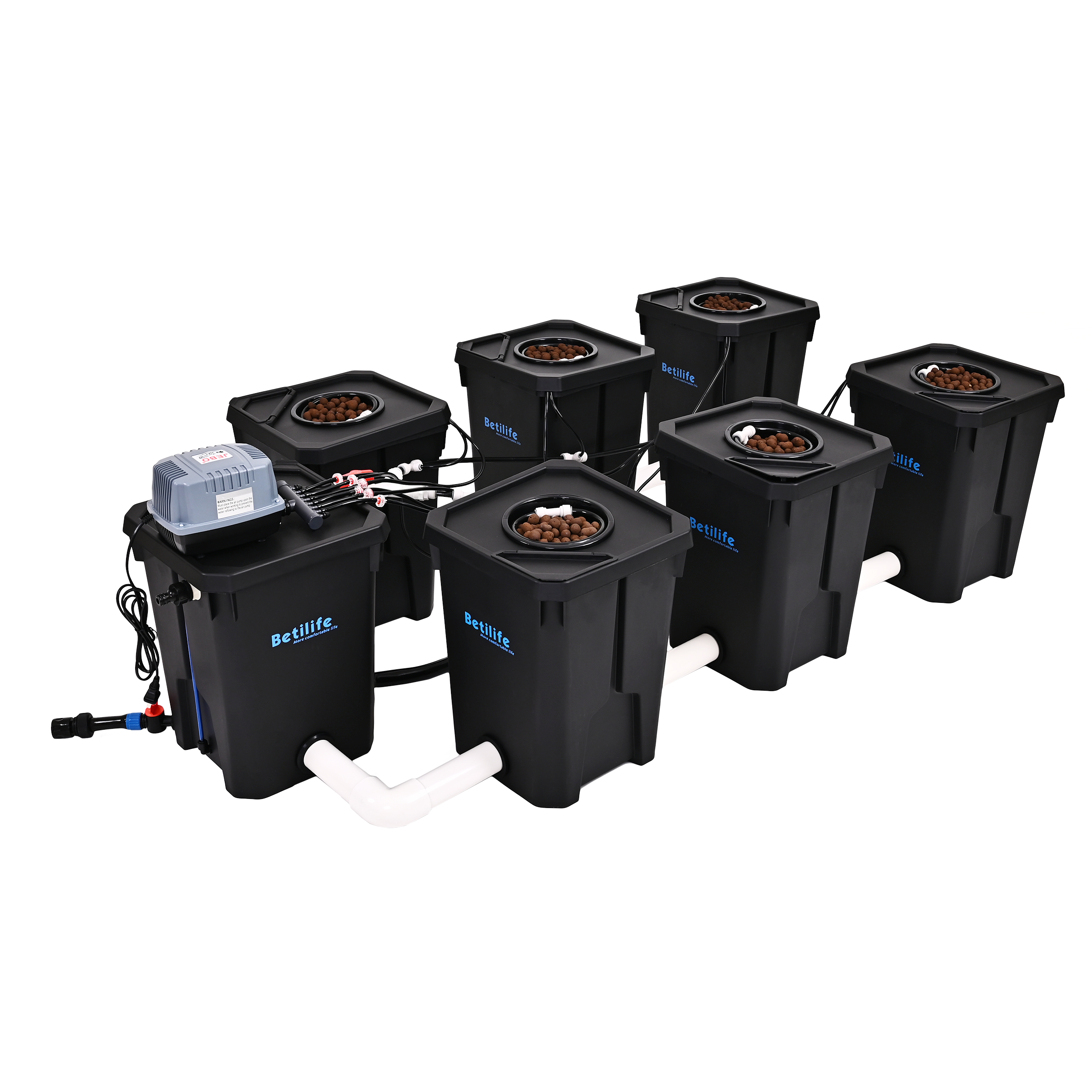
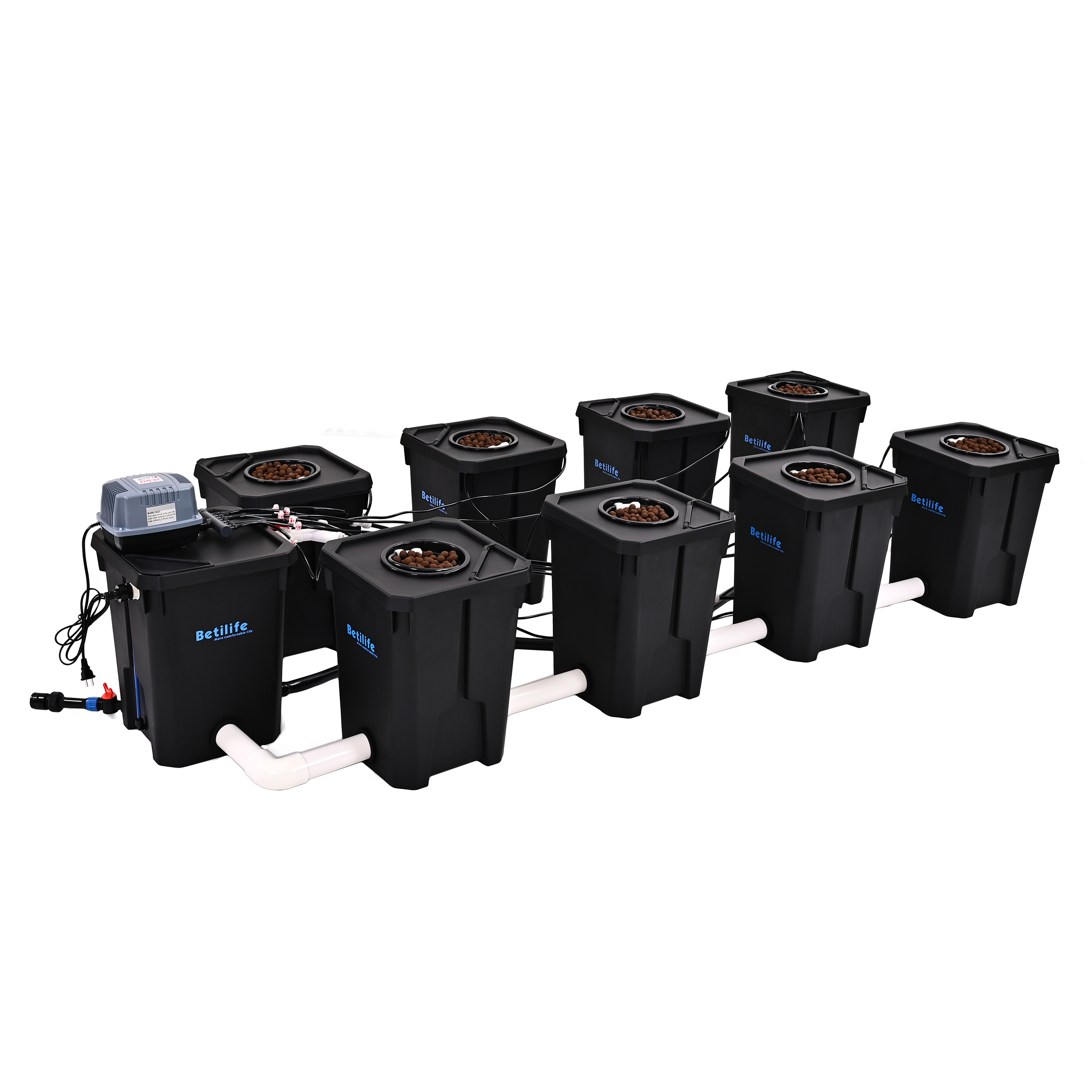
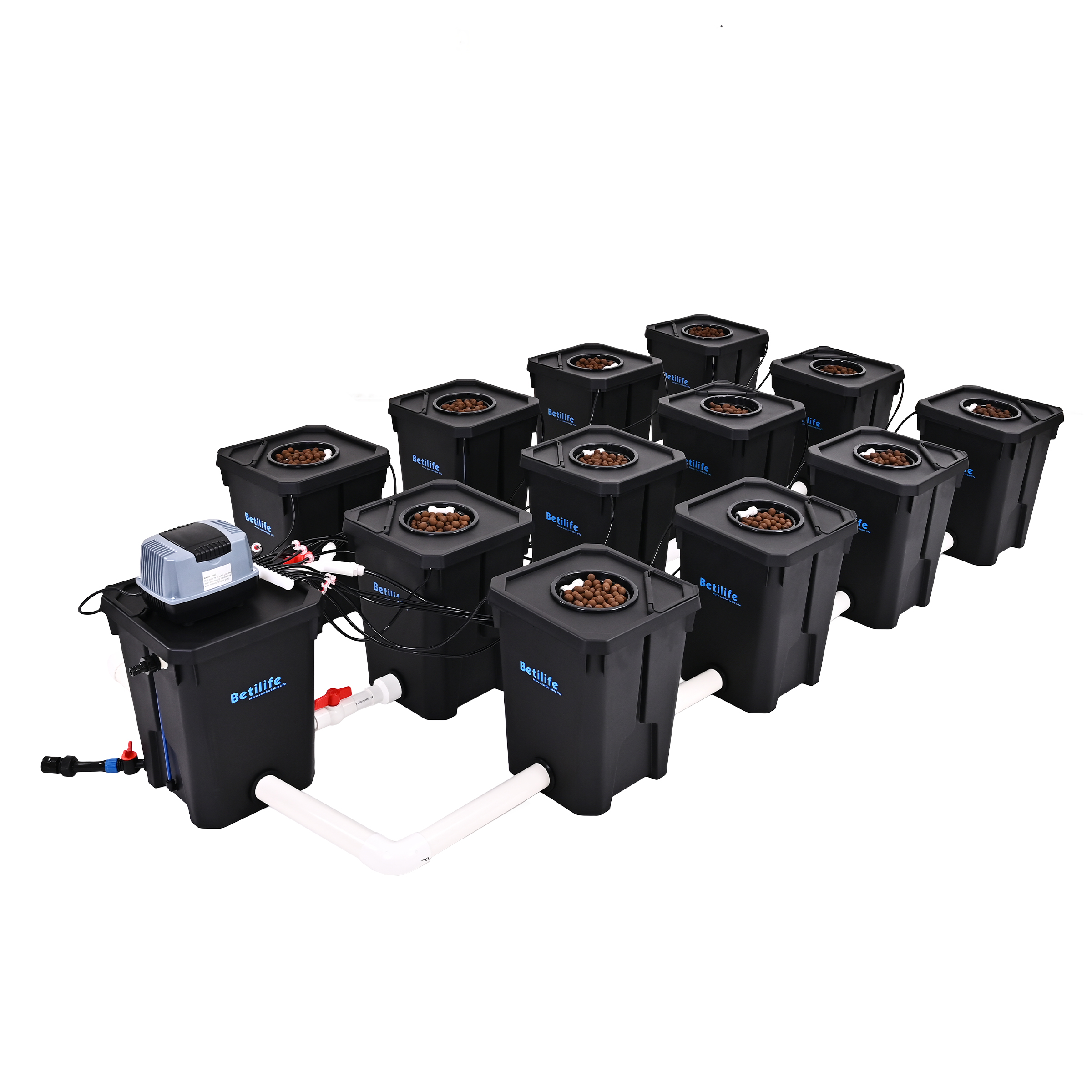
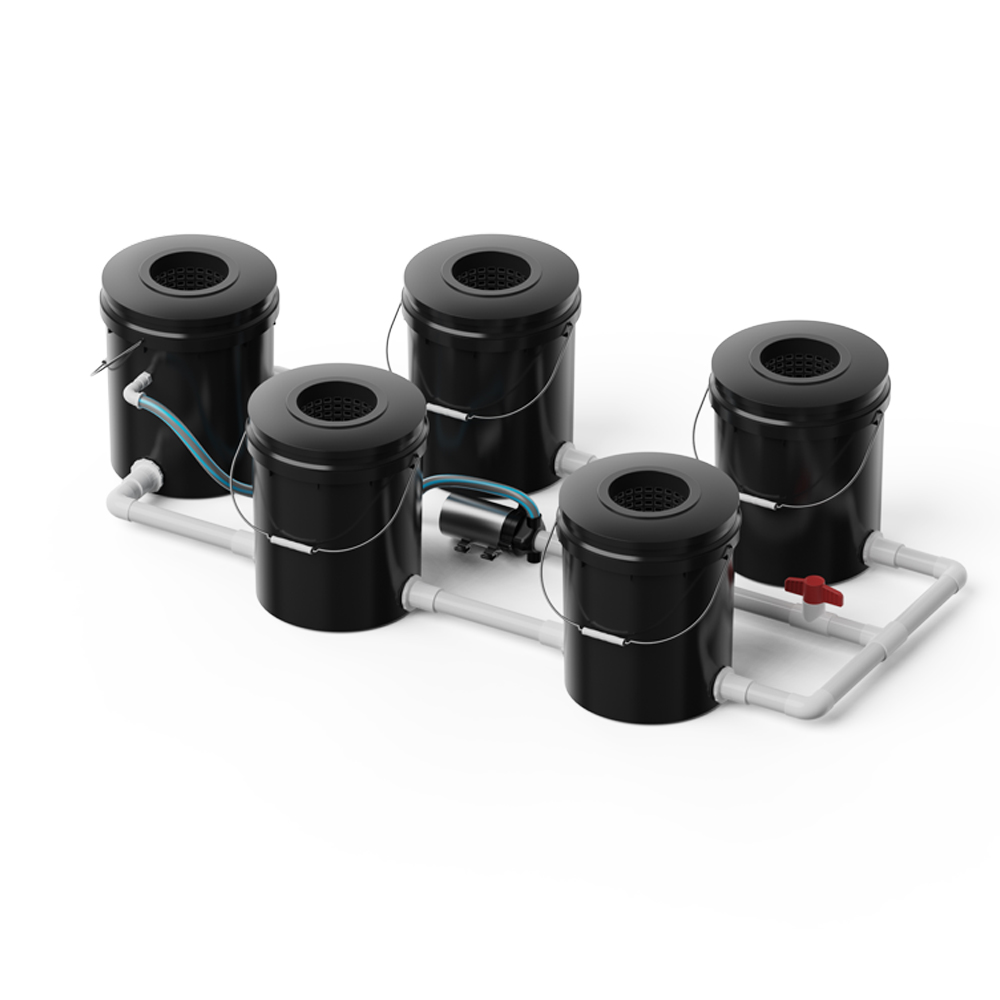
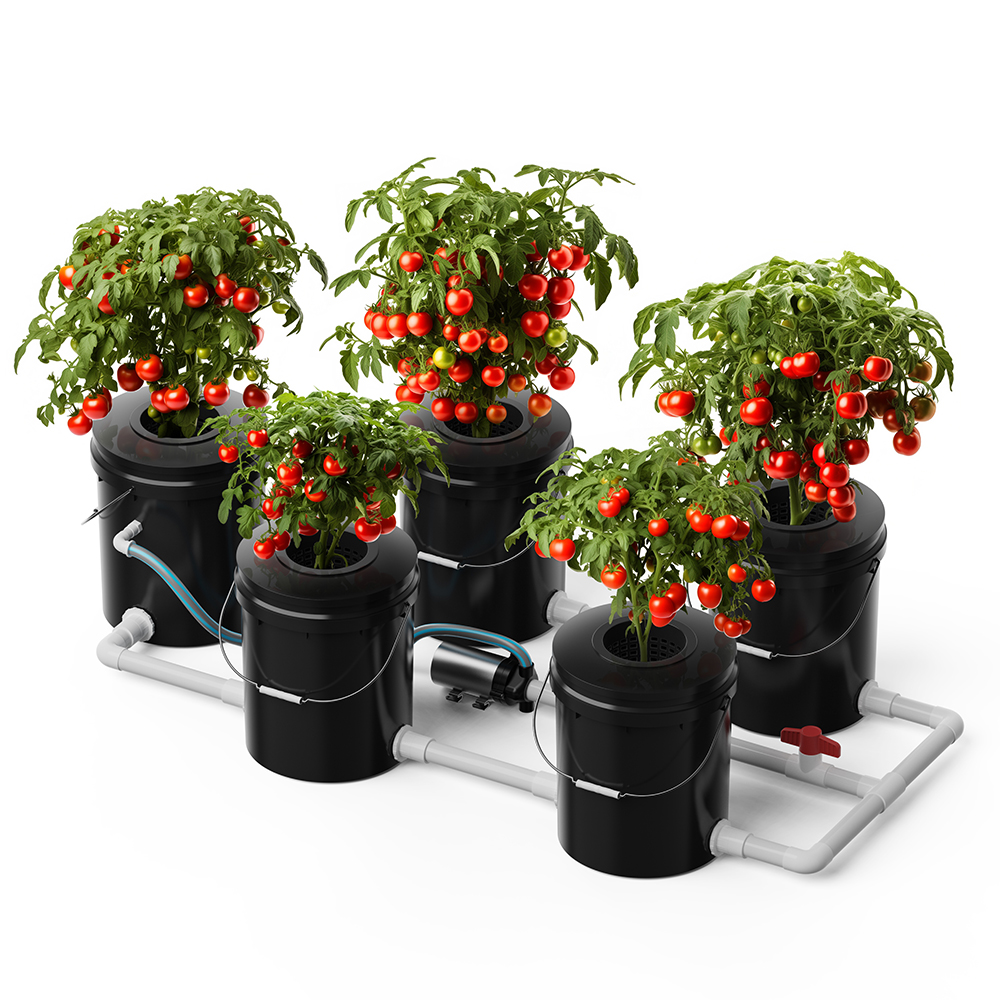
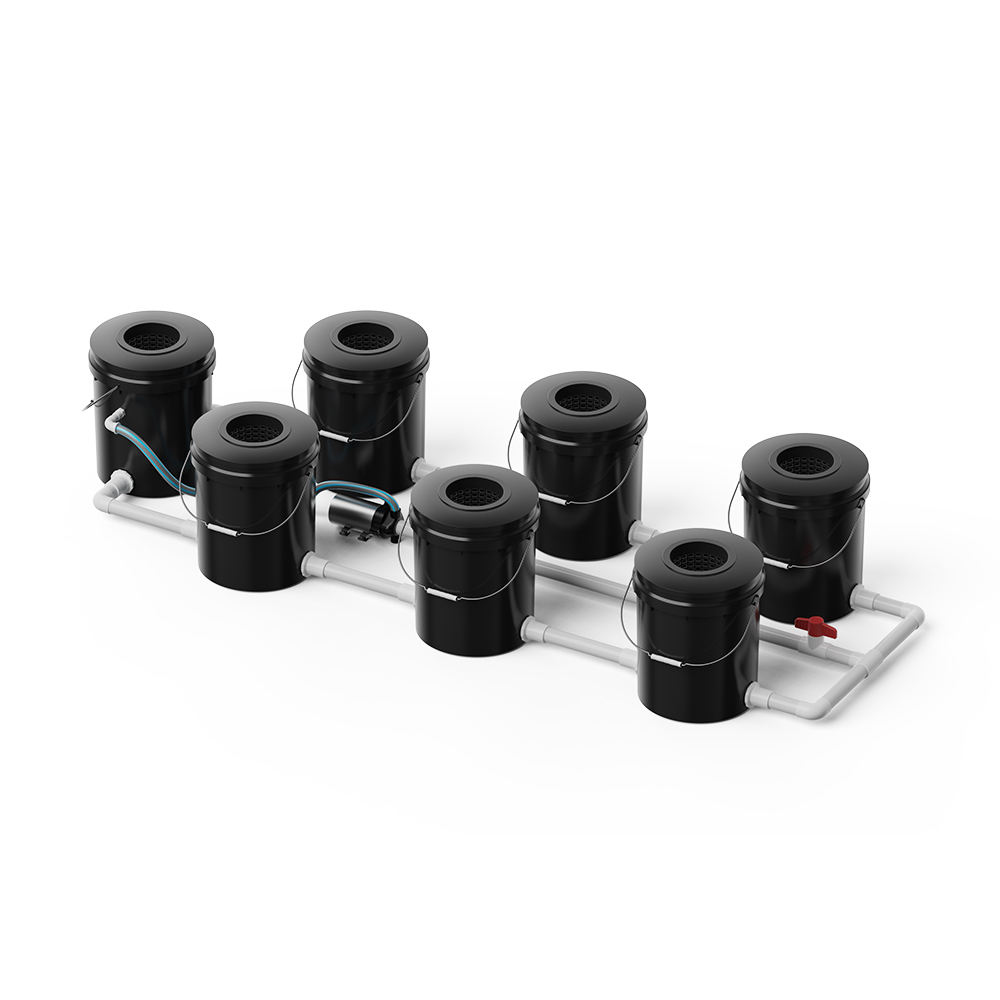
BetiLife™ Hydroponic Lavender Systems offer a variety of hydroponics techniques, including Deep Water Culture (DWC), Nutrient Film Technique (NFT), each with its own set of advantages, ranging from beginner-friendly to easy-to-use. Lavender hydroponics system automation controls lighting and water circulation, making it easy to grow lavender without the need for daily care.
If you need to grow lavender hydroponically indoors or outdoors at home, you can choose BetiLife™ Hydroponics Growing System:
Related FAQs
Can Lavender Grow in Aquaponics?
While lavender prefers drier soil in traditional gardens, it can still thrive in an aquaponics system when its roots are well-aerated.
Does Lavender Grow Well in Hydroponics?
Yes, lavender can be grown hydroponically. Hydroponic systems offer a controlled environment that can be beneficial for lavender, which has specific needs for light and pH levels. While lavender is typically grown in soil, hydroponics can provide a faster growth rate and enhanced control over the growing conditions.
How Much Light for Lavender Hydroponic?
For hydroponic lavender, you'll need to provide 16-18 hours of light per day during germination and seedling stages, with intensities ranging from 100-250 µmol/m²/s, depending on the stage. Mature plants need 6-8 hours of direct sunlight or equivalent grow light intensity daily.