What Is Hydroponics
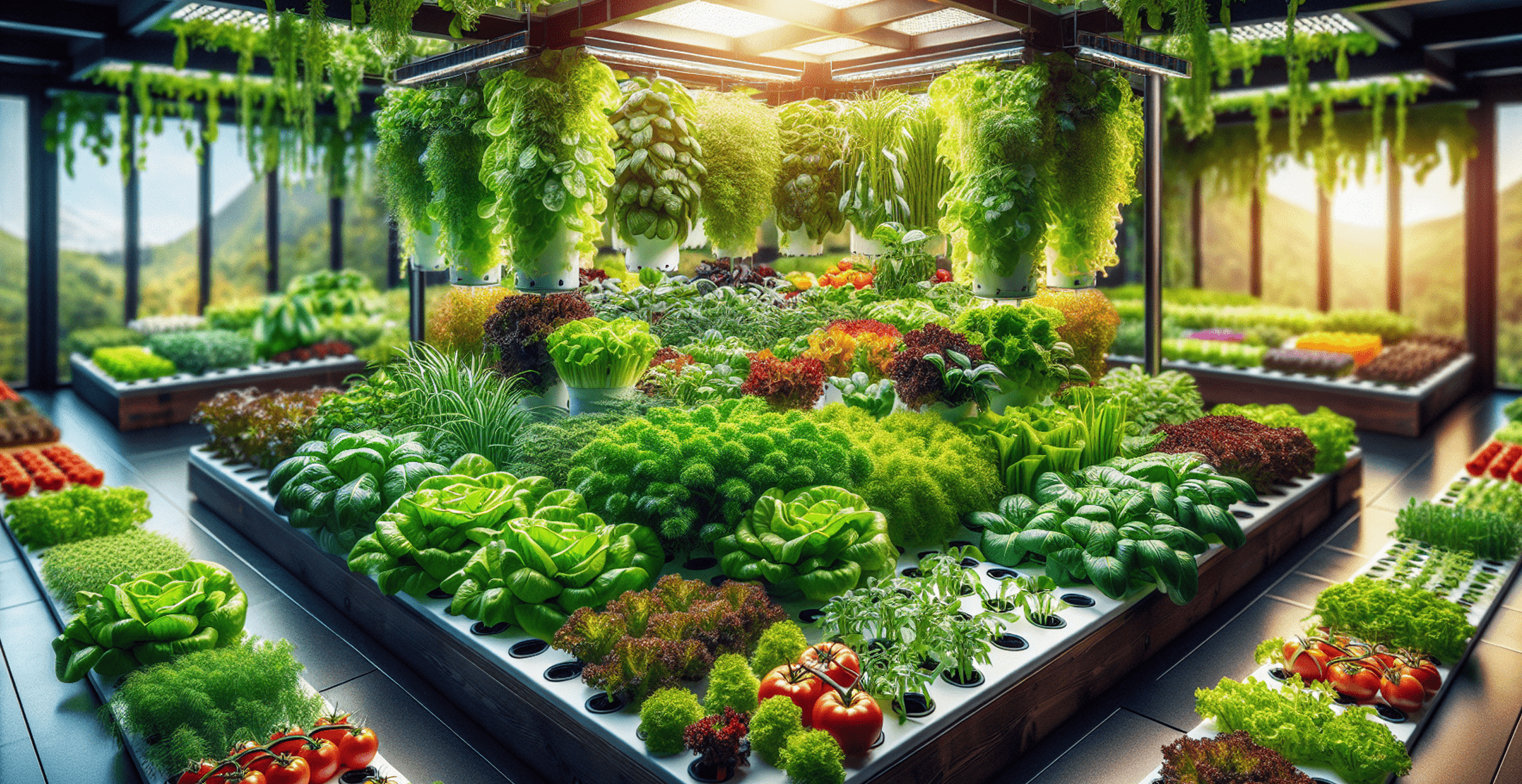
What does hydroponic mean? Hydroponics is a method of cultivating plants without soil. It uses a water-based nutrient solution to deliver essential minerals directly to the roots.
What Is Hydroponics?
Hydroponics is a horticultural technique and an offshoot of hydroponics that involves the use of water-based mineral nutrient solutions in an artificial environment to grow plants, usually crops or medicinal plants, in the absence of soil.
What Is A Hydroponic System?
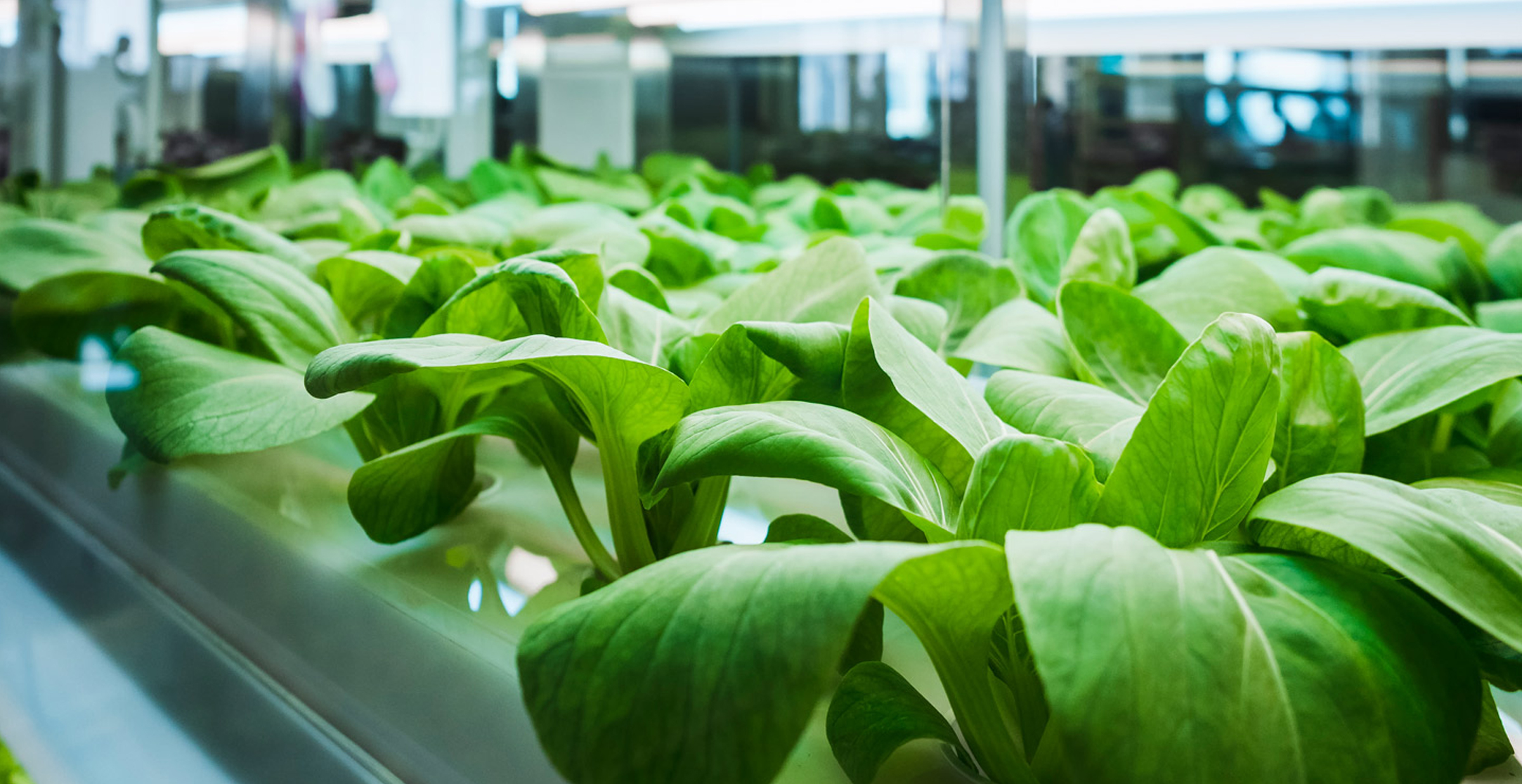
A hydroponic system is a method of cultivating plants without soil, using a nutrient-rich water solution to deliver essential minerals directly to the roots. This approach allows for precise control over growing conditions, often resulting in faster growth and higher yields compared to traditional soil-based agriculture.
How A Hydroponic System Works
- Nutrient Delivery: Plants absorb nitrogen, phosphorus, potassium, and other nutrients dissolved in water, bypassing the need to extract them from soil.
- Support Structures: Inert media like perlite, rockwool, clay pellets, or coconut coir anchor plants and support root systems while allowing access to nutrients.
- Oxygenation: Roots require oxygen, so systems incorporate aeration methods (e.g., air stones, misting, or flowing water) to prevent rot.
What Are The 6 Types Of Hydroponics?
There are 6 types of hydroponic systems available, including Deep Water Culture (DWC), Nutrient Film Technique (NFT), Drip Irrigation, Aeroponics, Ebb and Flow, and Wick System.

Types of Hydroponic Systems
-
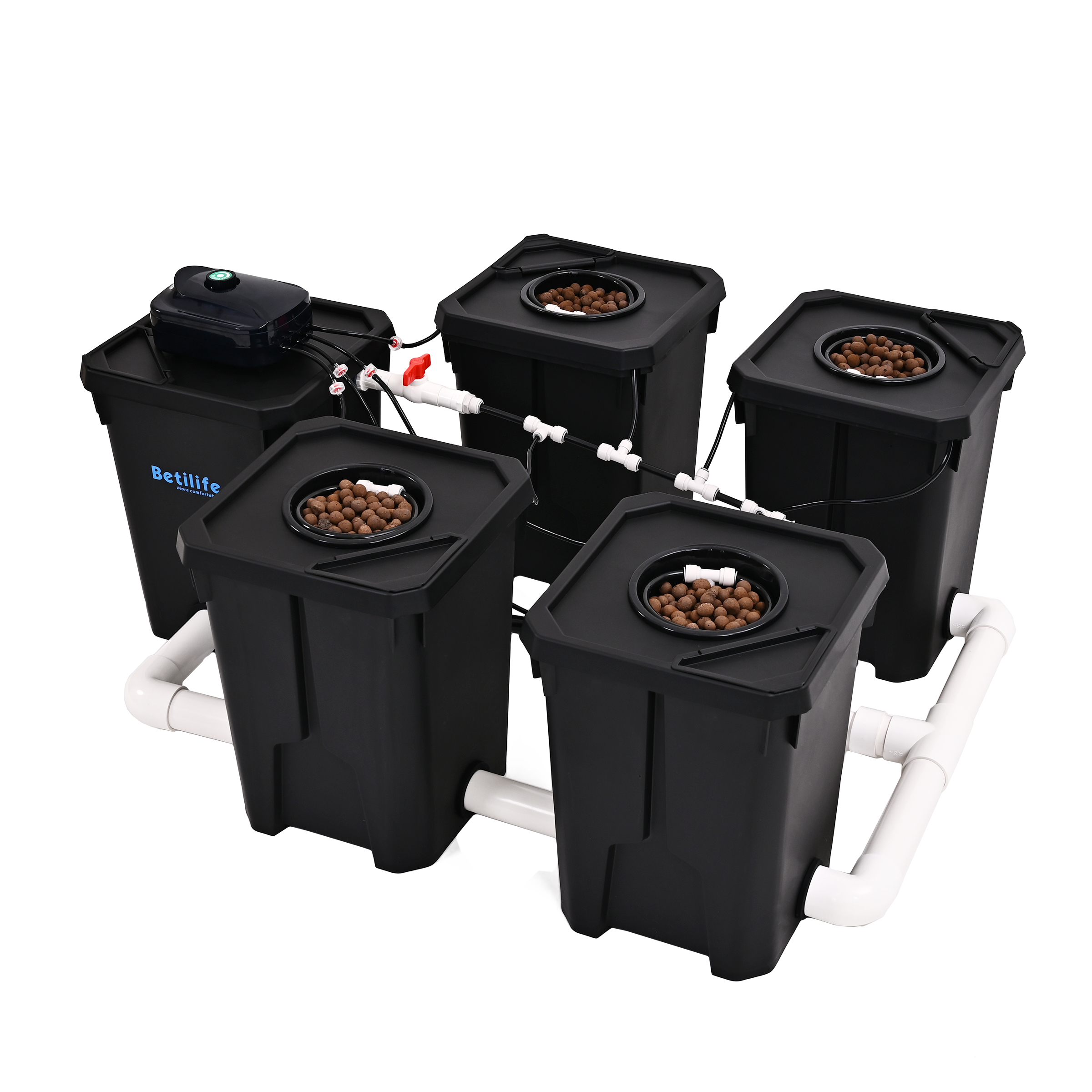
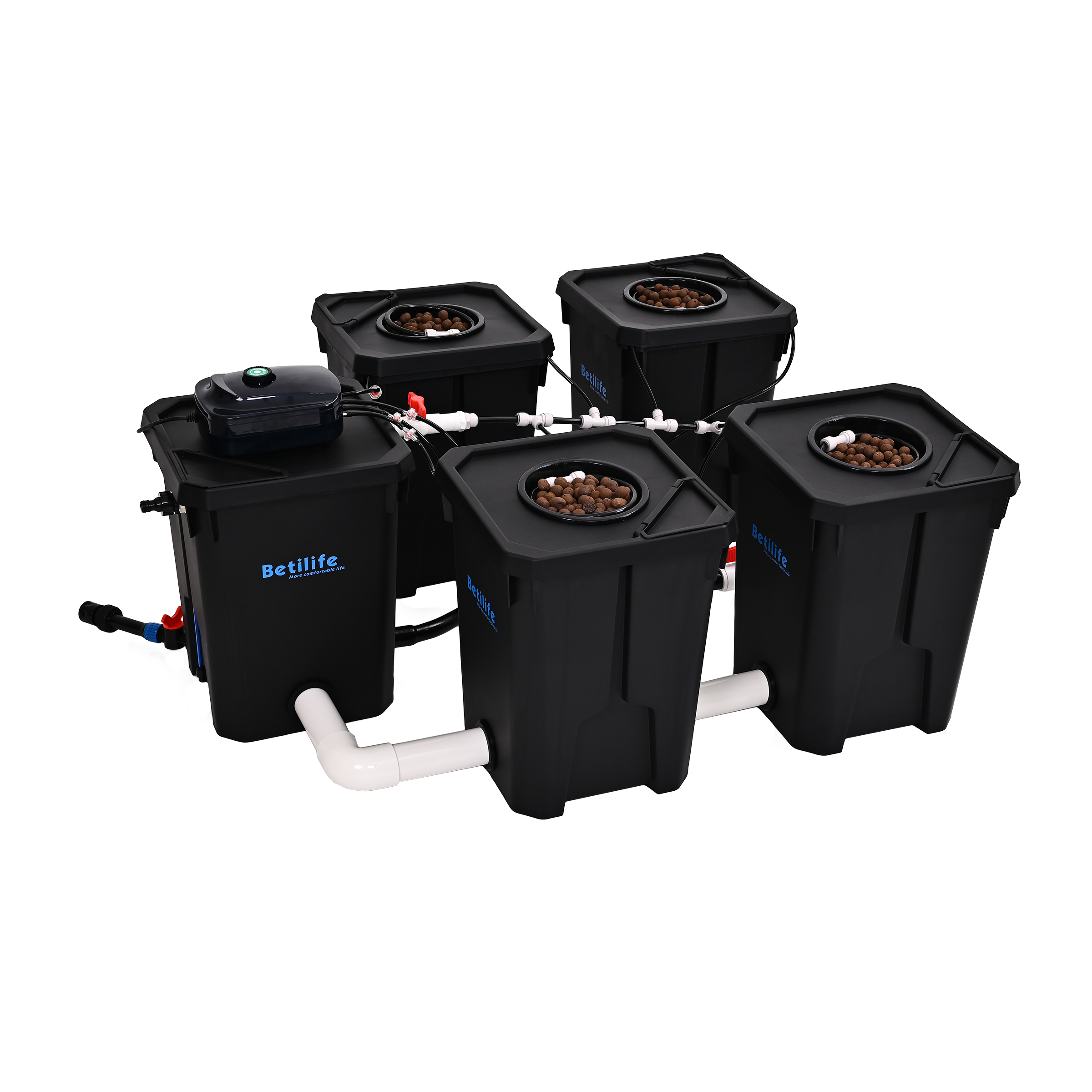
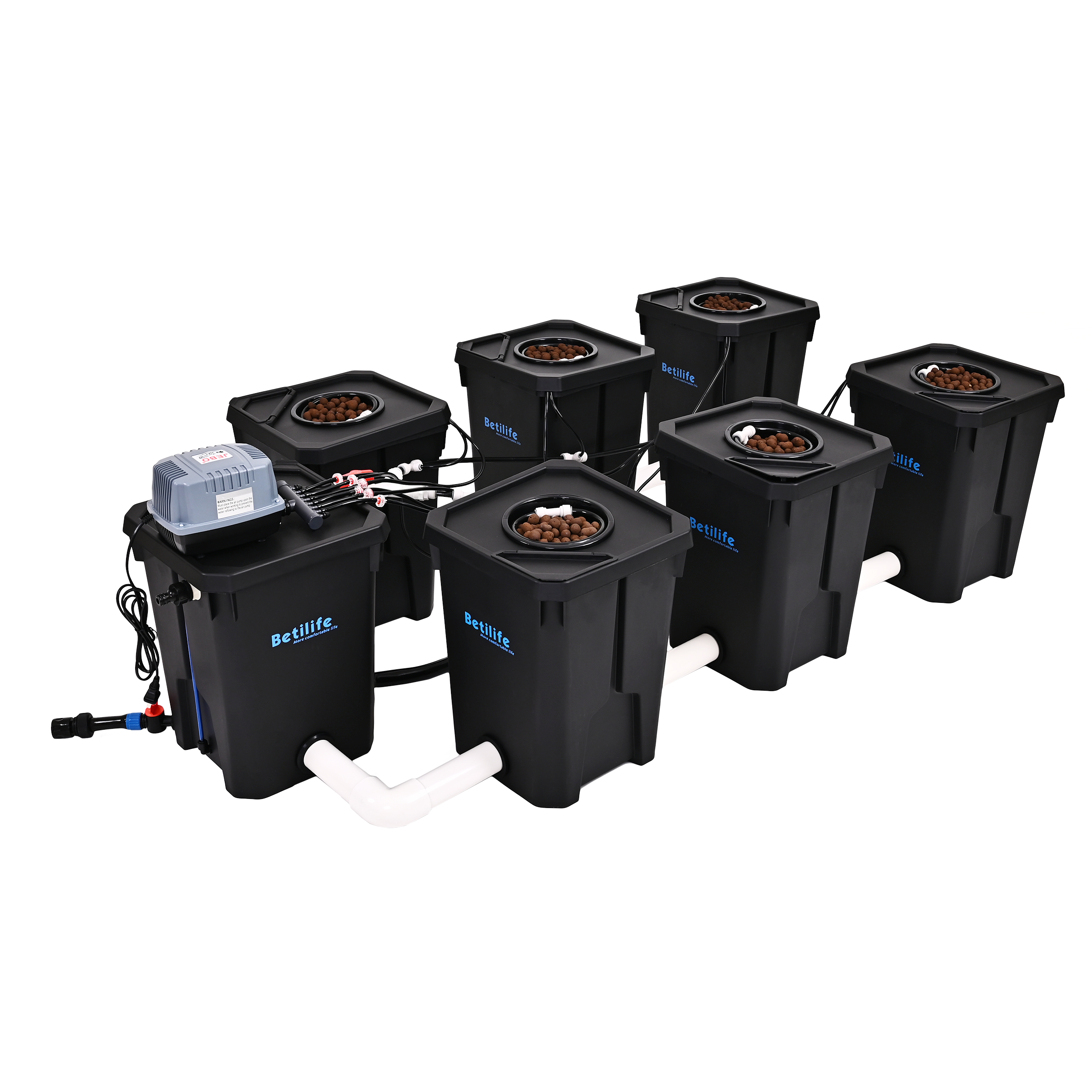
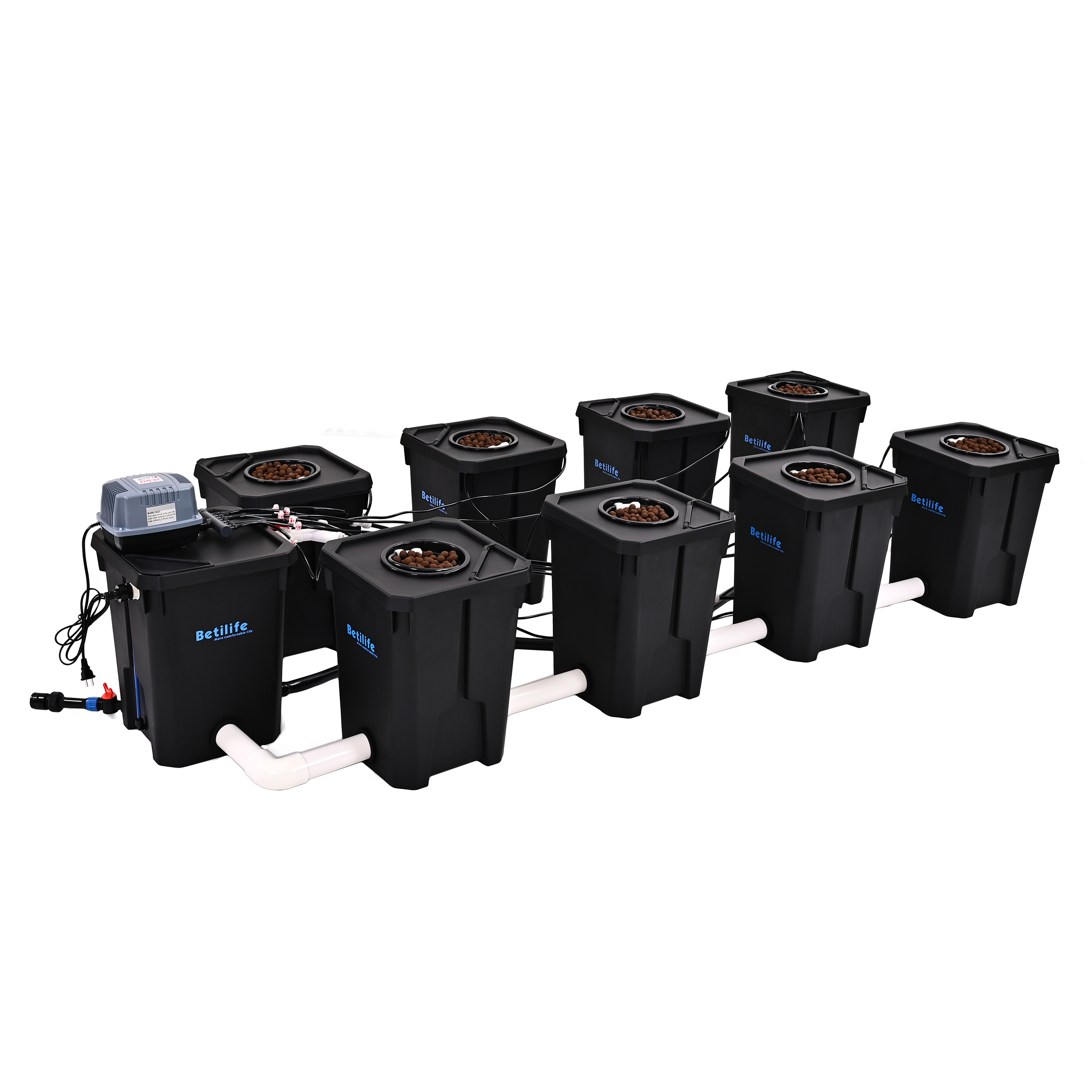
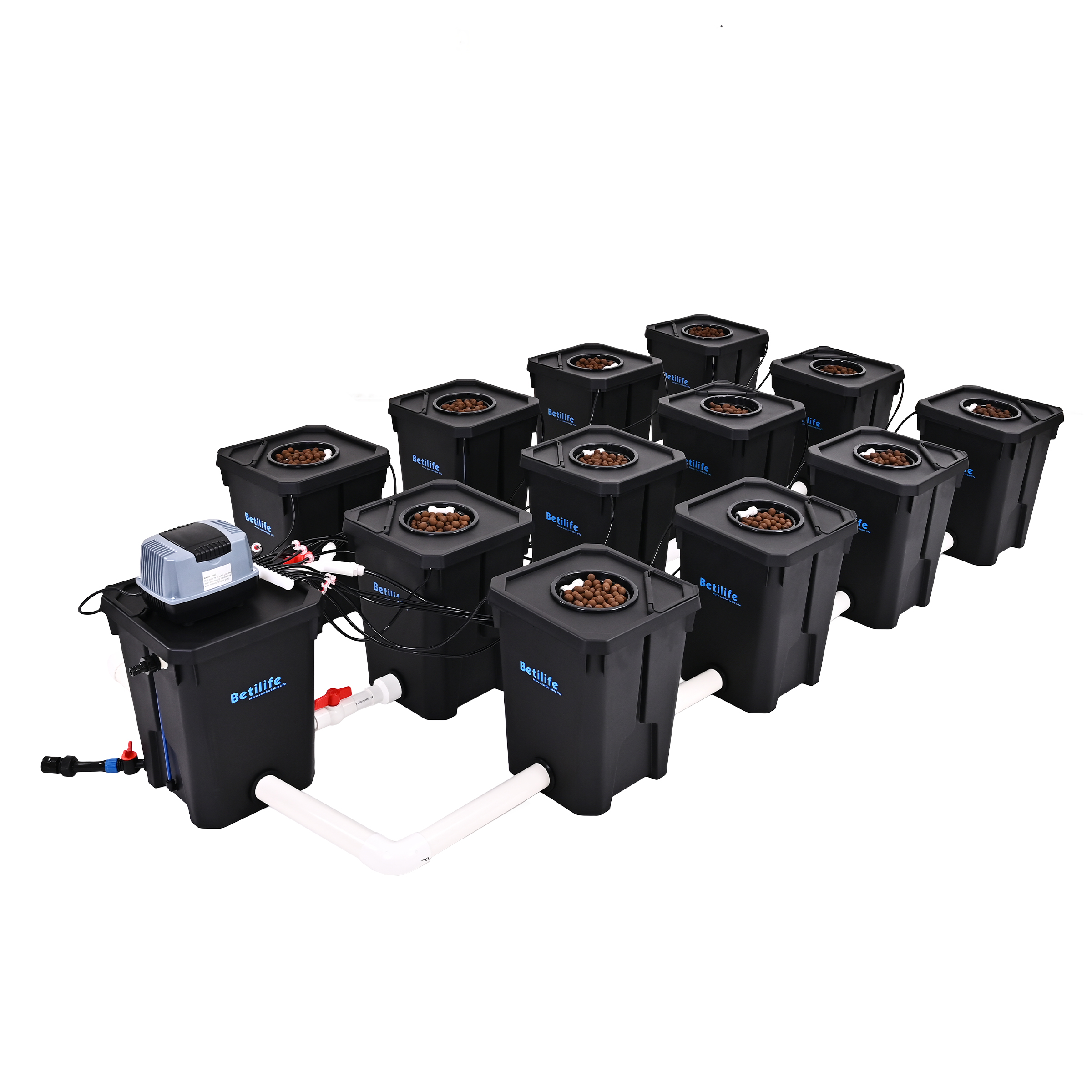
Deep Water Culture (DWC): Roots are suspended in oxygenated nutrient solution using air stones (Upgraded version: RDWC System).
-
Nutrient Film Technique (NFT): A thin film of nutrient solution flows continuously over roots in sloped channels. BetiLife™ Hydroponics System (Your indoor hydroponic garden) uses the Nutrient Film Technique (NFT).
-
Aeroponics: Roots hang in air and are misted with nutrient solution.
-
Ebb and Flow (Flood and Drain): Periodically floods the grow tray with solution, then drains it.
-
Drip Systems: Delivers solution via drip lines to each plant.
-
Wick Systems: Passive method using wicks to draw solution from a reservoir.
Hydroponics Advantages/Benefits
-
Resource Efficiency: Uses up to 90% less water than soil farming due to recirculation.
-
Faster Growth: Direct nutrient access can accelerate plant development.
-
Space and Location Flexibility: Suitable for urban areas, vertical farms, or regions with poor soil.
-
Reduced Pests/Diseases: Eliminates soil-borne pathogens, lowering pesticide use.
-
Year-Round Production: Enabled by controlled environments (e.g., greenhouses, indoor setups).
Hydroponics Challenges
-
Initial Cost: Higher setup expenses for equipment like pumps, lights, and sensors.
-
Technical Knowledge: Requires monitoring of pH, nutrient levels, and temperature.
-
System Reliability: Power outages or pump failures can rapidly harm plants.
-
Pathogen Risk: Waterborne diseases (e.g., root rot) need proactive management.
Hydroponics Applications
-
Commercial Farming: High-value crops like leafy greens, herbs, and strawberries.
-
Urban Agriculture: Rooftop gardens, vertical farms, and indoor systems.
-
Research: Studying plant nutrition and growth optimization.
Hydroponics exemplifies innovation in agriculture, offering sustainable solutions for food production in resource-limited or space-constrained environments.
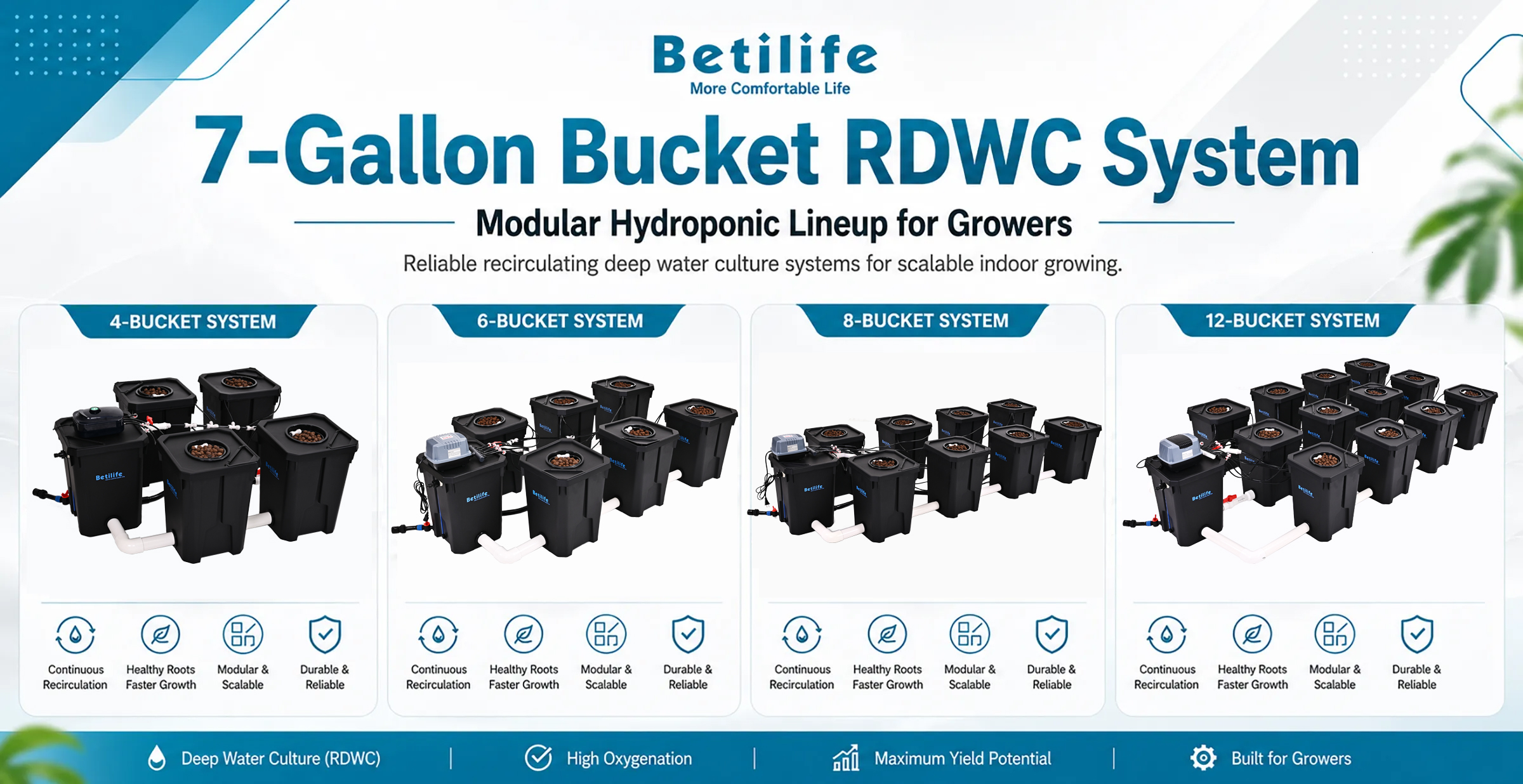
7-Gallon Bucket Commercial RDWC System
Learn more about hydroponics:
- What Are The Best Flowers For Hydroponics
- How To Grow Hydroponic Tomatoes Indoor
- Can You Do Hydroponic Carrots
- What Are The Best Plants To Grow In Hydroponic Towers
- What Are The Best Hydroponic Lettuce Varieties
- How To Grow Hydroponic Lettuce Indoors At Home
- What Are The Best Strawberries To Grow Hydroponically
- What Are Hydroponic Strawberries