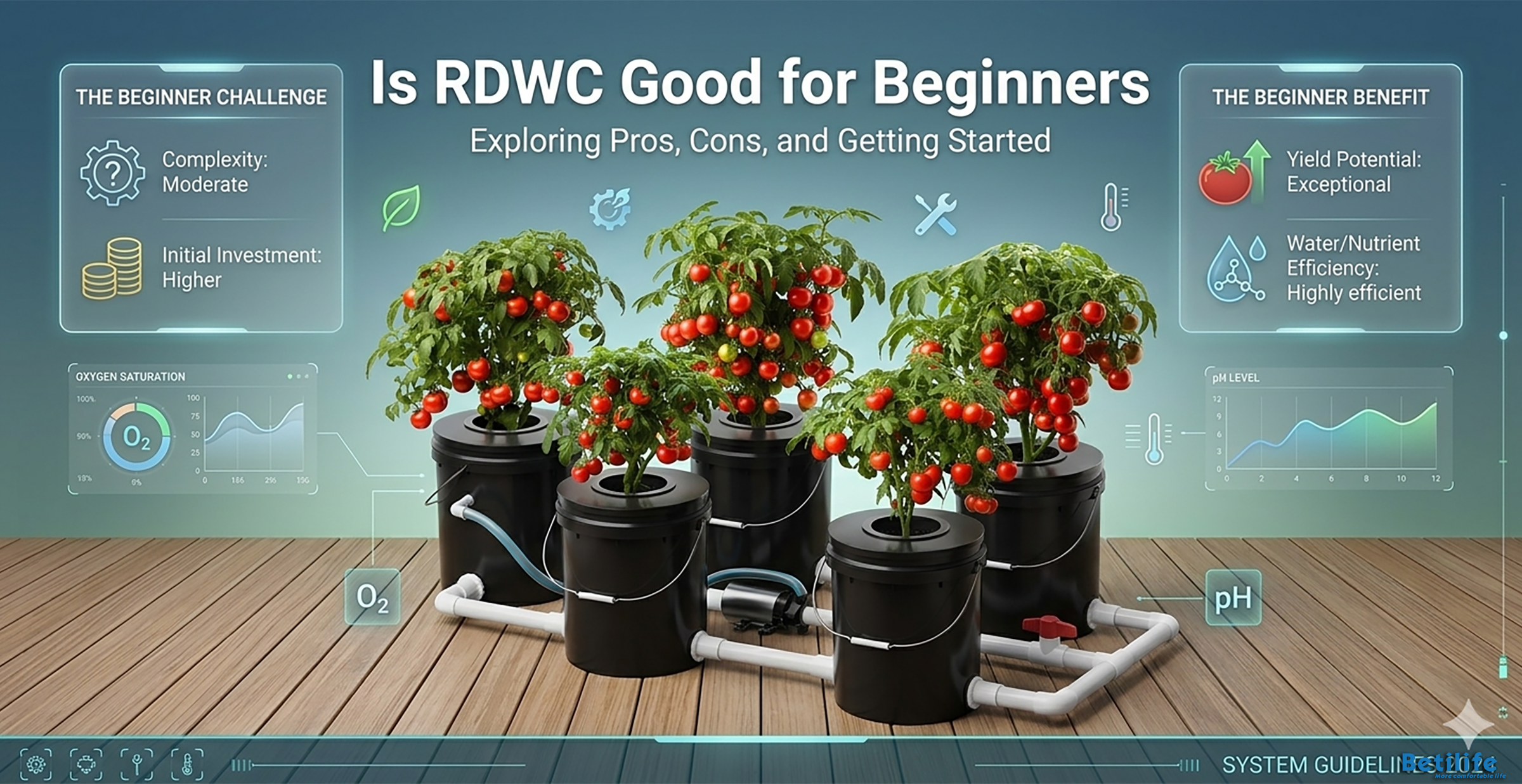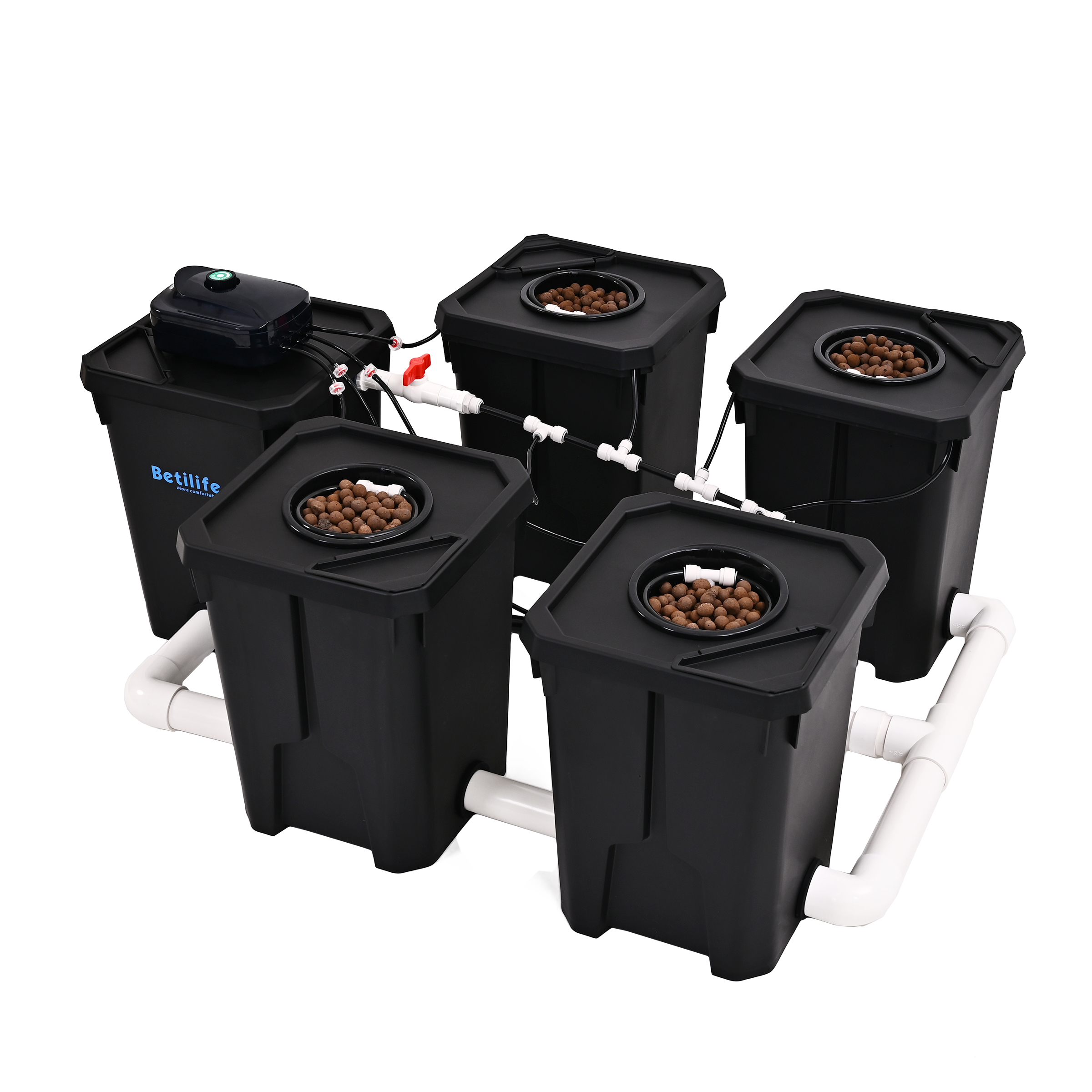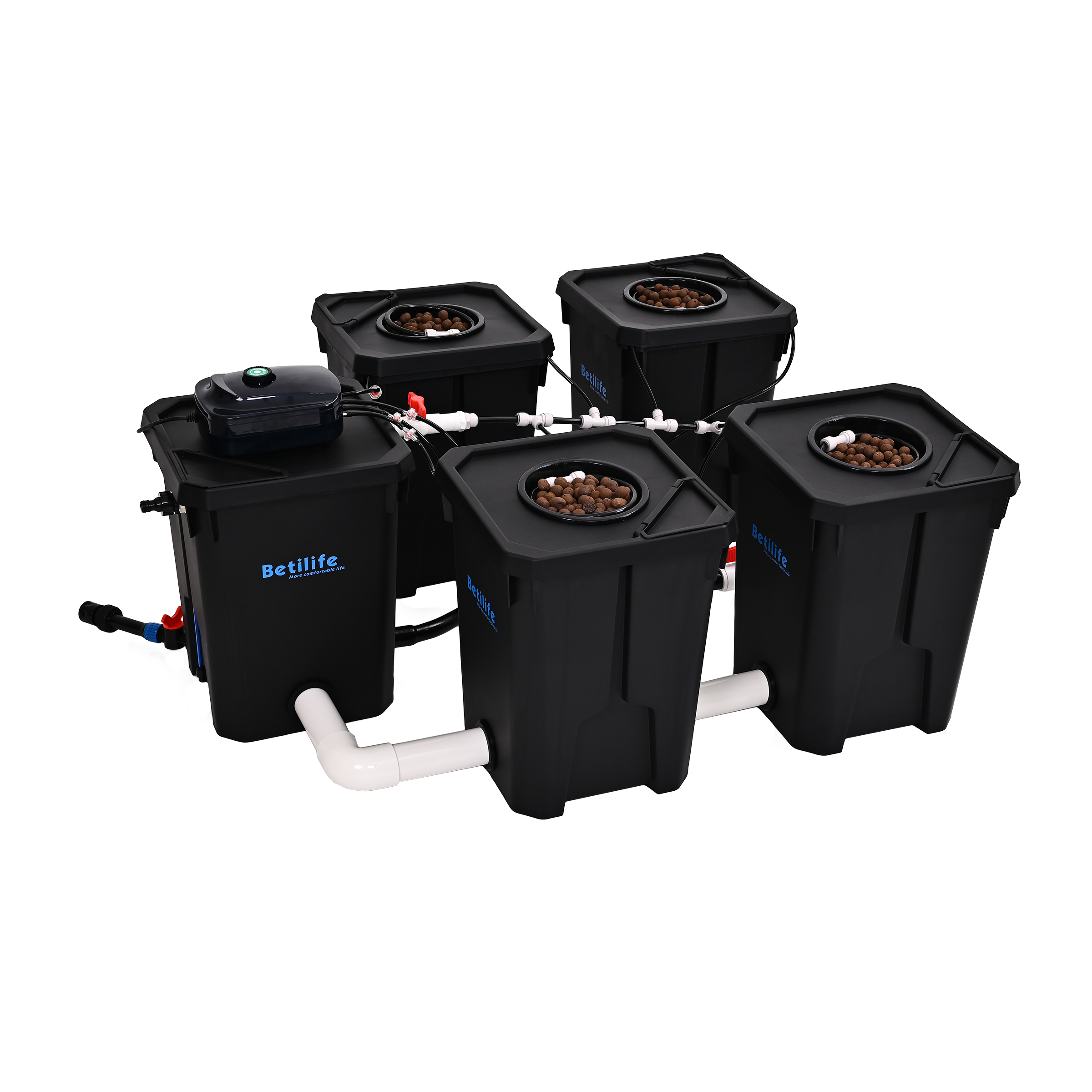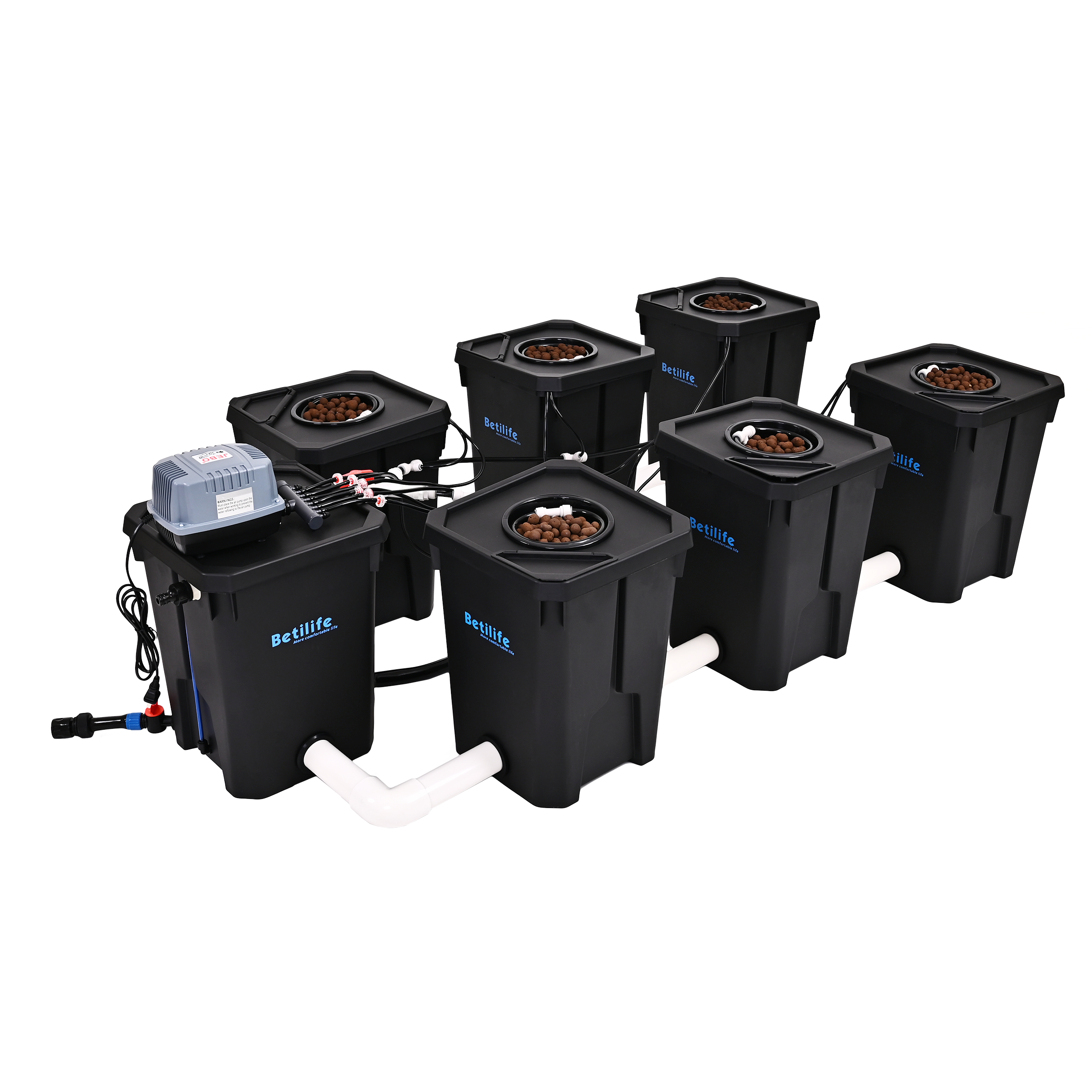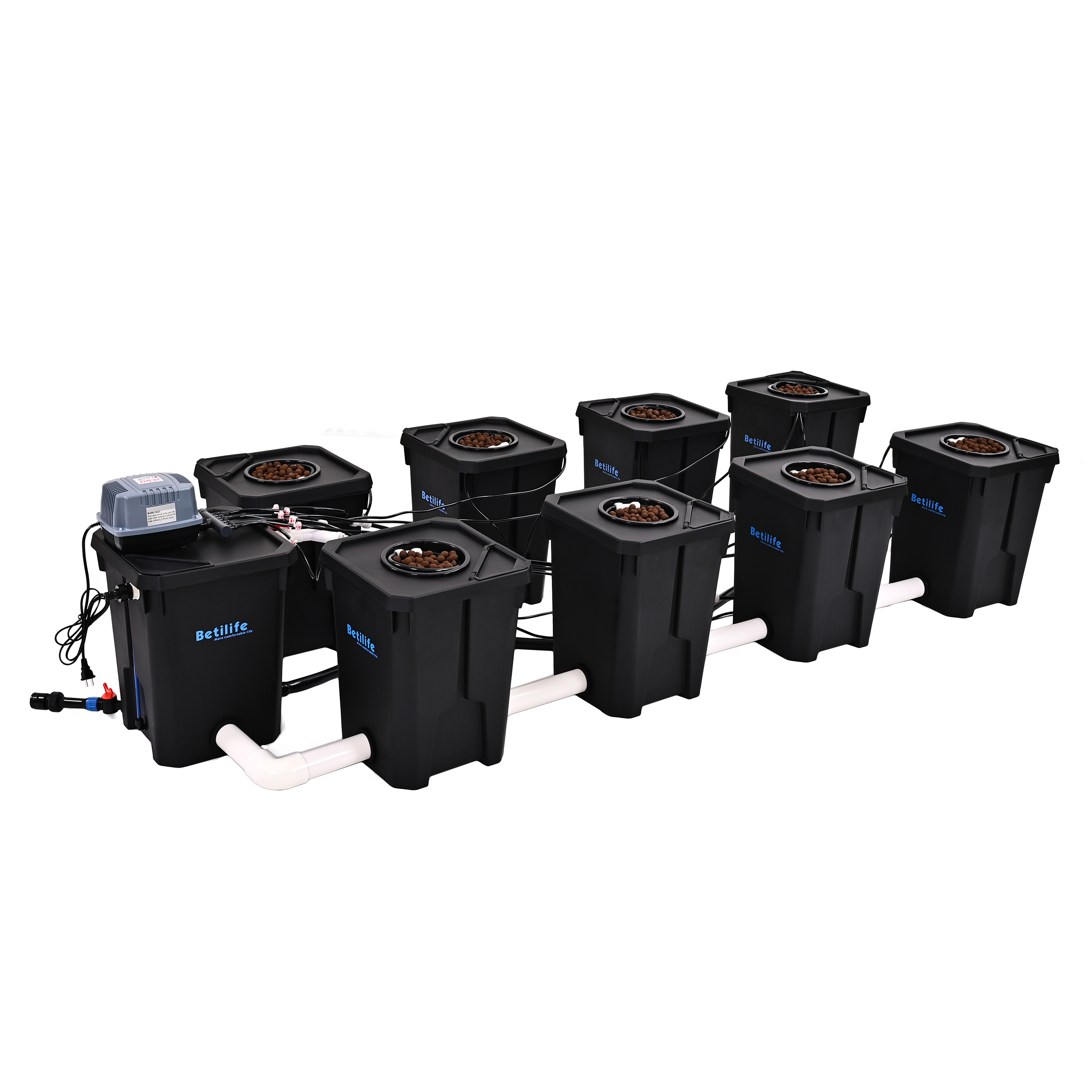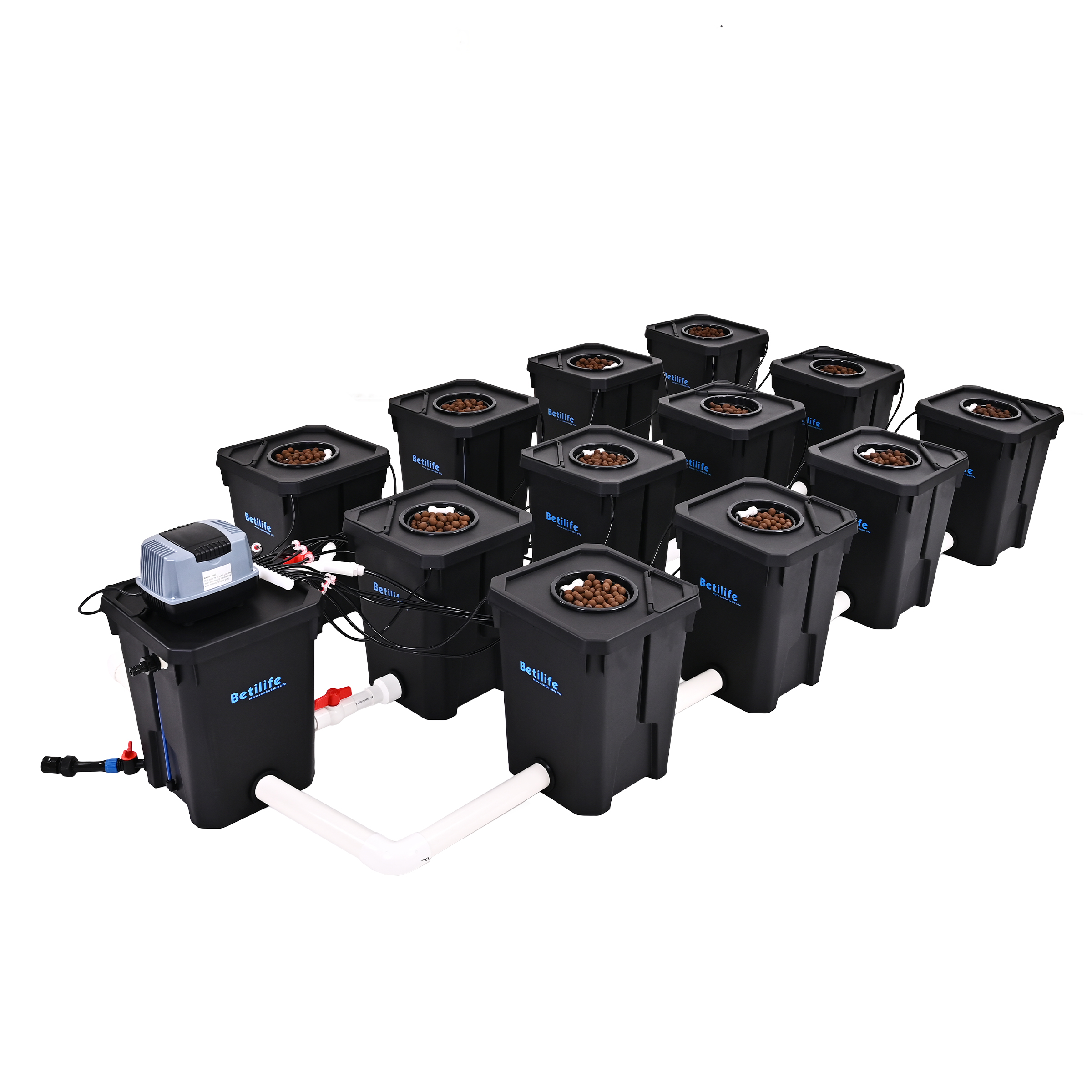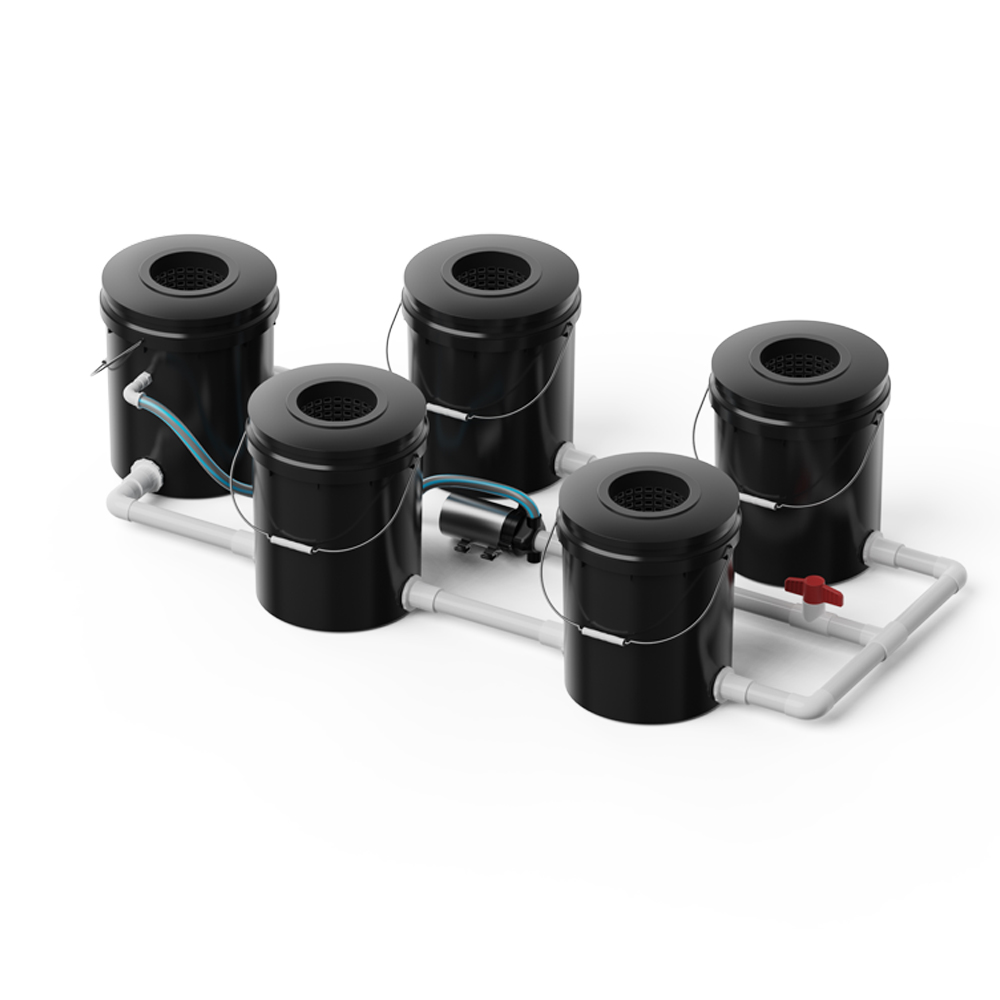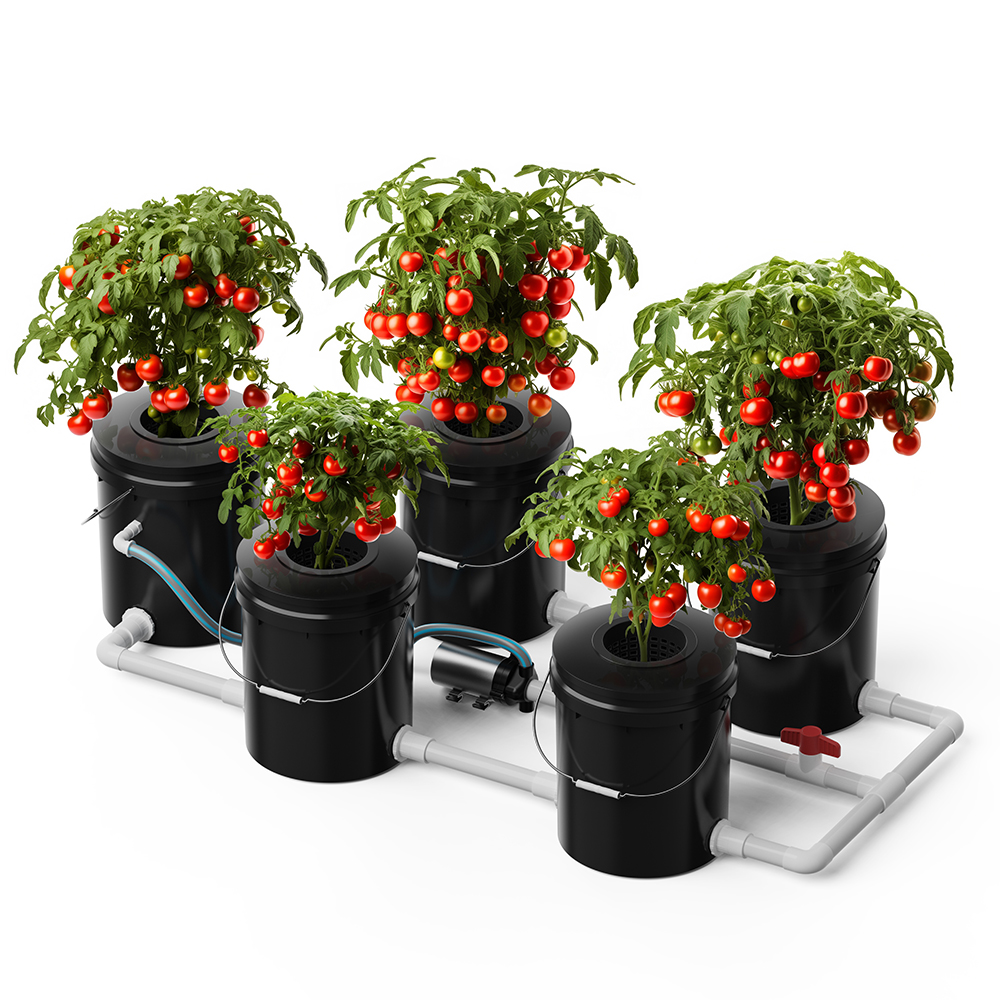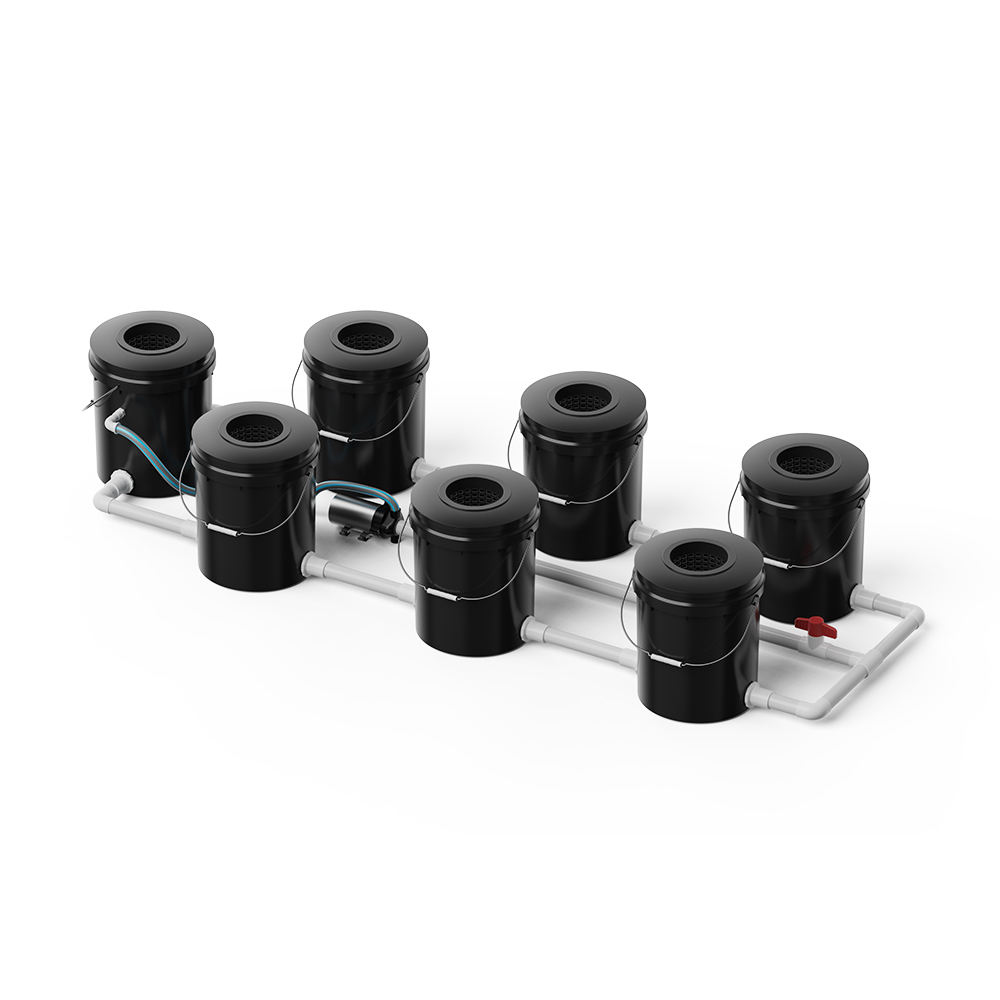
How to grow tomatoes hydroponically? Growing tomatoes hydroponically is with the help of hydroponic tomato growing kits or a tomato hydroponic system, which makes it easy to grow hydroponic tomatoes indoors (Hydroponic Tomato Plants) with soilless techniques.
What Are Hydroponic Tomatoes?
Hydroponic tomatoes are cultivated without soil, using a nutrient-rich water solution. Grown indoors in controlled environments, they rely on systems that optimize light, temperature, and nutrients for efficient growth and higher yields.
What are the best tomatoes for Hydroponics?
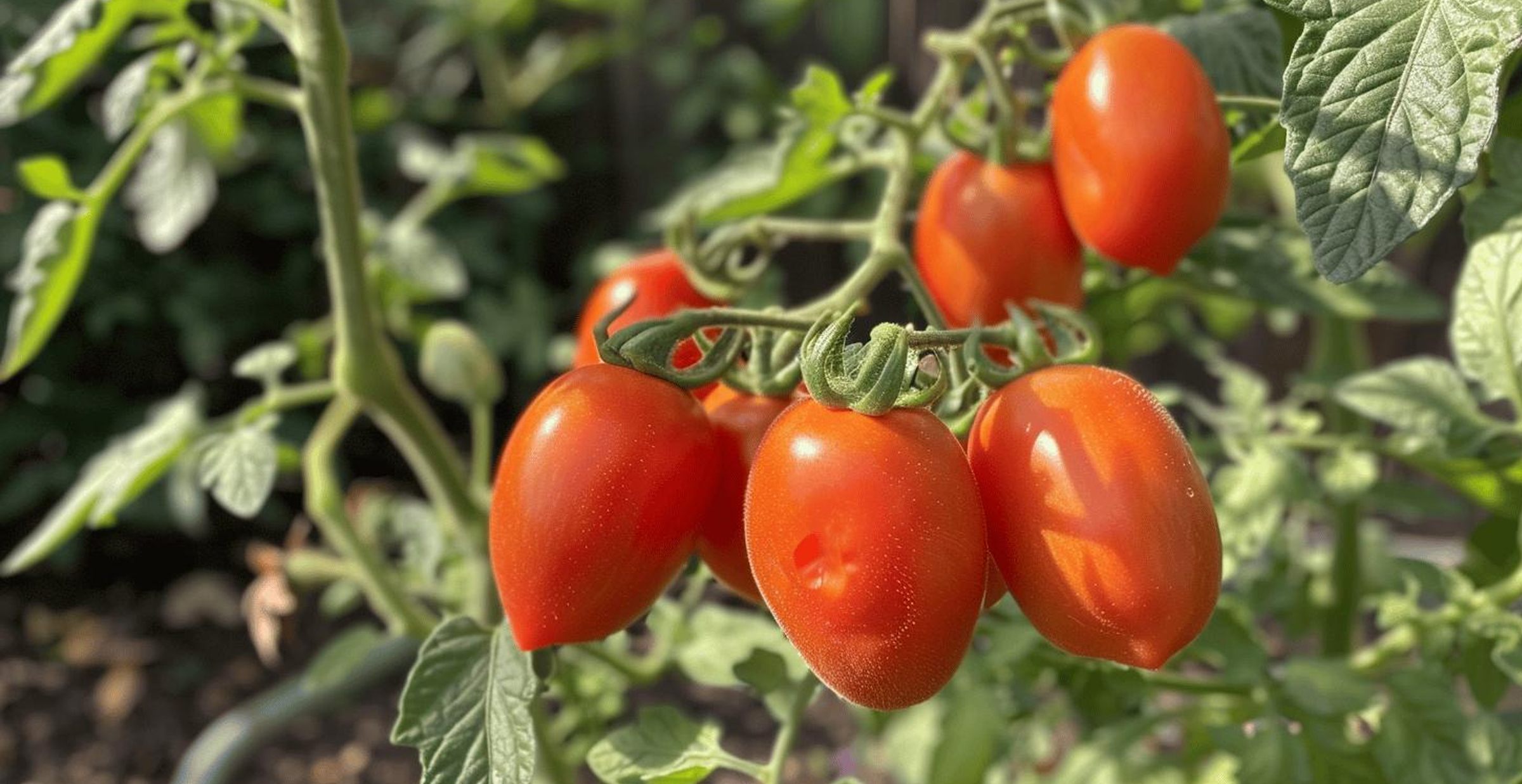
Six popular hydroponic tomato varieties include Roma tomatoes, Cherry tomatoes, Beefsteak tomatoes, Cocktail tomatoes, Grape tomatoes, and Heirloom tomatoes, all of which show good growth in hydroponic systems, and your hydroponic garden brings unique size, flavor, and fun.
Of course, limited-growth and limited-growth tomato varieties, including bush tomatoes and vine tomatoes, are also suitable for hydroponic growing; they just require more effort on your part to grow and maintain.
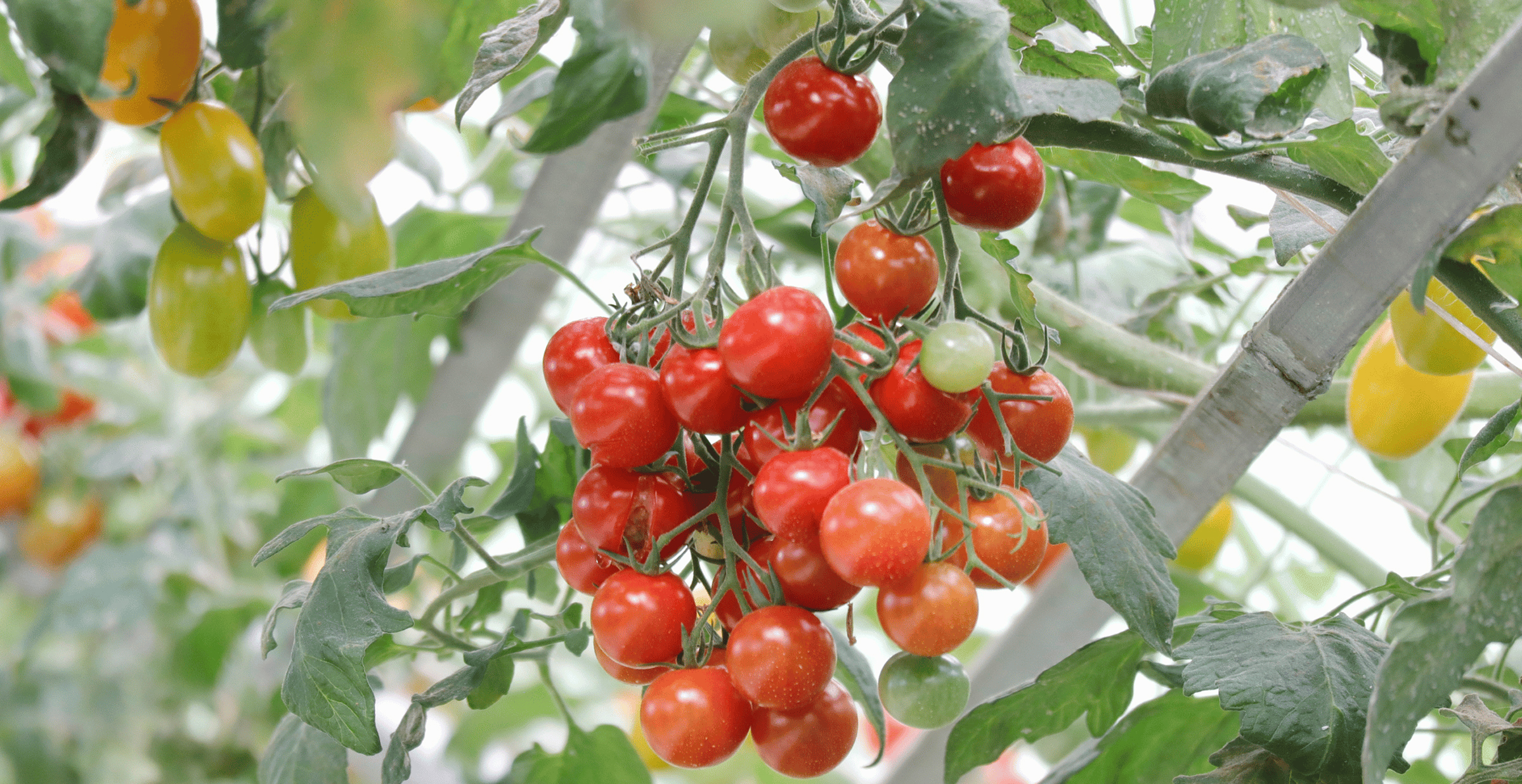
How To Grow Hydroponic Tomatoes?
a. System Setup
-
Seed Germination: Start seeds in inert media like rockwool cubes or coco coir. Maintain warmth (70-80°F) and moisture until seedlings emerge.
-
Transplanting: Move seedlings to the hydroponic system once roots develop (2-3 weeks).
b. Hydroponic System Requirements
-
Nutrient Solution: Use a balanced formula (N-P-K 5-6-5 during vegetative growth; switch to higher potassium (e.g., 8-12-16) during fruiting). Maintain pH 5.8–6.5.
-
Lighting: Provide 12–16 hours/day of full-spectrum LED or HID lights.
-
Temperature: Daytime 70–75°F; nighttime 60–65°F.
-
Support Structures: Use trellises or strings for vertical growth.
c. Maintenance
-
Pollination: Gently shake flowers or use a brush to mimic bees.
-
Pruning: Remove suckers to focus energy on fruiting (indeterminate varieties).
-
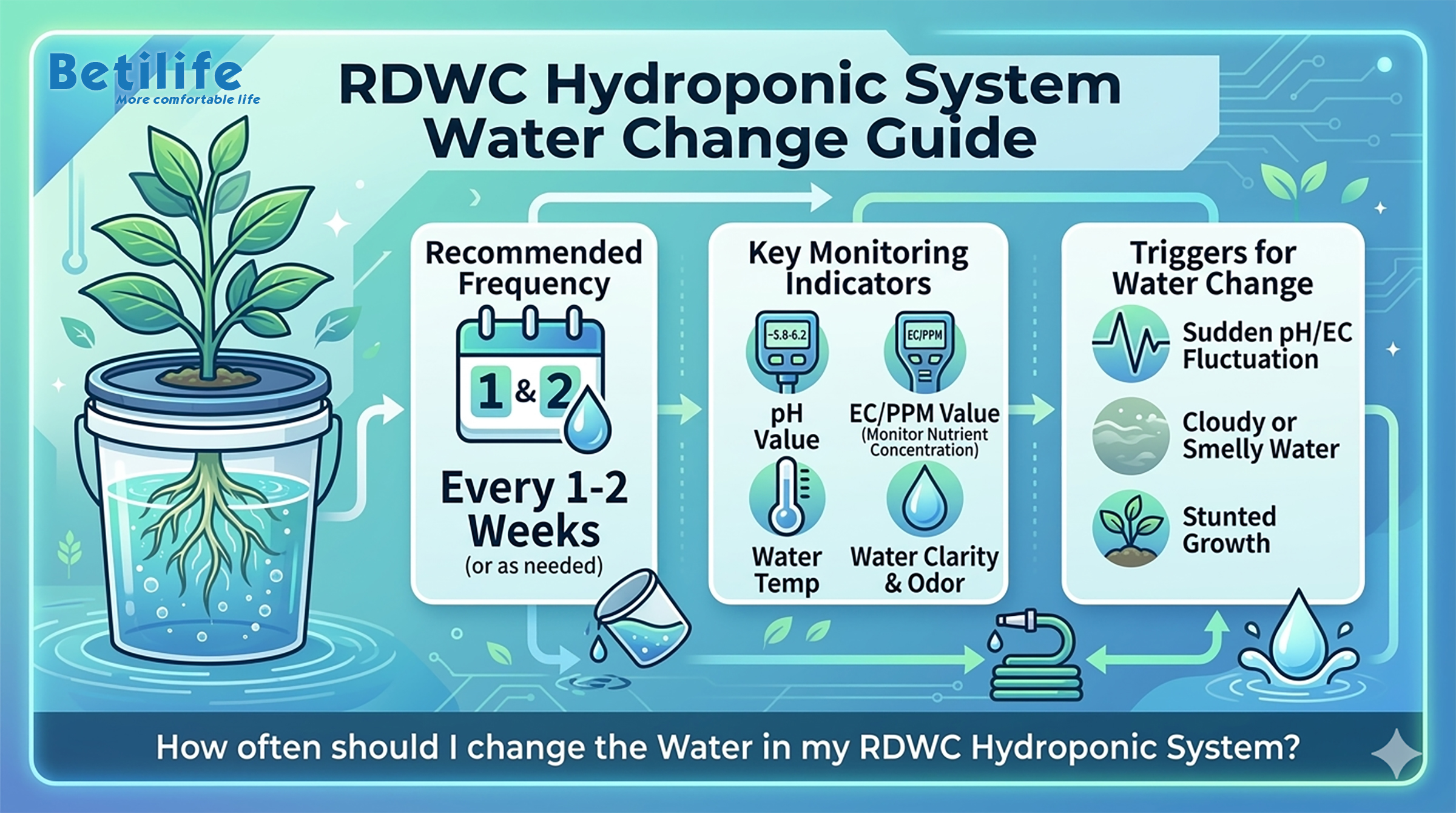
Monitoring: Check pH/EC daily; refresh nutrient solution every 2–3 weeks.
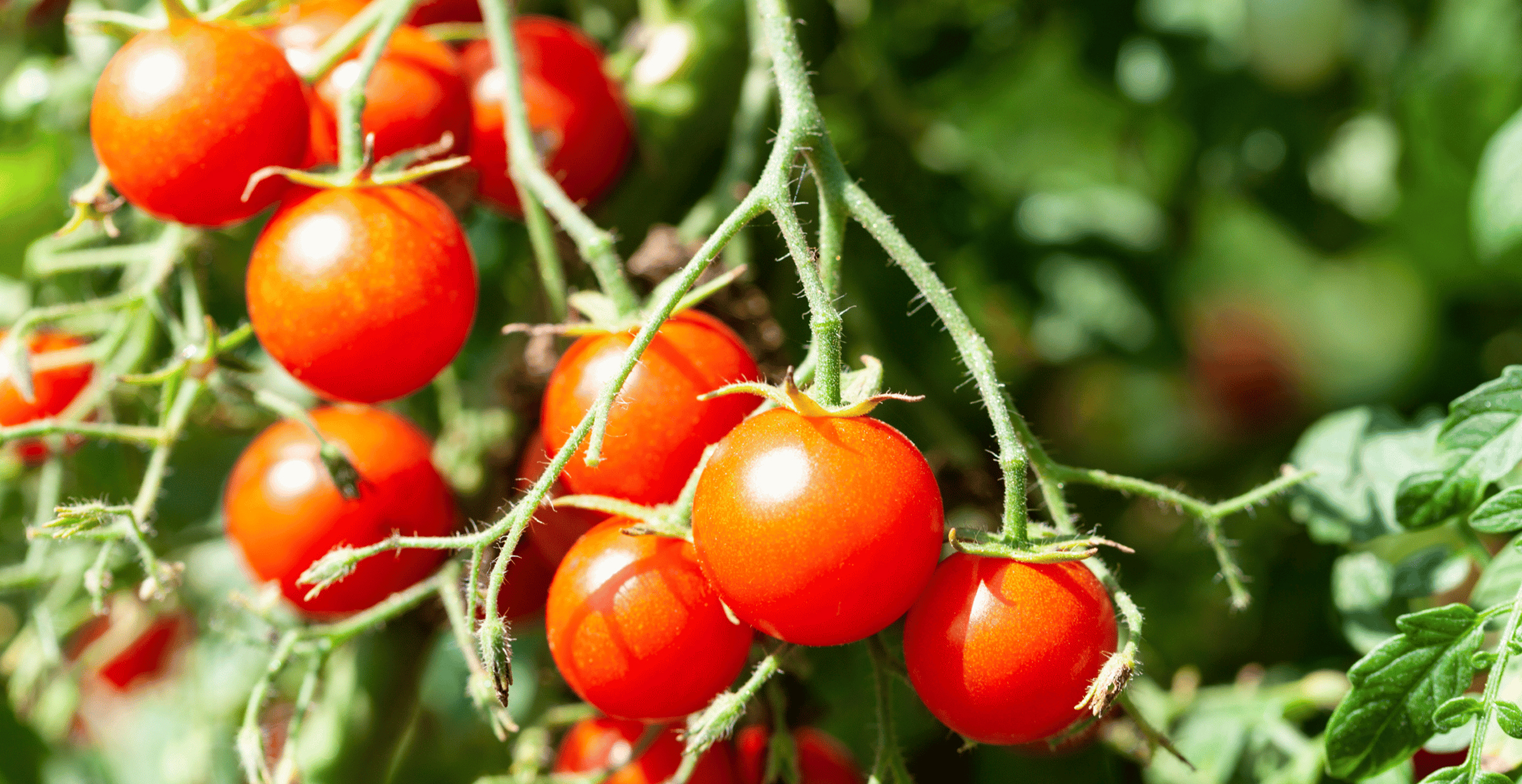
Advantages of Hydroponic Tomatoes
Hydroponic tomatoes offer several advantages over traditional soil growing, including higher yields, faster growth, year-round production, and reduced water use. These advantages stem from precise control of nutrient and water delivery in hydroponic systems.
-
Increased yields and faster growth
Hydroponic systems provide optimal and consistent nutrient and water delivery, resulting in faster growth and higher yields per square meter compared to soil farming.
-
Year-round production
Hydroponics produces tomatoes consistently, regardless of weather or season, for a steady supply of fresh tomatoes throughout the year.
-
Water efficiency
Hydroponic systems use much less water than conventional agriculture, typically up to 90% less, due to the closed-loop water cycle and minimal evaporation.
-
Reduced Pest and Disease Problems
The absence of soil in hydroponic systems minimizes the risk of soil-borne pests and diseases, resulting in healthier plants and potentially less need for pesticides.
-
Improved Nutrient Control
Hydroponic systems allow for precise control of nutrient levels, ensuring that plants receive the optimal balance of nutrients for healthy growth and high-quality fruit.
-
Efficient use of space
Hydroponic systems can be set up vertically to maximize the use of space, making them suitable for urban or small-scale farming.
-
Enhanced flavor
Several studies have shown that hydroponic tomatoes have a sweeter, more intense flavor than soil-grown tomatoes due to the precise control of nutrient delivery.
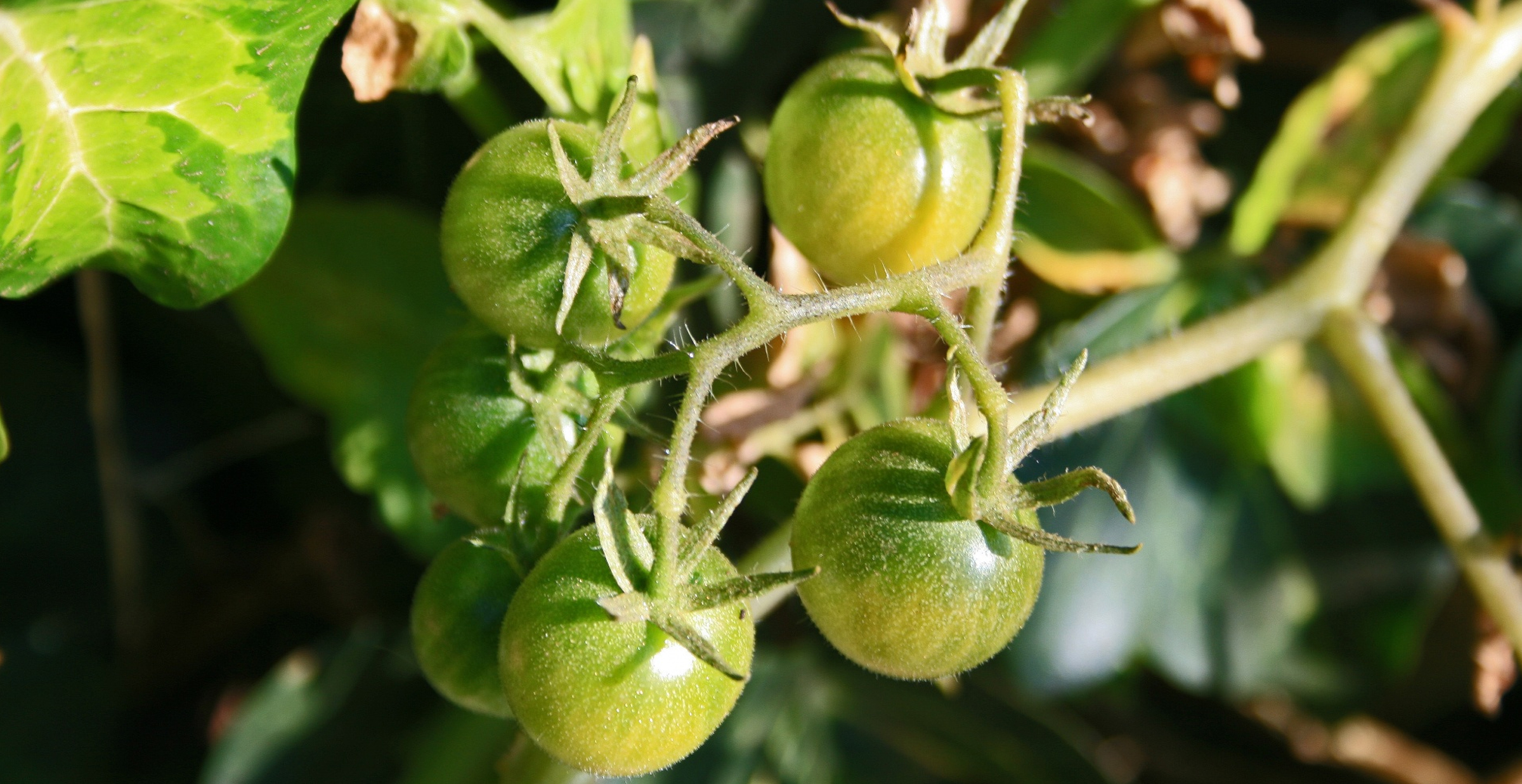
Best Hydroponic Systems for Tomatoes
When selecting a hydroponic system for growing tomatoes, it's essential to consider the plant's size, root structure, and nutrient needs. Here's a structured overview of the best systems, along with key considerations:
Top Hydroponic Systems for Tomatoes
-
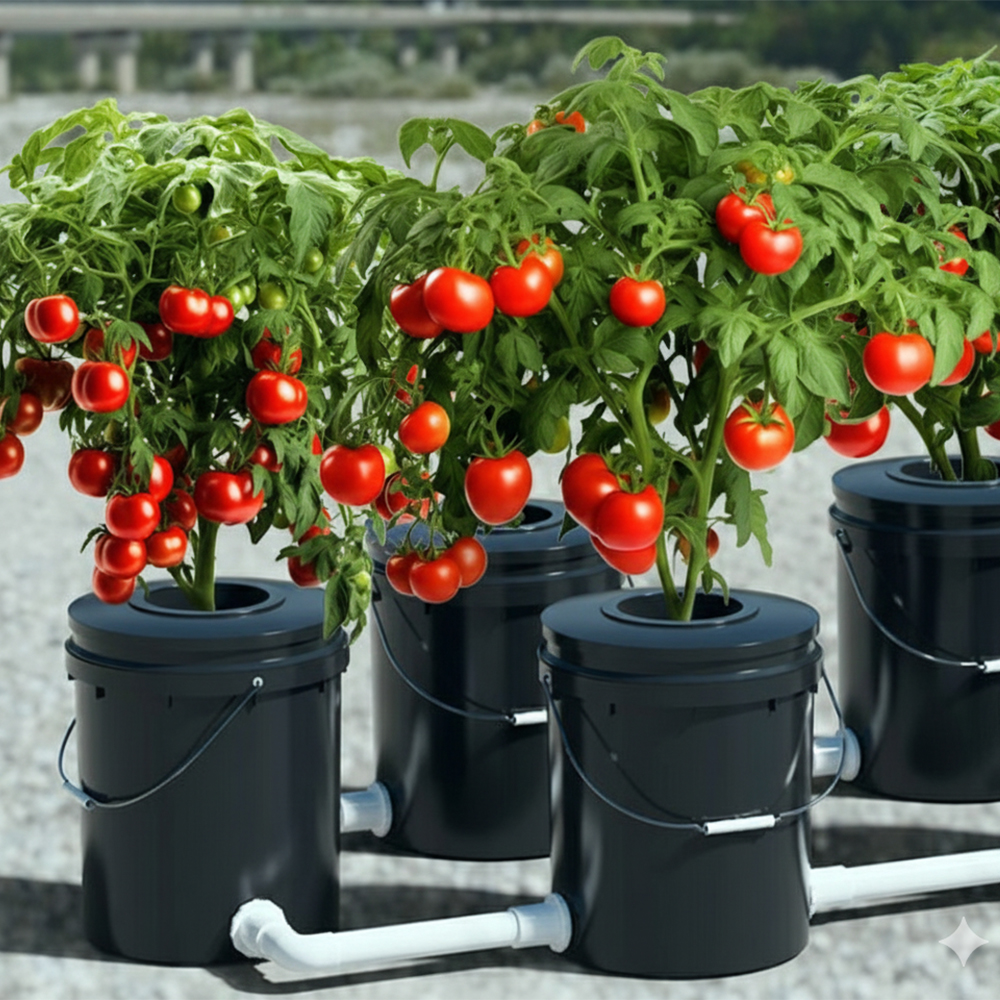
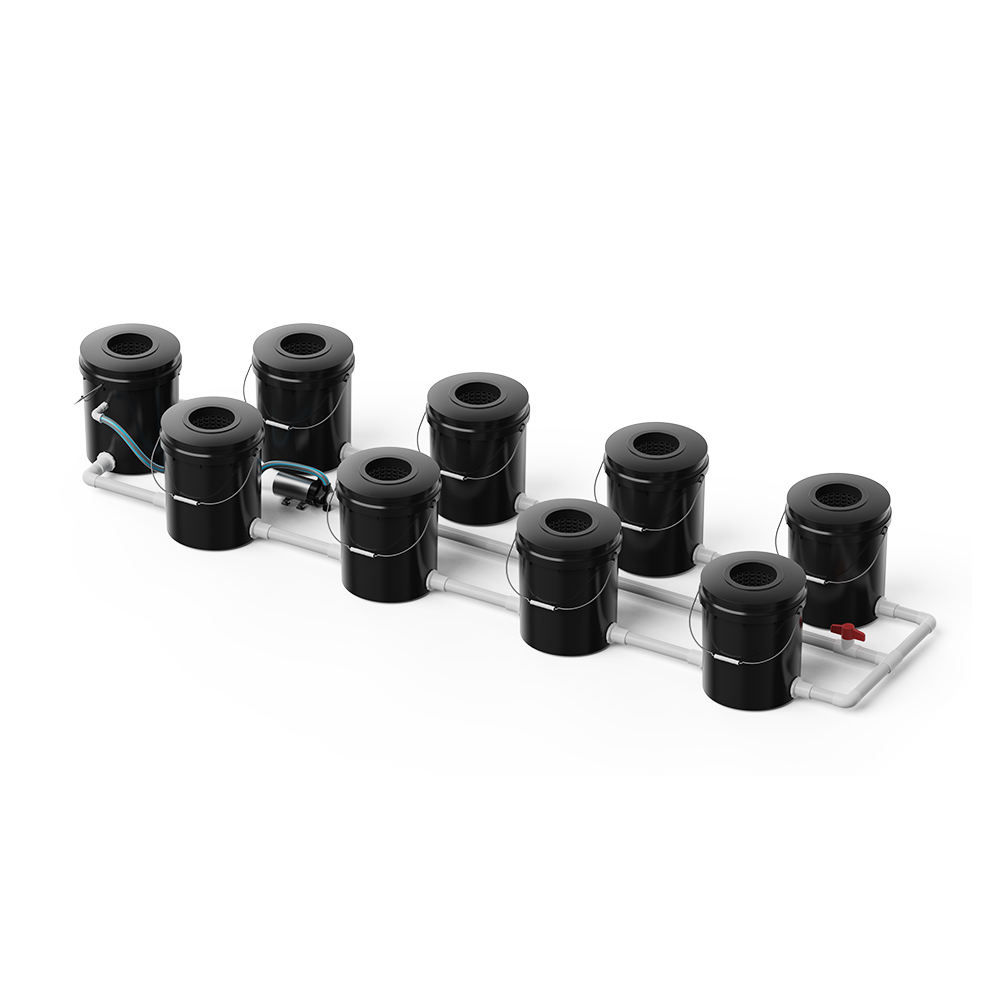
Dutch Bucket (Drip System)
-
Why It Works: Ideal for large plants like tomatoes. Uses buckets filled with a medium (e.g., perlite, clay pebbles) and drip irrigation to deliver nutrients.
-
Pros: Scalable, excellent root support, efficient nutrient delivery, and easy maintenance.
-
Cons: Risk of clogged drip emitters; requires periodic checks.
-
Best For: Both determinate and indeterminate varieties, especially in larger setups.
-
-
Ebb and Flow (Flood and Drain)
-
Why It Works: Periodically floods roots with nutrients, ensuring oxygenation and hydration.
-
Pros: Supports robust root systems, uses media like clay pebbles for stability.
-
Cons: Dependent on timers/pumps; power outages can disrupt cycles.
-
Best For: Growers who want flexibility and can manage system components.
-
-
Deep Water Culture (DWC)
-
Why It Works: Roots are suspended in oxygenated nutrient solution.
-
Pros: Simple, low maintenance, and cost-effective for smaller setups.
-
Cons: Requires large reservoirs for mature plants; risk of root rot if oxygenation fails.
-
Best For: Compact or determinate varieties with adequate aeration.
-
-
Aeroponics
-
Why It Works: Mists roots with nutrients, maximizing oxygen exposure for fast growth.
-
Pros: High yields and rapid growth.
-
Cons: High cost, technical complexity, and vulnerability to pump/mister failures.
-
Best For: Experienced growers with advanced setups.
-
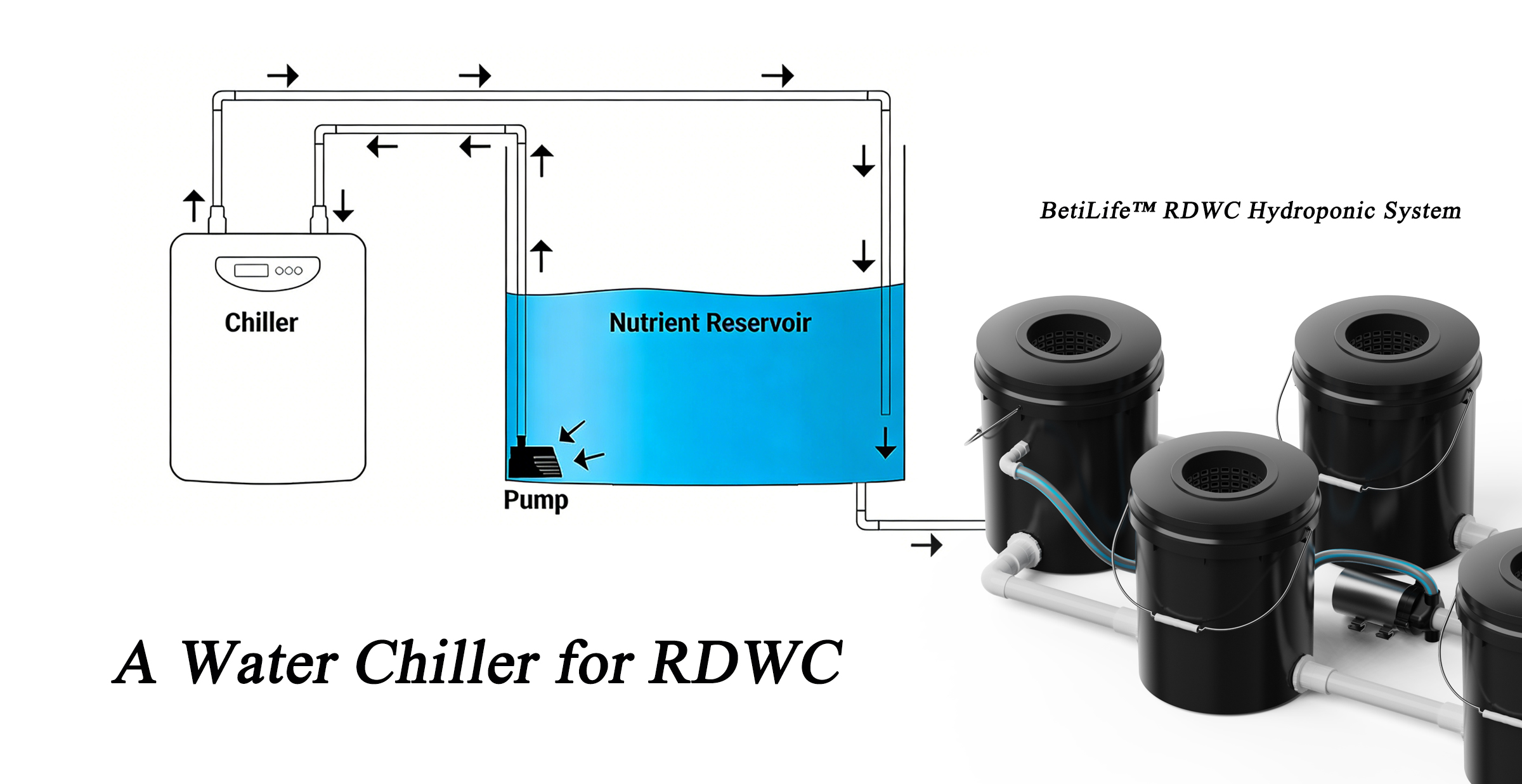
BetiLife™ Hydroponic Tomatoes Systems offer a variety of hydroponics techniques, including Deep Water Culture (DWC), Nutrient Film Technique (NFT), and Aeroponics, each with its own set of advantages, ranging from beginner-friendly to easy-to-use. Tomato hydroponics system automation controls lighting and water circulation, making it easy to grow tomatoes without the need for daily care; growing fresh, sweet tomatoes in less time while efficiently maximizing yields.
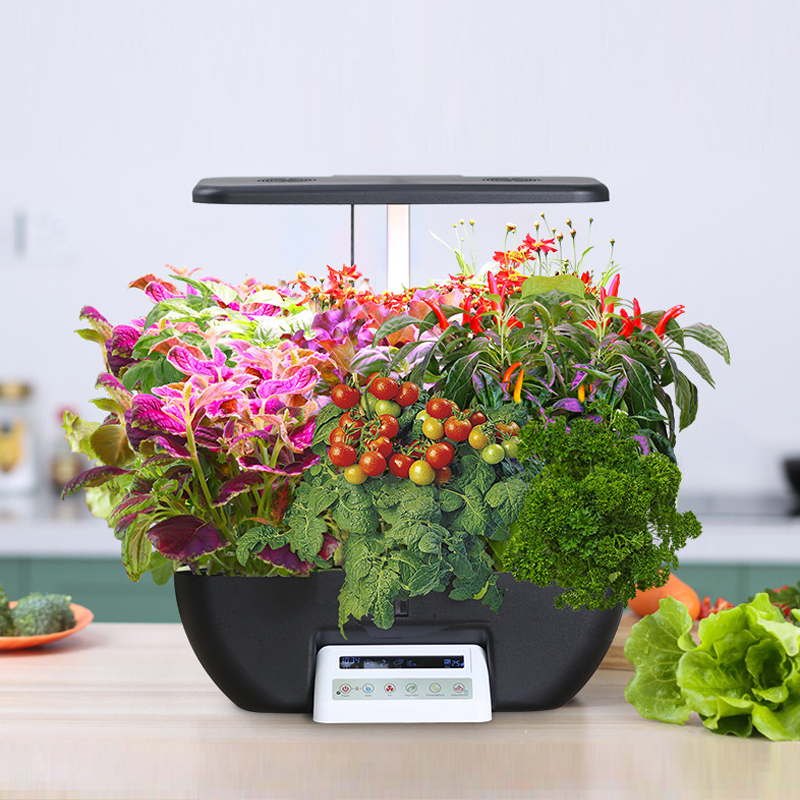
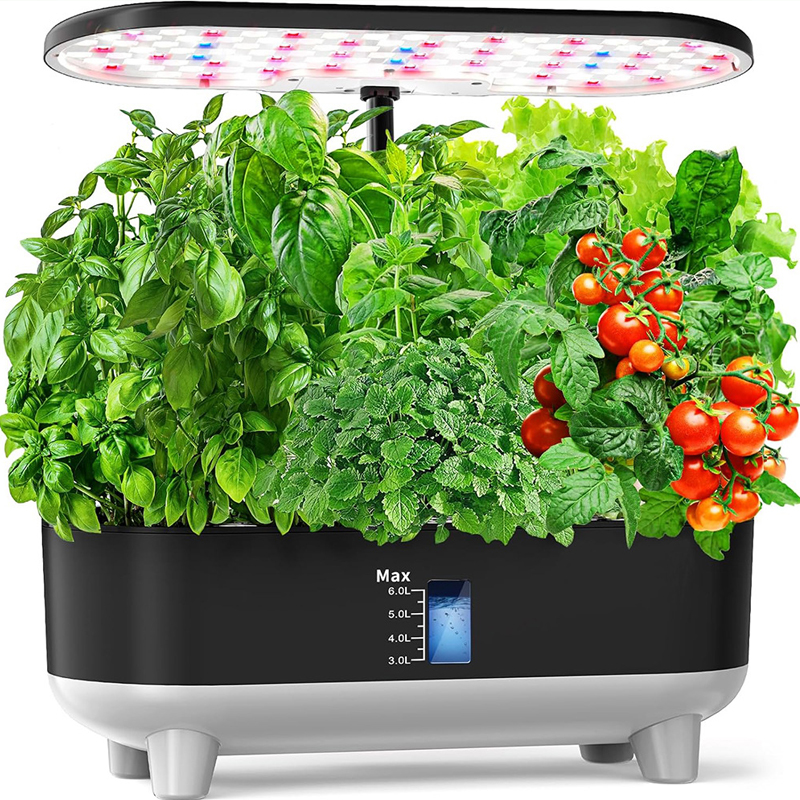
17 Pods Growing Hydroponic Vegetable System Kit
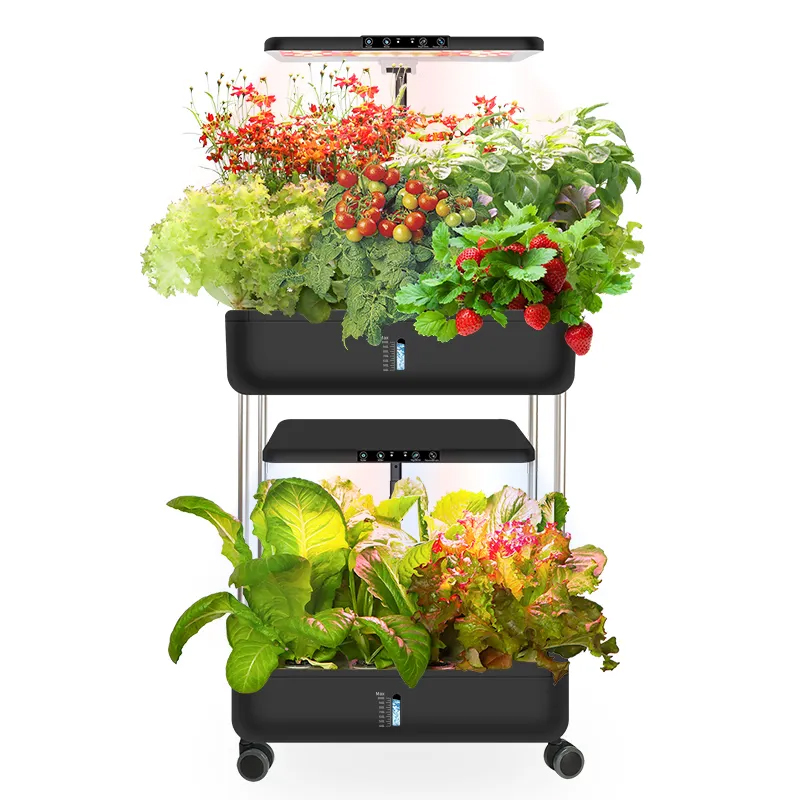
16 Pods Hydroponics Growing System Kit
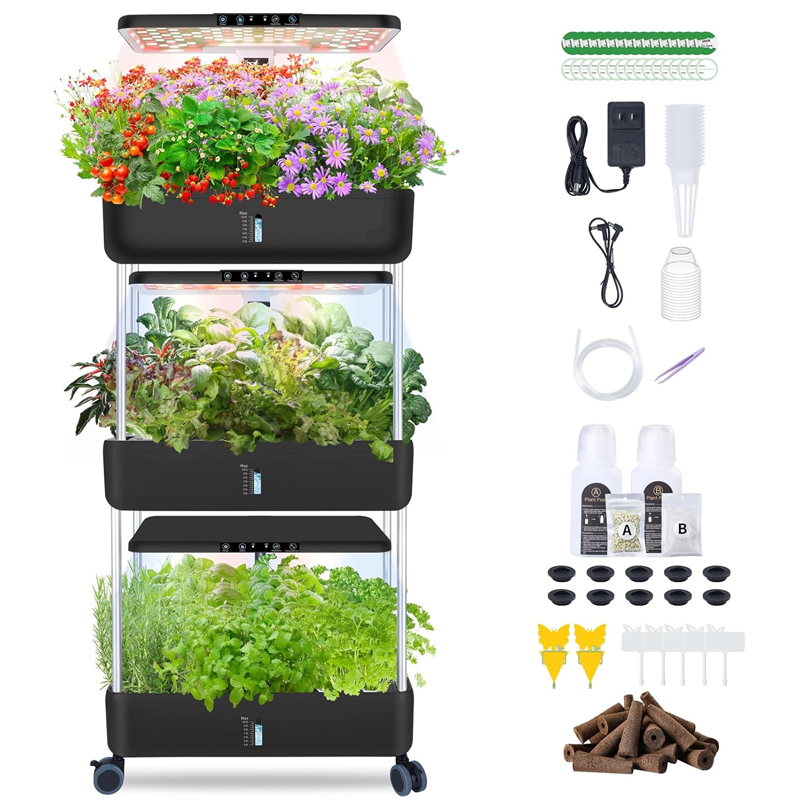
22-44 Pods Hydroponics Growing System Kit
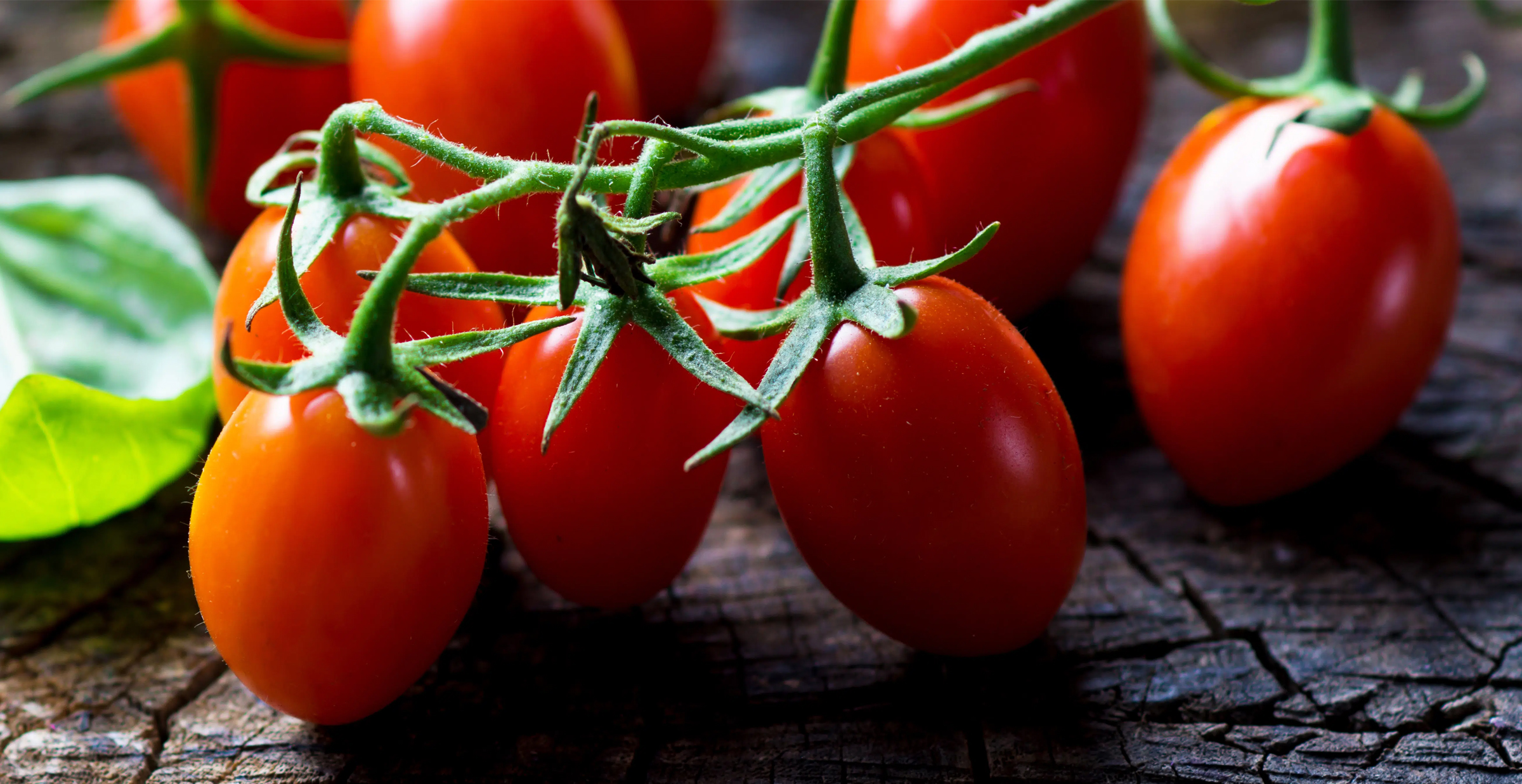
66 Pods Hydroponic Grow System Kits
If you need to hydroponically grown tomatoes indoors or outdoors at home, you can choose BetiLife™ Hydroponic Systems:
Hydroponic Tomatoes Problems
-
Nutrient Issues
-
Blossom End Rot: Caused by calcium deficiency or pH imbalance. Maintain consistent pH and include calcium in nutrients.
-
Yellow Leaves: Check for nitrogen deficiency or root rot.
-
-
Pests/Diseases
-
Aphids/Spider Mites: Use neem oil or insecticidal soap.
-
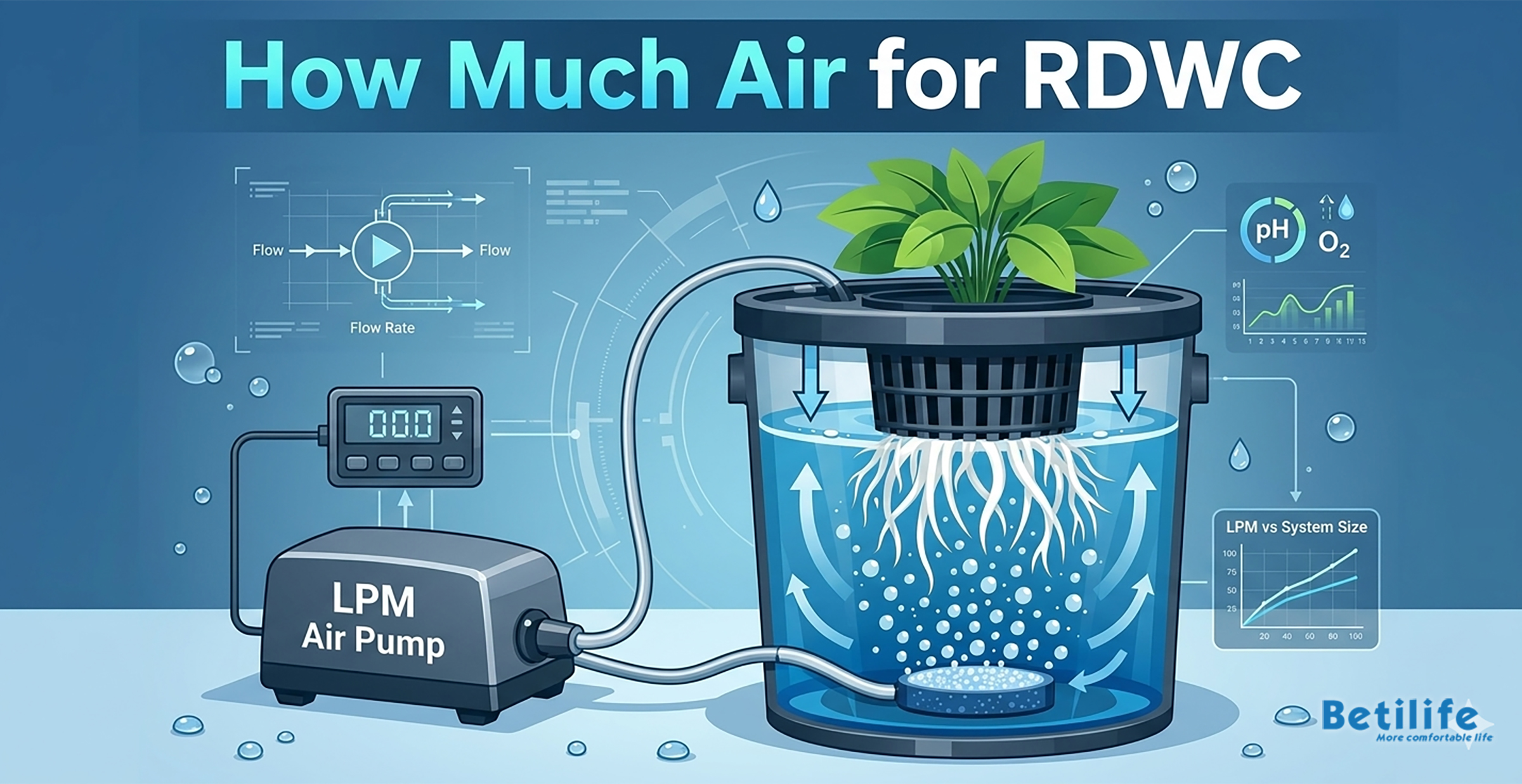
Root Rot: Ensure oxygenation (use air stones) and avoid waterlogging.
-
-
Environmental Factors
-
High Humidity: Use fans for airflow to prevent fungal growth.
-
Algae Growth: Block light from nutrient reservoirs.
-
-
System Failures
-
Backup power for pumps; regular maintenance checks.
-