Maintaining the correct water temperature is one of the most critical factors in a successful RDWC grow. Many growers focus on nutrients, lighting, and airflow—but overlook the root-zone temperature inside their buckets.
If the nutrient solution becomes too cold, plant metabolism slows down. If it becomes too warm, oxygen levels drop and harmful pathogens can develop.
So, how do you heat RDWC buckets to the optimal temperature, and what is the best water temperature for RDWC systems? This guide explains everything growers need to know, along with the best solutions used by commercial cultivators.
What Is the Best Water Temperature for RDWC?
The ideal water temperature for an RDWC (Recirculating Deep Water Culture) system is:
65°F–72°F (18°C–22°C)
This range provides the perfect balance between oxygen availability and nutrient uptake.
Why This Temperature Range Matters
| Temperature | Impact on Plants |
|---|---|
| Below 60°F (15°C) | Roots absorb nutrients slowly; growth becomes sluggish |
| 65–72°F (18–22°C) | Ideal oxygen levels and nutrient absorption |
| 73–75°F (23–24°C) | Oxygen begins to decrease; disease risk increases |
| Above 75°F (24°C) | High risk of root rot and pathogens |
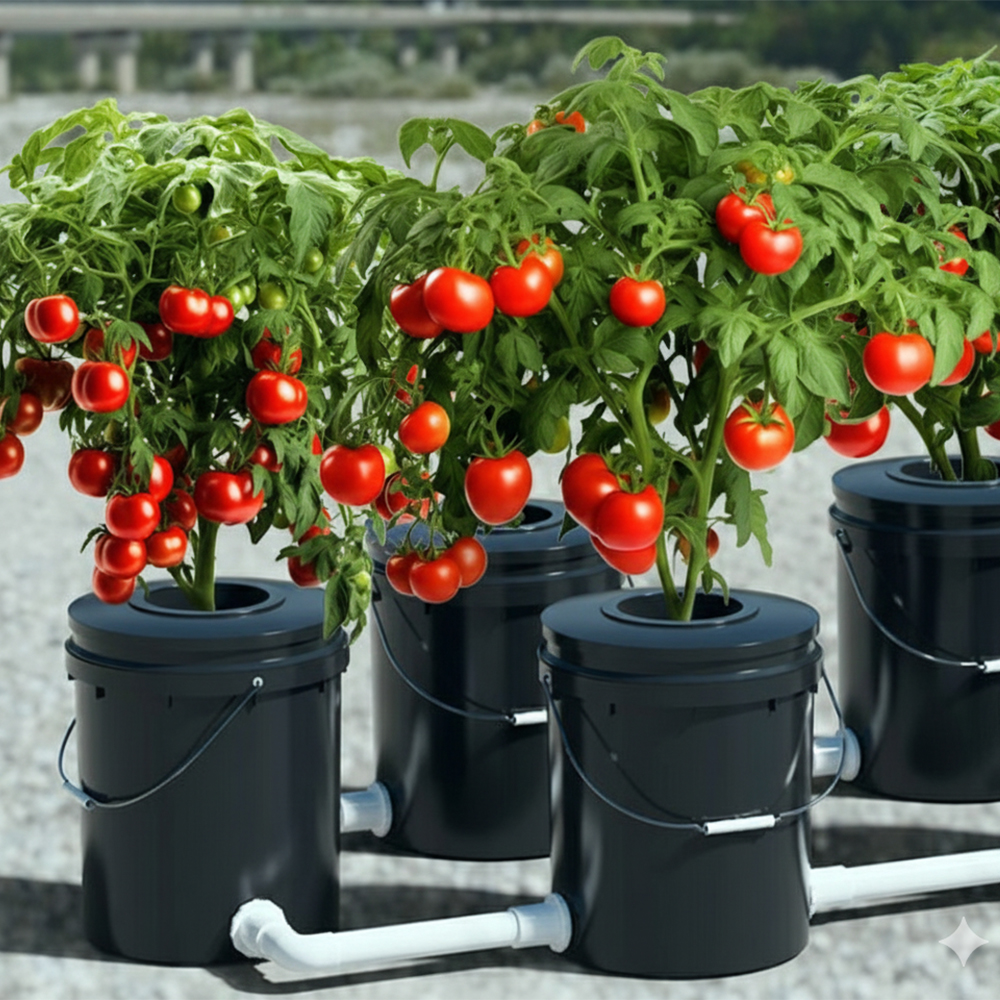
For crops such as tomatoes, cucumbers, peppers, and cannabis, maintaining this range significantly improves plant vigor and yield.
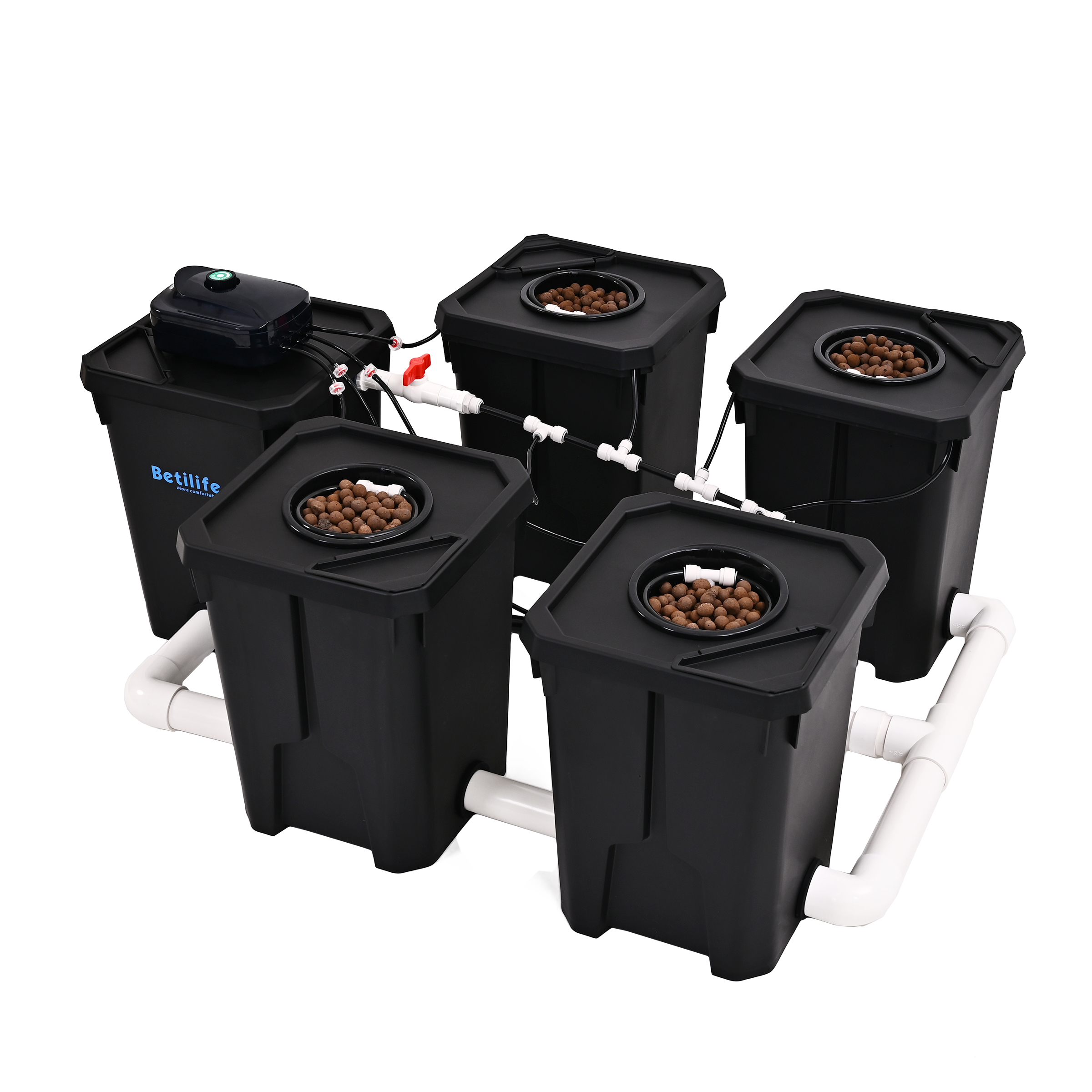
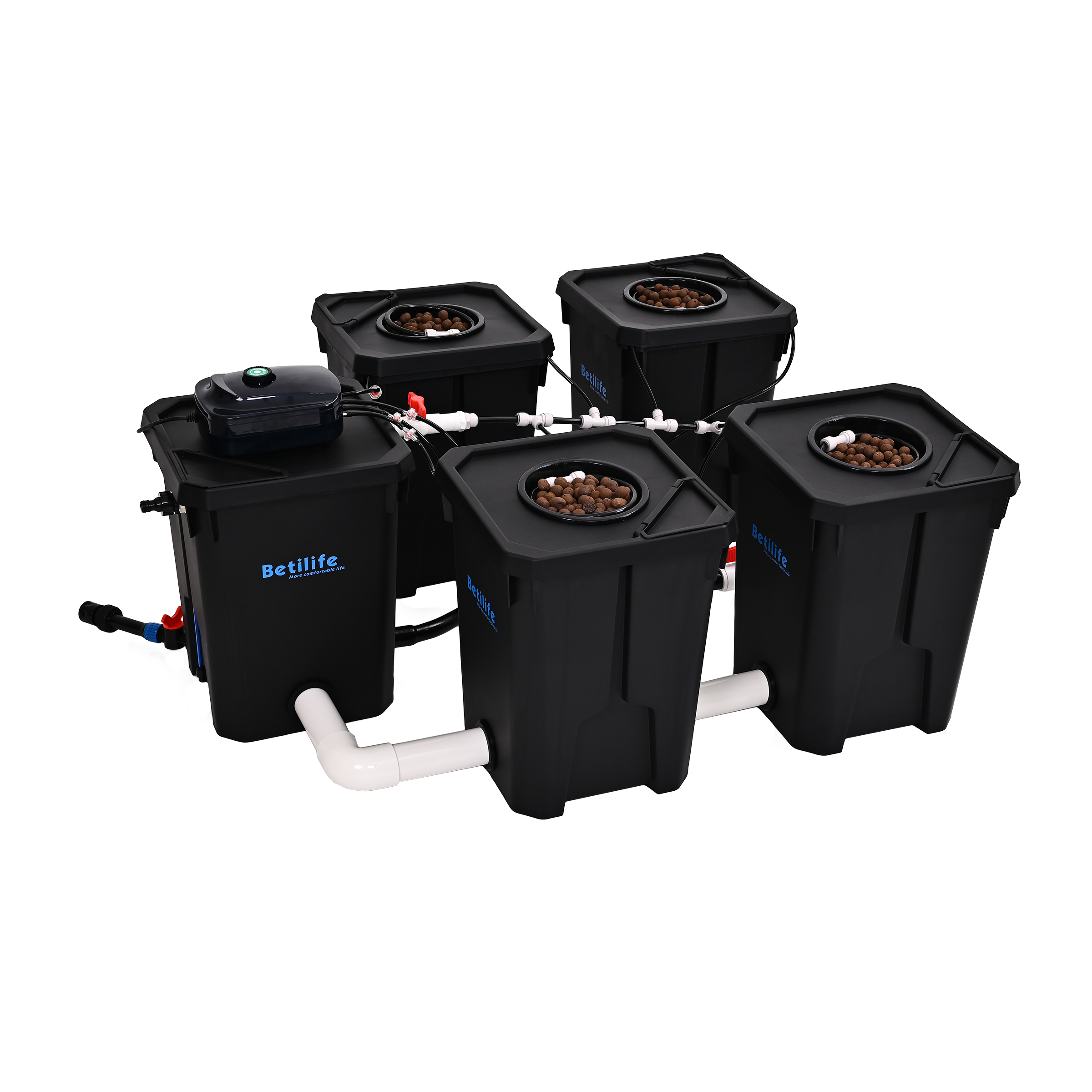
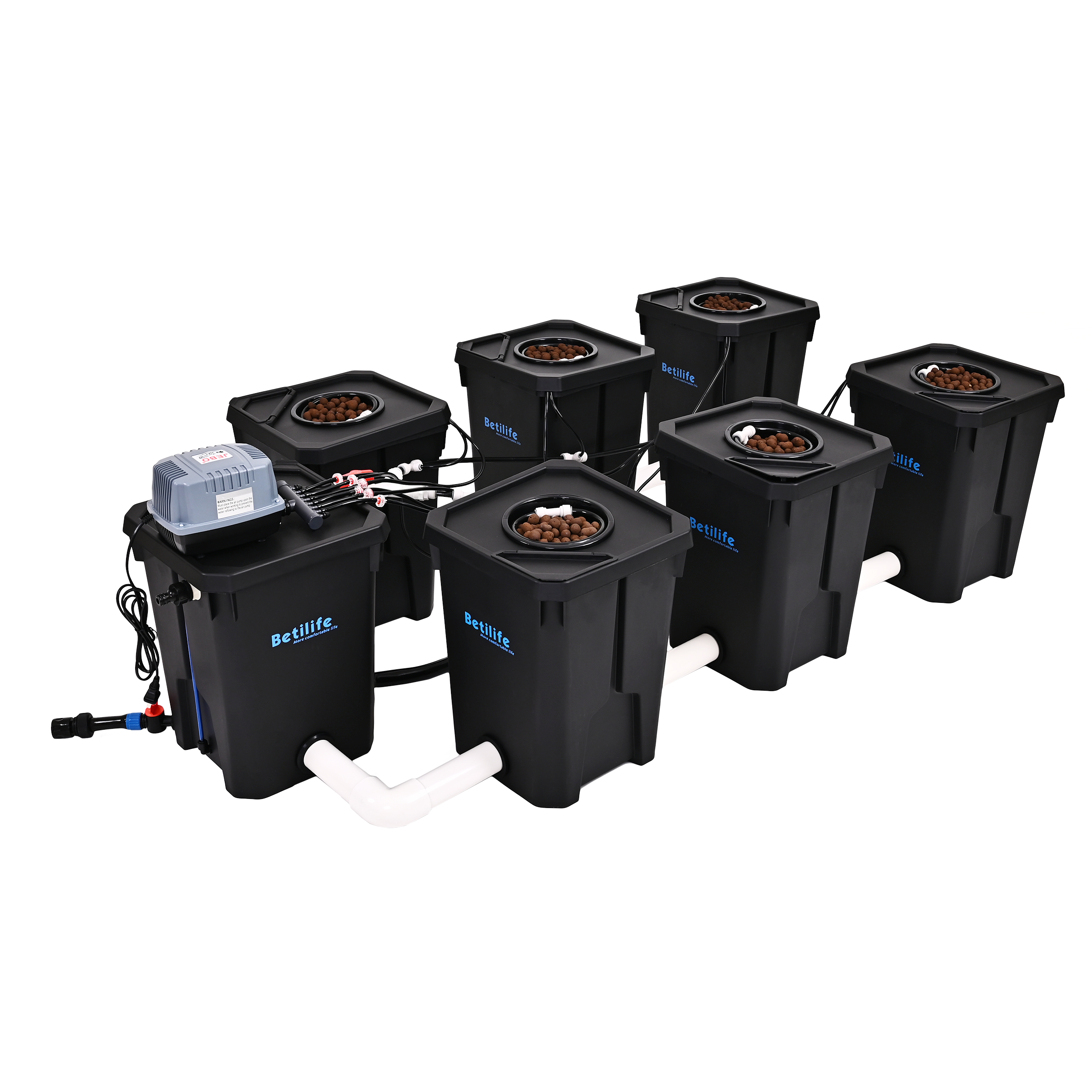
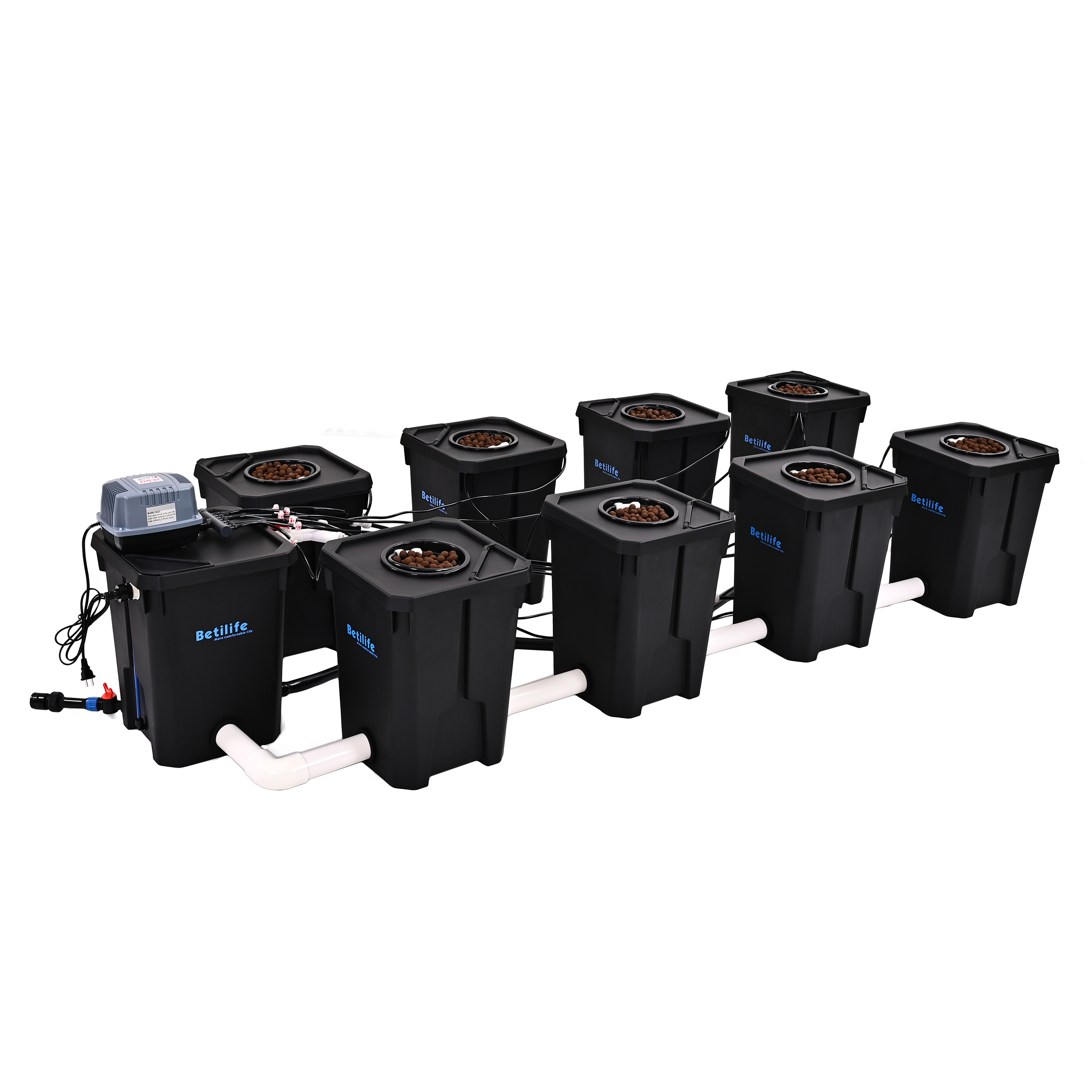
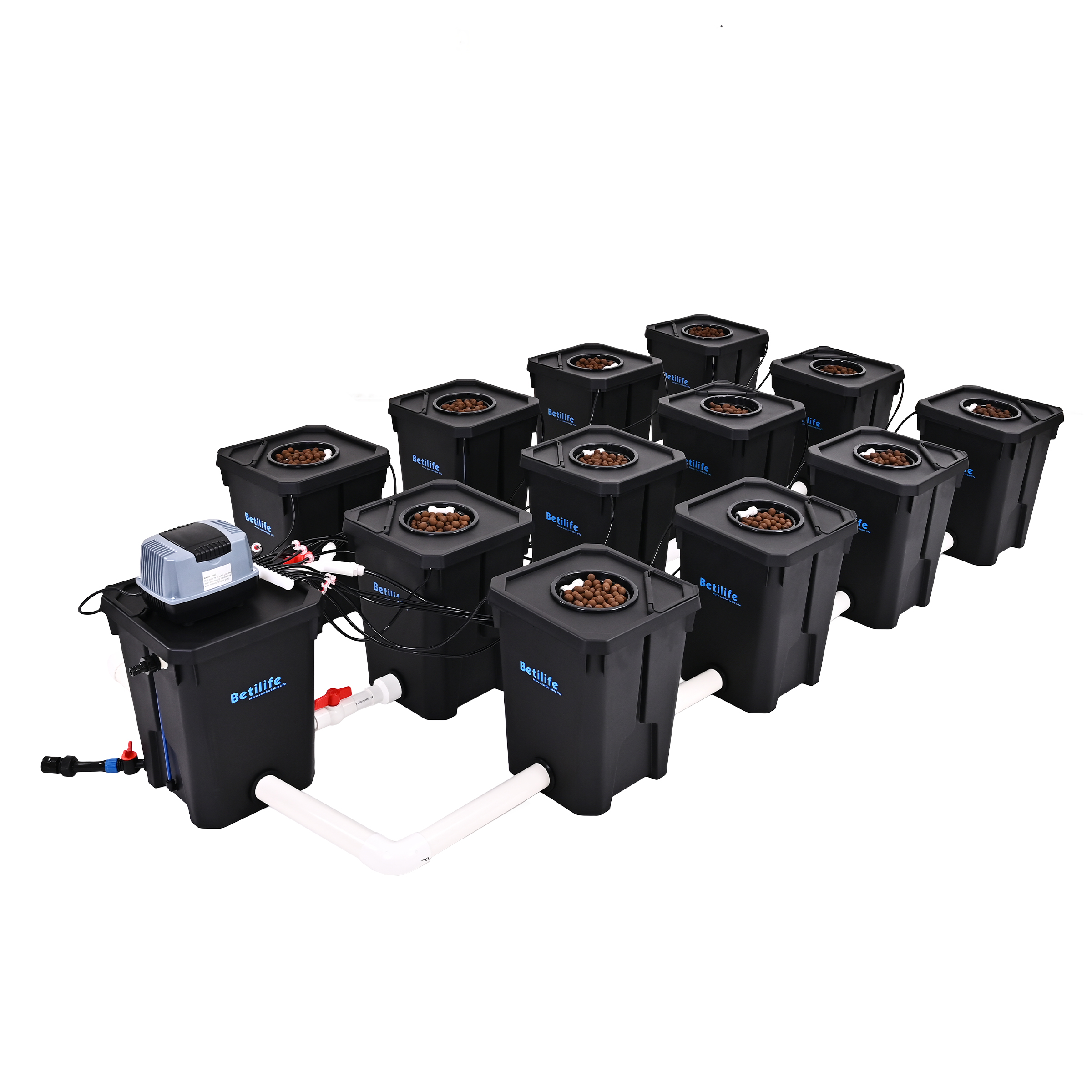
This is why professional growers using the BetiLife™ RDWC Hydroponic System monitor and regulate their reservoir temperature as carefully as pH and EC levels.
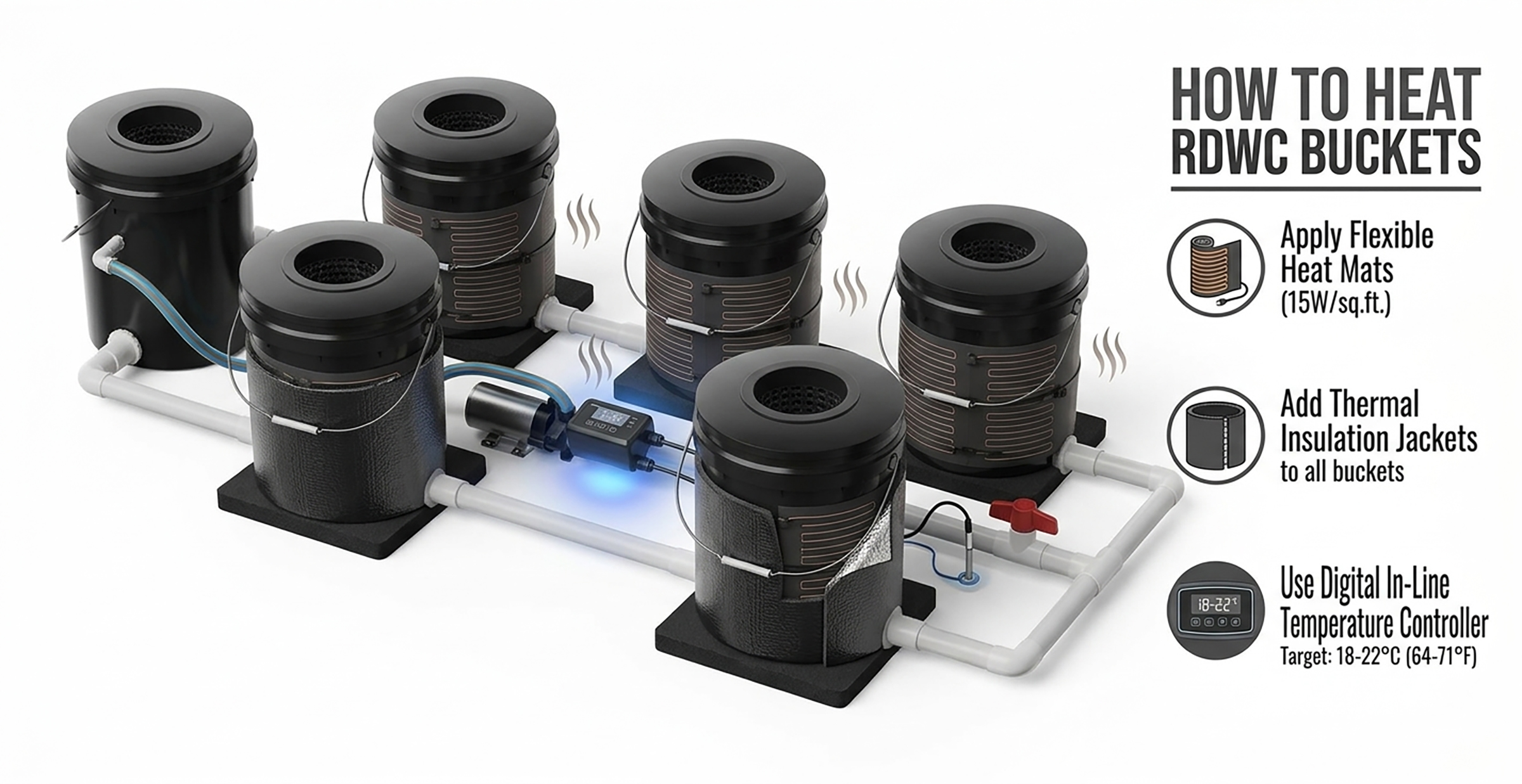
Why RDWC Buckets Sometimes Need Heating
Many indoor or winter grows experience cold nutrient solutions, especially when:
-
The grow room is located in a basement or garage
-
Ambient temperatures drop during winter
-
Grow lights are LED (which produce less heat)
-
Buckets sit directly on cold floors
-
Water circulation cools the solution
When temperatures drop below 65°F, root development slows and plants struggle to absorb nutrients efficiently.
In these cases, heating RDWC buckets becomes necessary to stabilize the root zone.
5 Effective Ways to Heat RDWC Buckets
How to heat RDWC buckets? Refer to these 5 effective RDWC hydroponic container heating methods, which are the most reliable heating solutions commonly used by experienced hydroponic growers.
1. Use a Submersible Aquarium Heater
The most common and cost-effective solution is installing a submersible water heater in the main reservoir.
Advantages
-
Automatically regulates temperature
-
Inexpensive and easy to install
-
Accurate thermostats available
-
Ideal for small to medium RDWC systems
Recommended Setup
-
Place the heater in the control reservoir rather than individual buckets
-
Use a heater rated for 100–300W depending on system size
-
Set temperature to 67°F–68°F
Because the BetiLife™ RDWC Hydroponic System uses a recirculating design, heating the main reservoir allows warm water to circulate evenly through every bucket.
2. Insulate the Buckets and Reservoir
Heat loss is often the real problem.
Adding insulation helps maintain stable temperatures.
Methods
-
Foam insulation boards under buckets
-
Reflective insulation wraps around containers
-
Rubber mats or wooden platforms
-
Insulated reservoir covers
Insulation can reduce heater workload by 30–50%.
The thick bucket material and recirculating design used in the BetiLife™ RDWC Hydroponic System already help stabilize nutrient temperatures compared with many DIY systems.
3. Heat the Grow Room Instead of the Water
Sometimes the simplest solution is to raise the ambient temperature.
Grow rooms should ideally remain between:
70°F–78°F (21°C–26°C)
Heating the room provides multiple benefits:
-
Stabilizes water temperature
-
Improves plant metabolism
-
Reduces condensation and humidity problems
Small space heaters or HVAC control can keep both air and nutrient temperatures stable. Alternatively, you can use a small greenhouse tent (to maintain a constant temperature).
4. Use Heating Mats Under the Buckets
Hydroponic heating mats can be placed under:
-
Individual buckets
-
The control reservoir
These provide gentle radiant heat and are particularly useful in cold climates.
However, they are generally less precise than aquarium heaters and should be used with a temperature controller.
5. Install a Water Temperature Controller
Professional growers often combine heaters with a digital temperature controller.
This device automatically:
-
Turns the heater ON when water drops below the target temperature
-
Turns it OFF when the desired temperature is reached
This ensures the RDWC system always remains within the optimal range.
How to Monitor RDWC Water Temperature
Heating alone is not enough—you must also monitor the system.
Essential tools include:
-
Digital water thermometers
-
Hydroponic controllers
-
Reservoir probes
-
Smart grow monitoring systems
Place the temperature probe in the control reservoir, where it best represents the circulating nutrient solution.
Common Mistakes When Heating RDWC Systems
Many beginners accidentally create new problems when trying to heat their buckets.
Avoid these common mistakes:
Heating Individual Buckets
This causes temperature inconsistencies across the system.
Always heat the main reservoir instead.
Setting Temperature Too High
Water above 72°F reduces dissolved oxygen levels and increases disease risk.
Ignoring Water Circulation
Poor circulation leads to temperature stratification, where some buckets are warmer than others.
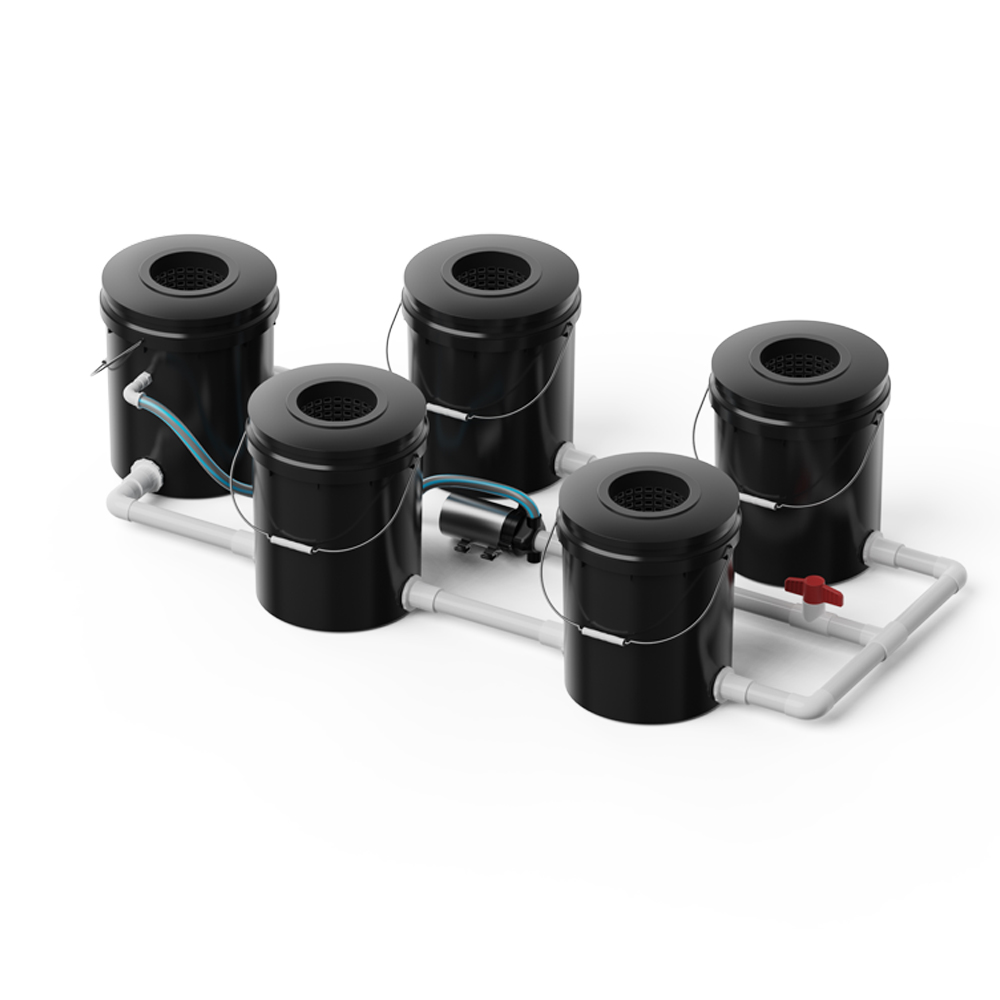
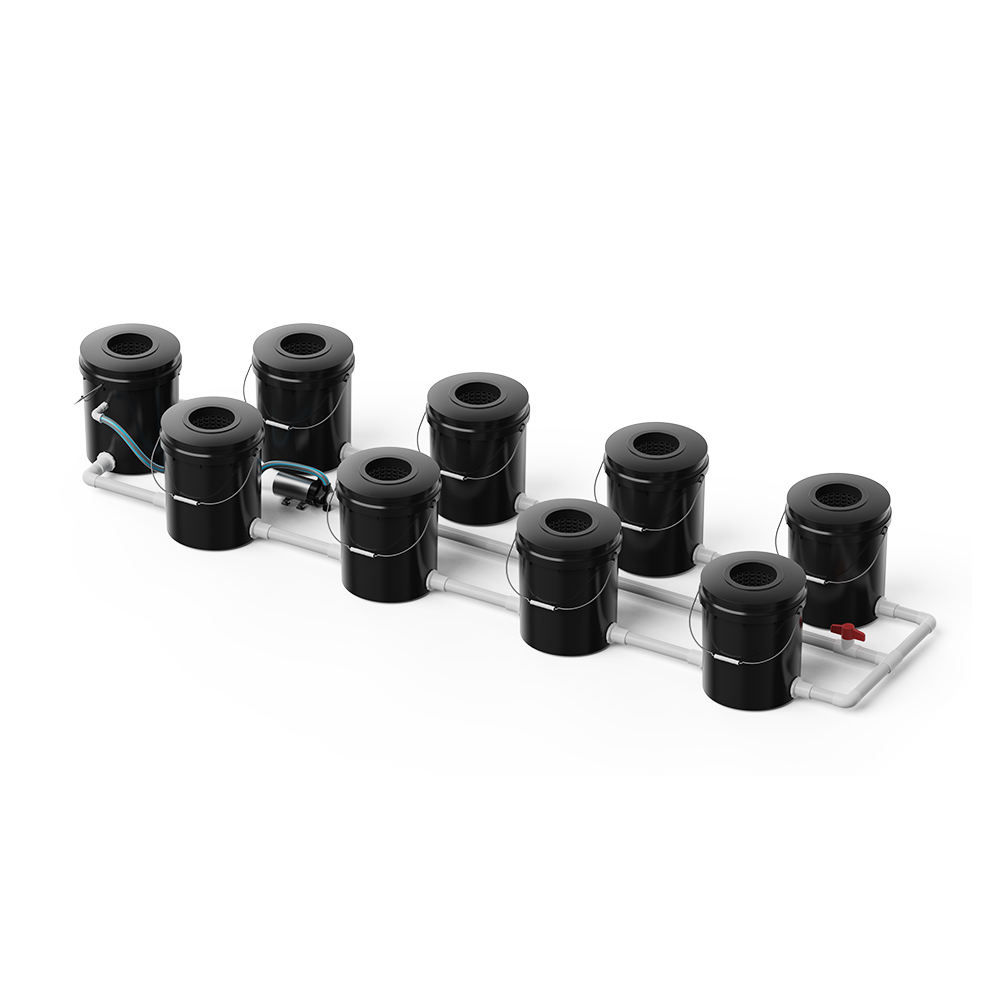
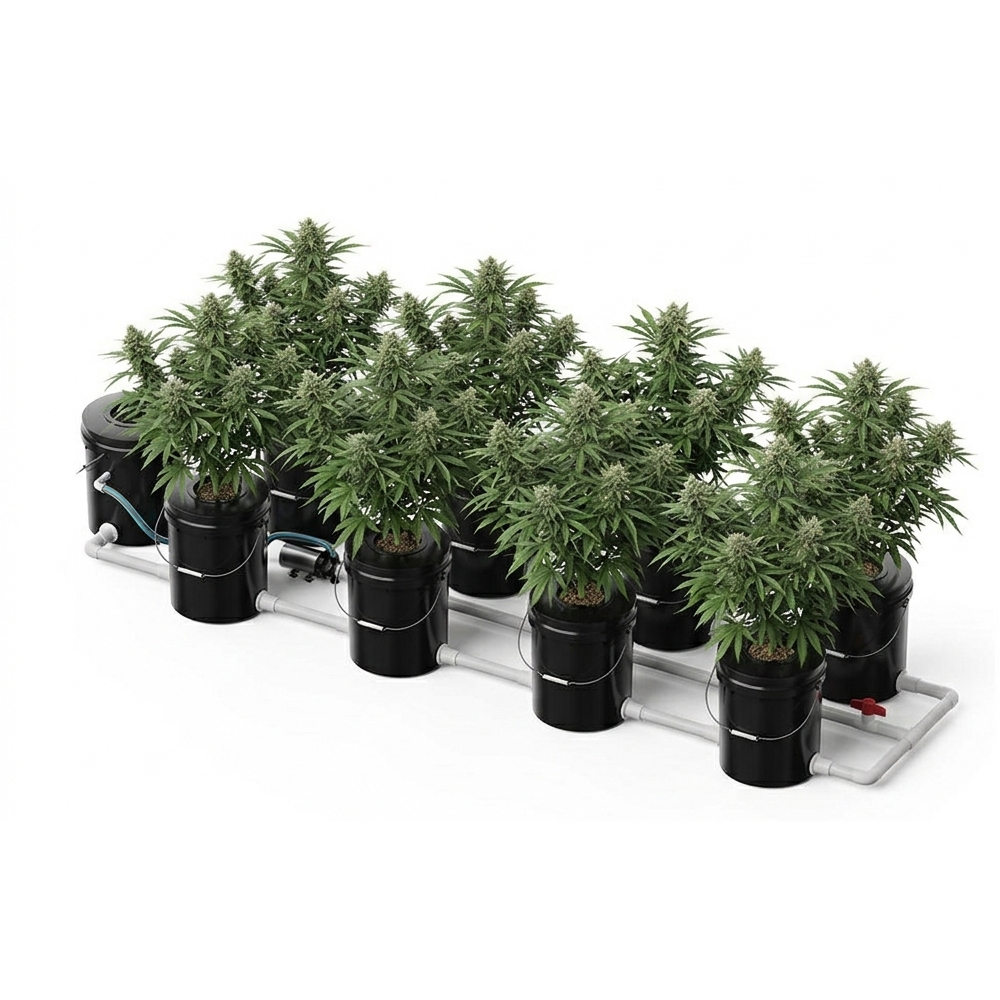
The BetiLife™ RDWC Hydroponic System solves this by using a recirculating pump and balanced bucket network, ensuring even nutrient flow and temperature distribution.
Why RDWC Temperature Stability Improves Yield
Maintaining the proper root-zone temperature delivers major benefits:
Faster Growth
Roots absorb nutrients more efficiently.
Higher Oxygen Levels
Cooler water holds more dissolved oxygen.
Stronger Root Systems
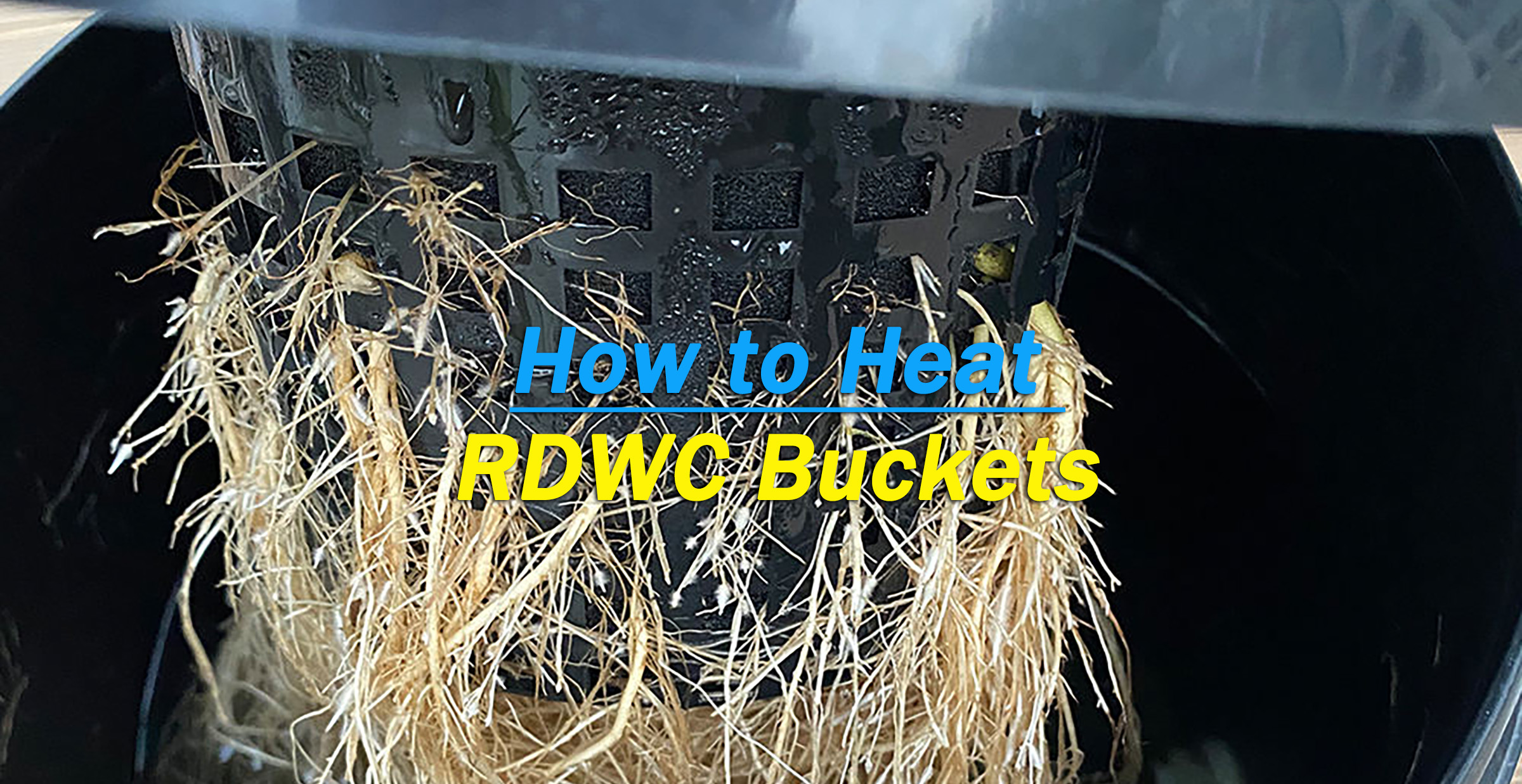
Healthy roots lead to larger plants.
Higher Yields
Professional RDWC growers often report 20–30% yield improvements when environmental factors are optimized.
Why Growers Choose the BetiLife™ RDWC Hydroponic System
A high-quality system makes temperature control much easier.
The BetiLife™ RDWC Hydroponic System is designed specifically for serious indoor growers and commercial cultivators.
Key Features
-
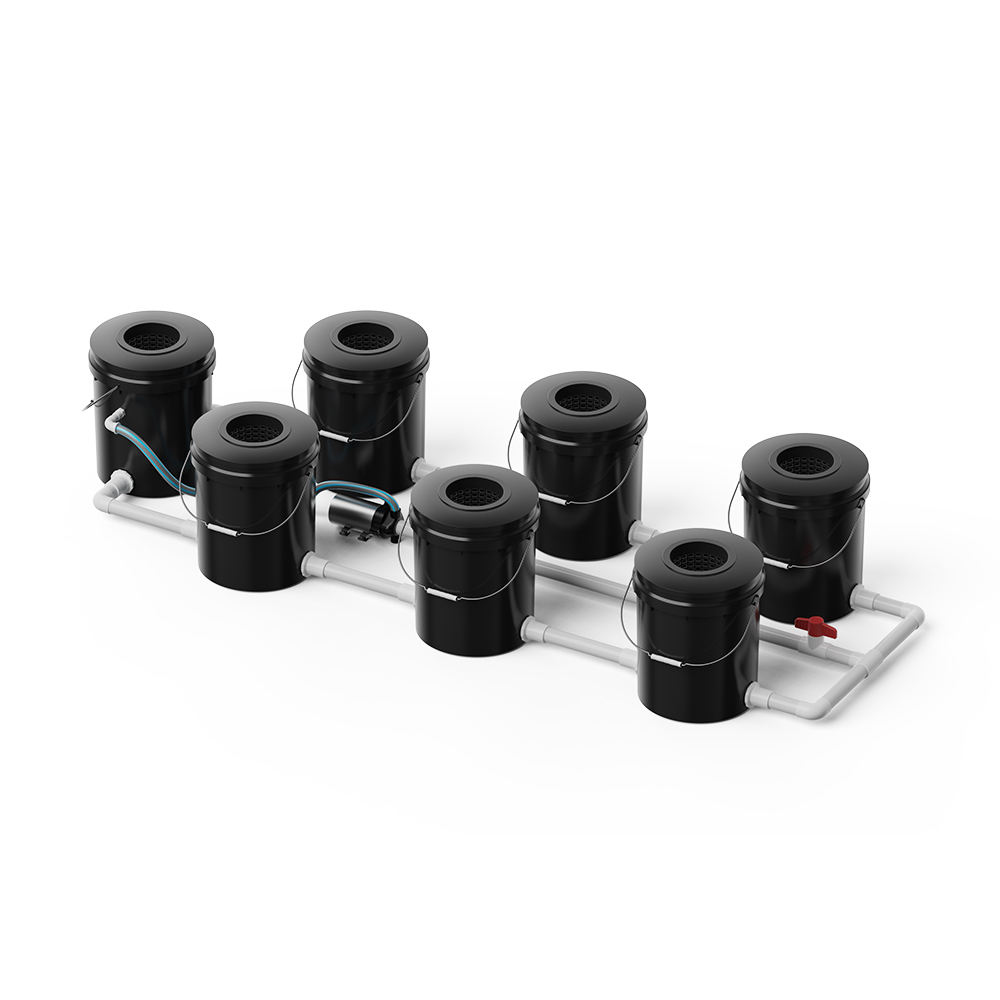
Complete RDWC hydroponic kit (5, 7, and 9 bucket options)
-
5-gallon (16L) heavy-duty buckets
-
High-flow recirculating pump system
-
Optimized nutrient circulation design
-
Easy integration with heaters and chillers
-
Reduced maintenance and labor
The recirculating architecture ensures uniform nutrient distribution, stable temperature, and consistent root health across all buckets.
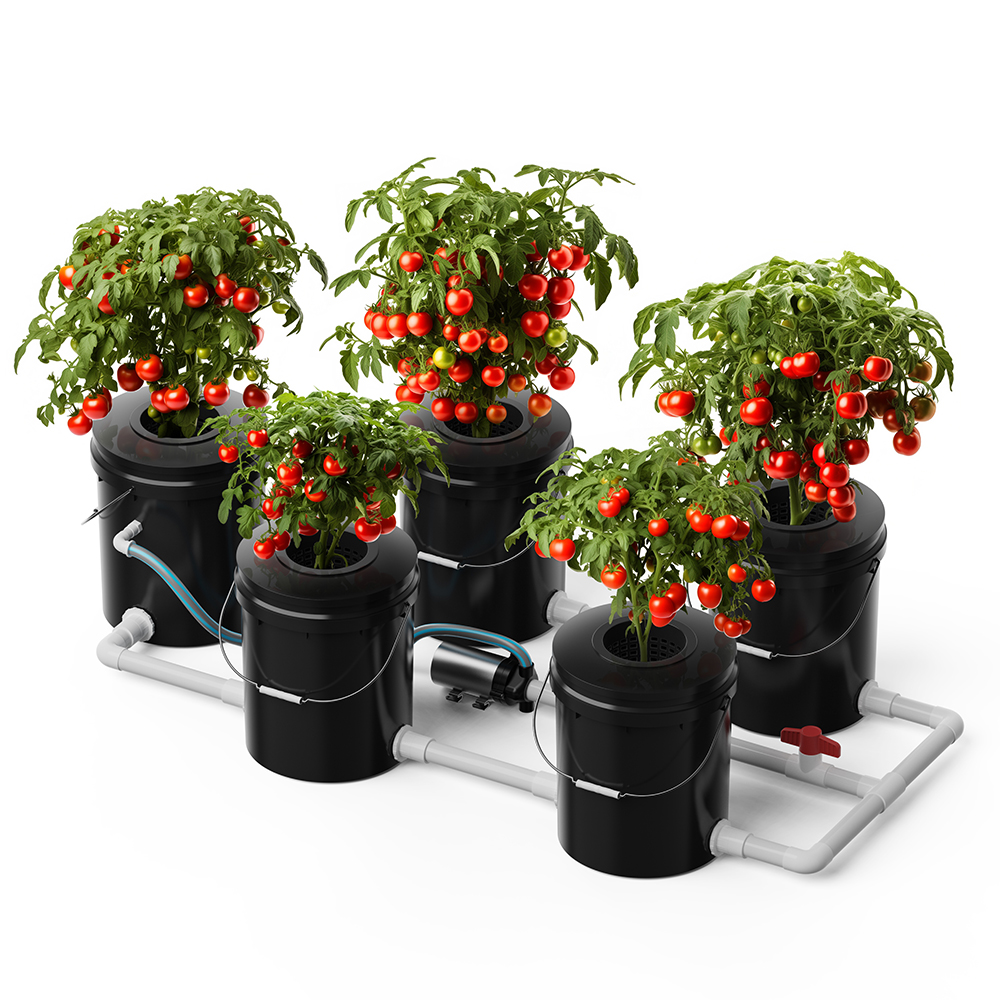
This makes it ideal for demanding crops such as:
-
Tomatoes
-
Cucumbers
-
Peppers
-
High-value greenhouse crops
 BetiLife™ Professional RDWC Complete Kit
Final Thoughts
So, what is the best water temperature for RDWC and how do you heat RDWC buckets effectively?
The key takeaways are simple:
-
Keep nutrient solution between 65°F and 72°F (18-22°C)
-
Use a submersible aquarium heater in the main reservoir
-
Insulate buckets to prevent heat loss
-
Monitor temperature with a digital thermometer
-
Avoid overheating above 72°F
With the right setup and a professional system like the BetiLife™ RDWC Hydroponic System, growers can maintain a stable root-zone environment that promotes faster growth, healthier roots, and higher yields.
Ready to upgrade your hydroponic setup?
Explore the BetiLife™ RDWC Hydroponic System and build a professional recirculating deep water culture system designed for serious growers.
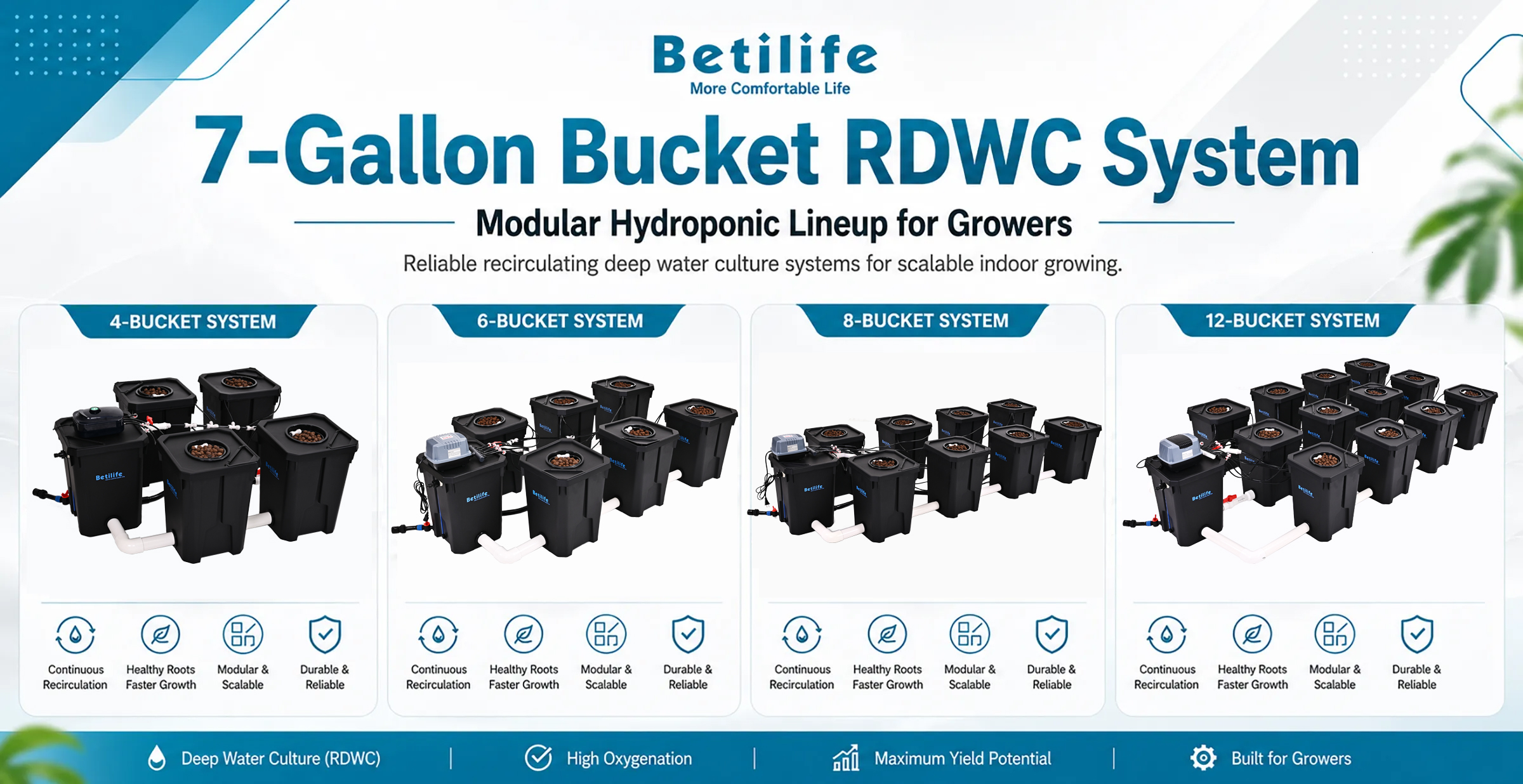
7-Gallon Bucket Commercial RDWC System
Learn more about hydroponics:
- What Plants Grow Best in a Deep Water Culture System
- What Is an RDWC System
- RDWC vs DWC Pros and Cons Compared
- What Are The Best Flowers For Hydroponics
- Can You Do Hydroponic Carrots
- What Are The Best Plants To Grow In Hydroponic Towers
- What Are The Best Hydroponic Lettuce Varieties
- What Are Hydroponic Strawberries
- How to Choose the Best Hydroponic Grow Pods Coir
- Best Nutrients for Deep Water Culture
- How to Grow Arugula Hydroponically
- Growing Hydroponic Cilantro
- How to Grow Hydroponic Lavender
- What Is Hydroponics
- What is the Nutrient Film Technique NFT
- What is Aeroponic
- What is the Ebb and Fow Flood and Drain System
- What is Drip System
- What is the Wick System In Hydroponics