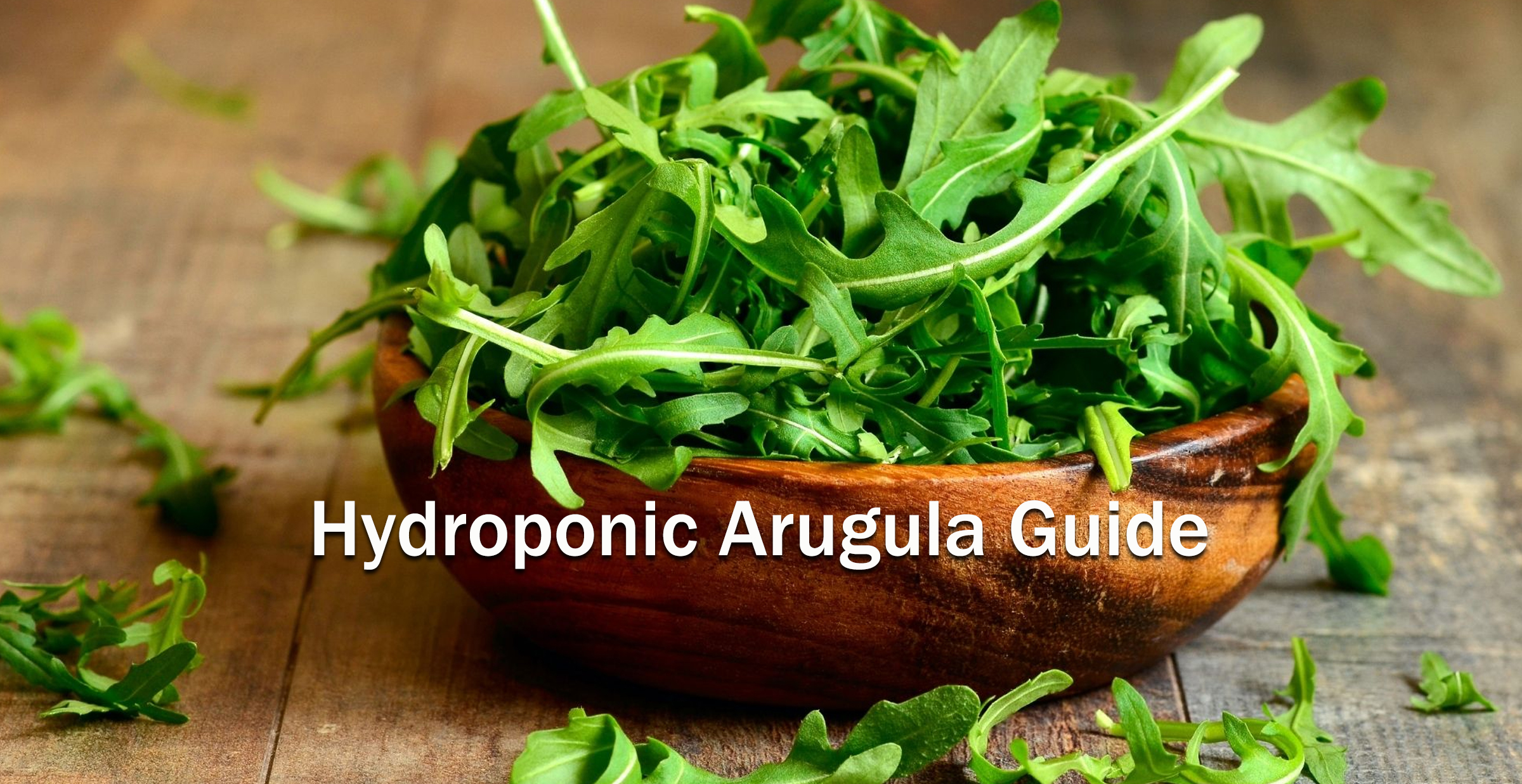
The definitive guide to hydroponic arugula growing, showing you how to grow arugula hydroponically indoors. By mastering the hydroponic arugula setup (arugula seeds, nutrients, light, etc.) combined with the hydroponic arugula system kit, you will quickly and successfully harvest hydroponic arugula.
What is Hydroponic Arugula?
Hydroponic Arugula is arugula (also known as rocket or roquette, a peppery, leafy salad green) grown using a hydroponic system, which is a method of increasing arugula plants without soil, using a nutrient-rich water solution to deliver essential minerals directly to the plant roots. This technique allows for controlled environments, resulting in consistent and often faster growth, with the potential for higher yields and reduced pesticide use compared to traditional soil-based methods. It's a popular method for cultivating arugula commercially and at home.
Instead of being planted in soil, arugula seeds are started in an inert growing medium like rockwool, coconut coir, perlite, or clay pellets. Sometimes, seedlings are suspended directly in the nutrient solution.
The roots are constantly or periodically bathed in a carefully balanced water solution containing all the nitrogen, phosphorus, potassium, calcium, magnesium, and micronutrients the plant needs.
Best Hydroponic Arugula Systems
-
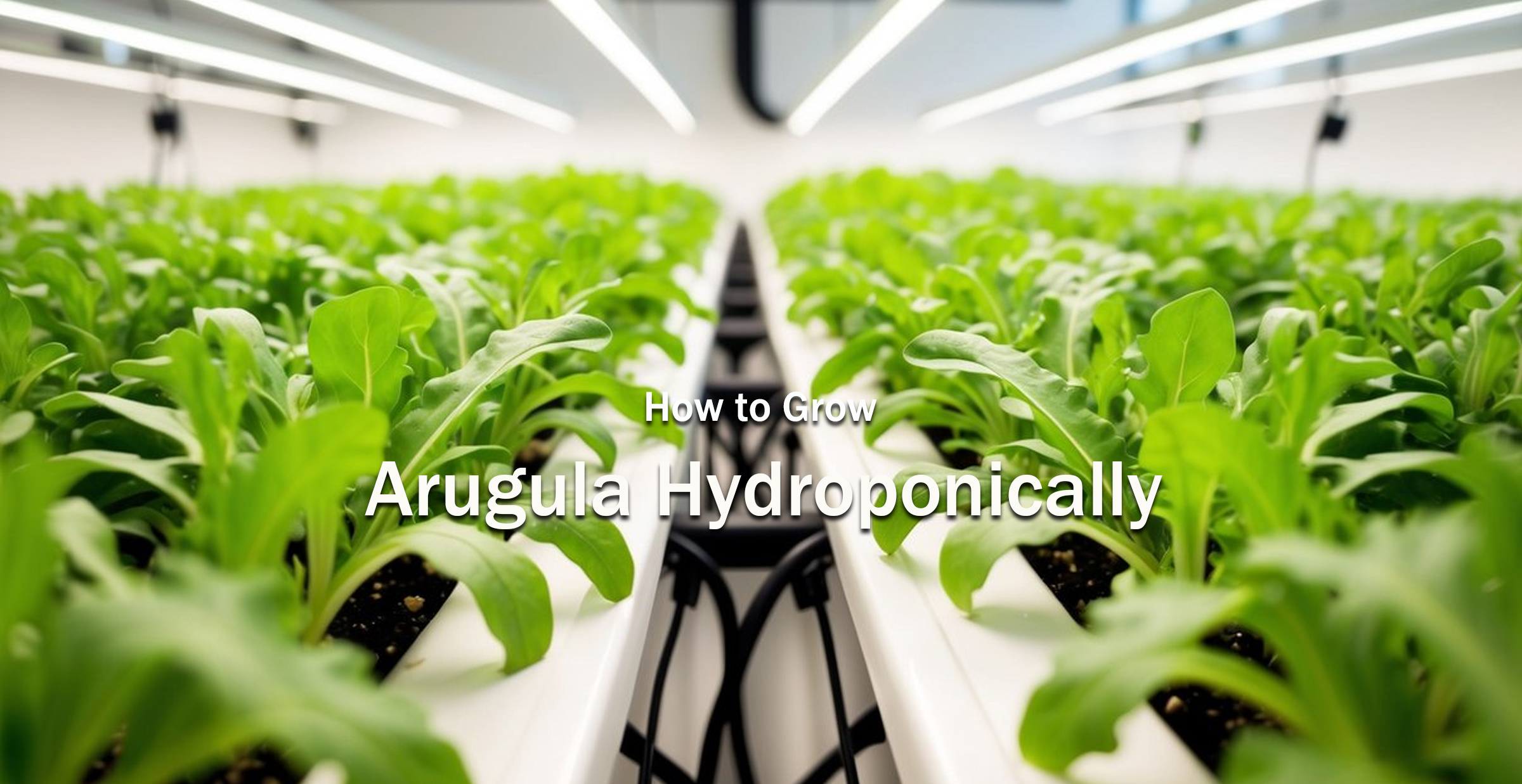
Nutrient Film Technique (NFT): A thin film of nutrient solution flows over bare roots in a sloped channel.
-
Deep Water Culture (DWC): Roots are suspended directly in the aerated nutrient solution.
-
Ebb and Flow (Flood and Drain): The grow tray is periodically flooded with nutrient solution and then drained.
-
Aeroponics: Roots are misted with nutrient solution in an air chamber.
Why Grow Arugula Hydroponically?
Hydroponic Arugula Benefits
-
Faster Growth & Higher Yields: Precise control over nutrients, water, and oxygen often leads to significantly faster growth cycles and more harvests per year compared to soil. Arugula is naturally fast-growing, and hydroponics maximizes this.
-
Water Efficiency: Hydroponic systems recirculate water, using up to 90% less water than traditional soil farming.
-
Space Efficiency: Plants can be grown vertically or densely packed, making it ideal for urban farming, greenhouses, or indoor growing.
-
Controlled Environment: Growers can precisely manage pH, nutrient levels, temperature, and light (especially indoors), optimizing plant health and flavor.
-
Reduced Pests & Diseases: The absence of soil eliminates many common soil-borne pests and diseases, often reducing or eliminating the need for pesticides/herbicides.
-
Cleaner Produce: Harvested greens are typically cleaner (free from soil/sand) and require less washing.
-
Consistent Quality & Nutrition: Controlled conditions lead to consistent leaf size, texture, flavor, and nutritional content.
-
Year-Round Production: Can be easily grown indoors under lights, regardless of outdoor season or climate.
Characteristics of Hydroponic Arugula
-
-
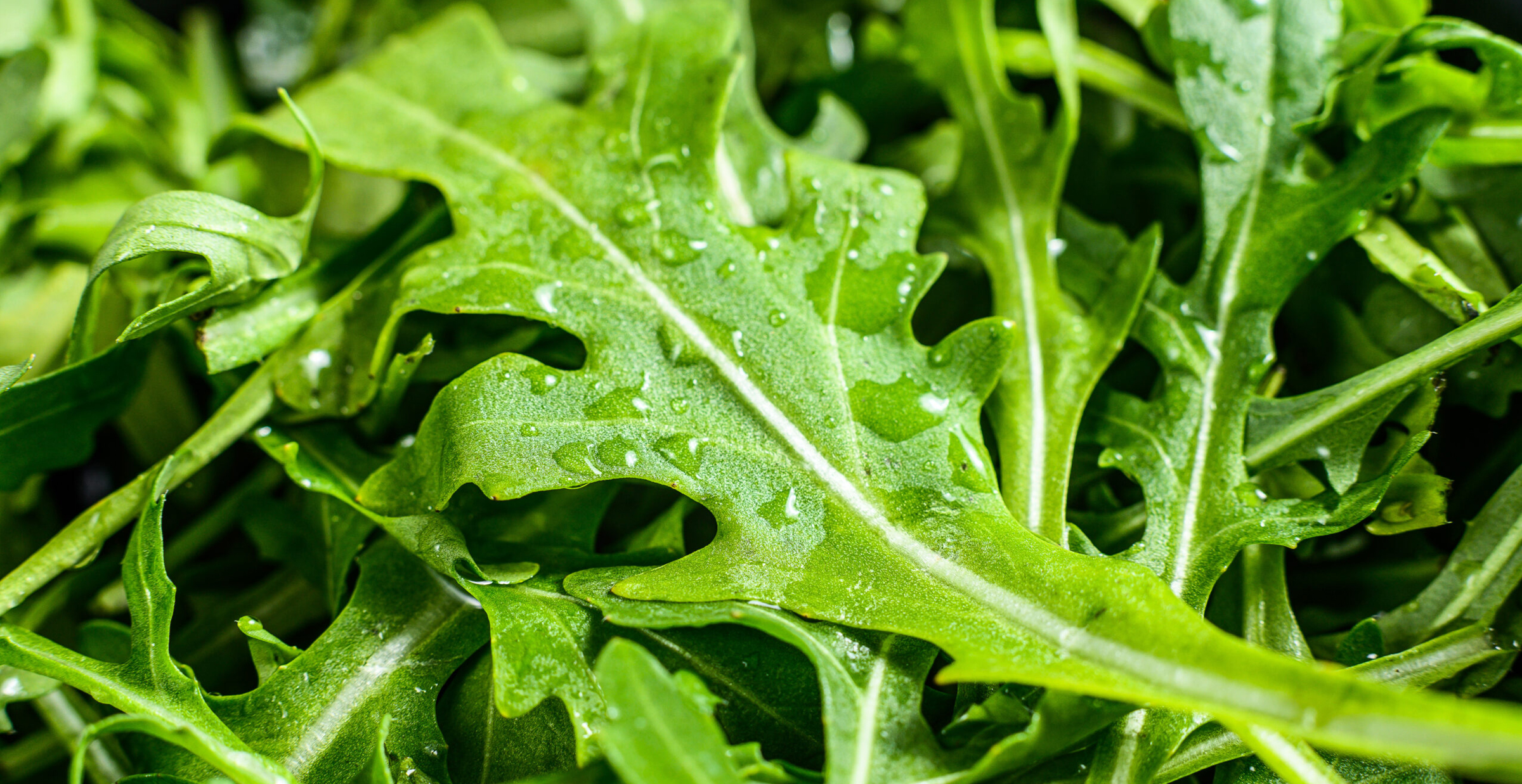
Appearance: Often has vibrant green leaves, uniform size, and may look slightly more delicate than some field-grown varieties.
-
Taste: Generally maintains the characteristic peppery punch of arugula, though the intensity can be slightly milder than mature, field-grown arugula due to faster harvesting and controlled conditions. It's often described as tender and fresh.
-
Texture: Typically very tender and crisp.
-
Cleanliness: Usually requires minimal washing (though always wash before eating!).
-
How to Grow Arugula Hydroponically?
Growing arugula hydroponically is excellent for beginners. It's fast, space-efficient, and rewards you with fresh, peppery greens in just 3-5 weeks.
Arugula Hydroponics Step-by-Step Guide
-
Choose Your System & Setup
-
Assemble your chosen hydroponic system (NFT channels, DWC bucket/tote, etc.).
-
Ensure it's clean. A bleach solution rinse (followed by a thorough fresh water rinse) is recommended for new or reused equipment.
-
Set up lighting (see below).
-
-
Select Growing Medium (For starting seeds and holding plants)
-
Rockwool Cubes: Very common, excellent moisture/air balance. *Pre-soak in pH-adjusted water (5.5-6.0) for 24 hours before use.*
-
Oasis Cubes: Similar to Rockwool, often used in floral arrangements.
-
Peat Pellets/Starter Plugs: Convenient, expand in water.
-
Coco Coir Pellets/Plugs: Sustainable alternative.
-
Perlite or Vermiculite: Can be used in net cups, especially for DWC/Kratky. Often mixed.
-
-
Plant Seeds
-
Place 2-3 arugula seeds into the pre-soaked hole of each cube/plug, or directly into net cups filled with medium.
-
Cover seeds very lightly with a sprinkle of the medium or vermiculite (they need darkness to germinate).
-
Keep moist (not soggy). A humidity dome helps initially.
-
Germination Temp: 60-70°F (15-21°C). Should sprout in 3-7 days.
-
-
Provide Light
-
Intensity: Arugula needs moderate to high light (at least 12-16 hours daily).
-
Type: LED grow lights are most efficient. Position 6-12 inches above seedlings, adjusting as they grow. Full-spectrum white LEDs (3000K-4000K) or a mix with blue/red work well.
-
Natural Light: A very sunny south-facing window might suffice, but grow lights are far more reliable for consistent growth indoors.
-
-
Prepare Nutrient Solution
-
Use a balanced hydroponic nutrient formula suitable for leafy greens/lettuce (look for NPK ratios around 2-1-3 or similar). General-purpose formulas also work.
-
Key: Slightly higher Nitrogen (N) promotes lush leaf growth.
-
EC (Electrical Conductivity): 1.0 - 1.8 mS/cm (Seedlings: start lower ~1.0, mature plants: up to 1.8). Always follow manufacturer guidelines.
-
pH: CRITICAL! Maintain between 5.5 and 6.5. 6.0 is ideal. Check pH daily or every other day. Adjust using pH Up or pH Down solutions. Fluctuations outside this range lock out nutrients.
-
Water Temp: Keep reservoir between 65-72°F (18-22°C). Cooler temperatures inhibit growth, warmer temperatures reduce oxygen, and risk root rot.
-
-
Transplant Seedlings (If applicable)
-
Once seedlings have 2-4 true leaves (usually 10-14 days after germination), they are ready.
-
Move the entire cube/plug into its final position in your hydroponic system (NFT channel, net pot in DWC/Kratky, etc.).
-
Ensure roots make contact with the nutrient solution (NFT) or will dangle into it (DWC/Kratky). In Kratky, the solution level should just touch the bottom of the net pot initially.
-
-
Ongoing Maintenance
-
Monitor pH & EC: Check and adjust pH daily/every other day. Check EC 1-2 times per week. Top up the reservoir with fresh pH-adjusted water as levels drop.
-
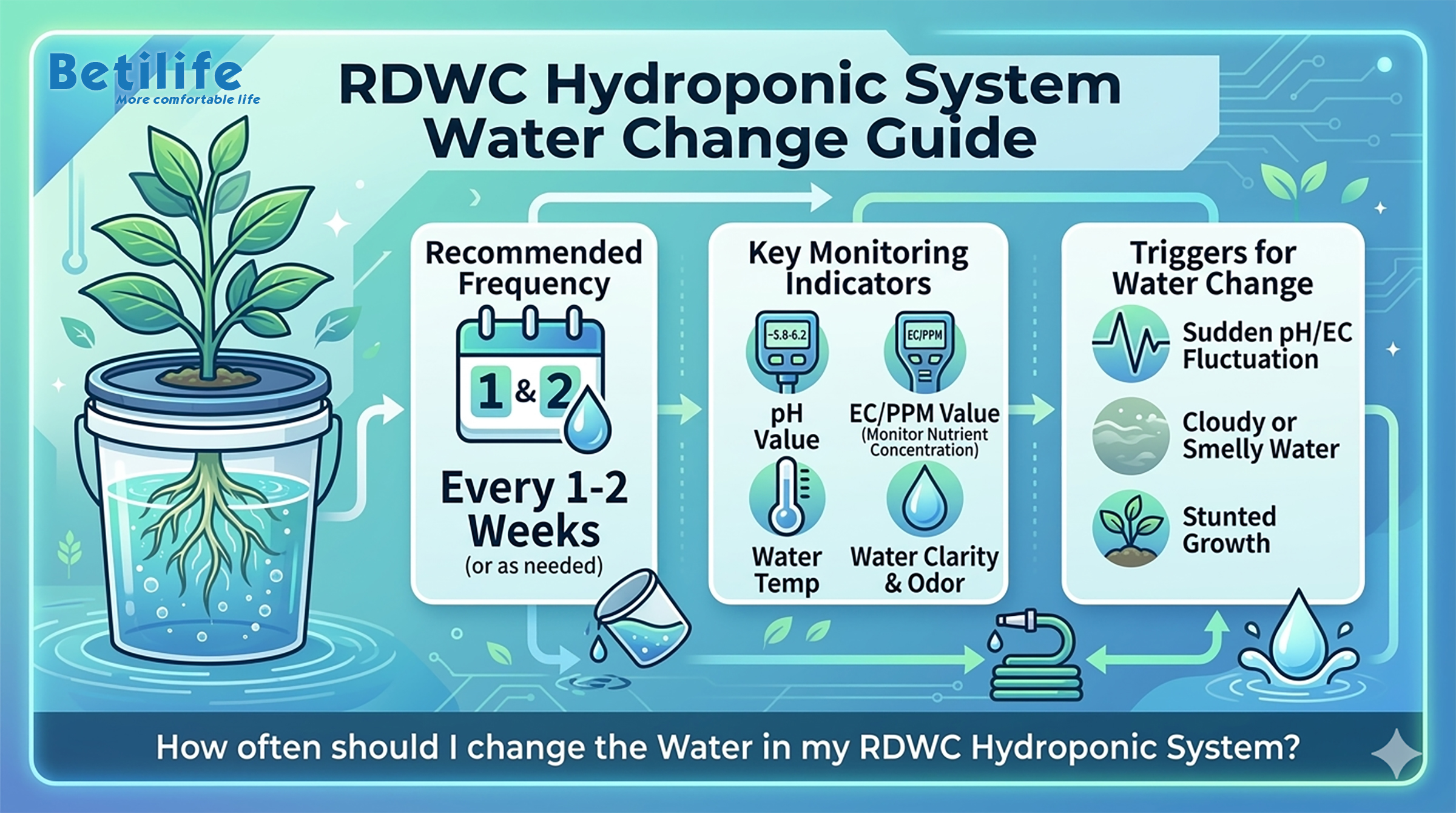
Change Solution: Completely replace the nutrient solution every 1-2 weeks to prevent salt buildup and nutrient imbalances.
-
Check Roots: Healthy roots are white and fuzzy. Brown/slimy roots indicate rot (often from low oxygen or high temps - increase aeration/check water temp).
-
Air Circulation: Gentle air movement (a small fan) strengthens stems and prevents fungal issues. Avoid blasting directly on plants.
-
Temperature: Aim for air temps between 60-70°F (15-21°C). Higher temperatures cause bolting (flowering) faster, making leaves bitter.
-
-
Harvesting (The Best Part!)
-
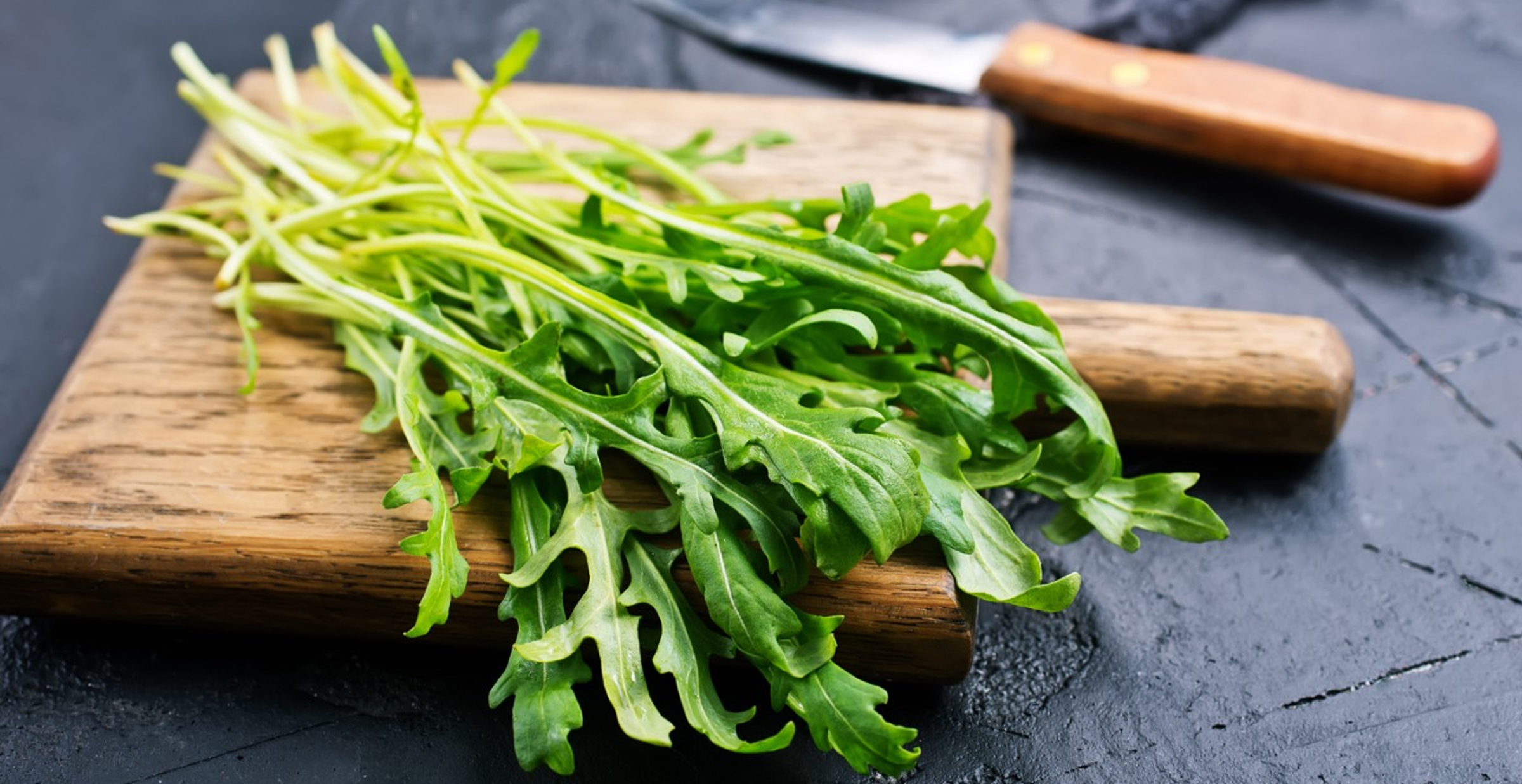
"Cut-and-Come-Again": (Most common & recommended)
-
Start harvesting outer leaves when they are 2-3 inches long (around 3-4 weeks).
-
Use clean scissors, cut leaves about 1 inch above the crown/base.
-
The plant will keep producing new leaves from the center for several weeks.
-
-
Full Harvest: Cut the entire plant just above the crown/base when mature (around 4-5 weeks). You get one larger harvest, but regrowth is slower/less vigorous.
-
Bolting: Arugula bolts quickly in heat/long days. Harvest immediately if you see a flower stalk forming, as leaves become intensely bitter.
-
Common Problems & Solutions
-
Leggy Seedlings: Not enough light. Move lights closer or increase intensity/duration.
-
Yellowing Leaves:
-
Lower/Older Leaves: Often Nitrogen deficiency (check EC level, might need slightly stronger solution).
-
Newer Leaves: Could be Iron deficiency (check pH isn't too high - lockout) or general imbalance. Check pH/EC first.
-
-
Brown Leaf Edges/Tips: Could be nutrient burn (EC too high), inconsistent watering (Kratky level issues), or calcium deficiency (check pH isn't too low for Ca uptake - aim for 6.0-6.5 if suspecting Ca).
-
Slow Growth: Low nutrients (EC too low), insufficient light, or cold temperatures.
-
Root Rot (Brown/Slimy Roots): Low dissolved oxygen (increase aeration/bubbles in DWC, ensure NFT flow isn't blocked), water temperature too high (>75°F/24°C), or pathogens. Change solution, clean system, improve aeration/cooling. Hydrogen peroxide can sometimes help (use cautiously).
Hydroponic arugula is the same delicious, peppery green you know, but grown smarter – in water fortified with nutrients, without soil. This method offers significant advantages in efficiency, control, and sustainability, and often results in exceptionally clean, tender, and consistent greens.
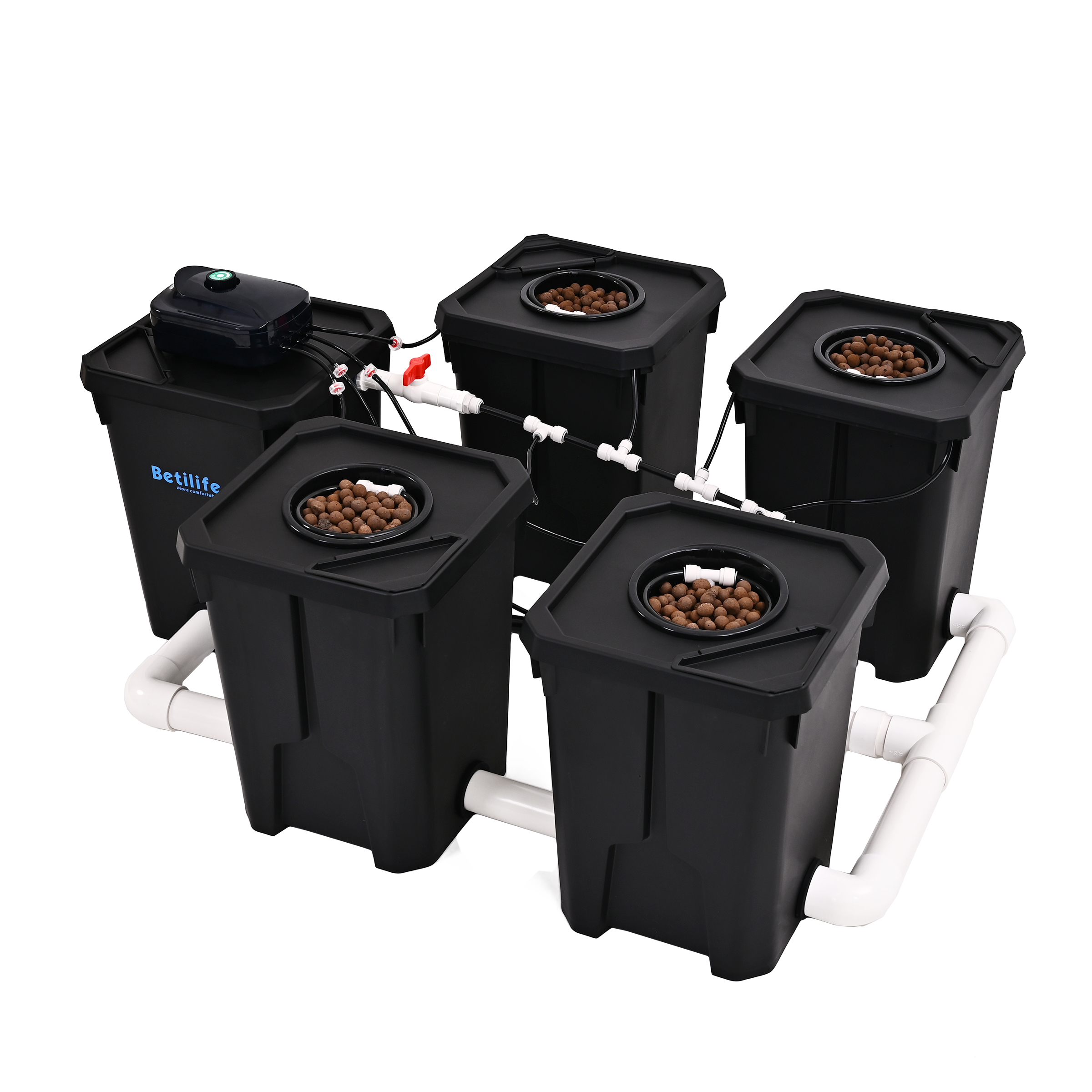
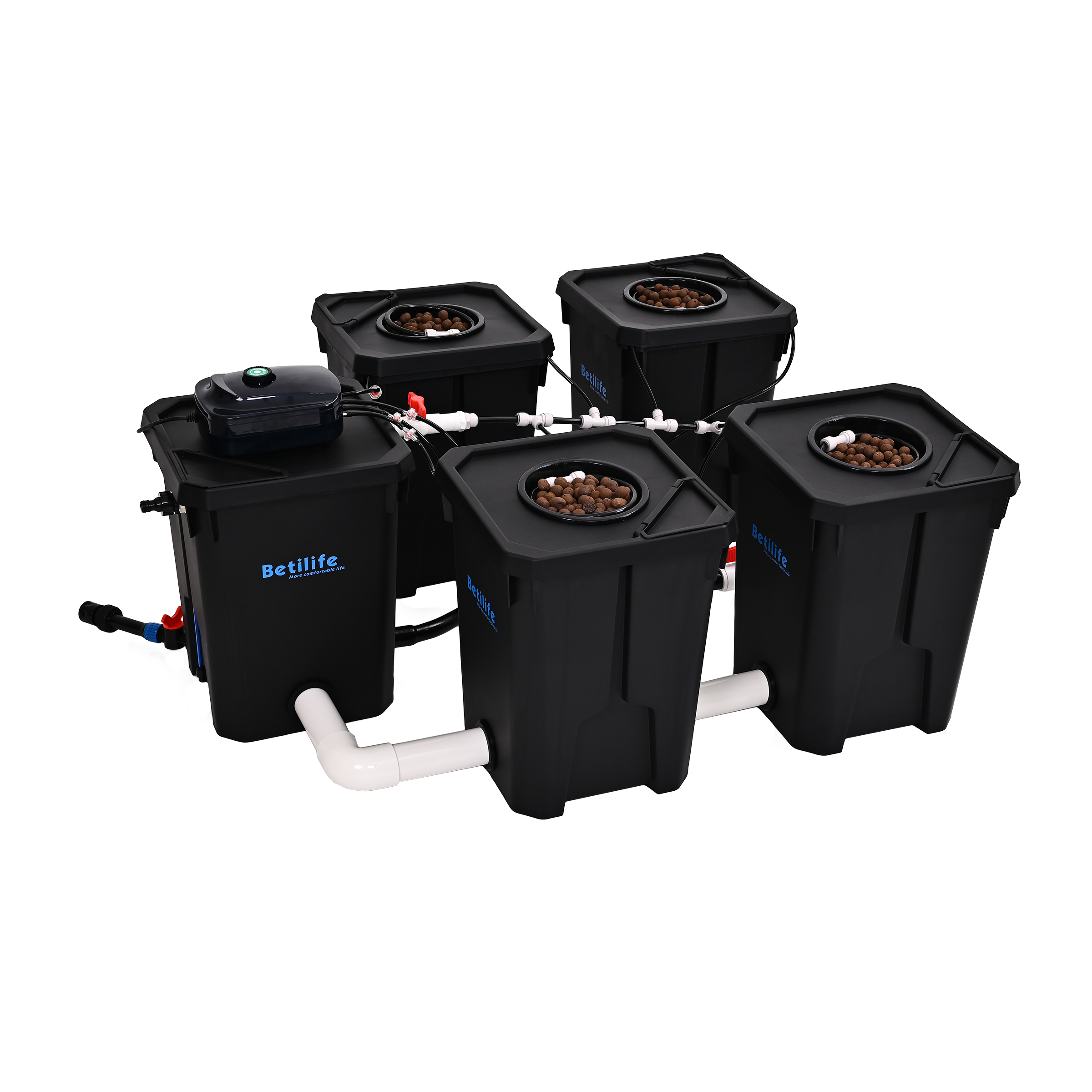
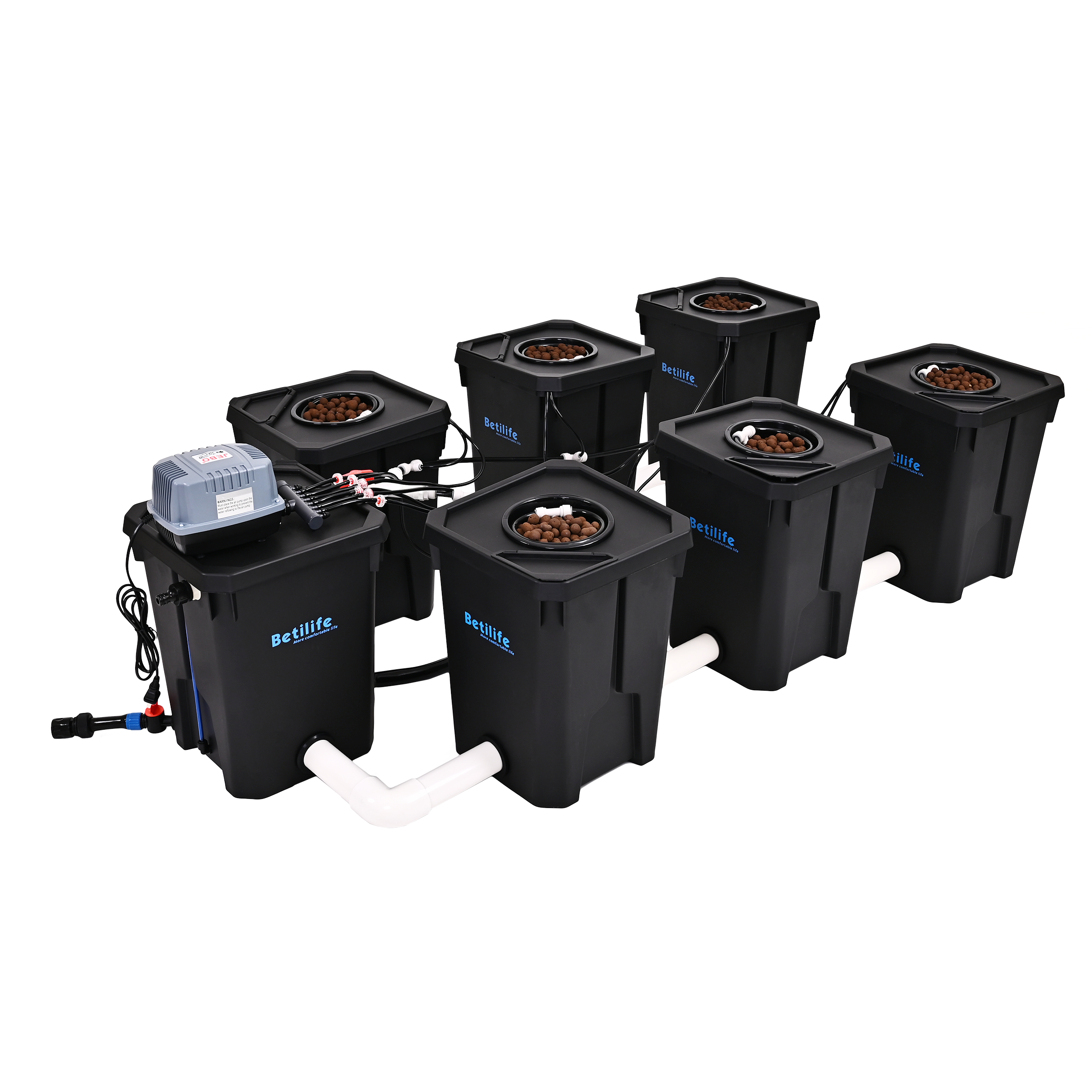
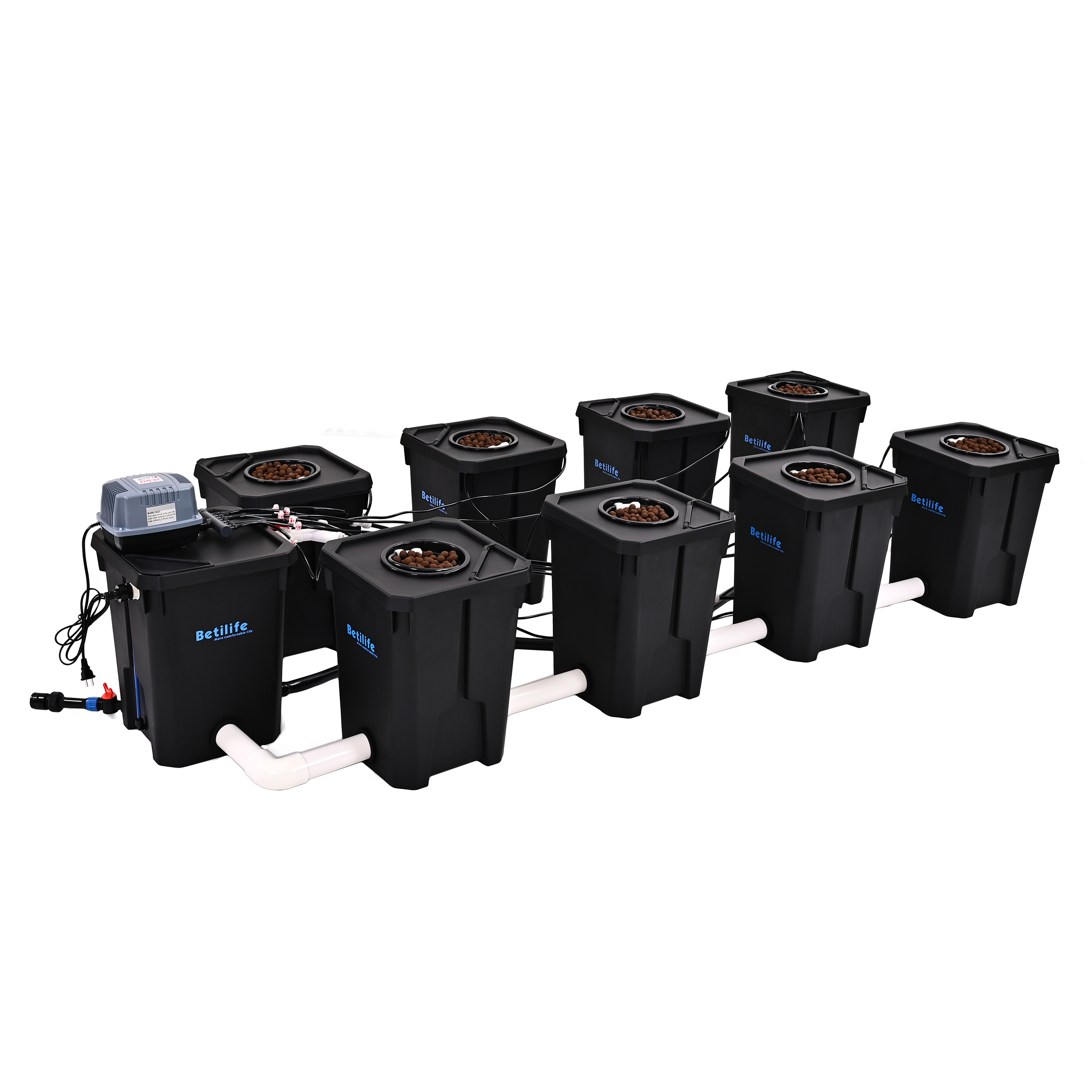
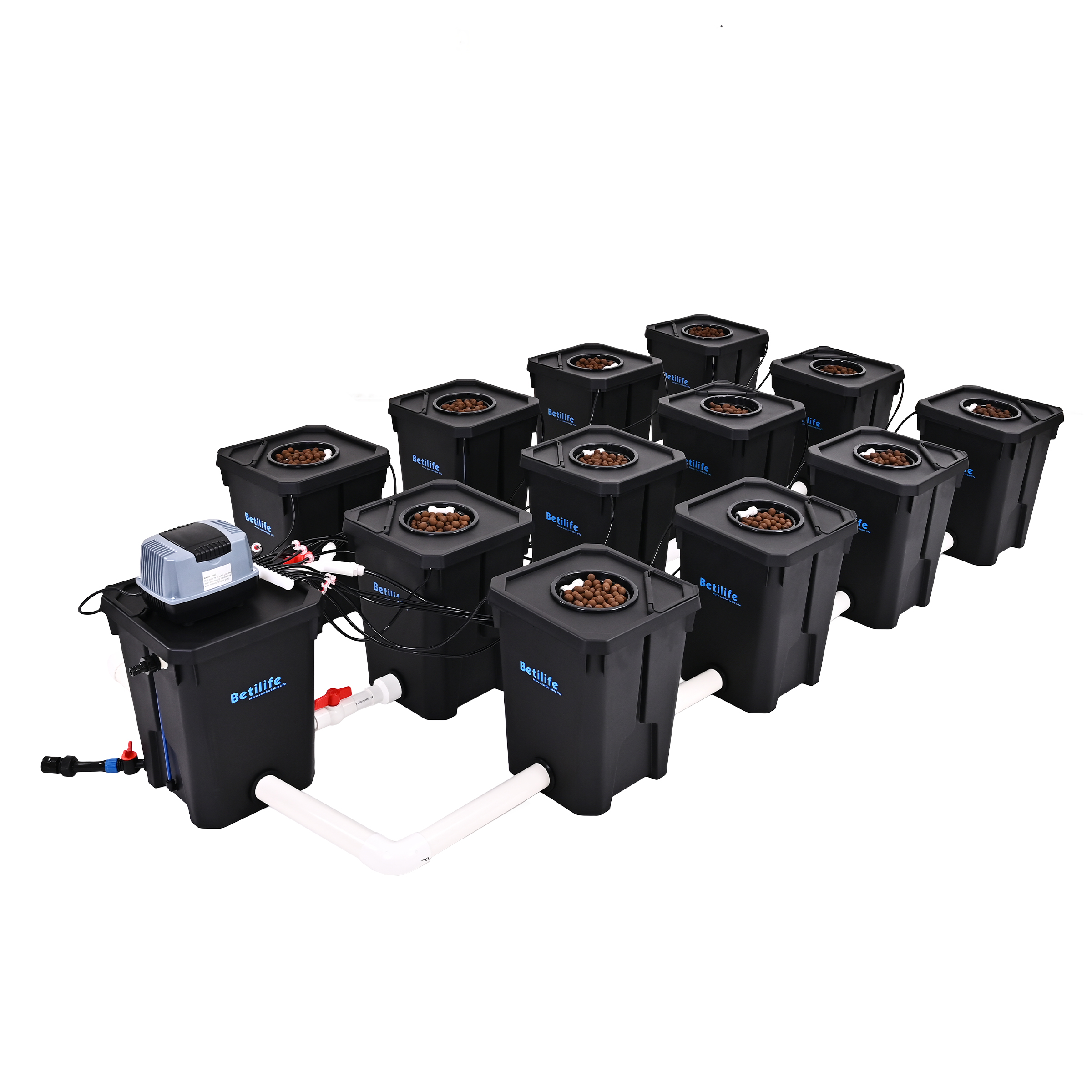
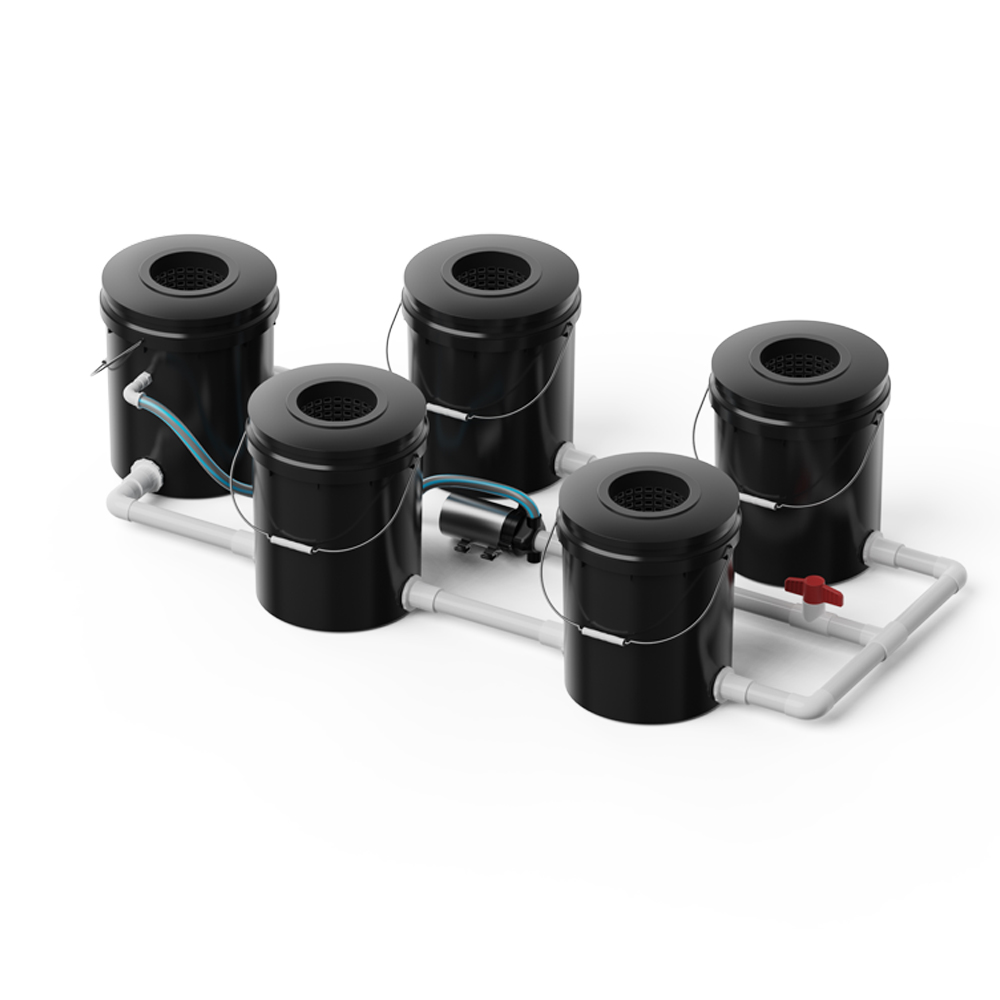
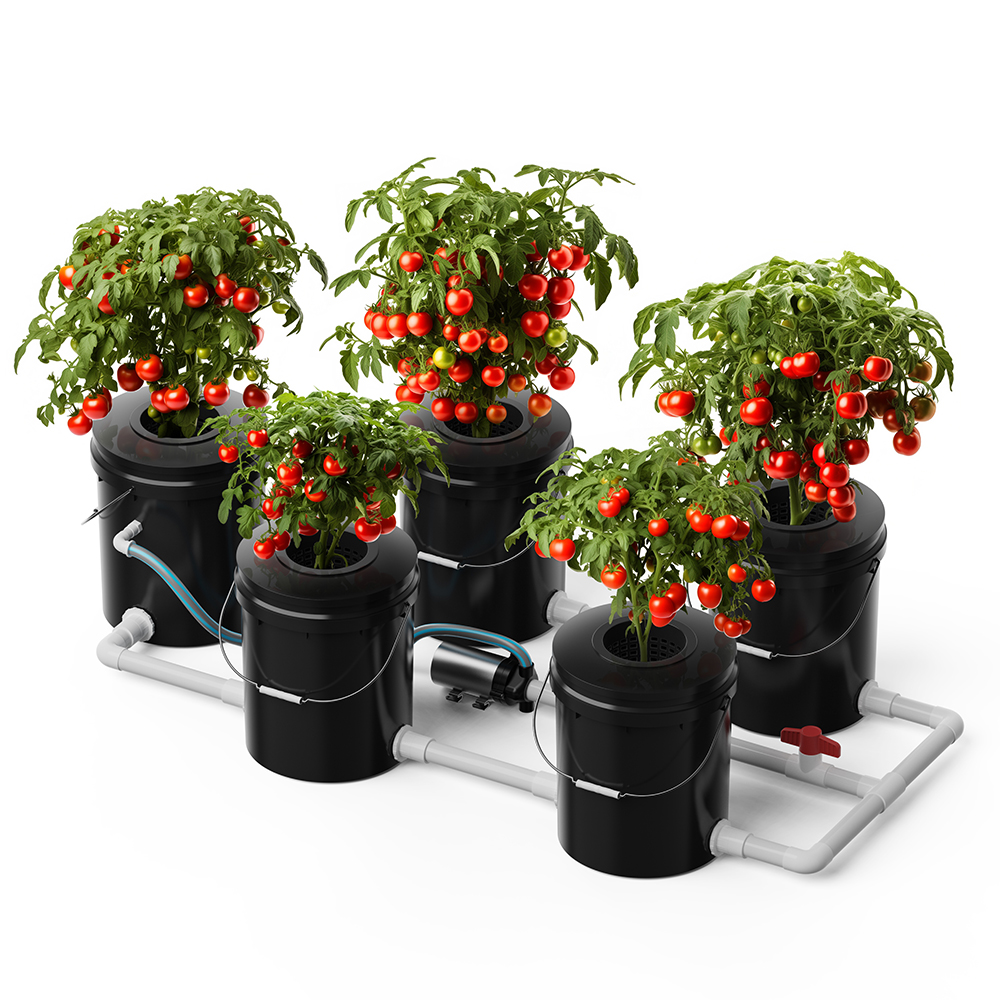
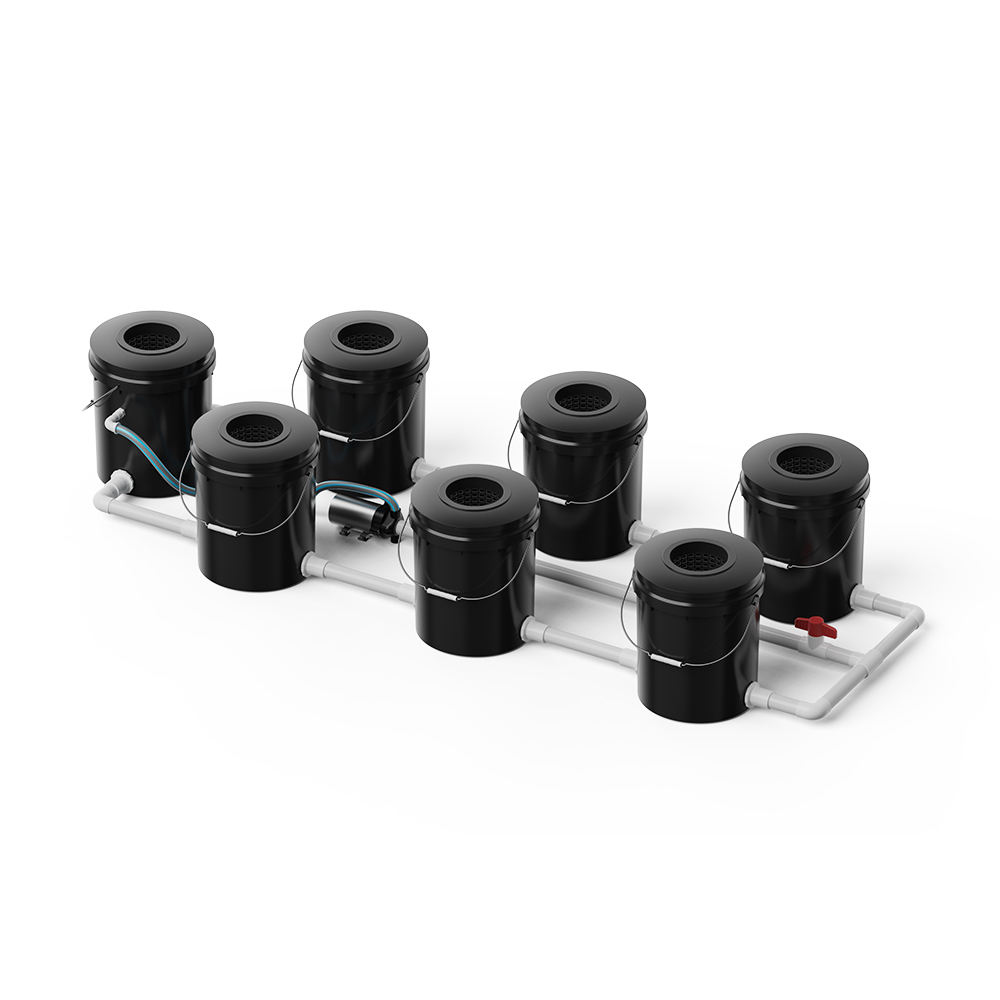
BetiLife™ Hydroponic Arugula Systems offer a variety of hydroponics techniques, including Deep Water Culture (DWC), Nutrient Film Technique (NFT), each with its own set of advantages, ranging from beginner-friendly to easy-to-use. Arugula hydroponics system automation controls lighting and water circulation, making it easy to grow arugula without the need for daily care.
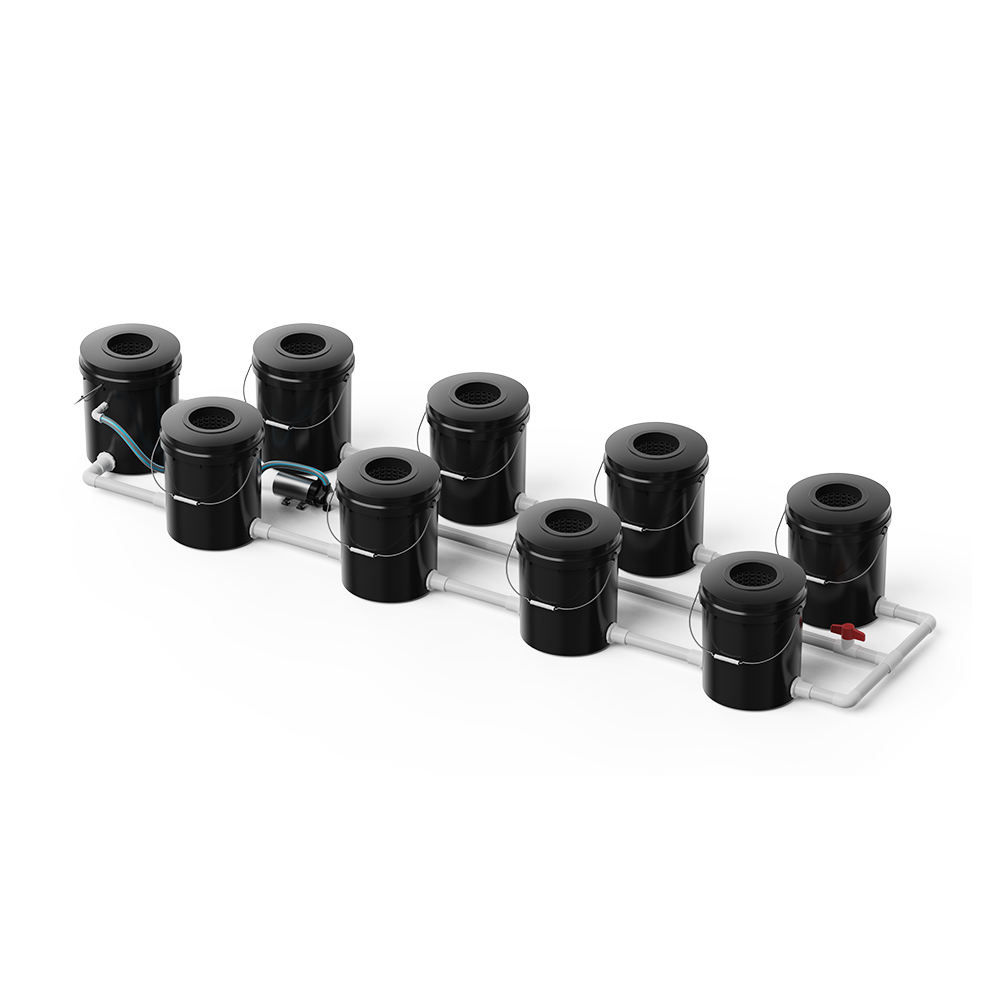
If you need to grow arugula hydroponically indoors or outdoors at home, you can choose BetiLife™ Hydroponics Growing System:
Learn more about hydroponics:
- What Are The Best Flowers For Hydroponics
- How To Grow Hydroponic Tomatoes Indoor
- Can You Do Hydroponic Carrots
- What Are The Best Plants To Grow In Hydroponic Towers
- What Are The Best Hydroponic Lettuce Varieties
- How To Grow Hydroponic Lettuce Indoors At Home
- What Are The Best Strawberries To Grow Hydroponically
- What Are Hydroponic Strawberries
- The Best Hydroponic Pepper Varieties
- Bell Pepper Hydroponics Setup
- How to Grow Hydroponic Lavender
- How to Grow Hydroponic Cucumbers Indoors
- How to Grow Basil Hydroponically
- Growing Hydroponic Cilantro
Related FAQs
Is Arugula Hard to Grow Hydroponically?
No, arugula is generally considered an easy plant to grow hydroponically, especially for beginners. It's known for its fast growth and resilience, making it a good choice for those new to hydroponics.
Can You Grow Arugula Hydroponically?
Yes, one leafy green that many hydroponic growers choose is arugula. Arugula adds a delicious peppery punch to salads and sandwiches. It's exceptionally easy for new growers to master and can be harvested repeatedly from the same plant. Here are some tips on how to grow arugula to achieve the best hydroponic arugula yield.
Is Arugula Good for Hydroponics?
Yes, arugula is well-suited for hydroponic cultivation. It is a popular choice for hydroponic systems, particularly for leafy greens and microgreens. Arugula's fast germination, high productivity, and suitability for various hydroponic systems like NFT make it a good option.
How Fast does it take to Grow Arugula Hydroponically?
Arugula can be grown hydroponically and harvested in as little as 3-4 weeks. The germination time for arugula seeds is typically 7-10 days. After that, it takes roughly 30-40 days to reach maturity and be ready for harvest.