If you don't know what hydroponic cucumbers are or how to grow them indoors, see below for a detailed guide to setting up hydroponic cucumbers and choosing the best hydroponic system for cucumbers.
What are Hydroponic Cucumbers?
Hydroponic Cucumbers are cucumbers grown using hydroponics—a method of cultivating plants without soil. Instead, their roots are suspended in a nutrient-rich water solution or an inert growing medium (like coco coir, perlite, or rockwool), receiving precise nutrients, water, and oxygen directly, potentially leading to faster growth and higher yields compared to traditional soil-based agriculture.
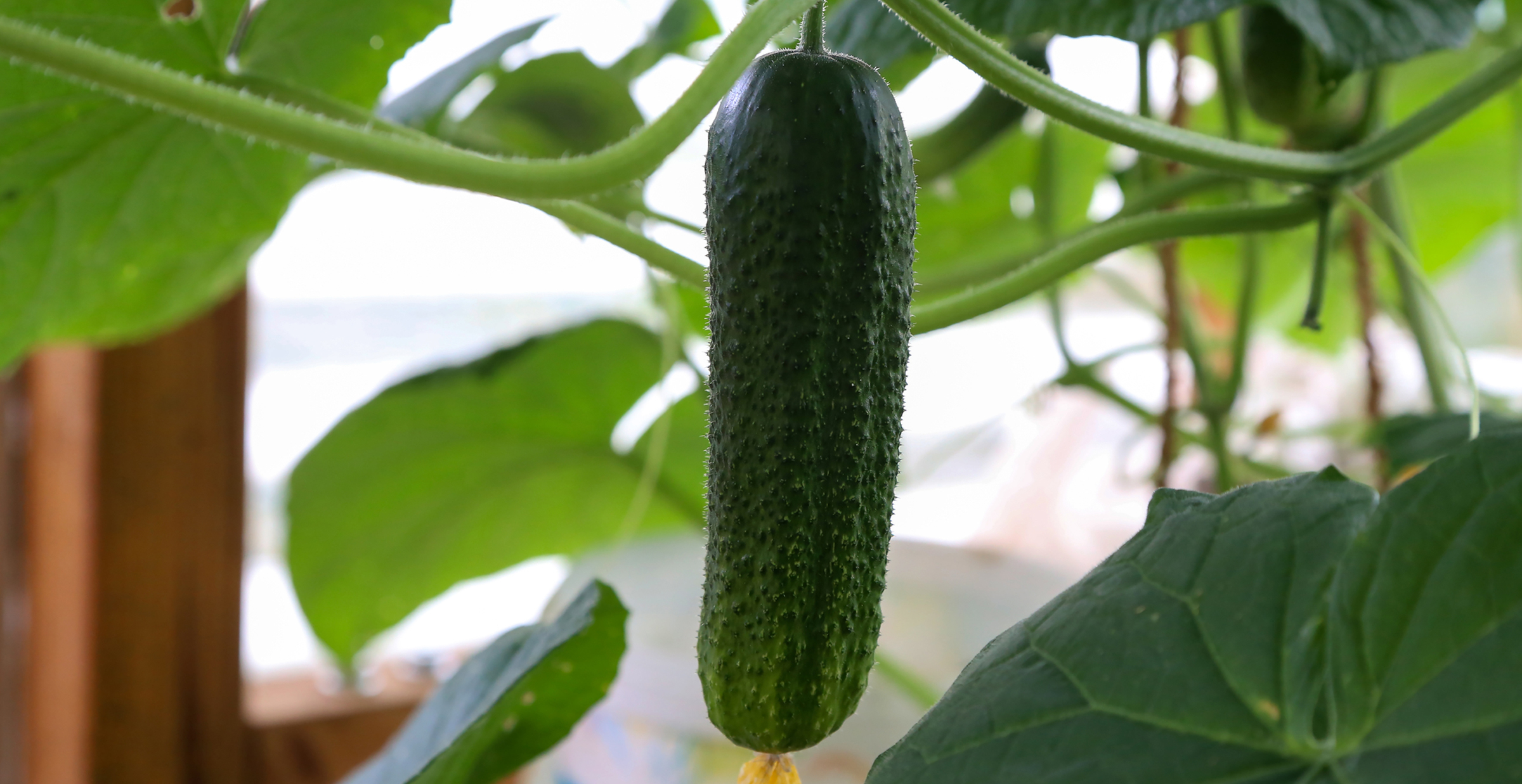
How to Grow Hydroponic Cucumbers Indoors?
Growing hydroponic cucumbers indoors is an excellent way to enjoy fresh, crisp cucumbers year-round! It requires attention to detail, but it's very rewarding.
Here's a step-by-step guide on how to grow cucumbers hydroponically:
Hydroponic Cucumbers Key Features & Benefits
-
Soil-Free Growth
Roots absorb nutrients directly from a controlled water solution, eliminating soil-borne diseases and pests.
-
Water Efficiency
Hydroponic systems use ~90% less water than traditional farming by recirculating water.
-
Year-Round Production
Grown indoors (greenhouses/vertical farms), ensuring consistent supply regardless of season or climate.
-
Optimized Nutrition
Nutrients (N-P-K + minerals) are tailored to cucumber needs, boosting growth rates and yields.
-
Purity & Consistency
Cucumbers are often cleaner, more uniform in size/shape, and free from dirt or grit.
-
Reduced Pesticides
Controlled environments minimize pest pressures, allowing for low- or no-pesticide growing.
Hydroponic Cucumbers Setup & Considerations
Choose the Right Cucumber Variety
-
Opt for Bush or Compact Vining Types: These are essential for indoor spaces. Look for varieties specifically labeled "bush", "compact", "patio", or "space saver".
-
Parthenocarpic Varieties are CRITICAL: These varieties set fruit without pollination (no bees needed indoors!). Look for this term on seed packets.
-
Popular Indoor Hydroponic Cucumber Varieties:
-
Bush Champion
-
Spacemaster
-
Salad Bush
-
Bush Crop
-
Picklebush (for smaller cucumbers)
-
Iznik (Mini cucumber, very productive)
-
Picolino (Mini cucumber, gourmet type)
-
-
Select a Hydroponic System (Best Hydroponic System for Cucumbers)
-
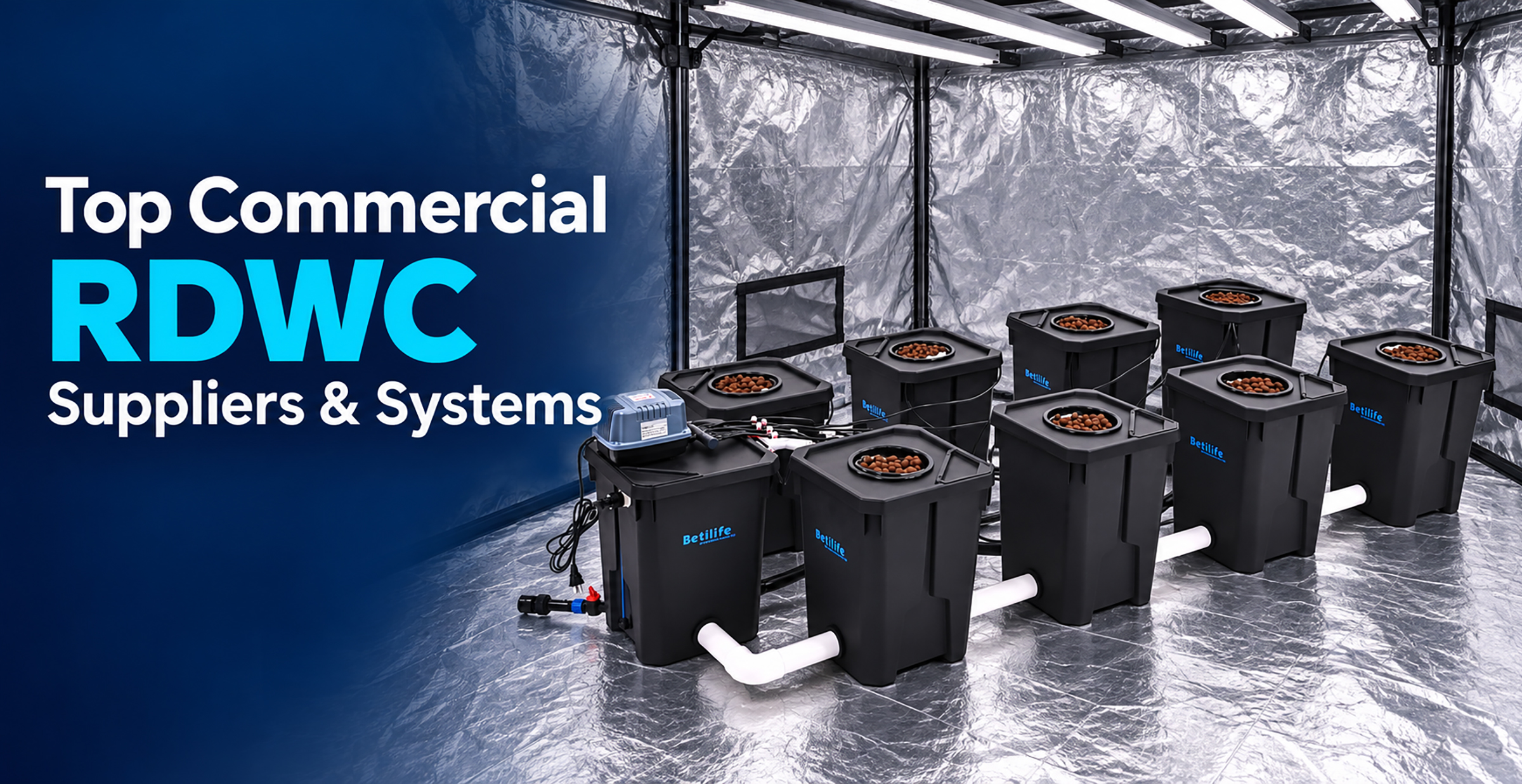
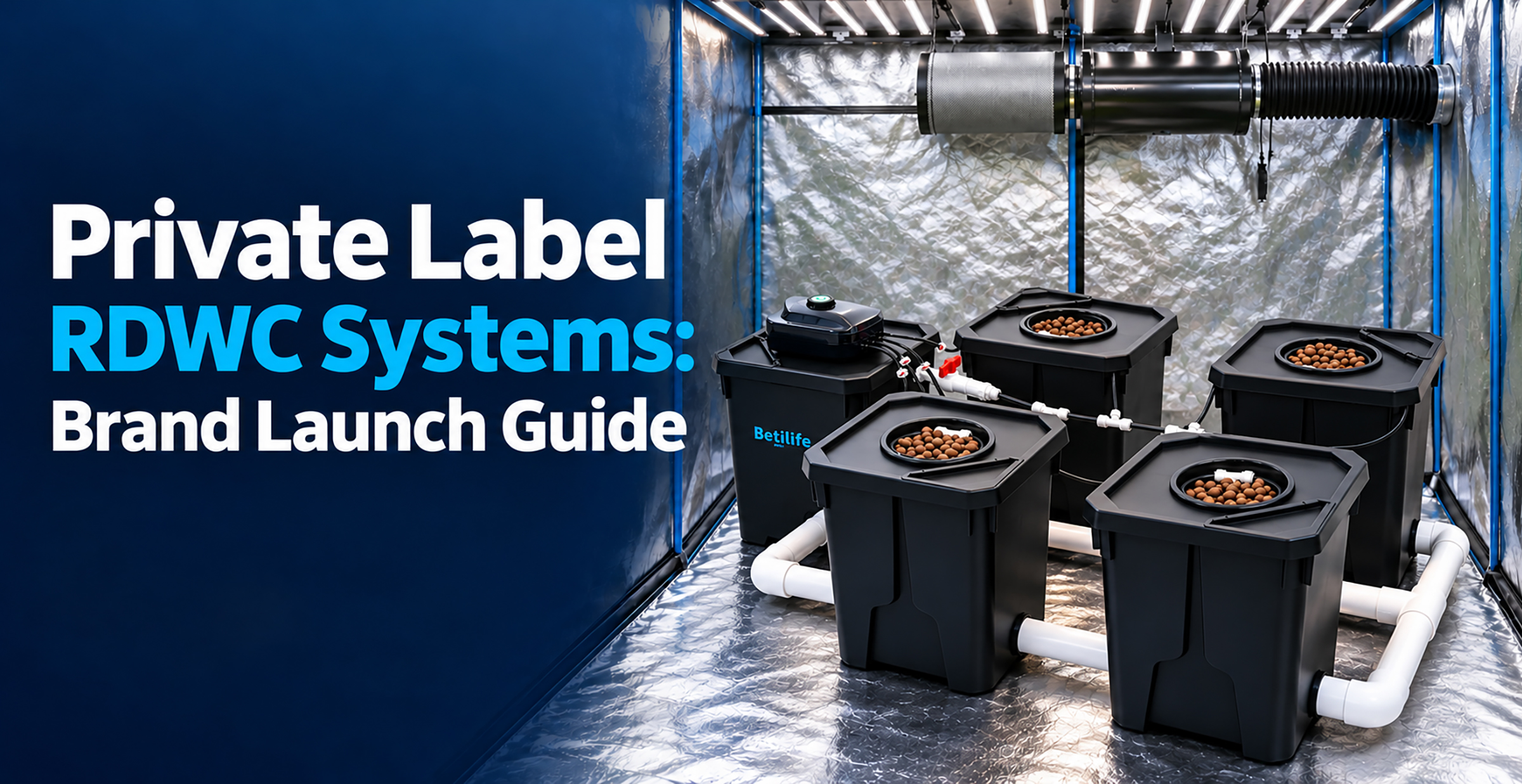
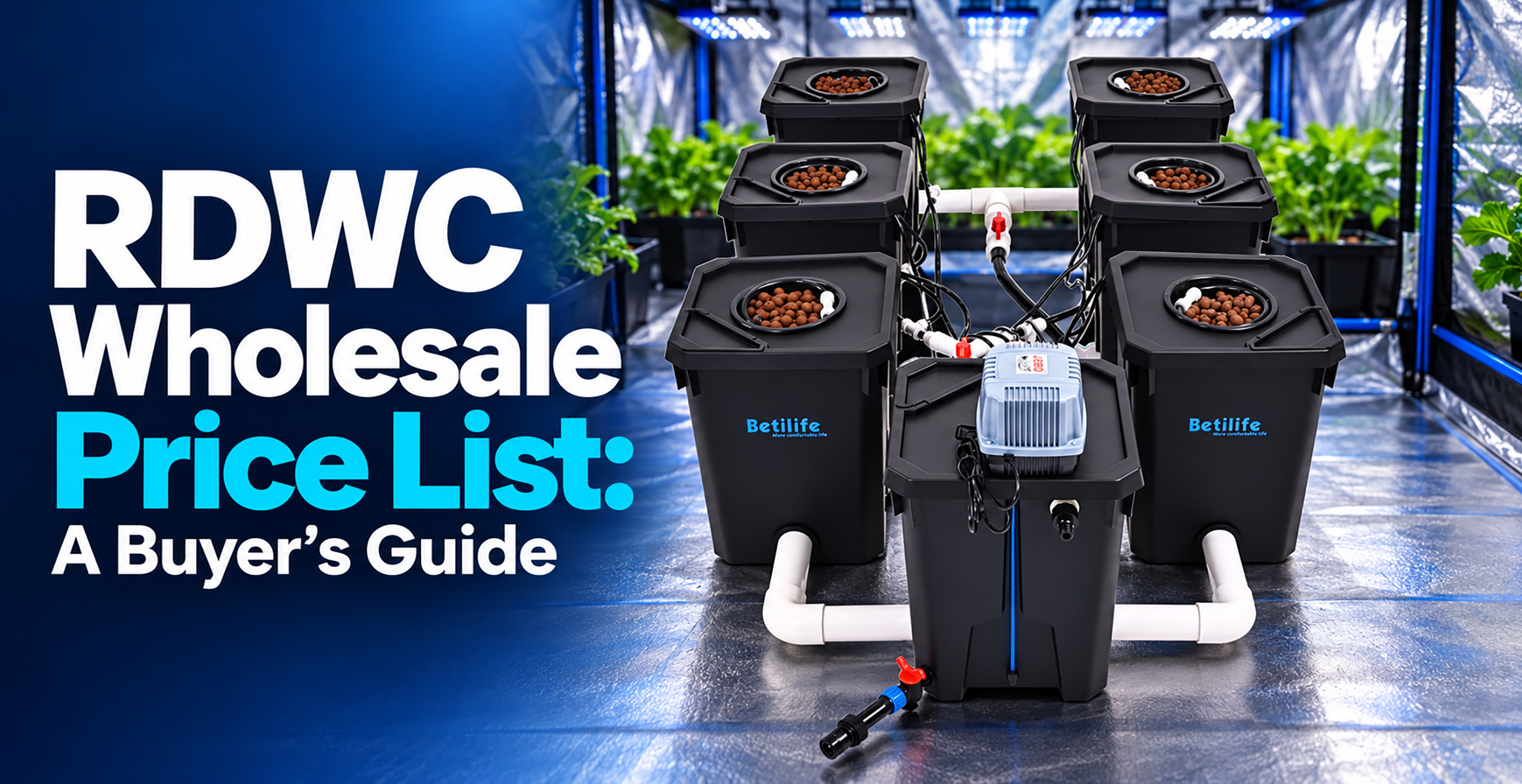
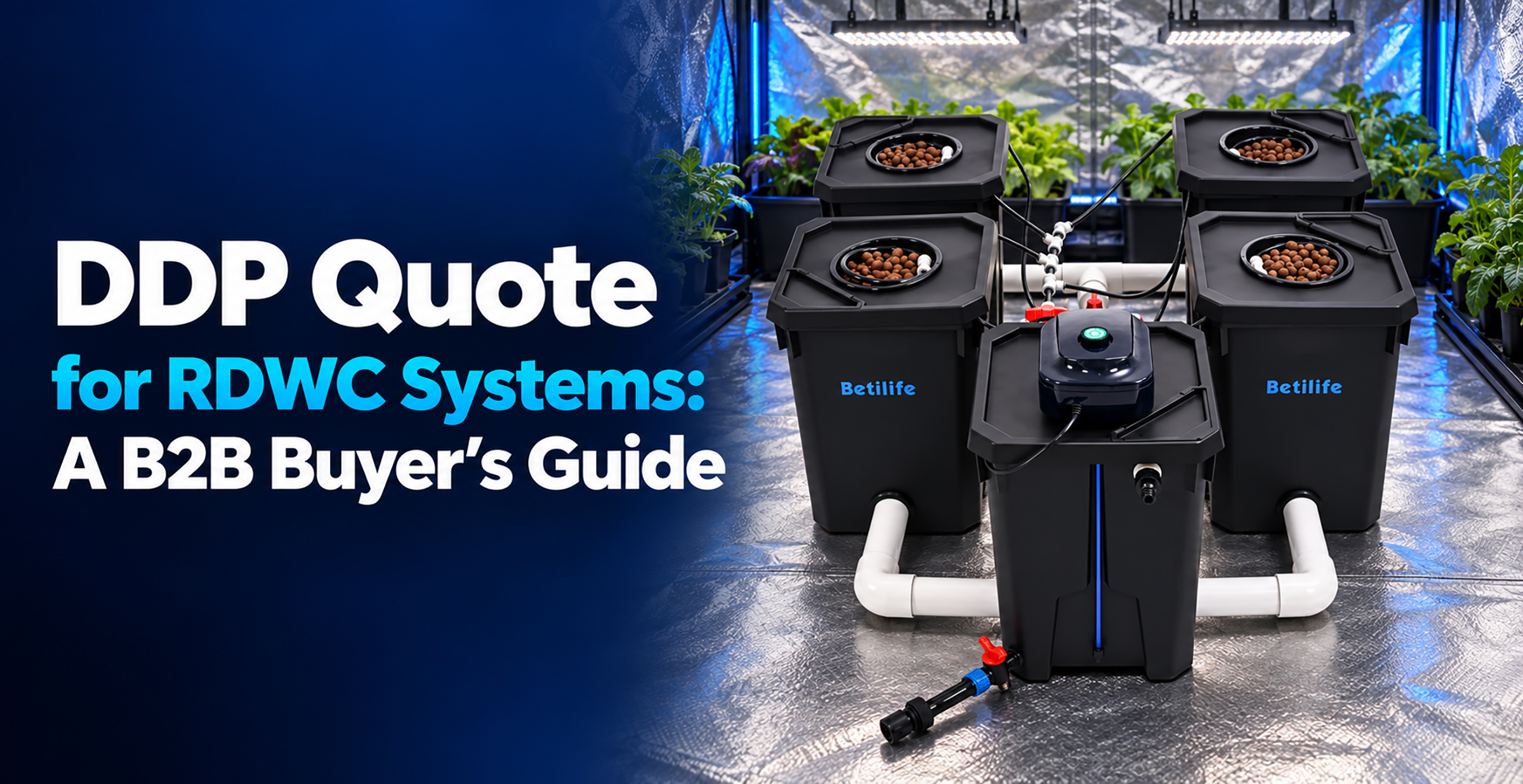
Deep Water Culture (DWC / Kratky): Simple and effective for beginners. Roots dangle directly into the oxygenated nutrient solution. Kratky is passive (no air pump), DWC uses an air pump and stone. Great for larger plants like cucumbers. Best for larger setups.
-
Ebb and Flow (Flood and Drain): Periodically floods the grow tray with nutrient solution and drains it back. Requires a timer, pump, and reservoir. Good root aeration.
-
Drip Systems: Nutrient solution drips continuously or intermittently onto the base of each plant (often in an inert medium like coco coir or perlite). Reliable and scalable.
-
Nutrient Film Technique (NFT): A thin film of nutrient solution constantly flows over the bare roots in a sloped channel. It can be challenging for large, fruiting plants like cucumbers due to potential root crowding and pump failure risks.
-
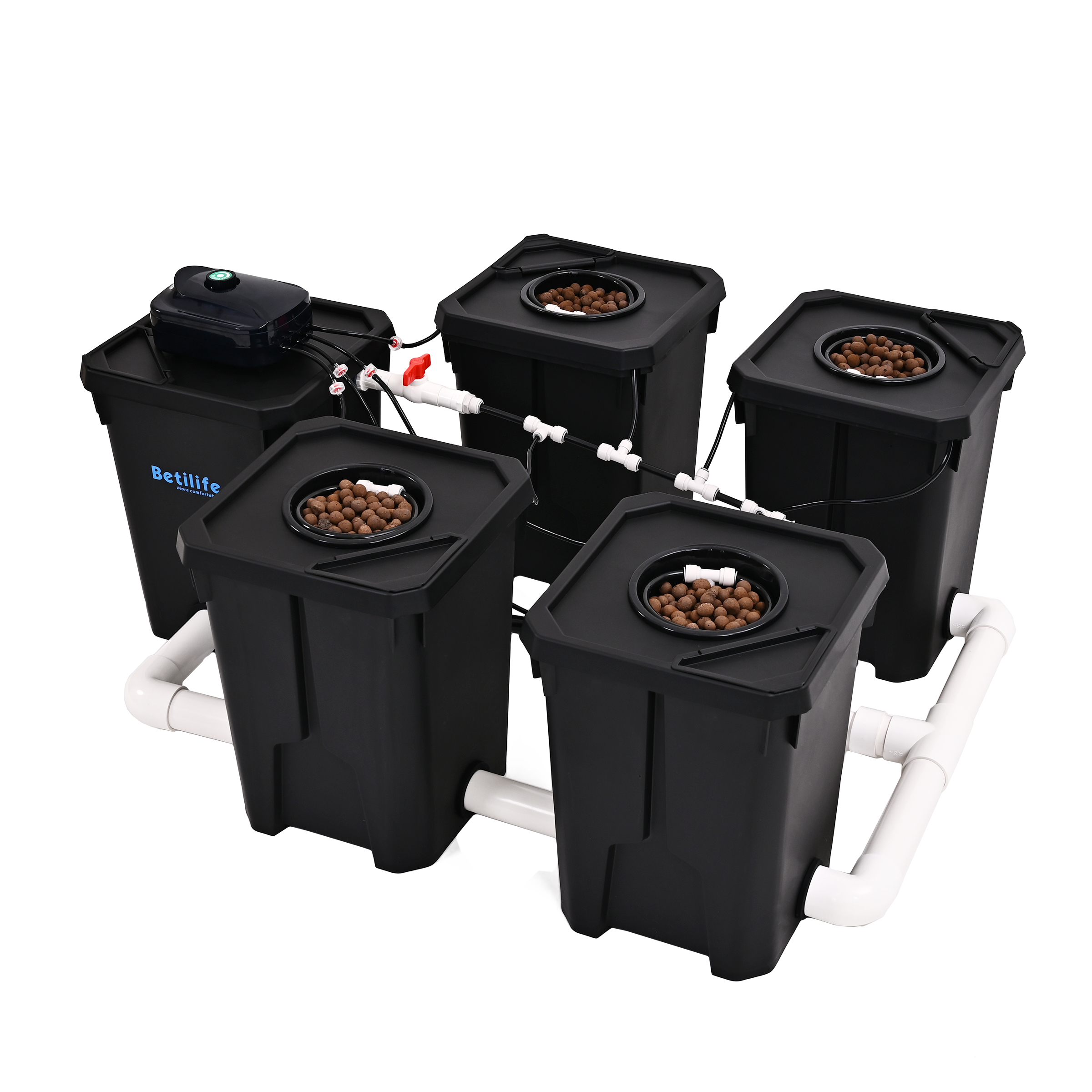
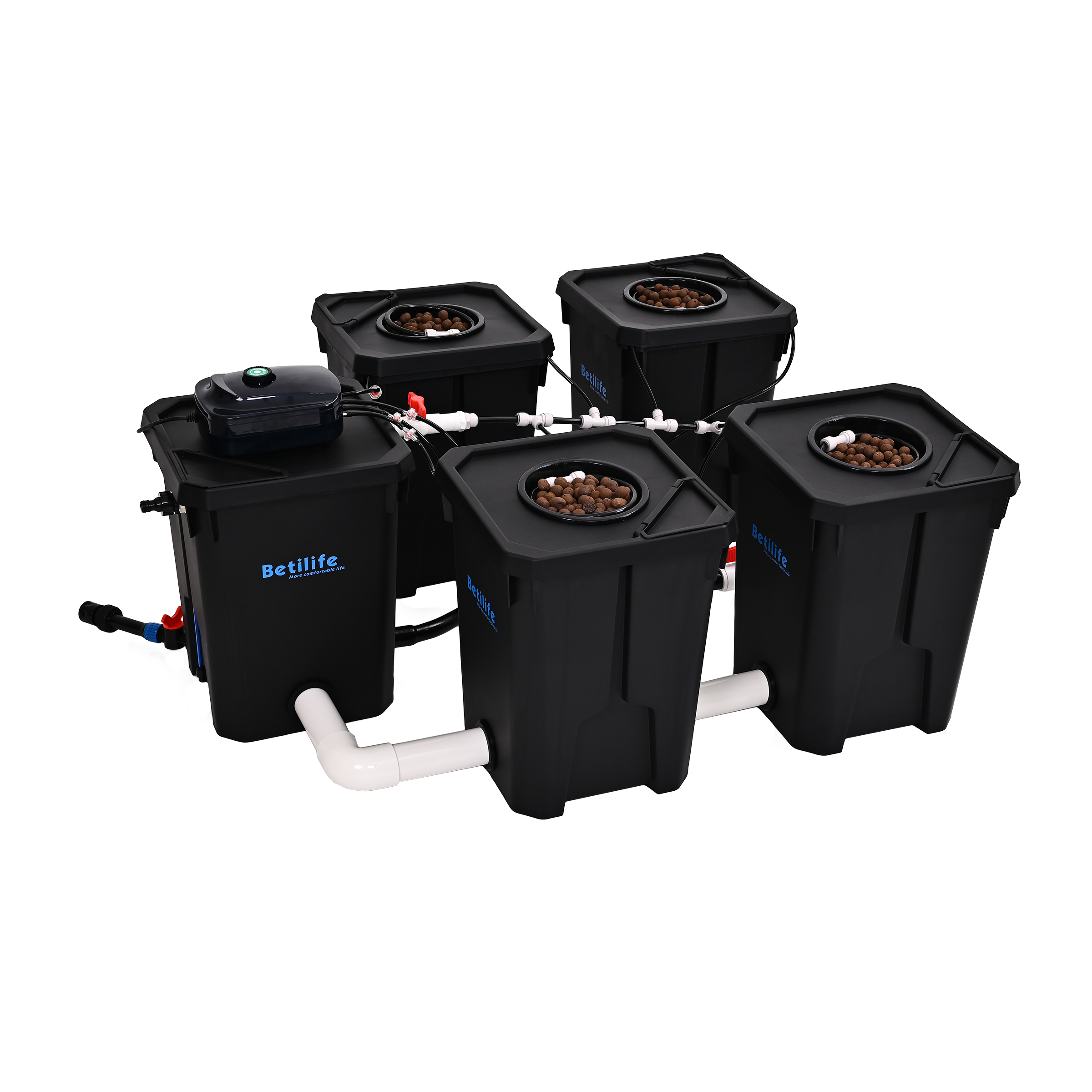
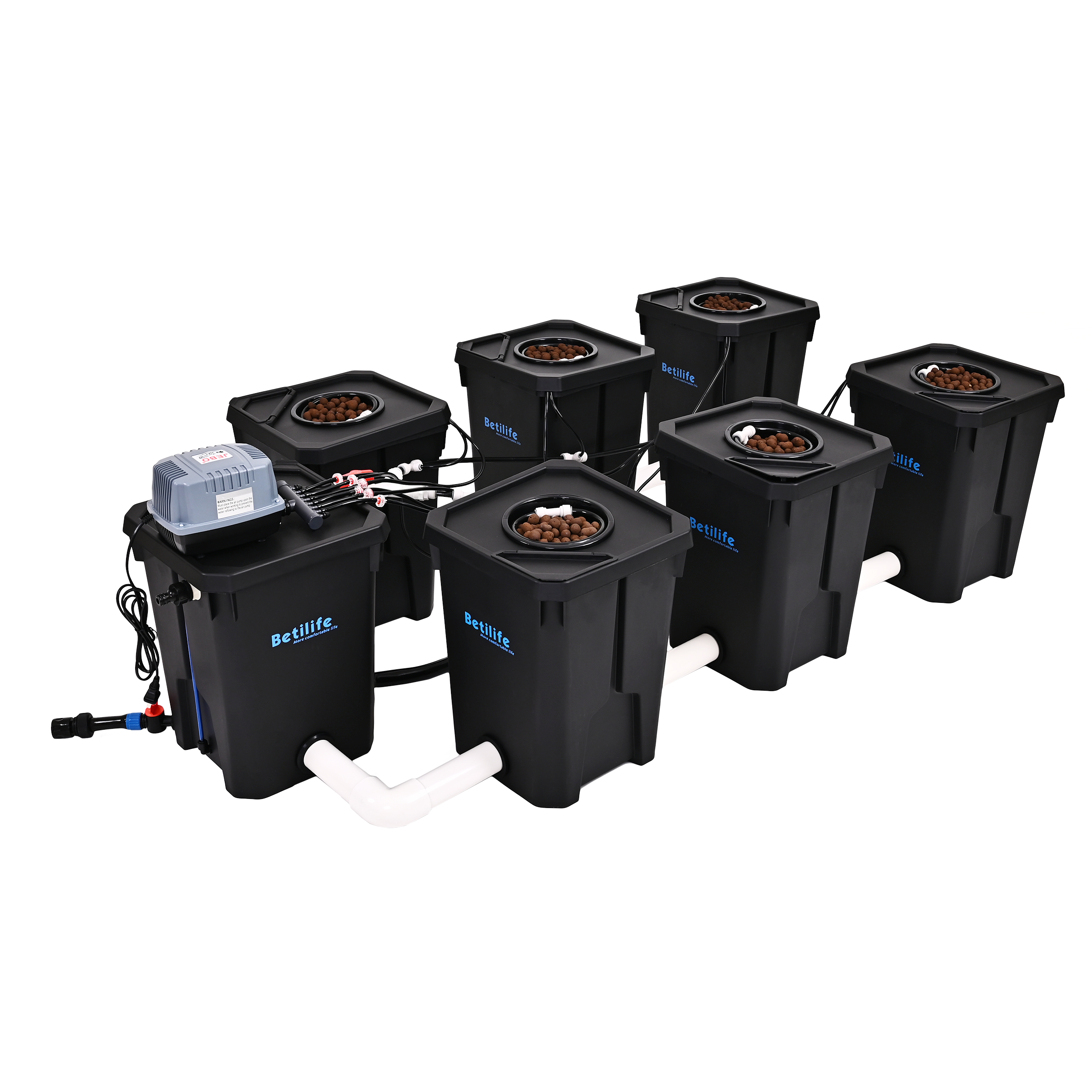
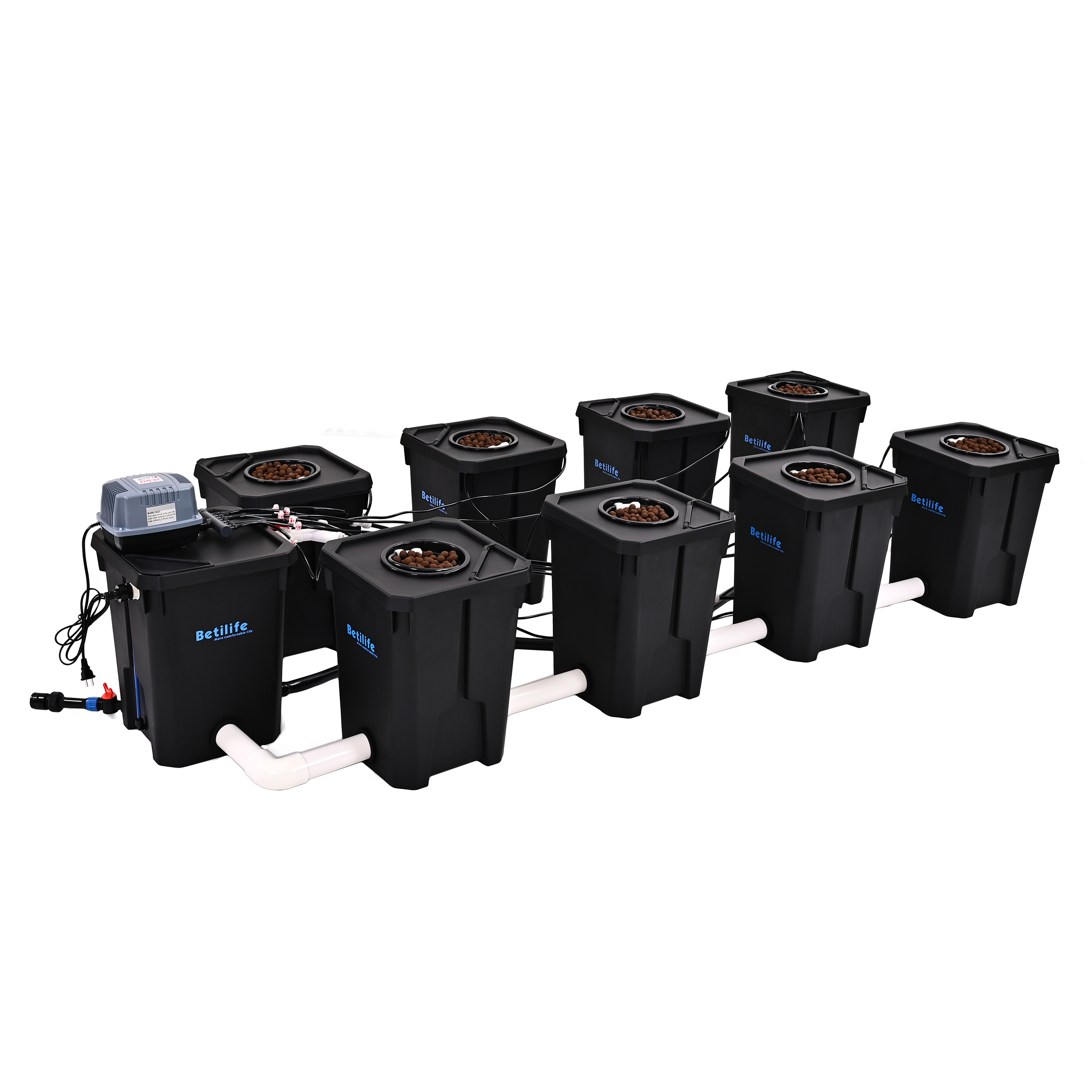
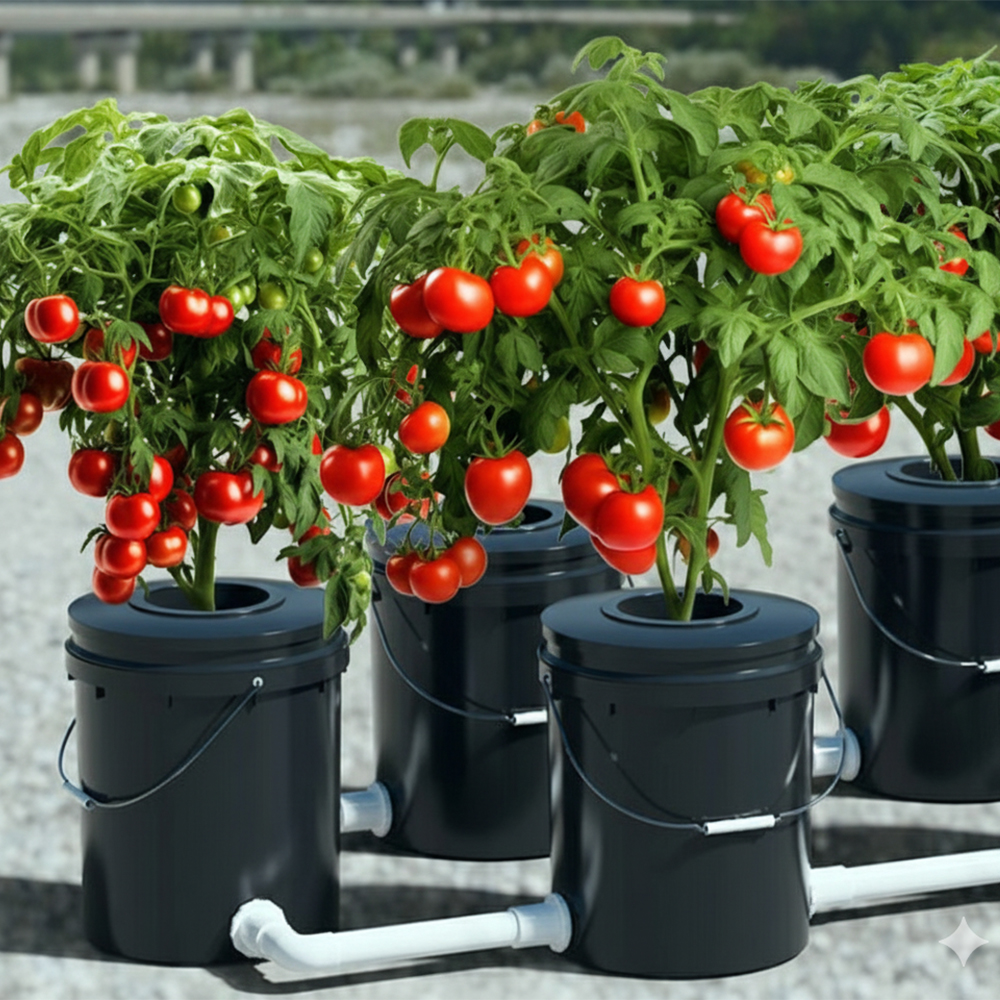
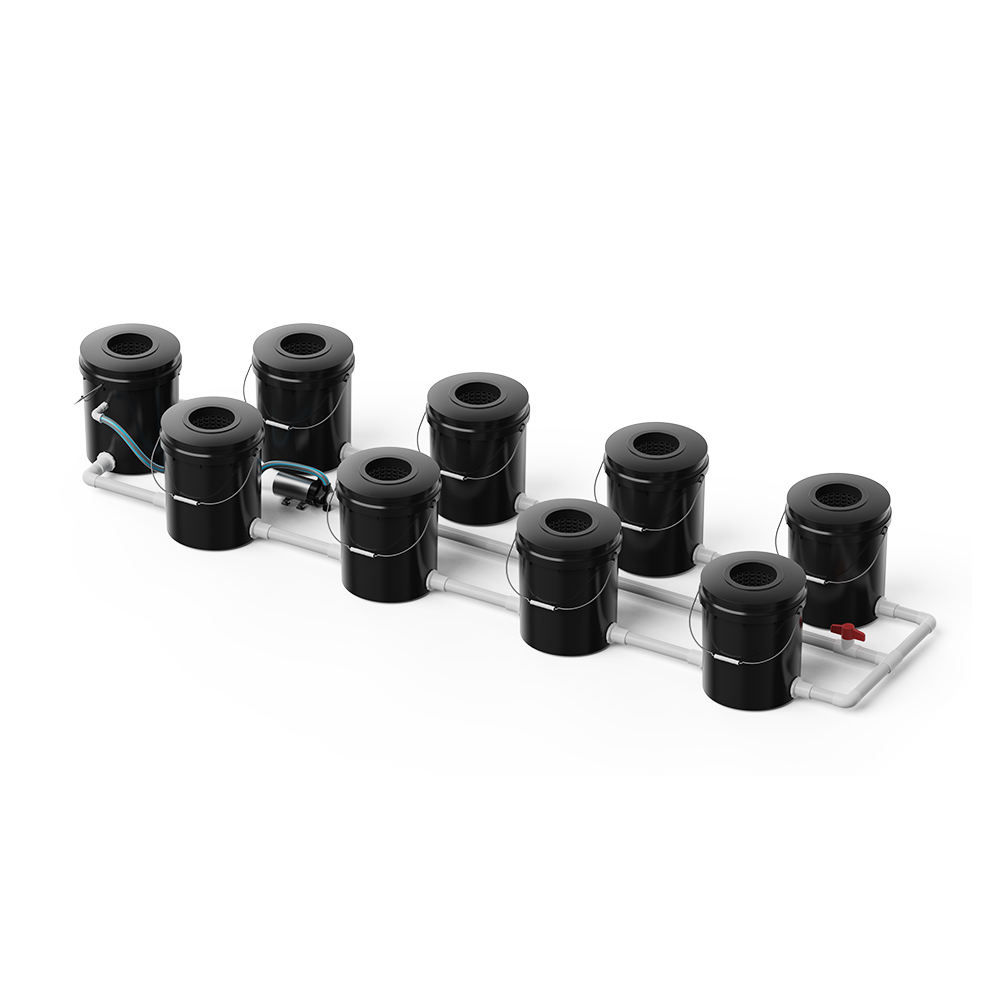
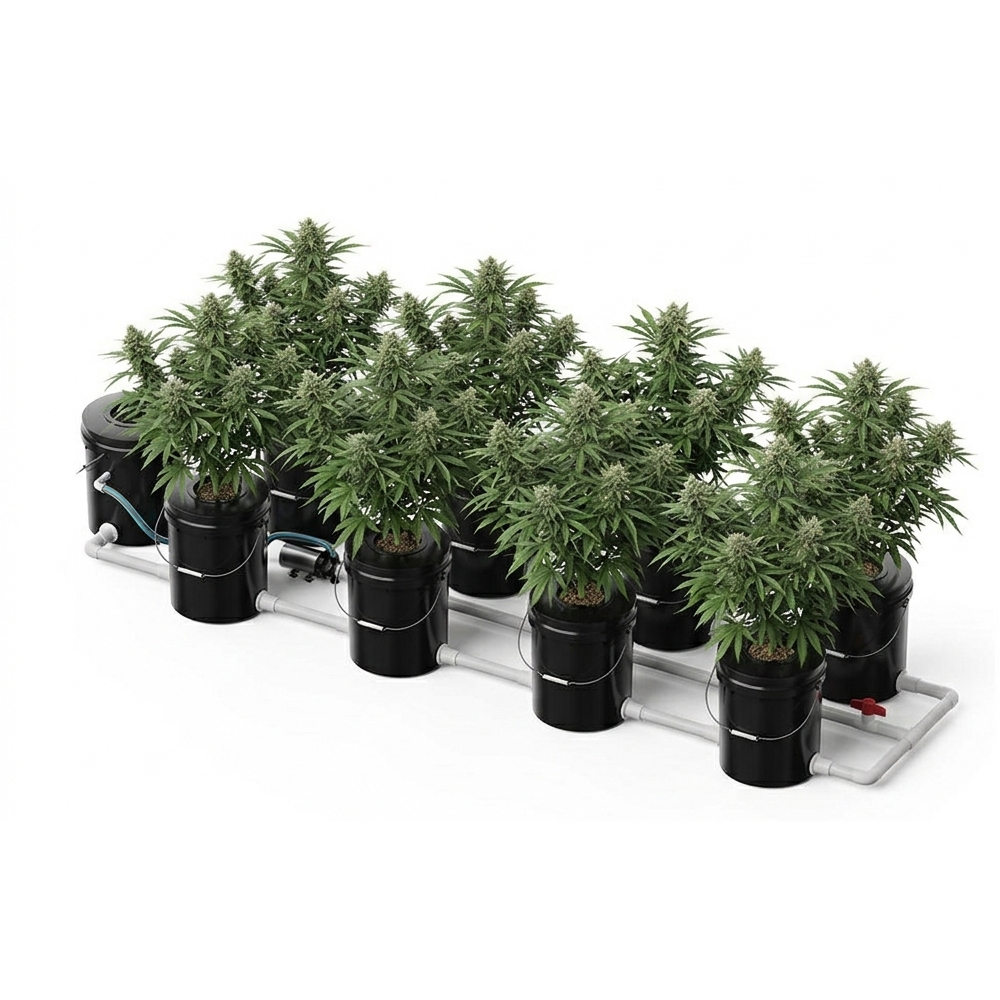
Bucket Systems (Dutch Bucket / Bato Bucket): Excellent choice for larger vining plants. Each plant has its bucket filled with medium (like hydroton or coco chips), fed by a drip line from a central reservoir. Drains back to the reservoir. Highly recommended for indoor cucumbers.
-
-
Set Up the Growing Environment
-
Space: Cucumbers are vigorous! Ensure adequate vertical space (6-8 feet minimum for vining types, even compact ones) and horizontal spacing between plants (18-24 inches). Strong support is mandatory.
-
Lighting (MOST CRITICAL FACTOR):
-
Type: High-Intensity LED Grow Lights are the best choice (efficient, low heat, full spectrum). High-Pressure Sodium (HPS) or Metal Halide (MH) work but run hotter and use more electricity.
-
Intensity: Cucumbers need VERY HIGH light levels (PPFD of 600-900+ µmol/m²/s at the canopy during flowering/fruiting). Use a light meter app (less accurate) or a quantum PAR meter (best) to check.
-
Photoperiod: 14-18 hours of light per day. Use a timer.
-
Placement: Keep lights 12-24 inches above the plant canopy, adjusting as plants grow to maintain intensity. Ensure even light distribution.
-
-
Temperature: Day: 70-80°F (21-27°C), Night: 60-70°F (15-21°C). Avoid extremes. Heat mats can help with germination and root zone warmth.
-
Humidity: 60-70% during vegetative growth, 40-60% during flowering/fruiting to reduce disease risk. Use a hygrometer. Exhaust fans and dehumidifiers might be necessary.
-
Air Circulation: Essential! Use oscillating fans (pointed above or beside plants, not directly at them) to strengthen stems, prevent mold/mildew, aid pollination (even parthenocarpic), and cool the canopy. Intake/exhaust fans help manage heat and humidity.
-
Support: Mandatory. Use strong trellises (netting, strings, tomato cages reinforced for heavy vines). Train vines upward early and regularly.
-
-
Germination & Transplanting
-
Start seeds in rockwool cubes, Rapid Rooter plugs, or similar sterile seedling media. Keep warm (75-80°F / 24-27°C) and moist.
-
Provide moderate light (T5 fluorescents or low-intensity LEDs) for seedlings.
-
Transplant carefully into your hydroponic system once roots emerge from the starter plug and seedlings have 1-2 sets of true leaves. Minimize root disturbance.
-
-
Nutrient Solution
-
Use a Quality Hydroponic Nutrient: Specifically formulated for vegetables or fruiting plants. A 2-part or 3-part system is common. Follow the manufacturer's instructions.
-
EC/TDS & pH are Crucial:
-
pH Range: Maintain between 5.5 and 6.0. Check daily; adjust up (pH Up solution) or down (pH Down solution) as needed. pH drift affects nutrient uptake.
-
EC/TDS: Start seedlings low (~1.0-1.3 mS/cm or ~500-650 ppm). Gradually increase to 2.0-2.8 mS/cm or ~1000-1400 ppm for mature, fruiting plants. Monitor daily; adjust concentration based on plant stage and water uptake. Always refer to your specific nutrient brand's recommendations.
-
-
Reservoir Management:
-
Change the nutrient solution completely every 1-2 weeks.
-
Top off with pH-adjusted water between changes as the level drops due to plant uptake and evaporation.
-
Keep reservoir temperature cool (65-70°F / 18-21°C) to maximize dissolved oxygen and prevent root rot. Use a reservoir chiller if necessary.
-
Use air stones (in DWC/buckets) for oxygenation.
-
-
-
Plant Care
-
Pruning/Training:
-
Bush Types: Minimal pruning needed, but remove any dead/damaged leaves.
-
Vining Types: Train the main vine up the support. Prune off lower suckers (side shoots) and leaves near the base to improve airflow. You can prune side shoots higher up or allow them to grow, depending on space. Pinch off the growing tip if the vine reaches your height limit. Remove excessive foliage blocking light from fruits.
-
-
Pollination: While parthenocarpic varieties don't require it, gently shaking the main stem or tapping flowers daily when they are open can sometimes improve fruit set and shape. Avoid this if flowers readily set fruit without it.
-
Pest & Disease Monitoring: Inspect regularly (especially undersides of leaves). Common indoor pests: aphids, spider mites, whiteflies. Common diseases: powdery mildew (manage humidity/airflow!). Isolate affected plants. Use insecticidal soap, neem oil (test on a leaf first!), or beneficial insects for pests. Remove severely infected leaves.
-
-
Harvesting
-
Harvest cucumbers when they reach the desired size for the variety, typically while still dark green and firm. Don't let them turn yellow (overripe).
-
Harvesting regularly encourages more fruit production.
-
Use clean, sharp pruners or a knife to cut the stem above the fruit. Don't pull or twist.
-
Key Challenges & Solutions
-
Space: Choose compact varieties, prune diligently, and use vertical space efficiently with trellises.
-
Light Intensity: Invest in powerful enough LED lights and ensure they are close enough to the canopy. Reflective walls (mylar, flat white paint) help.
-
Nutrient Management: Daily monitoring of pH and EC is non-negotiable. Keep a log. Reservoir changes are essential.
-
Humidity & Airflow: Preventative measures are key. Fans are mandatory. Dehumidifiers might be needed, especially during fruiting.
-
Vigorous Growth: Be prepared to prune and train regularly. Strong support is vital.
Getting Started Simply: A good beginner setup is a 5-gallon DWC bucket with an air pump/stone, a strong LED light, a compact parthenocarpic cucumber variety, a pH/EC meter, and nutrients. Start with one plant to learn.
Growing hydroponic cucumbers indoors is a fun project that yields delicious results! Pay close attention to light, nutrients (pH/EC), and environment (temp/humidity/airflow), and you'll be harvesting fresh cukes in no time. Good luck!🥒🥒🥒
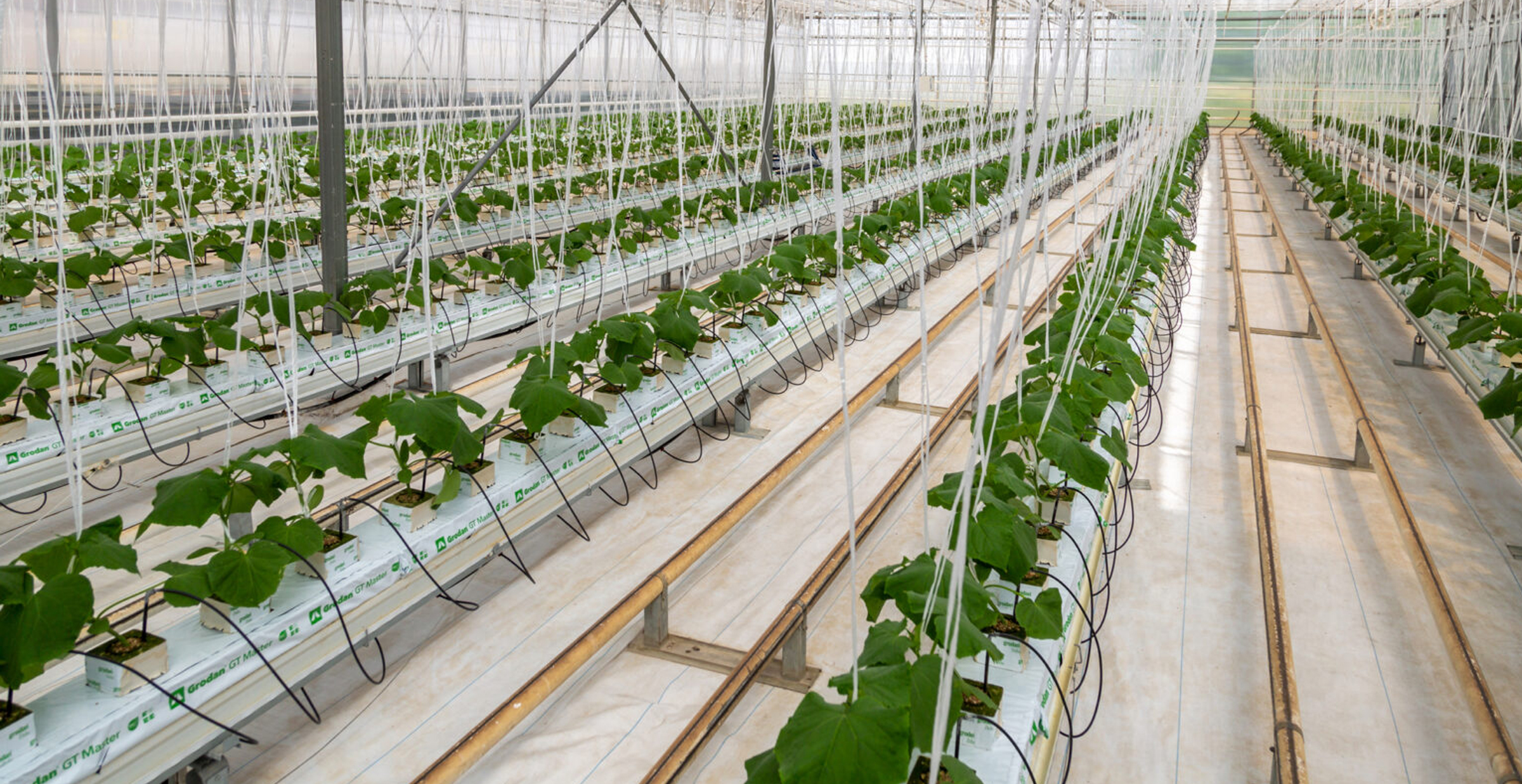
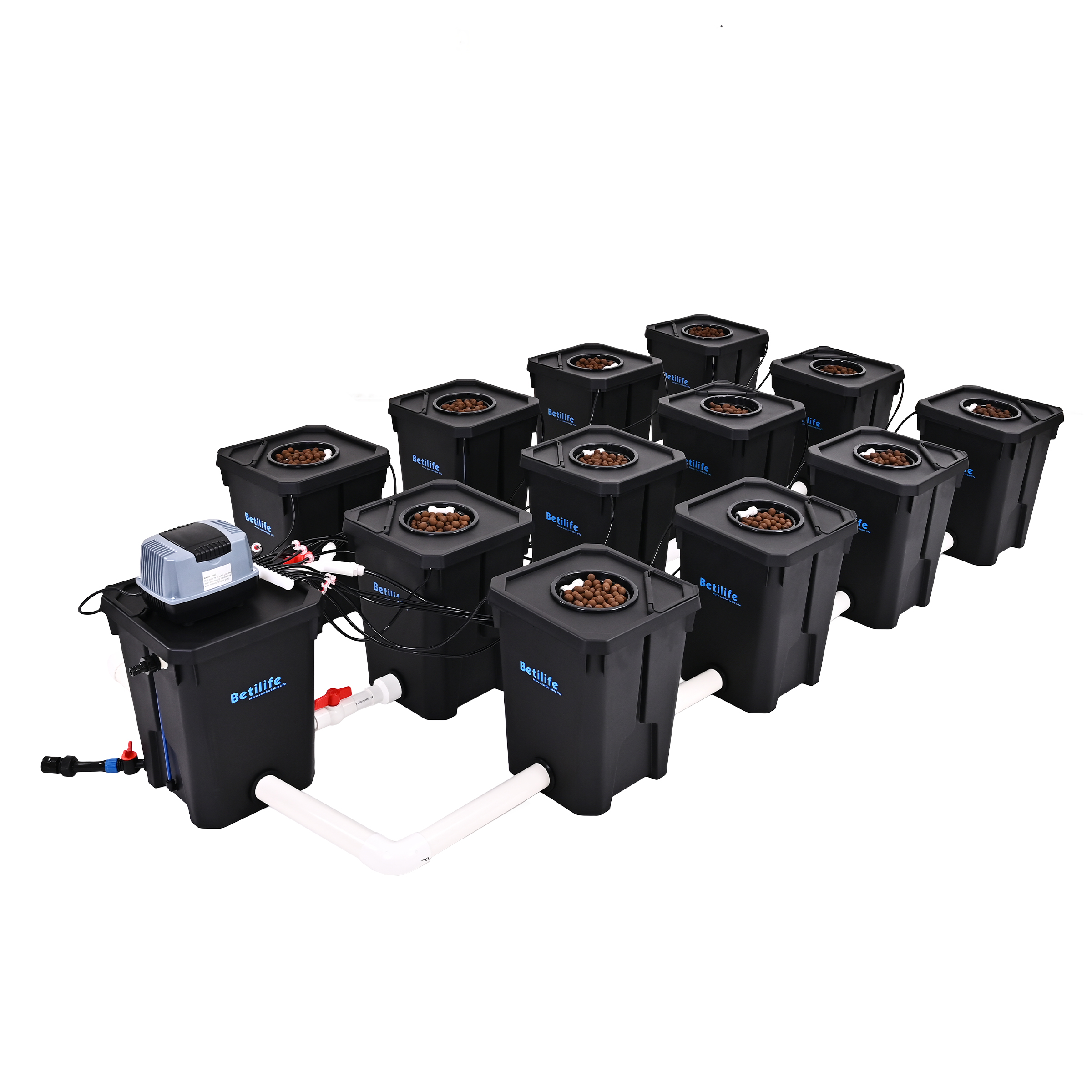
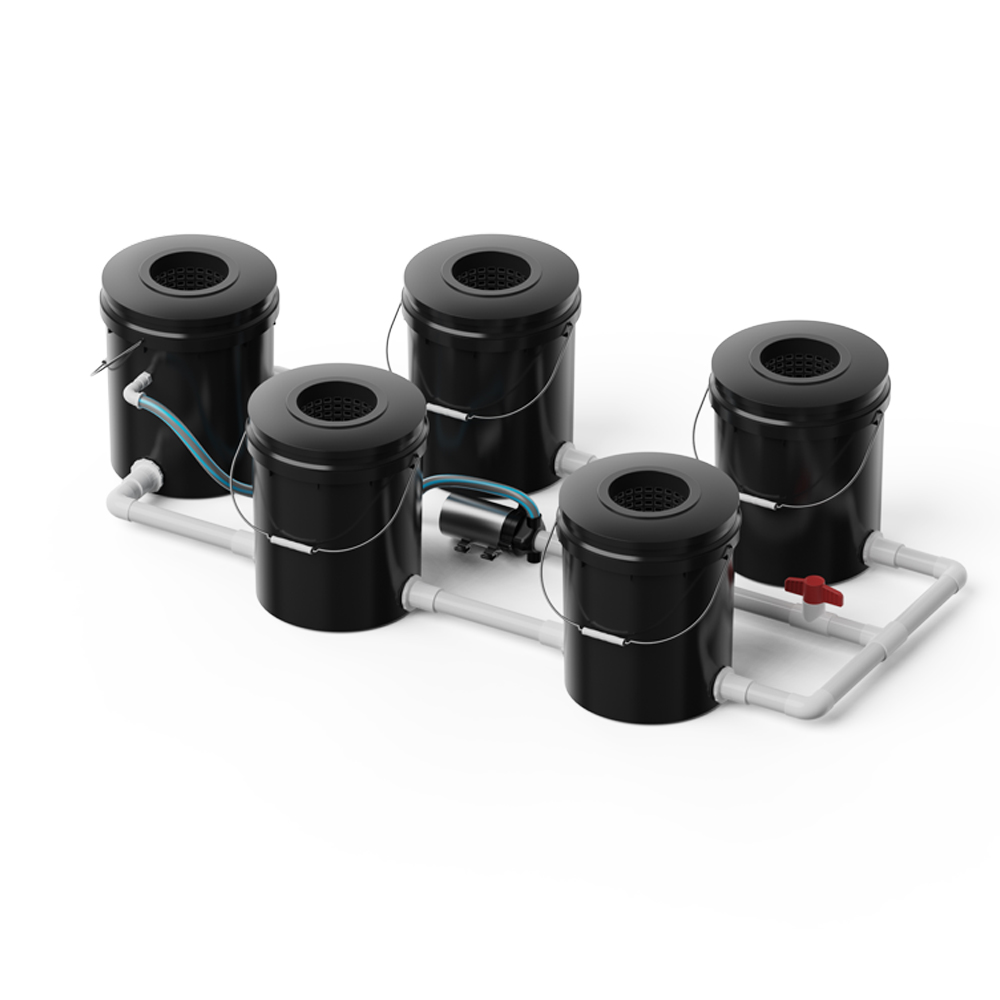
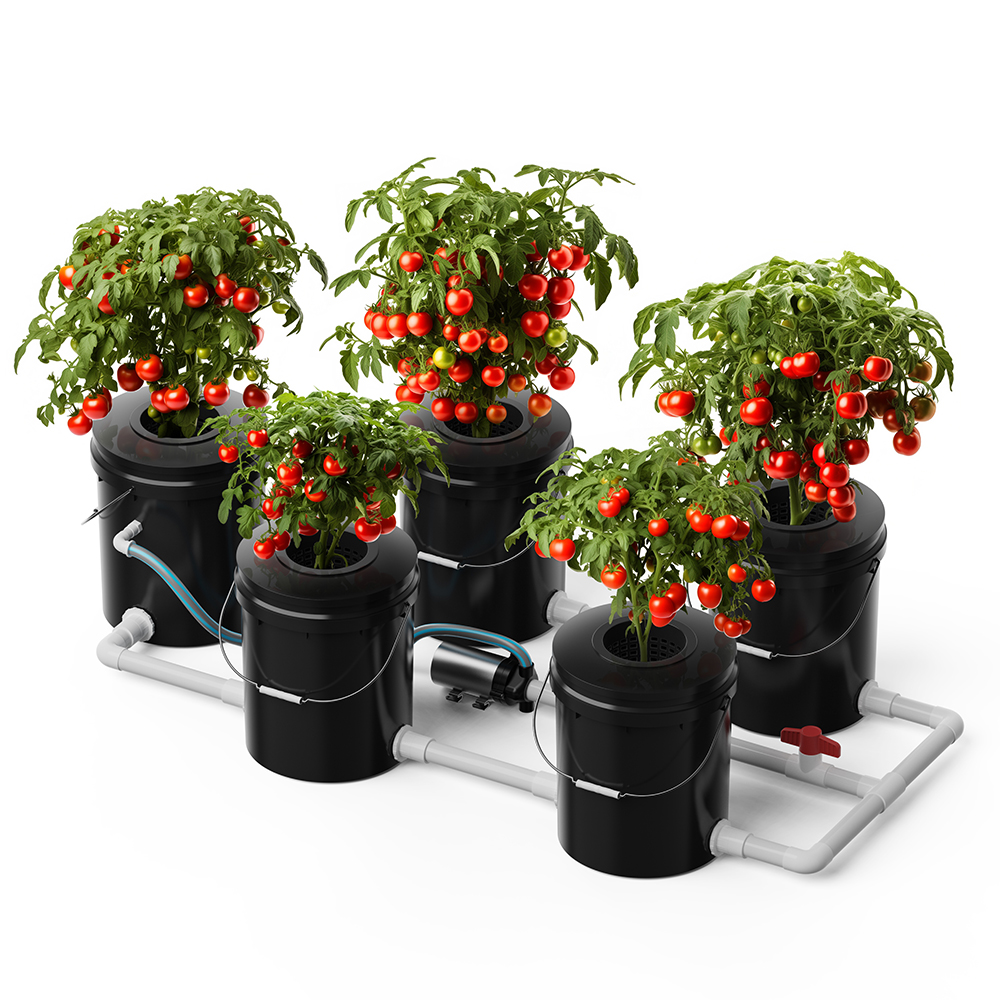
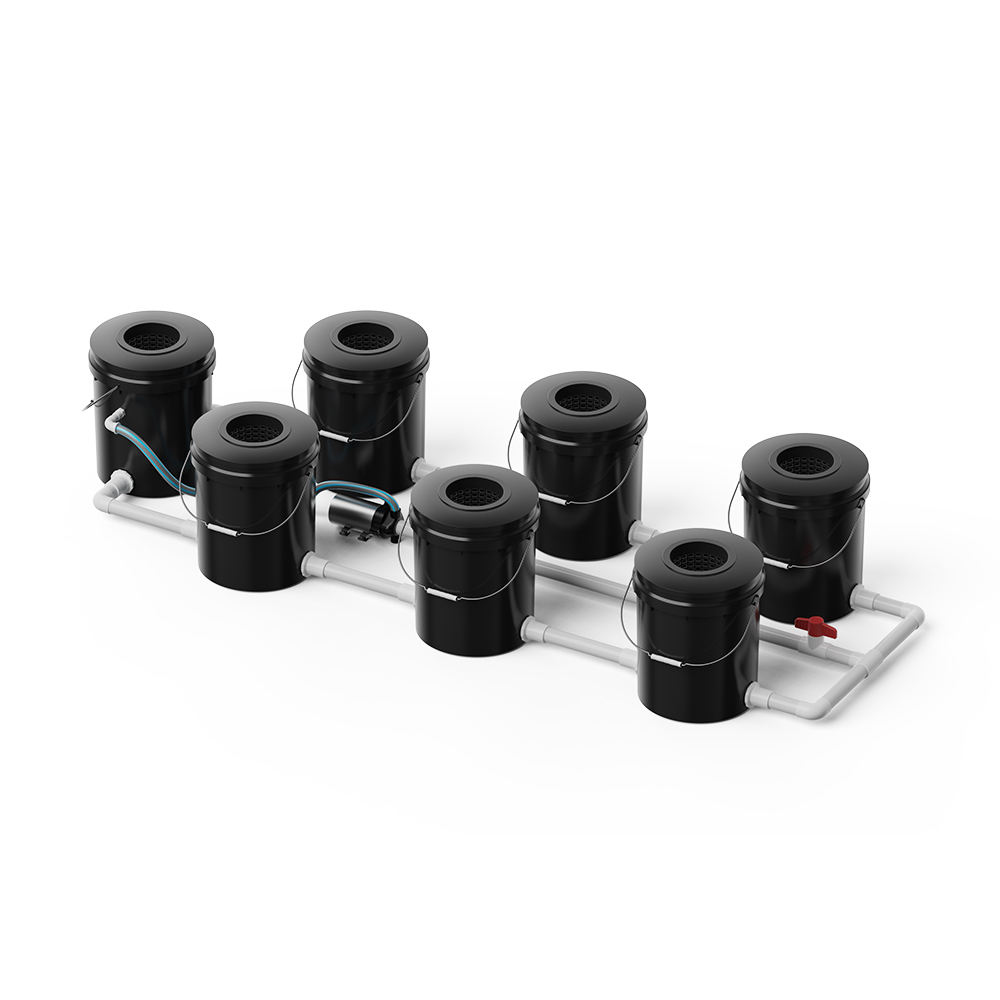
BetiLife™ Hydroponic Cucumber Systems offer a variety of hydroponics techniques, including Deep Water Culture (DWC), Nutrient Film Technique (NFT), each with its own set of advantages, ranging from beginner-friendly to easy-to-use. Cucumbers hydroponics system automation controls lighting and water circulation, making it easy to grow cucumber without the need for daily care.
If you need to grow cucumber hydroponically indoors or outdoors at home, you can choose BetiLife™ Hydroponics Growing System:
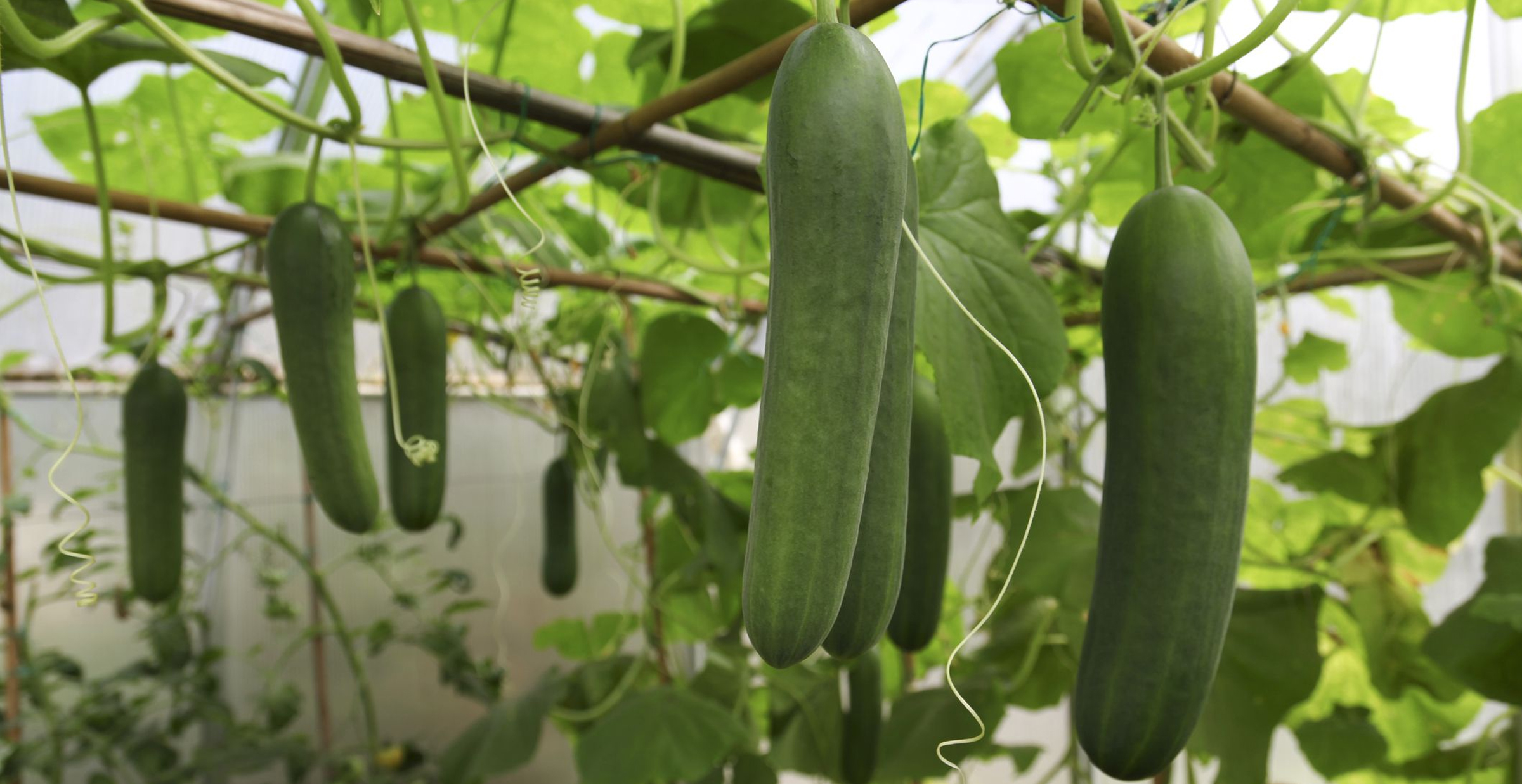
Related FAQs
How Long do Cucumbers Take to Grow Hydroponically?
Cucumbers usually require 2-3 months to harvest after planting seeds. It will often take less time, especially when managing your nutrients, pH, and EC as described above.
Why are My Hydroponic Cucumbers Dying?
Overwatering or Underwatering: Cucumber seedlings need consistent moisture, but too much water can lead to root rot, while too little can cause them to wilt and die.
What is the Best Fertilizer for Hydroponic Cucumbers?
Choice 1: Add 1⁄2 lb of Chem-Gro® 10-8-22 hydroponic fertilizer or equivalent plus 2 oz of magnesium sulfate.
Choice 2: Add 3 oz of Chem-Gro 8-16-36 hydroponic fertilizer or equivalent, 3 oz of calcium nitrate (soluble grade), and 2 oz of magnesium sulfate. lite, vermiculite, coir).