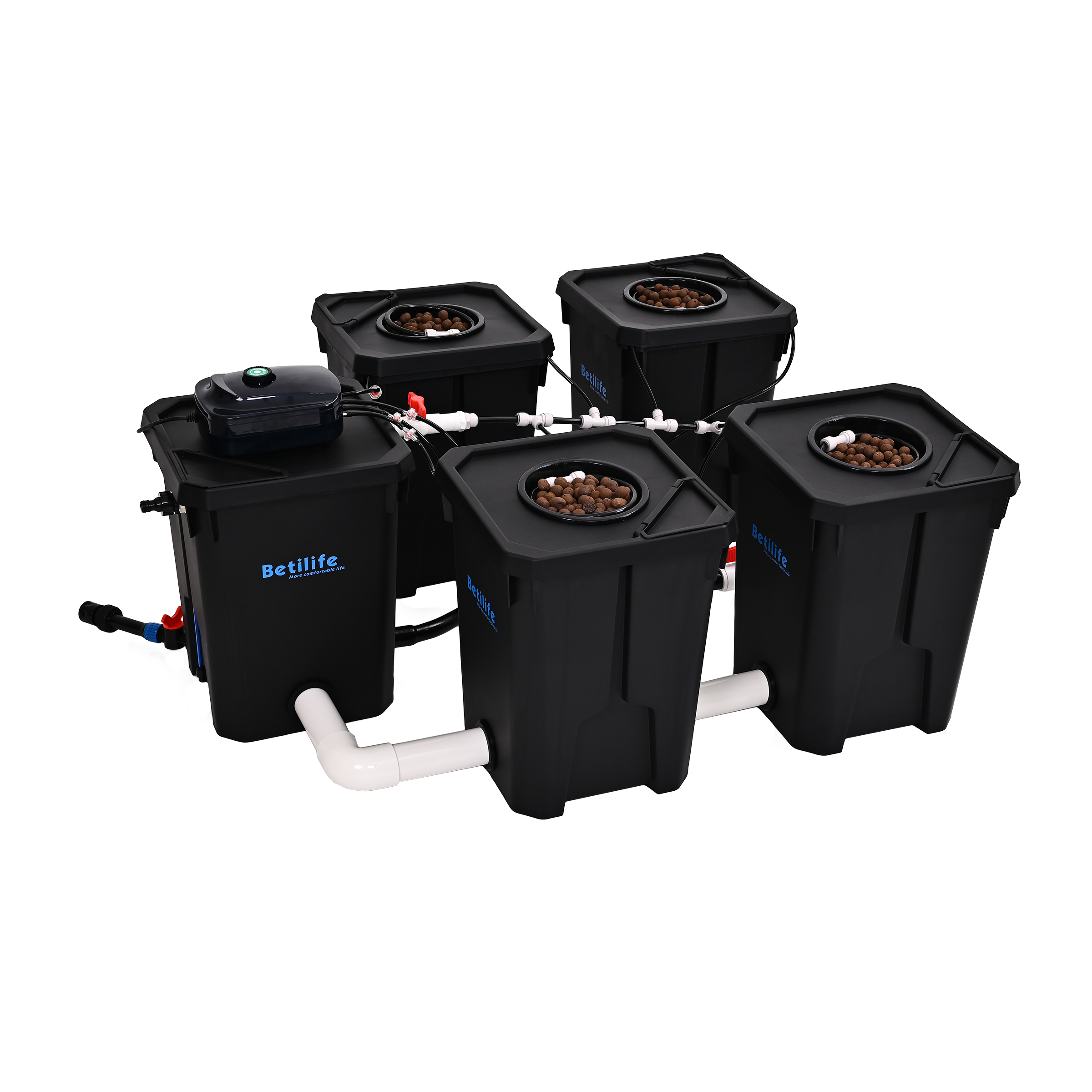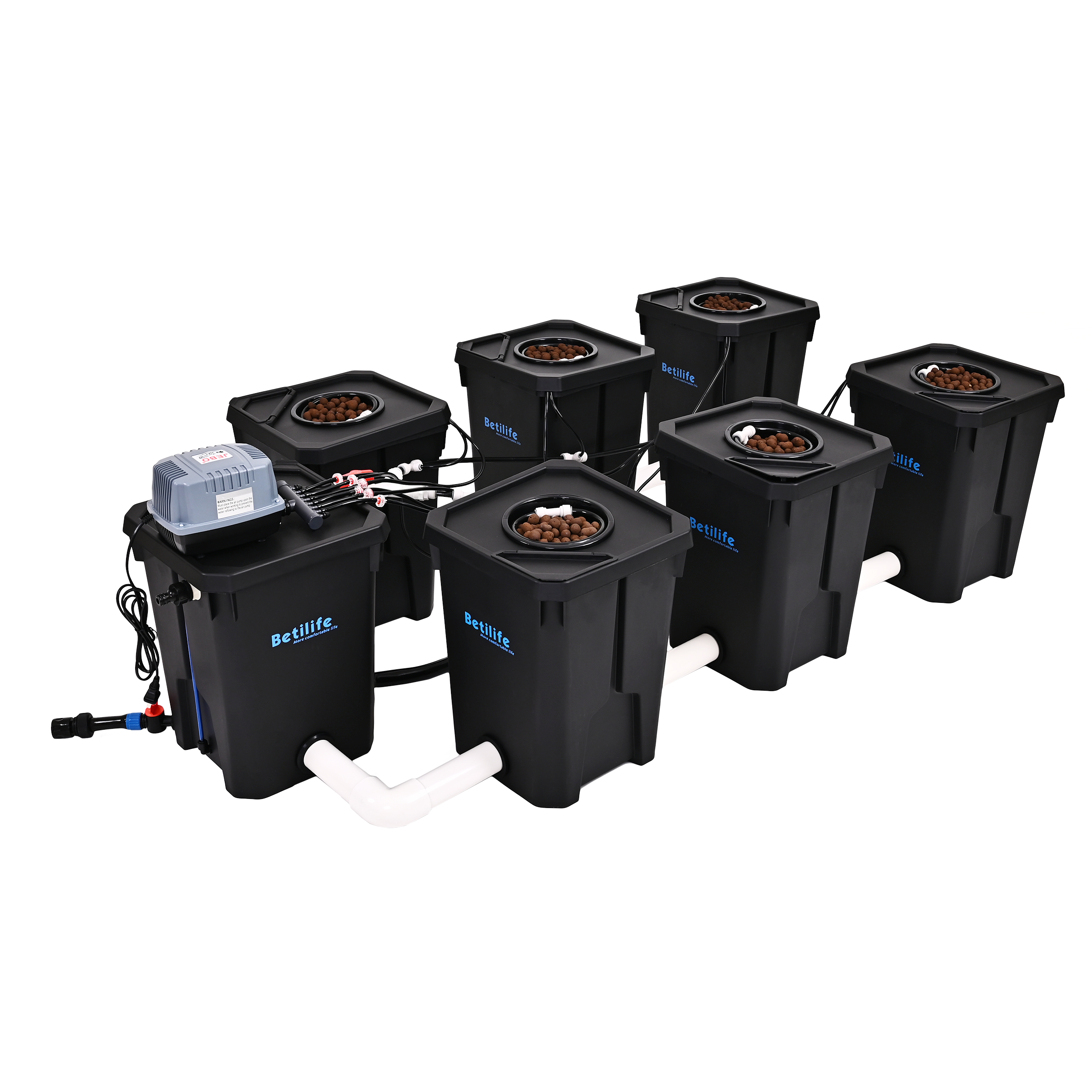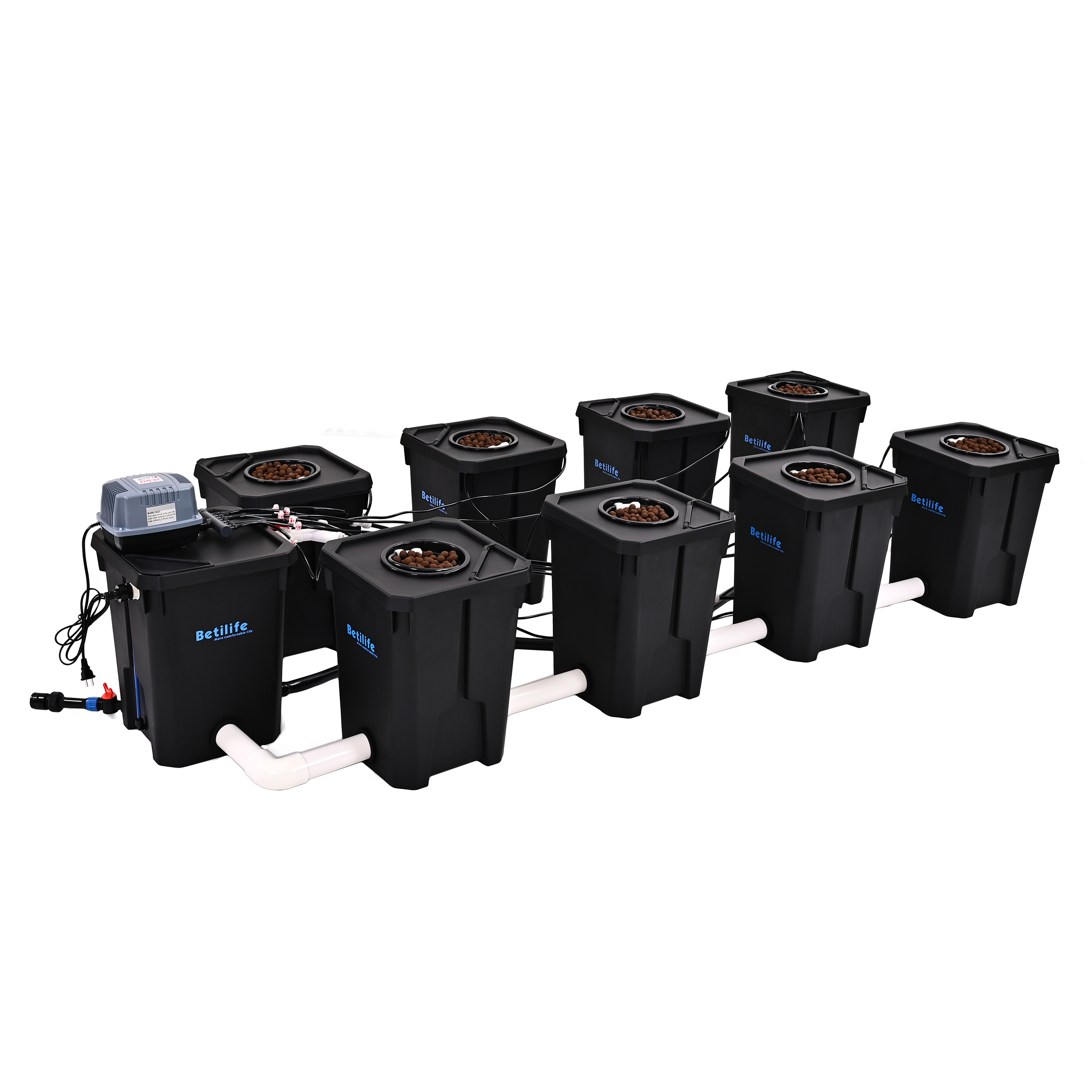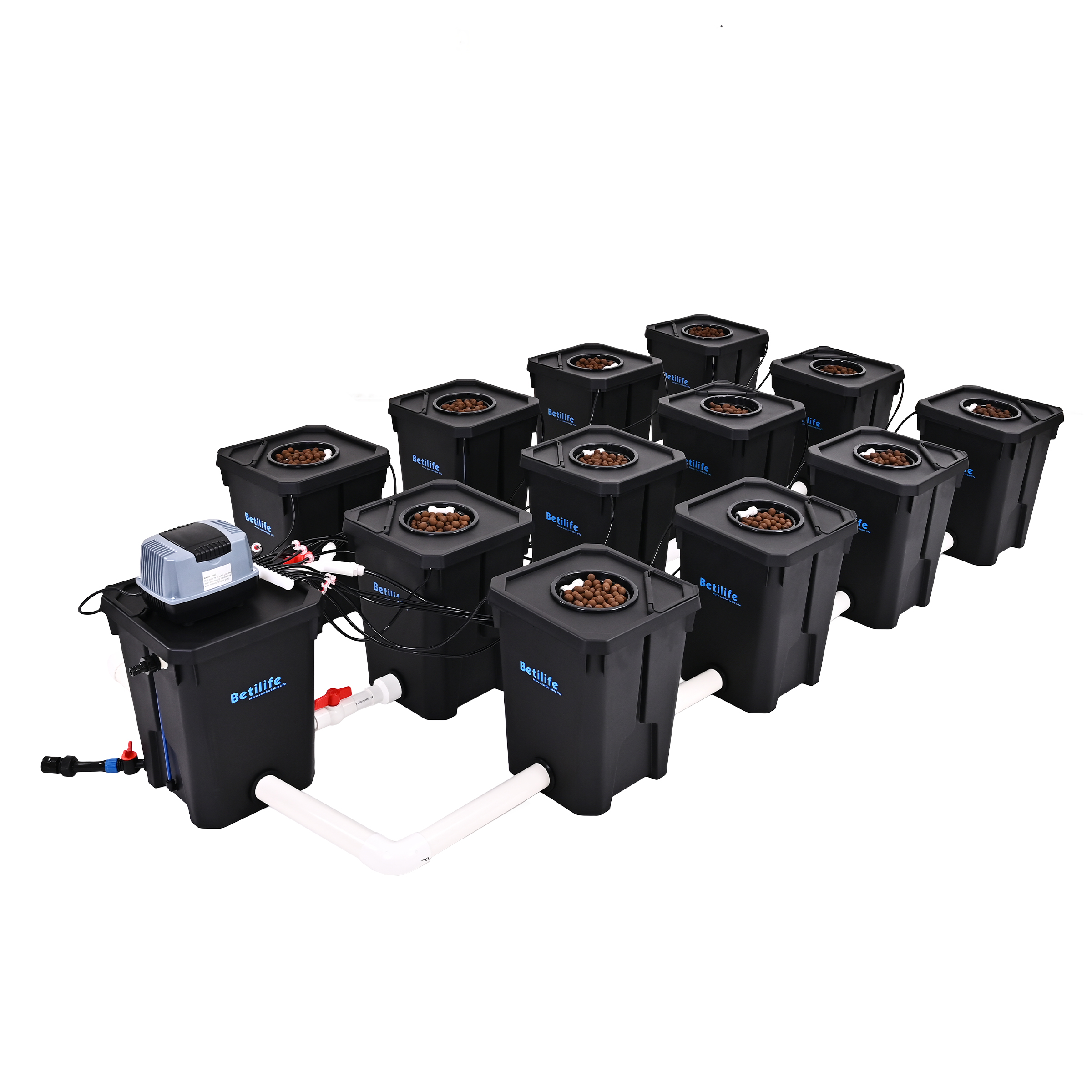
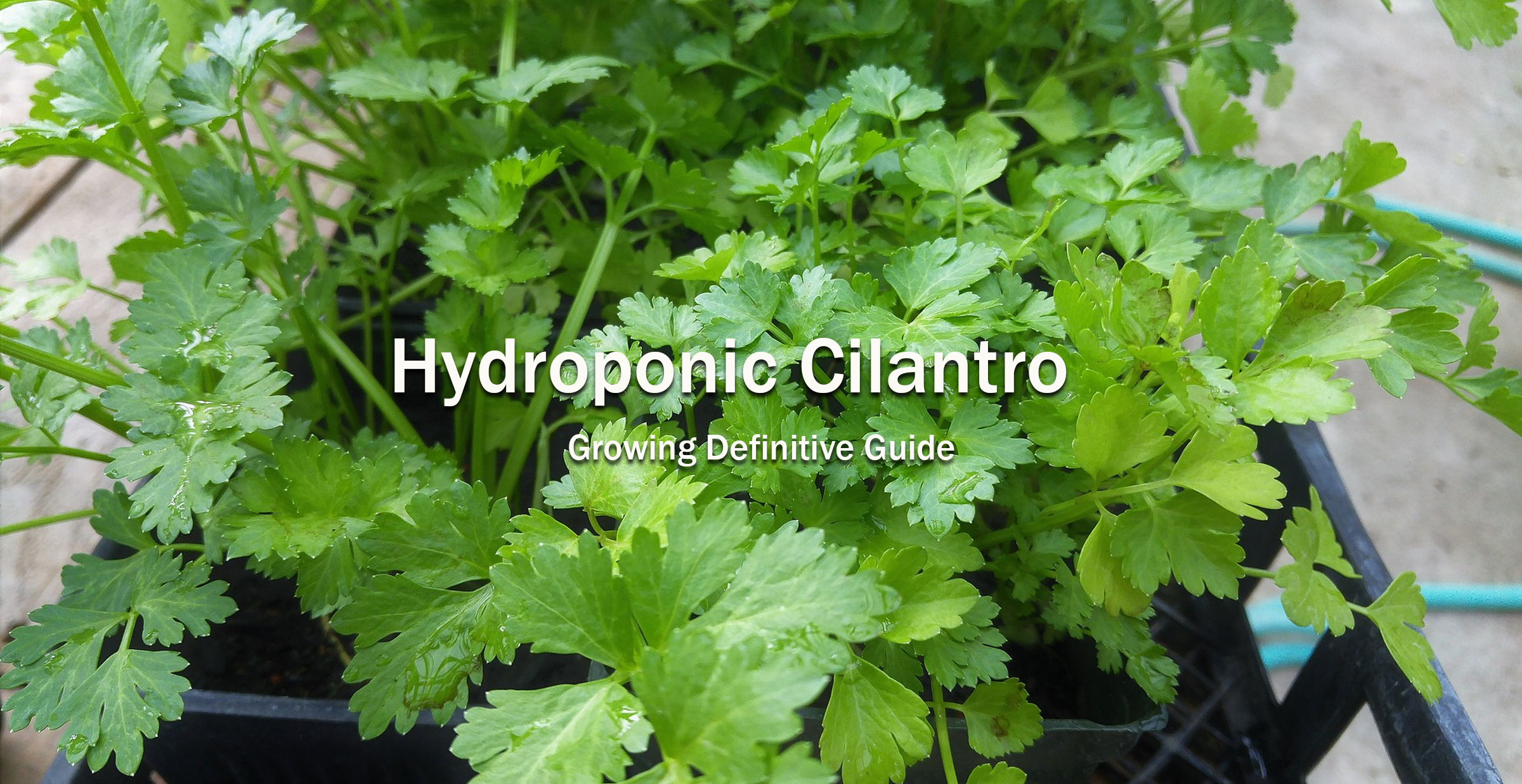
BetiLife™ offers the definitive guide to hydroponic cilantro growing, teaching you how to grow cilantro hydroponically indoors at home. Master the hydroponic cilantro setup in conjunction with the cilantro hydroponic grow kit to help you quickly and successfully hydroponically grow cilantro.
What is Hydroponic Cilantro?
Hydroponic Cilantro is cilantro (Coriandrum sativum) grown without soil, using a nutrient-rich water solution to deliver essential minerals directly to the plant roots. It's a controlled-environment agriculture method ideal for this fast-growing, tender herb. This method allows for faster growth and potentially higher yields compared to traditional soil-based cultivation.
Hydroponics is a method of growing plants without soil, where the roots are submerged in a nutrient-rich solution. This solution provides all the essential minerals and vitamins that the plant needs to thrive.
Best Hydroponic Cilantro Growing System to Use
-
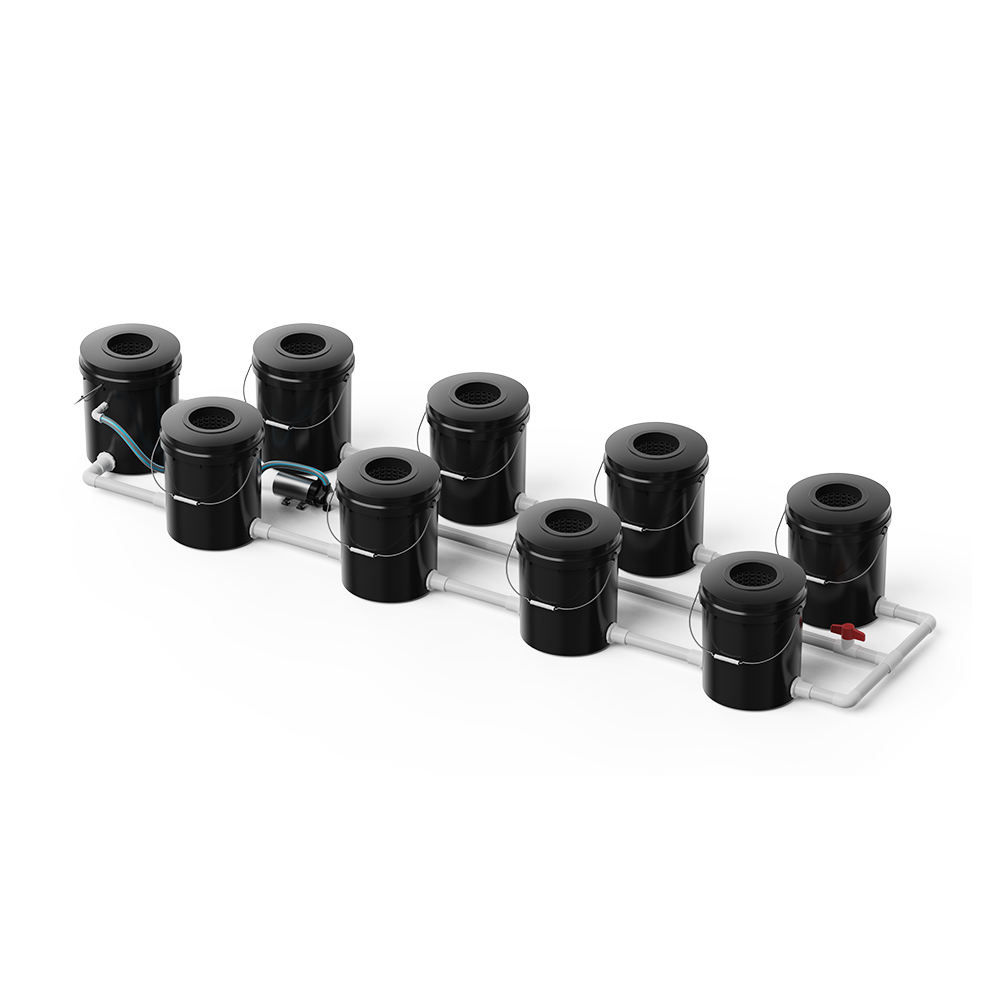
Deep Water Culture (DWC): Roots are suspended directly in the aerated nutrient solution. Simple and effective.
-
Nutrient Film Technique (NFT): A thin film of nutrient solution flows continuously over bare roots in a sloped channel.
-
Ebb and Flow (Flood and Drain): The grow tray holding plants in a medium (like rockwool cubes or clay pebbles) is periodically flooded with nutrient solution and then drained.
-
Kratky Method (Passive Hydroponics): A simple, non-circulating method where plants sit in net pots with roots partially submerged in a static nutrient solution; air space provides oxygen. Good for beginners/small-scale.
-
Aeroponics: Roots are misted with a fine nutrient solution spray in an air chamber. Highly efficient but more complex.
-
Drip Systems: Reliable and common in larger setups.

Key Characteristics & Benefits of Hydroponic Cilantro
-
Faster Growth & Higher Yields: Optimized nutrients and environment often lead to quicker maturity (around 4-6 weeks from seed) and potentially more harvests per year compared to soil.
-
Consistent Quality & Flavor: Controlled conditions produce uniform, vibrant green, tender leaves with consistent flavor and aroma.
-
Water Efficiency: Recirculating systems use significantly less water than traditional soil farming (up to 90% less).
-
Space Efficiency: Vertical stacking and dense planting maximize yield per square foot.
-
Reduced Pests & Diseases: Absence of soil eliminates many soil-borne pests and diseases. Controlled environments also exclude many common pests, like aphids or leaf miners.
-
No Herbicides Needed: Weeds aren't an issue.
-
Year-Round Production: Independent of outdoor seasons and weather.
-
Local & Fresh: Can be grown close to the point of sale/consumption, reducing transport time and increasing freshness/shelf life.
-
Cleaner Harvest: No soil splatter means cleaner leaves ready for use.
Challenges/Considerations
-
Initial Setup Cost: Requires investment in equipment (lights, pumps, reservoirs, nutrients, pH/EC meters, structure).
-
Technical Knowledge: Requires understanding of plant nutrition, pH/EC management, and system operation.
-
System Monitoring & Maintenance: Needs regular checking of nutrient levels, pH, EC, water temperature, and equipment function.
-
Power Dependency: Relies on electricity for lights, pumps, and potentially environmental controls.
-
Susceptibility to Waterborne Issues: Problems like root rot (Pythium) or system clogs can spread quickly if not managed.
-
Bolting: Like soil-grown cilantro, hydroponic cilantro can still bolt (flower prematurely) if stressed by high temperatures, light fluctuations, or nutrient imbalances. Careful environmental control helps delay this.
How to Grow Cilantro Hydroponically?
Growing cilantro hydroponically is an efficient way to enjoy fresh herbs year-round! While cilantro can be slightly trickier than some herbs due to its taproot and tendency to bolt (flower prematurely), hydroponics offers excellent control.
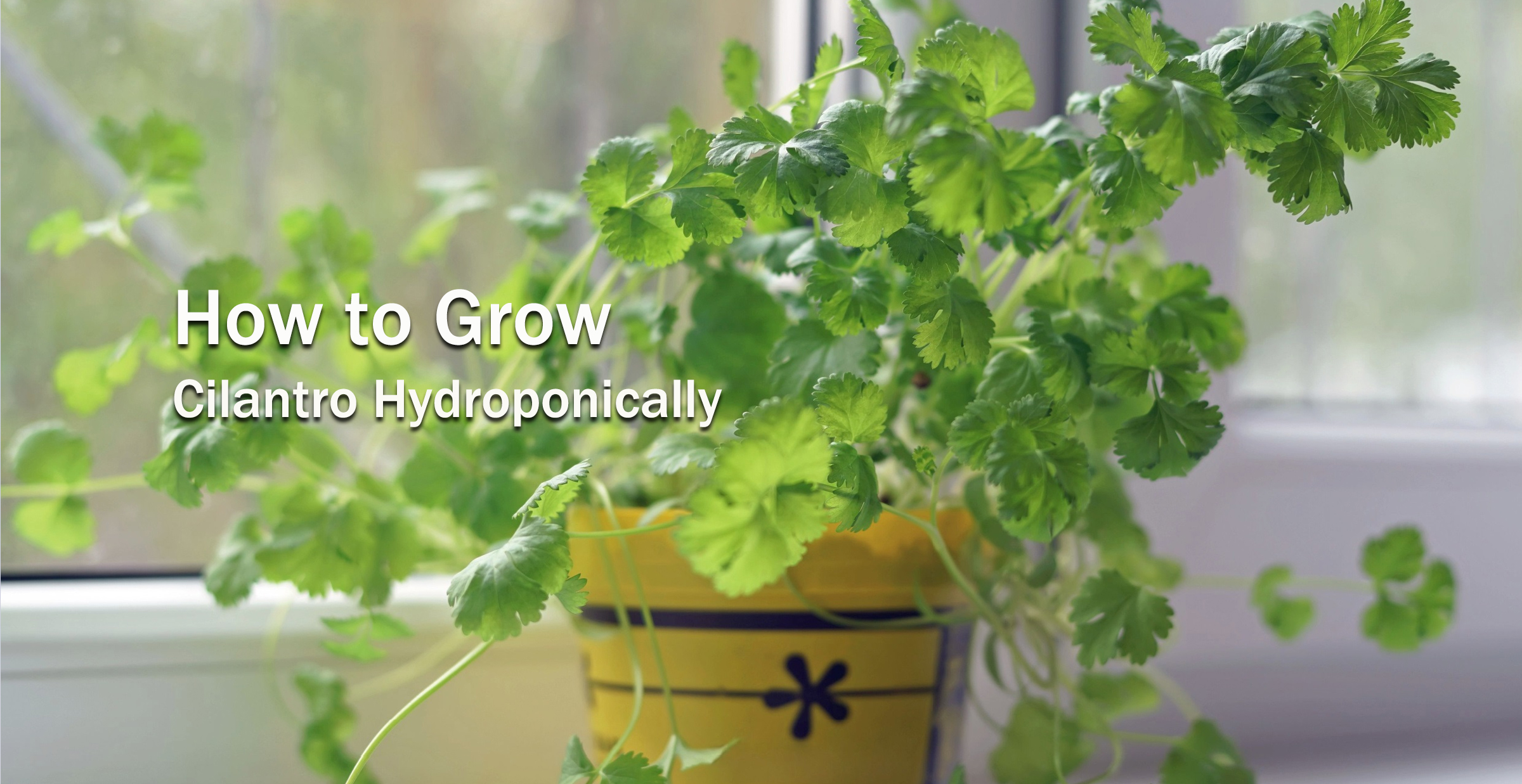
Growing Cilantro Hydroponically Step-by-Step Guide
-
Hydroponic Cilantro Seeds & Germination
-
Use: Standard cilantro (coriander) seeds.
-
Pre-Treatment: Cilantro seeds germinate slowly and have a hard outer shell.
-
Option 1 (Recommended): Gently crush the seed husk (split it into halves – each half contains one viable seed). Soak the split seeds in water for 12-24 hours before planting.
-
Option 2: Plant whole seeds, but expect slower germination (10-14 days vs. 5-7 days for split seeds).
-
-
Medium: Use rockwool cubes, coco coir plugs, or rapid rooter plugs. Pre-soak the medium in pH-adjusted water (5.5-6.0).
-
Planting: Place 2-3 split seeds (or 1-2 whole seeds) about 1/4 to 1/2 inch deep into each pre-soaked plug/cube.
-
Environment: Keep warm (70-75°F / 21-24°C) and moist. Cover with a humidity dome if possible. No light needed yet.
-
Light (Once Sprouted): As soon as sprouts emerge, provide light (see below).
-
-
Hydroponic Cilantro Setup & Transplanting
-
Prepare System: Set up your chosen hydroponic system. Fill the reservoir with pH-adjusted water (see step 3).
-
Transplant: Once seedlings have developed true leaves and roots are emerging from the plug/cube (usually 10-14 days after germination), transplant the entire plug into your system's net pot.
-
Net Pot Medium: Surround the plug with a stable, inert medium like hydroton (clay pebbles) or lightweight expanded clay aggregate (LECA). This provides support and allows roots to reach the nutrient solution. Rinse the medium well first.
-
Spacing: Place net pots 4-6 inches apart to allow for foliage growth.
-
-
Hydroponic Cilantro Nutrient Solution
-
Formula: Use a balanced, general-purpose hydroponic nutrient solution suitable for leafy greens/herbs (e.g., FloraGro series, MaxiGro, General Hydroponics FloraSeries used at "grow" ratios). Avoid overly nitrogen-heavy "bloom" formulas initially.
-
Strength (EC/TDS): Start seedlings at 1/4 to 1/2 strength. Gradually increase to full strength (EC ~1.0 - 1.8 mS/cm or TDS ~500-900 ppm) as plants establish and grow. Monitor for tip burn (sign of excess salts) and reduce strength if needed.
-
pH: Crucial for Cilantro. Maintain the reservoir pH between 6.0 and 6.5. Cilantro is sensitive to pH fluctuations outside this range. Check and adjust pH daily or every other day. Use pH Up/Down solutions.
-
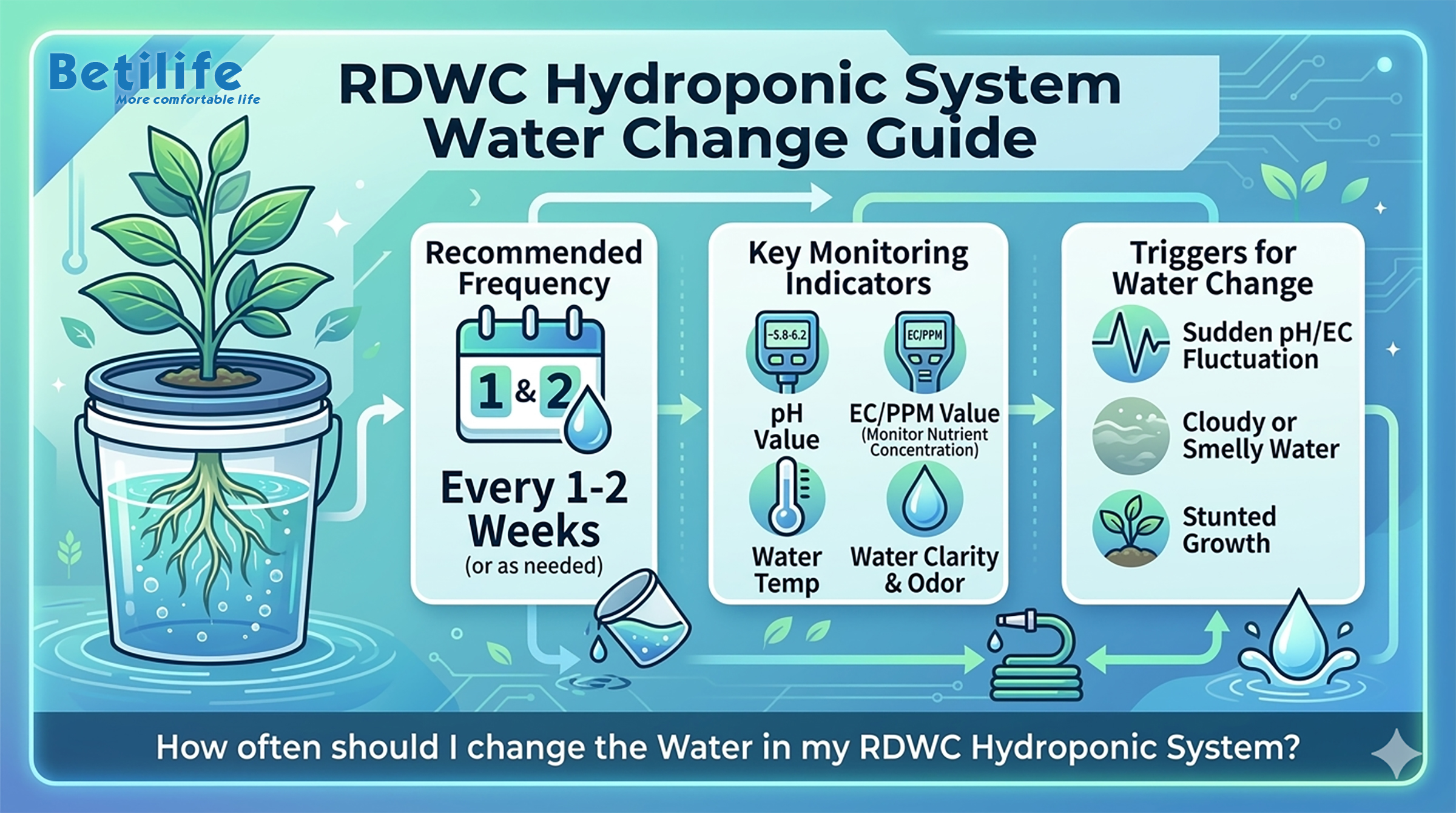
Reservoir Changes: Completely change the nutrient solution every 1-2 weeks to prevent salt buildup and nutrient imbalances. Top off with pH-adjusted water between changes as levels drop.
-
-
Hydroponic Cilantro Lighting
-
Type: LED grow lights are ideal (energy-efficient, low heat).
-
Intensity: Moderate to High intensity. Aim for 30-50+ watts per square foot of grow area (actual LED wattage, not equivalent).
-
Spectrum: Full-spectrum lights (white or slightly blue-leaning) are best for vegetative growth.
-
Duration: Provide 12-16 hours of light per day. Consistent light cycles prevent bolting.
-
Distance: Keep lights 6-12 inches above the plant canopy, adjusting as plants grow to prevent stretching or burning.
-
-
Hydroponic Cilantro Environment & Maintenance
-
Temperature: Ideal air temperature is 60-75°F (15-24°C). Cooler temperatures (within this range) help delay bolting. Reservoir temperature should ideally be kept below 70°F (21°C) to maximize dissolved oxygen and prevent root rot (use a chiller if necessary in warm climates).
-
Air Circulation: Provide gentle air movement with a small fan to strengthen stems and prevent fungal diseases. Avoid blowing directly on plants too harshly.
-
Oxygen (DWC/Ebb & Flow): Ensure air stones/pumps in DWC are running 24/7. Ensure Ebb & Flow cycles provide good drainage/aeration.
-
Monitor: Check pH and EC/TDS daily. Watch for signs of stress (yellowing, tip burn, wilting).
-
-
Hydroponic Cilantro Harvesting
-
Timing: Begin harvesting outer leaves when plants are 6-8 inches tall (usually 4-6 weeks after transplanting).
-
Method: Use clean scissors to snip off the outer leaves and stems near the base of the plant, leaving the central growing point (crown) and smaller inner leaves intact. This allows for continuous regrowth.
-
Frequency: You can typically harvest 2-4 times from one plant over several weeks.
-
Bolting: If the central stem rapidly elongates and forms a flower bud, the plant is bolting. Leaves become less flavorful and more feathery. Harvest immediately. To delay bolting, maintain cooler temperatures and consistent light/dark cycles. Some varieties bolt more slowly than others.
-
In essence, hydroponic cilantro is a modern, efficient method of producing this popular herb with superior control over its growing conditions, resulting in high-quality, fresh, and sustainable yields regardless of the outdoor environment. It's popular with commercial growers, restaurants, and home gardeners seeking reliable, flavorful cilantro.
By carefully managing nutrients, pH, temperature, and light, you can successfully grow vibrant, flavorful cilantro hydroponically indoors throughout the year. Good luck!🌱🌱☘️☘️
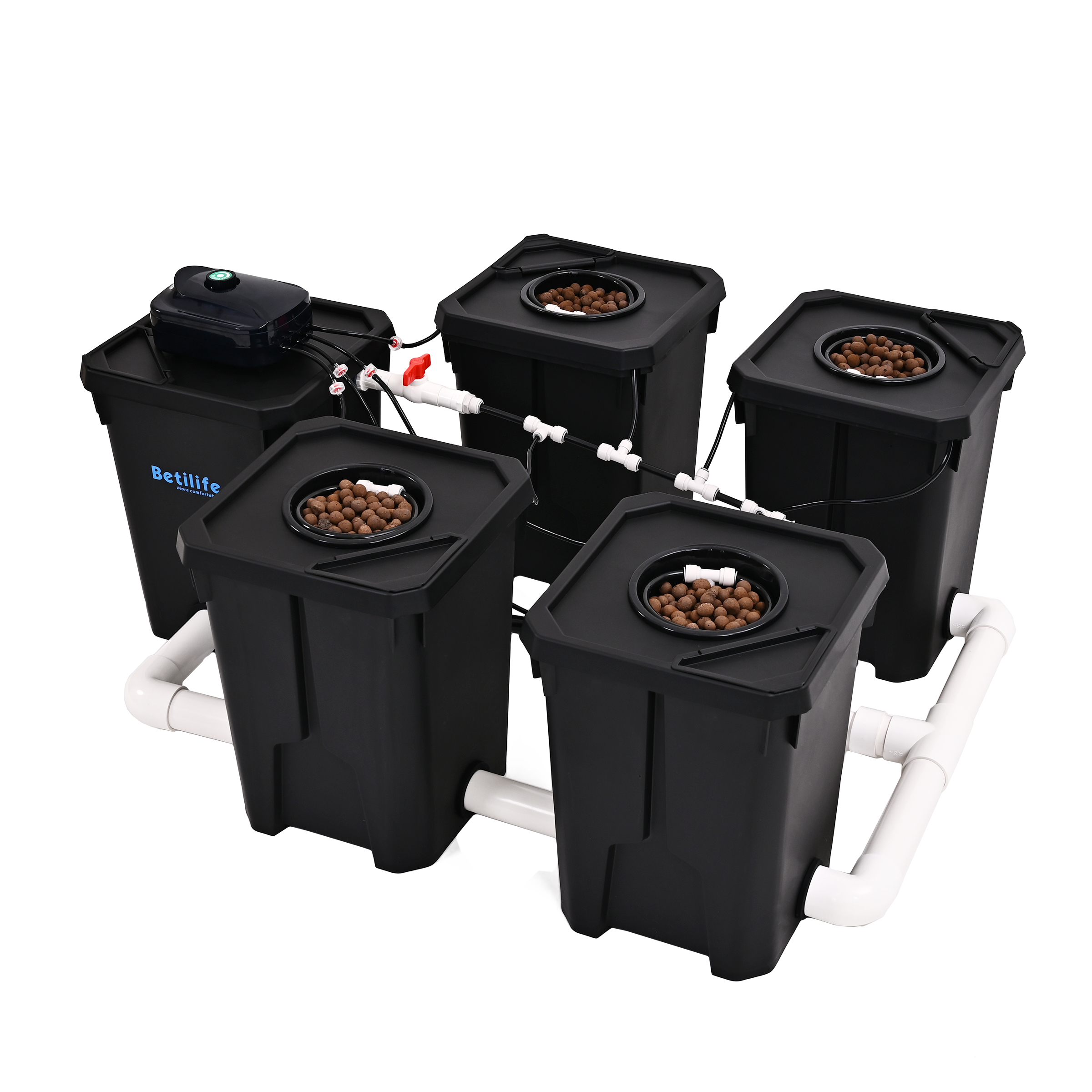
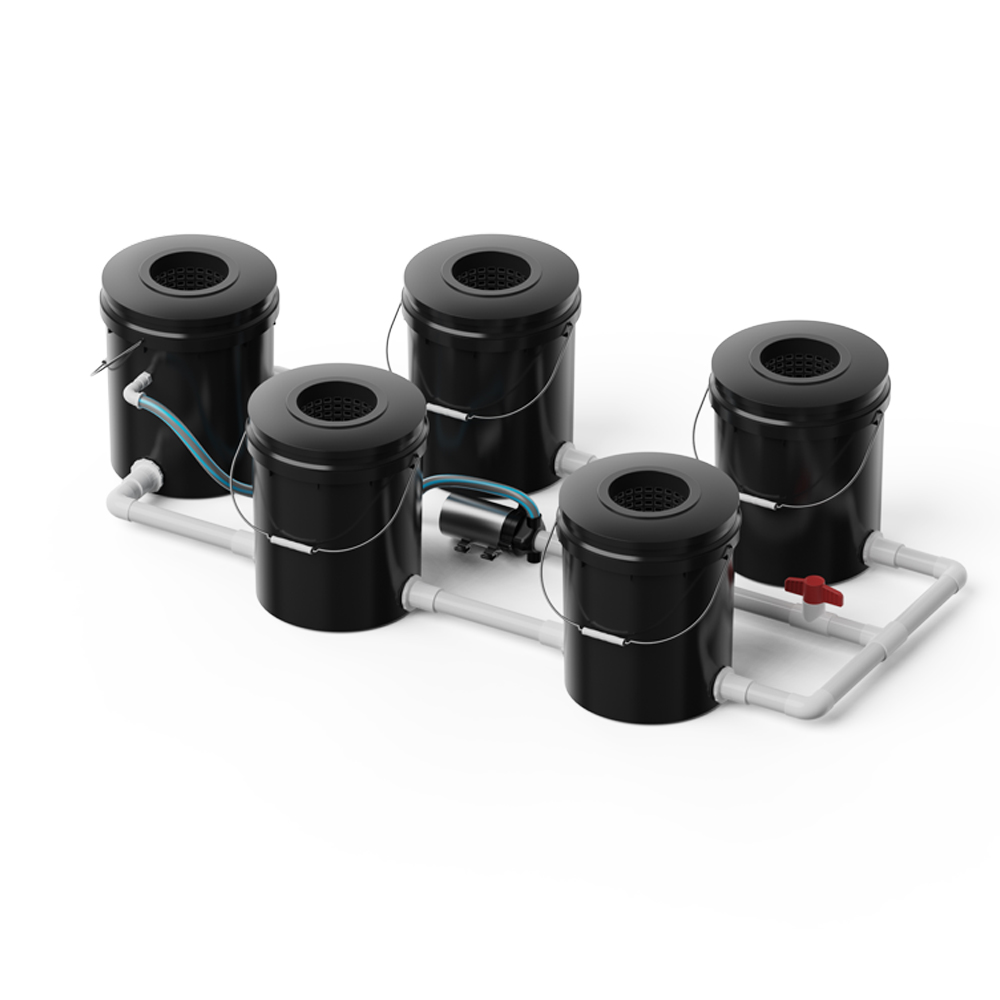
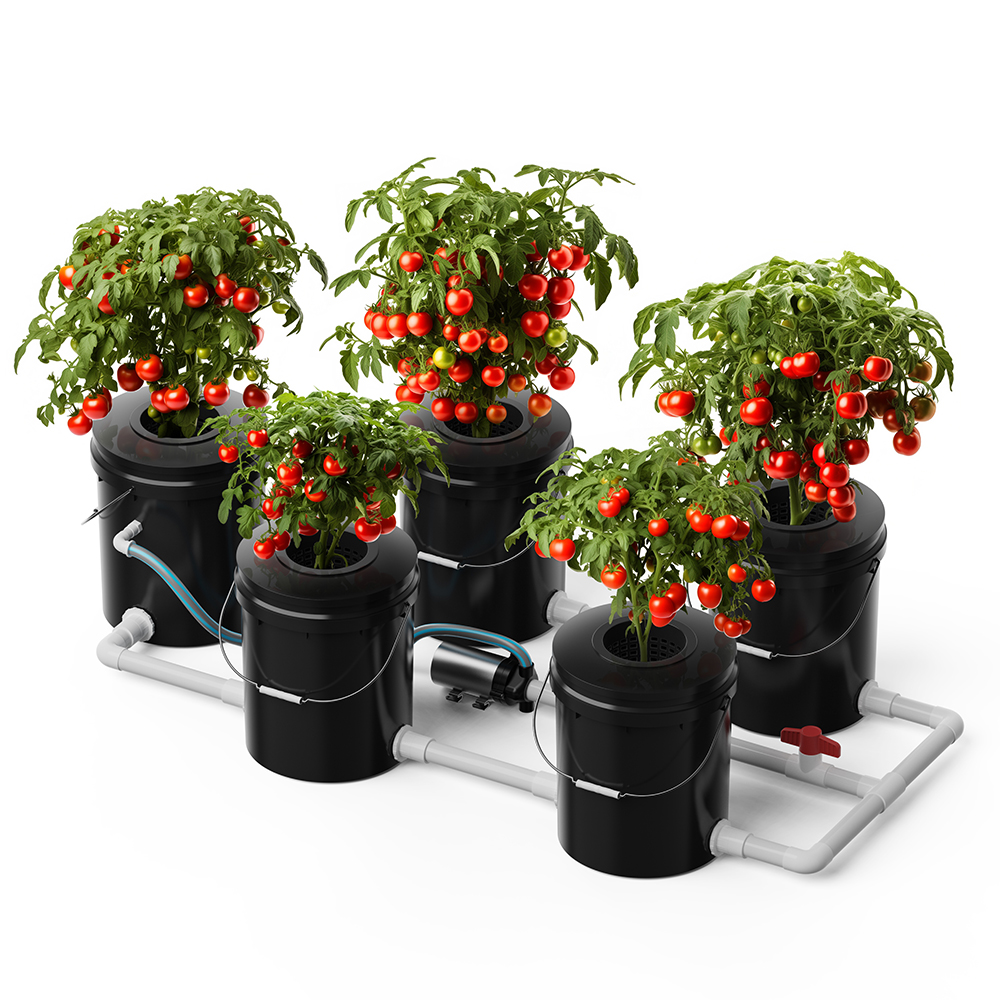
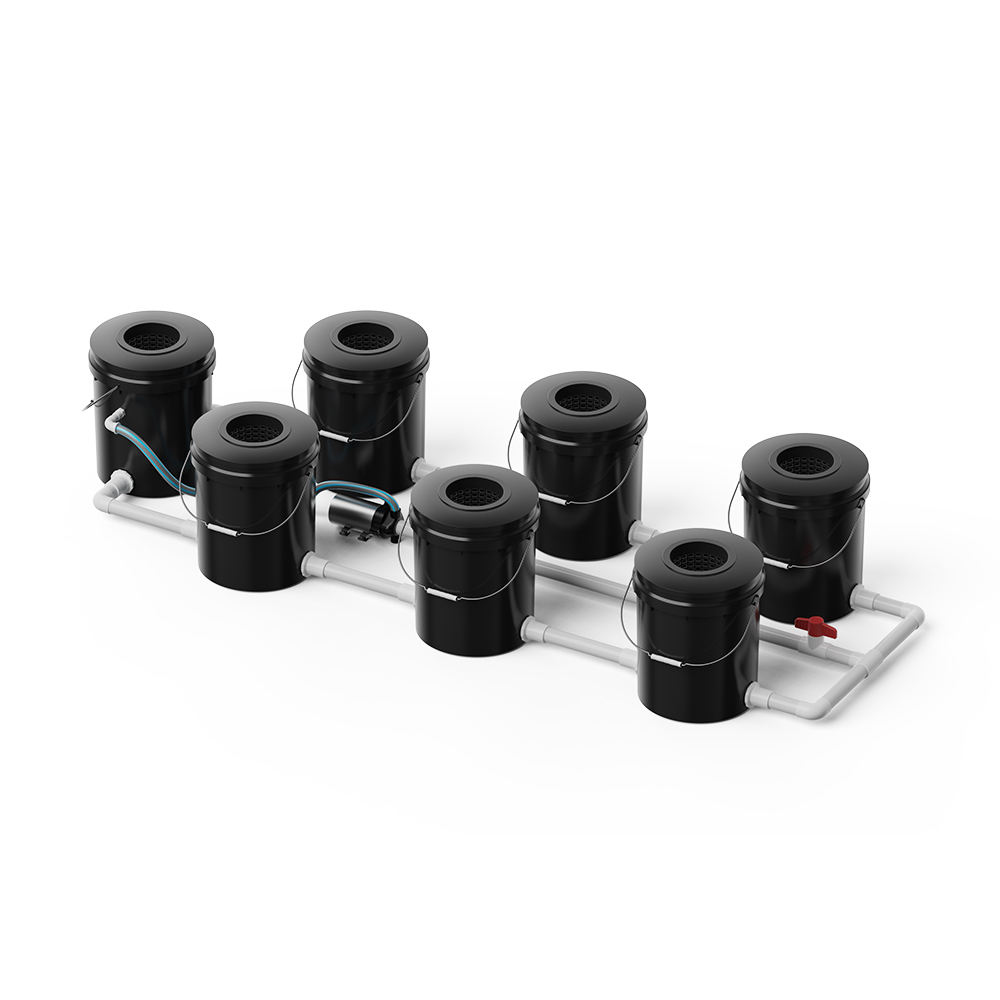
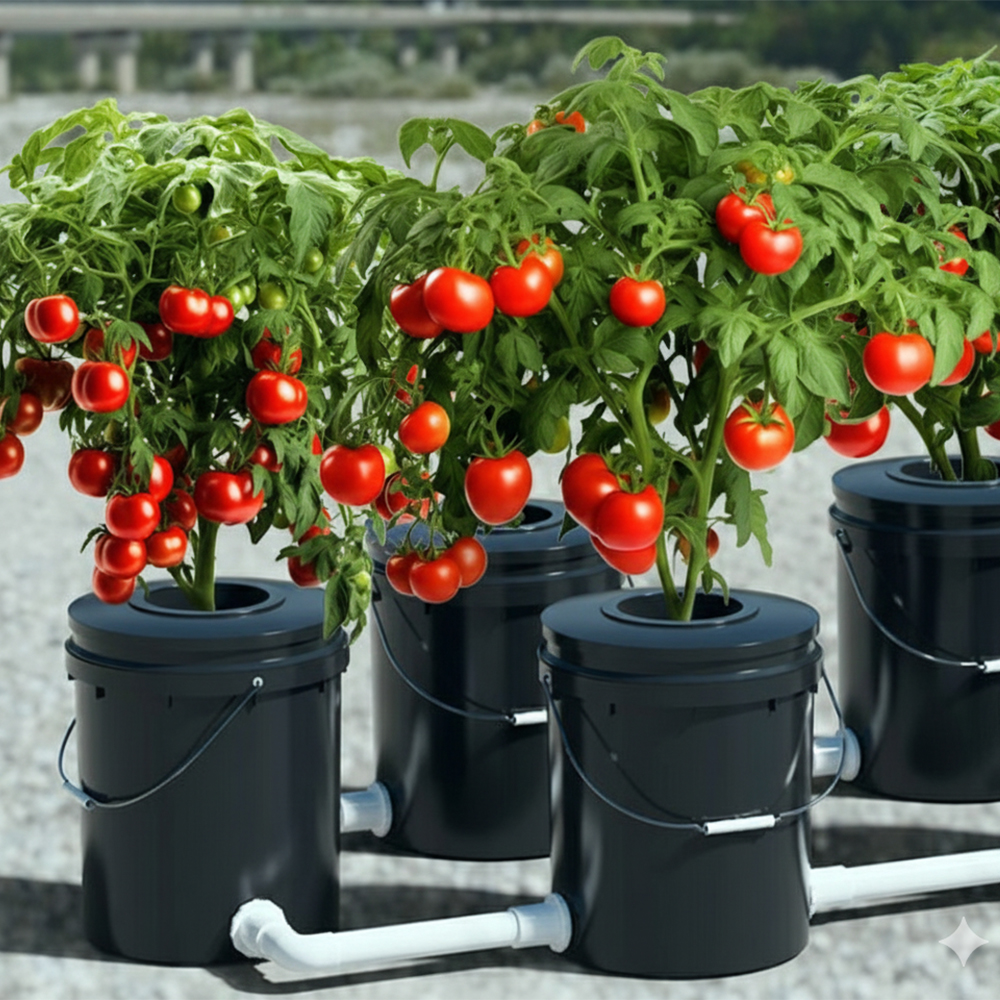
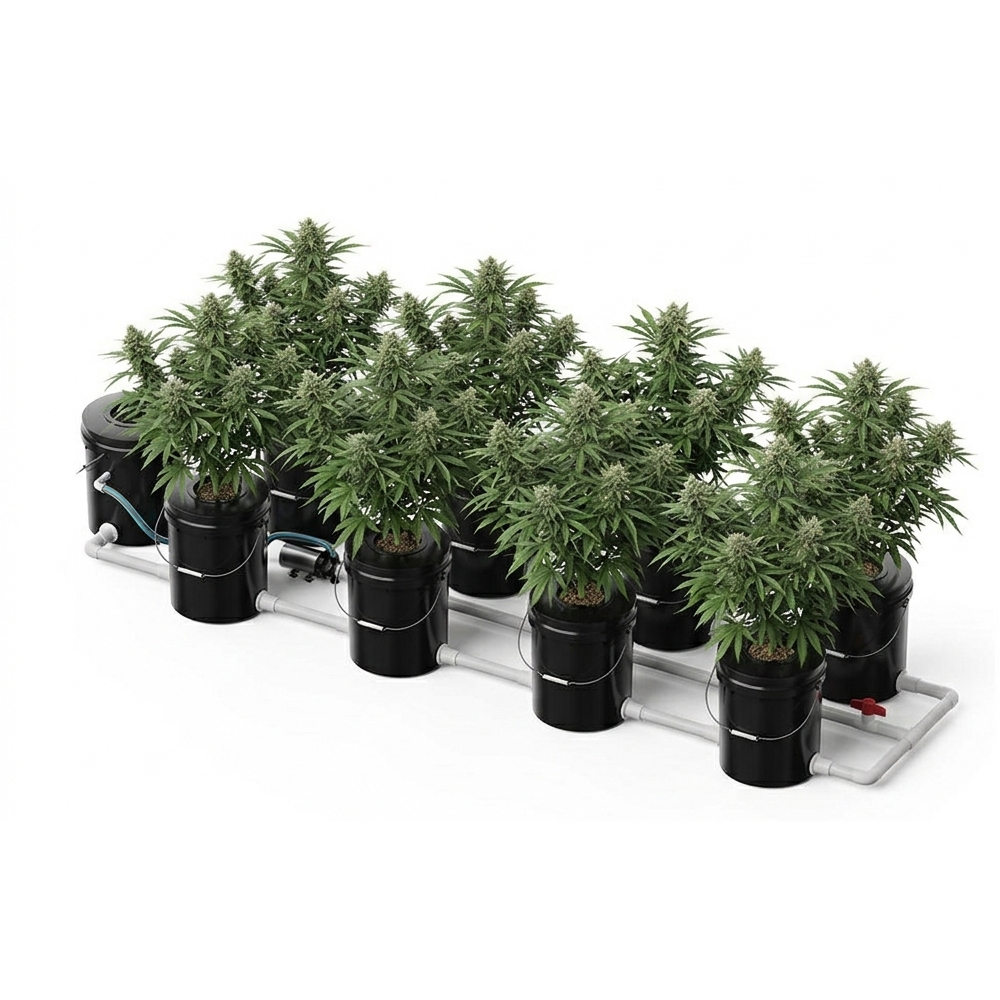
BetiLife™ Hydroponic Cilantro Systems offer a variety of hydroponics techniques, including Deep Water Culture (DWC), Nutrient Film Technique (NFT), each with its own set of advantages, ranging from beginner-friendly to easy-to-use. Cilantro hydroponics system automation controls lighting and water circulation, making it easy to grow cilantro without the need for daily care.
If you need to grow cilantro hydroponically indoors or outdoors at home, you can choose BetiLife™ Hydroponics Growing System:

Related FAQs
Is Hydroponic Coriander Good?
You can surely grow coriander in Hydroponic/Aquaponic methods.
Can You Grow Cilantro Hydroponically?
Yes, cilantro (also known as coriander) can be grown hydroponically. It thrives in hydroponic systems, often growing faster and with less water than in traditional soil. Hydroponic systems allow for year-round cultivation of cilantro, providing a fresh supply of this herb regardless of the season or climate.
What Nutrients does Hydroponic Coriander Need to Grow?
Hydroponic coriander, like other plants, needs a balanced nutrient solution containing primary macronutrients (nitrogen, phosphorus, and potassium) and micronutrients (calcium, magnesium, sulfur, iron, copper, manganese, zinc, molybdenum, and boron).
How long does Cilantro Take to germinate in Hydroponics?
Cilantro seeds typically take 7-10 days to germinate in a hydroponic system. While some sources suggest it can take up to 14 days, 7-10 days is the most commonly cited timeframe for hydroponic germination.
How to germinate Cilantro Seeds for Hydroponics?
To germinate cilantro seeds for hydroponics, start by soaking the seeds in water for a few hours to soften the seed coat. Then, place the seeds in a moist paper towel or a shallow tray with a sterile seed-starting mix, and keep them in a warm, dark place until they sprout. Once the seeds have germinated and developed roots, they can be carefully transferred to your chosen hydroponic system.