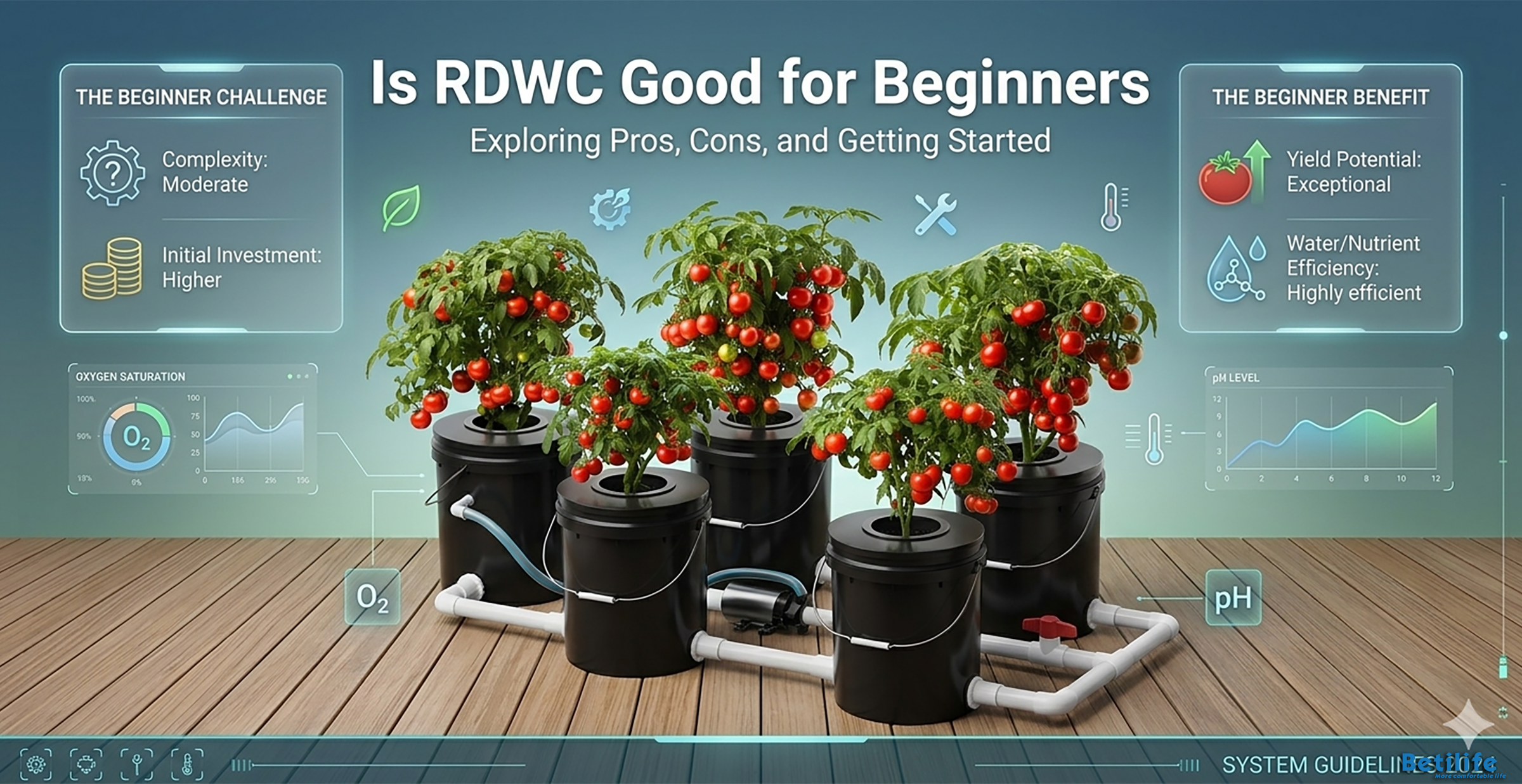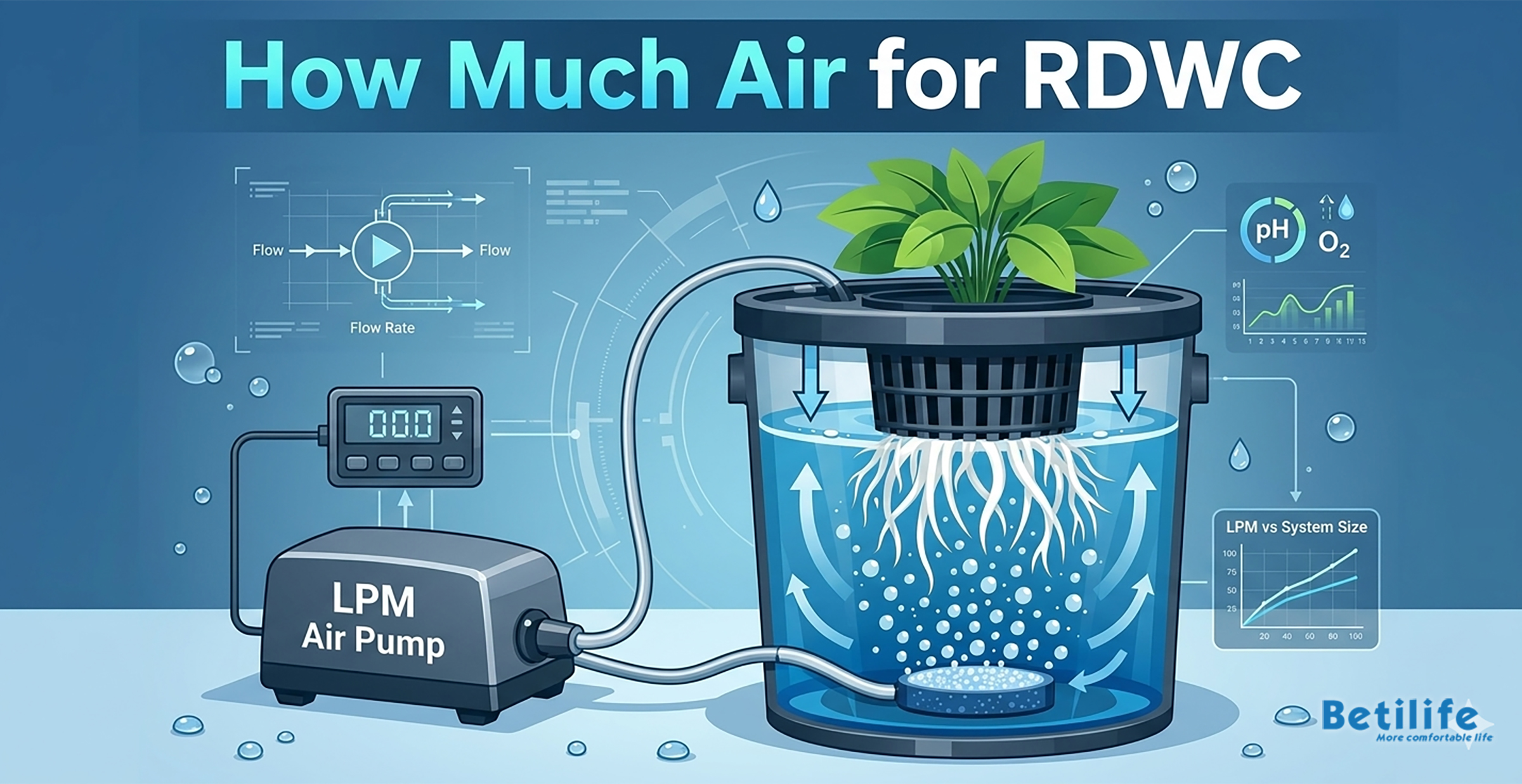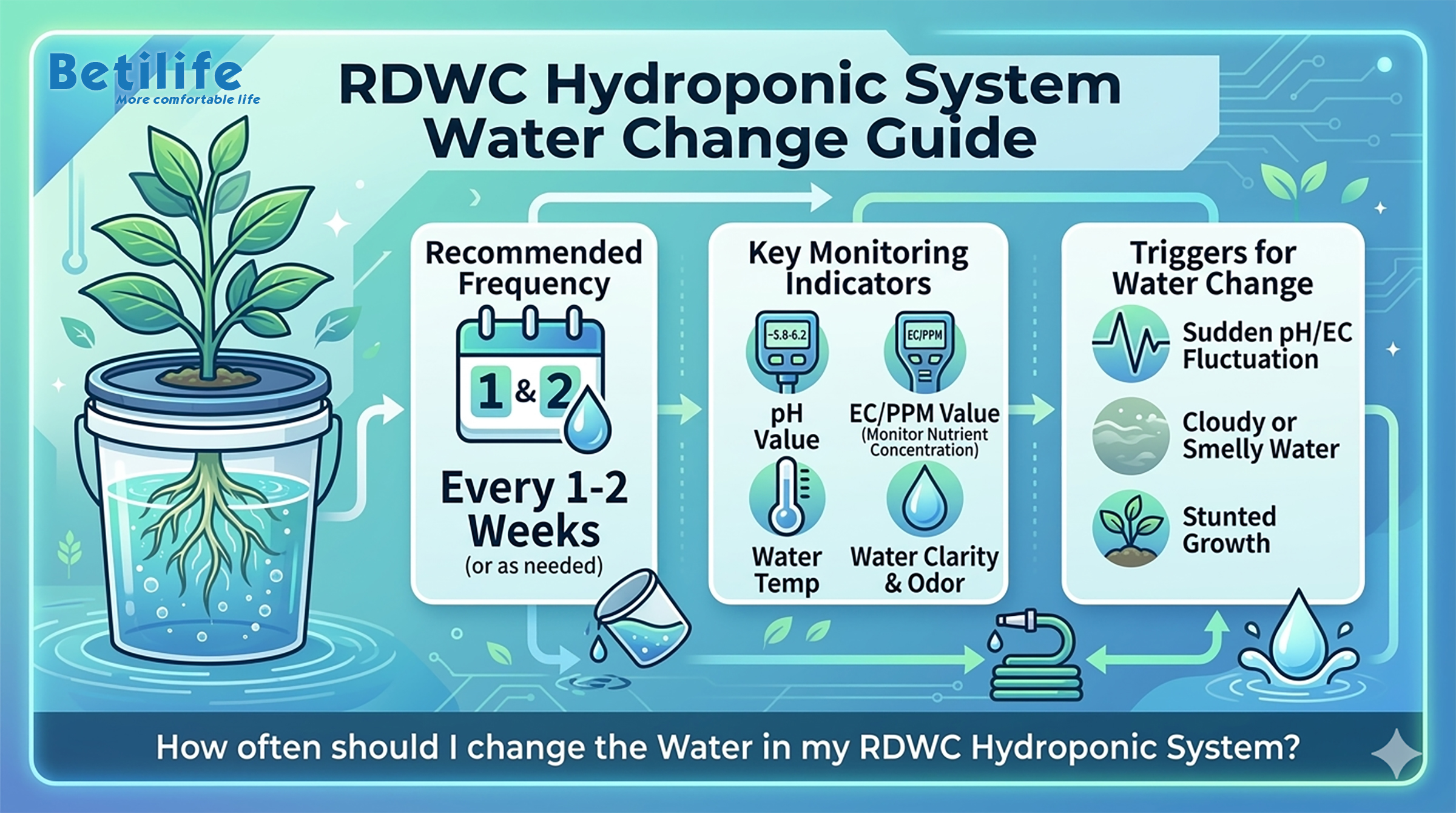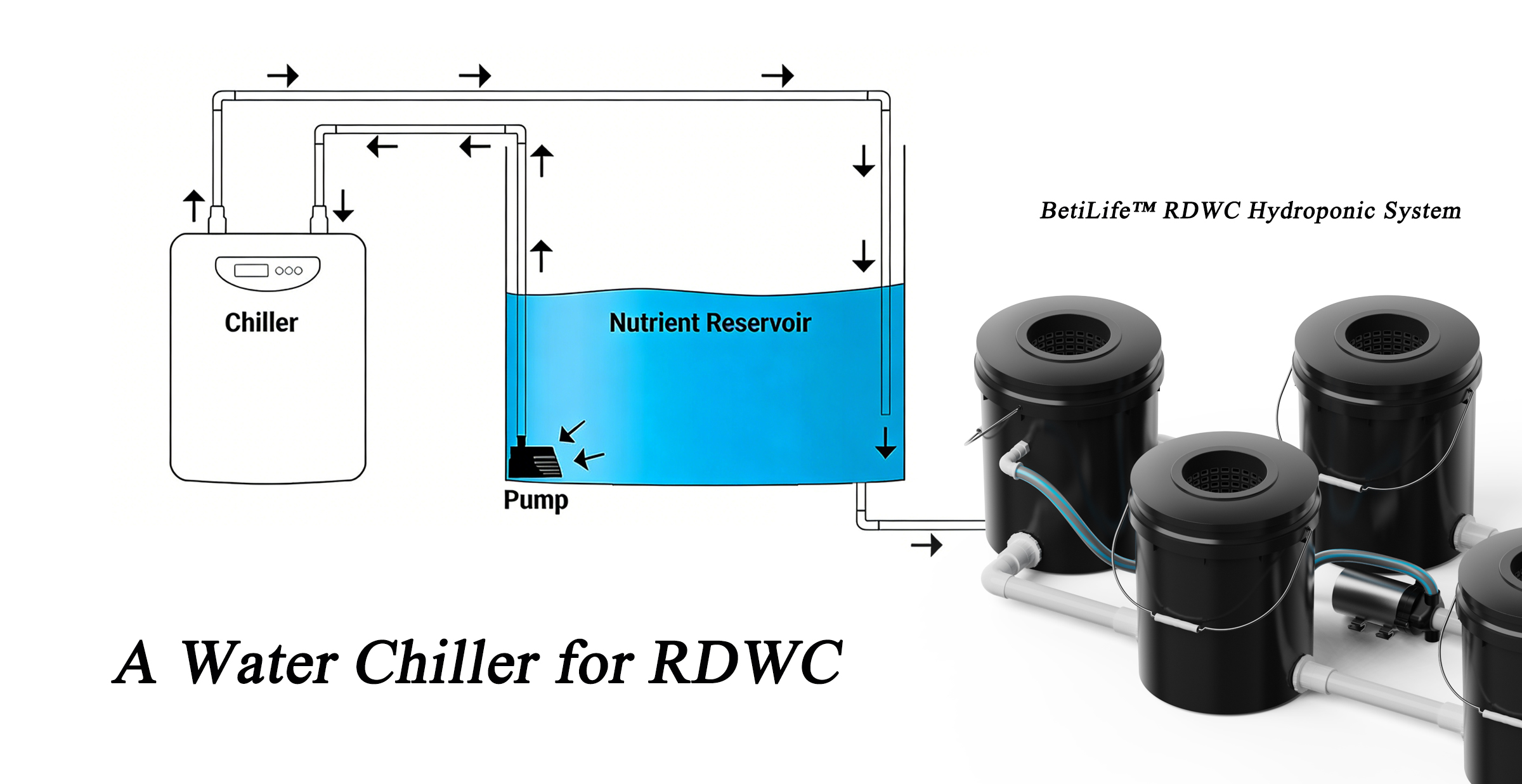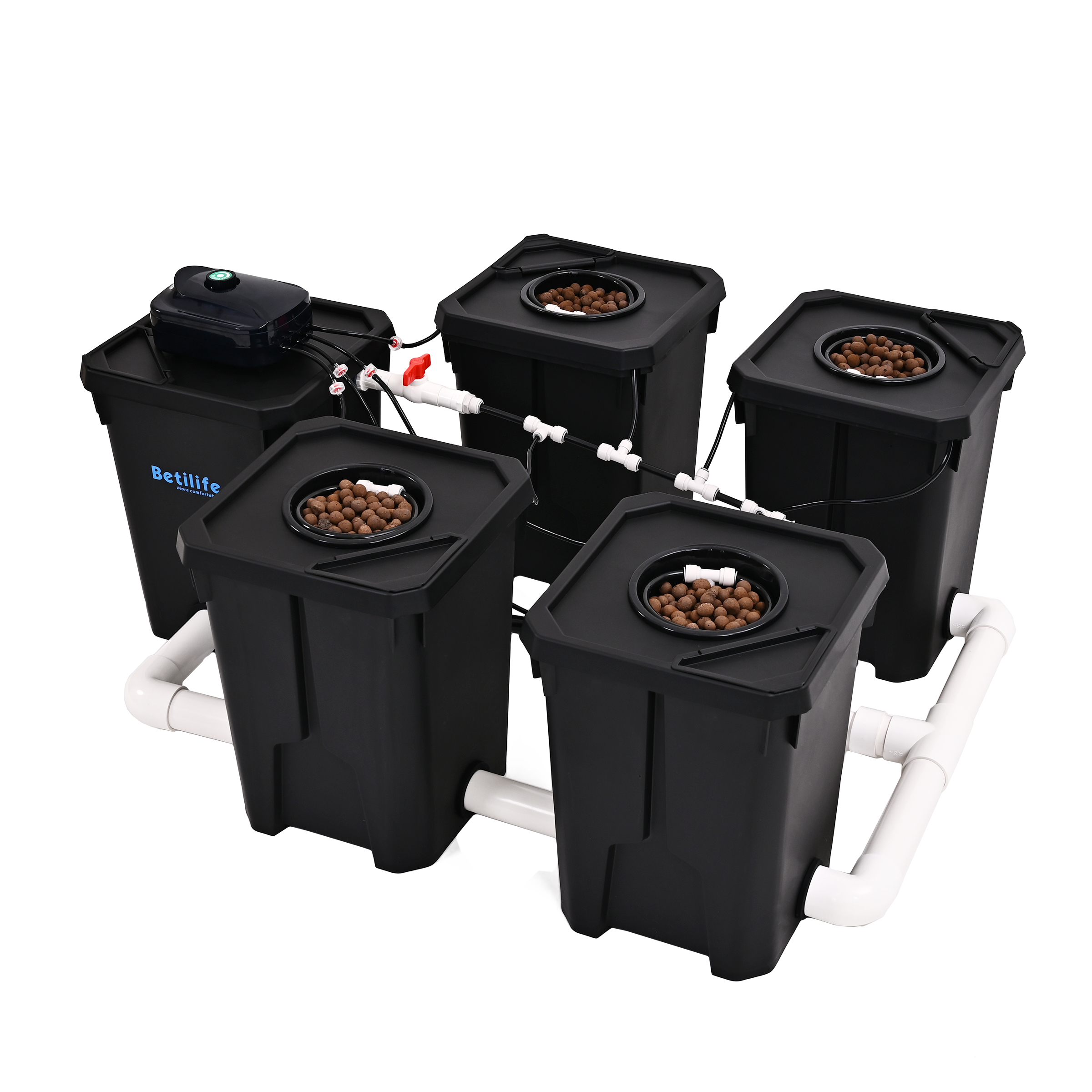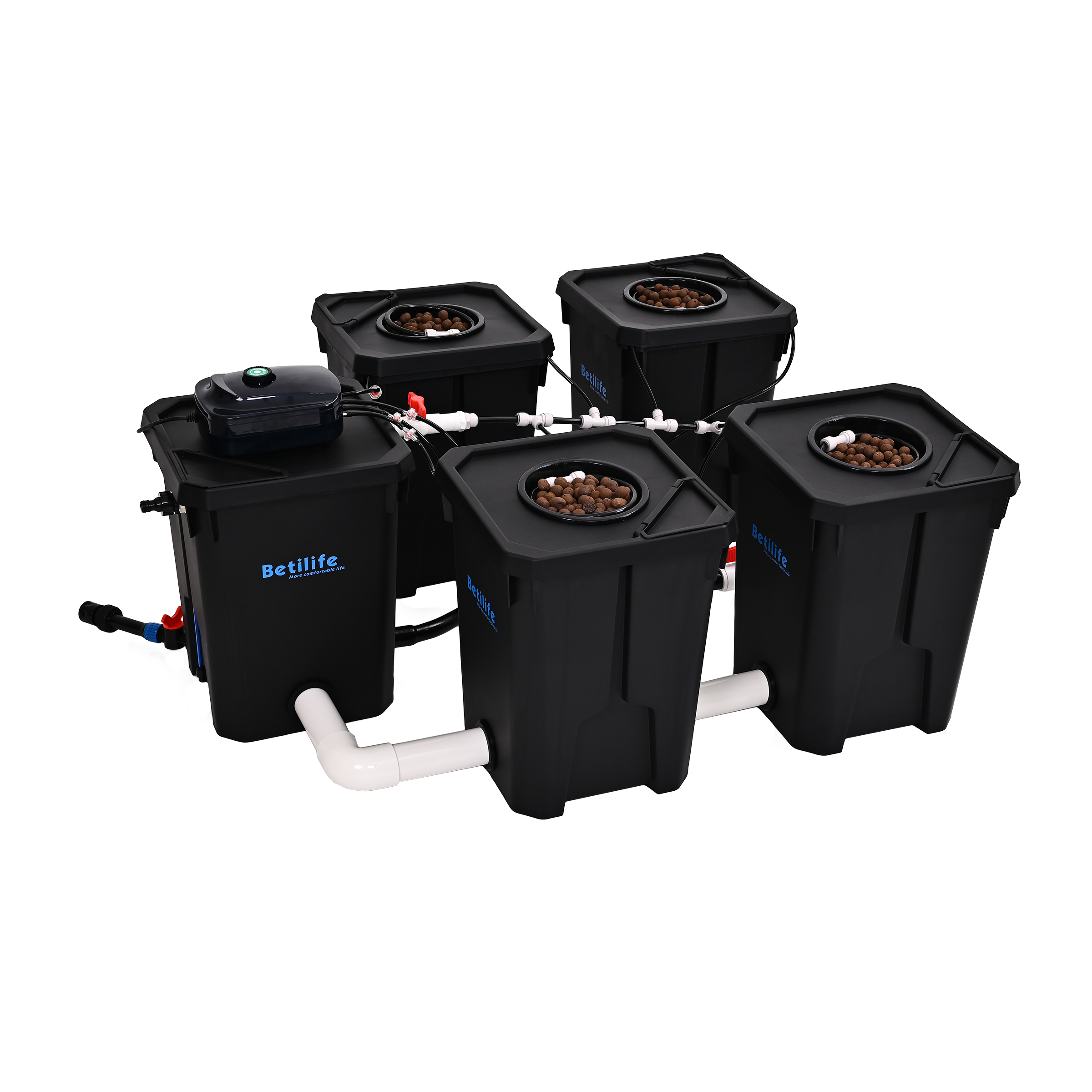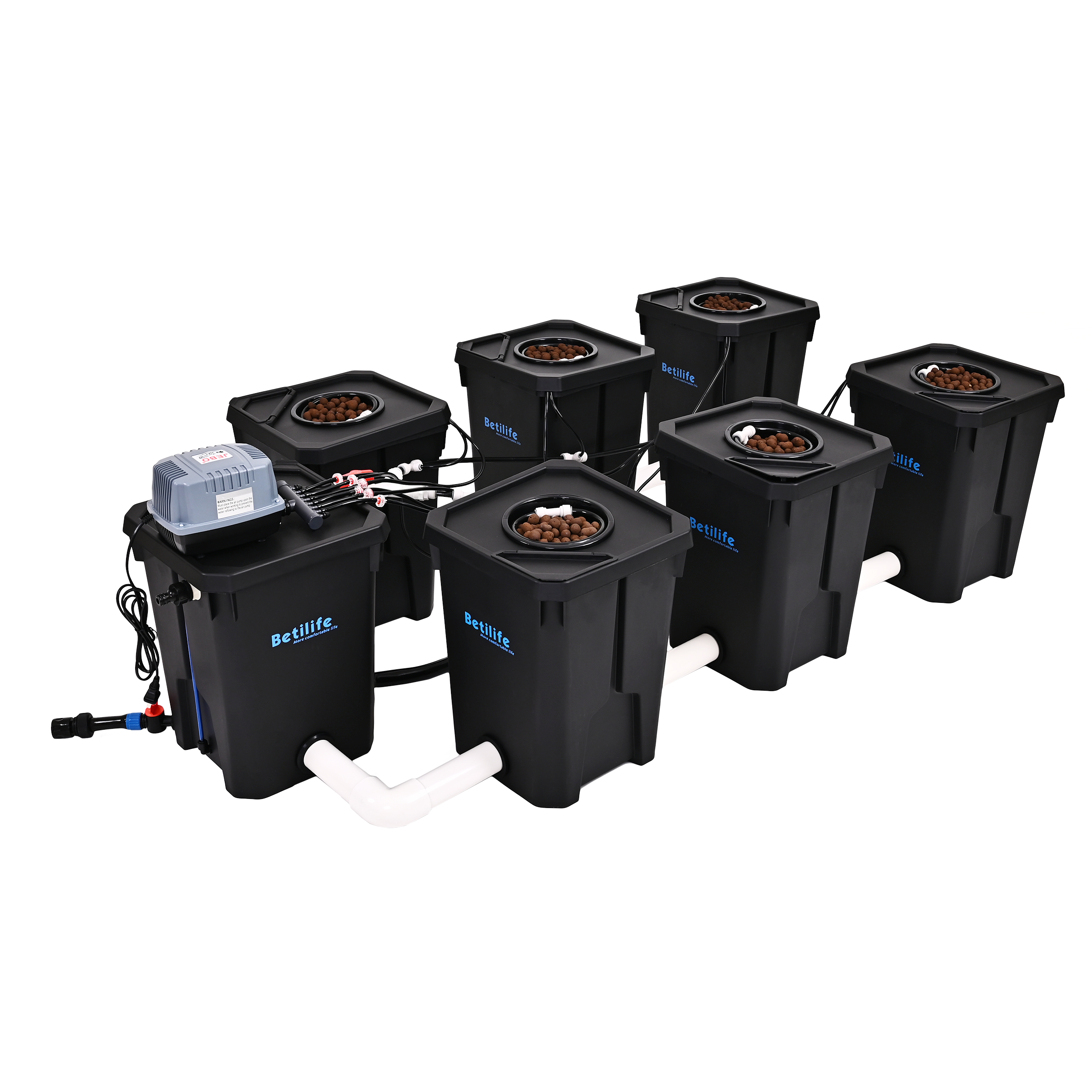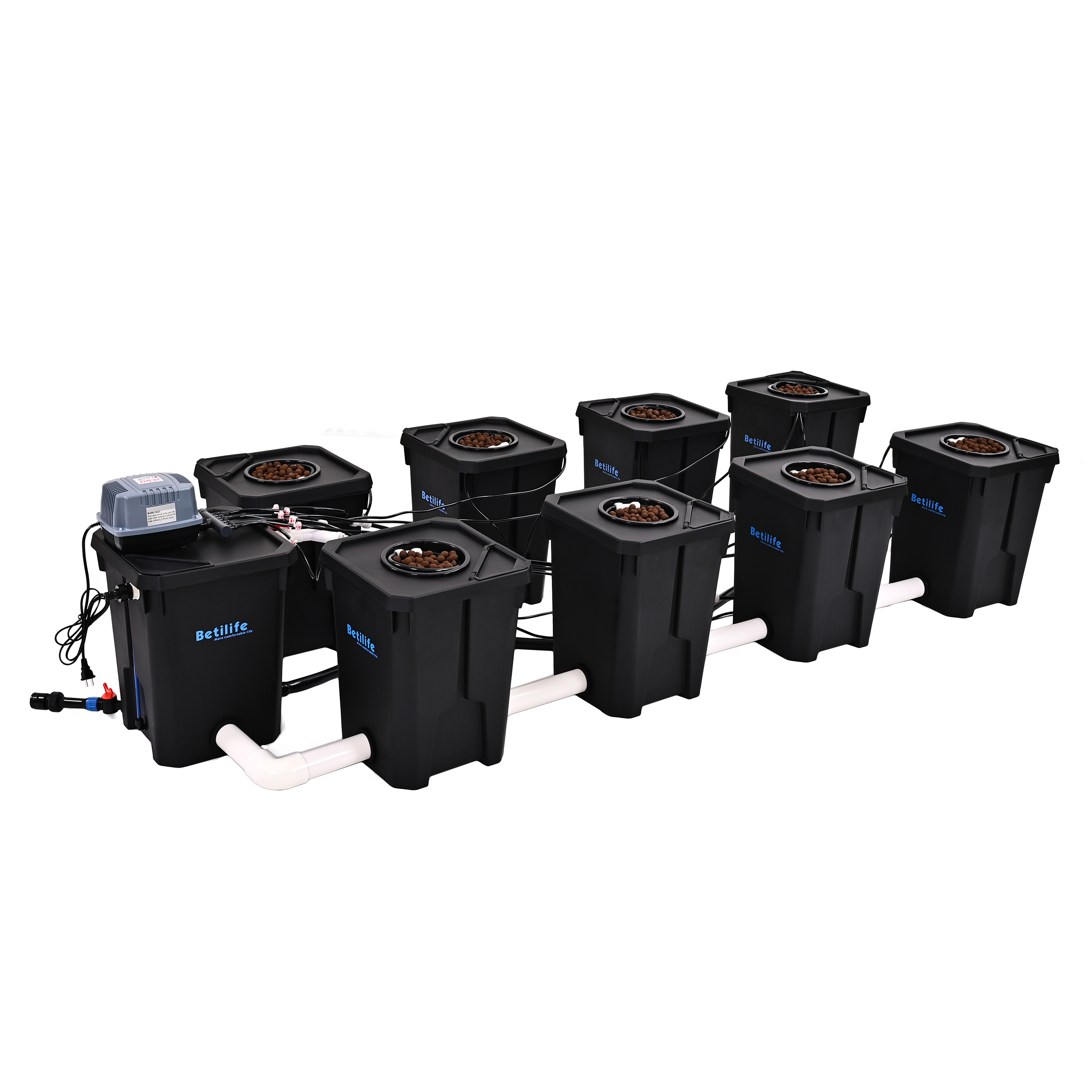
Tells you what hydroponic basil is and shares how to grow basil hydroponically indoors using the best hydroponic basil kit, mastering the hydroponic basil setup (light and nutrient requirements) for quick success in hydroponic basil plants.
What is hydroponic Basil?
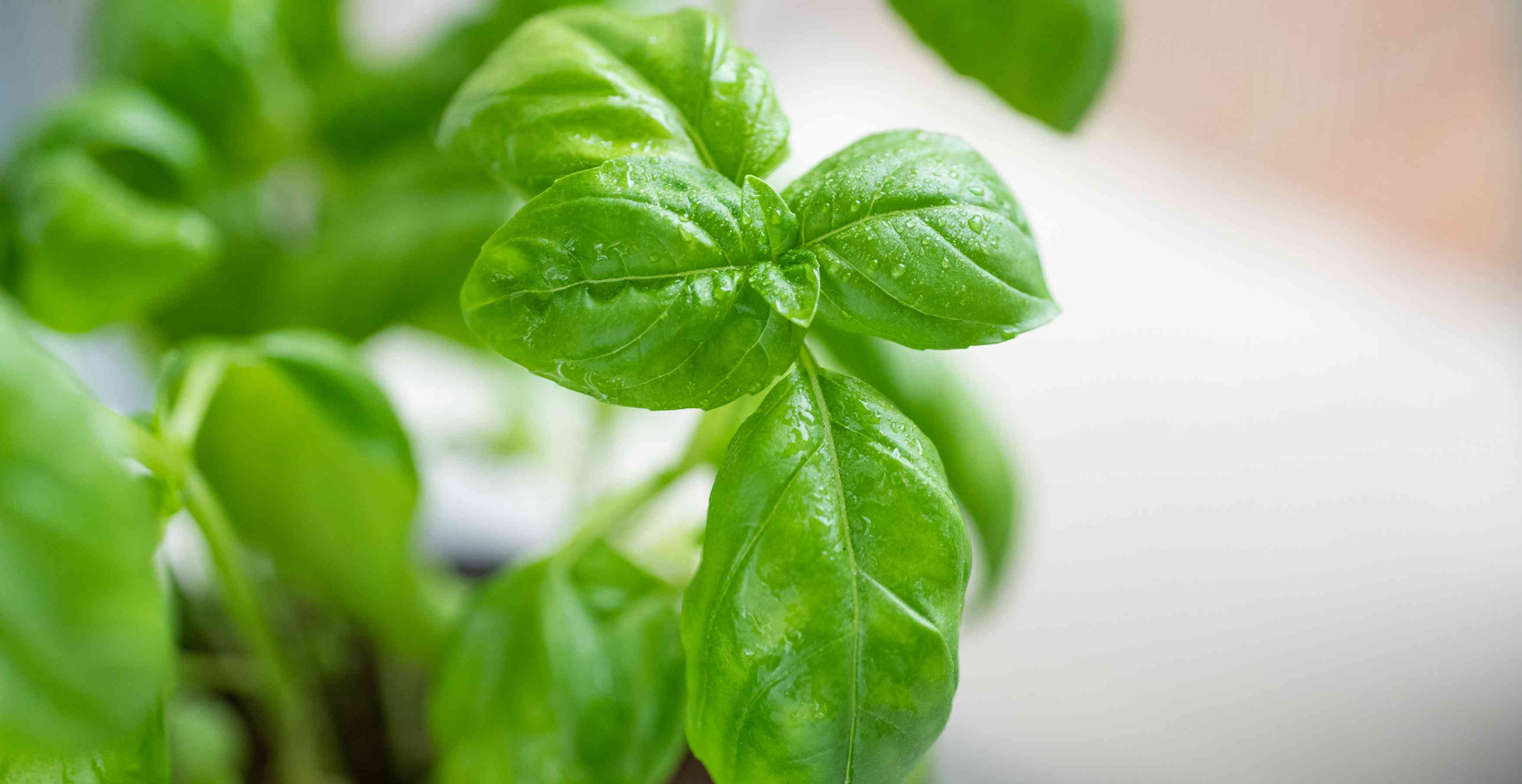
Hydroponic Basil is basil (Ocimum basilicum) grown without soil, using a nutrient-rich water solution instead. Its roots are either suspended directly in the solution or supported by an inert medium like rockwool or clay pebbles. It's cultivated in controlled environments where water, nutrients, light, and climate are precisely managed, potentially leading to faster growth, higher yields, and year-round availability of fresh basil plants.
Basil plants are supported by an inert growing medium (like rockwool, clay pebbles, perlite, or coconut coir) that holds the roots. The roots are either suspended directly in or periodically flooded or dripped with the nutrient solution.
The Best Hydroponic System For Basil
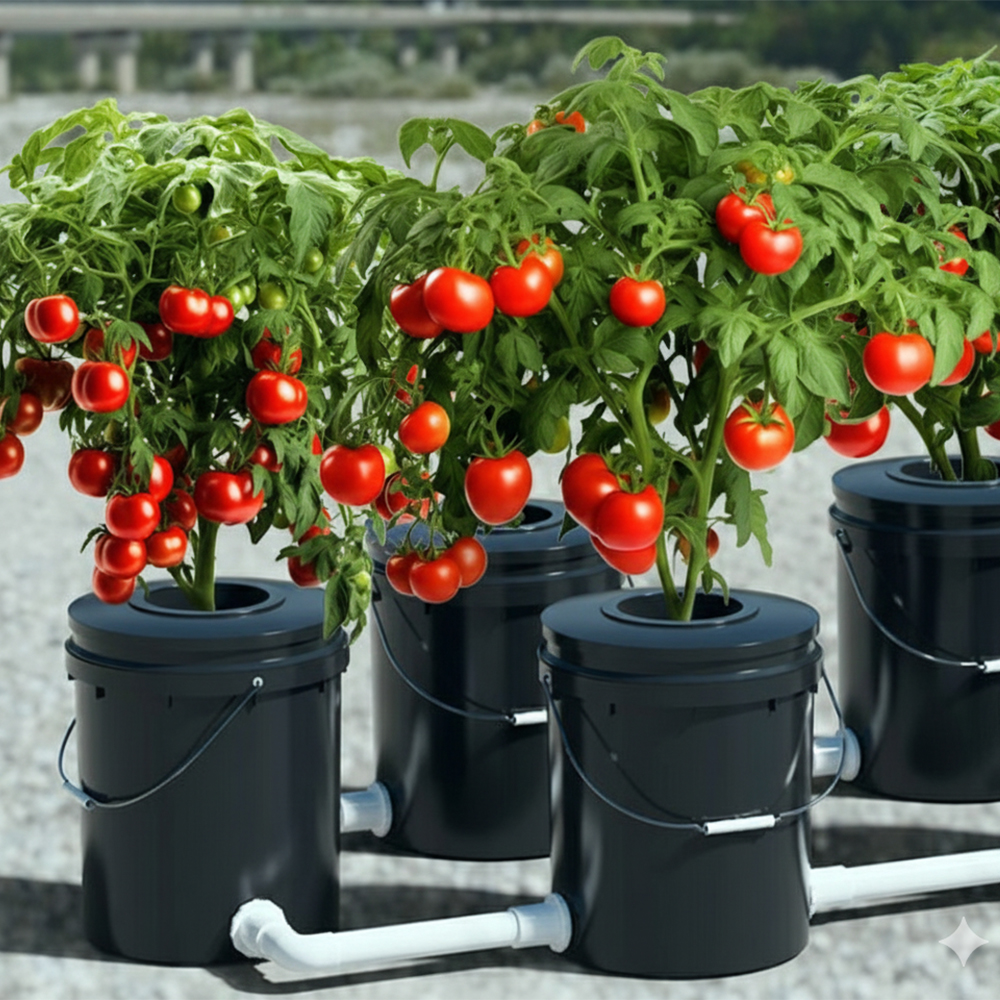
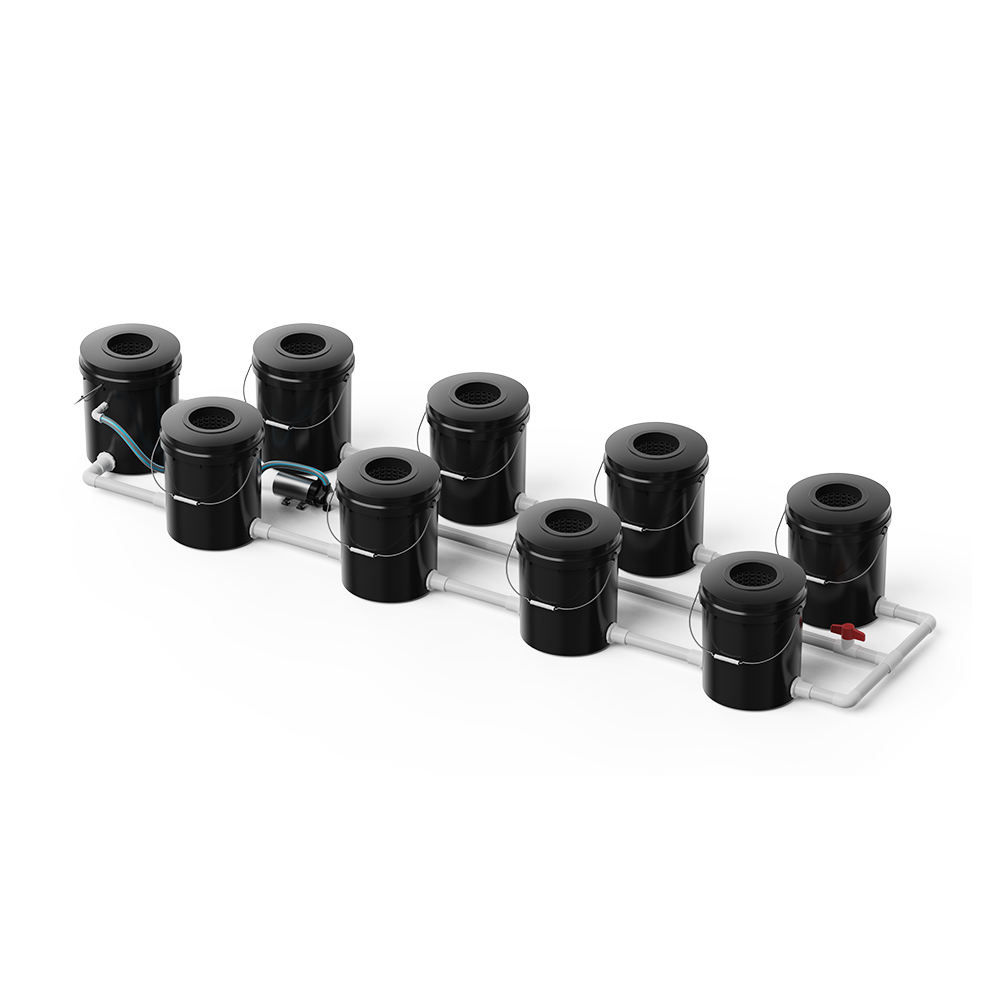
Common systems used for basil plant hydroponics include Deep Water Culture (DWC), Nutrient Film Technique (NFT), Ebb and Flow, and Drip Systems.
Hydroponic Basil Benefits & Key Features
-
Faster Growth & Higher Yields: Plants get optimal nutrients and oxygen directly to their roots, leading to faster growth cycles and potentially higher harvests per square foot compared to soil.
-
Water Efficiency: Hydroponic systems recirculate water, using up to 90% less water than traditional soil farming.
-
Controlled Environment: Grown indoors (greenhouses, vertical farms, grow rooms) or in protected settings, allowing for:
-
Year-Round Production: Independent of seasons or weather.
-
Pesticide/Herbicide-Free: The controlled environment drastically reduces pest and disease pressure, often eliminating the need for chemical pesticides or herbicides.
-
Consistent Quality & Flavor: Precise control over nutrients and environment leads to uniform size, appearance, and taste.
-
-
Reduced Risk of Soil-Borne Diseases: No soil means no exposure to common soil pathogens.
-
Space Efficiency: Vertical stacking (vertical farming) maximizes production in small areas.
-
Cleaner Harvest: Plants and leaves aren't covered in soil, making them cleaner at harvest.
Taste and Quality
-
Hydroponic basil is known for its clean, vibrant, and consistent flavor. The controlled conditions often result in tender leaves with good aroma.
-
Some argue soil imparts unique "terroir," but hydroponics excels at producing reliably fresh, high-quality basil.
Common Uses
-
Supermarkets & Grocery Stores: Sold as live plants (roots intact in a small pod) or as fresh-cut bunches/pots.
-
Restaurants: Prized for their consistent quality, freshness, and cleanliness.
-
Home Growers: Popular for countertop or indoor garden systems (like BetiLife™, AeroGarden, Click & Grow).
-
Food Processing: Used in pestos, sauces, dressings, etc.
How to Grow Basil Hydroponically?
Here's a comprehensive guide to growing lush, flavorful basil hydroponically:
Why Basil Thrives Hydroponically?
-
Rapid growth & higher yields
-
Consistent flavor/potency
-
Year-round harvests
-
No soil-borne diseases/weeds
What You'll Need
-
System: Deep Water Culture (DWC), Nutrient Film Technique (NFT), Ebb and Flow, and Drip Systems.
-
Basil Seeds/Cuttings: Start seeds in rockwool/coco plugs or root cuttings in water.
-
Grow Medium: Rockwool cubes, clay pebbles (LECA), coco coir, perlite.
-
Net Pots: Hold plants & medium.
-
Reservoir: Light-proof container (bucket/tote/tank).
-
Hydroponic Nutrients: Balanced (N-P-K), Cal-Mag supplement essential. (e.g., General Hydroponics Flora Series, Masterblend).
-
pH Kit: Tester & adjusters (pH Down/Up). Critical!
-
Light: Sunny window (6+ hrs direct sun) OR Grow Lights (LED preferred, 12-16 hrs/day).
-
Air Pump & Stone: Essential for DWC, beneficial for others.
-
EC/TDS Meter (Optional but Recommended): Measures nutrient strength.
Hydroponic Basil Step-by-Step Guide
-
Hydroponic Basil Setup & Germination
-
Soak the grow medium.
-
Plant 2-3 seeds per rockwool cube/coco plug (1/4" deep) or place cuttings.
-
Keep warm (70-80°F/21-27°C) & moist under dome/humidity until sprouted.
-
Use plain pH'd water (5.5-6.5) until seedlings emerge.
-
-
System Preparation
-
Fill the reservoir with pH-balanced water (5.5-6.5 is ideal for basil).
-
Add nutrients per manufacturer's instructions (Start at 1/4 - 1/2 strength for seedlings).
-
Check & adjust pH after adding nutrients.
-
Set up an air stone (if using DWC).
-
-
Transplanting
-
Place seedlings/cuttings (with roots) into net pots filled with inert medium (clay pebbles are great for support).
-
Position net pots so roots touch/near the nutrient solution (Kratky) or are submerged (DWC). Avoid submerging the stem.
-
-
Environment
-
Light: 12-16 hours daily. South window or LED grow light (20-40W/sq ft, 400-600 PPFD). Keep lights 6-18" above the canopy.
-
Temperature: 65-80°F (18-27°C) days; >50°F (10°C) nights. Basil hates the cold!
-
Humidity: 40-60%. Good airflow prevents mold/fungal issues (use a small fan).
-
-
Hydroponic Basil Nutrient Requirements & Water Management
-
pH: Check DAILY, maintain 5.5 - 6.5. Adjust as needed.
-
EC/TDS: Start low (0.8-1.2 mS/cm or 400-600 ppm) for seedlings. Mature plants thrive at 1.4-2.2 mS/cm (700-1100 ppm).
-
Nutrient Solution Change: Refresh the reservoir every 1-2 weeks. Top off with pH'd water between changes.
-
Oxygen: Ensure the air pump runs constantly (DWC). Keep the reservoir cool (<75°F/24°C) to hold more oxygen.
-
-
Pruning & Training (Key for Bushiness!)
-
Pinch off the top set of leaves above the first true leaf node once the plant has 3-4 sets of true leaves (5-6" tall).
-
Always cut just above a leaf node (where leaves/stems branch). New growth emerges here.
-
Regularly harvest outer leaves/pinch flower buds ("bolting") to promote leafy growth & prevent bitterness.
-
-
Harvesting
-
Start harvesting once the plant has 6-8 sets of leaves.
-
Best Method: Cut stems just above a leaf node, leaving 1-2 sets of leaves below. New branches will grow from the nodes.
-
Never remove >1/3 of the plant at once.
-
Harvest regularly to encourage growth.
-
Troubleshooting Common Issues
-
Slow Growth/Pale Leaves: Low light, cold temps, low nutrients (check EC), incorrect pH.
-
Leaf Curling/Drooping: Heat stress, low humidity, underwatering (check roots/replenish reservoir).
-
Yellowing Lower Leaves: Nitrogen deficiency, overwatering (ensure oxygenation), root rot.
-
Brown Leaf Edges/Tips: Nutrient burn (high EC), salt buildup (flush system), low humidity.
-
Root Rot (Brown/Slimey Roots): Low oxygen (increase aeration), reservoir too warm, light leaks into reservoir (cover it!). Use hydrogen peroxide treatment if needed.
-
Bolting (Flowering): Triggered by high temps, long daylight hours (>14hrs), or stress. Pinch off buds immediately.
-
Pests (Aphids, Whiteflies): IIsolate the plant. Use insecticidal soap, neem oil, or beneficial insects. Good airflow helps prevent.
Pro Tips
-
The Best Hydroponic Basil Varieties: Genovese (classic pesto), Sweet Basil, Thai Basil, Lemon Basil, Purple Basil - all grow well hydroponically.
-
Cloning: Take 4-6" stem cuttings (below a node), remove lower leaves, place in water/cloner. Roots fast! The best way to propagate favorites.
-
Successive Planting: Start new seeds/cuttings every 2-4 weeks for continuous harvest.
-
Flush (Optional): 1-3 days before big harvest, use plain pH'd water for cleaner flavor.
Hydroponic basil is rewarding and efficient! By controlling nutrients, pH, and light, you'll grow vibrant, aromatic basil far superior to store-bought, with minimal space and time. Enjoy your harvest! 🌱🌿🍃
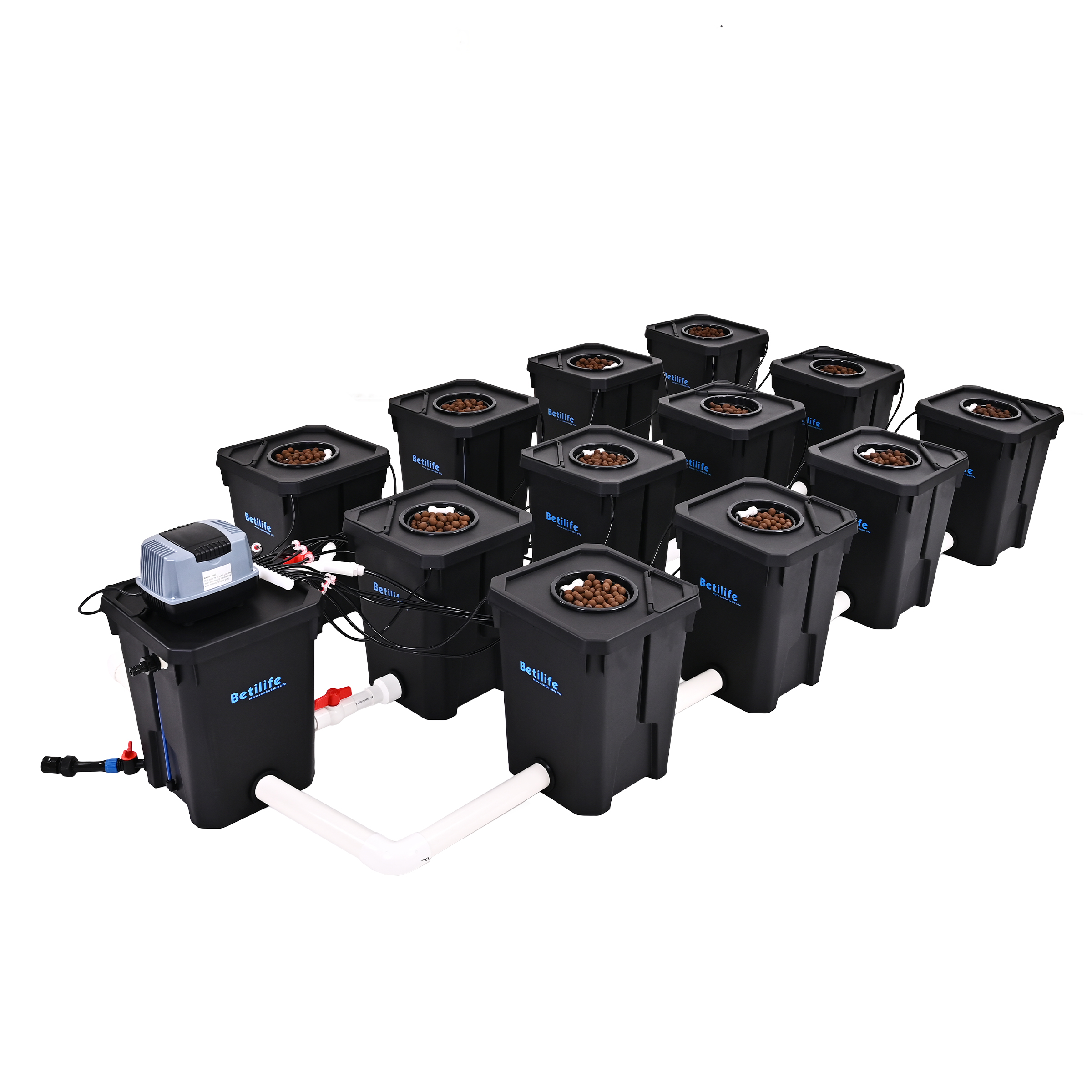
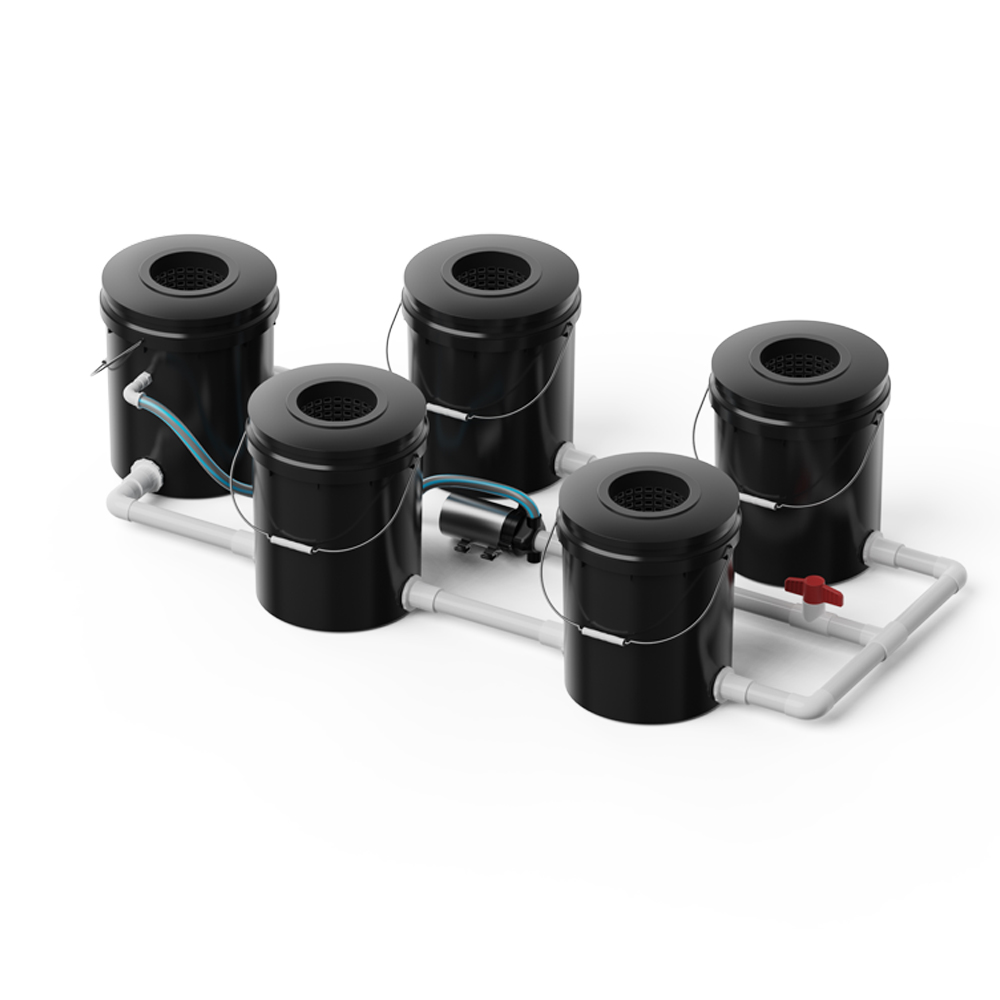
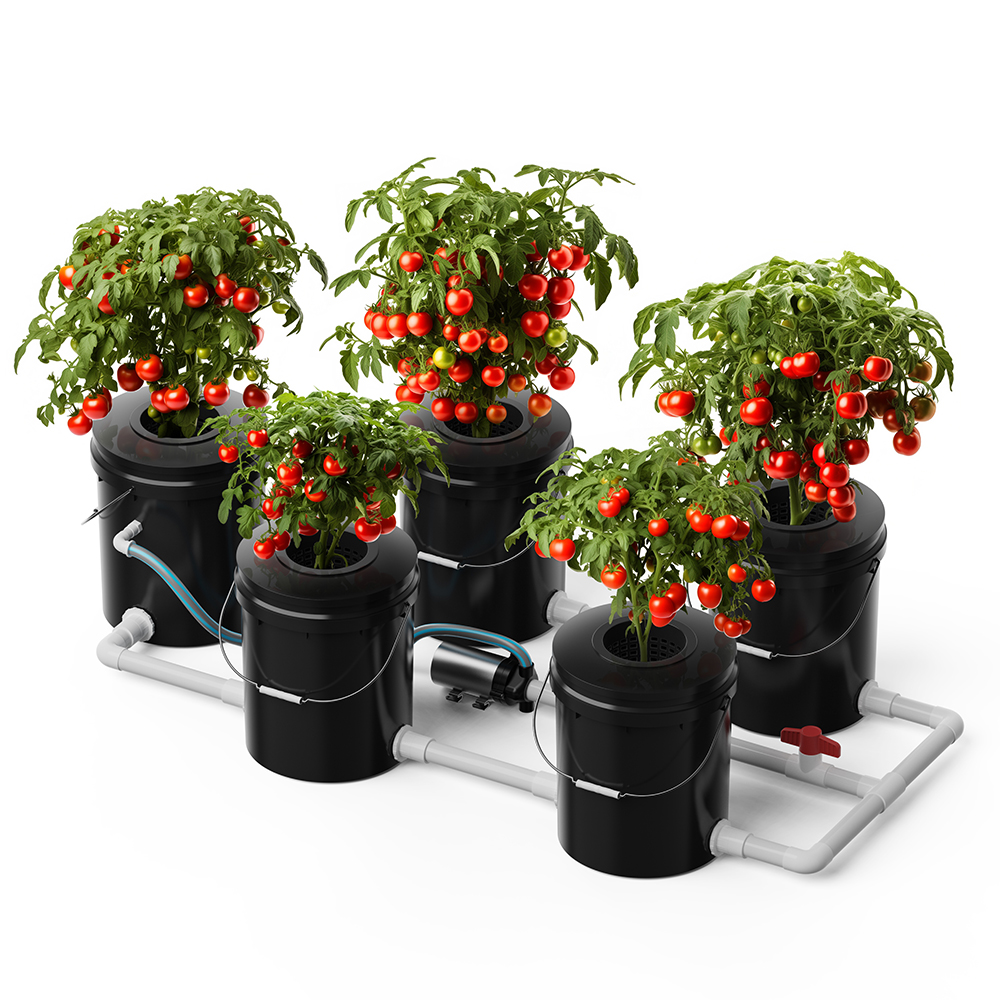
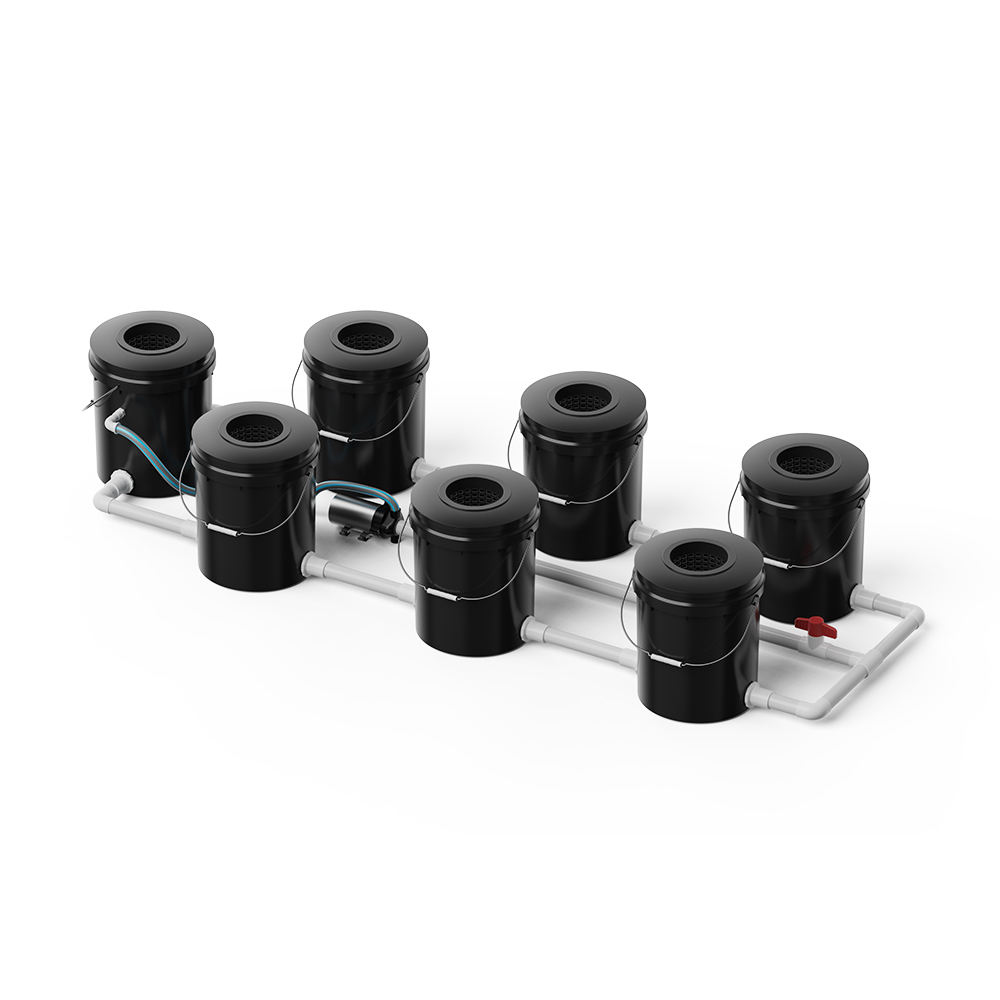
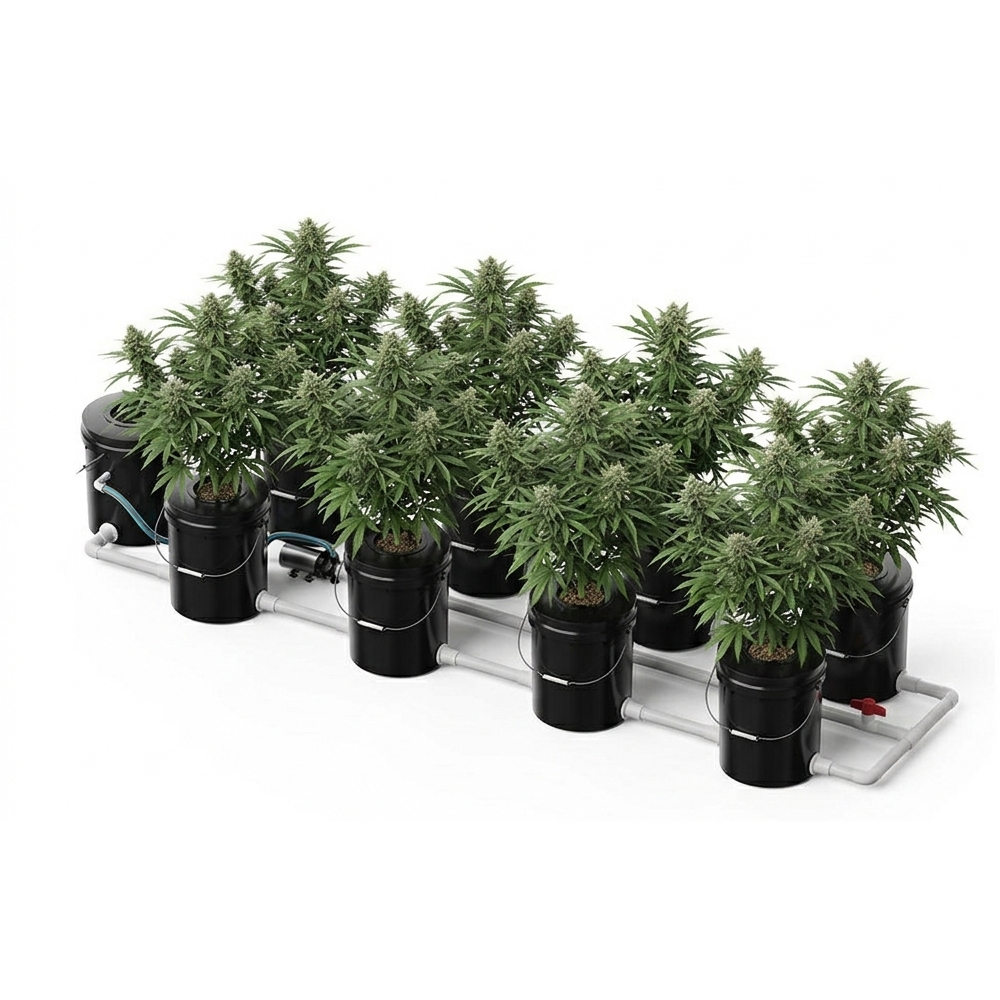
BetiLife™ Hydroponic Basil Systems offer a variety of hydroponics techniques, including Deep Water Culture (DWC), Nutrient Film Technique (NFT), each with its own set of advantages, ranging from beginner-friendly to easy-to-use. Basil hydroponics system automation controls lighting and water circulation, making it easy to grow basil without the need for daily care.
If you need to grow basil hydroponically indoors or outdoors at home, you can choose BetiLife™ Hydroponics Growing System:
Related FAQs
Does Basil Grow Well Hydroponically?
Nearly all basil types and varieties can perform well in hydroponic and container growing systems.
How Many Hours of Light for Hydroponic Basil?
Give your basil plenty of light for it to grow. While basil will do well with less light than some other plants, exposing your basil to 16 hours of light per day will be best for your basil and other iHarvest plants.
How Long do Hydroponic Basil Plants Last?
4-8 months
Why is My Hydroponic Basil Yellow?
Basil (Ocimum basilicum) is the most commonly grown greenhouse herb crop. Basil is sensitive to magnesium deficiency. Visual symptoms of magnesium deficiency appear first on old and recently mature leaves as a slight interveinal chlorosis (yellowing).