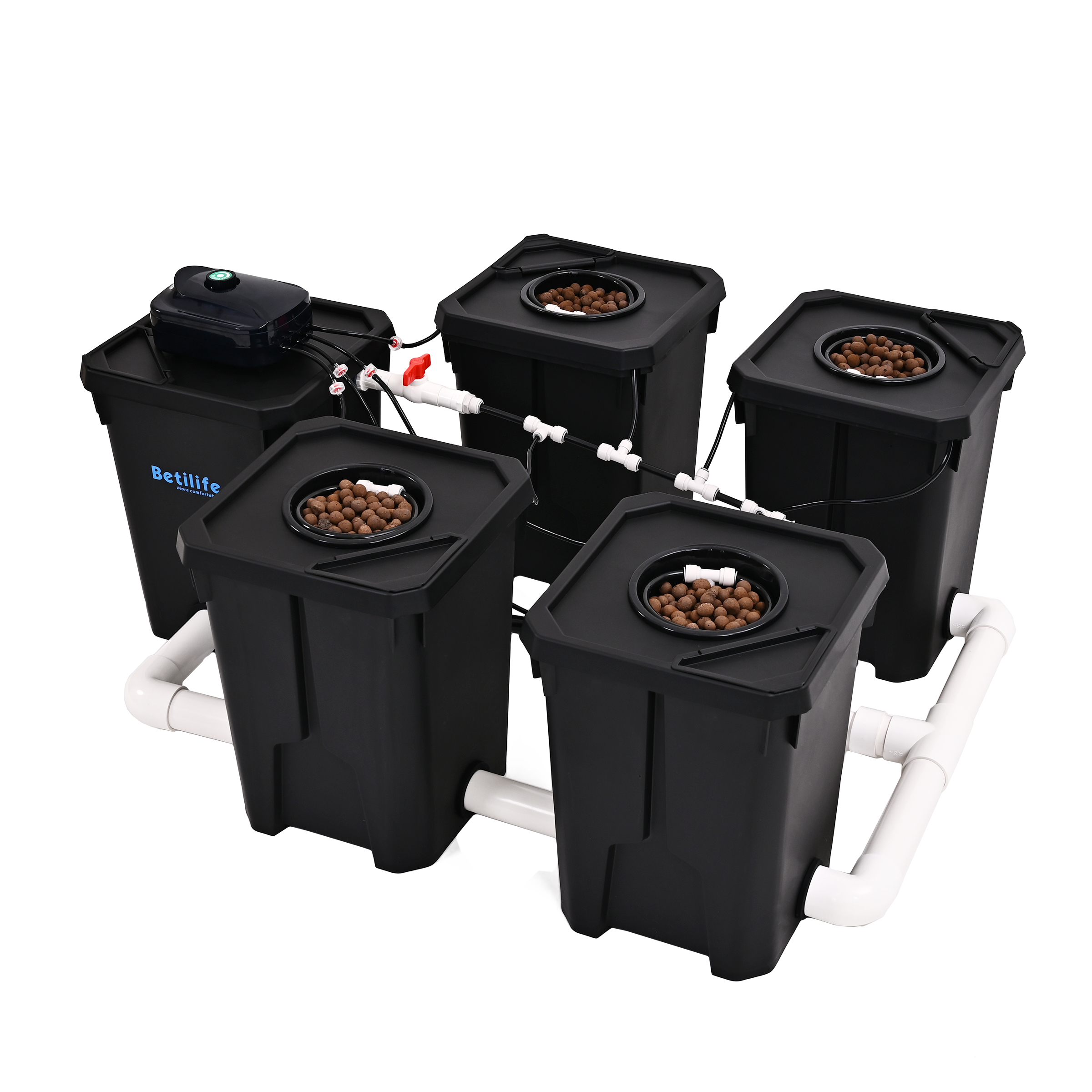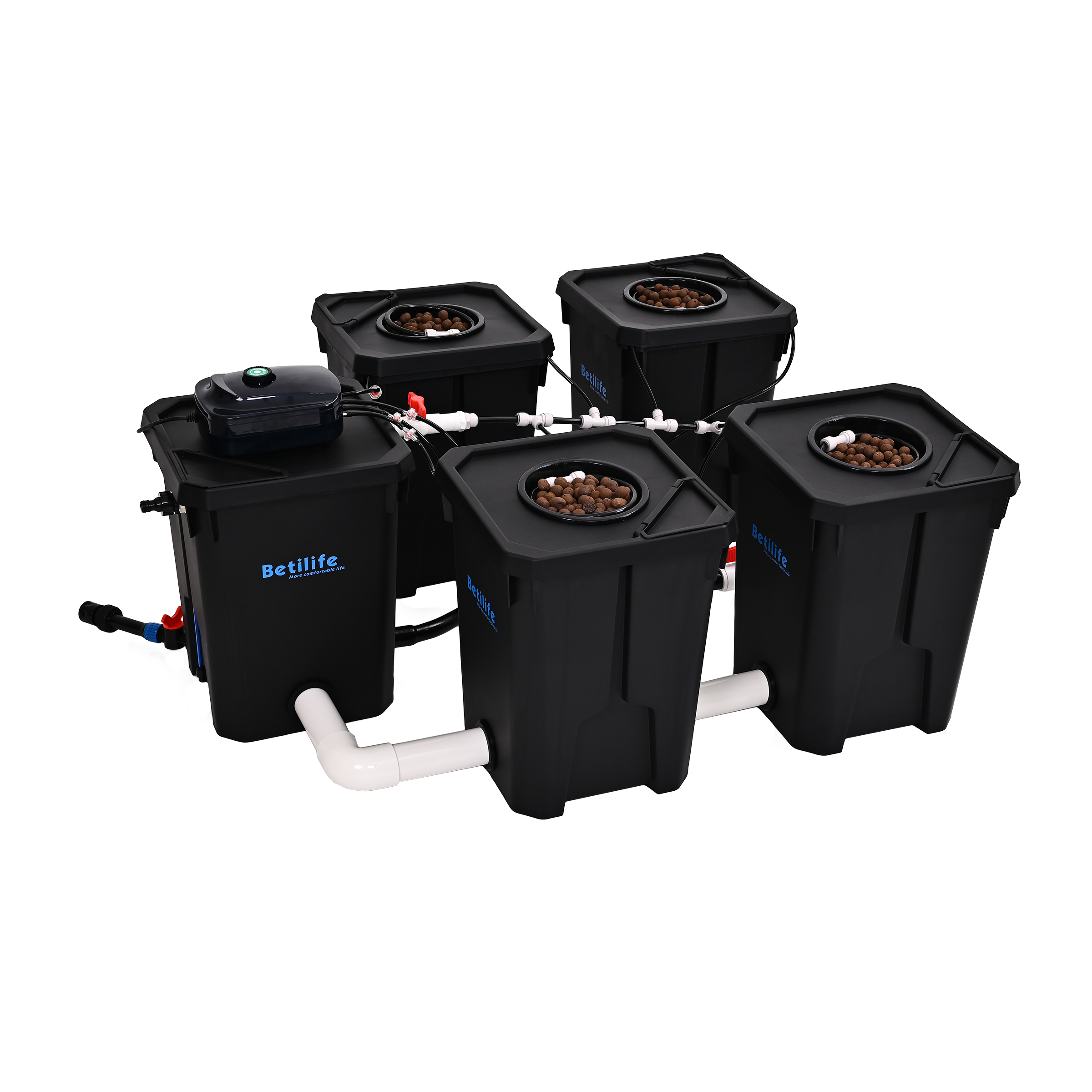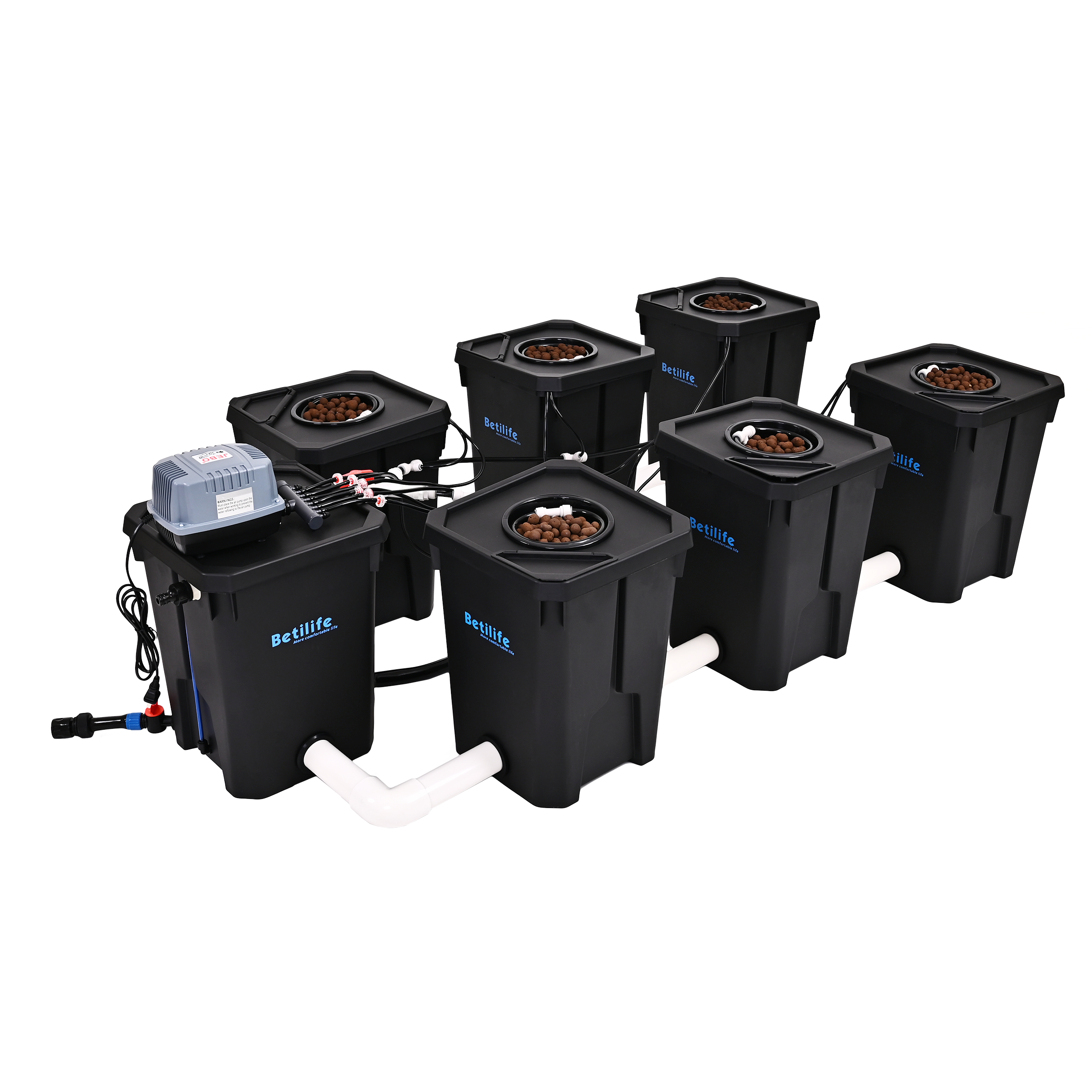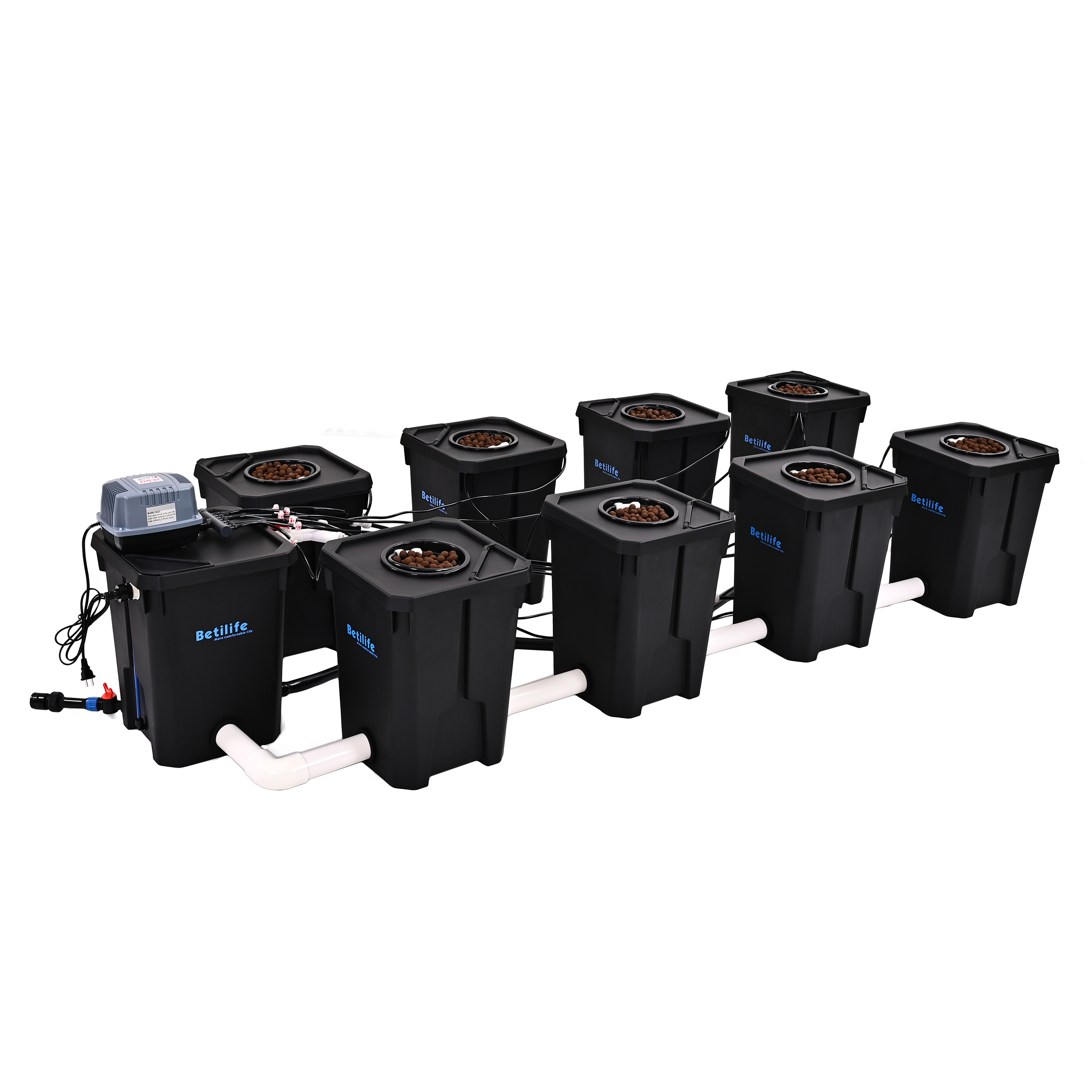
How to grow bell pepper hydroponic indoor? BetiLife™ offers a system detailed guide to bell pepper hydroponics setup to help beginners get started, master the bell pepper plant hydroponics setup kits, and quickly and successfully hydroponically grow fresh, sweet bell peppers.
What is Bell Pepper Hydroponics?
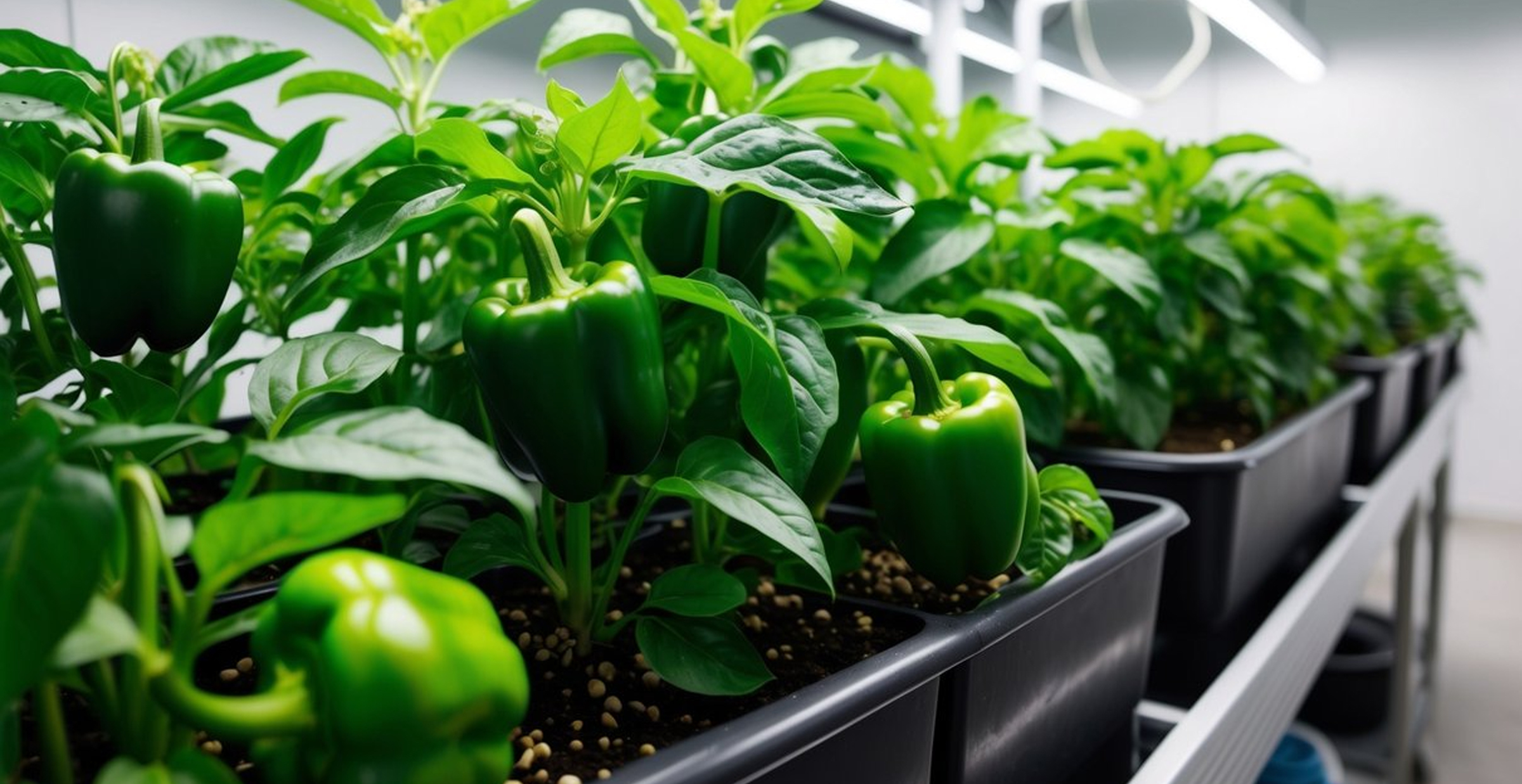
Hydroponic bell pepper growing is the process of growing bell peppers (also known as sweet peppers) without the use of soil, relying instead on a nutrient-rich water solution. This method enables precise control over the plant's environment, potentially leading to faster plant growth, higher yields, and a reduced risk of soil-borne diseases.
Can Bell Peppers Grow Hydroponically?
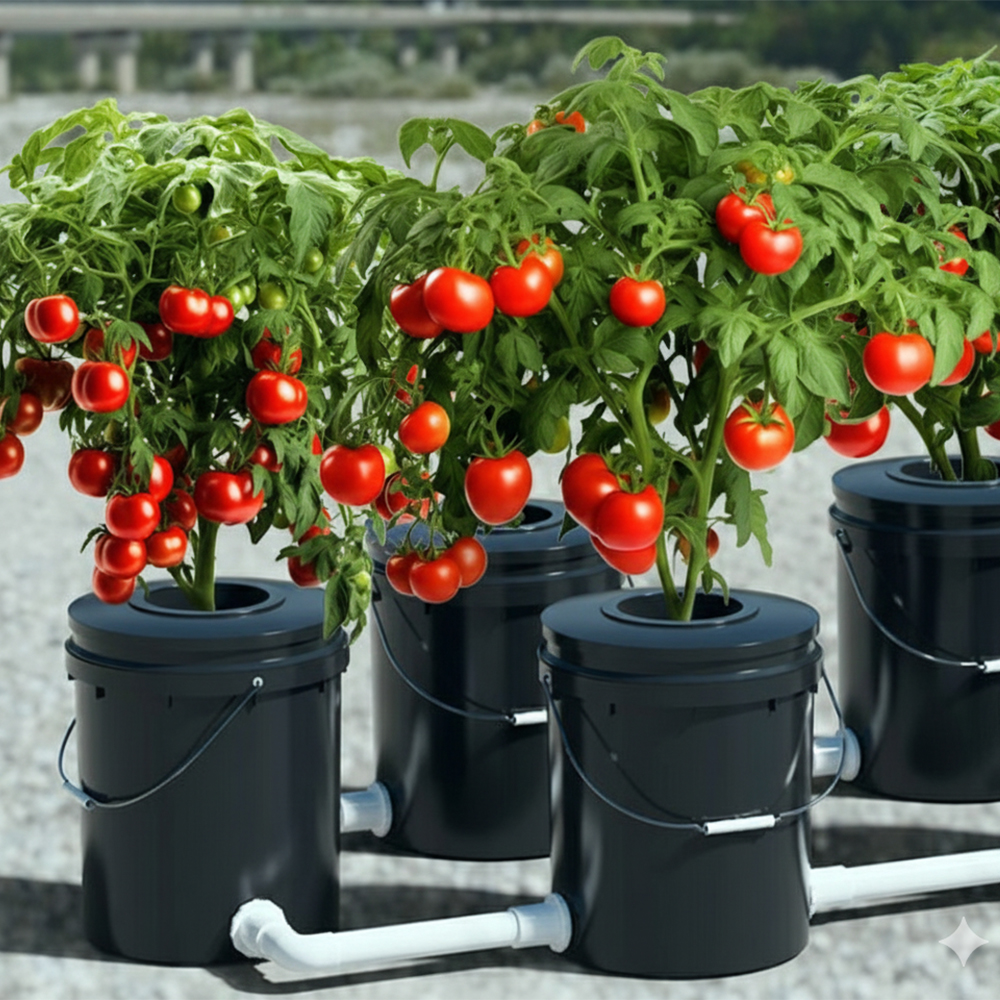
Yes, bell peppers can be grown very successfully using hydroponic systems. Hydroponics offers a controlled environment, which can lead to increased yields and efficient resource utilization compared to traditional soil-based methods. Similar environmental requirements to hydroponic tomatoes.
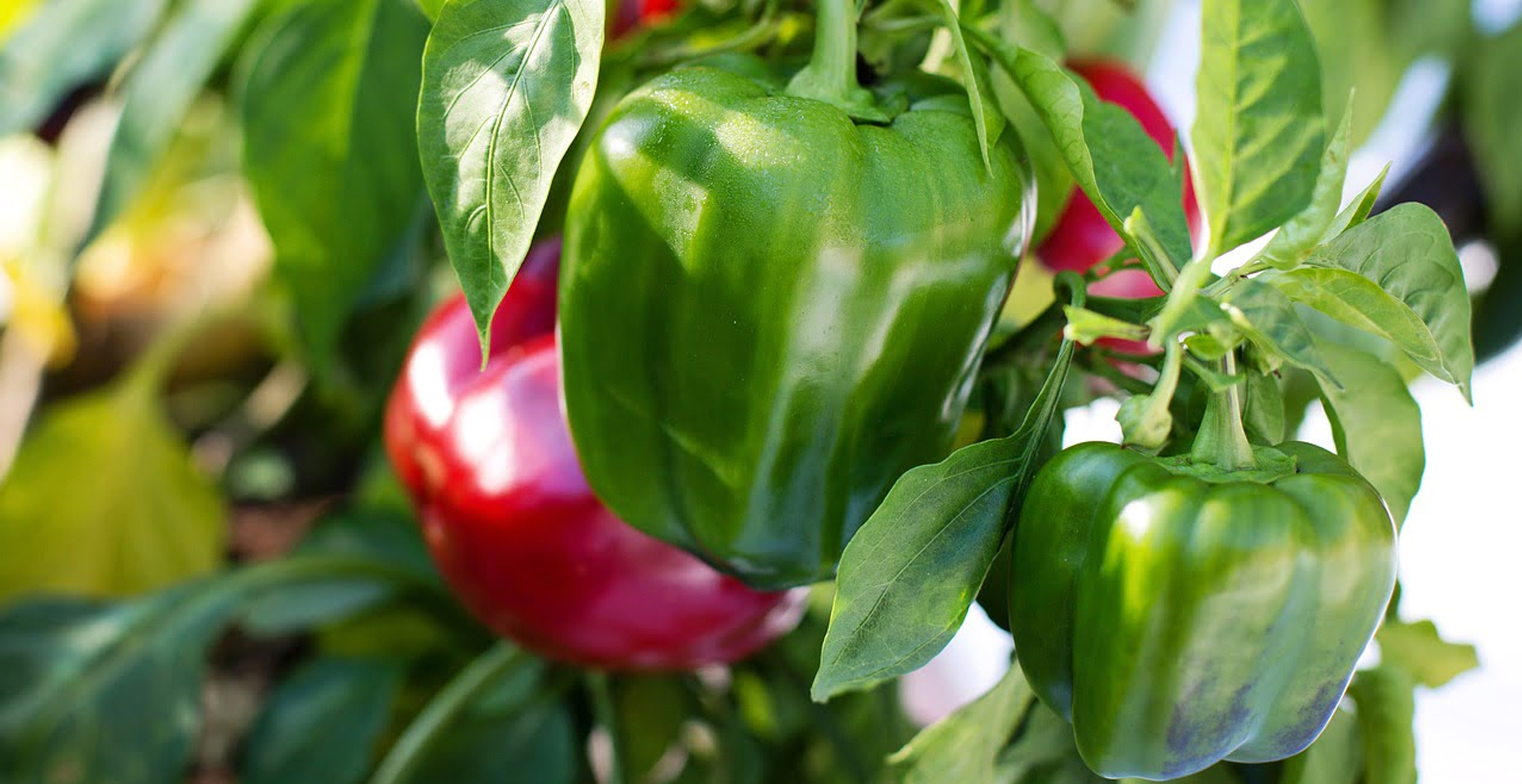
Why Grow Bell Peppers Hydroponically?
There are five major advantages due to choosing hydroponic bell peppers over traditional soil-based growing methods.
Bell Pepper Hydroponics Benefits
-
Faster Growth and Higher Yields
Hydroponics allows for optimal control over nutrient delivery and environmental factors, which can accelerate growth and result in larger harvests compared to traditional soil-based methods.
-
Reduced Disease and Pest Pressure
By eliminating soil, hydroponics significantly reduces the risk of soil-borne diseases and pests that can harm pepper plants.
-
Precise Nutrient Control
Hydroponic systems enable precise adjustments to the nutrient solution, tailored to the plant's specific needs at various growth stages, thereby ensuring optimal health and productivity.
-
Water Efficiency
Hydroponics can be more water-efficient than traditional gardening as the nutrient solution can be recirculated and reused, minimizing water waste.
-
Flexibility in Growing Location
Hydroponic systems can be set up indoors, in greenhouses, or even in urban environments, offering flexibility in where you can grow your peppers.
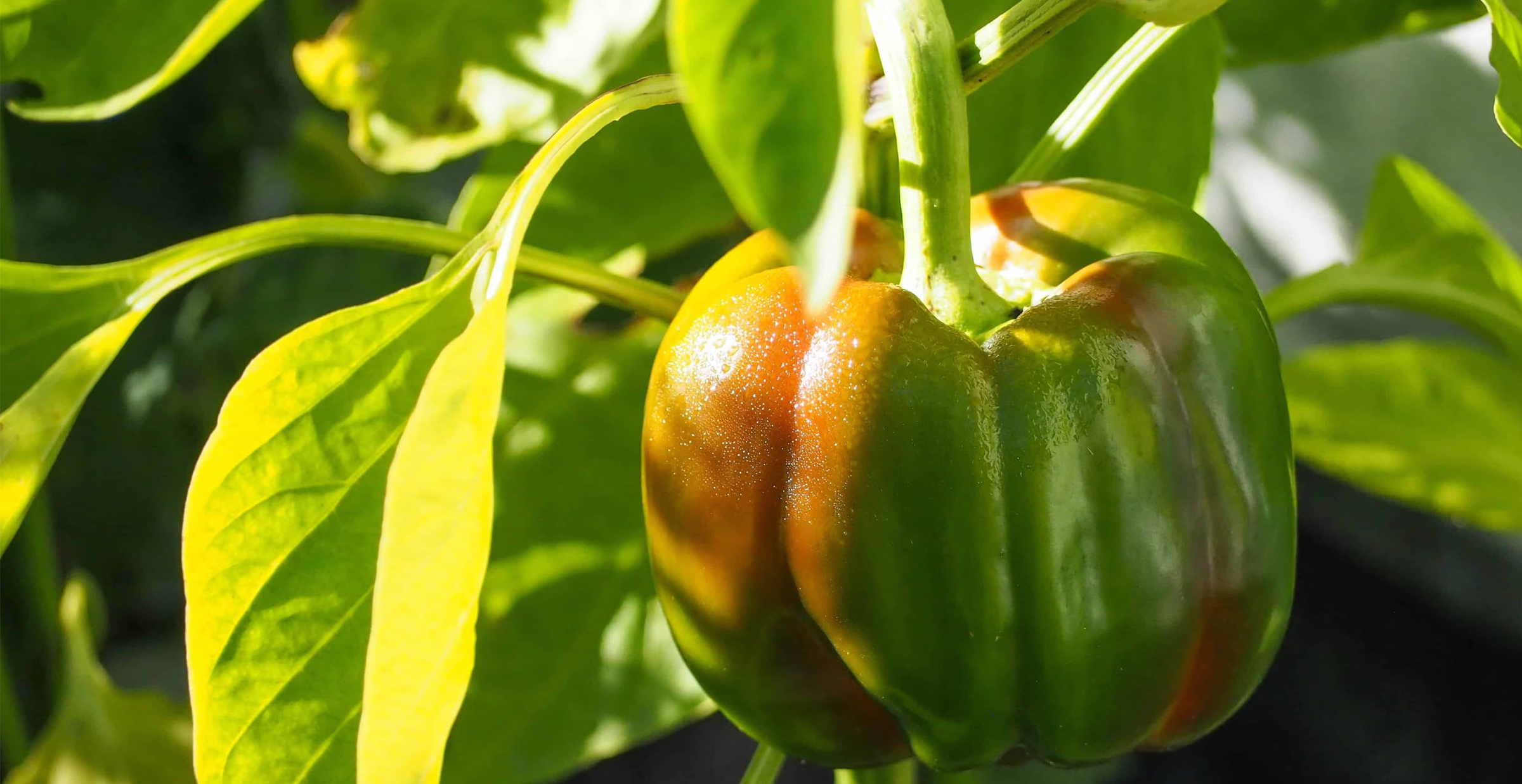
How to Grow Bell Pepper Hydroponics?
Here's a detailed guide to growing hydroponic bell peppers indoors, covering setup, care, and harvesting:
I. System Selection (Best Options)
-
Pros: Simple, low-cost, great oxygenation
Cons: Requires frequent monitoring, not ideal for large plants
Setup: 5-gallon buckets, air pump, air stone, net pots, clay pebbles -
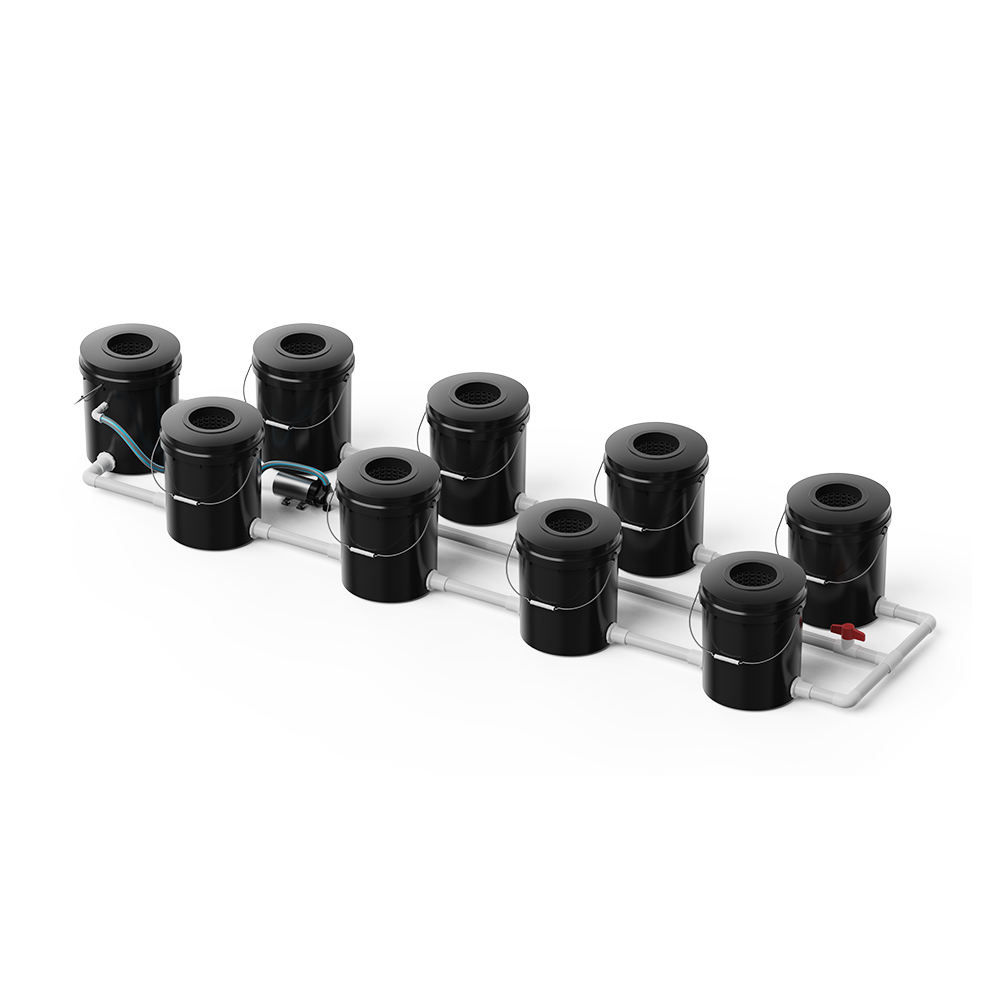
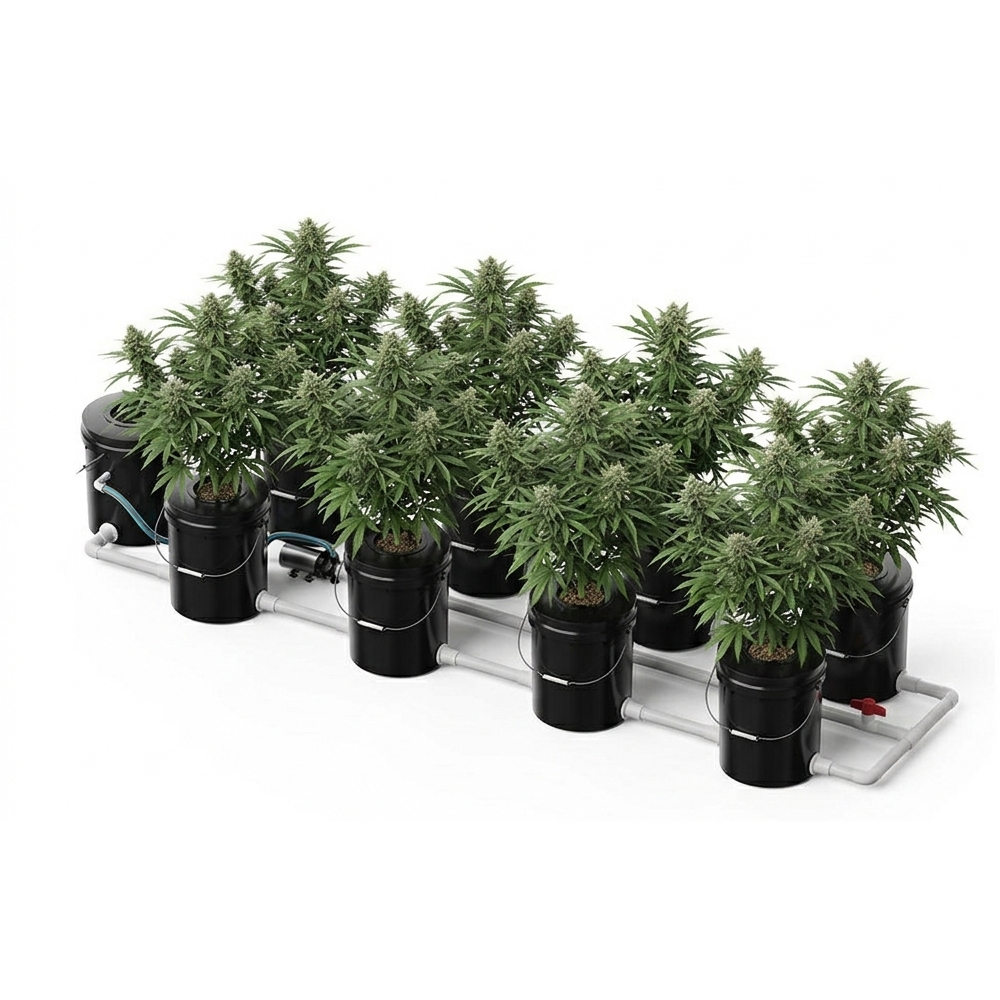
Dutch Bucket System
Pros: Excellent for large plants, easy maintenance
Cons: More expensive, requires drainage setup
Setup: 2+ gallon buckets, reservoir, drip irrigation, drain lines -
Pros: Automated, scalable
Cons: Pump failure risk, complex setup
Setup: Flood tray, reservoir, submersible pump, timer -
Versatile and scalable. Nutrient solution is dripped onto the base of each plant via emitters. Can use various media (coco coir, perlite, clay pebbles). Requires a pump, timer, reservoir, and tubing.
-
A thin film of nutrient solution constantly flows over the bare roots in a sloped channel. Efficient but less forgiving of pump failures or root clogs. Better suited for smaller, faster-growing plants than large peppers, but possible with careful management.
II. Essential Equipment
| Component | Recommendation | Notes |
|---|---|---|
| Lighting | Full-spectrum LED (600-800 PPFD) | 14-16 hrs/day; 12-18" above canopy |
| Nutrients | 3-part hydroponic (e.g., General Hydro, FloraSeries) | EC 2.0-3.0; pH 5.5-6.5 |
| Grow Tent | 4'x4' min. for 4 plants | Reflective interior; 6-7' height |
| Climate Control | Exhaust fan + oscillating fan | Day: 75-85°F (24-29°C); Night: 65-70°F (18-21°C) |
| Support | Tomato cages or trellis | Heavy fruits require support |
III. Step-by-Step Setup
-
Seed Starting (4-6 weeks before transplant):
-
Use rockwool cubes soaked in pH 5.5 water
-
Plant seeds ¼" deep
-
Maintain 80°F (27°C) under dome until germination
-
Reduce to 75°F (24°C) after sprouting
-
-
System Preparation:
-
Sterilize all equipment (H₂O₂ solution)
-
Fill reservoir with pH-balanced water (5.8-6.0)
-
Add nutrients at 50% strength for seedlings
-
Calibrate pH/EC meters
-
-
Transplanting:
-
Transfer seedlings to net pots when roots emerge
-
Surround with clay pebbles
-
Ensure roots reach nutrient solution (DWC) or irrigation (Dutch Bucket)
-
IV. Nutrient Management
-
Key Ratios: Higher K (potassium) during fruiting, balanced N-P-K in veg stage
-
EC/PPM Guide:
-
Seedlings: 0.8-1.2 EC (400-600 ppm)
-
Vegetative: 1.8-2.2 EC (900-1100 ppm)
-
Flowering/Fruiting: 2.2-3.0 EC (1100-1500 ppm)
-
-
Critical Supplements:
-
Cal-Mag (3-5ml/gal) - Prevents blossom end rot
-
Silica (1-2ml/gal) - Strengthens cell walls
-
-
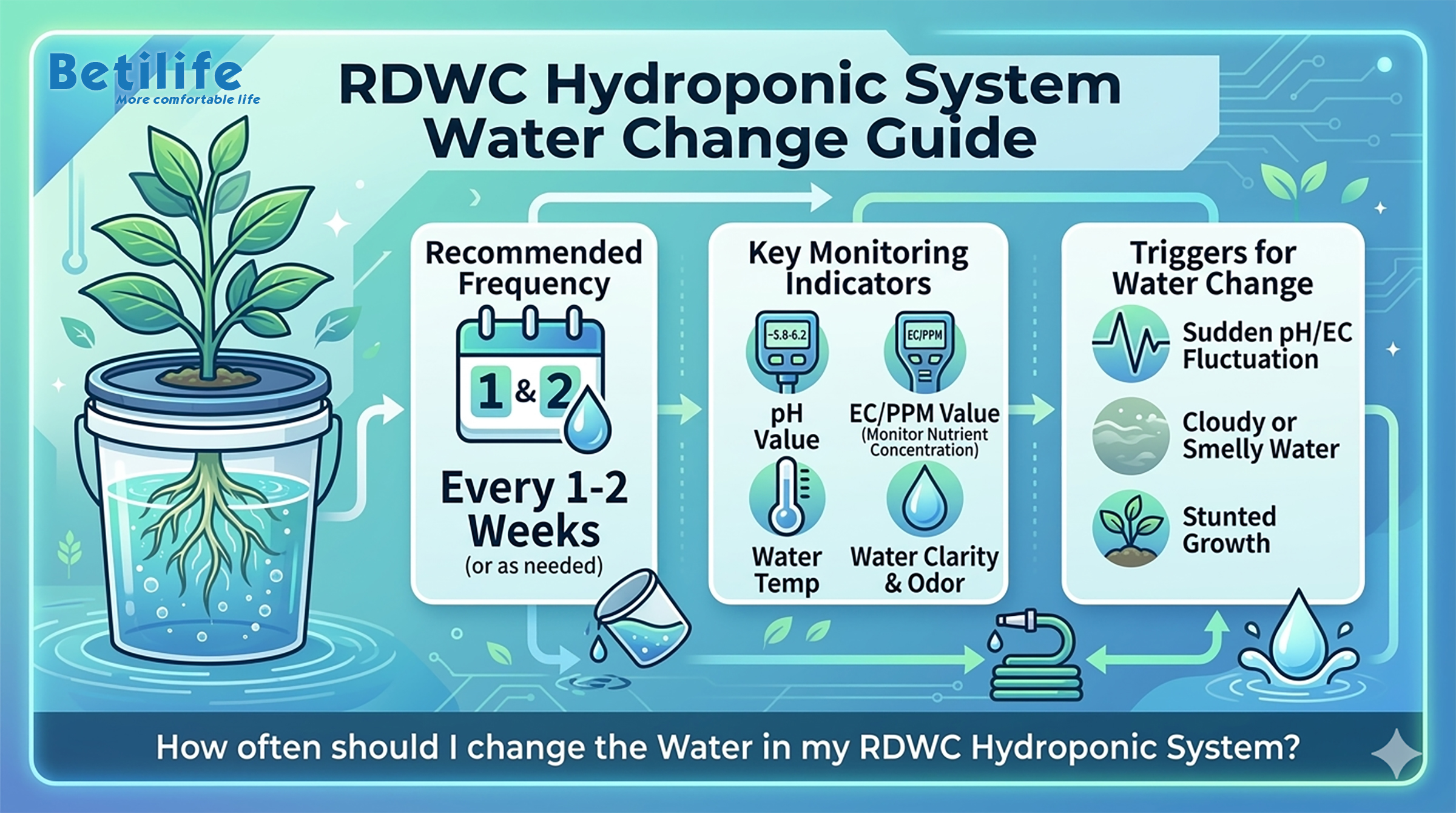
Maintenance: Change reservoir weekly; top off with pH water daily
V. Plant Care
-
Pruning:
-
Pinch early flowers until plant is 12" tall
-
Remove suckers below first fork
-
Trim inward-facing leaves for airflow
-
-
Pollination:
-
Gently shake plants daily during flowering
-
Use soft brush to transfer pollen
-
-
Pest Prevention:
-
Neem oil spray (preventative)
-
Yellow sticky traps
-
Maintain 40-60% humidity
-
VI. Harvesting
-
Timeline: 90-120 days from seed
-
Signs of Ripeness:
-
Deep color (green → red/yellow/orange)
-
Firm, glossy skin
-
Easily snaps from stem
-
-
Tip: Use sterilized pruners; leave ½" stem attached
VII. Troubleshooting
| Issue | Likely Cause | Solution |
|---|---|---|
| Blossom Drop | Low Ca/Mg, high heat | Add Cal-Mag; lower temps <85°F |
| Leaf Curl | Overwatering, root rot | Increase aeration; check roots |
| Yellow Leaves | N deficiency, pH imbalance | Adjust pH; increase N nutrients |
| Slow Growth | Low light, cold temps | Increase PPFD; maintain >75°F |
Pro Tips
-
Variety Selection: Choose compact types like 'California Wonder' or 'Red Knight' for indoors
-
Root Zone Temp: Maintain 68-72°F (20-22°C) with aquarium heater if needed
-
CO2 Boost: Supplement with exhale bags if ventilation is limited
-
Succession Planting: Start new seeds every 8 weeks for continuous harvest
Expected Yield: 6-12 peppers per plant per cycle under optimal conditions
Bell peppers thrive with consistency - maintain stable pH, light, and temps. Invest in a quality EC/pH meter ($50-100 range). Expect 3-4 month commitment from seed to harvest, but homegrown hydroponic peppers offer unmatched flavor and satisfaction! 🌶️
Click to read: Best Hydroponic Pepper Varieties
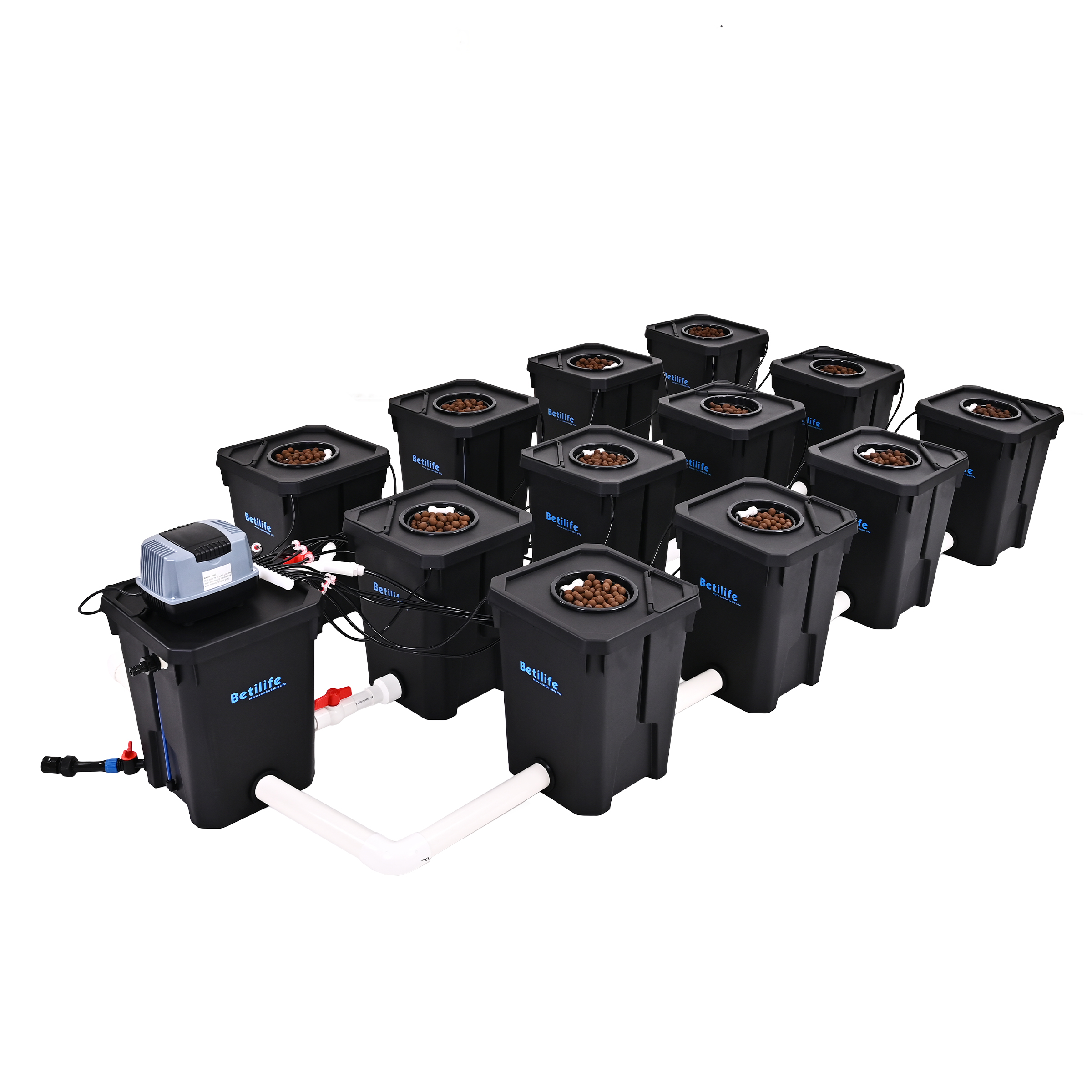
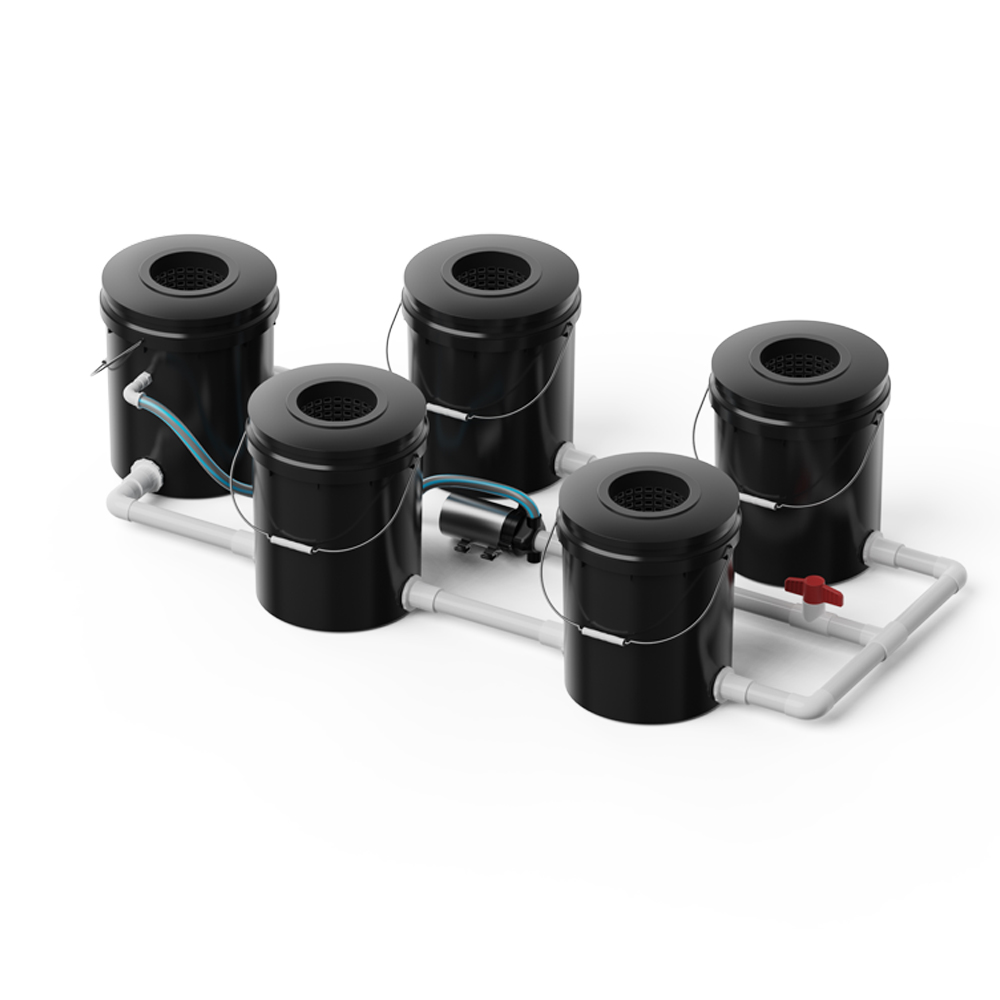
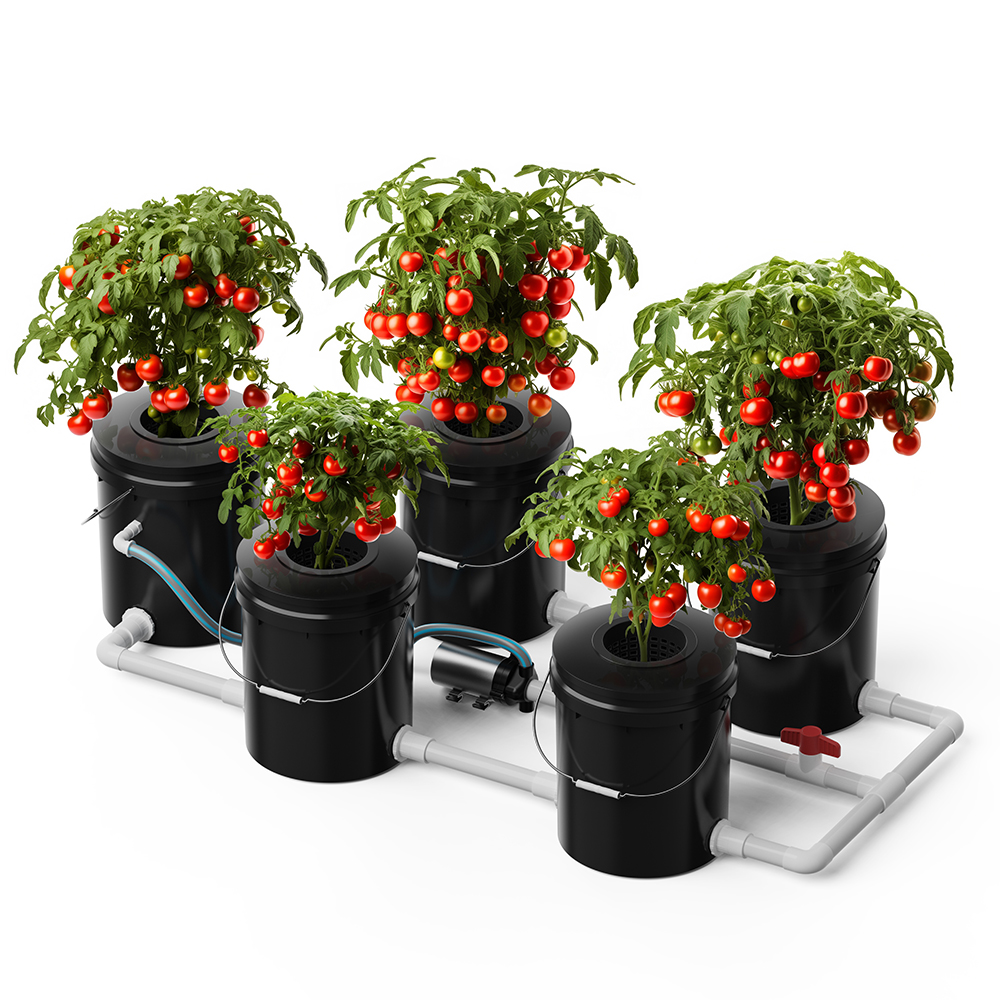
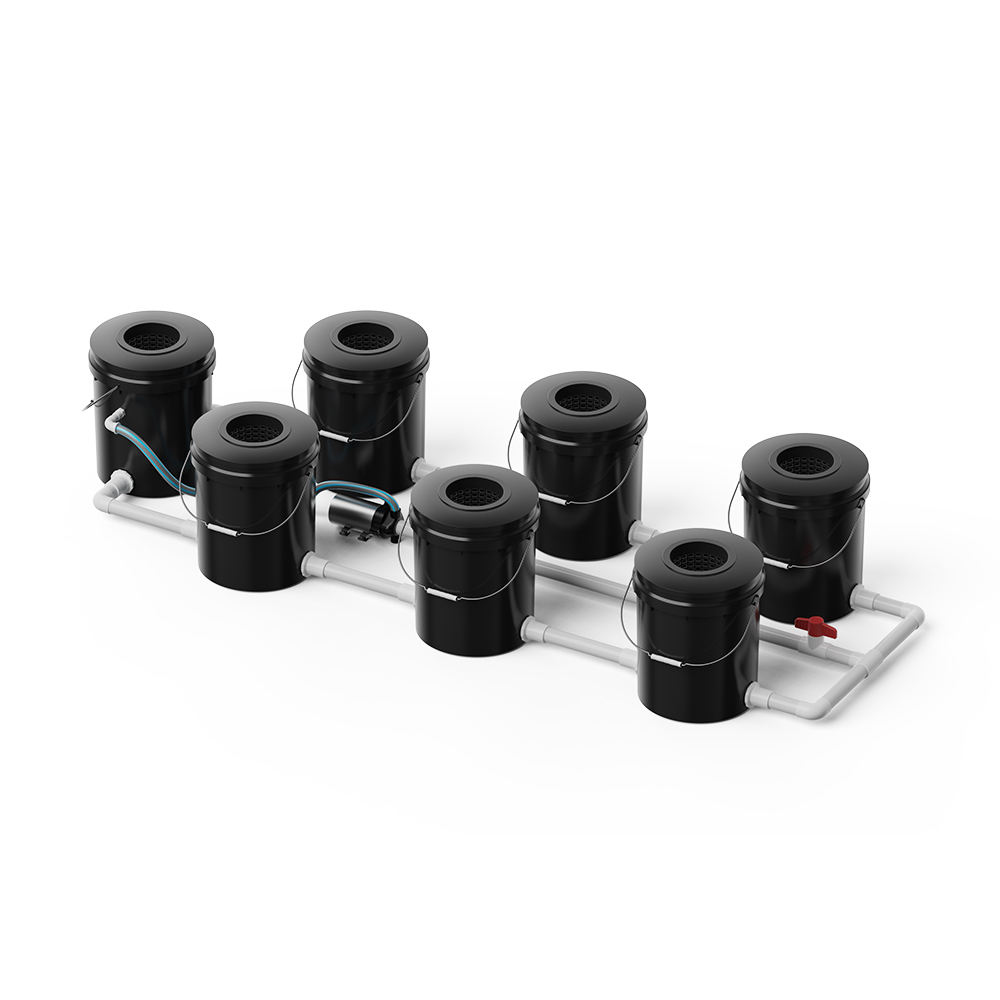
BetiLife™ Hydroponic Pepper Systems offer a variety of hydroponics techniques, including Deep Water Culture (DWC), Nutrient Film Technique (NFT), each with its own set of advantages, ranging from beginner-friendly to easy-to-use. Pepper hydroponics system automation controls lighting and water circulation, making it easy to grow peppers without the need for daily care.
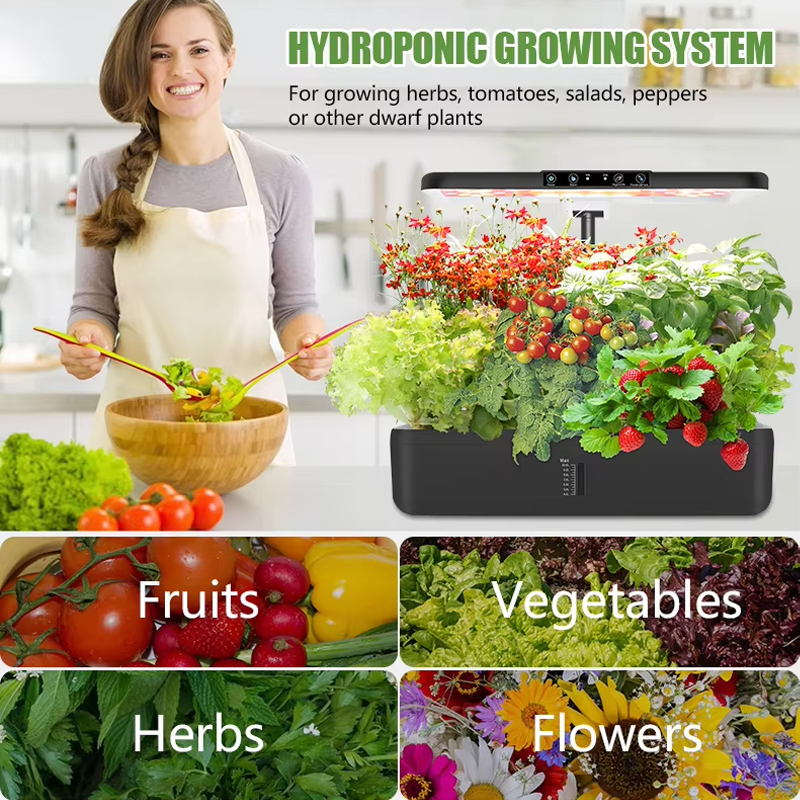
66 Pods Hydroponic Grow System Kits Smart Germination Vertical Garden
If you need to grow vegetable hydroponically indoors or outdoors at home, you can choose BetiLife™ Hydroponics Growing System:
Related FAQs
How Much Does A Hydroponic Bell Pepper Yield Per Plant?
A hydroponic bell pepper plant can yield significantly more than a soil-grown plant, with typical yields ranging from 30 to 40 kg (approximately 66 to 88 lbs) per plant. In contrast, a soil-grown bell pepper plant usually produces between 2 to 4 kg (approximately 4.4 to 8.8 lbs). Factors like pepper variety, nutrient levels, and the specific hydroponic system used can influence the final yield.
How Long Does It Take for Peppers to Grow in Hydroponics?
Hydroponic pepper plants generally take 11-15 weeks to complete their growth cycle, from germination to harvest. This includes the time for germination (7-14 days), vegetative growth, flowering, and fruiting. Early maturing varieties may mature in 70-90 days, while later maturing ones can take 110-120 days.
When and How to Prune Hydroponic Bell Pepper Plants?
Pruning hydroponic bell pepper plants involves strategically removing growth points to encourage bushier growth, better air circulation, and increased yields. It's generally done when the plant is at least 6 inches tall and producing flowers or has reached sexual maturity. Pruning is crucial in hydroponics to optimize light and airflow, especially for plants in enclosed spaces.