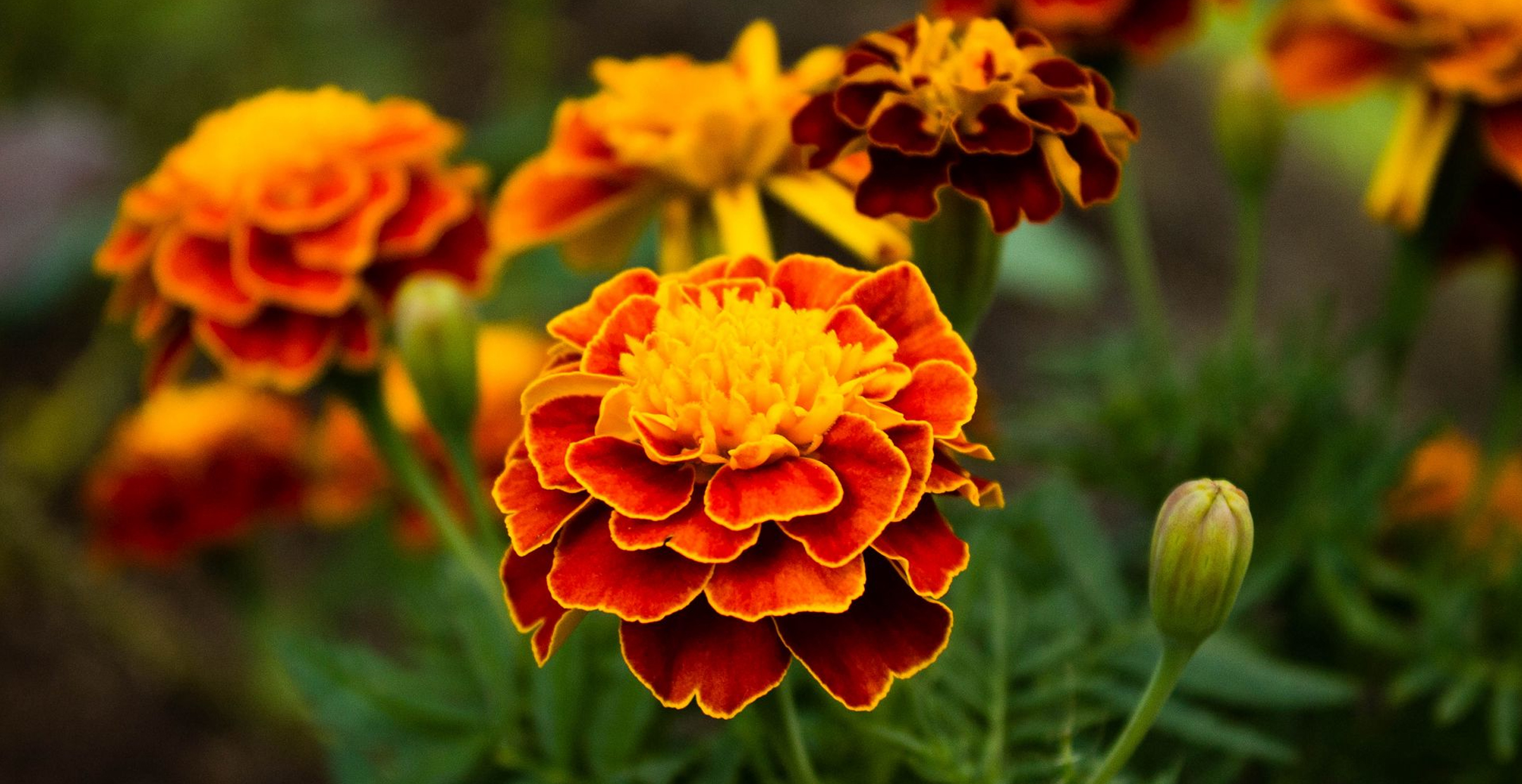
What are the best flowers for hydroponics? Marigolds, Orchids, Roses, Gerbera Daisies, and Peace Lilies are excellent indoor hydroponic flower choices for beginners. They thrive in hydroponic systems, have bright flowers, and are relatively easy to care for. Also good choices are snapdragons, lavender, and sunflowers, although snapdragons may take longer to bloom.
What Is A Hydroponic Flower?
A Hydroponic Flower is a flower grown hydroponically using a combination of hydroponic systems and kits. Hydroponics is a soilless culture method where plants are grown in a nutrient-rich water solution.
Here's a detailed breakdown:
Key Components of Hydroponic Flower Cultivation:
-
Nutrient Solution
-
Flowers receive essential minerals (nitrogen, phosphorus, potassium, etc.) directly through water, allowing precise control over their diet.
-
pH levels are typically maintained between 5.5–6.5 to optimize nutrient uptake.
-
-
Growing Systems
-
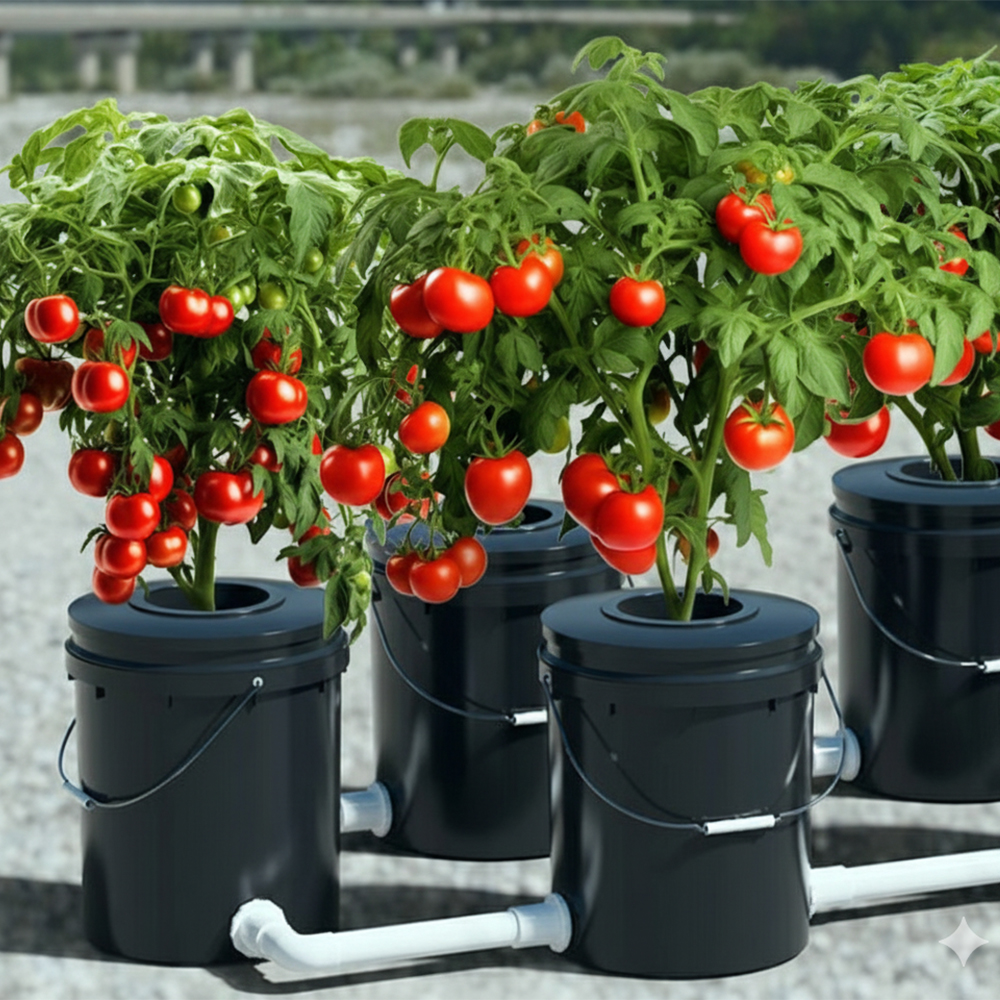
Deep Water Culture (DWC): Roots are submerged in oxygenated nutrient water.
-
Nutrient Film Technique (NFT): A thin film of nutrient solution flows over roots.
-
Aeroponics: Roots are misted with nutrients in an air environment.
-
Ebb and Flow: Periodically floods and drains the root zone.
-
-
Growing Mediums
-
Inert substrates like perlite, rockwool, clay pellets, or coconut coir support root structure without providing nutrients.
-
Benefits of Hydroponic Flowers
-
Faster Growth & Higher Yields: Direct nutrient access accelerates growth and can enhance bloom size and quantity.
-
Year-Round Cultivation: Indoor systems enable growth regardless of climate, using artificial lighting (e.g., LEDs).
-
Resource Efficiency: Uses up to 90% less water than soil farming due to recirculation.
-
Pest/Disease Reduction: Eliminates soil-borne pathogens and reduces pesticide use.
-
Space Optimization: Vertical systems maximize space, ideal for urban settings.
Common Hydroponic Flowers
-
Roses: Prized for consistent quality and longer vase life.
-
Orchids: Thrive in controlled humidity and nutrient conditions.
-
Lilies, Gerbera Daisies, Chrysanthemums: Popular in commercial floriculture.
-
Exotic Varieties: Rare flowers that struggle in regional soils can flourish hydroponically.
Challenges
-
Initial Costs: High setup expenses for equipment (pumps, lights, nutrients).
-
Technical Knowledge: Requires monitoring of pH, nutrients, and system functionality.
-
System Failures: Power outages or pump malfunctions can rapidly harm plants.
Getting Started
-
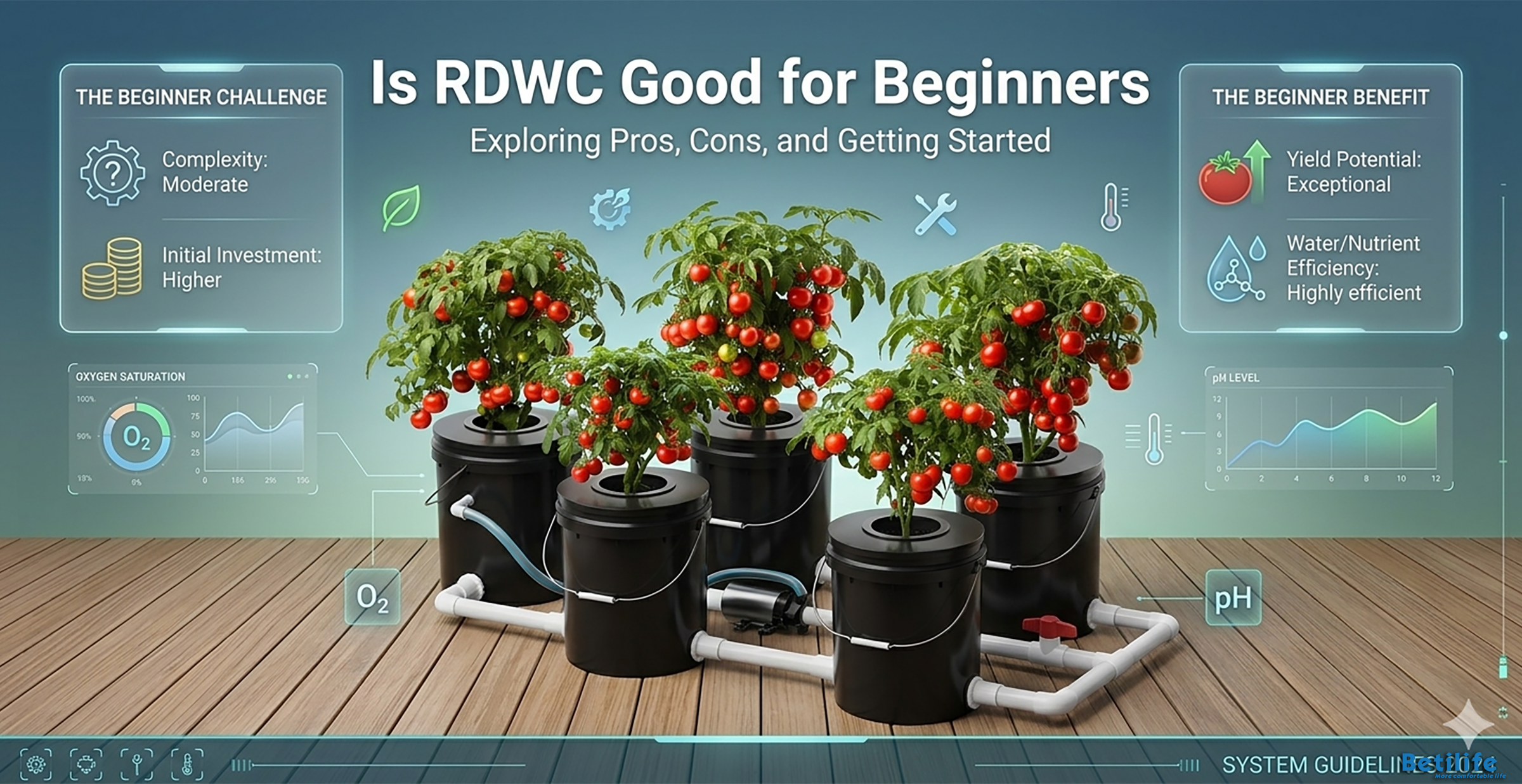
Choose a System: Start with DWC or NFT for simplicity.
-
Select Flowers: Begin with hardy varieties like marigolds or petunias.
-
Monitor Conditions: Use pH meters and EC (electrical conductivity) testers.
-
Provide Light: Ensure 12–16 hours of light daily via LEDs or natural light.
Examples & Applications
-
Commercial Use: Dutch flower auctions heavily utilize hydroponics for high-quality exports.
-
Urban Gardening: Compact systems allow home growers to cultivate blooms in apartments.
In essence, hydroponic flowers offer a modern, efficient alternative to traditional gardening, ideal for enthusiasts and commercial growers aiming for premium, sustainable blooms.
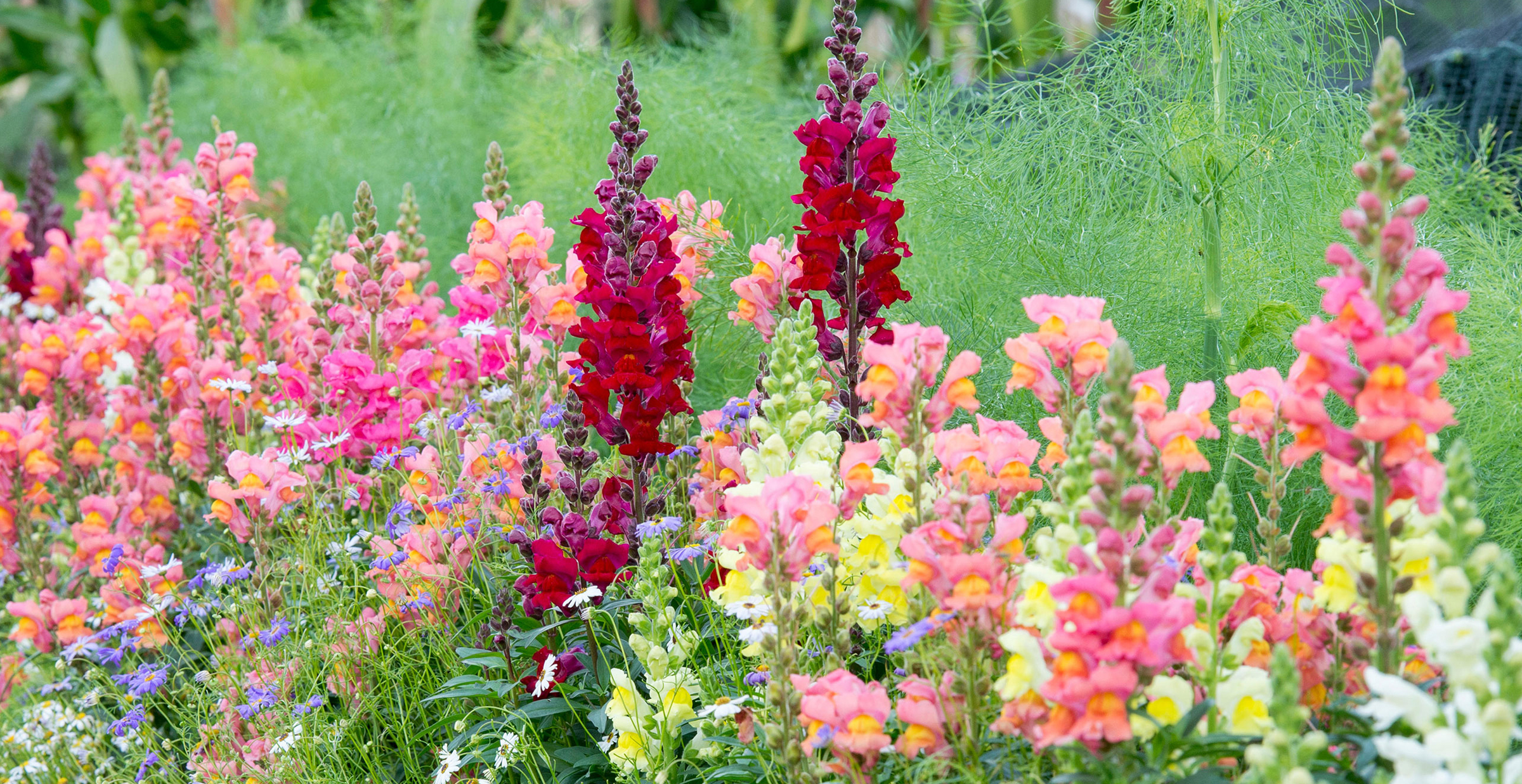
How to Grow Hydroponic Flowers?
Can you grow flowers hydroponically? Yes, you can. Hydroponic flower cultivation offers benefits like faster growth, controlled environments, and reduced pests.
Here's a structured approach to successfully grow flowers hydroponically:
1. Choosing a Hydroponic System
-
Deep Water Culture (DWC): Roots submerged in oxygenated nutrient solution; ideal for marigolds or sunflowers.
-
Nutrient Film Technique (NFT): Thin nutrient film flows over roots; suitable for roses or orchids.
-
Ebb and Flow: Periodic flooding/draining; versatile for gerbera daisies or tulips.
-
Aeroponics: Roots misted with nutrients; advanced method for orchids.
-
Media-Based Systems: Use clay pebbles or rockwool for support; good for orchids or cuttings.
2. Selecting Flowers
-
Easy for Beginners: Marigolds, gerbera daisies, sunflowers.
-
Intermediate/Advanced: Roses, orchids, tulips.
-
Considerations: Light, space, and nutrient needs vary. Research specific requirements.
3. Setup Essentials
-
Lighting: Full-spectrum LED lights (14-16 hours/day for most flowers). Adjust intensity for blooming stages.
-
Environment: Maintain 65-75°F; humidity 40-60%. Use fans for air circulation.
-
Medium: Inert options like rockwool, clay pellets, or coco coir for root support.
4. Nutrient Solution
-
Formula: Use hydroponic-specific nutrients. Higher phosphorus (P) and potassium (K) during flowering.
-
pH Levels: Maintain 5.5-6.5. Adjust with pH up/down solutions.
-
EC Levels: Monitor with an EC meter (1.2-2.4 mS/cm typically; varies by flower).
5. Propagation
-
Seeds: Start in rockwool cubes; transfer once germinated.
-
Cuttings: Use rooting hormone; place in system after root development.
6. Maintenance
-
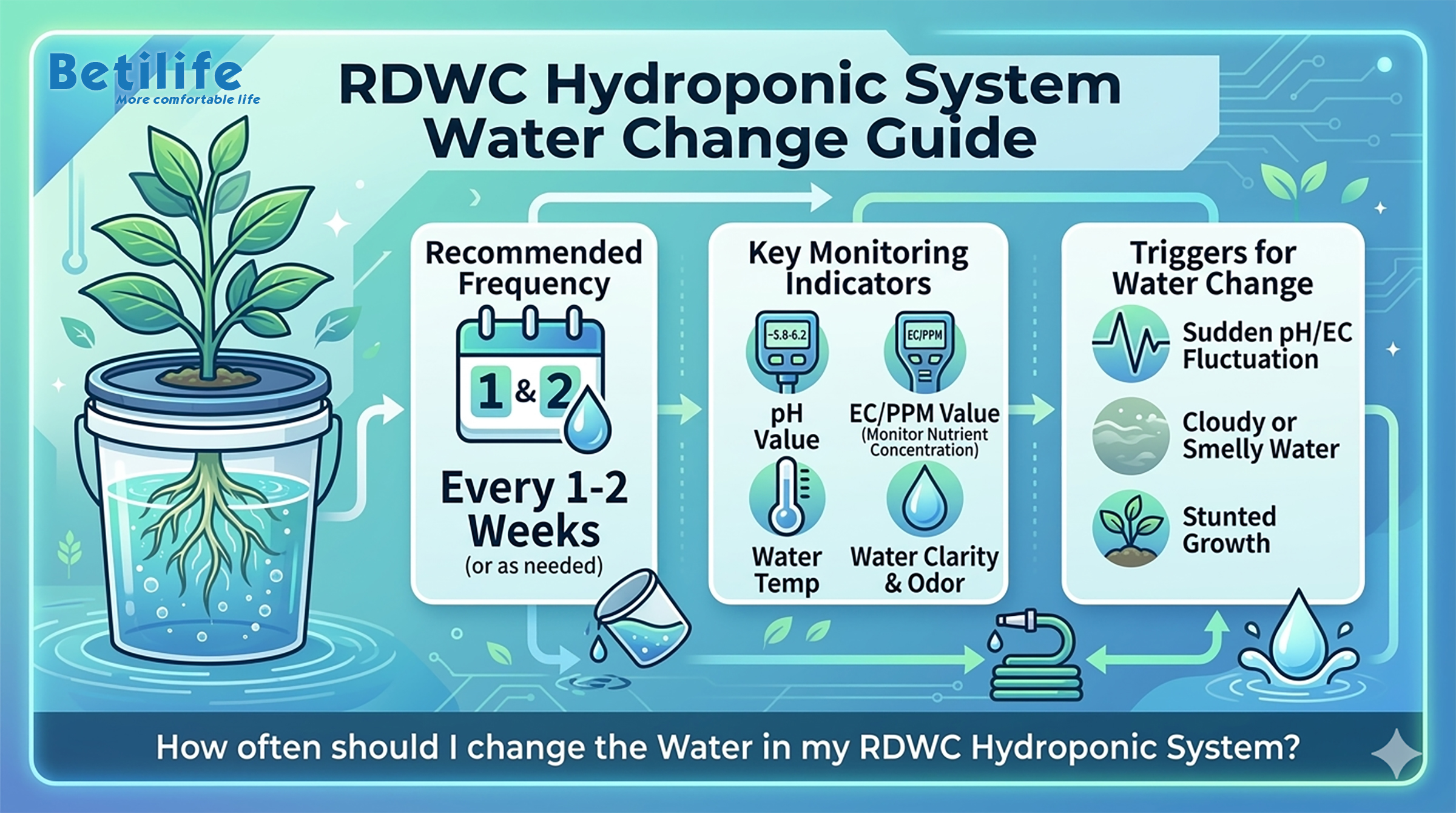
Nutrient Management: Refresh solution every 1-2 weeks; top up as needed.
-
Pruning: Remove dead leaves/flowers to encourage growth.
-
Pollination: Hand-pollinate indoors using a small brush.
7. Troubleshooting
-
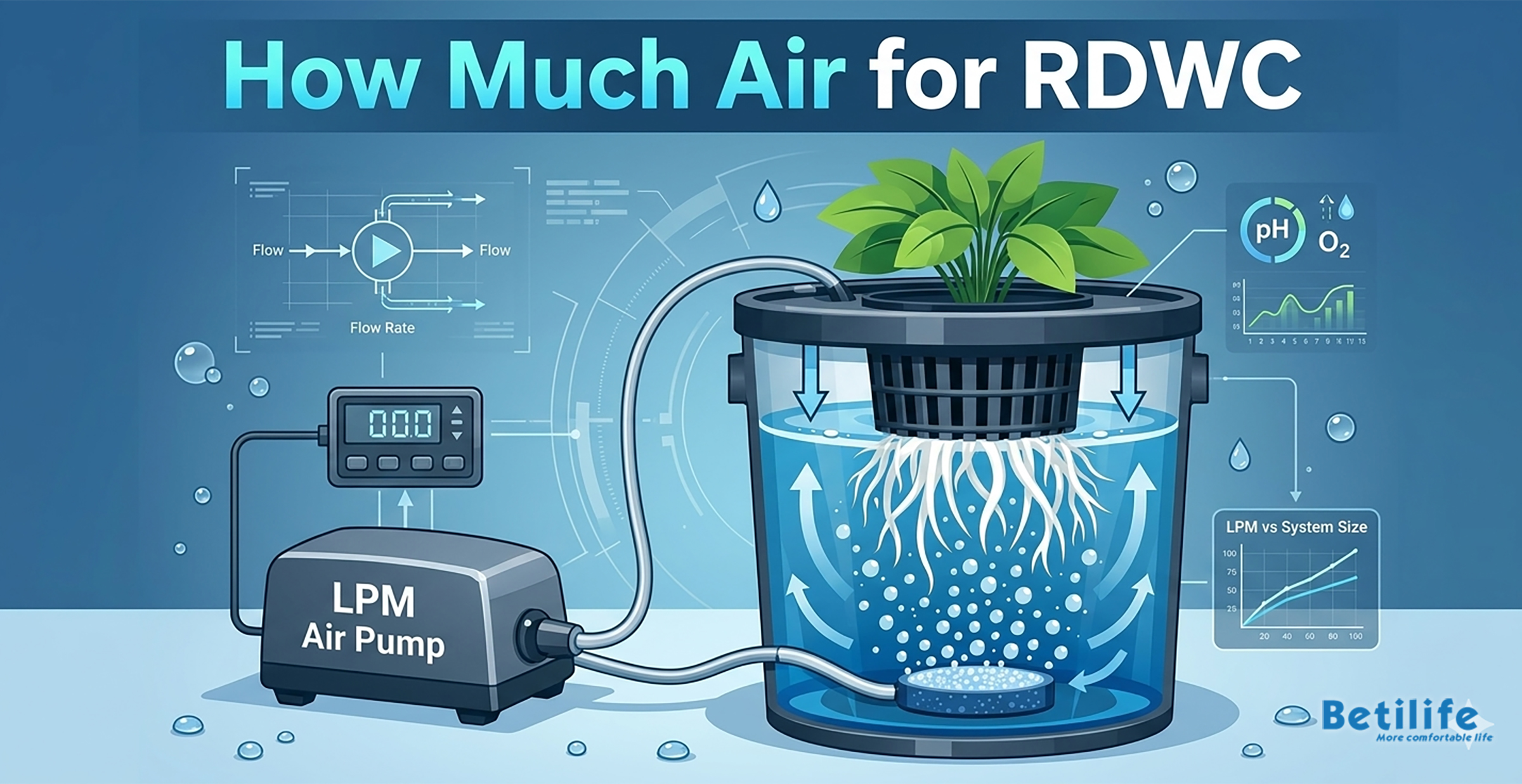
Root Rot: Ensure oxygenation (air stones) and avoid stagnant water.
-
Algae: Use opaque containers to block light.
-
Pests: Inspect regularly; treat with neem oil or insecticidal soap.
-
Nutrient Deficiencies: Yellow leaves (nitrogen), purple stems (phosphorus) – adjust solution accordingly.
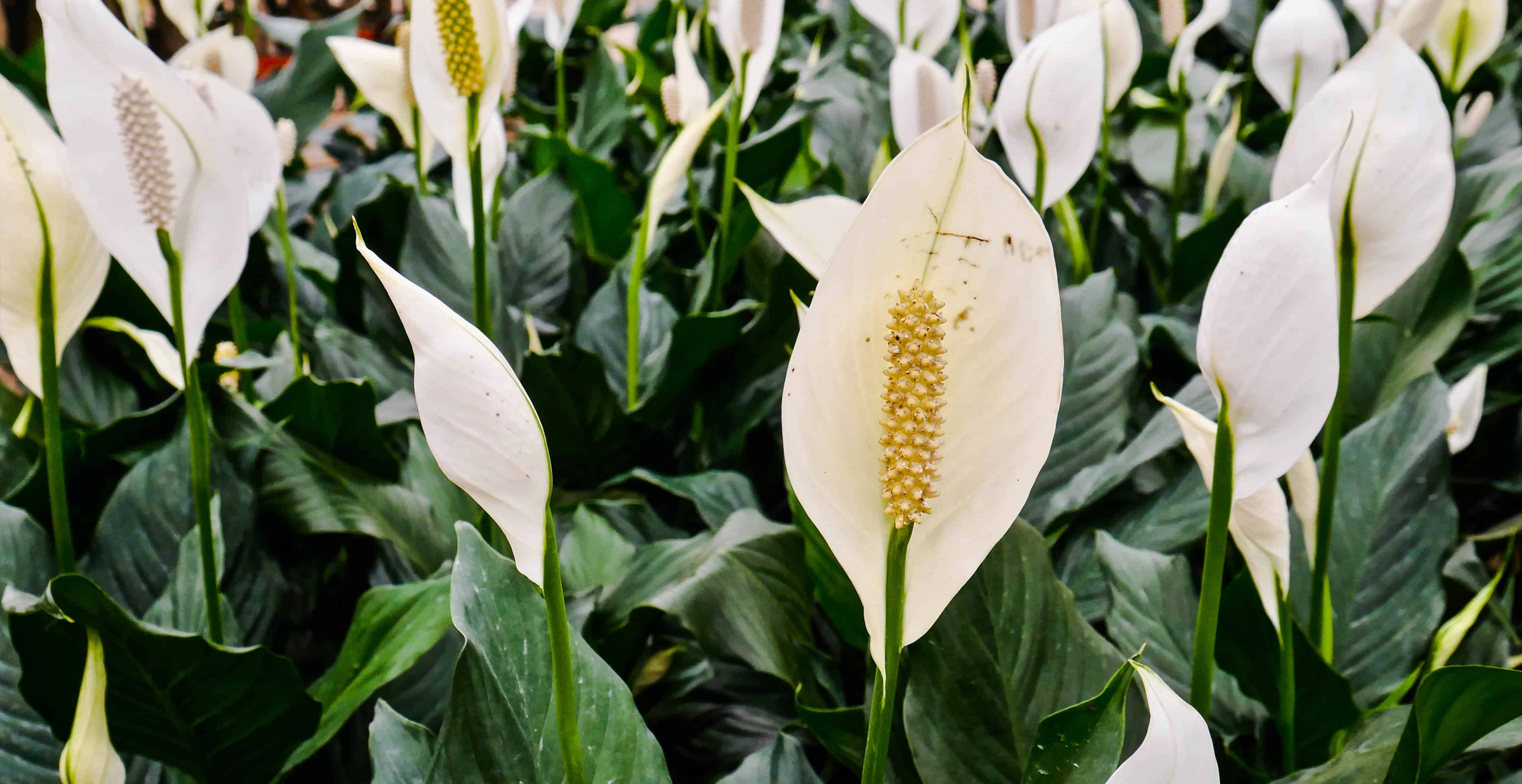
The Best Flowers For Hydroponics
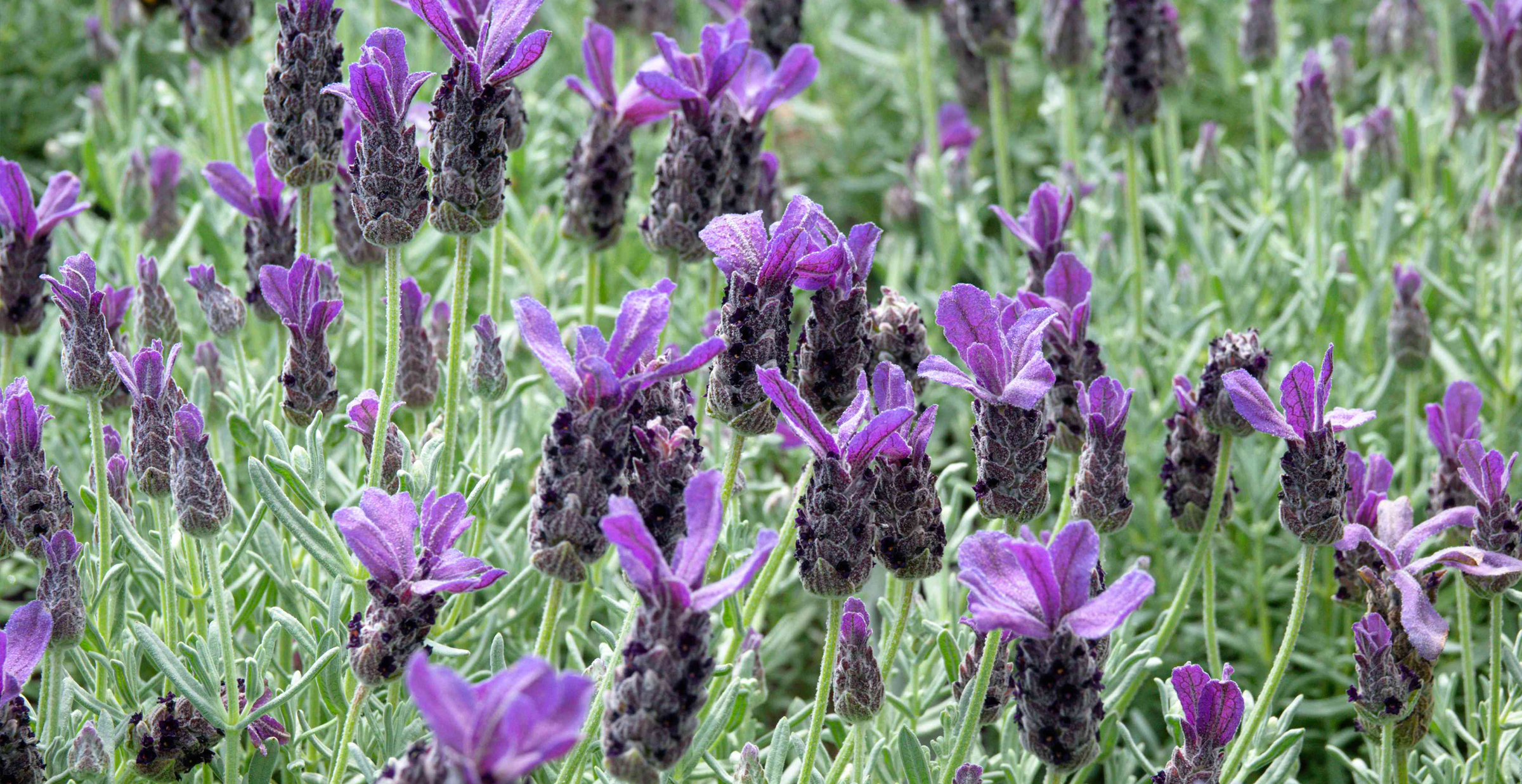
The best flowers for hydroponics are Orchids, Gerbera Daisies, Peace Lilies, Roses, Carnations, Marigolds, Snapdragons, Lavender, Begonias, and Chrysanthemums.
When selecting flowers for hydroponic cultivation, it's essential to consider their adaptability to soilless systems, nutrient requirements, and environmental preferences.
Here’s a curated list of flowers that thrive in hydroponic setups, along with their specific needs and optimal systems:
Best Flowers To Grow Hydroponically
1. Orchids
-
Why They Excel: Epiphytic nature with aerial roots adapts well to hydroponics.
-
System: Bark-based or semi-hydroponic systems (using LECA clay pellets).
-
Requirements: Slightly acidic pH (5.5–6.5), high humidity, and indirect light.
-
Popular Varieties: Phalaenopsis, Dendrobium.
2. Gerbera Daisies
-
Why They Excel: High demand for cut flowers; hydroponics enhances bloom size and longevity.
-
System: Deep Water Culture (DWC) or Nutrient Film Technique (NFT).
-
Requirements: pH 5.5–6.2, ample light (14–16 hours/day), and good airflow.
3. Peace Lilies
-
Why They Excel: Naturally thrive in water-rich environments.
-
System: Simple water culture or DWC.
-
Requirements: Low to moderate light, pH 5.8–6.5, and warm temperatures (18–29°C).
4. Roses
-
Why They Excel: Controlled nutrient delivery boosts bloom quality and yield.
-
System: DWC or drip systems.
-
Requirements: pH 5.5–6.5, high light intensity, and pruning for airflow.
5. Carnations
-
Why They Excel: Long vase life and prolific blooming in controlled settings.
-
System: NFT or drip systems.
-
Requirements: pH 6.0–6.5, cool temperatures (10–20°C at night), and moderate light.
6. Marigolds
-
Why They Excel: Hardy and pest-resistant; ideal for companion planting.
-
System: DWC or ebb-and-flow.
-
Requirements: pH 6.0–6.5, full-spectrum light, and warm conditions.
7. Snapdragons
-
Why They Excel: Vertical growth suits structured systems; vibrant colors.
-
System: NFT with trellising support.
-
Requirements: pH 5.5–6.2, cool temperatures (15–21°C), and strong light.
8. Lavender
-
Why They Excel: Possible with careful moisture control (prone to root rot).
-
System: Aeroponics or drip systems with minimal water retention.
-
Requirements: pH 6.0–7.0, full light, and excellent drainage.
9. Begonias
-
Why They Excel: Compact growth and varied colors.
-
System: Ebb-and-flow or drip systems.
-
Requirements: pH 5.5–6.5, indirect light, and moderate humidity.
10. Chrysanthemums
-
Why They Excel: High-yield cut flowers with precise nutrient control.
-
System: NFT or DWC.
-
Requirements: pH 6.0–6.7, long daylight hours for vegetative growth, then shorter for blooming.
Key Considerations
-
Nutrient Management: Use balanced, flower-specific solutions rich in potassium and phosphorus.
-
Environmental Control: Monitor temperature, humidity, and light cycles closely.
-
System Suitability: Match the plant’s root structure and moisture needs to the hydroponic method (e.g., aeroponics for lavender, NFT for snapdragons).
By tailoring the hydroponic system and environmental conditions to each flower’s needs, growers can achieve vibrant blooms and efficient production year-round.
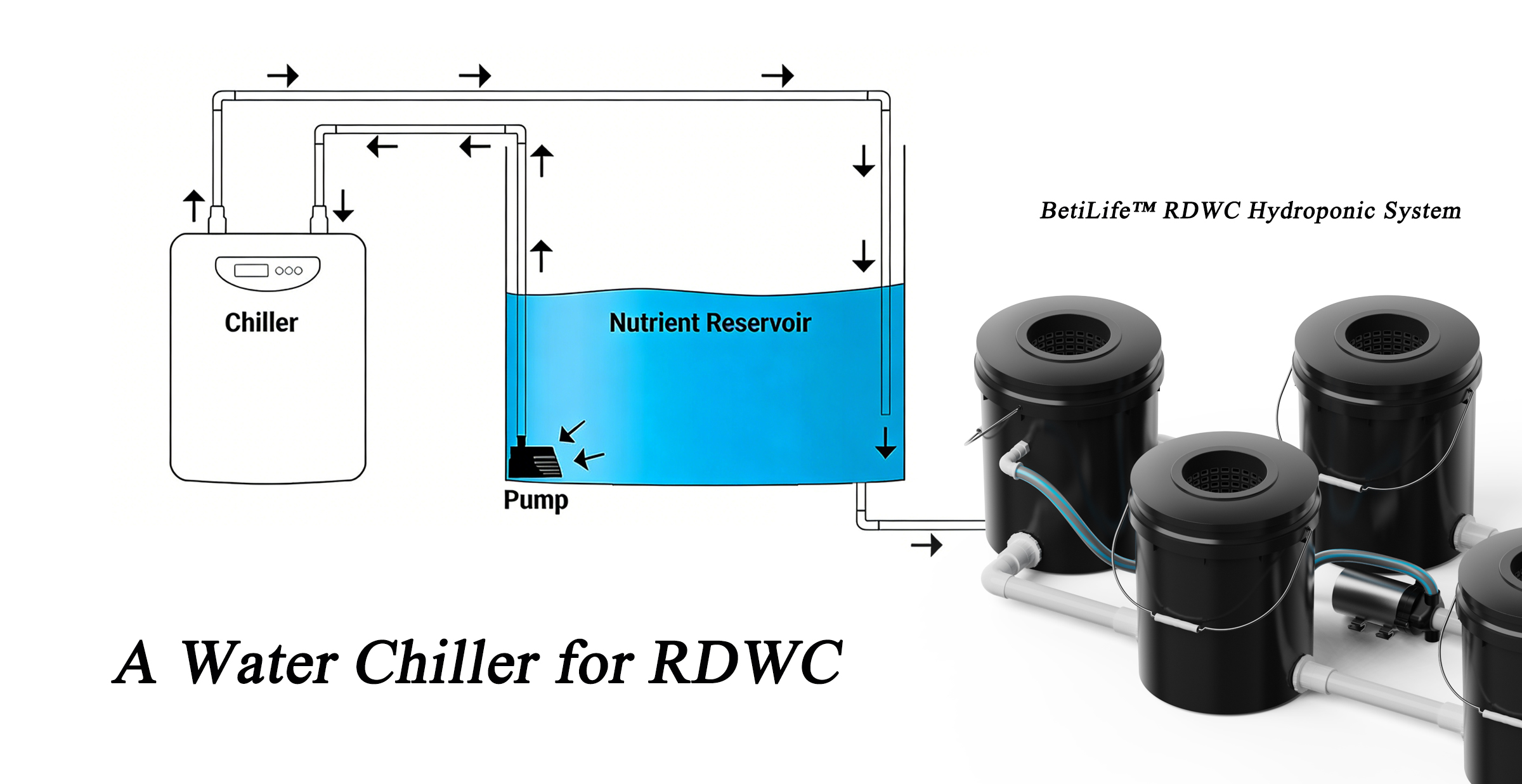
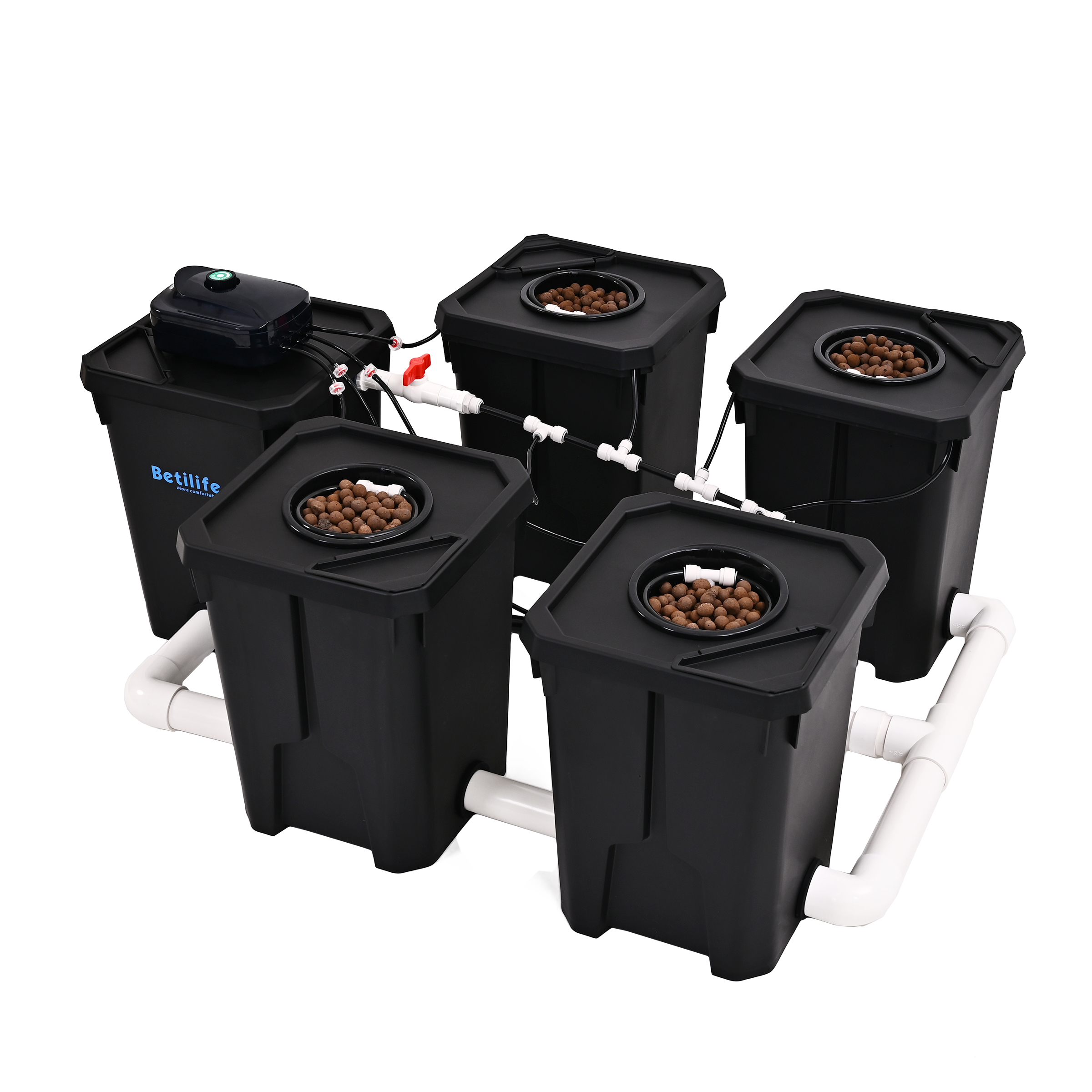
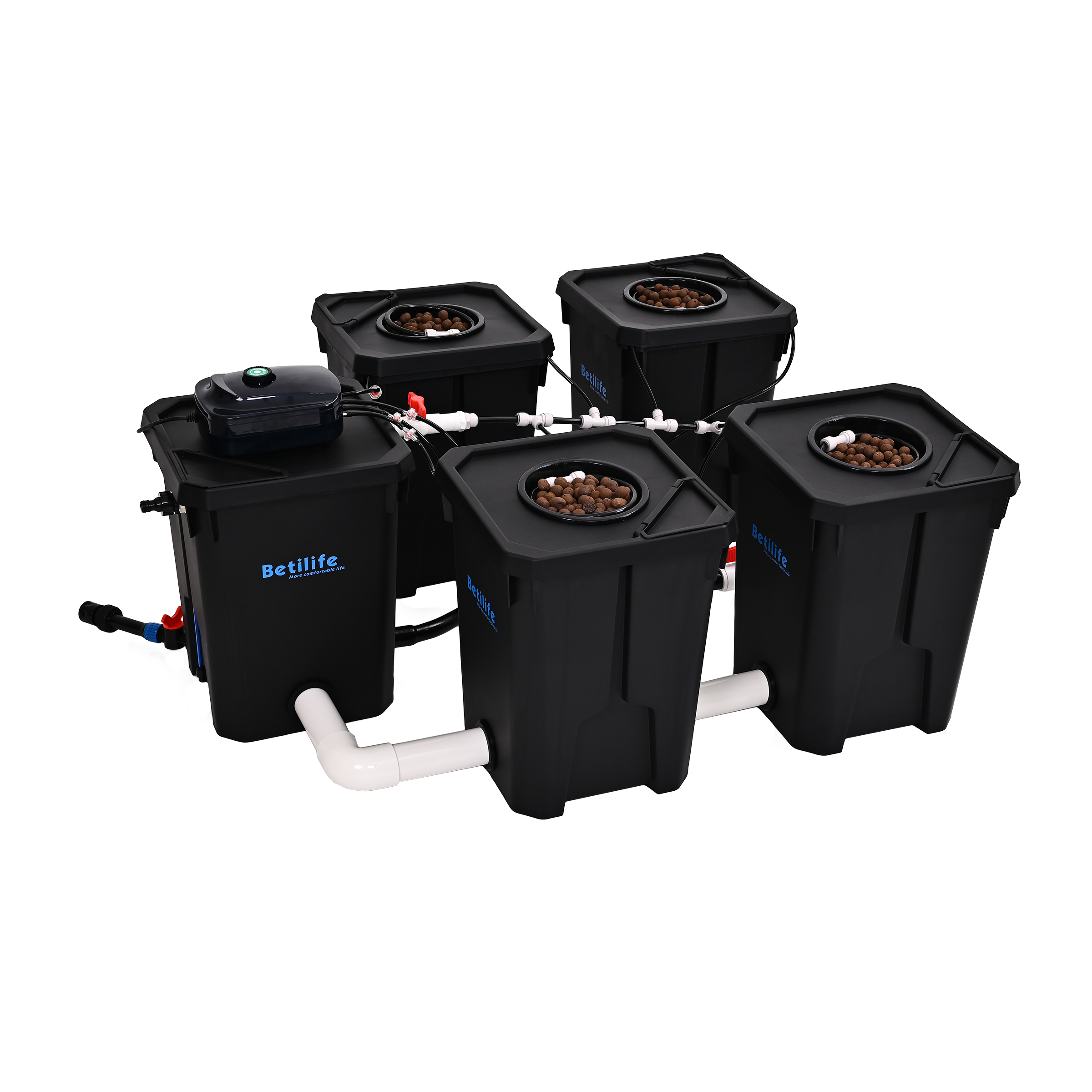
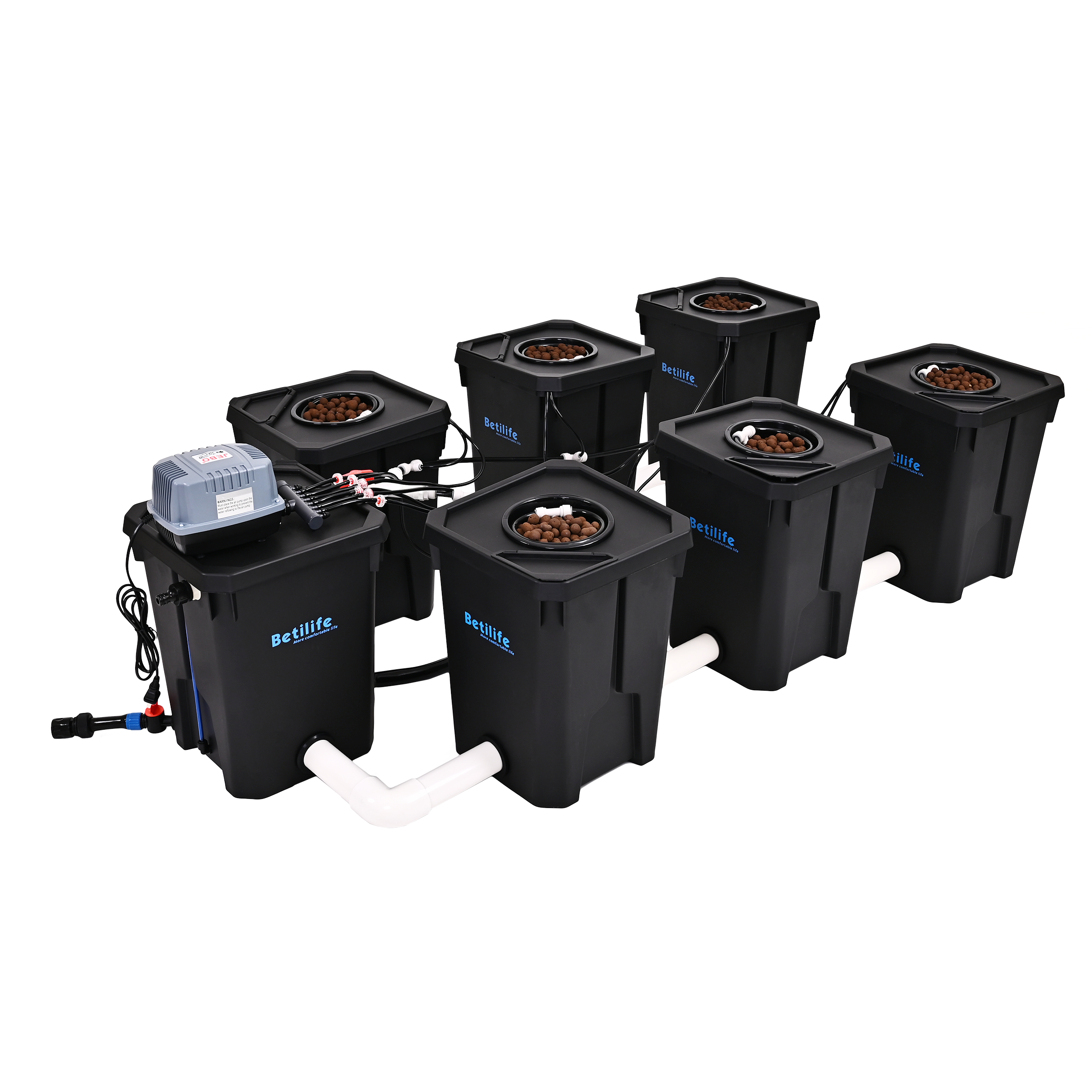
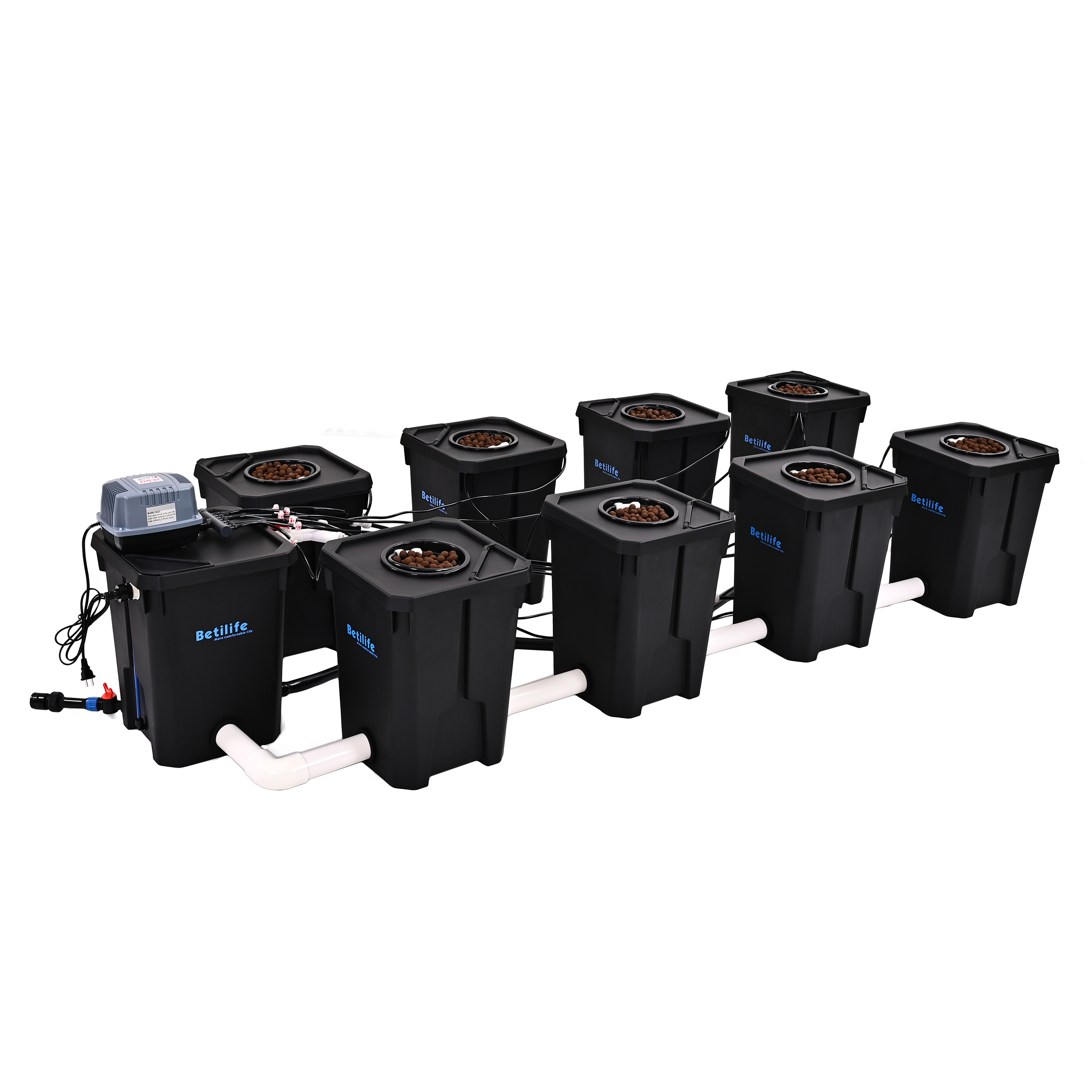
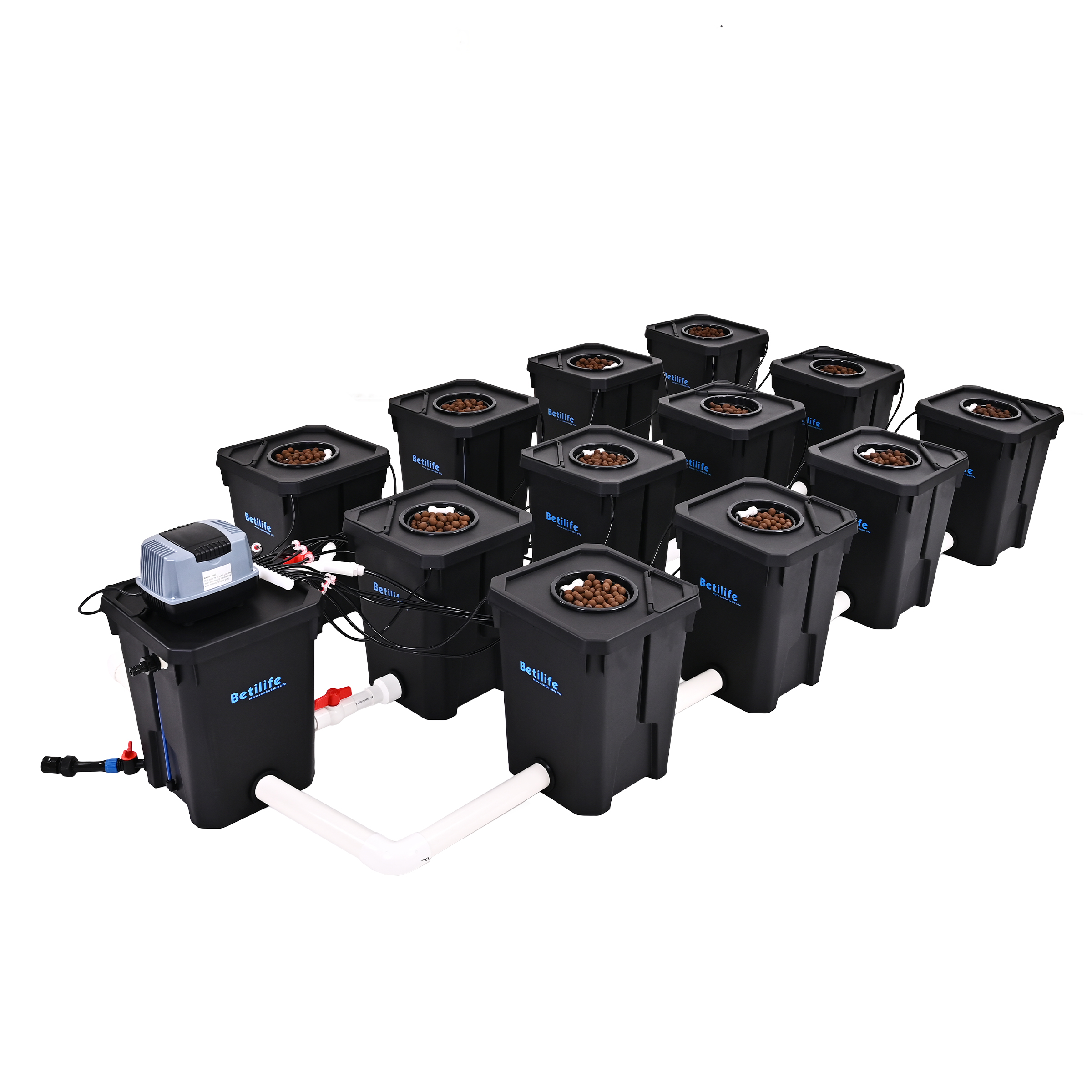
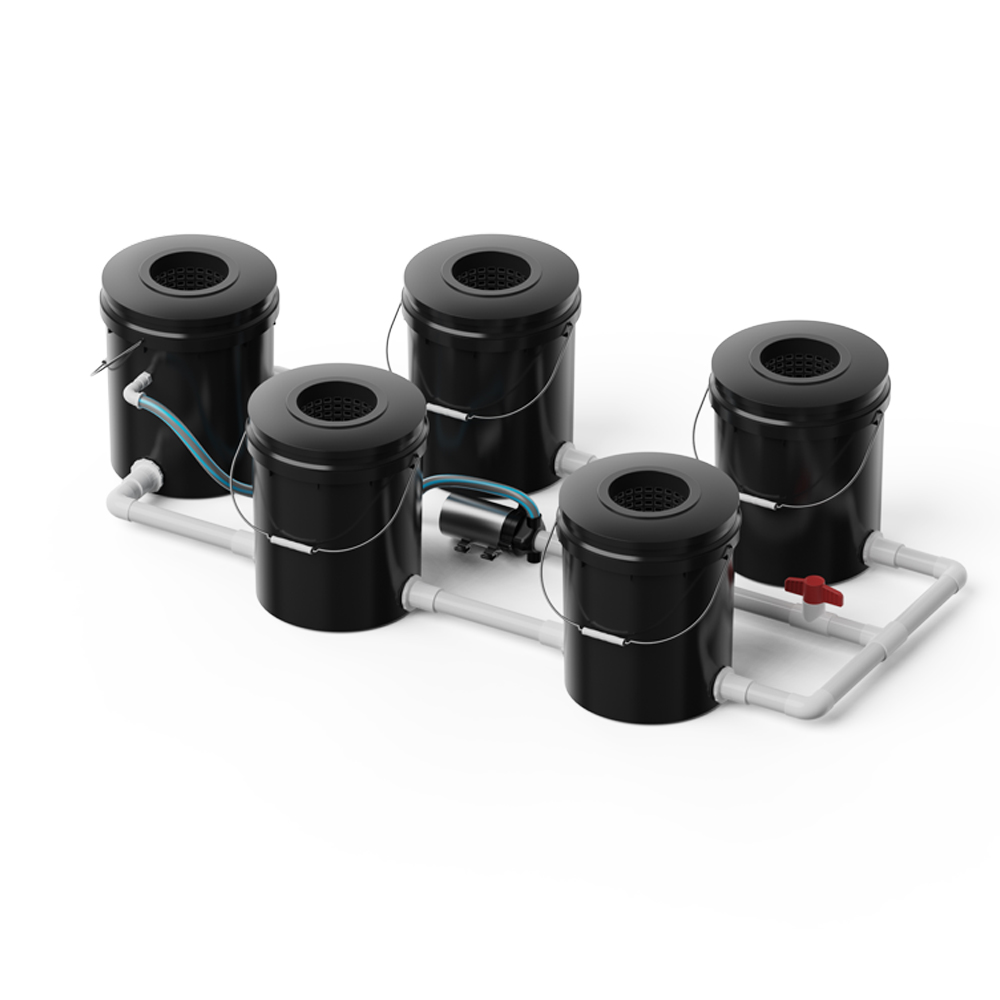
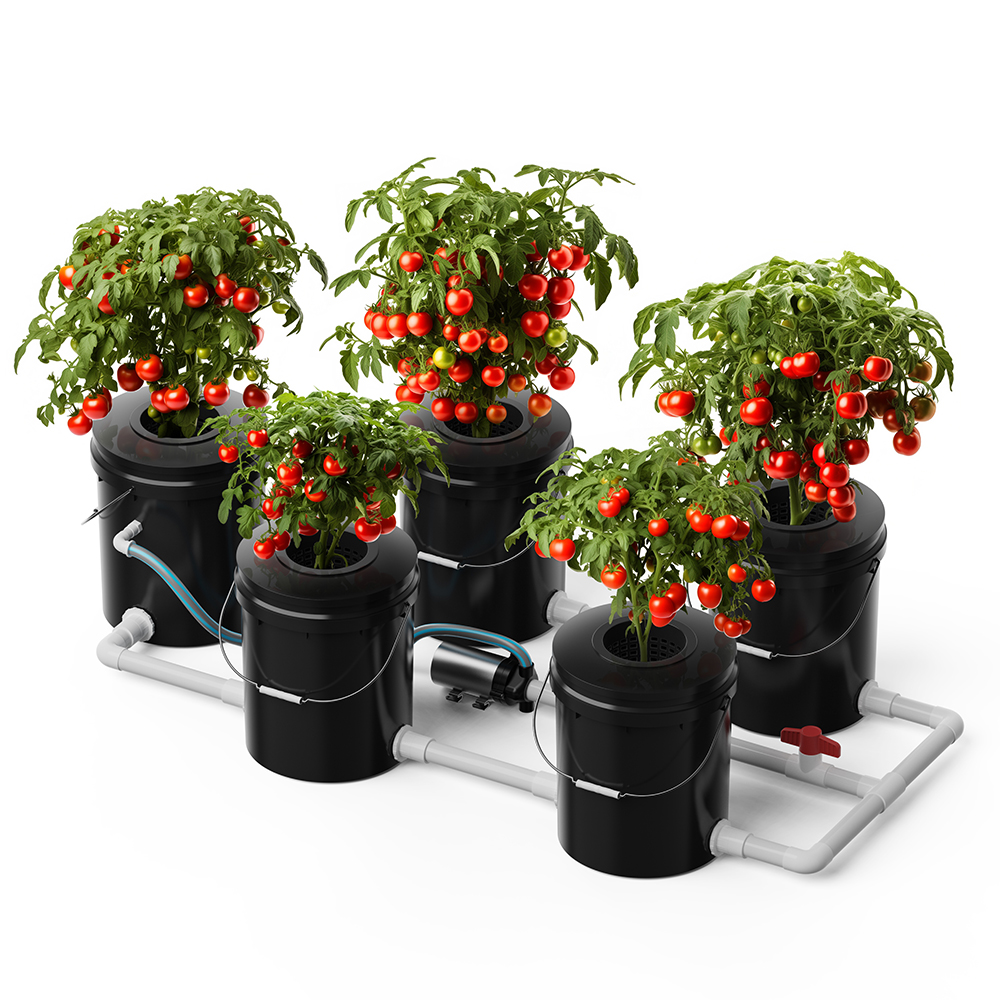
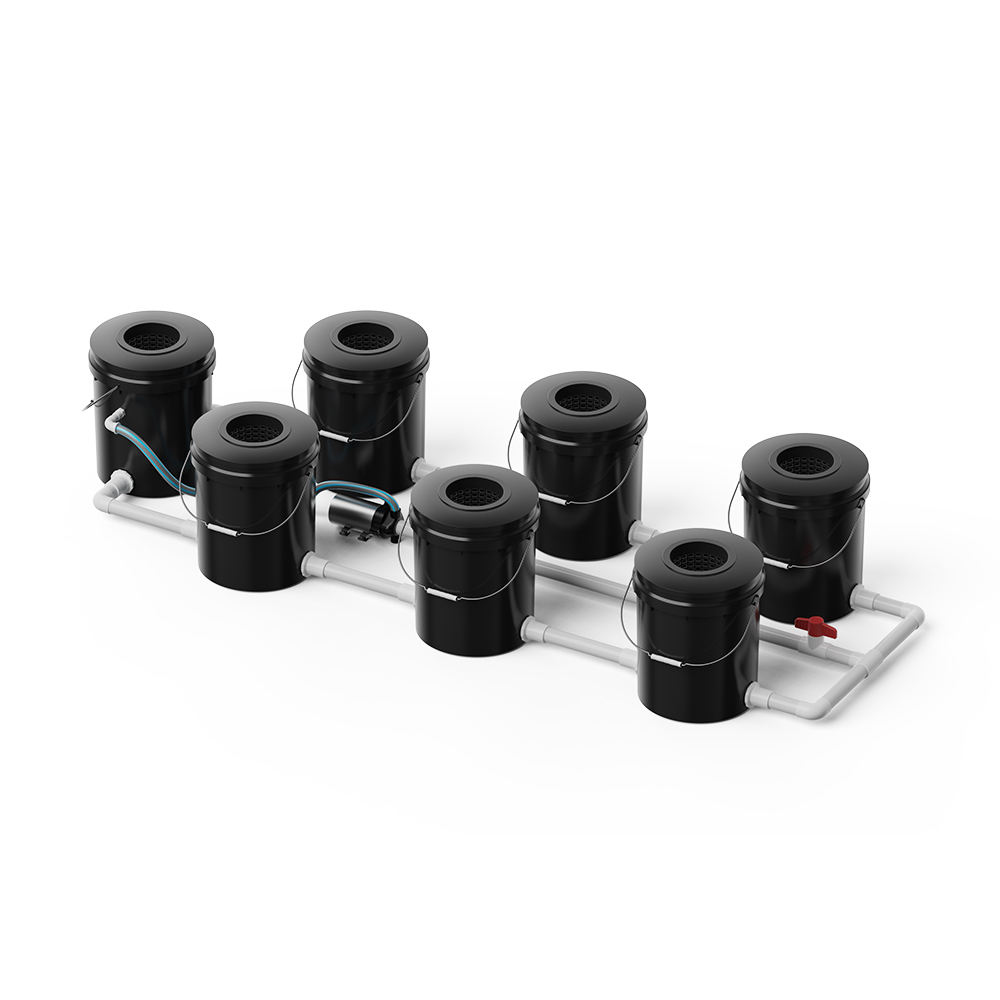
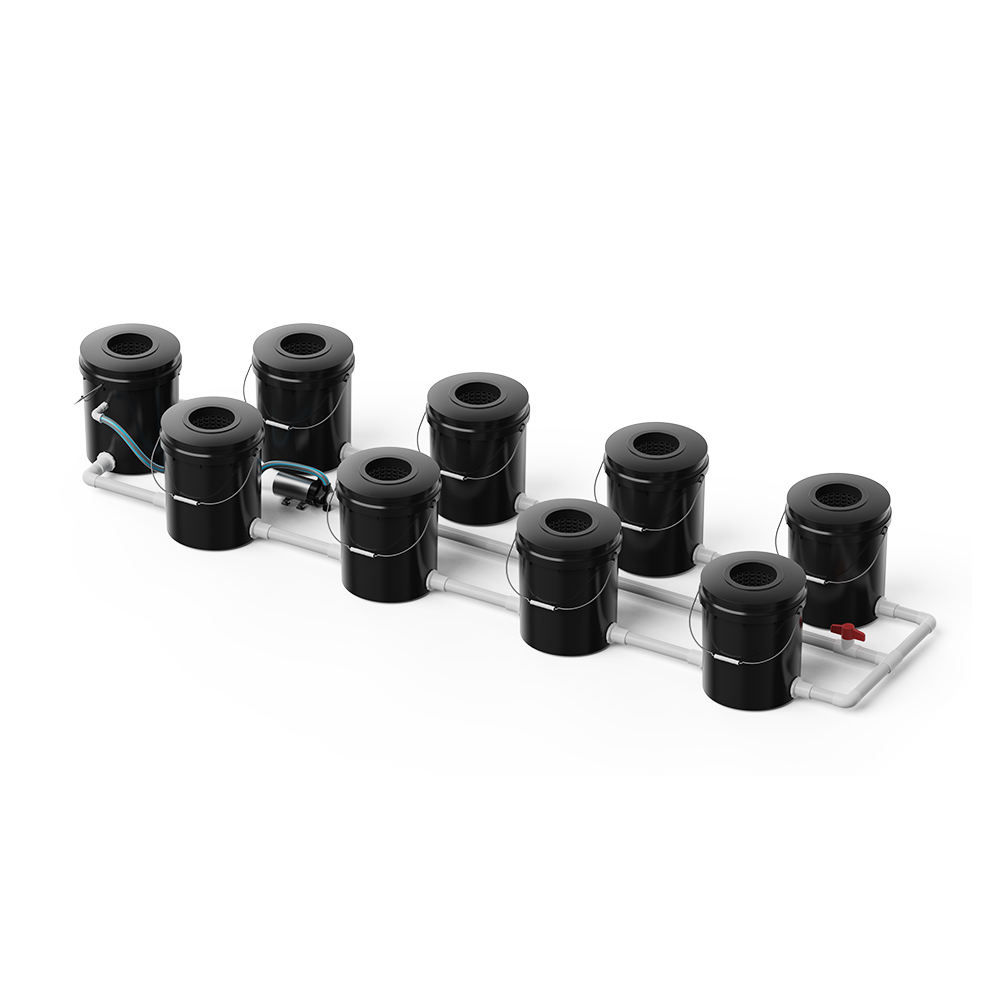
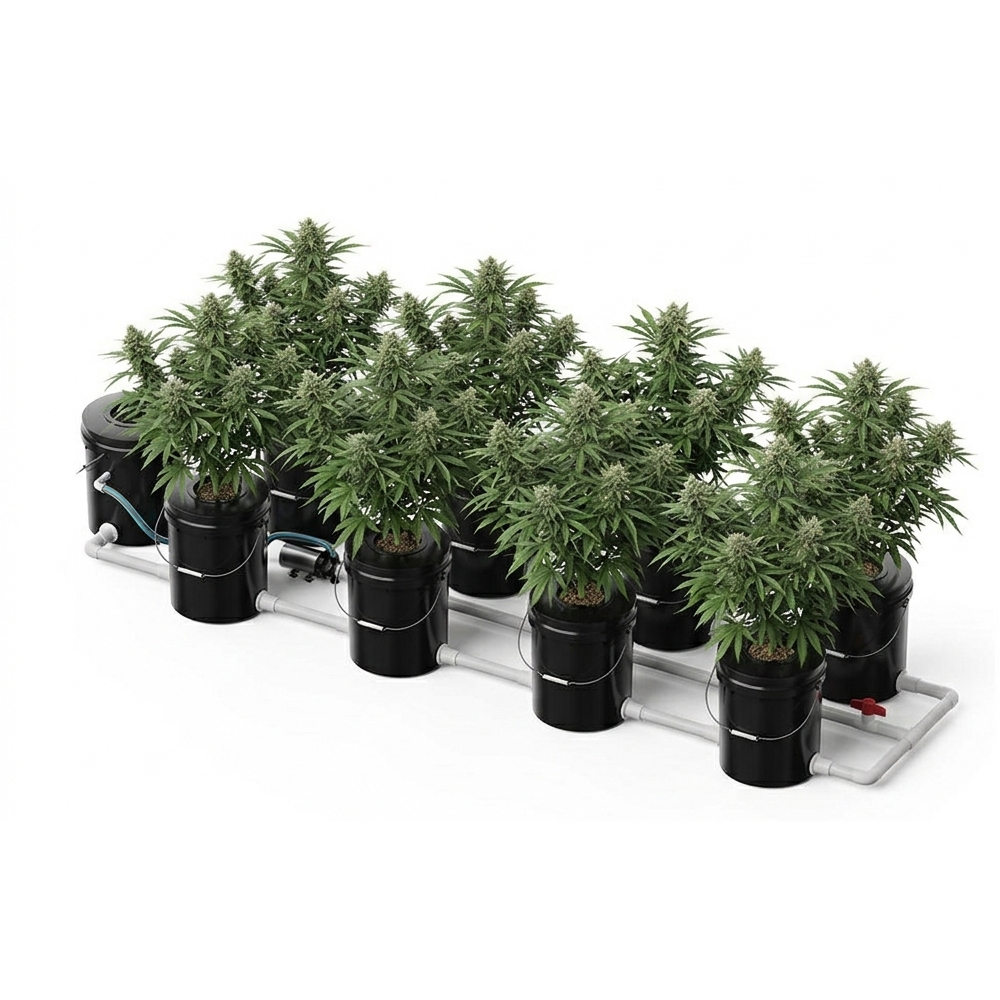
BetiLife™ Hydroponic Flower Systems offer a variety of hydroponics techniques, including Deep Water Culture (DWC), Nutrient Film Technique (NFT), and Aeroponics, each with its own set of advantages, ranging from beginner-friendly to easy-to-use. Flower hydroponics system automation controls lighting and water circulation, making it easy to grow flowers without the need for daily care.
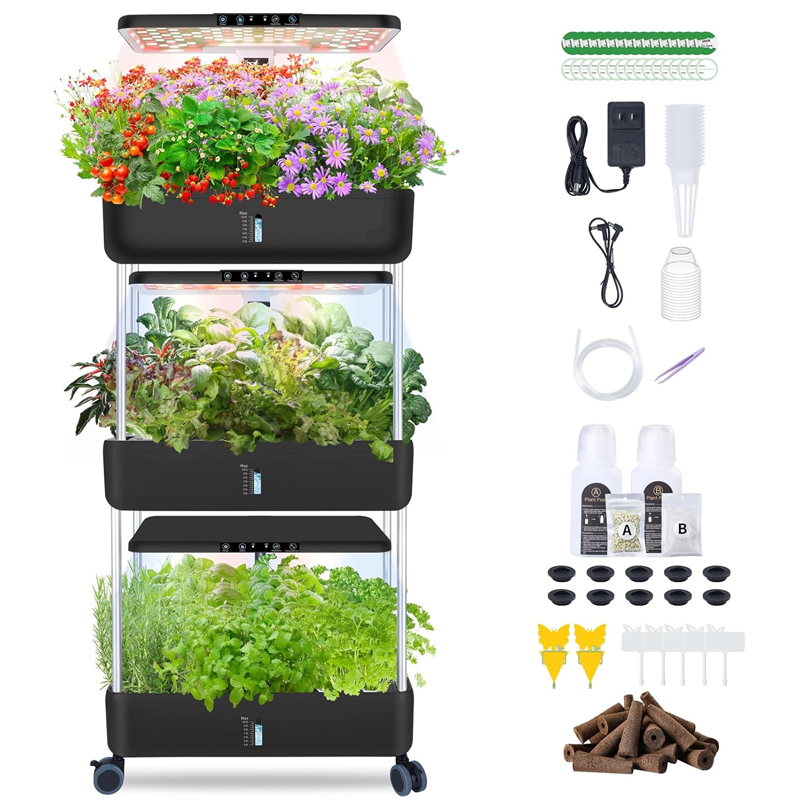
66 Pods Hydroponic Grow System Kits
If you need to hydroponically grown flowers indoors or outdoors at home, you can choose BetiLife™ Hydroponic Systems: