Wondering how much air your RDWC system needs per gallon & bucket? Learn the exact formula for sizing your air pump based on reservoir volume, airflow requirements, and ideal oxygen levels. The best air pump for the RDWC system full guide helps you prevent root rot and maximize plant growth.
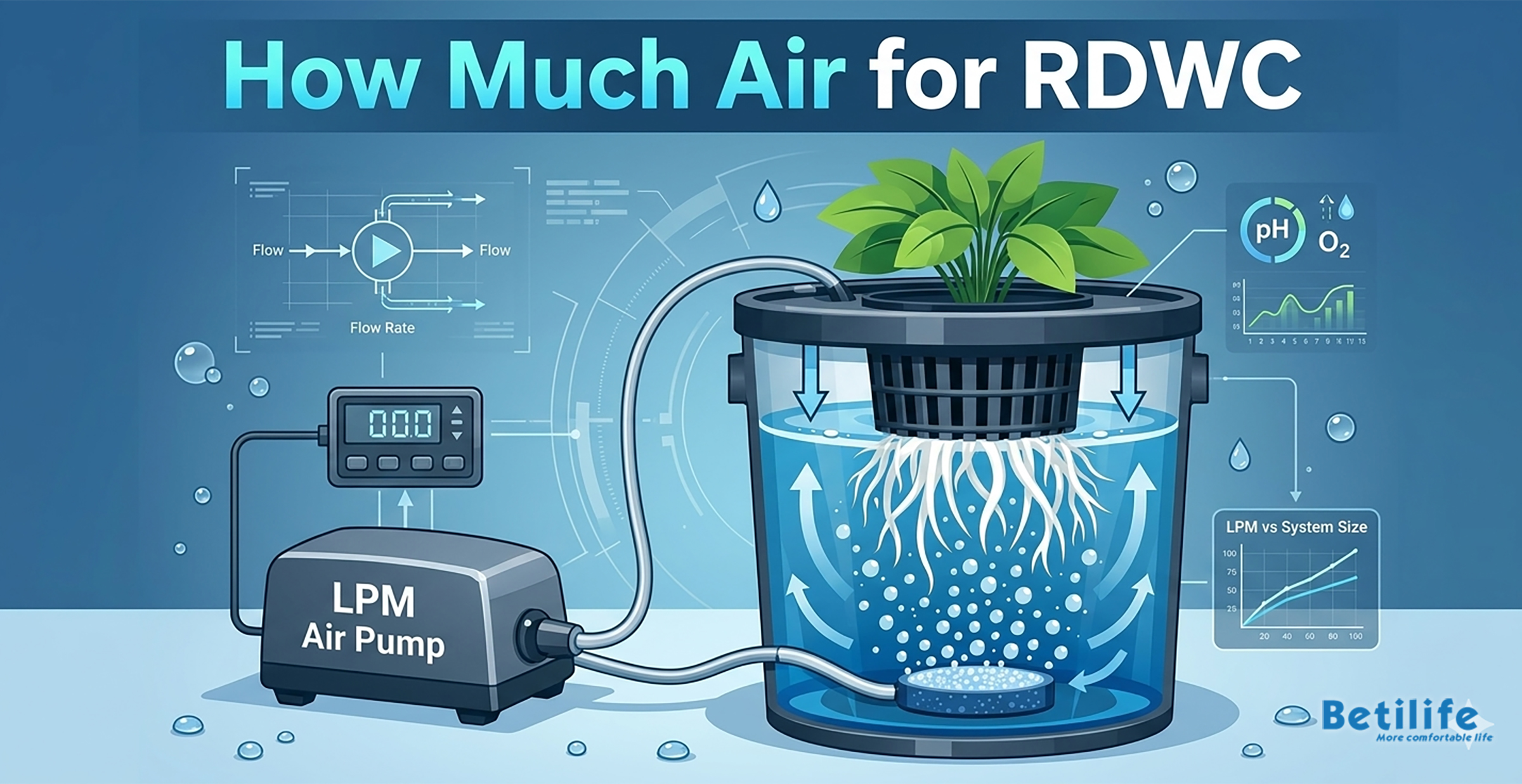
For RDWC systems, the recommended airflow is 0.5–1.0 liters per minute (LPM) per gallon of water.
That means a standard 5-gallon bucket needs 2–5 LPM, depending on plant size and growth stage.
Proper aeration ensures high dissolved oxygen (DO) levels, which leads to faster growth, healthier roots, and higher yields.
Why Air Matters in RDWC Systems
In a Recirculating Deep Water Culture (RDWC) system, oxygen is just as important as nutrients and water.
Without enough air:
-
Roots suffocate
-
Growth slows down
-
Risk of root rot increases
-
Nutrient uptake becomes inefficient
With proper aeration:
-
Roots stay white and healthy
-
Plants grow faster
-
Yields increase significantly
👉 This is why professional growers prioritize air pump sizing just as much as lighting and nutrients.
How Much Air for RDWC per Gallon
This is the most important calculation.
✅ Standard Rule:
- 0.5–1.0 LPM per gallon
Example:
-
5-gallon bucket → 2–5 LPM
-
10-gallon system → 5–10 LPM
When to Use Higher Airflow:
-
Large plants (flowering stage)
-
High water temperatures
-
Dense root zones
-
Multi-bucket RDWC systems
👉 Pro Tip: When in doubt, slightly over-aerate rather than under-aerate.
How Much Air for RDWC per Hour
Many growers and air pump manufacturers rate airflow in liters per hour (L/h).
Conversion:
-
1 LPM = 60 L/h
Practical RDWC Airflow Table:
| System Type | Air Needed (LPM) | Air per Hour (L/h) |
|---|---|---|
| Single 5-Gallon Bucket | 2–5 LPM | 120–300 L/h |
| 5-Bucket RDWC | 10–25 LPM | 600–1500 L/h |
| 9-Bucket RDWC | 20–45 LPM | 1200–2700 L/h |
👉 This table is extremely useful when choosing an air pump.
RDWC Air Pump Size Guide
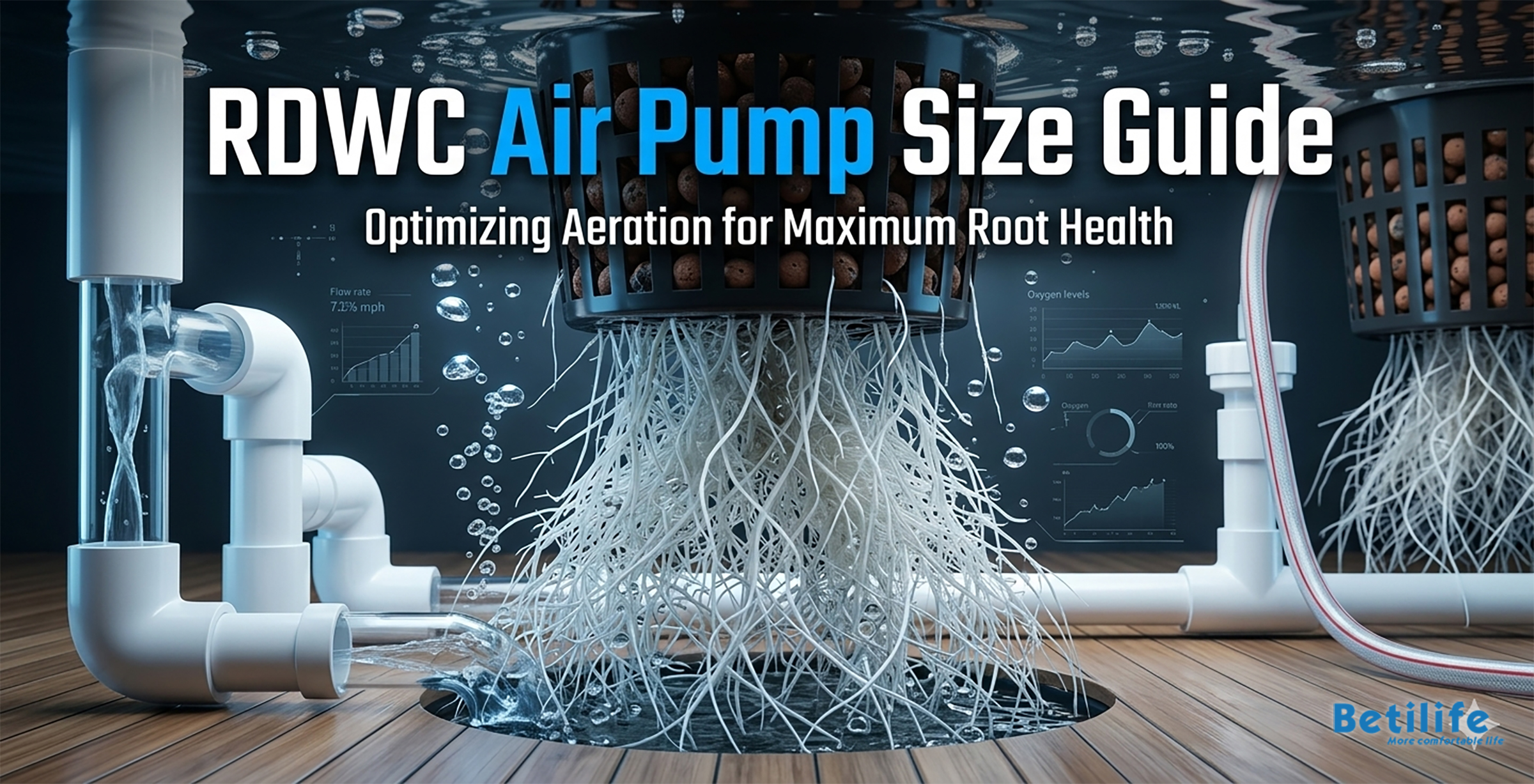
Choosing the correct air pump is critical for system performance.
Step-by-Step:
-
Calculate Total Water Volume
Example:
- 5 buckets × 5 gallons = 25 gallons
-
Multiply by Air Requirement
-
25 gallons × 0.5–1.0 LPM = 12.5–25 LPM
-
-
Choose a Pump Slightly Above Target
👉 Recommended: 15–30 LPM pump
What to Look for in an RDWC Air Pump
-
High output (LPM rating)
-
Multiple outlets
-
Low noise
-
Durable diaphragm design
How Much Air Does RDWC Need at Different Growth Stages
🌱 Seedling Stage
-
Lower demand
-
~0.5 LPM per gallon
🌿 Vegetative Stage
-
Moderate demand
-
~0.5–0.8 LPM per gallon
🌸 Flowering Stage
-
High demand
-
~0.8–1.0+ LPM per gallon
👉 Plants consume more oxygen as root mass increases.
Signs Your RDWC System Needs More Air
Watch for these warning signs:
-
Brown or slimy roots
-
Slow plant growth
-
Wilting despite proper nutrients
-
Bad smell in the reservoir
👉 These are early indicators of low dissolved oxygen levels.
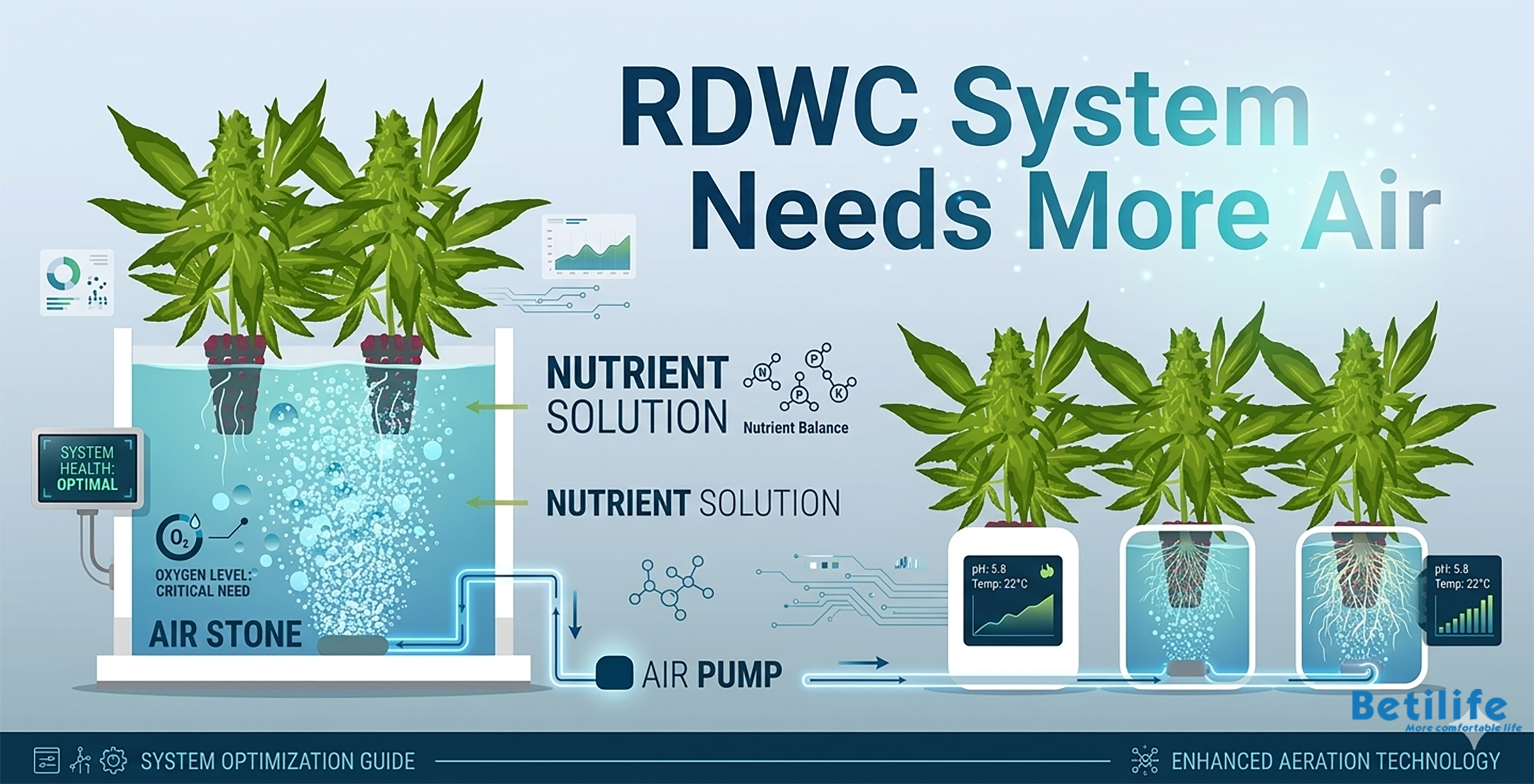
How to Increase Oxygen in RDWC Systems
If your system lacks oxygen, here are proven fixes:
✅ Upgrade Air Pump
-
Use a higher LPM-rated pump
✅ Add More Air Stones
-
Distribute oxygen evenly across buckets
✅ Use Larger Air Stones
-
Finer bubbles = better oxygen transfer
✅ Lower Water Temperature
-
Ideal range: 65–70°F (18–21°C)
✅ Improve Circulation
Better water movement increases oxygen distribution
Common RDWC Aeration Mistakes (Avoid These!)
-
❌ Undersized air pump
-
❌ Using only one air stone per system
-
❌ Ignoring water temperature
-
❌ Poor airflow distribution
👉 These mistakes often lead to root rot and yield loss.
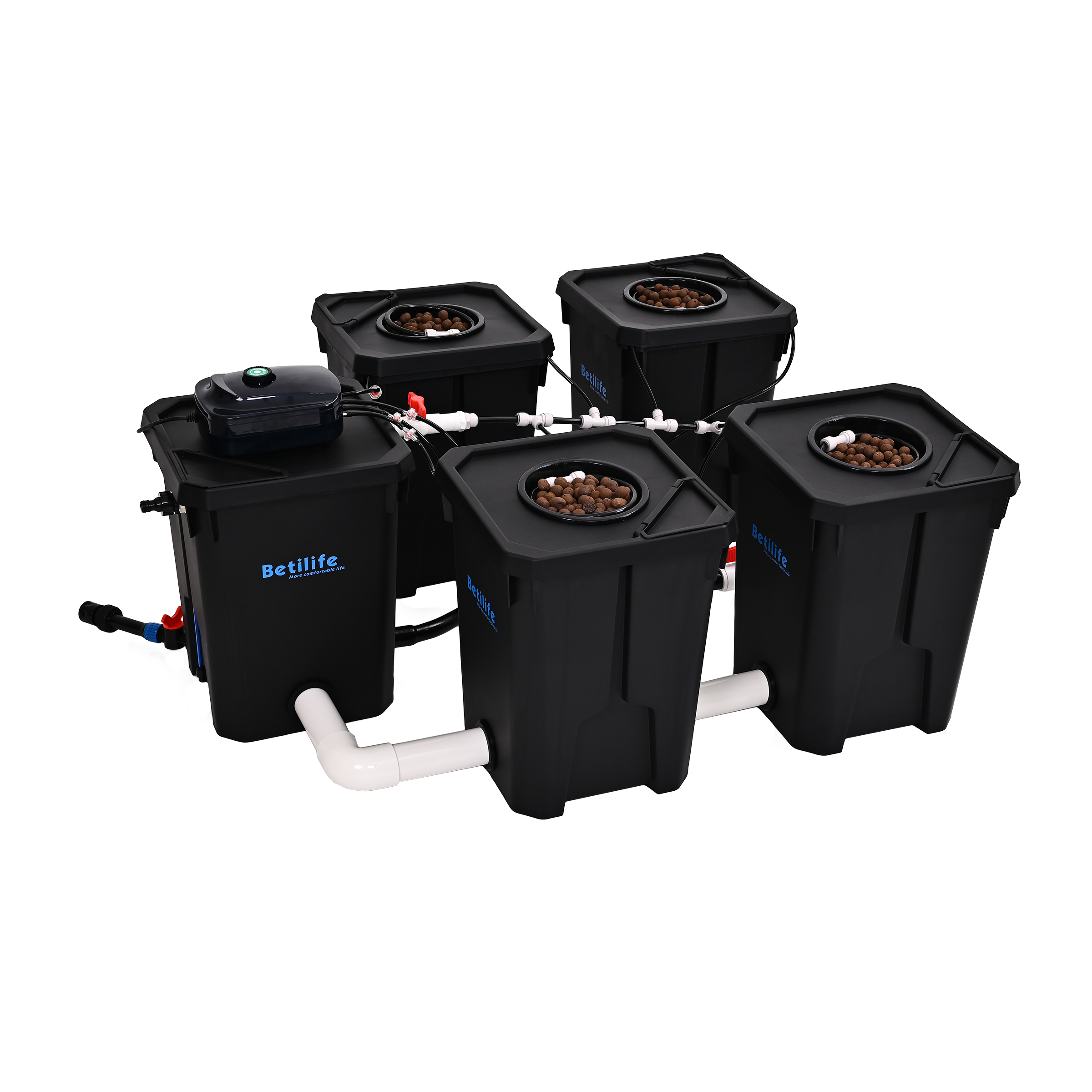
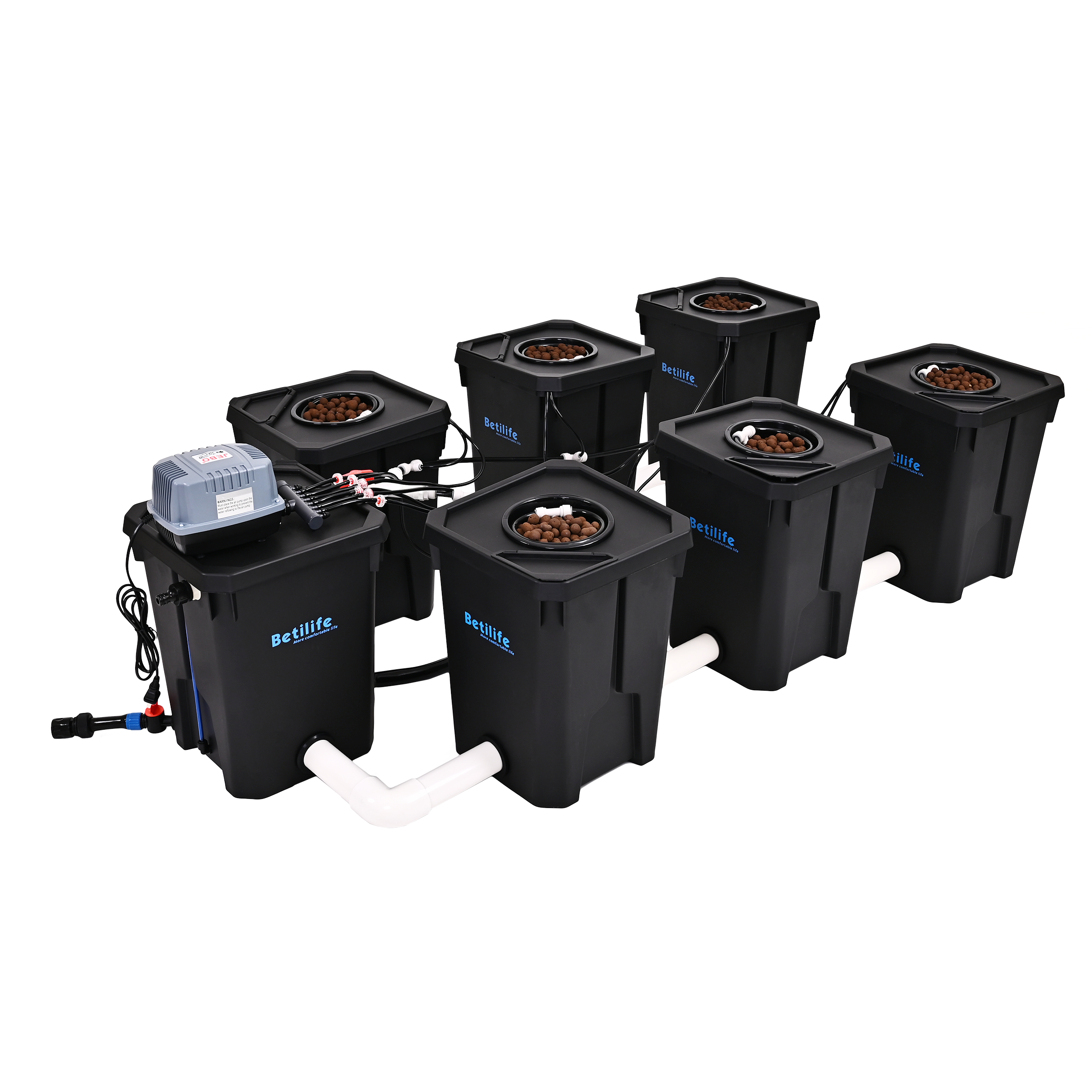
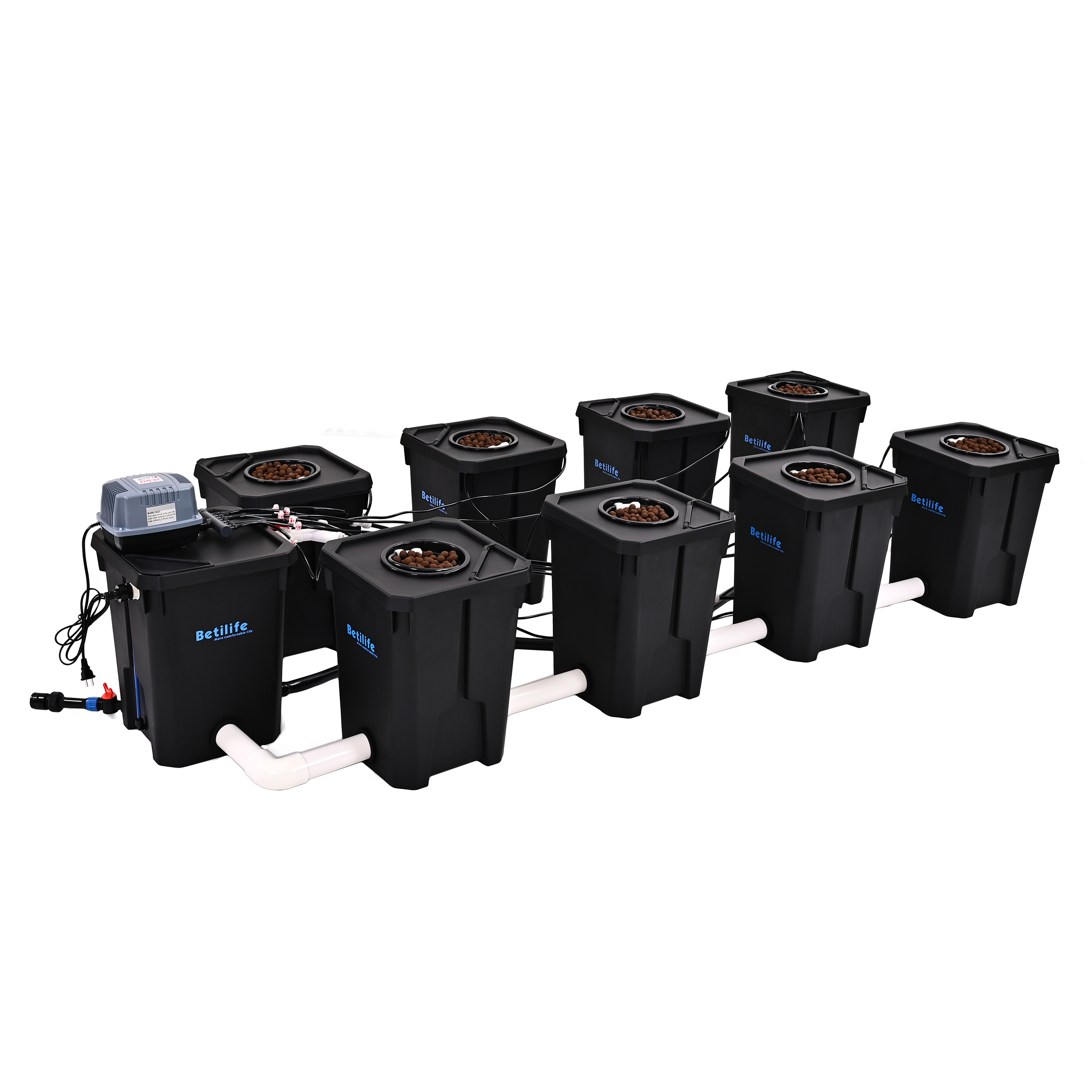
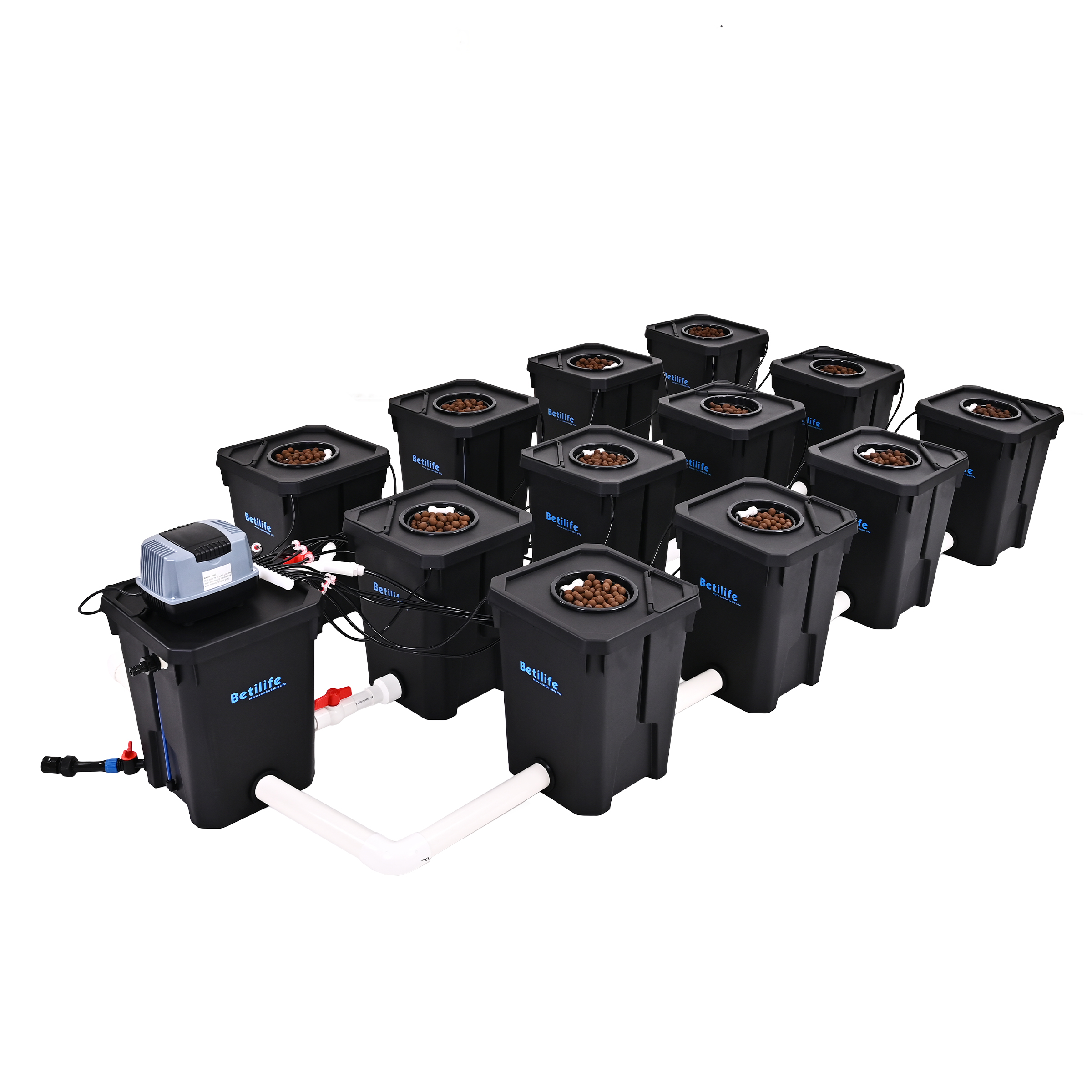
Why Choose BetiLife™ RDWC Hydroponic System
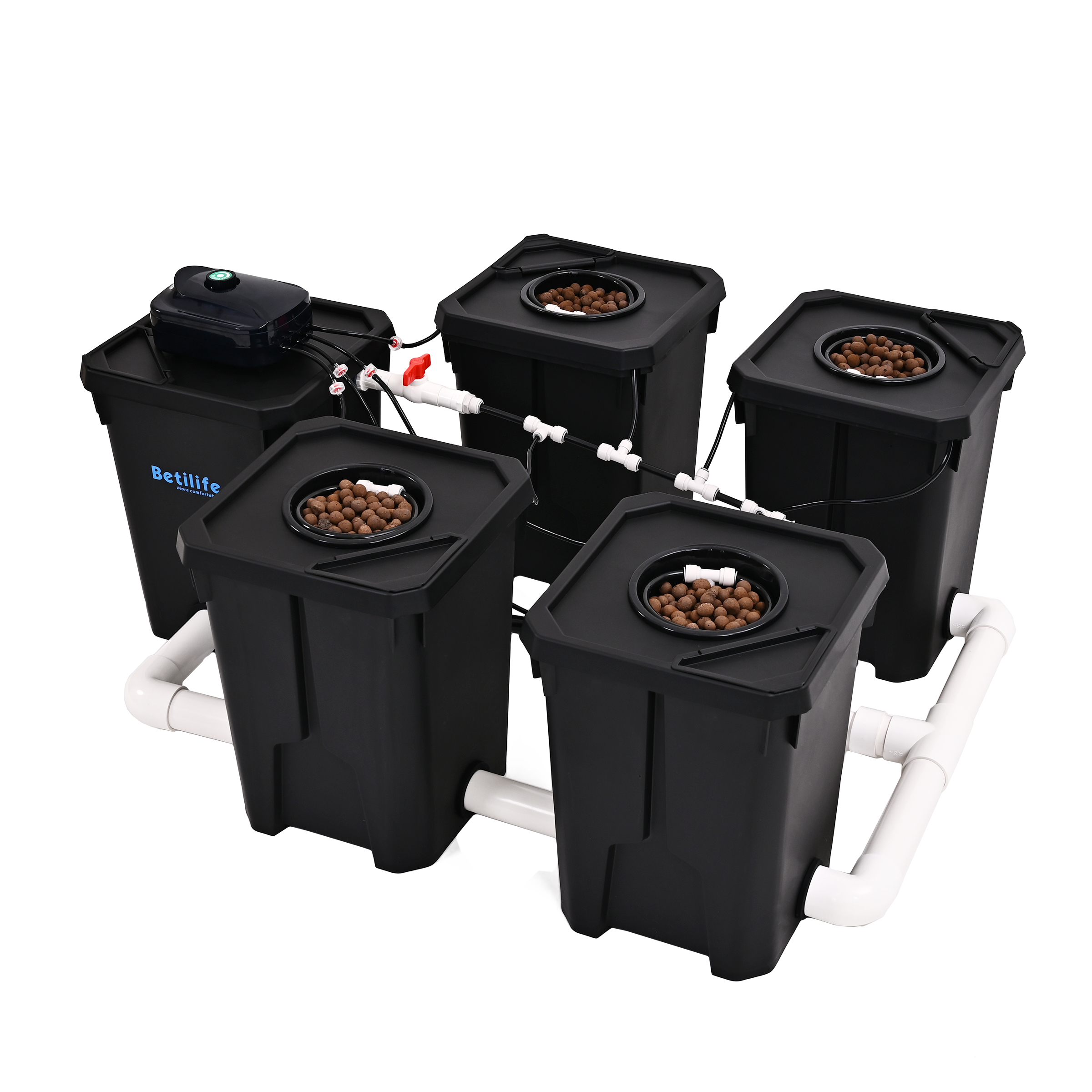
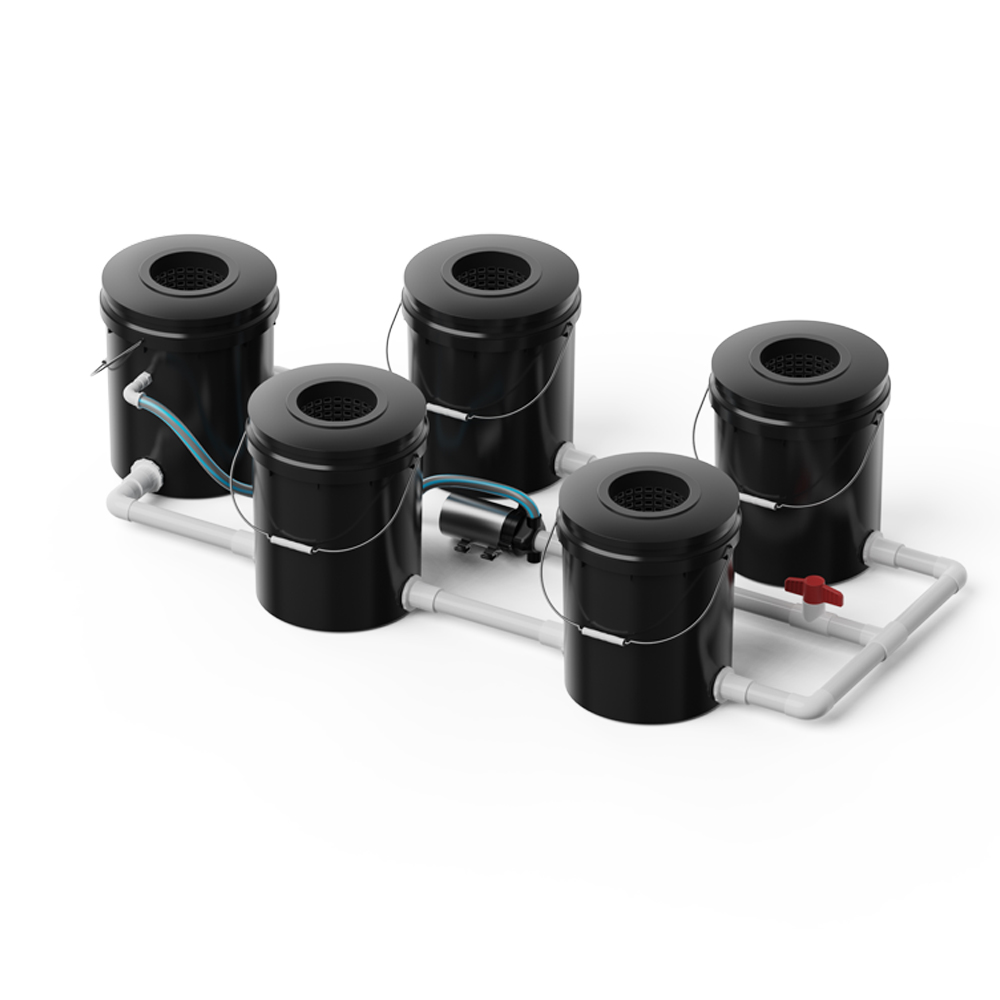
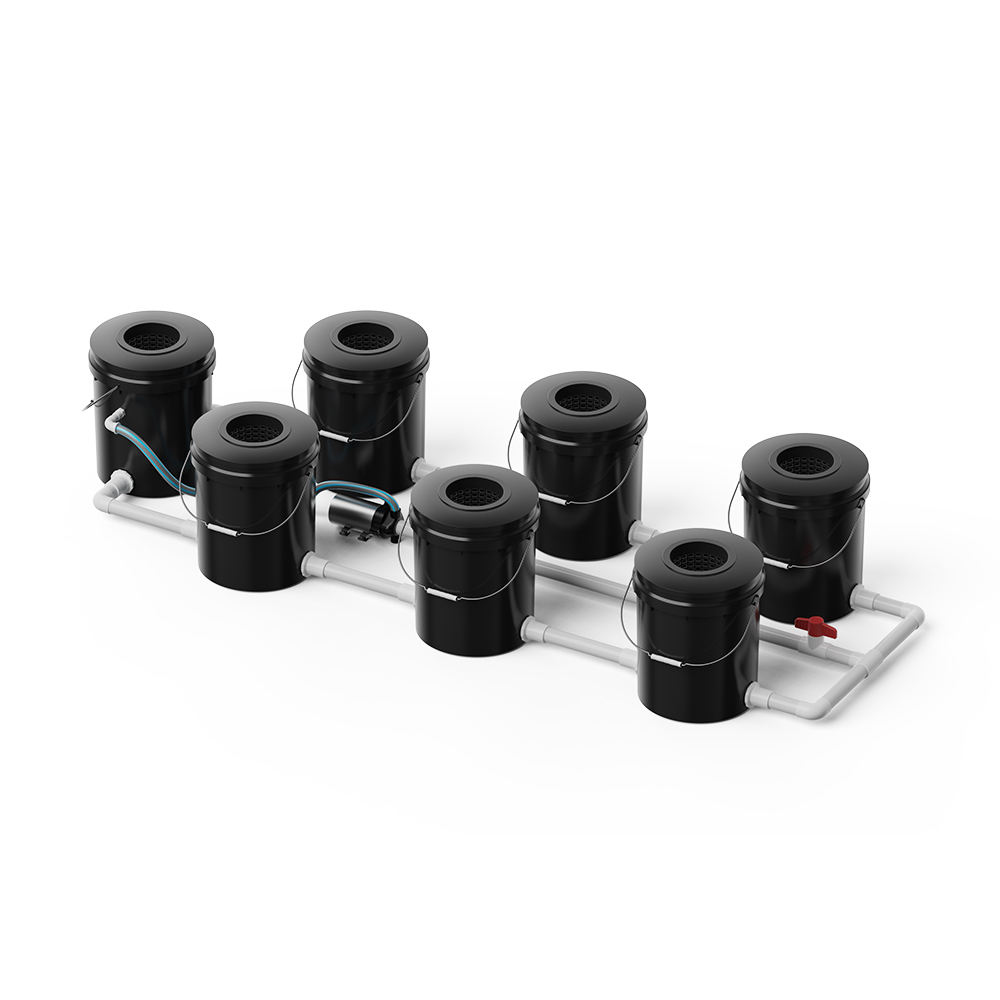
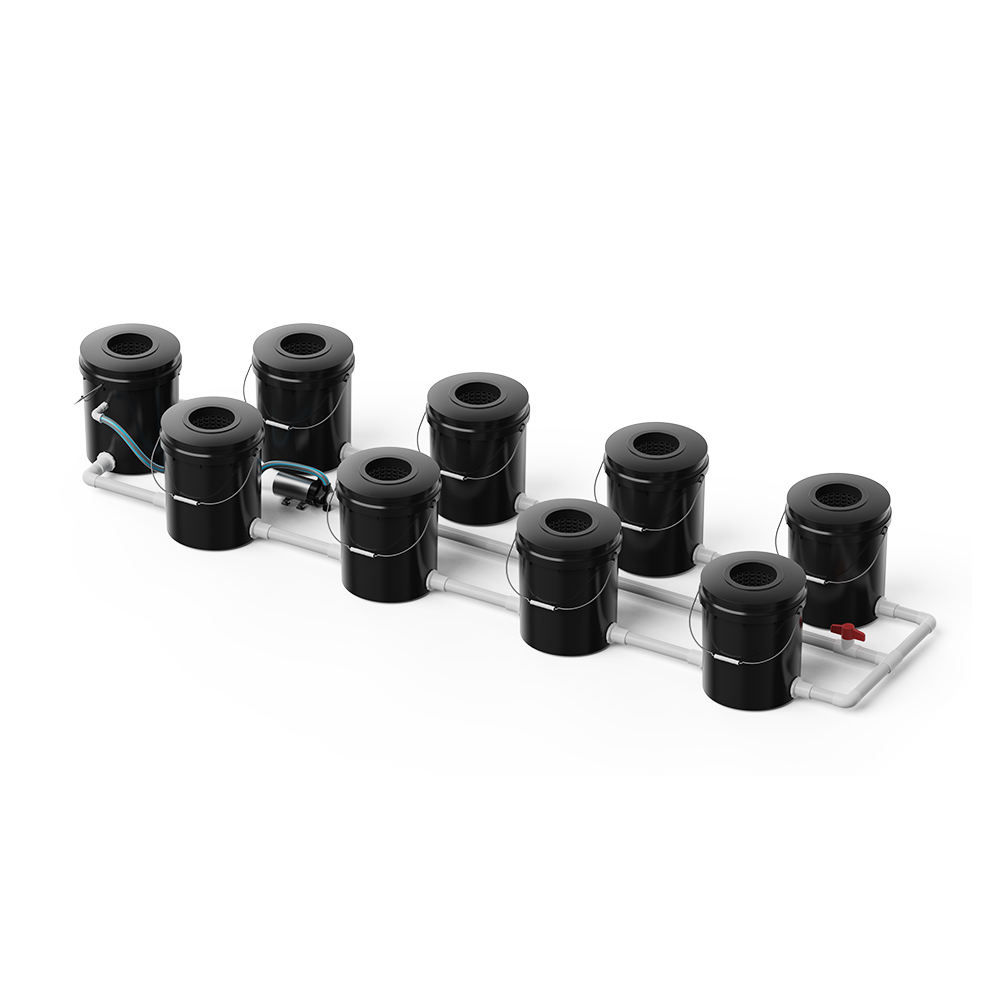
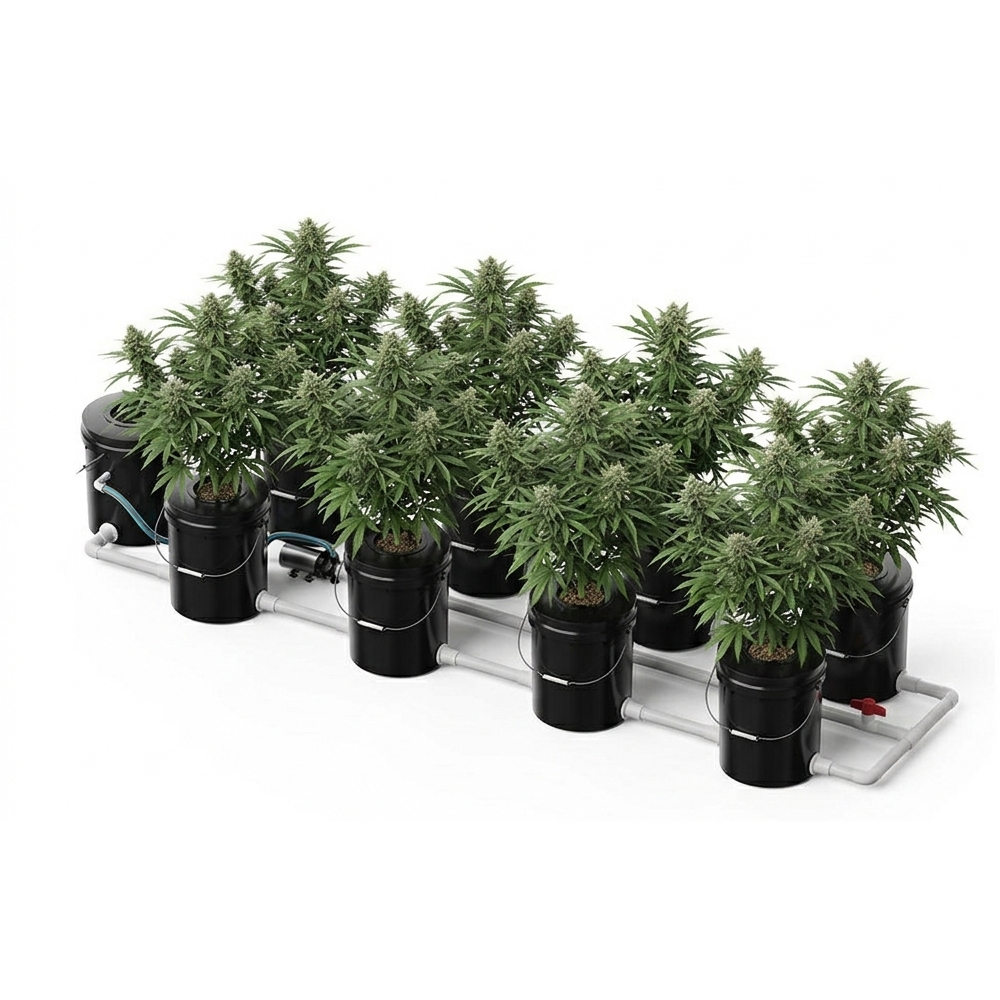
If you want optimal aeration without a complicated setup, the BetiLife™ RDWC Hydroponic System is designed to solve these problems.
Key Advantages:
✅ Optimized Oxygen Delivery
Built with an efficient airflow design to maximize dissolved oxygen
✅ Scalable System Options
Available in:
-
5-bucket
-
7-bucket
-
9-bucket configurations
✅ High-Yield Performance
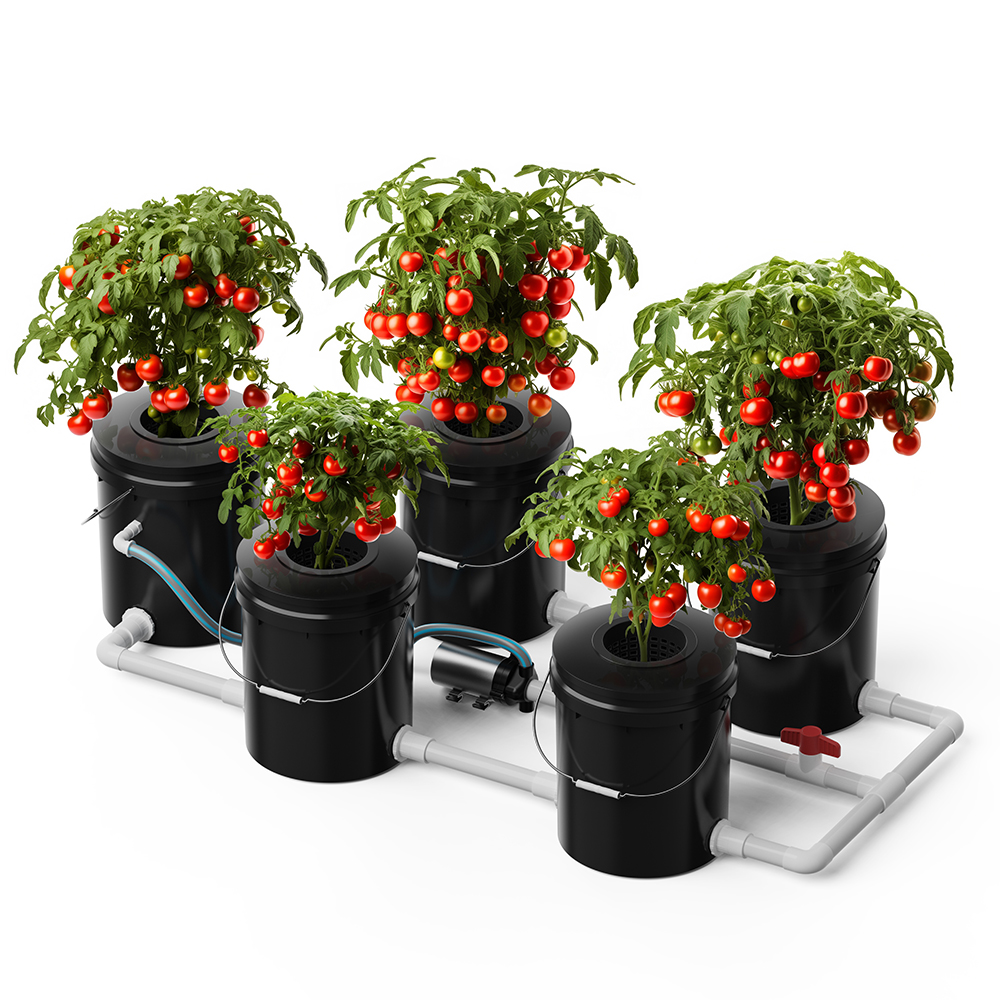
Engineered for demanding crops like:
-
Tomatoes
-
Cucumbers
-
Peppers
-
High-value plants
✅ Plug-and-Play Setup
Perfect for both beginners and commercial growers
👉 With proper airflow design built in, you don’t have to guess your air requirements.
Pro Tips for Maximum RDWC Yield
-
Always slightly oversize your air pump
-
Use at least 1–2 air stones per bucket
-
Keep water cool
-
Clean air stones regularly
-
Monitor root health weekly
FAQs
How much air does RDWC need?
Most RDWC systems need 0.5–1.0 LPM per gallon for optimal root oxygenation.
Can you have too much air in RDWC?
In most cases, no. Excess aeration rarely harms plants but significantly improves growth and root health.
What size air pump for a 5-bucket RDWC system?
You typically need 10–25 LPM, depending on plant size and growth stage.
How do I increase dissolved oxygen in RDWC?
Increase airflow, add air stones, lower water temperature, and improve circulation.
Final Thoughts
Getting the right amount of air in your RDWC system is one of the most important factors for success.
By following the per-gallon and per-hour airflow guidelines, you can:
-
Prevent root problems
-
Boost plant growth
-
Maximize yields
👉 And if you want a system that’s already optimized for airflow, the BetiLife™ RDWC Hydroponic System is a reliable solution for both beginners and professional growers.
👉 Explore BetiLife™ RDWC Hydroponic Systems today and grow smarter, not harder.
 BetiLife™ Professional RDWC Complete Kit
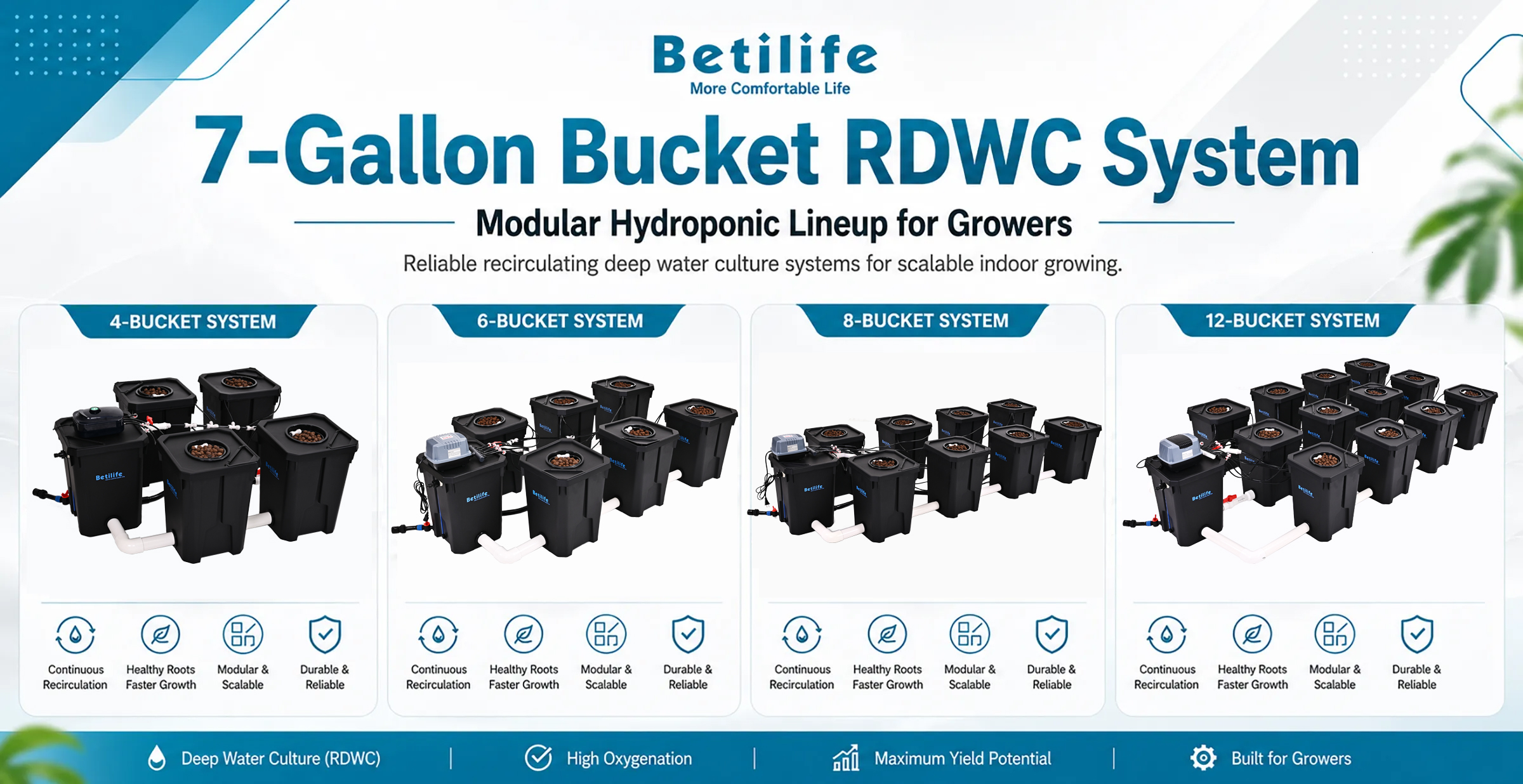
7-Gallon Bucket Commercial RDWC System
Learn more about hydroponics: