Wick System Hydroponics: Definition Pros and Cons
What is wick system in hydroponics? Learn the definition of a wick system hydroponics, explain wick hydroponic system advantages and disadvantages, hydroponic wick system kit setup and how it works.
What is the Wick System In Hydroponics?
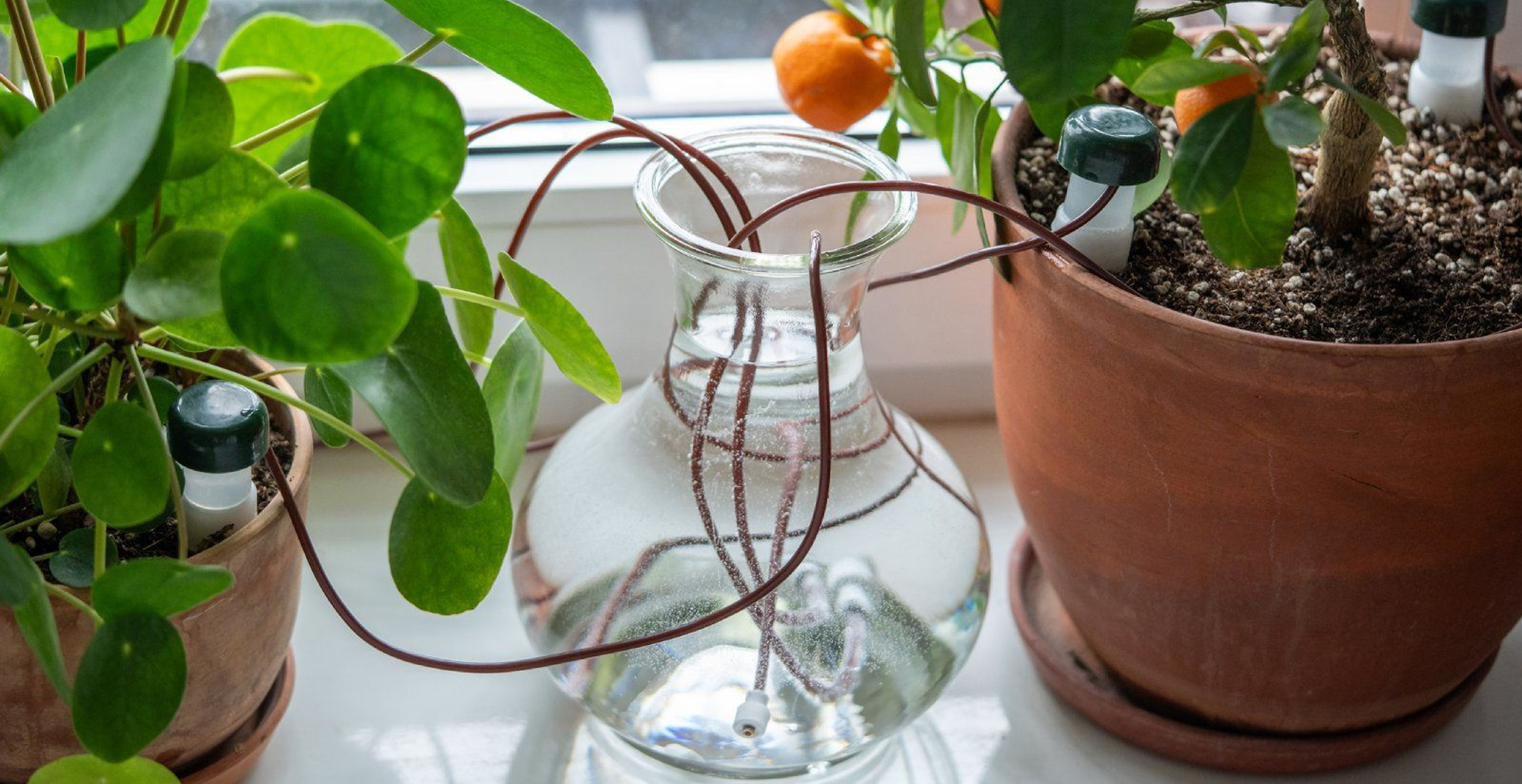
Wick System Hydroponics: The Wick System is a simple soilless method of hydroponics, where the roots of the plant are located in the growing medium and a suction wick draws nutrient-rich water from the reservoir to the roots, making it one of the simplest and most passive forms of hydroponics. It is based on the principle of capillary action, in which liquid moves upward through a porous material (the wick) overcoming gravity and into the growing medium, providing the plant with the necessary water and nutrients.
How Does A Hydroponic Wick System Work?
A hydroponic wick system is the simplest and most passive form of hydroponics, relying on capillary action to deliver nutrient solution to plant roots.
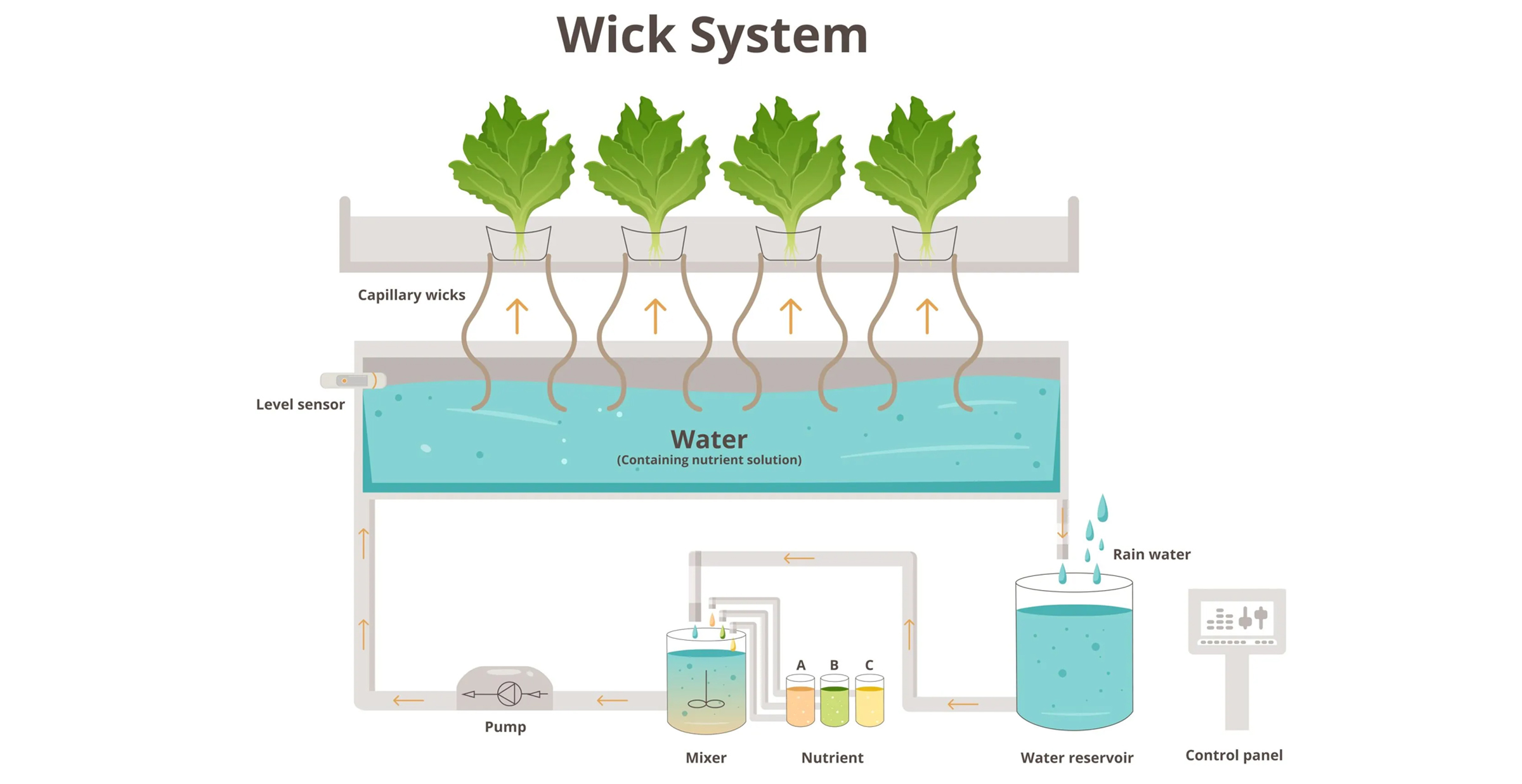
Here's how it works, step by step:
Core Components
-
Reservoir
Holds the nutrient solution.
-
Wicks
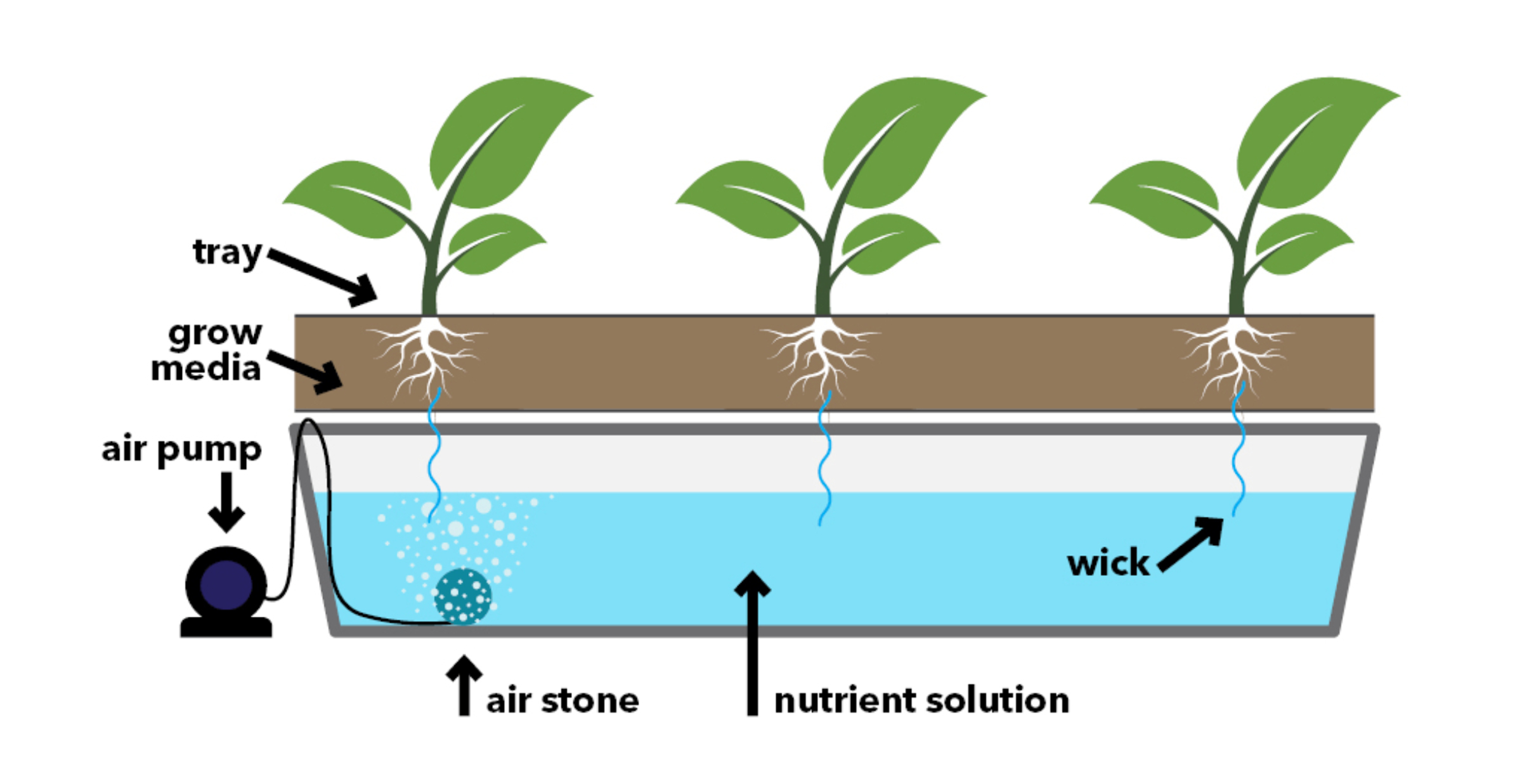
Absorbent materials (cotton rope, felt strips, fiberglass) connecting the reservoir to the root zone.
-
Growing Medium
An inert, porous material (perlite, vermiculite, coco coir, clay pellets) holding the plant and facilitating wicking.
-
Growing Tray/Container
Holds the growing medium and plants, positioned above the reservoir.
-
Plant(s)
Typically small plants with low to medium water/nutrient needs (herbs, lettuce, peppers).
How it Works
-
Capillary Action
The wicks act like straws. One end sits submerged in the nutrient solution in the reservoir. The other end is embedded deep within the moist growing medium surrounding the plant roots.
-
Nutrient Uptake
Through capillary action, the nutrient solution is drawn up the wick against gravity, similar to how a paper towel absorbs a spill.
-
Medium Saturation
The solution travels up the wick and into the growing medium. The porous medium then distributes the moisture and dissolved nutrients evenly around itself.
-
Root Absorption
Plant roots growing throughout the saturated medium absorb the water and nutrients they need directly.
-
Oxygen Supply
The space between the growing tray and the reservoir allows air to circulate. The porous nature of the growing medium also ensures roots get oxygen from the air pockets within it. Passive aeration from the air gap is crucial.
-
Passive Process
This entire process happens continuously without pumps, timers, or electricity. The plant draws solution as needed, and the wicks replenish it from the reservoir.
What are the Benefits of the Wick System?
-
Extremely Simple & Low Cost
Minimal components, no moving parts.
-
Low Maintenance
No electricity, pumps, or complex timers needed. Just refill the reservoir periodically.
-
Quiet & Reliable
No mechanical parts to break down.
-
Great for Beginners
Easy to understand and set up.
-
Good for Small Plants/Herbs
Ideal for low water/nutrient consumption plants.
What are the Disadvantages of the Wick System?
-
Limited Nutrient/Water Delivery
Capillary action can only move solution so far and at a certain rate.
-
Best for Small Plants
Unsuitable for large, fast-growing, or high-water/nutrient-demanding plants (e.g., tomatoes, cucumbers).
-
Potential Salt Buildup
Evaporation can concentrate salts in the growing medium over time, requiring periodic flushing.
-
Oxygen Limitations
While better than overwatered soil, it doesn't provide as much oxygen to roots as active hydroponic systems (like DWC or NFT). Medium choice is critical.
-
Wick Saturation
If the wick becomes oversaturated or clogged, delivery can become inefficient.
-
Reservoir Monitoring
Needs regular refilling and monitoring of nutrient strength/pH.
A wick system works like a self-watering plant stake. Absorbent wicks passively draw nutrient solution from a reservoir up into a porous growing medium where plant roots are embedded. The roots then absorb the water and nutrients they need directly from the moist medium. It's the epitome of "set it and forget it" hydroponics for suitable plants. It's ideal for growing small herbs, lettuce, and other low-demand plants indoors or in small spaces with minimal cost and maintenance.
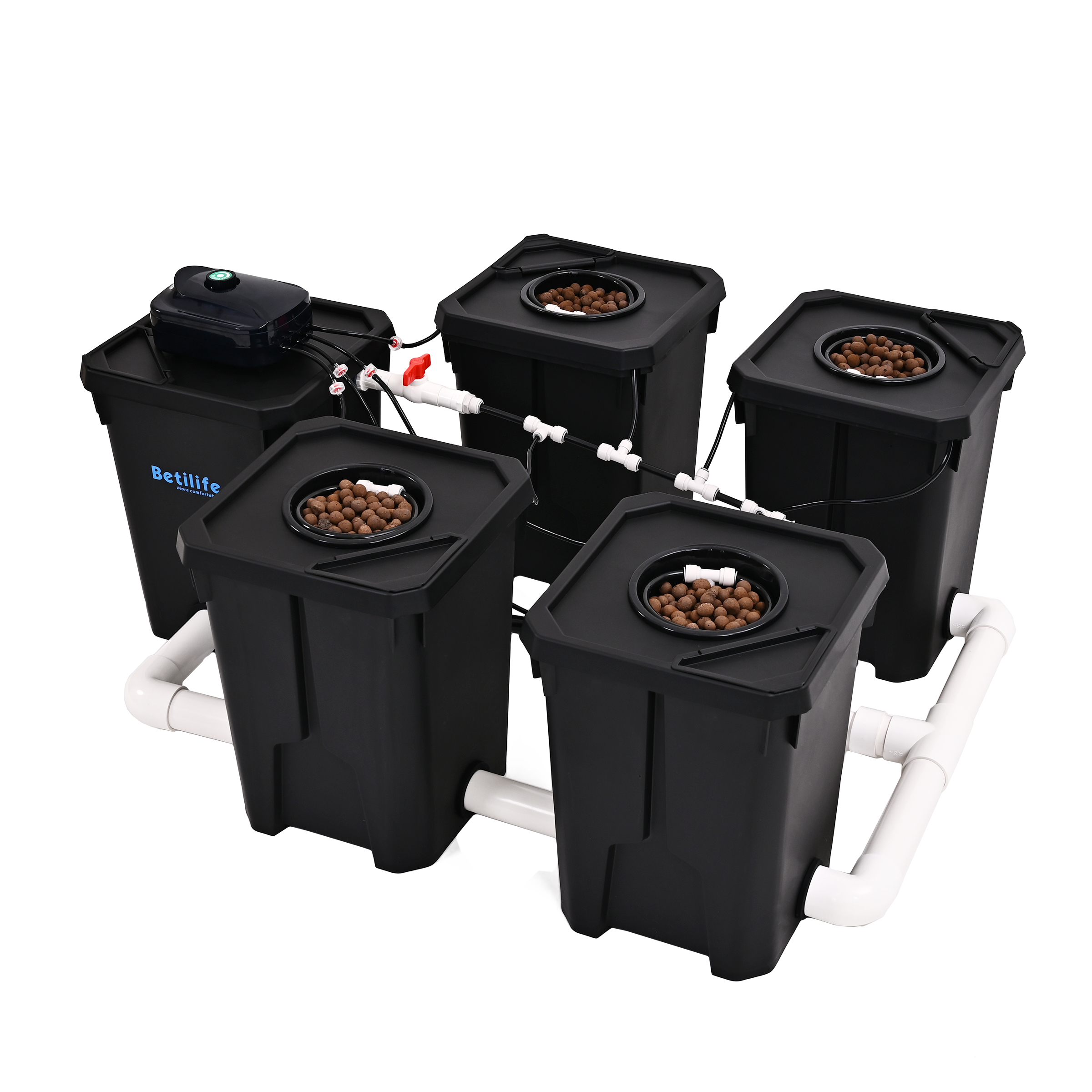
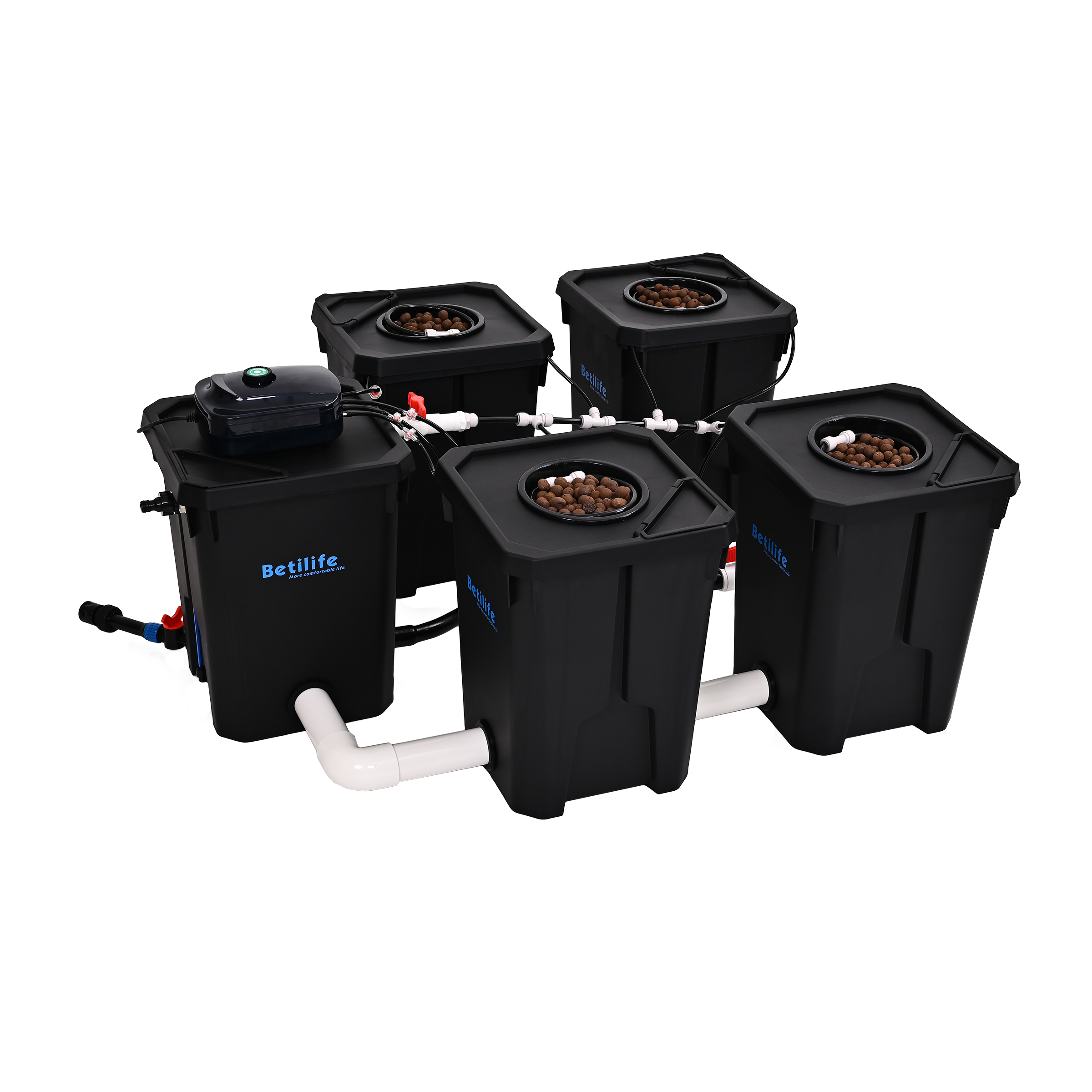
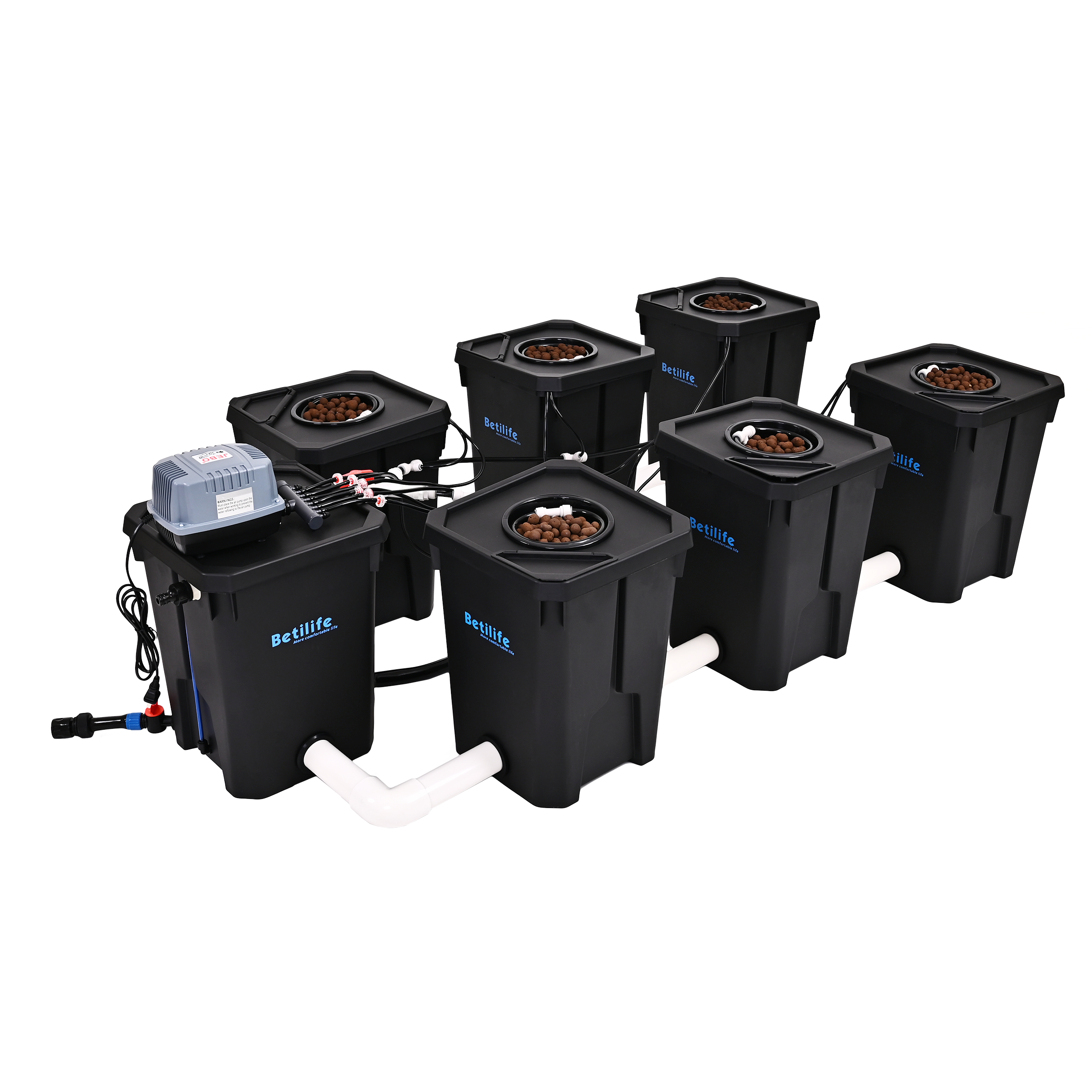
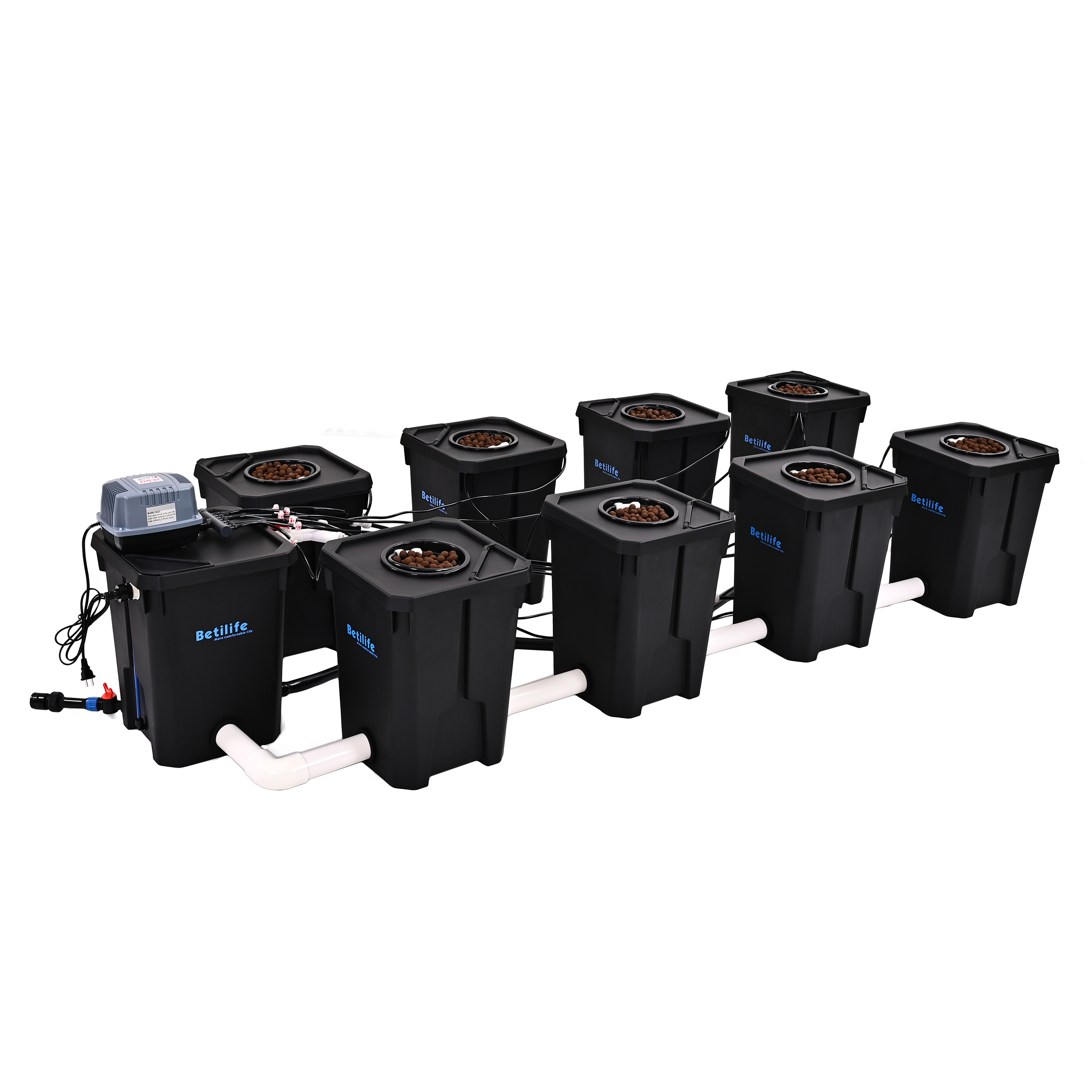
If you need to grow vegetable hydroponically indoors or outdoors at home, you can choose BetiLife™ Hydroponics Growing System:
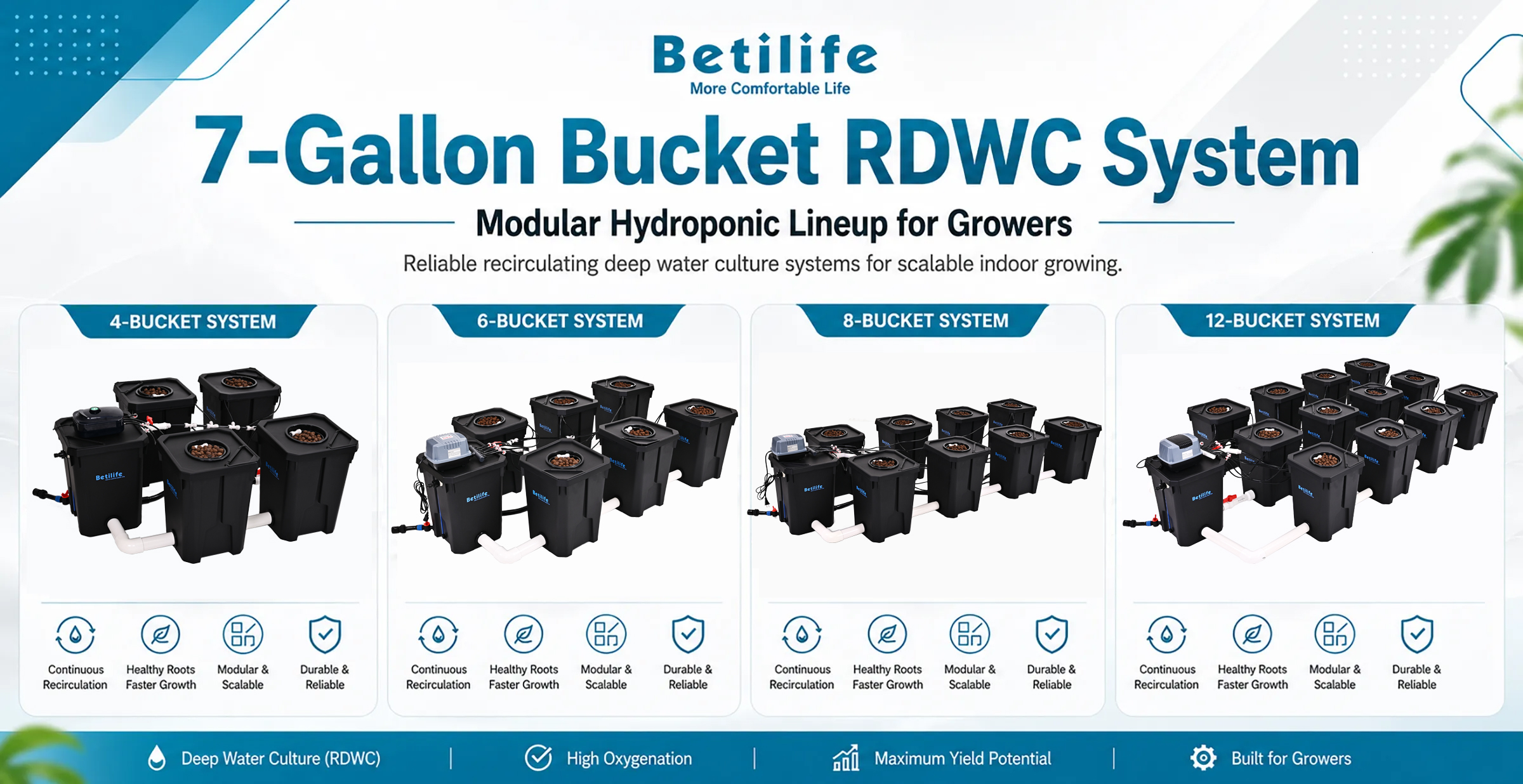
7-Gallon Bucket Commercial RDWC System
Learn more about hydroponics:
- What Is Hydroponics
- What is a Deep Water Culture
- What is the Nutrient Film Technique
- What is Aeroponic
- What is the Ebb and Fow Flood and Drain System
- What is Drip System
- What Are The Best Flowers For Hydroponics
- How To Grow Hydroponic Tomatoes Indoor
- Can You Do Hydroponic Carrots
- What Are The Best Plants To Grow In Hydroponic Towers
- What Are The Best Hydroponic Lettuce Varieties
- How To Grow Hydroponic Lettuce Indoors At Home
- What Are The Best Strawberries To Grow Hydroponically
- What Are Hydroponic Strawberries
Related FAQs
What Can be Used As a Wick for Hydroponics?
What Plants Can You Grow in a Wick System?
What Vegetables Grow Best in a Wicking Bed?
- Lettuce: All types of lettuce, including romaine, butterhead, and leaf lettuce, flourish in wicking beds.
- Spinach: This cold-tolerant green thrives in the consistent moisture provided by a wicking bed.
- Kale: A hardy and nutritious green that grows well in wicking beds, even in cooler weather.