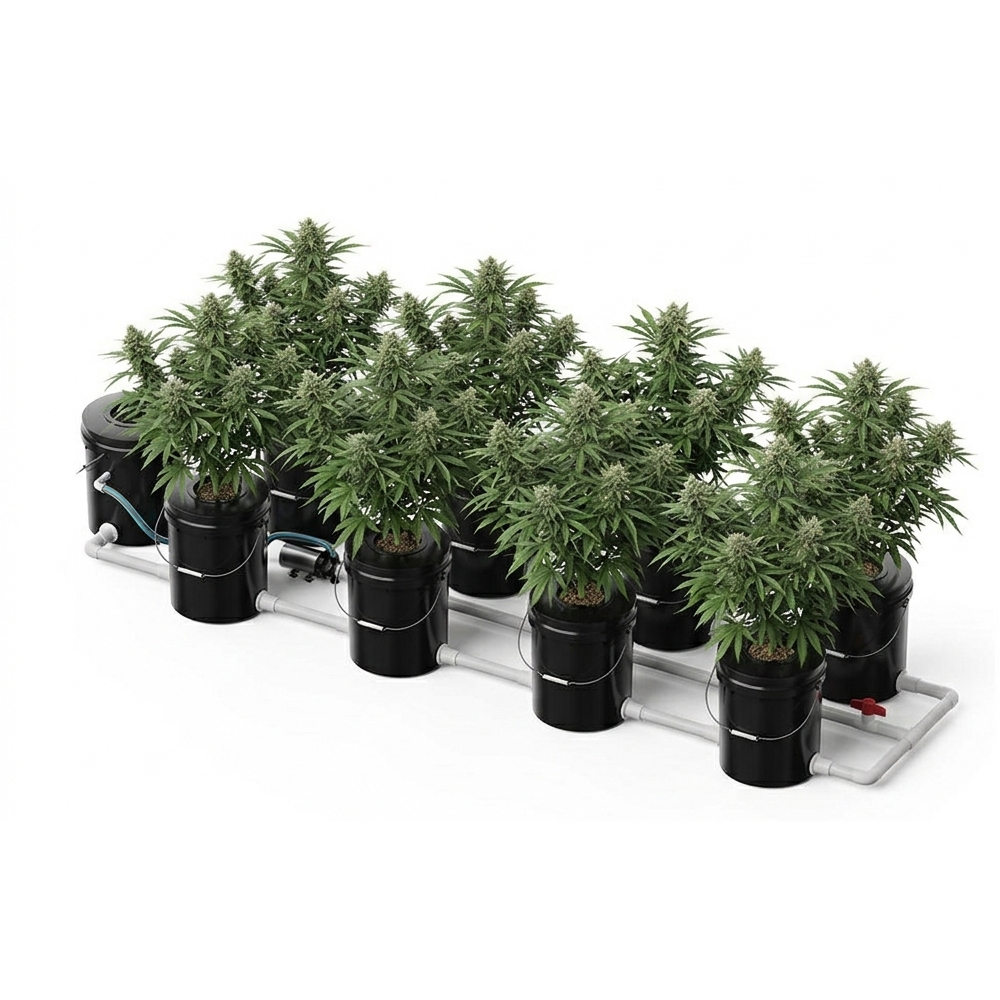
If you're running a recirculating deep water culture system, one of the most common—and critical—questions is: how often should I change the water in my RDWC?
The answer directly affects plant health, nutrient uptake, root oxygenation, and ultimately your yield. In this guide, we’ll break it down in a practical, grower-friendly way—and show you how to optimize your setup using a high-performance system like the BetiLife™ RDWC Hydroponic System.
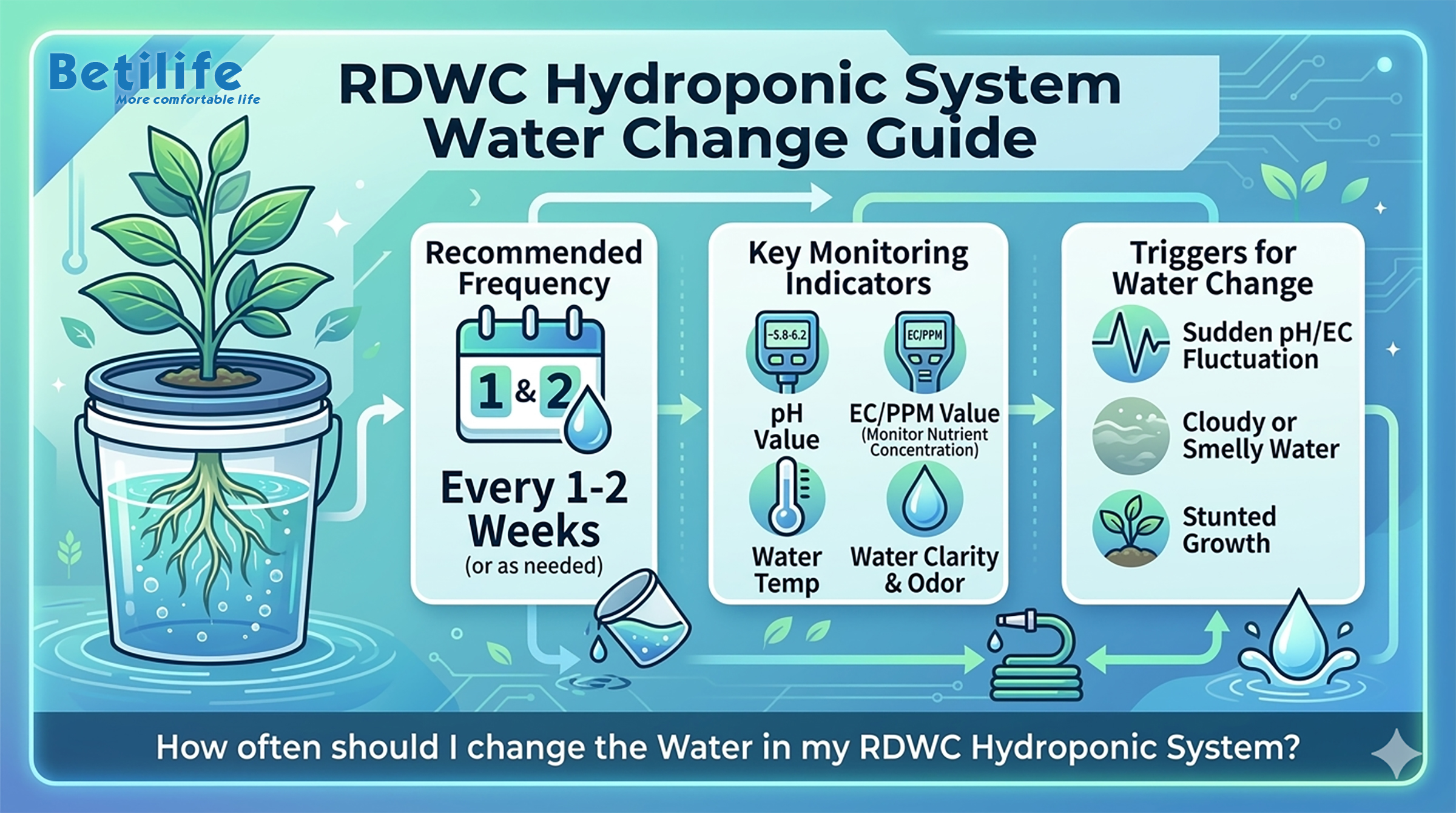
Quick Answer: How Often Should I Change the Water in My RDWC?
For most growers, the ideal schedule is:
-
Every 7–14 days for a full reservoir change
-
Top off with fresh water + nutrients every 1–3 days
-
Monitor EC/PPM and pH daily
However, this varies depending on plant stage, system size, and environmental conditions.
Why Changing RDWC Water Matters
In an RDWC system, water is constantly recirculating between buckets. While this improves oxygenation and nutrient delivery, it also means:
-
Nutrient imbalances build up faster
-
pH can drift unpredictably
-
Organic waste accumulates
-
Risk of root diseases (like root rot) increases
Regular water changes keep your system clean, stable, and high-performing.
RDWC Water Change Schedule by Growth Stage
🌱 Seedling Stage (Week 1–2)
-
Change water: Every 10–14 days
-
Nutrient strength: Low (EC 0.4–0.8)
-
Plants consume very little, so solution stays stable longer
🌿 Vegetative Stage
-
Change water: Every 7–10 days
-
Nutrient demand increases rapidly
-
Monitor pH and EC closely
🌸 Flowering Stage
-
Change water: Every 5–7 days
-
Heavy nutrient uptake
-
Higher risk of imbalance and salt buildup
🔄 Late Flower / Flush
-
Change water: Every 3–5 days (if flushing)
-
Use clean water or flushing solution
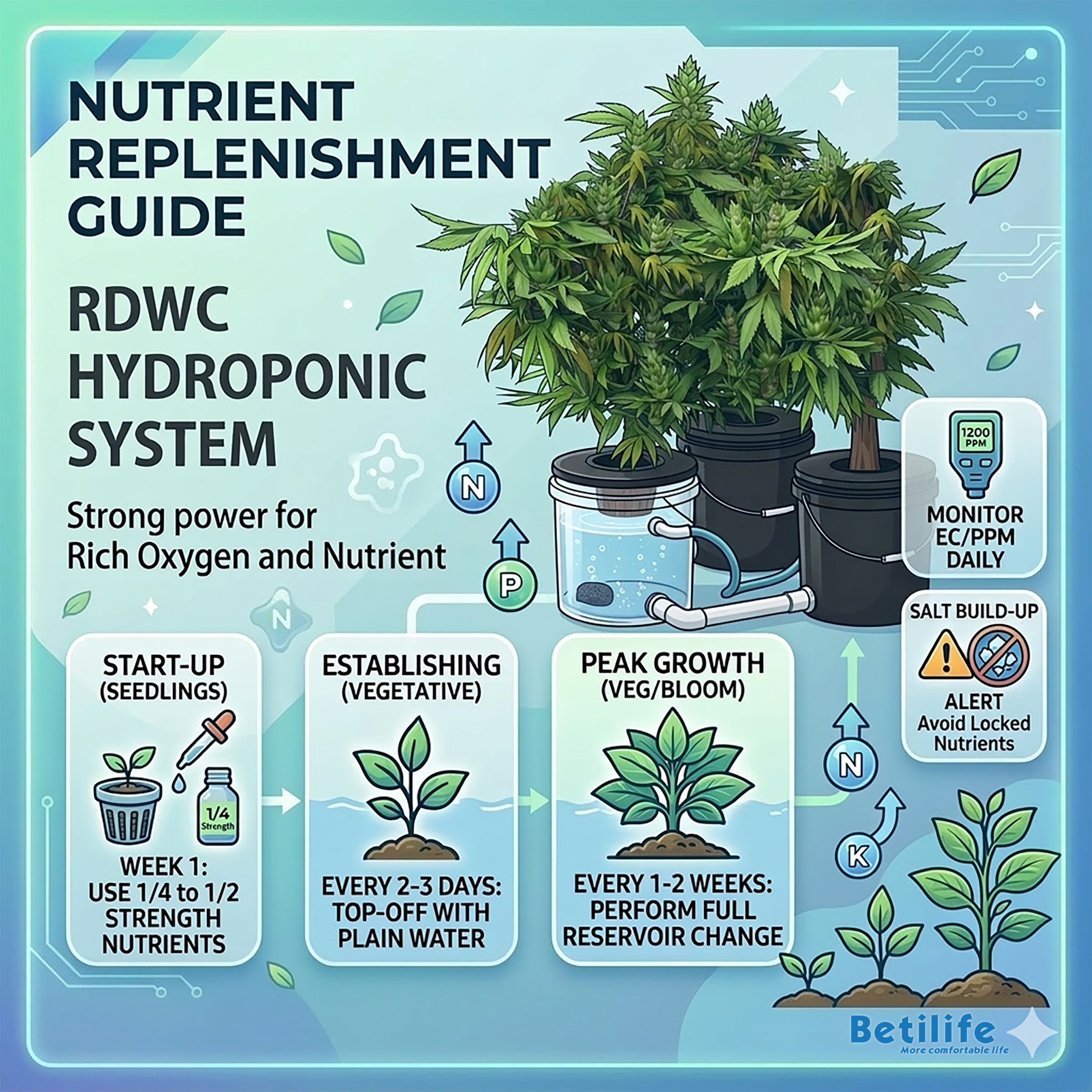
How Often Should I Add Nutrients to My Hydroponic System?
Instead of dumping nutrients randomly, follow this approach:
✅ Daily Maintenance
-
Check water level
-
Top off with pH-balanced water
✅ Every 2–3 Days
-
Add nutrients to maintain target EC/PPM
✅ Weekly Reset
-
Perform a full water change and rebalance nutrients
💡 Pro Tip: With a premium system like the BetiLife™ RDWC Hydroponic System, nutrient distribution is more uniform due to optimized recirculation design—reducing the risk of hotspots or deficiencies.
Signs You Need to Change Water Immediately
Don’t wait for your schedule if you notice:
-
❌ Rapid pH swings
-
❌ EC/PPM rising unexpectedly
-
❌ Cloudy or foul-smelling water
-
❌ Slimy or brown roots
-
❌ Slowed plant growth
These are early warnings of nutrient lockout or root disease.
How to Change Water in a Hydroponic System (Step-by-Step)
Follow this simple process to avoid plant stress:
1. Turn Off System
-
Shut down pumps and air stones temporarily.
2. Drain the Reservoir
-
Use a pump or drain valve to remove old nutrient solution.
3. Rinse (Optional but Recommended)
-
Flush buckets and lines with clean, pH-balanced water.
4. Refill with Fresh Water
-
Use filtered or RO water if possible.
5. Add Nutrients
-
Mix nutrients according to growth stage.
6. Adjust pH
-
Target range: 5.5–6.5
7. Restart System
-
Ensure proper circulation and aeration.
How the BetiLife™ RDWC Hydroponic System Makes This Easier
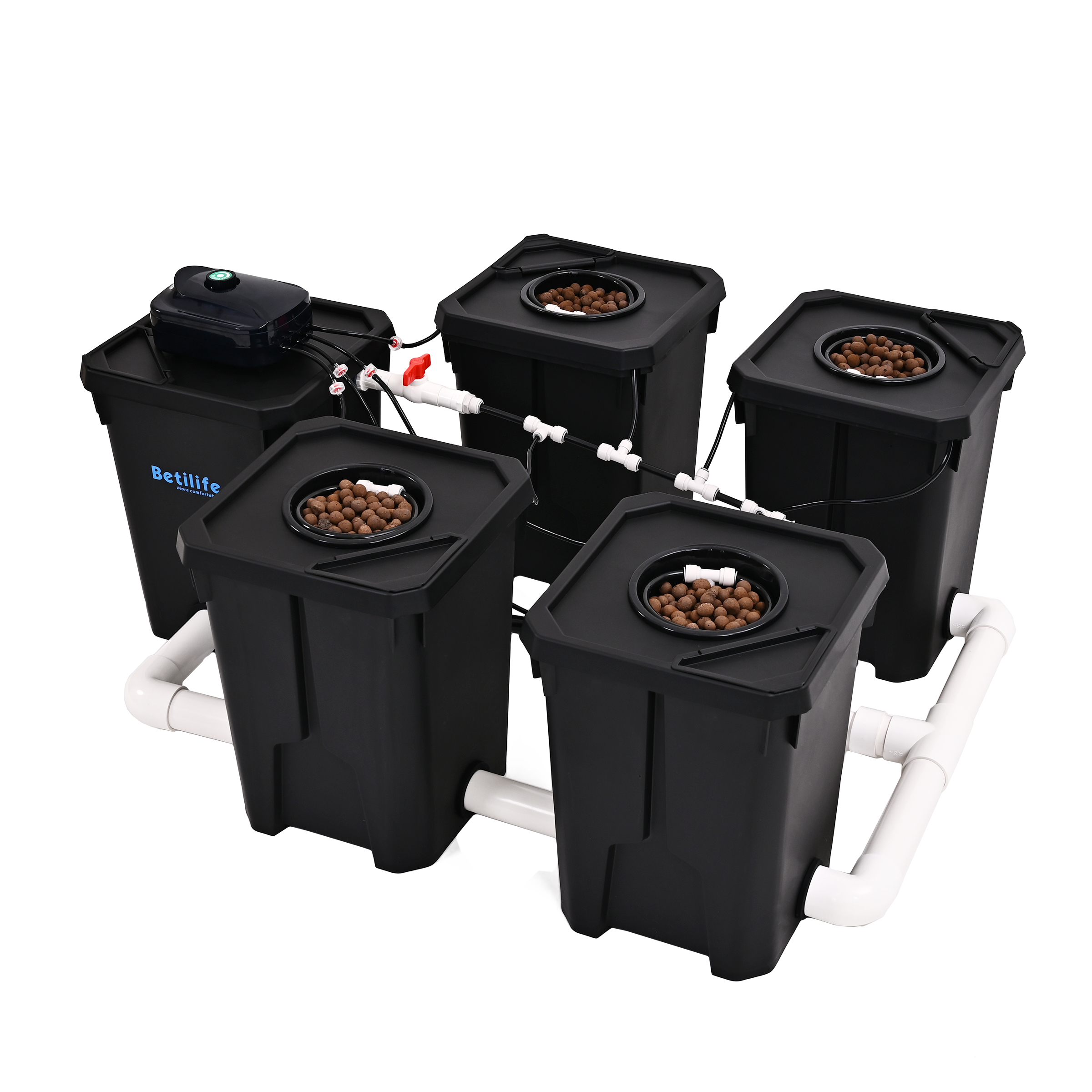
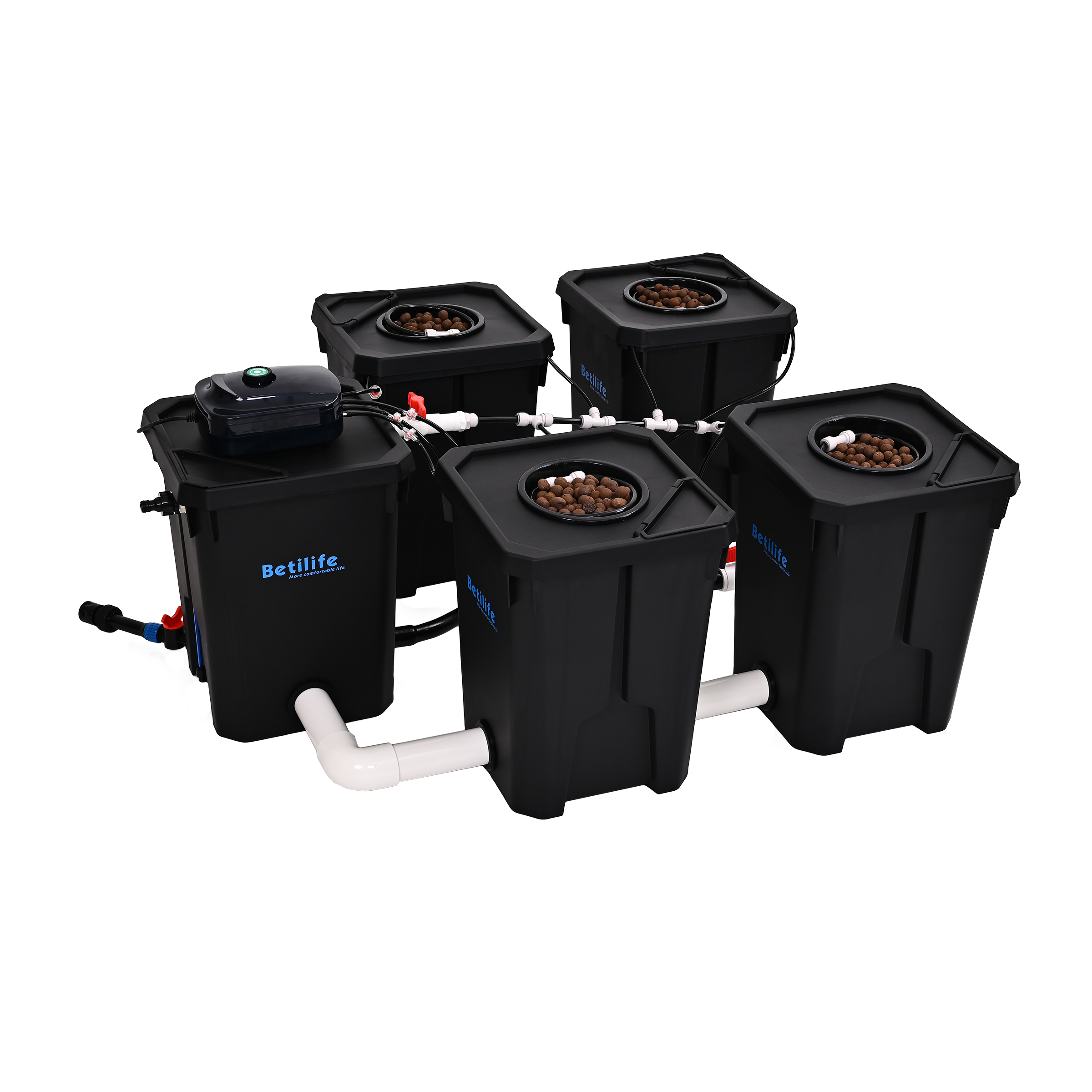
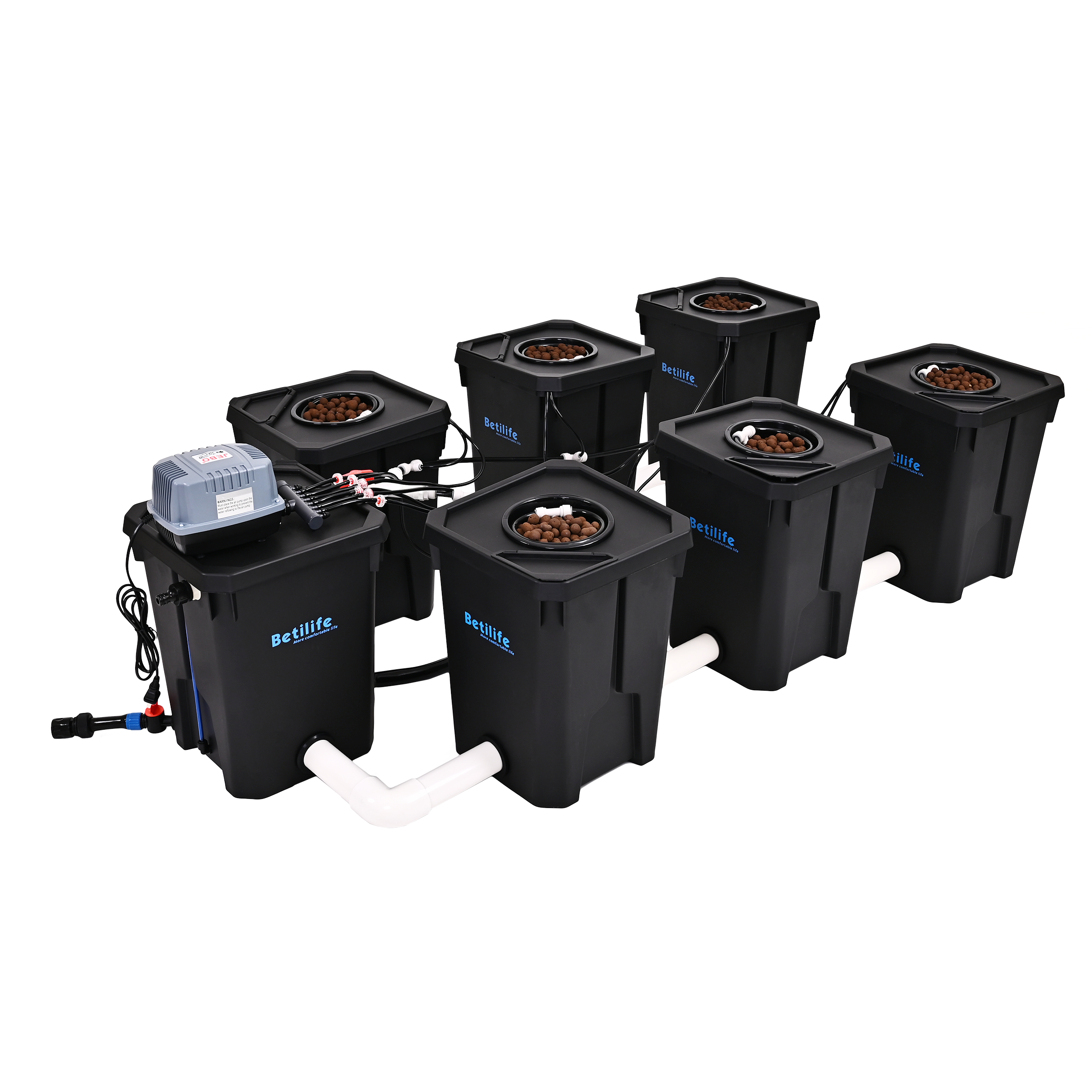
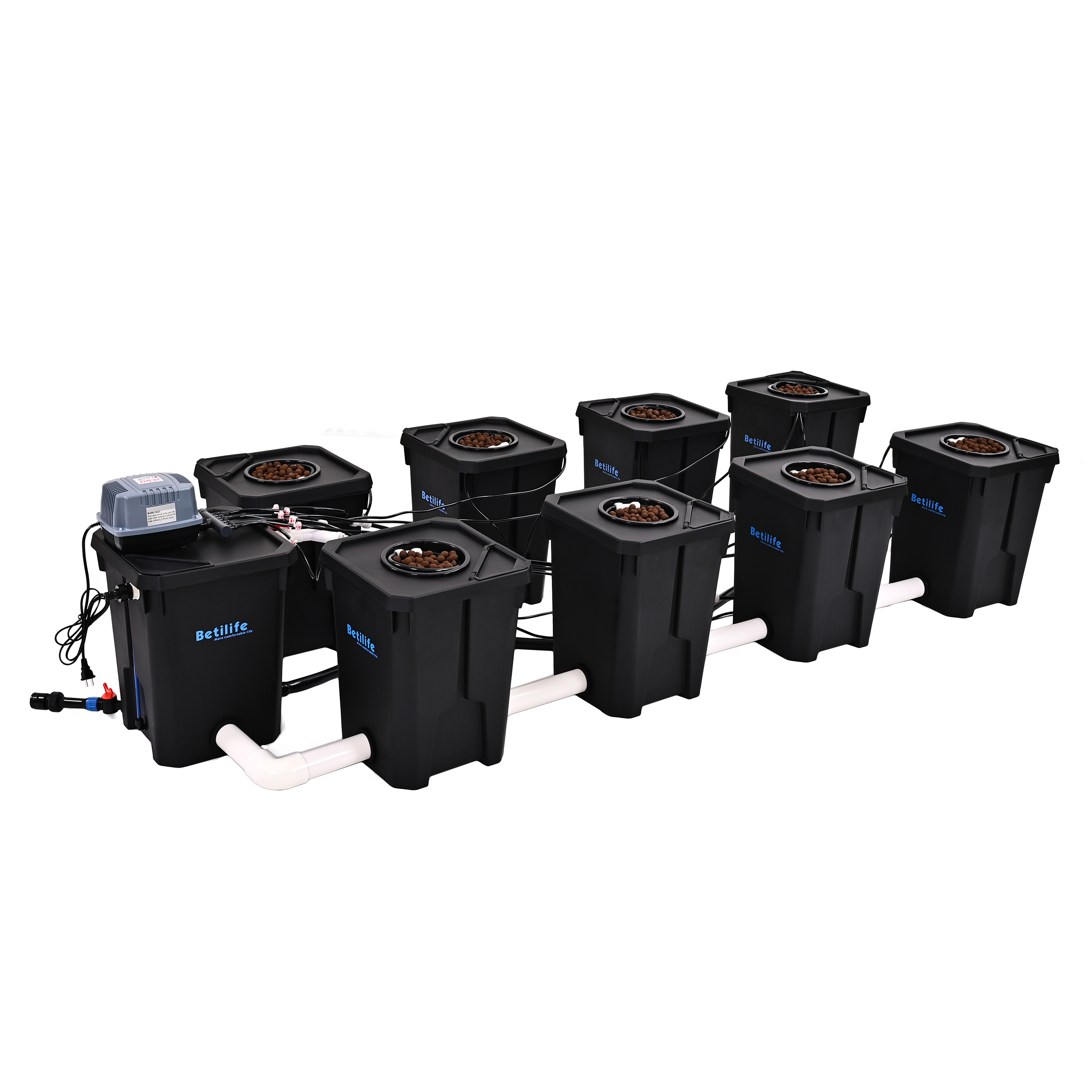
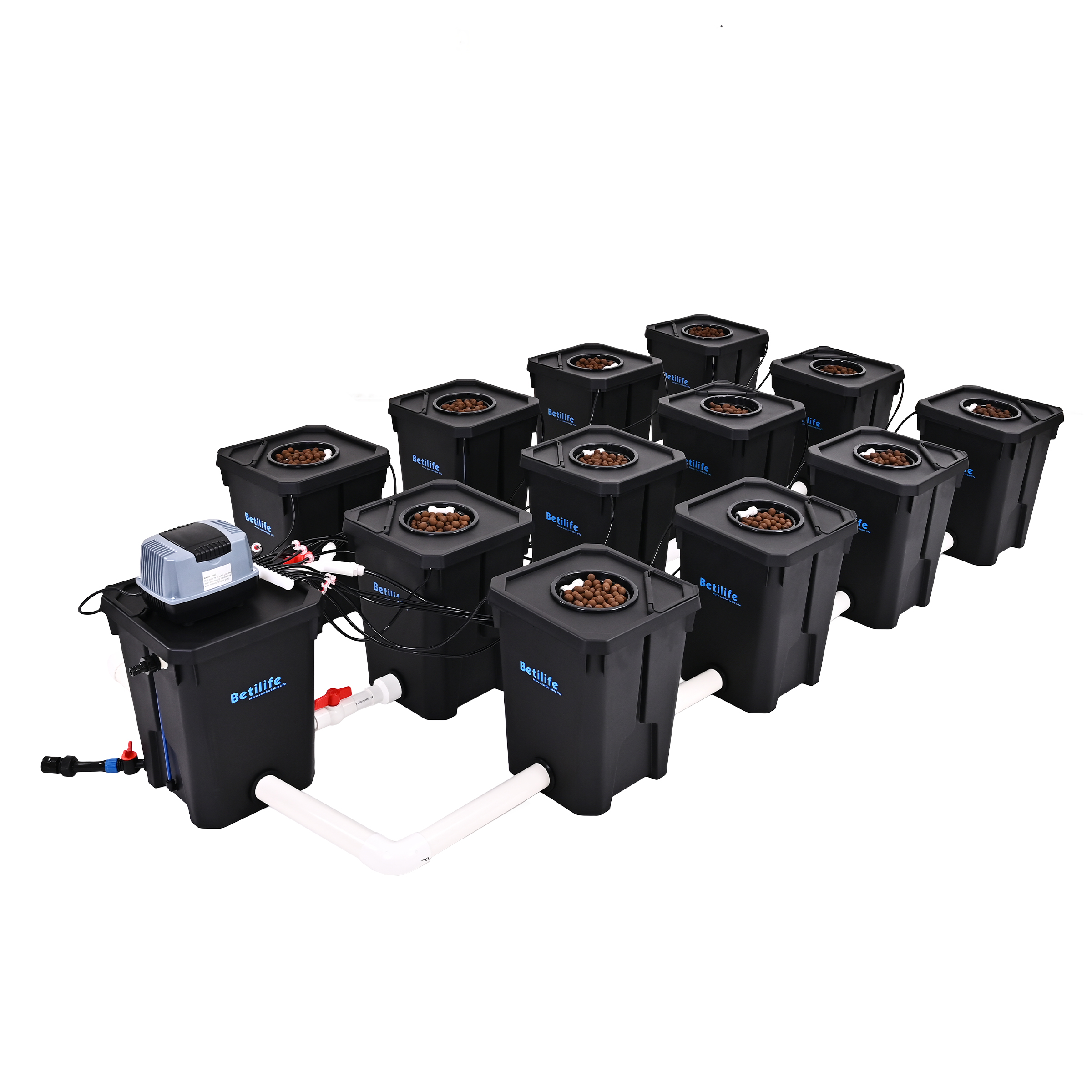
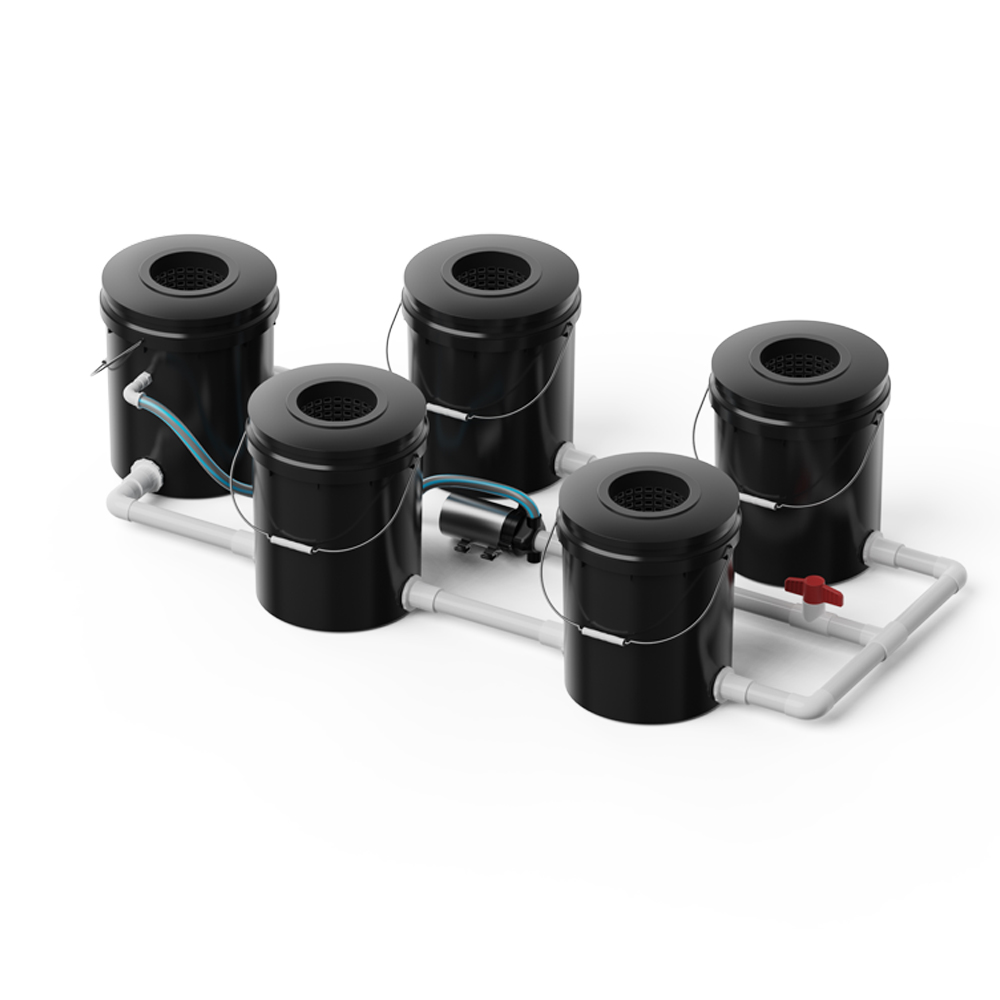
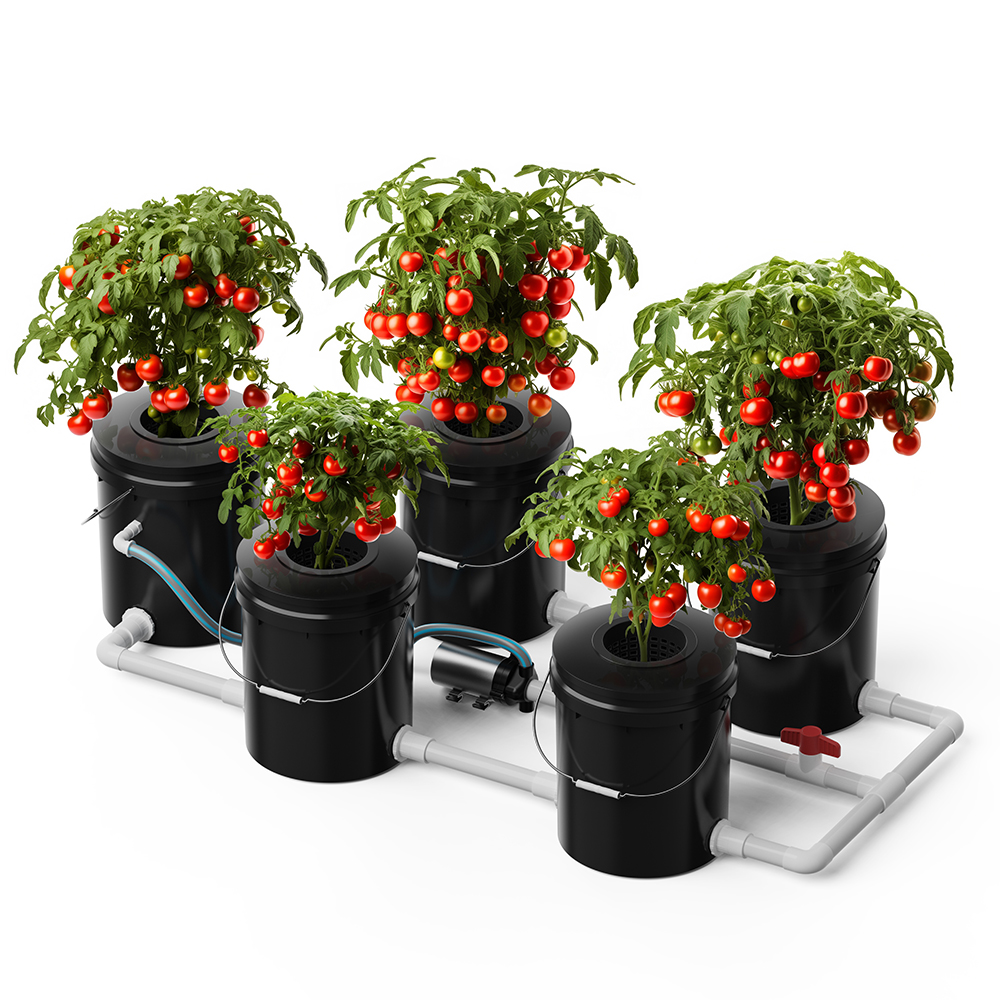
Not all RDWC systems are created equal. The BetiLife™ RDWC Hydroponic System is engineered to simplify water management and improve consistency:
🚀 Key Advantages:
-
Efficient Recirculation Design
Ensures even nutrient distribution across all buckets
-
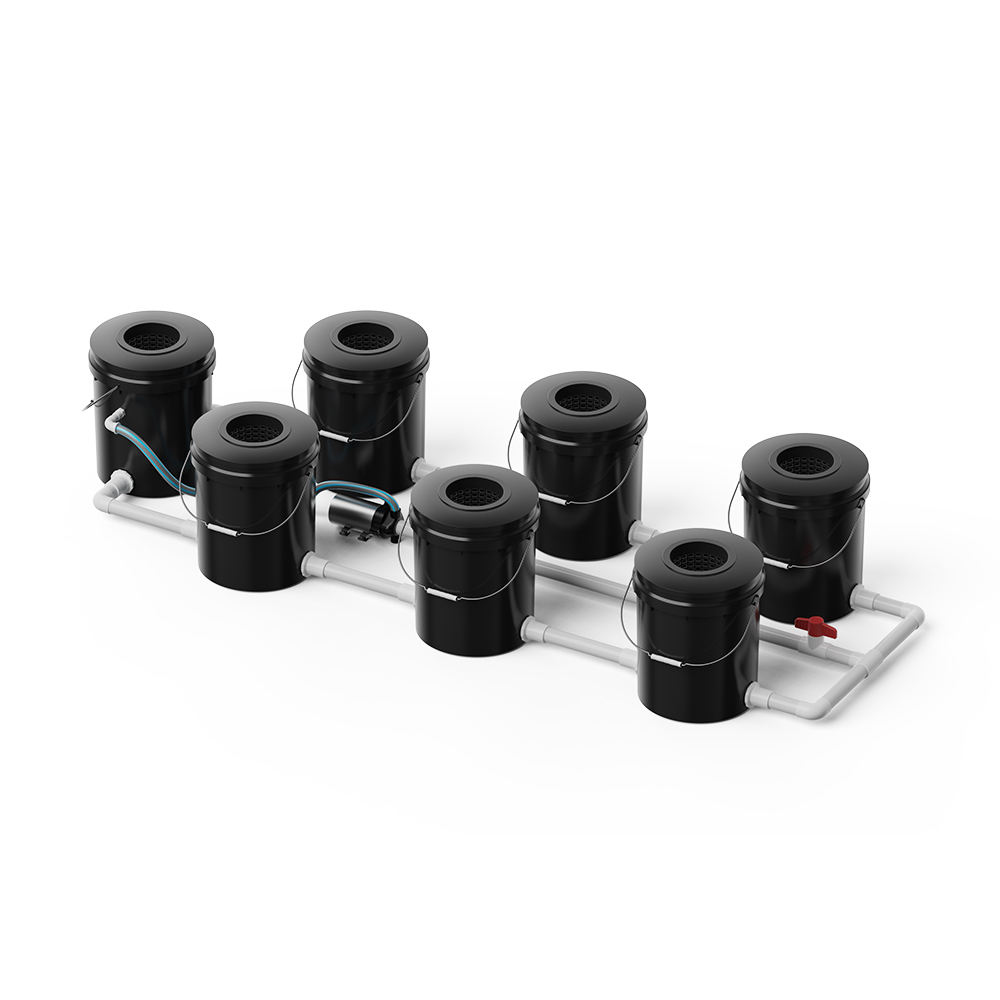
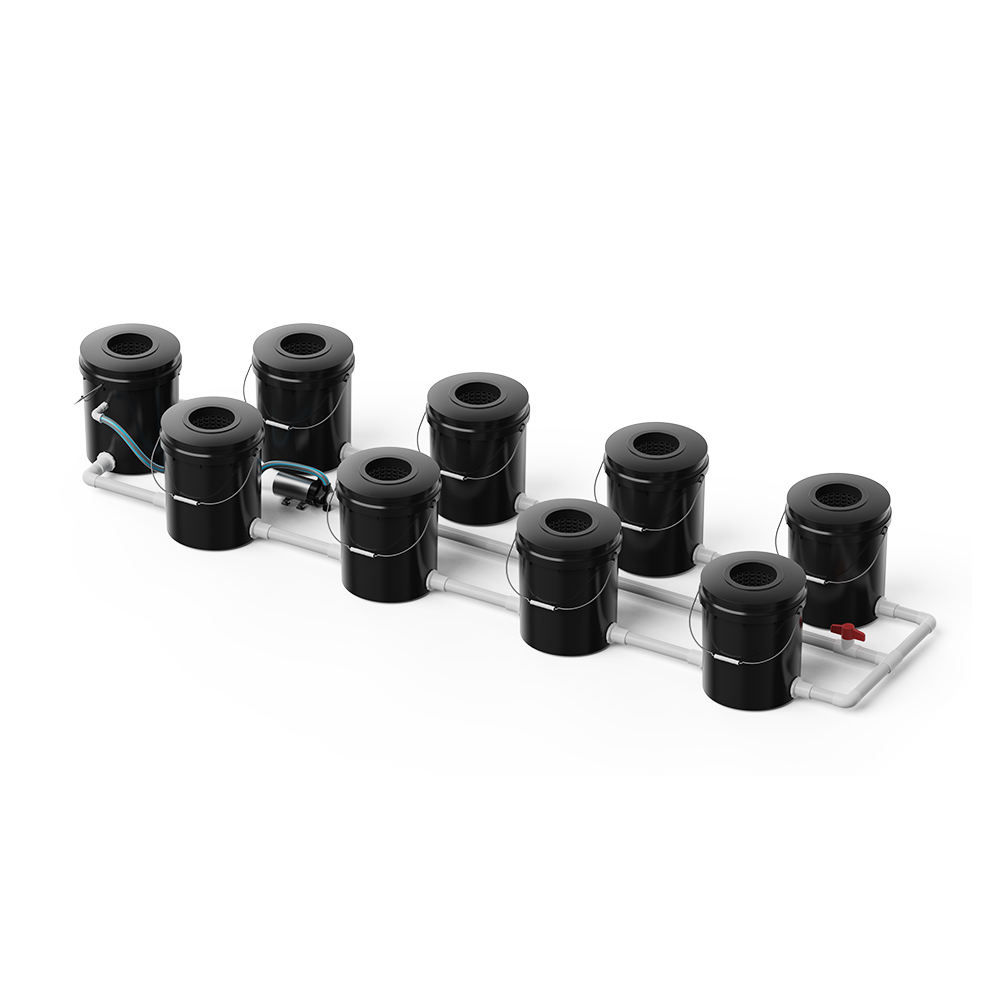
Large Capacity Reservoir Options (5, 7, 9 Buckets)
Slows down nutrient fluctuations and stabilizes pH
-
High Oxygenation System
Healthier roots = less frequent emergency water changes
-
User-Friendly Drainage Setup
Makes full water changes faster and cleaner
-
Scalable for Commercial & Home Growers
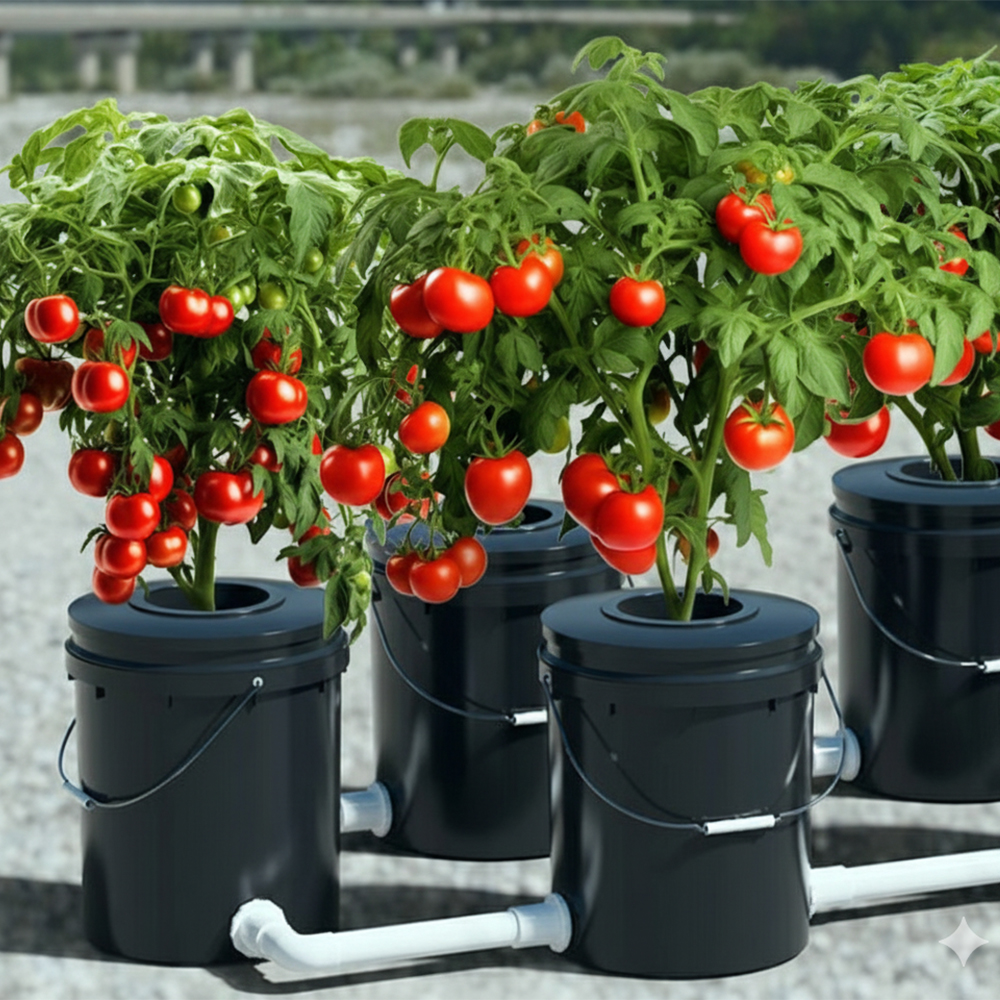
Ideal for crops like tomatoes, peppers, cucumbers—and high-demand plants (e.g., cannabis).
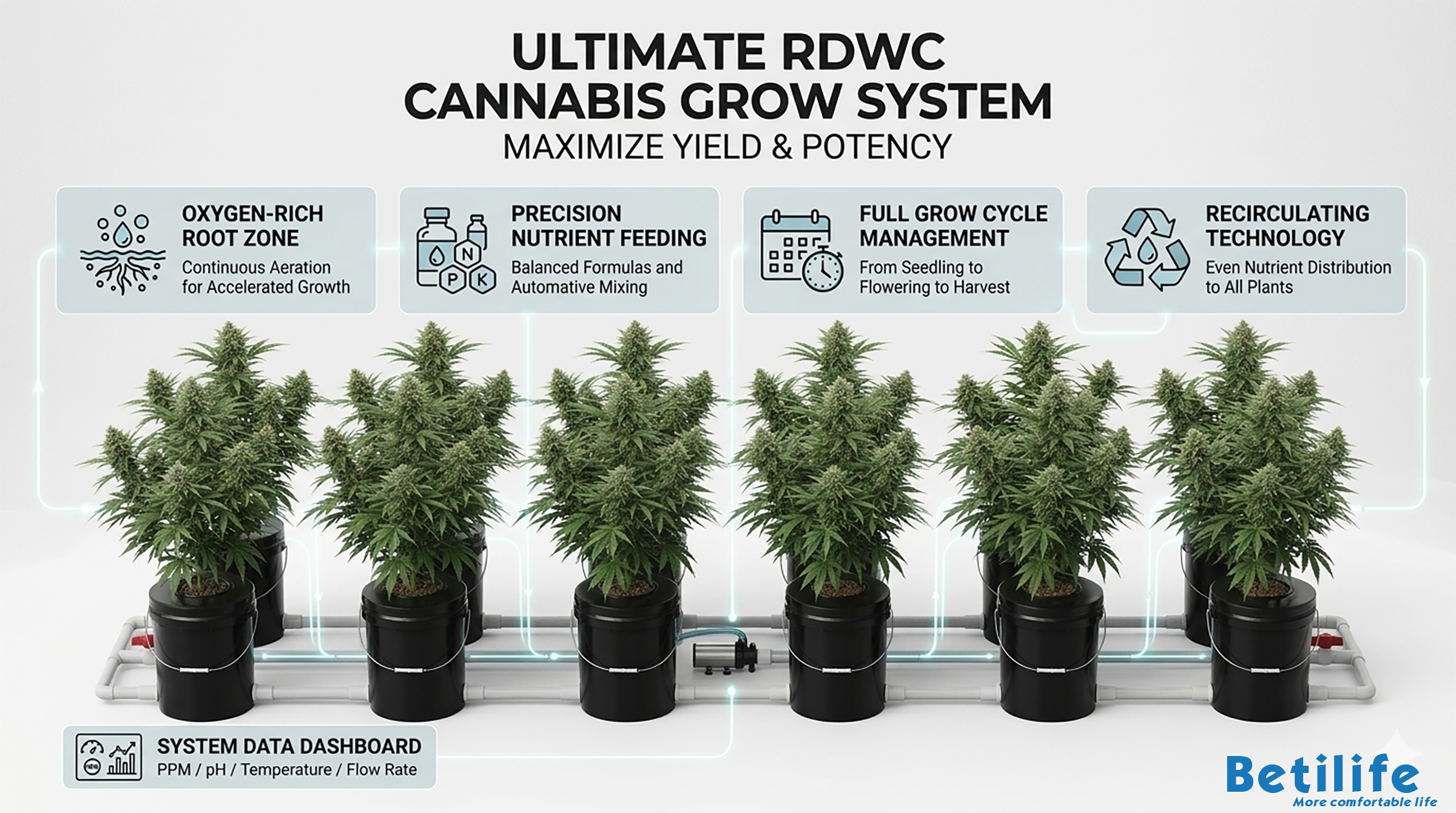
Pro Tips to Reduce Water Change Frequency
Want to extend your intervals safely? Here’s how:
-
Use beneficial microbes or enzymes
-
Maintain water temp at 65–72°F (18–22°C)
-
Keep system light-proof to prevent algae
-
Use high-quality nutrients
-
Invest in a stable RDWC system (like BetiLife™)
Final Thoughts
So, how often should you change the water in your RDWC hydroponic system?
-
👉 The sweet spot is every 7–14 days, with more frequent changes during flowering.
-
👉 Combine that with regular top-offs and nutrient adjustments, and your plants will thrive.
If you want to minimize guesswork and maximize yield, upgrading to a reliable system like the BetiLife™ RDWC Hydroponic System can make a significant difference—especially for serious growers and commercial operations.
Ready to Optimize Your RDWC Grow?
Whether you're a beginner or scaling your operation, choosing the right system is just as important as your maintenance routine.
👉 Explore BetiLife™ RDWC Hydroponic Systems today and grow smarter, not harder.
 BetiLife™ Professional RDWC Complete Kit
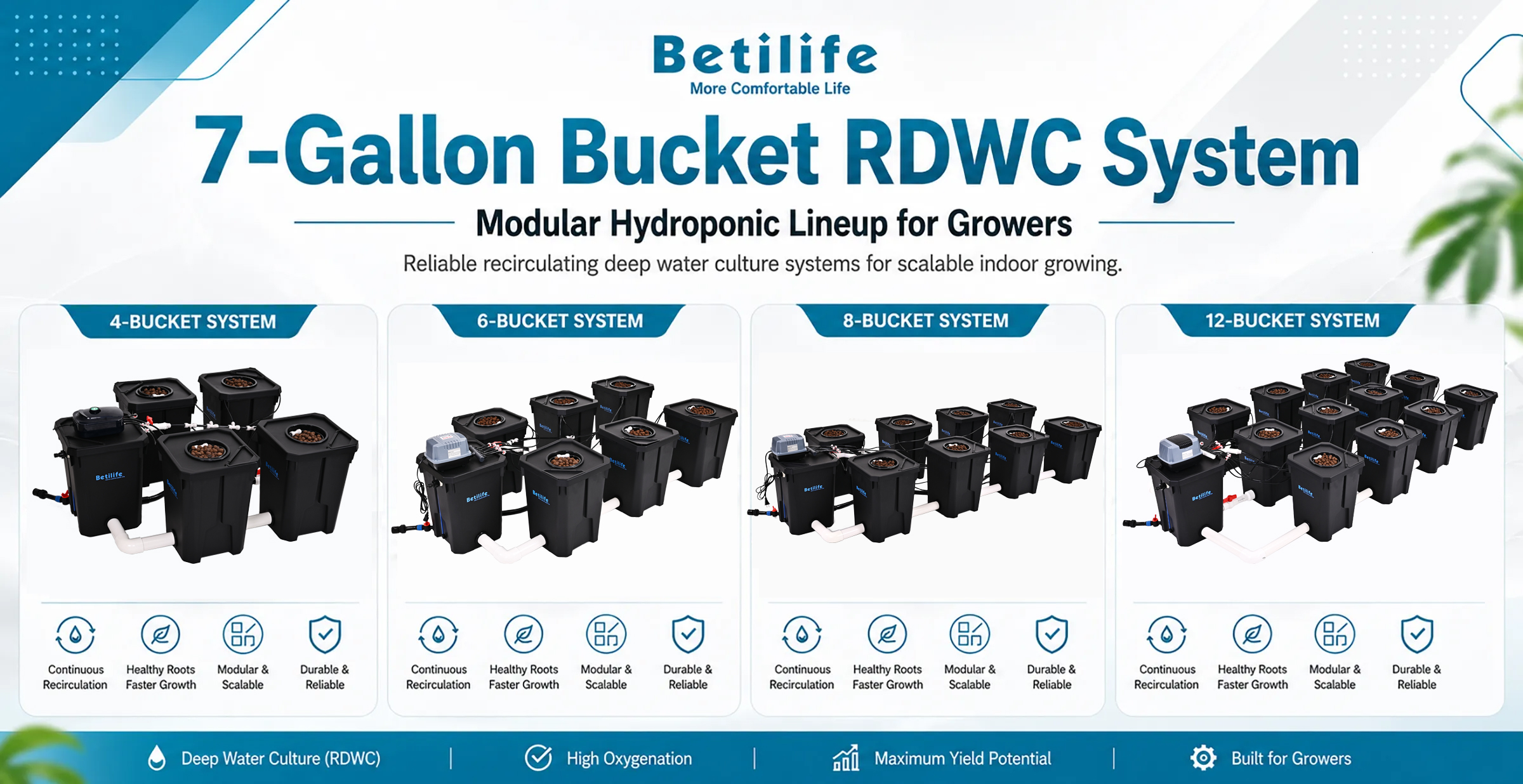
7-Gallon Bucket Commercial RDWC System
FAQ Section (People Also Ask Optimization)
❓ How often should I change the water in my RDWC after adding nutrients?
-
Typically every 7–10 days, but during flowering, reduce to 5–7 days due to higher nutrient uptake.
❓ Can I just top off instead of changing water?
-
No. Topping off helps short-term, but full changes are necessary to prevent nutrient imbalance and salt buildup.
❓ How do I know if my RDWC water is bad?
-
Signs include:
-
Bad smell
-
Cloudiness
-
pH instability
-
Root discoloration
❓ How often should I add nutrients to my hydroponic system?
-
Every 2–3 days, depending on plant uptake and EC levels.
❓ What is the best water temperature for RDWC?
-
65–70°F (18–21°C) is ideal for oxygen retention and root health.
Learn more about hydroponics:
- How to Heat RDWC Buckets
- What Plants Grow Best in a Deep Water Culture System
- What Is an RDWC System
- Is RDWC Better than DWC
- What Are The Best Flowers For Hydroponics
- Can You Do Hydroponic Carrots
- What Are The Best Plants To Grow In Hydroponic Towers
- What Are The Best Hydroponic Lettuce Varieties
- What Are Hydroponic Strawberries
- How to Choose the Best Hydroponic Grow Pods Coir
- Best Nutrients for Deep Water Culture
- How to Grow Arugula Hydroponically
- Growing Hydroponic Cilantro
- How to Grow Hydroponic Lavender
- What Is Hydroponics
- What is the Nutrient Film Technique NFT
- What is Aeroponic
- What is the Ebb and Fow Flood and Drain System
- What is Drip System
- What is the Wick System In Hydroponics