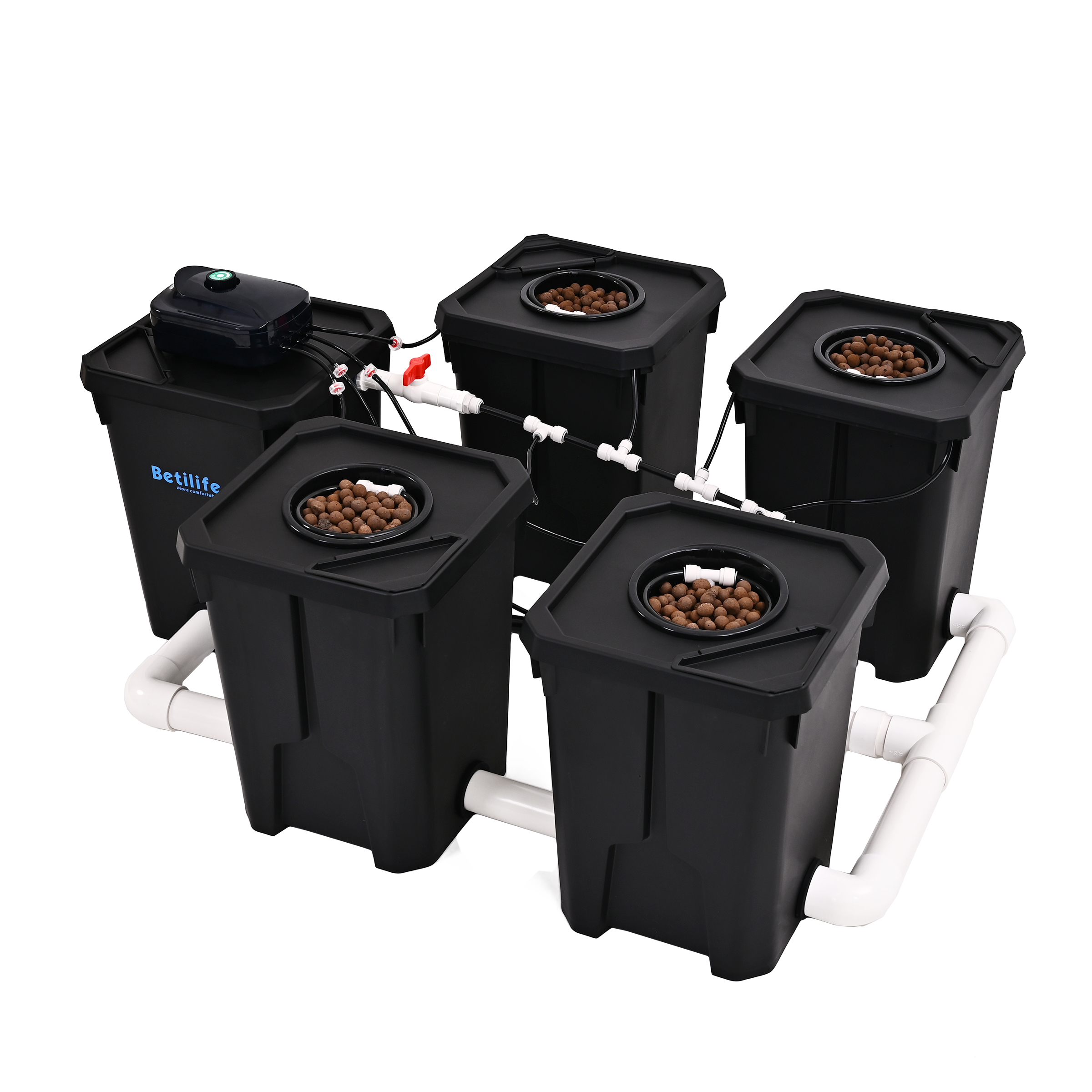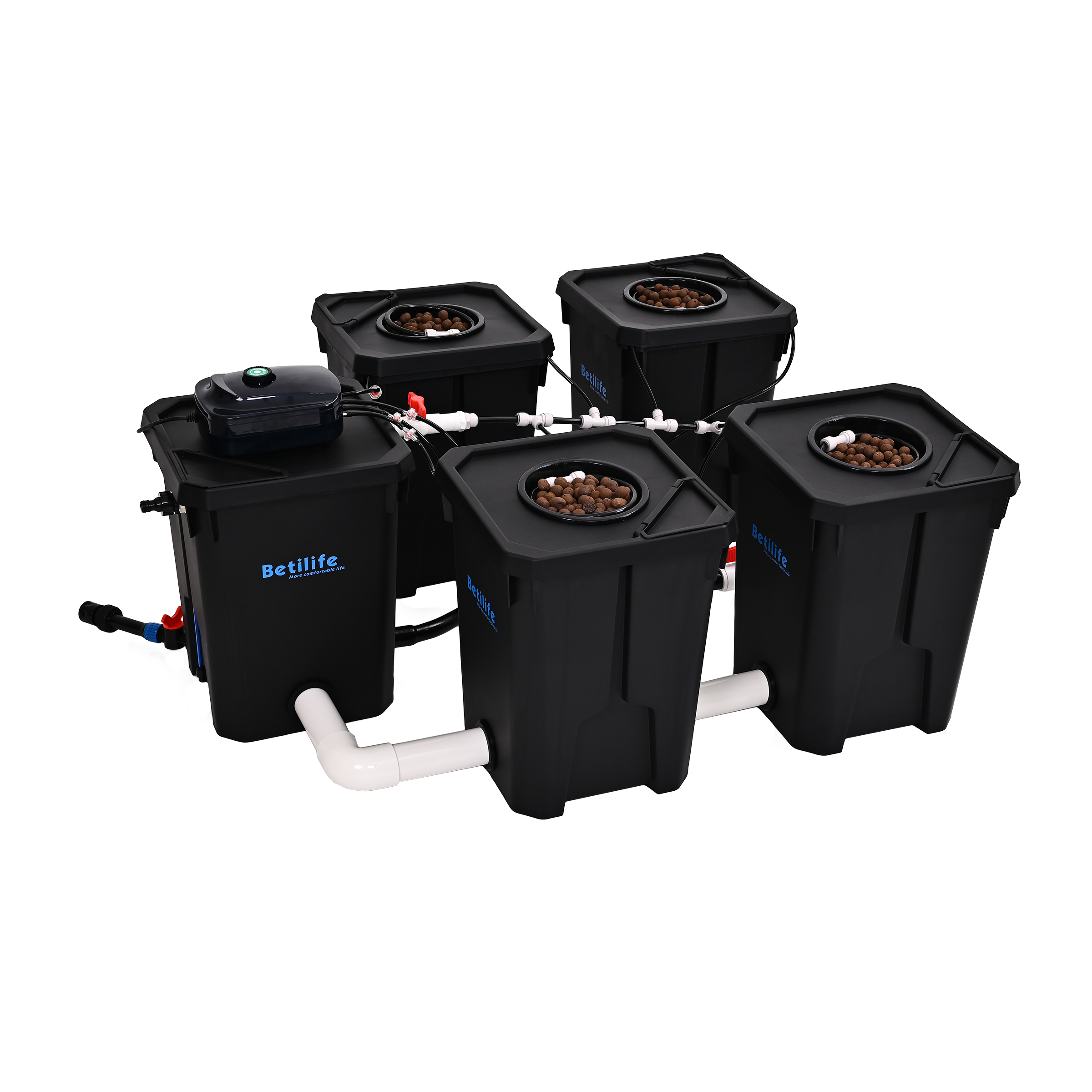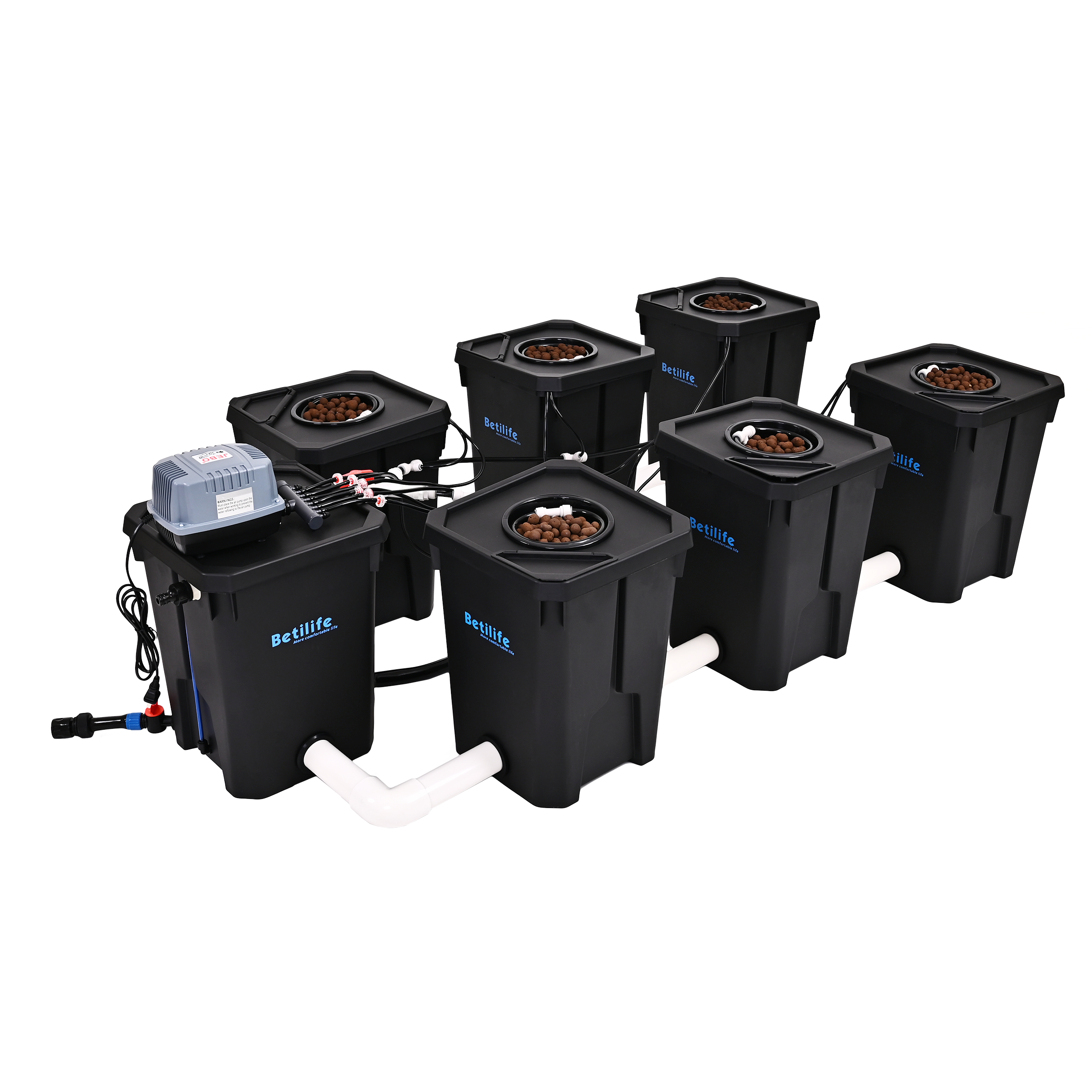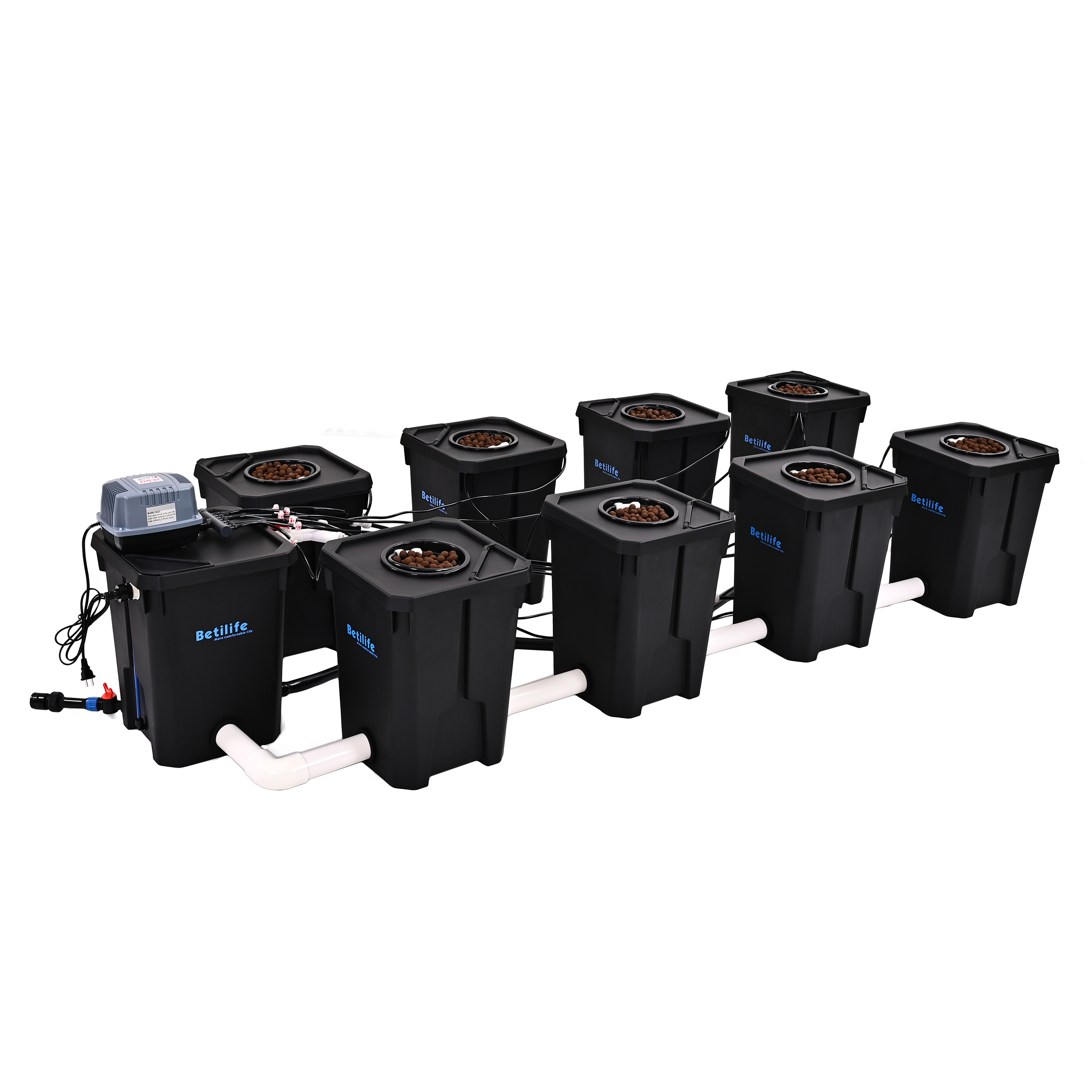

The indoor hydroponic spinach growing guide explains what hydroponic spinach is and how to grow and set up, covering hydroponic spinach nutrient solutions, growing times, yield per plant, and more problems. Everything you need to know about hydroponic spinach growing system kits is here.
What is Hydroponic Spinach?
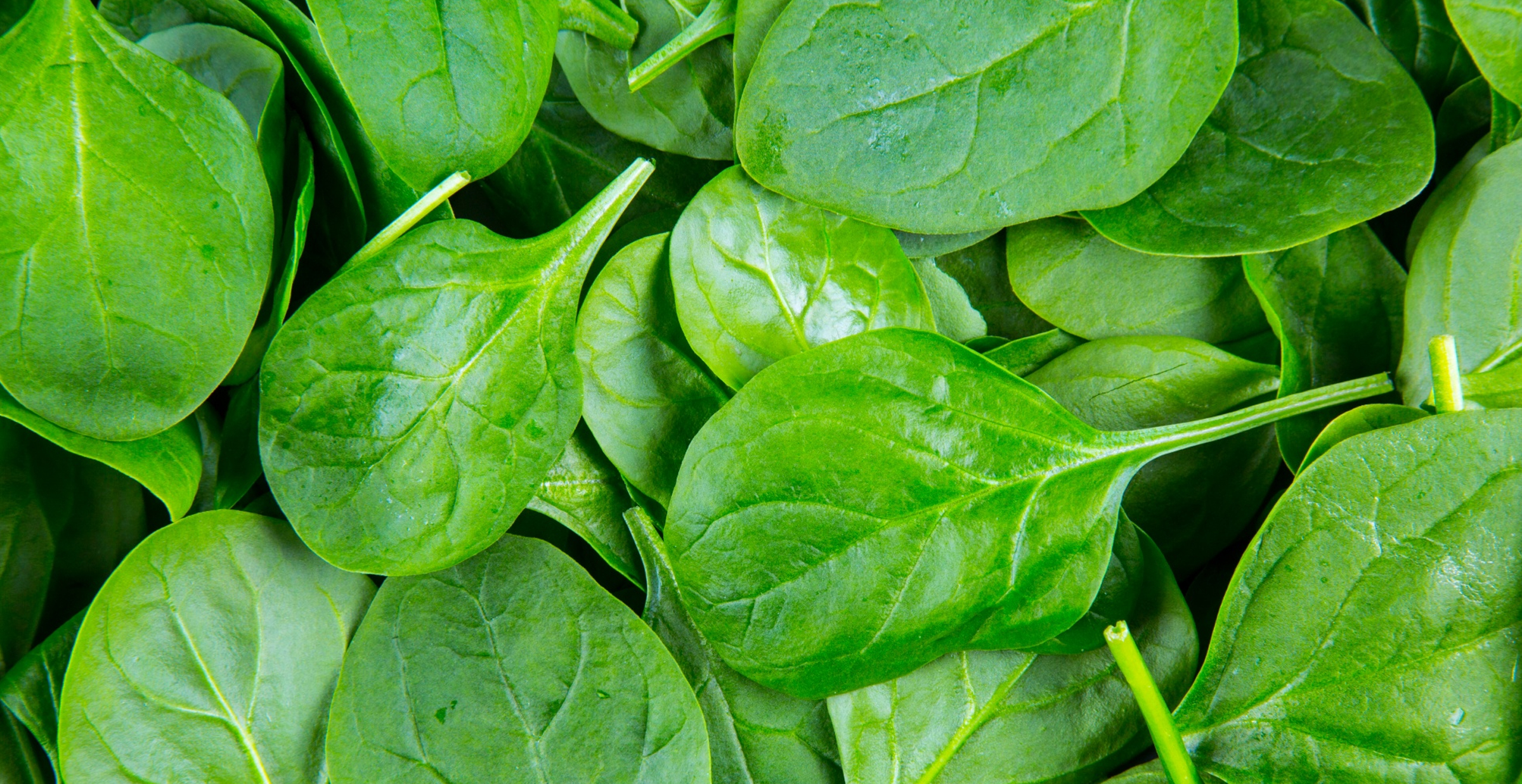
Hydroponic Spinach is spinach grown using a soilless method called hydroponics. Instead of soil, the spinach is cultivated in a nutrient-rich water solution, supported by an inert medium like rockwool or perlite. This technique allows for faster growth, higher yields, and better control over environmental factors like temperature, light, and nutrient levels compared to traditional soil-based spinach farming.
Indoor Hydroponic Spinach refers to growing spinach plants without soil, using nutrient-rich water and a support medium in an indoor environment. This method allows for year-round cultivation of fresh spinach, maximizing space and minimizing reliance on traditional soil-based agriculture.
Spinach is well-suited for hydroponic cultivation, thriving in various systems like Deep Water Culture (DWC) or Nutrient Film Technique (NFT). It prefers cooler temperatures (65-70°F during the day) and a 12-hour light cycle. Key nutrients for spinach include calcium and magnesium, while nitrogen should be used cautiously to avoid leaf burn.
Can Spinach Be Grown Hydroponically?
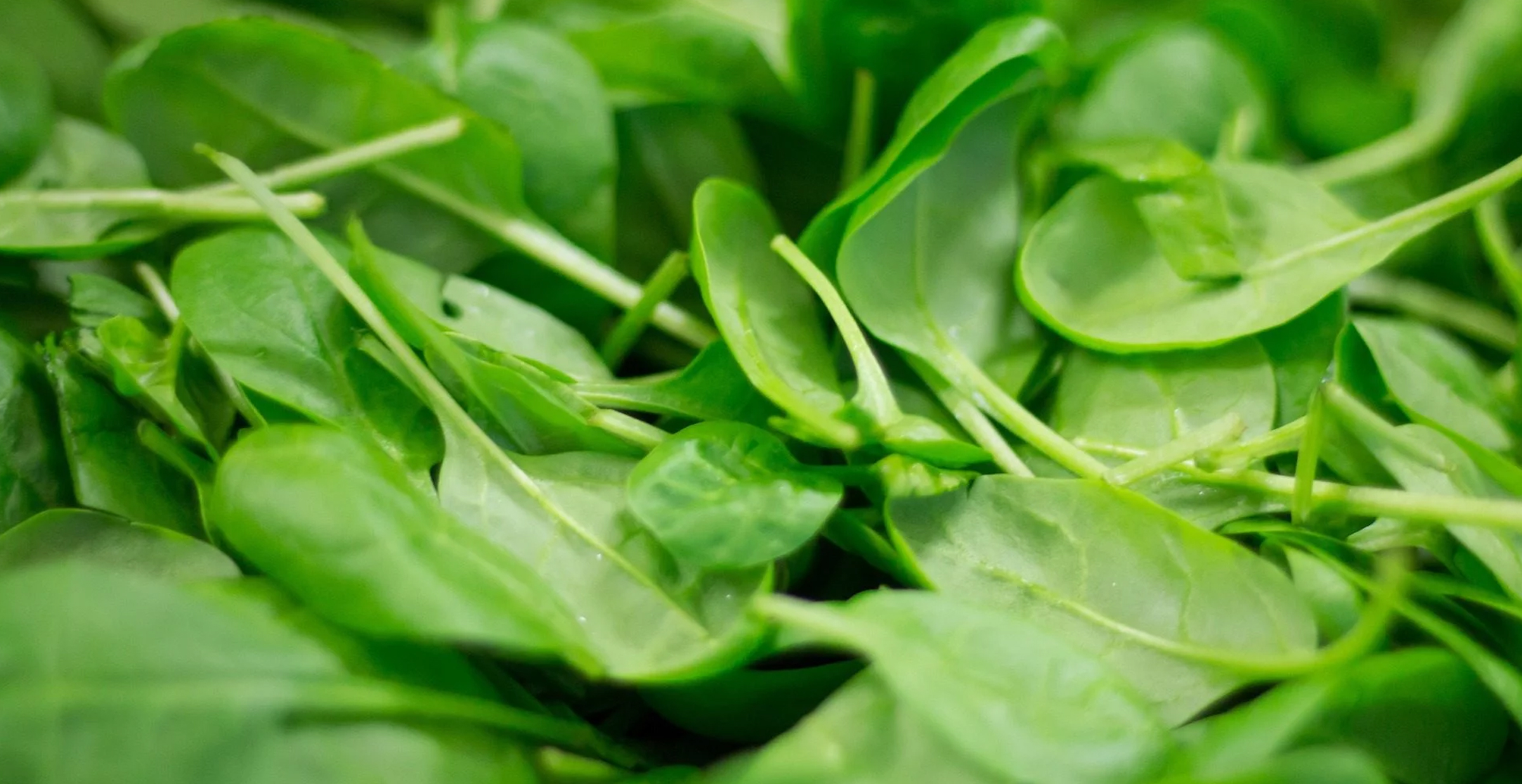
Yes, spinach grows exceptionally well hydroponically! In fact, it's one of the most popular and recommended leafy greens for hydroponic systems due to several advantages:
Hydroponic Spinach Benefits
-
Faster Growth: Spinach often matures significantly faster hydroponically (around 30-45 days from seed to harvest) compared to soil, as nutrients are readily available and roots don't have to search.
-
Higher Yields: Controlled nutrient delivery and optimal growing conditions typically lead to larger, more abundant leaves.
-
Year-Round Production: You aren't limited by seasons or soil conditions. Grow indoors under lights anytime.
-
Cleaner Harvest: No soil means cleaner leaves, less washing, and reduced risk of soil-borne diseases.
-
Water Efficiency: Hydroponic systems use significantly less water than traditional soil gardening.
-
Space Efficiency: Vertical systems or compact setups allow for high-density planting.
-
Reduced Pest/Disease Pressure: While not immune, being off the ground and away from soil significantly reduces common pests and diseases.
How To Grow Spinach Hydroponically?
Growing spinach hydroponically is efficient and productive! Here's a comprehensive guide covering systems, settings, and solutions to common hydroponic spinach problems:
I. Best Hydroponic System for Spinach
-
Nutrient Film Technique (NFT)
-
Why: Excellent for shallow-rooted spinach. Continuous flow provides nutrients/oxygen.
-
Setup: Tilted channels (1-3° slope), pump/reservoir below. Roots sit in a thin film of nutrient solution.
-
-
Deep Water Culture (DWC) / Kratky Method
-
Why: Simple, low-cost (especially Kratky). Great for beginners.
-
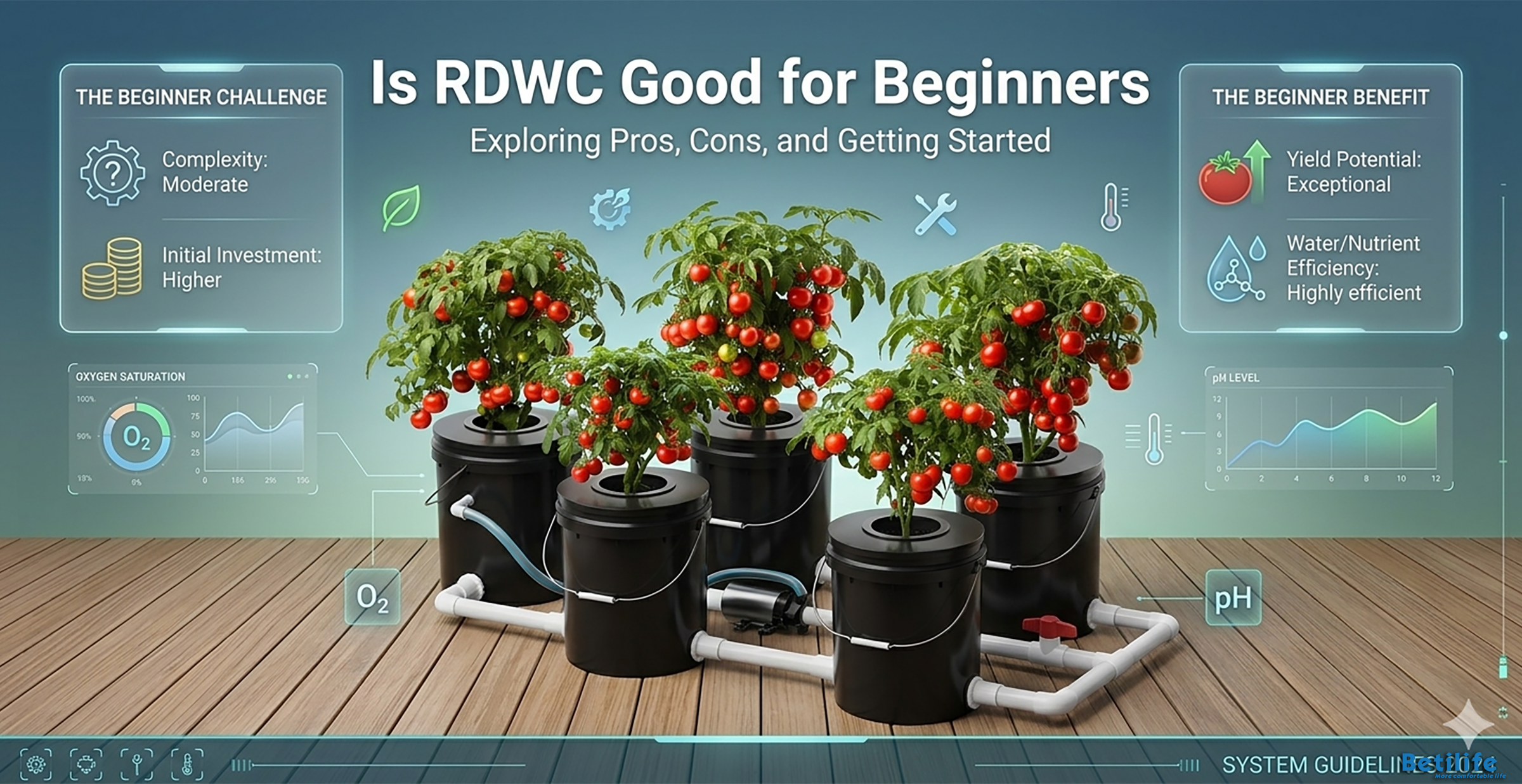
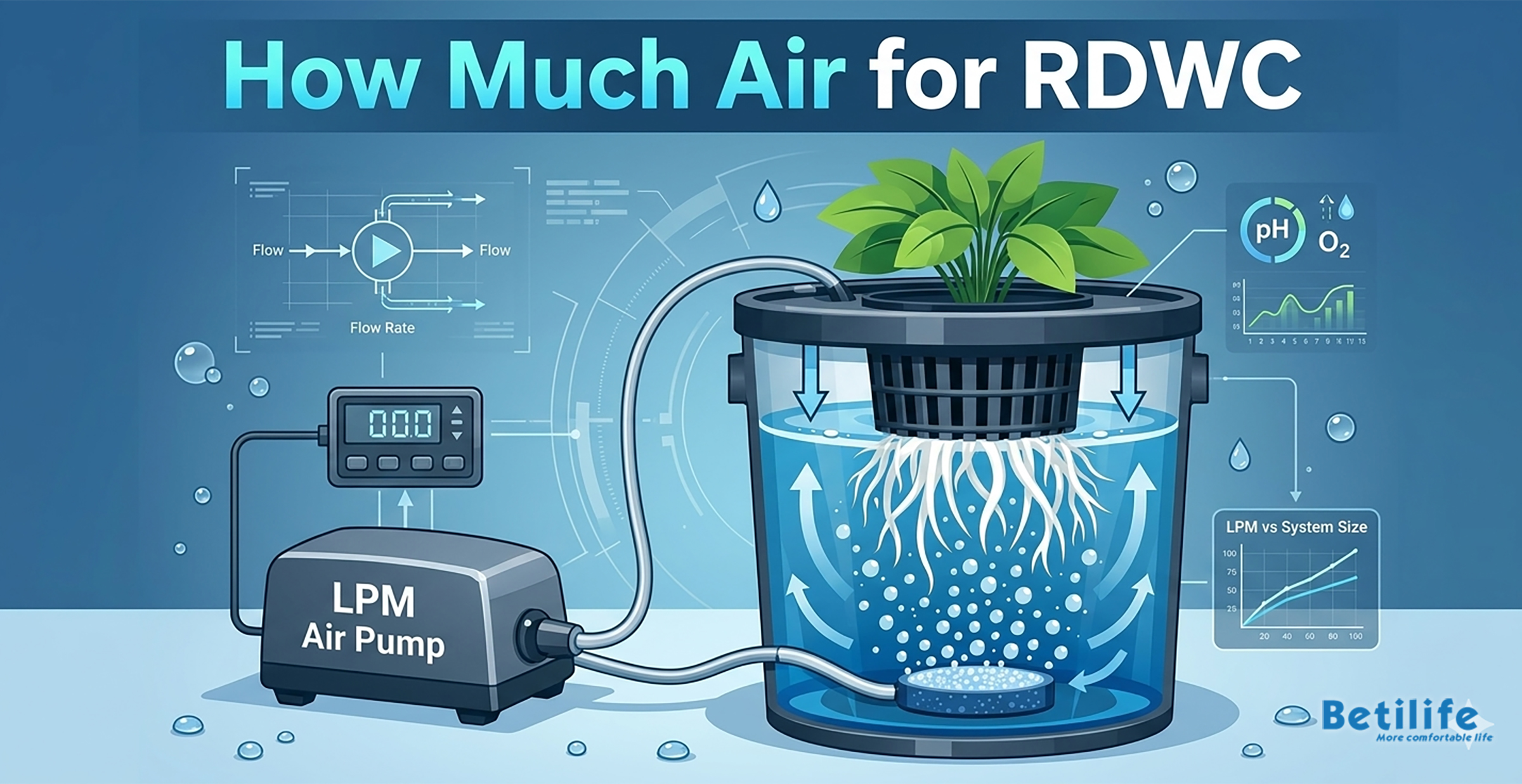
Setup (DWC): Plants suspended in net pots over an aerated reservoir. Roots submerged.
-
Setup (Kratky): Non-circulating. Reservoir level drops as roots grow, creating an air gap. Best for single harvests.
-
-
Ebb and Flow (Flood and Drain)
-
Why: Good root aeration during drain cycles.
-
Setup: Grow tray periodically flooded with nutrient solution, then drained back to the reservoir.
-
-
-
Why: Versatile, works with various media.
-
Setup: Pump drips nutrient solution onto the base of each plant (often in coco coir, perlite, rockwool cubes).
-
II. Optimal Settings & Conditions
-
Hydroponic Spinach Nutrient Solution
-
Formula: Balanced vegetative formula, slightly higher in Nitrogen (N). Target N-P-K around 5-3-8 or similar during main growth.
-
EC (Electrical Conductivity): 1.4 - 2.0 mS/cm (Seedlings: 0.8-1.0; Mature: 1.6-2.0). Lower end in summer/high light.
-
pH: Crucial! Maintain 5.8 - 6.2. Spinach is sensitive to pH fluctuations. Check/adjust daily.
-
Key Nutrients: Ensure adequate Calcium (Ca) and Magnesium (Mg) to prevent tip burn. Consider a Cal-Mag supplement if your base lacks it.
-
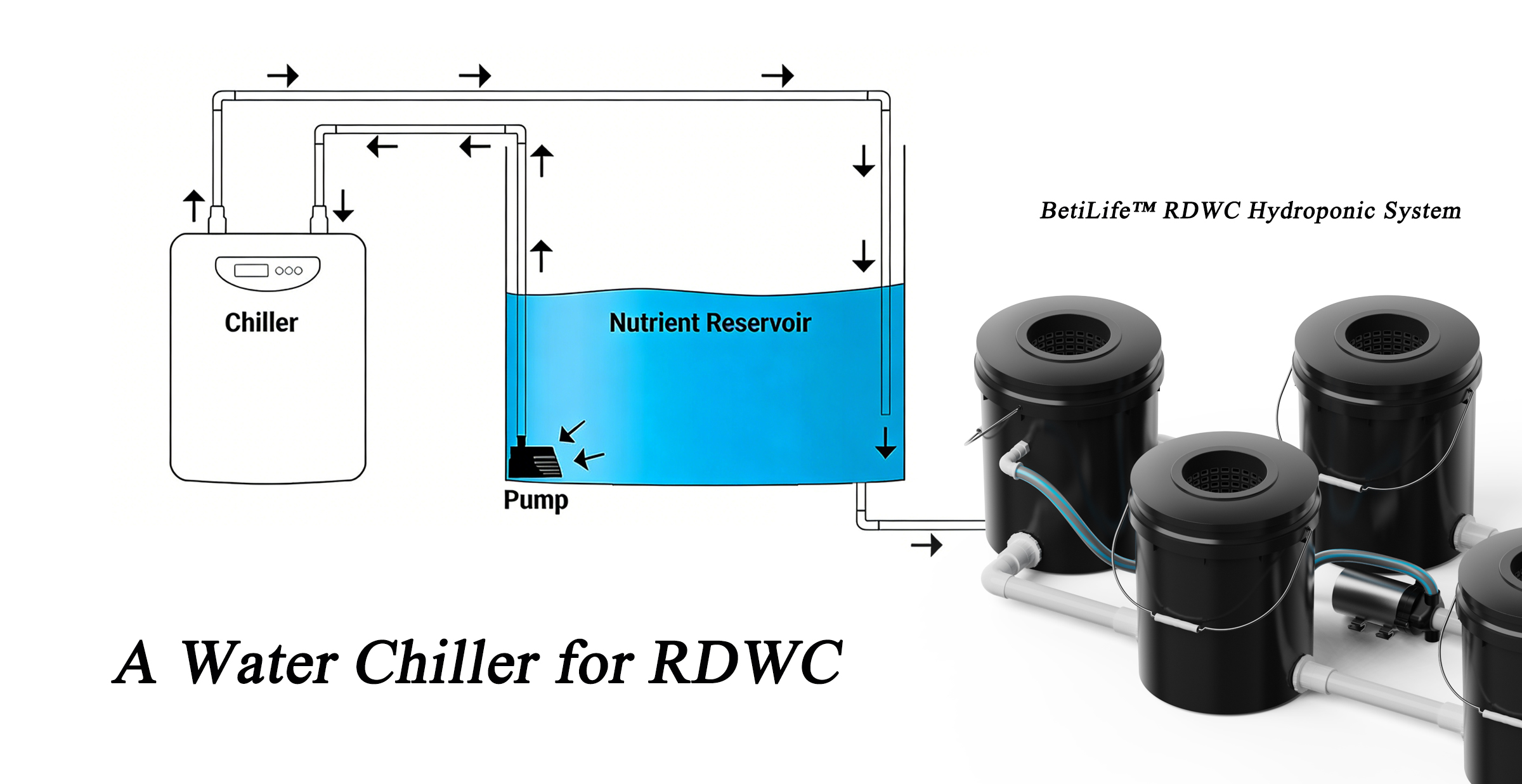
Temperature: Keep reservoir temperature cool (18-21°C / 65-70°F). Use a chiller if necessary in warm climates.
-
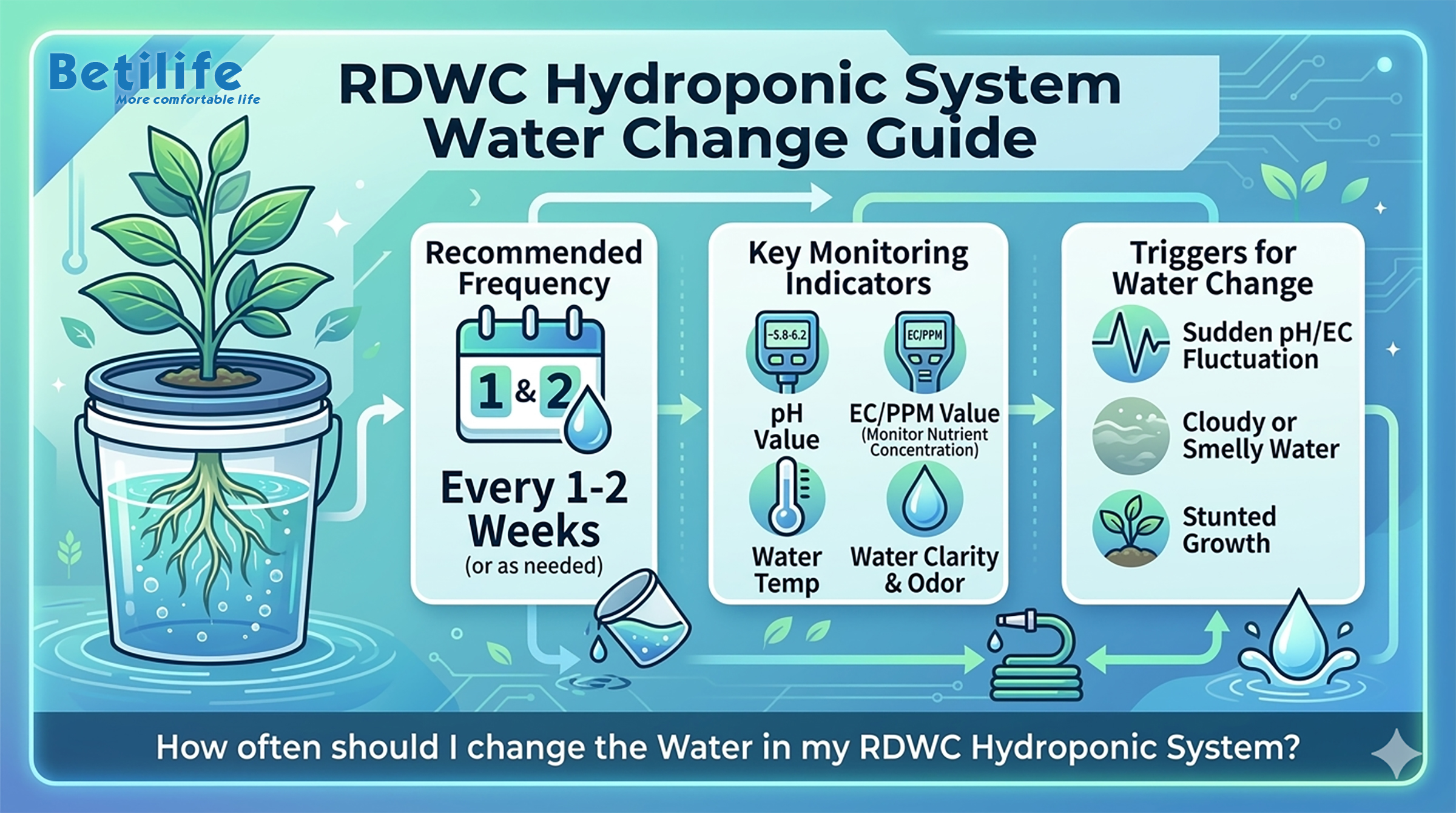
Change Schedule: Replace solution every 1-2 weeks to prevent imbalances/salt buildup.
-
-
Environment
-
Temperature (Air): The biggest challenge! Ideal: 15-20°C (60-68°F). Above 24°C (75°F) significantly increases bolting risk. Below 10°C (50°F), slow growth.
-
Light:
-
Duration: 12-14 hours per day. Avoid exceeding 14 hours to delay bolting.
-
Intensity: Moderate (250-450 PPFD for seedlings, 400-600 PPFD for mature plants). Use full-spectrum LED grow lights (most efficient). Adjust height to avoid light burn.
-
-
Humidity: 40-60%. Good airflow is critical to prevent fungal diseases (like downy mildew) at higher humidity.
-
-
Planting
-
Seeds: Use high-quality, disease-free seeds. Soaking isn't usually necessary.
-
Medium: Rockwool cubes, Oasis cubes, coco coir plugs, or net pots with clay pebbles/perlite. Ensure good drainage and aeration.
-
Germination: Keep medium moist (not soaked) and warm (18-22°C / 65-72°F). Cover with humidity dome. Germinates in 5-10 days.
-
Transplanting: Transplant seedlings into the main system once roots emerge from the starter plug/cube (usually 10-14 days).
-
Spacing: 10-15 cm (4-6 inches) apart to allow airflow and light penetration.
-
III. Step-by-Step Setup (Example: DWC)
-
Reservoir: Fill with pH-adjusted water (5.8-6.2).
-
Nutrients: Add hydroponic nutrients to target EC (start low for seedlings).
-
Aeration: Place air stones connected to an air pump in the reservoir.
-
Lid: Place the lid with the net pots on the reservoir.
-
Plants: Place seedlings (in starter cubes) into net pots, surrounded by clay pebbles for support.
-
Light & Environment: Position lights, set timer (12-14h), ensure temperature/humidity are controlled.
-
Monitor: Check pH and EC daily. Top up with pH-adjusted water as needed. Change solution weekly/bi-weekly.
IV. Common Hydroponic Spinach Problems & Solutions
-
Bolting (Premature Flowering)
-
Cause: High temperatures (>24°C / 75°F), long daylight hours (>14h), stress (nutrient, water).
-
Solution: Control temperature! Use AC, fans, evaporative coolers, or grow in cooler seasons. Use lights on a 12-14h timer. Choose slow-bolting varieties (e.g., 'Space', 'Tyee'). Keep plants stress-free (consistent nutrients/water). Harvest promptly when mature.
-
-
Tip Burn (Brown Edges on New Leaves)
-
Cause: Calcium (Ca) deficiency. Often due to poor transpiration (high humidity, low airflow, high temps), even if Ca is present in solution. Low root zone oxygen can also contribute.
-
Solution: Improve airflow significantly. Lower humidity if possible. Ensure adequate Ca in nutrient solution (use Cal-Mag supplement if needed). Maintain optimal reservoir temp (18-21°C). Ensure strong aeration (DWC/NFT flow). Avoid excessive EC.
-
-
Yellowing Leaves
-
Causes: Multiple possibilities!
-
Nitrogen Deficiency: Older leaves yellow first. Increase N slightly.
-
Iron Deficiency: New leaves yellow (interveinal chlorosis). Check/adjust pH (Fe locked out above pH 6.5). Use a chelated iron supplement.
-
Overwatering/Root Rot: (Less common in well-aerated DWC/NFT, more in media systems). Roots are brown/slimy. Improve drainage/aeration. Treat with hydrogen peroxide or hydroguard if root rot is confirmed.
-
Light Burn: Leaves bleached or crispy. Raise lights.
-
pH Imbalance: Lockout of multiple nutrients. Always check pH first!
-
-
Solution: Diagnose by pattern (new vs. old leaves) and check pH/EC immediately. Adjust accordingly.
-
-
Slow Growth
-
Causes: Low temperature, insufficient light, incorrect EC (too low or too high - osmotic stress), pH imbalance, inadequate oxygenation.
-
Solution: Verify and optimize temperature, light intensity/duration, pH, and EC. Ensure strong aeration (bubbles in DWC, good flow in NFT).
-
-
Pests (Aphids, Spider Mites, Whiteflies)
-
Cause: Can enter via air, contaminated plants/medium.
-
Solution: Isolate new plants. Inspect regularly. Use insecticidal soap, neem oil (test on a few leaves first), or beneficial insects (ladybugs, lacewings). Maintain good airflow. Sticky traps help monitor.
-
-
Diseases (Downy Mildew, Pythium/Root Rot)
-
Cause: Fungal pathogens thrive in high humidity, poor airflow, and warm temperatures.
-
Solution: Prevention is key! Maximize airflow. Avoid splashing water on leaves. Maintain optimal humidity. Keep the reservoir cool and well-oxygenated. Sterilize equipment between crops. Use preventative products like Hydroguard (beneficial bacteria). Remove and destroy infected plants immediately.
-
-
Algae Growth
-
Cause: Light exposure to nutrient solution or moist medium surfaces.
-
Solution: Block ALL light from reaching the reservoir (use opaque, light-proof containers/lids). Cover exposed rockwool/clay pebbles with opaque material (e.g., foil, plastic cap). Maintain a clean system.
-
V. Harvesting
-
"Cut-and-Come-Again": Most popular method. Harvest outer leaves when they reach 7-10 cm (3-4 inches), leaving the central growing point intact. New leaves will regrow for multiple harvests (3-5+).
-
Whole Plant Harvest: Cut the entire plant just above the crown when mature. Best for single-harvest varieties or if plants start to bolt.
-
Timing: Harvest in the coolest part of the day (morning). Rinse leaves immediately in cold water and store in the refrigerator.
Key Success Factors
-
Temperature Control: This is paramount for preventing bolting.
-
pH Management: Daily checking and adjusting is non-negotiable for nutrient uptake.
-
Airflow: Essential for disease prevention and transpiration (reducing tip burn).
-
Light Discipline: Avoid excessive day length and intensity.
-
Cleanliness: Prevent algae and disease by keeping the system clean.
-
Start Slow: Begin with a simple system like DWC and a slow-bolting variety.
By carefully managing these settings and being vigilant about potential problems, you can enjoy fresh, fast-growing spinach year-round from your hydroponic system!🌱🌱🌱🍃🍃🍃
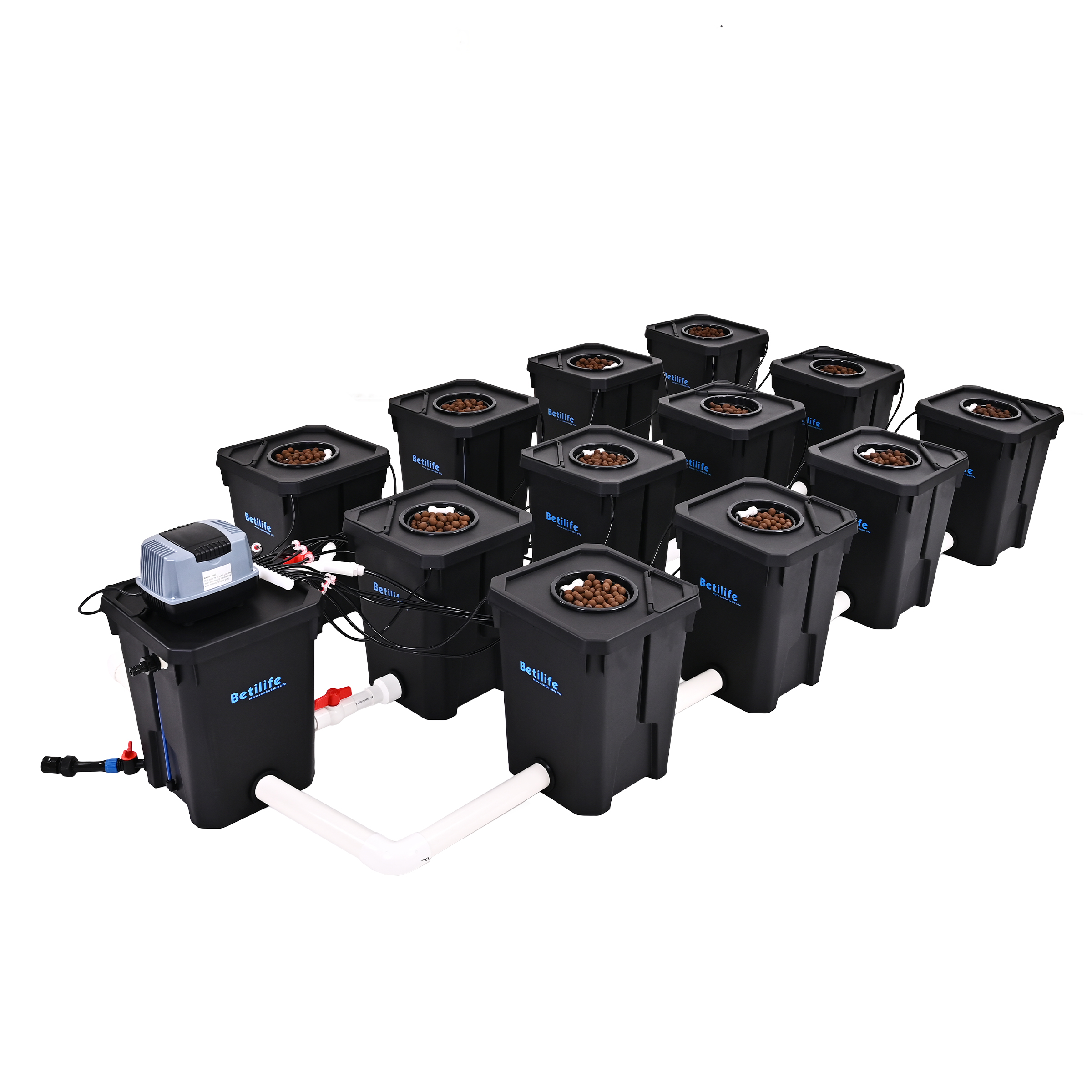
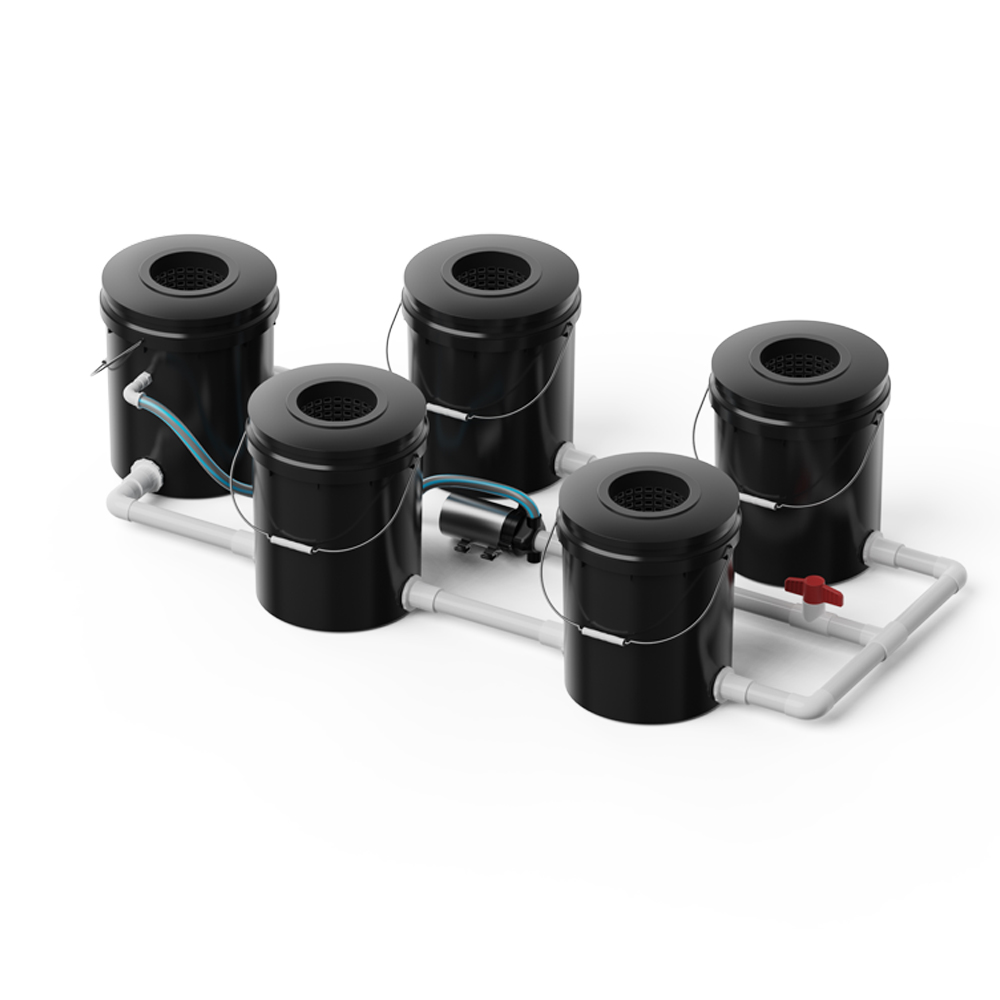
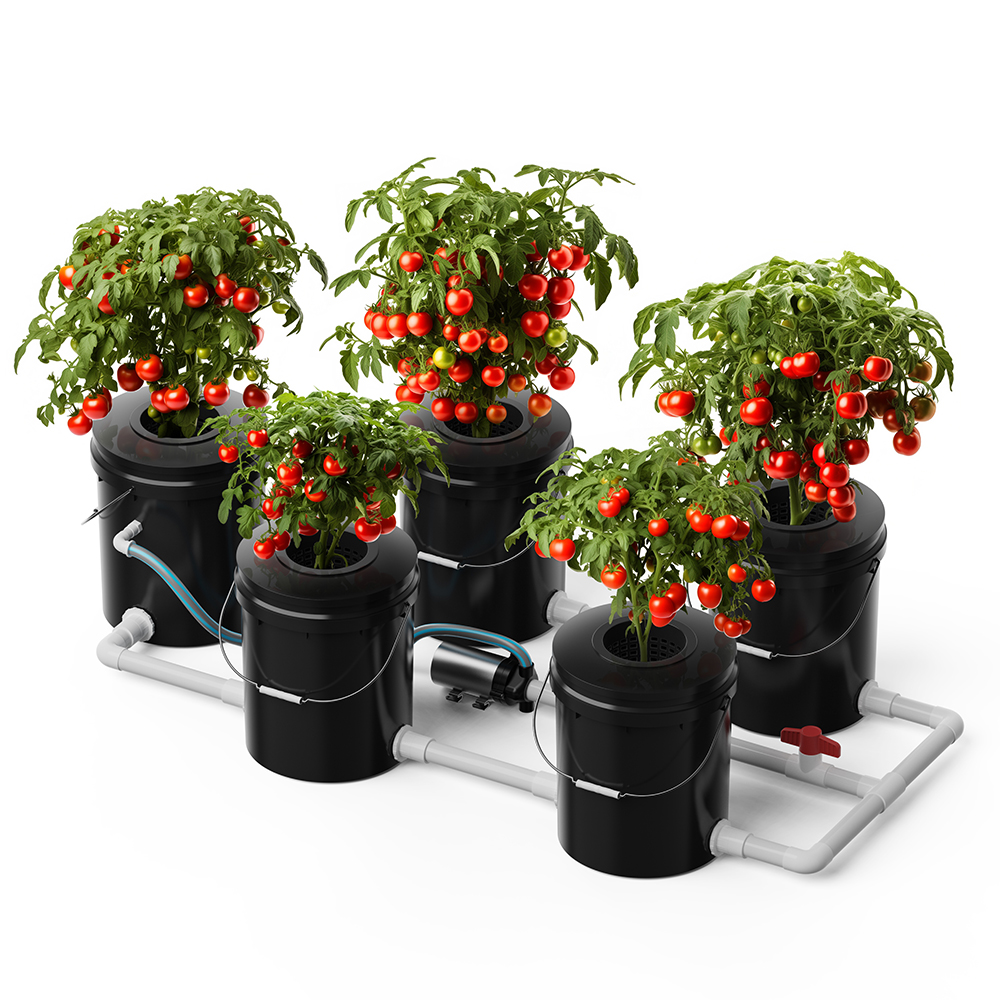
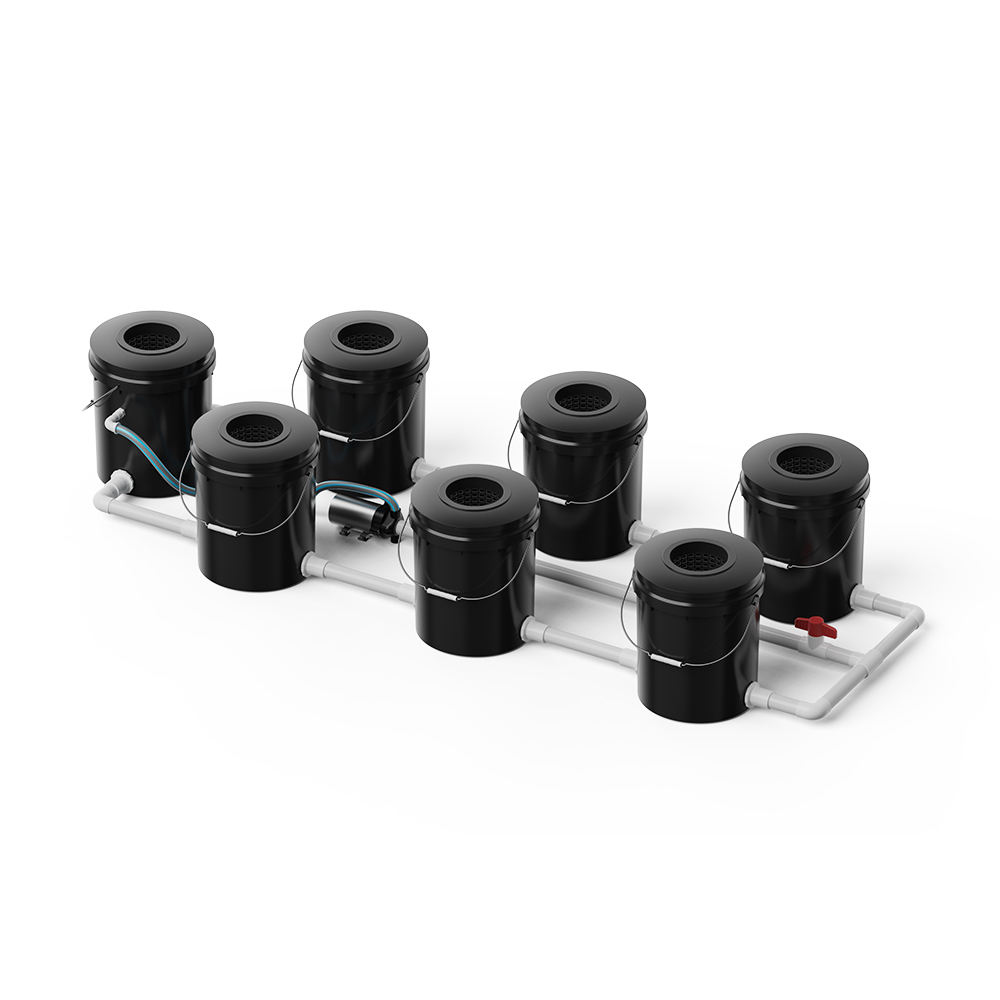
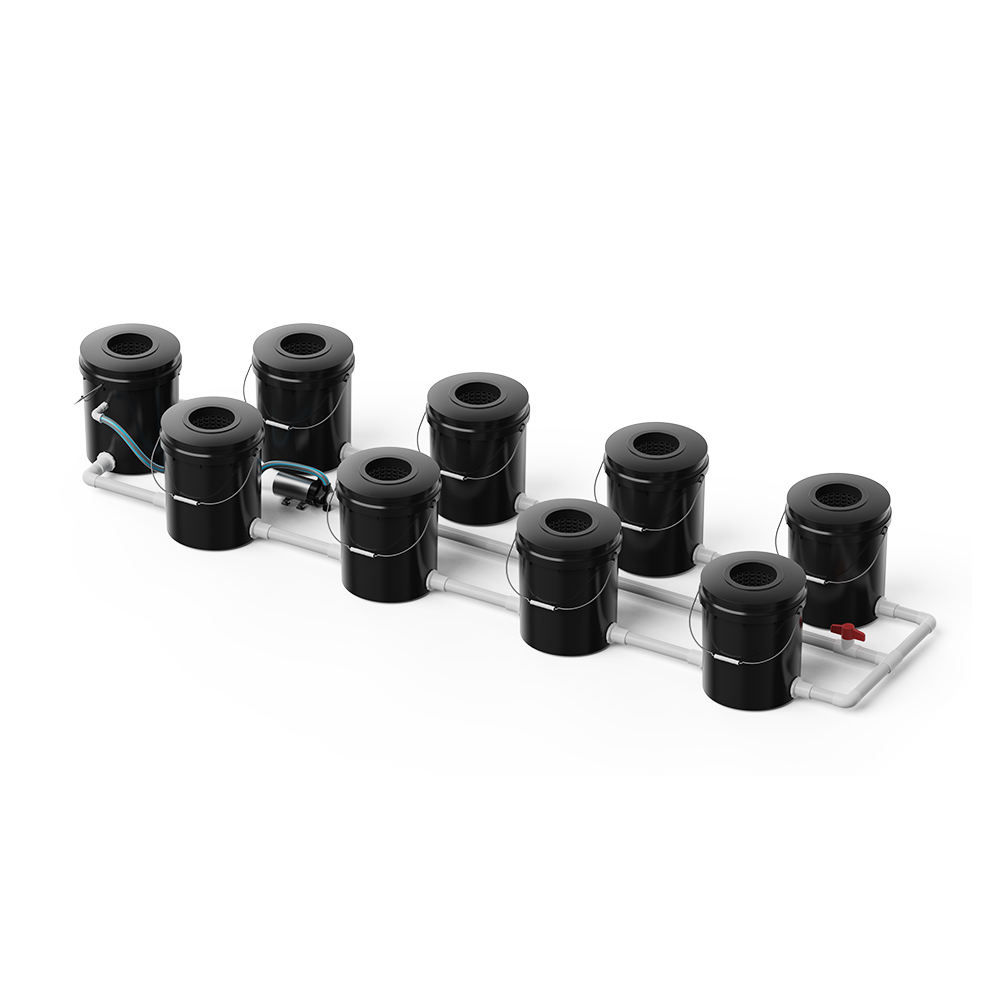
BetiLife™ Hydroponic Spinach Systems offer a variety of hydroponics techniques, including Deep Water Culture (DWC), Nutrient Film Technique (NFT), each with its own set of advantages, ranging from beginner-friendly to easy-to-use. Spinach hydroponics system automation controls lighting and water circulation, making it easy to grow spinach without the need for daily care.
If you need to grow spinach hydroponically indoors or outdoors at home, you can choose BetiLife™ Hydroponics Growing System:
- Hydroponic Growing Systems
- Vertical Hydroponic Towers
- Deep Water Culture System Kits
- Drip Irrigation System Kits
Learn more about hydroponics:
- What Are The Best Flowers For Hydroponics
- How To Grow Hydroponic Tomatoes Indoor
- Can You Do Hydroponic Carrots
- What Are The Best Plants To Grow In Hydroponic Towers
- What Are The Best Hydroponic Lettuce Varieties
- How To Grow Hydroponic Lettuce Indoors At Home
- What Are The Best Strawberries To Grow Hydroponically
- What Are Hydroponic Strawberries
- The Best Hydroponic Pepper Varieties
- Bell Pepper Hydroponics Setup
- How to Grow Hydroponic Lavender
- How to Grow Hydroponic Cucumbers Indoors
- How to Grow Basil Hydroponically
- Growing Hydroponic Cilantro
- How to Grow Arugula Hydroponically
- Growing Hydroponic Blueberries Indoors

Related FAQs
What is the Yield of Spinach in Hydroponics?
Hydroponic spinach yields can vary, but are generally higher than soil-based yields. A single hydroponic net cup can produce around 250-300 grams of spinach. On a larger scale, hydroponic systems can achieve significantly higher yields per square meter compared to traditional soil-based agriculture. Studies demonstrate that hydroponic spinach can have a 294% higher yield compared to soil-grown spinach.
How long does it take to Harvest Spinach in Hydroponics?
Hydroponic spinach(Hydroponic spinach grow time) is typically ready to harvest in 4 to 6 weeks from seeding. However, the exact time can vary depending on the specific spinach variety and the hydroponic system used. Some systems may allow for harvest in as few as 35 days.
How fast does Spinach Grow in Hydroponics?
Hydroponic spinach typically reaches maturity and is ready for harvest in 30 to 50 days, depending on the variety and growing conditions. Optimal conditions, including proper lighting, nutrients, and temperature, can lead to faster growth and maturity. Some varieties may be ready for harvest in as little as 35 days.