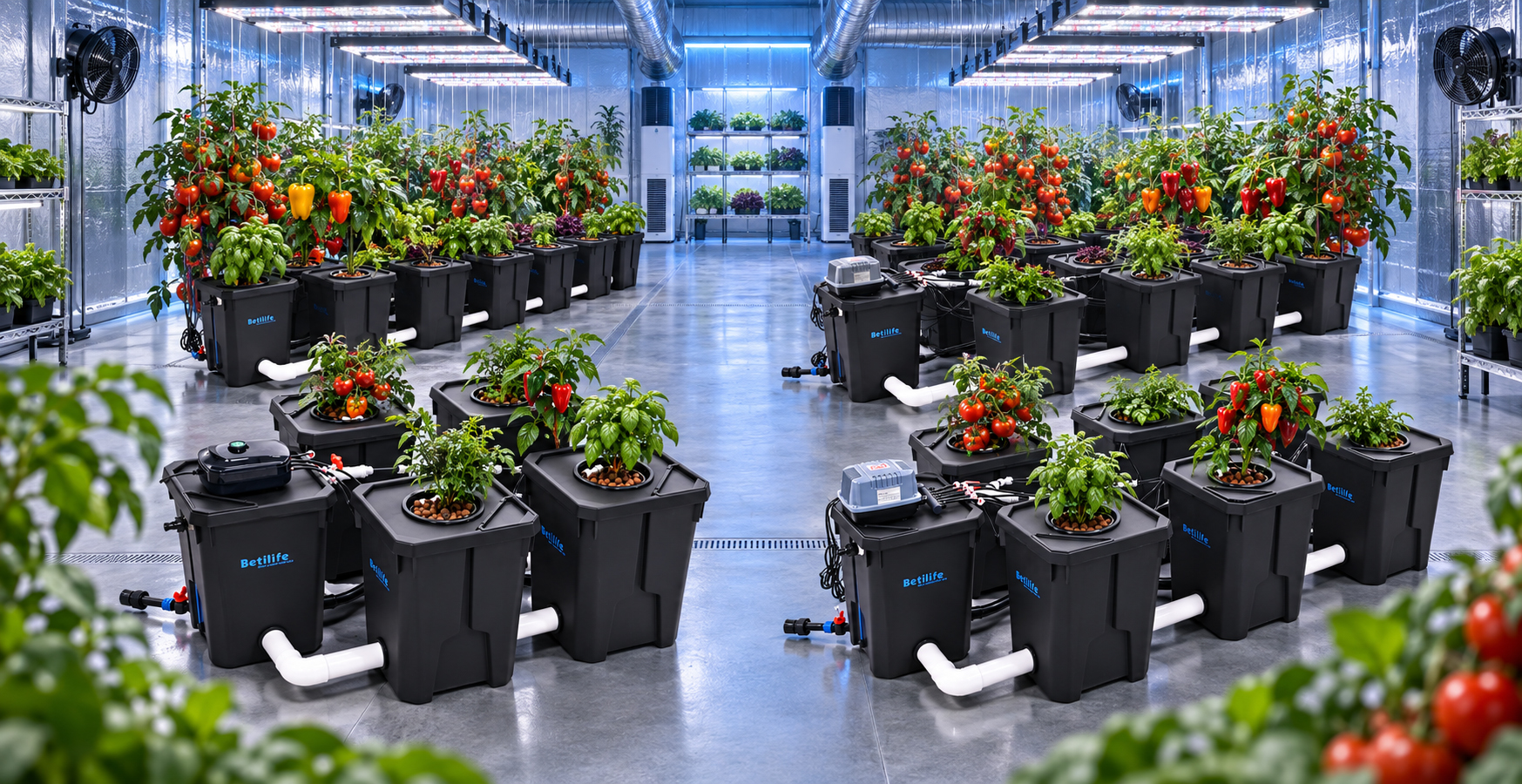
The right commercial RDWC system is the one that fits your target planting-site count, usable floor space, service workflow, crop zoning, utilities, and delivered budget. Bucket count is only the starting point. A system that fits on paper can still be difficult to clean, inspect, drain, or expand after the canopy fills the room.
Published by BetiLife™ | Product specifications checked against current BetiLife product pages
Get the Quick Answer | Compare 4-, 6-, 8-, and 12-Bucket Models | Request a Project Recommendation
Quick Answer: What Size Commercial RDWC System Do You Need?
Start with the number of active planting sites required in the first operating phase. Divide that number into practical circulation zones, then check each zone against the room dimensions and maintenance access. Finally, confirm electrical capacity, water management, environmental control, packaging, shipping terms, spare parts, and support.
A simple capacity calculation is:
Standard systems required = target planting sites ÷ planting sites per system, rounded up
This calculation gives you a shortlist, not a final design. For example, 24 planting sites could use two 12-site systems, three 8-site systems, or a project-based 24-site configuration. Two larger modules use fewer reservoirs and pumps. Three smaller modules create more independent zones and may fit a long, narrow room better. The right choice depends on crop grouping, aisle access, operating risk, and cost.
Why Commercial Growers Consider RDWC Systems
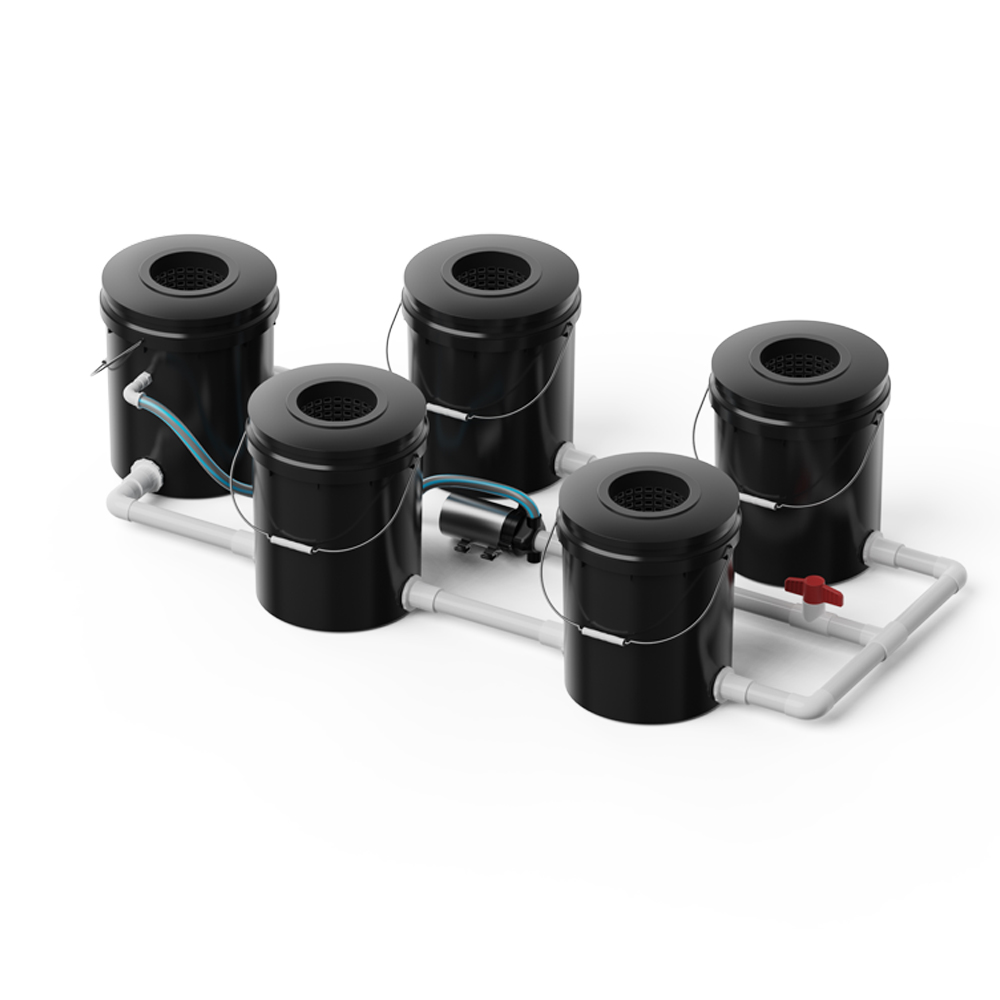
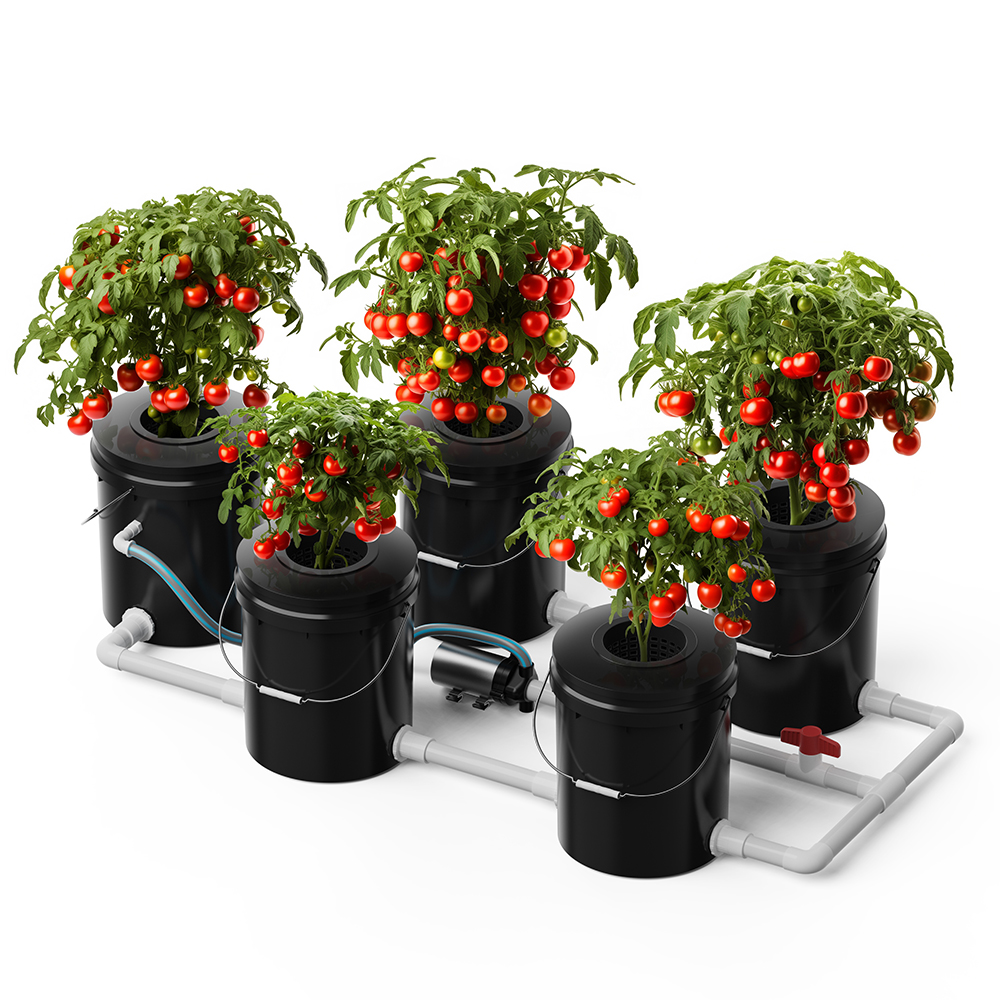
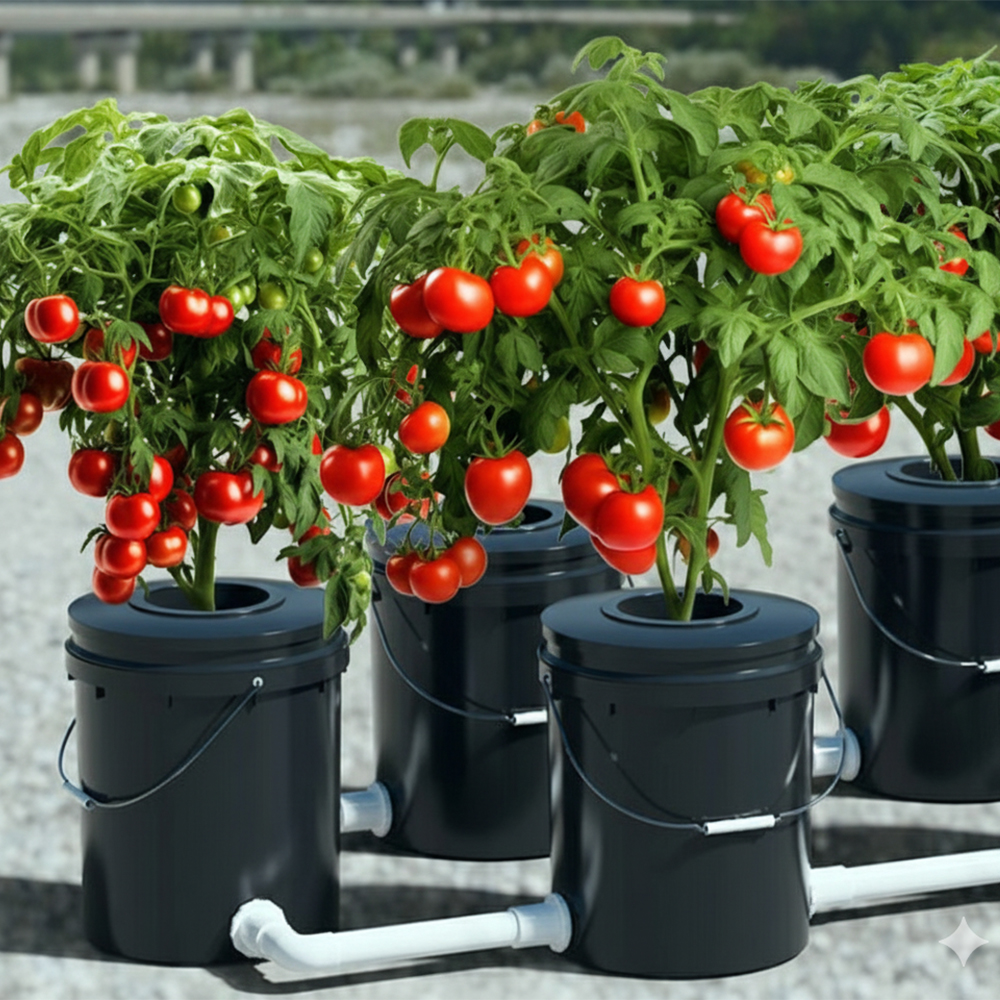
RDWC stands for Recirculating Deep Water Culture. Plant roots remain in an aerated nutrient solution, while a circulation loop moves solution between the planting buckets and a shared reservoir. This lets an operator monitor and adjust a connected zone from a central point instead of treating every bucket as an isolated vessel.
For commercial use, the main value is operational consistency. A correctly specified and commissioned loop can support more uniform nutrient conditions across its connected sites and reduce repetitive bucket-by-bucket work. Aeration supplies oxygen to the root zone, while circulation distributes the solution through the system.
Those advantages depend on system design and daily management. RDWC does not remove the need to monitor water level, temperature, pH, electrical conductivity, sanitation, pumps, tubing, and the surrounding grow-room environment. A larger connected loop also creates a larger shared operating zone, so zoning and redundancy deserve as much attention as capacity.
The U.S. Department of Agriculture describes deep water culture as a system in which roots remain suspended in oxygenated nutrient solution. Oklahoma State University advises hydroponic growers to test source-water quality and monitor pH and electrical conductivity because soilless systems lack the buffering provided by soil. These principles should be included in the facility plan, even when the RDWC equipment arrives as a complete kit.
Define Your Grow Room Goal Before Comparing Models
The first decision is not which model to buy. It is what the room must accomplish in its first operating phase. A pilot room, an established production room, an expansion module, and a retail demonstration system have different priorities.
Pilot or First-Stage Commercial Room
A pilot should provide enough planting sites to test the crop, operating routine, water management, labor demand, and environmental controls without committing the entire expansion budget. A 4-, 6-, or 8-site system may be more useful than buying maximum capacity before the workflow has been validated.
Small Commercial Production Room
A production room needs a repeatable layout. The buyer should document planting-site count, crop spacing, reservoir access, aisle width, drainage path, cleaning procedure, monitoring points, and the effect of one system stopping. Capacity that blocks routine service is not usable capacity.
Scalable Expansion
For expansion, decide whether future capacity will be added as independent modules or connected into larger shared zones. Independent modules require additional pumps, reservoirs, monitoring, and cleaning, but they can separate crops, nutrient programs, growth stages, or maintenance events.
Retail Display or Evaluation
Grow shops and distributors should evaluate a representative system for assembly, packaging, circulation, product-page content, and after-sales handling before planning a full assortment. The BetiLife RDWC wholesale supplier guide for U.S. grow shops and distributors covers the channel decision in more detail.
Seven Factors to Evaluate in a Commercial RDWC System
1. Crop Plan and Target Planting Sites
Define the crop, number of active sites, expected canopy spacing, growth stage, and whether all plants can share the same nutrient solution. The number of buckets does not determine plant spacing or yield. Crop variety, training method, lighting, environment, operating skill, and local rules may change how many sites should be active.
2. Usable Footprint and Service Clearance
Measure the clear interior length and width after accounting for wall equipment, dehumidification, fans, posts, doors, drains, and fixed utilities. Then add working space around the reservoir, pump, tubing, bucket lids, and plant canopy. A model can fit within a tent boundary yet leave too little room for inspection or cleaning.
3. Circulation Zones and Failure Exposure
Every connected loop is a shared management zone. A larger zone can simplify central adjustment, but a pump, blockage, leak, sanitation issue, or incorrect nutrient adjustment can affect more sites. Several smaller zones increase hardware and labor but can limit how much of the crop shares one event. Choose the zone size deliberately.
4. Water Circulation and Aeration
Review the supplied water-pump and air-pump specifications for the exact model. Confirm the intended plumbing configuration, air distribution, electrical standard, and whether the included equipment is suitable for the installed layout. Do not compare systems by a single pump number without considering system volume, pipe routing, elevation, fittings, and the manufacturer's operating instructions.
5. Reservoir Access, Drainage, and Cleaning
The reservoir should be accessible for testing, mixing, top-off, inspection, and service. Plan where solution can be drained and how buckets, lines, pumps, and air stones will be cleaned between cycles. If the proposed layout makes a component unreachable after the plants grow, revise the layout before ordering.
6. Utilities and Environmental Control
Account for pumps, lighting, monitoring equipment, water treatment, ventilation, air conditioning, dehumidification, and any water-temperature control. Have a qualified professional confirm electrical capacity, circuit protection, wet-location requirements, drainage, and local code compliance. RDWC equipment is one part of the controlled environment, not a substitute for adequate HVAC, lighting, and facility design.
7. Shipping, Receiving, Parts, and Support
Ask for packaging dimensions, carton count, weight, lead time, shipment origin, shipping term, import responsibility, warranty terms, and replacement-parts options. A low equipment price can become an expensive project if freight, duties, receiving, missing components, or downtime are not included in the comparison.
BetiLife 4-Bucket vs 6-Bucket vs 8-Bucket vs 12-Bucket RDWC Systems
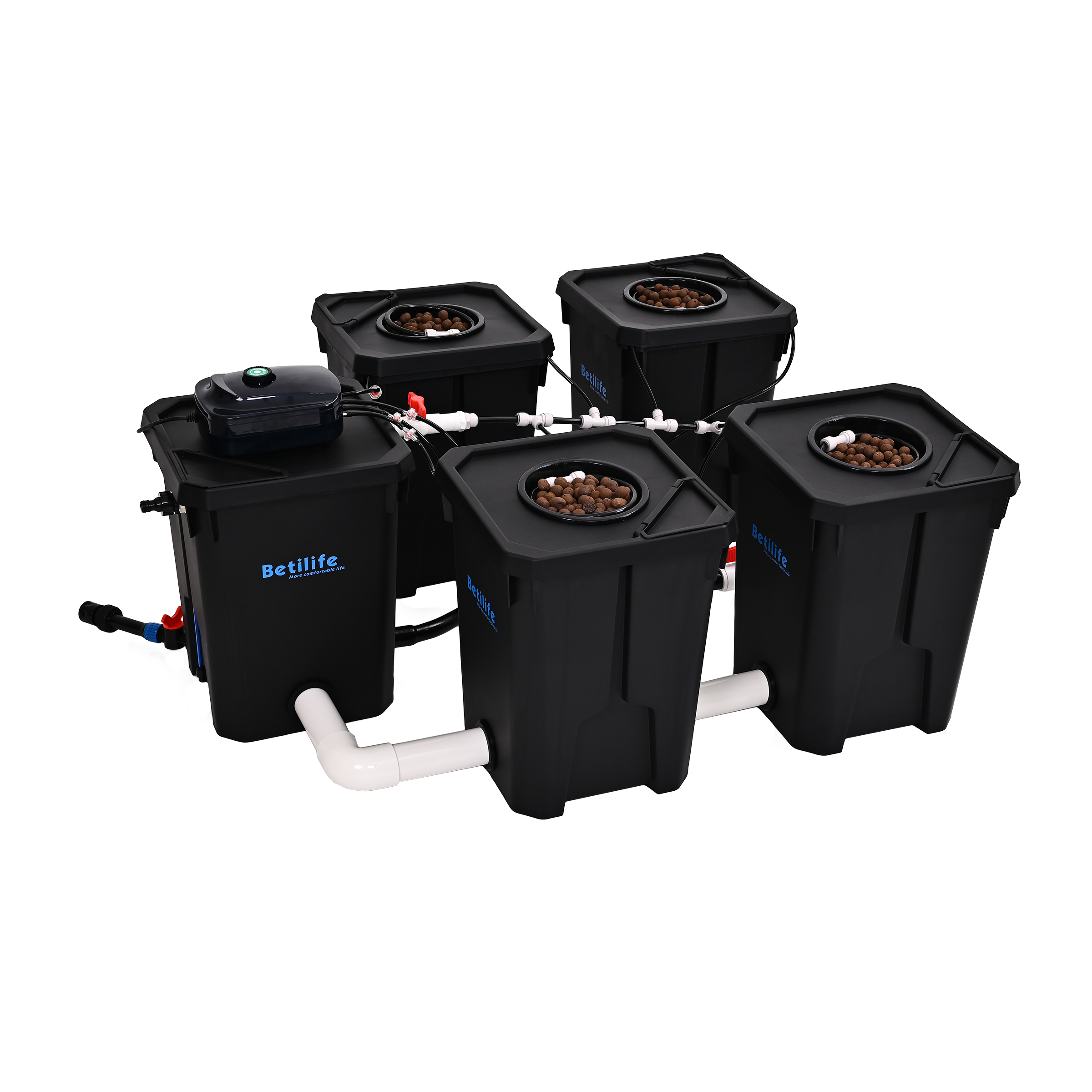
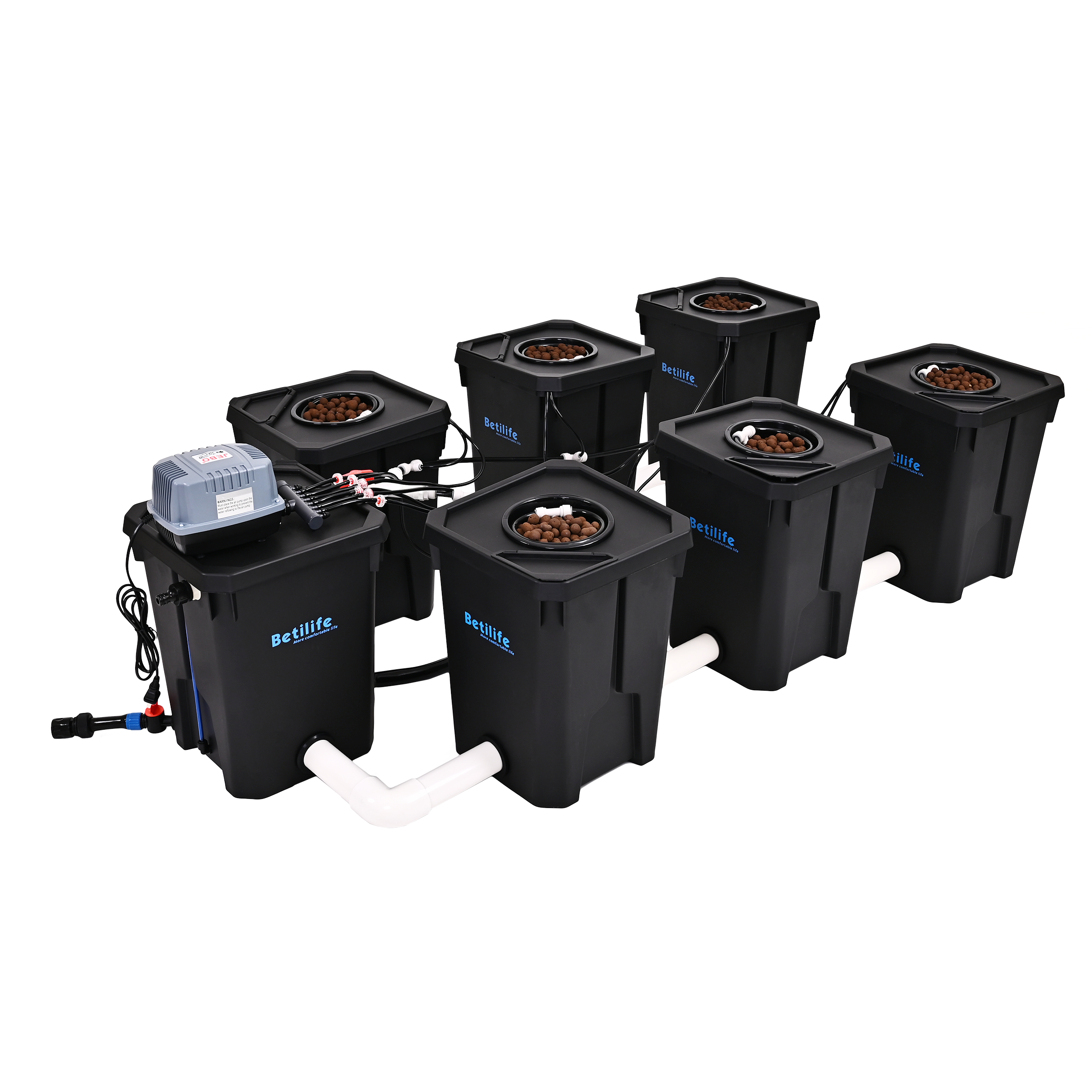
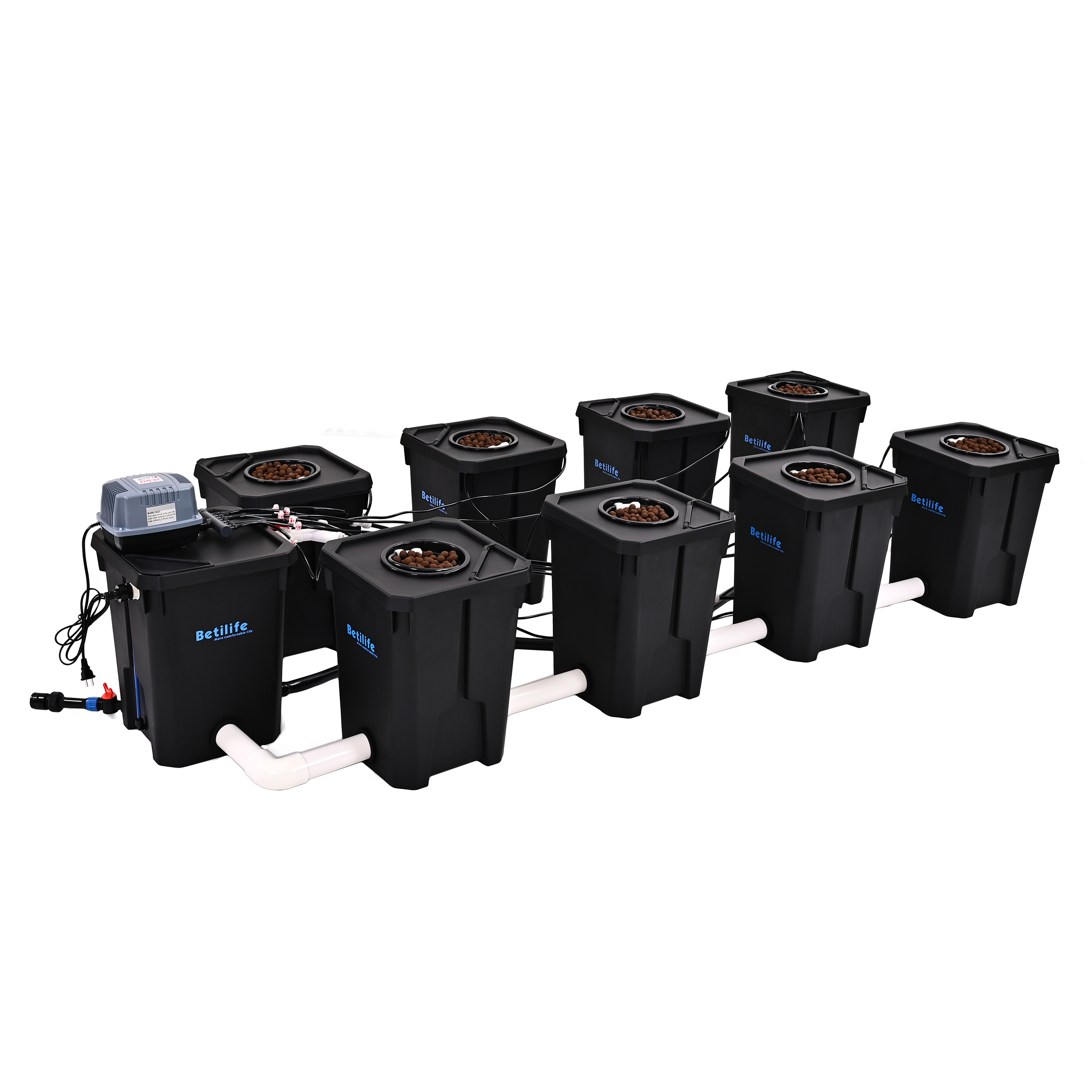
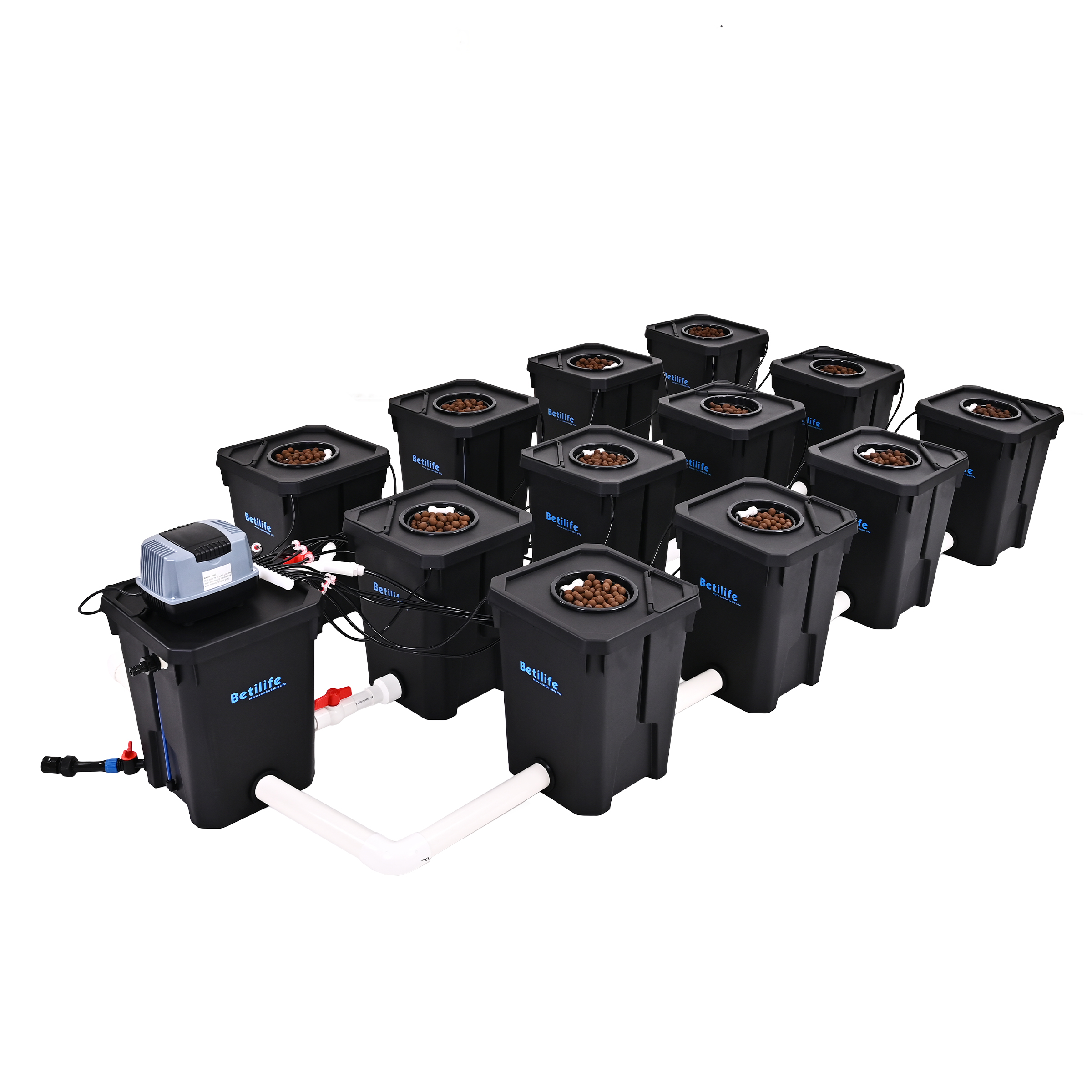
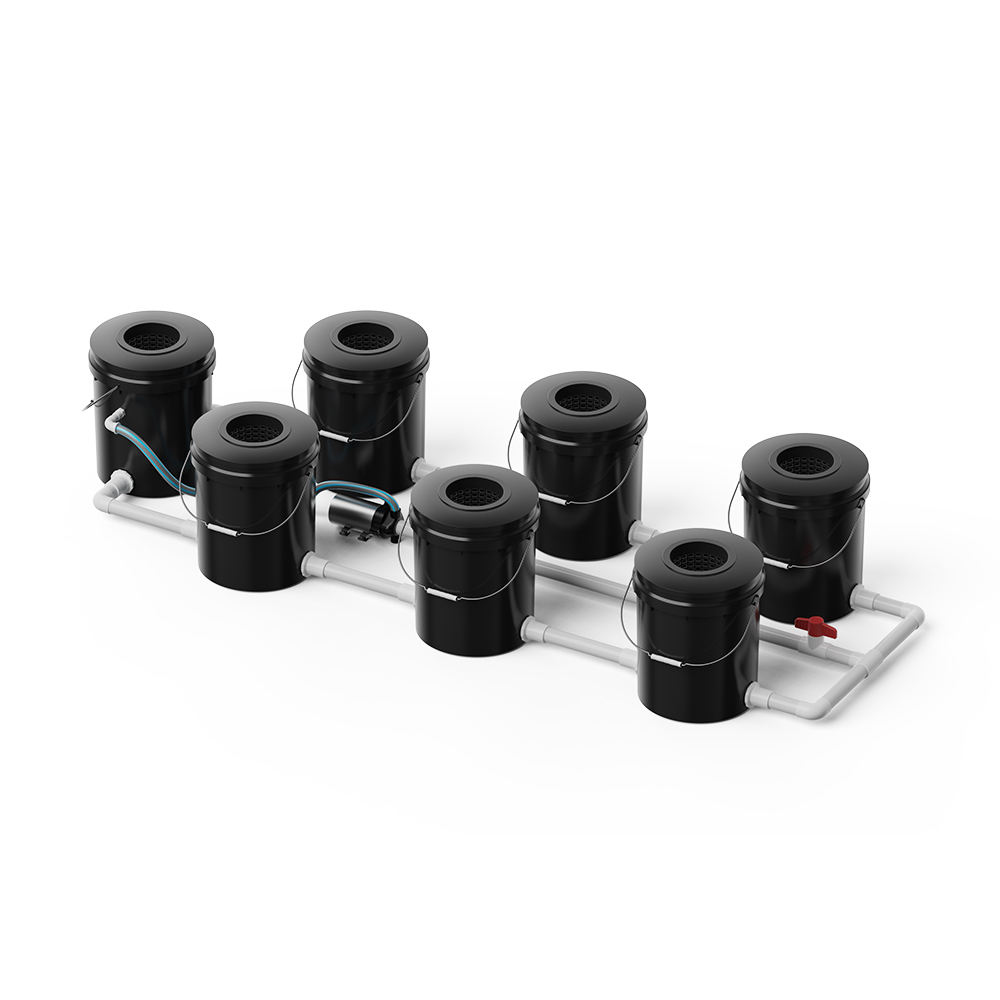
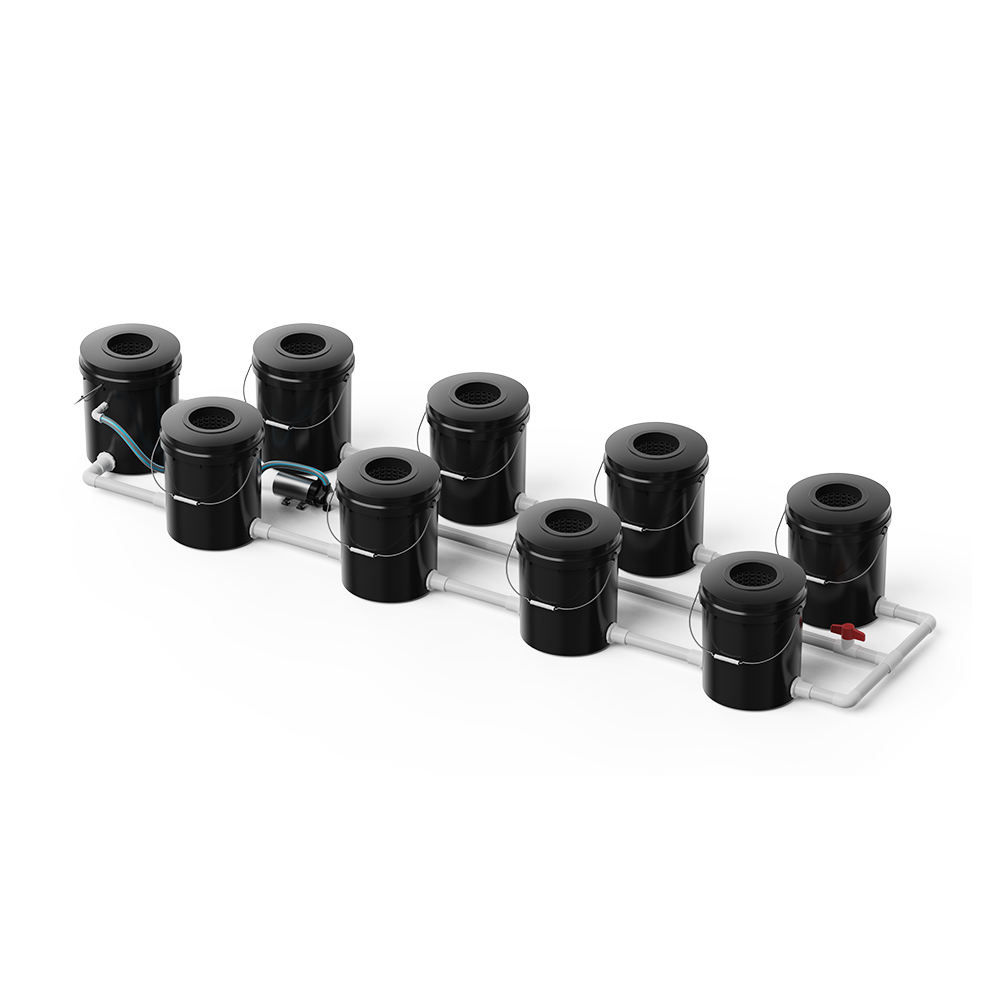
All four standard BetiLife models use 7-gallon / 27L food-grade PP planting buckets, one separate reservoir bucket, a 60W water pump rated at 3,500 L/h, and an integrated drip irrigation function. The main differences are planting-site count, footprint, air-pump specification, packaging, and the scale of the room or project.
| Model | Planting Sites | Reservoir | System Footprint | Air Pump | Practical Shortlist |
|---|---|---|---|---|---|
| BLGX-04 | 4 | 1 separate bucket | 120 × 90 cm 4 × 3 ft |
12W 4.4 L/min |
Pilot rooms, compact evaluations, and 4-site zones |
| BLGX-06 | 6 | 1 separate bucket | 170 × 90 cm 5.6 × 3 ft |
15W 25 L/min |
Mid-size trials, 6-site zones, and 4 × 8 layouts |
| BLGX-08 | 8 | 1 separate bucket | 230 × 90 cm 7.5 × 3 ft |
15W 25 L/min |
Higher-capacity narrow rooms and 8-site zones |
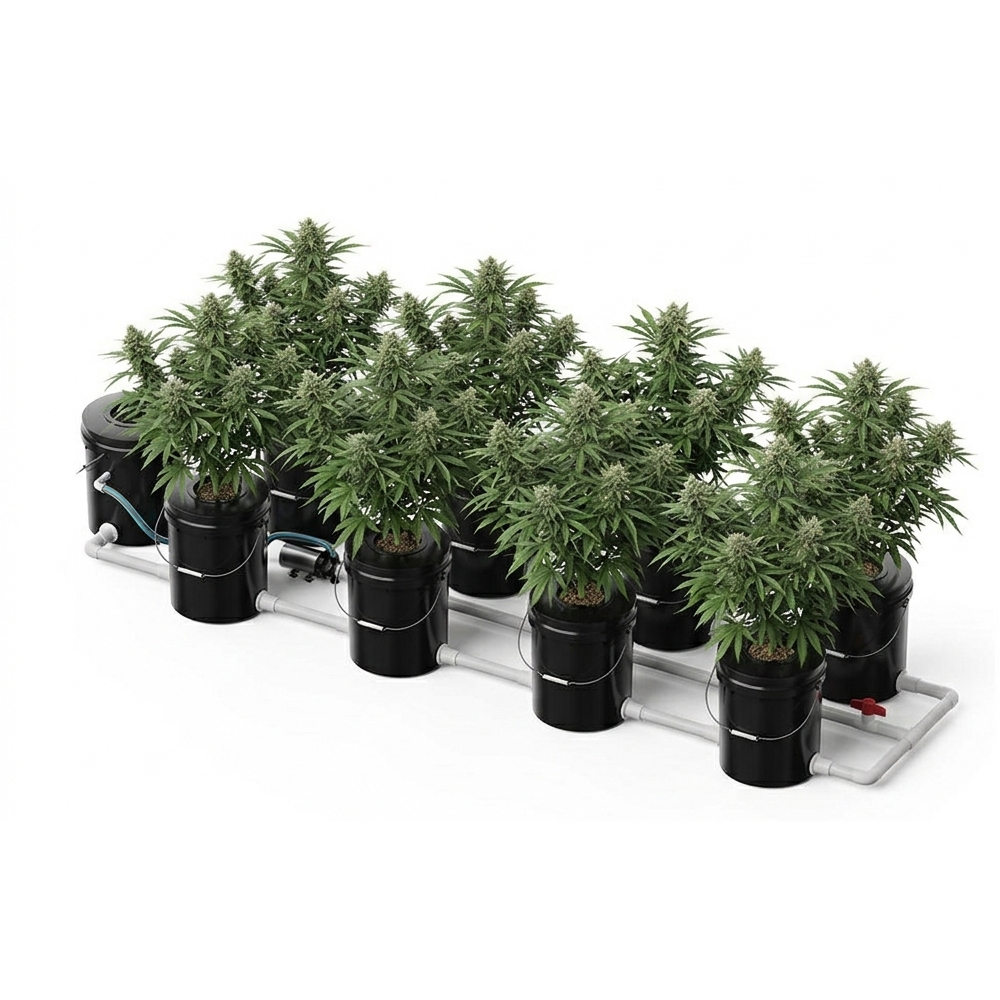
| BLGX-12 | 12 | 1 separate bucket | 240 × 130 cm 7.9 × 4.3 ft |
25W 40 L/min |
Larger rooms, 12-site production zones, and modular projects |
Specifications are based on BetiLife product pages reviewed September 5, 2026. Confirm the current packing list, voltage, plug, supplied components, lead time, and quotation before purchase.
BLGX-04 for Compact Evaluation
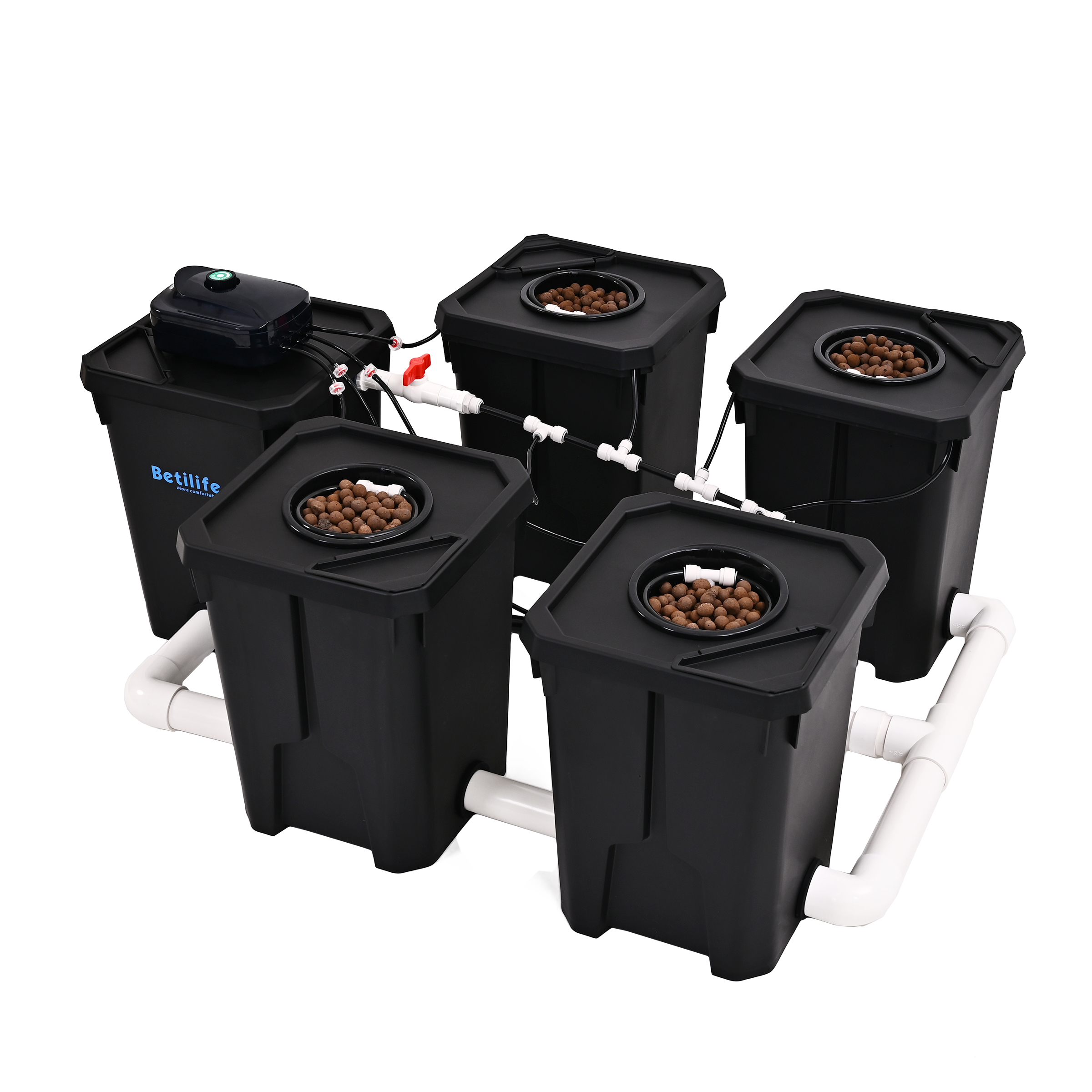
Choose the 4-site model when the objective is to test the operating method, equip a compact zone, or reduce the first equipment commitment. Its footprint can fit a 4 × 4 tent, but a full 4 × 3 ft equipment footprint leaves limited clearance. Confirm reservoir and canopy access before treating a technical fit as a practical fit.
BLGX-06 for Balanced Mid-Size Capacity

The 6-site model adds capacity while retaining a three-foot system width. It is a useful midpoint for a first commercial room, a dealer evaluation, or a zone that must fit a 4 × 8 or longer layout. A larger room provides better working clearance than the minimum tent size.
BLGX-08 for Long Narrow Layouts

The 8-site model uses most of the length of a 4 × 8 tent. It fits on footprint dimensions, but only six inches remain along the nominal eight-foot length before accounting for fabric, poles, fittings, and working clearance. A 5 × 10 or larger space is more comfortable when regular access is required.
BLGX-12 for Larger Production Zones

The 12-site model is the highest-capacity standard option in this BetiLife line. Its 7.9 × 4.3 ft footprint calls for a larger tent or open room with planned service access. It can also serve as a repeatable module when a commercial project needs 24 or more sites.
View the complete BetiLife 7-gallon / 27L commercial RDWC collection.
How to Compare Modular RDWC Layouts
Model selection becomes clearer when you compare complete operating zones instead of bucket totals. The following examples show the tradeoff. They are planning examples, not final engineering layouts.
| Target | Configuration | Potential Advantage | Tradeoff to Check |
|---|---|---|---|
| 8 sites | 1 × BLGX-08 | One reservoir and one standard 8-site zone | Most of an eight-foot room length is occupied |
| 8 sites | 2 × BLGX-04 | Two independent 4-site zones for crop separation or staged operation | Two reservoirs, two pump sets, and more duplicated service work |
| 24 sites | 2 × BLGX-12 | Fewer modules and a straightforward 12 + 12 capacity plan | Each shared zone contains 12 sites and requires adequate room width |
| 24 sites | 3 × BLGX-08 | Three narrower 8-site zones and more crop-grouping flexibility | More pumps, reservoirs, electrical loads, monitoring points, and cleaning |
| 24 sites | Project configuration | Can be discussed around the target layout and purchase plan | Requires a project review rather than assuming standard-model specifications |
When Several Smaller Systems Make Sense
- The room needs separate nutrient programs, crops, or growth stages.
- The floor plan is easier to serve with narrow modules.
- The operator wants maintenance or troubleshooting to affect fewer sites at once.
- The project will expand in stages and needs repeatable commissioning.
When Fewer Larger Systems Make Sense
- The crop and operating program can share larger zones.
- The room has adequate width, aisle access, and reservoir clearance.
- The buyer wants fewer pump sets, reservoirs, and monitoring points.
- The team has procedures and contingency plans for each larger shared zone.
For commercial projects, ask the supplier to review a dimensioned room sketch. Mark doors, aisles, drains, columns, electrical points, environmental equipment, and any location that must remain accessible. A product footprint alone is not a grow-room layout.
Calculate the Total Cost of the RDWC Project
Compare delivered and operating cost, not only the equipment price. A complete commercial budget may include:
- RDWC systems and model-specific supplied components
- Freight, insurance, customs clearance, duties, taxes, and final delivery
- Electrical work, circuit protection, outlets, and backup planning
- Water testing, filtration, treatment, storage, and drainage
- Lighting, HVAC, ventilation, dehumidification, and water-temperature control
- pH, EC, temperature, water-level, and other monitoring equipment
- Spare pumps, air stones, tubing, fittings, seals, and other service parts
- Installation, commissioning, cleaning, training, and routine labor
- Production risk and downtime if a shared zone is unavailable
A DDP quotation can simplify comparison when the buyer wants a delivered price and the seller is quoting the agreed destination obligations. An FOB quotation is useful when the buyer or its freight partner manages the main shipment from the named port. Incoterms do not replace the quotation details, so confirm the named place, included charges, import responsibility, insurance, delivery scope, and exclusions in writing.
Complete RDWC System vs Pieced-Together Setup
A complete system gives the buyer one documented package of buckets, reservoir, circulation, aeration, and model-specific components. This reduces the number of independent parts that must be sourced and gives the buyer a clearer reference for packing, assembly, product support, and replacement-part discussions. It does not remove the need to verify electrical compatibility, inspect the shipment, assemble correctly, leak-test with water, and commission the system before introducing plants.
A pieced-together setup can give an experienced operator more control over pipe size, pump selection, sensor integration, reservoir design, and room-specific routing. The tradeoff is that the buyer becomes responsible for component compatibility, calculations, fabrication, documentation, testing, and troubleshooting across multiple suppliers.
Choose a complete system when repeatability, purchasing simplicity, and one product specification are more valuable than custom fabrication. Choose a custom build when the facility has the engineering capacity, operating experience, and a requirement that standard systems cannot meet.
Common Commercial RDWC Buying Mistakes
- Choosing by price alone. A useful comparison includes the full component list, packaging, freight, import costs, spare parts, support, utilities, and operating labor.
- Equating bucket count with usable plant capacity. Crop spacing, canopy, lighting, access, and local plant-count rules can limit how many sites should operate.
- Using the tent dimensions as the only layout test. The system also needs clearance for fittings, reservoir service, airflow, plants, doors, and staff.
- Putting the entire project on one shared loop without reviewing the risk. A larger zone may reduce duplicated hardware, but it also connects more sites to the same operating event.
- Ignoring source-water and environmental requirements. The room still needs suitable water quality, monitoring, electrical capacity, drainage, temperature, humidity, and airflow.
- Ordering before confirming voltage and the packing list. Verify the exact pump configuration, plug, electrical standard, included parts, carton count, and documentation.
- Comparing DDP and FOB as if they include the same services. Ask each supplier to state the named place, charges, responsibilities, and exclusions.
- Skipping a water-only commissioning test. Assemble, inspect, circulate, aerate, drain, and check every connection before plants enter the system.
Where the BetiLife 7-Gallon / 27L Line Fits
BetiLife provides a standard four-model ladder for buyers who want to compare capacity without changing bucket size across the product family. Standard configurations include 4, 6, 8, or 12 planting buckets plus one reservoir. The current collection also states that 16-, 20-, 24-, and 32-bucket or other project-based quantities can be discussed according to the target layout and purchase plan.
The standard line includes integrated drip irrigation, food-grade PP buckets, model-specific aeration, and export packaging data. BetiLife supports retail and B2B trial orders and discusses DDP, FOB, wholesale, distribution, OEM, ODM, and project inquiries. Operations, quality-control coordination, and export handling are based in Guangdong, China, with shipment coordination through Shenzhen Port.
For a transaction-focused overview, see Commercial RDWC Systems for U.S. Grow Rooms. Buyers should confirm all current commercial terms, warranty coverage, electrical configuration, and supplied components in the final quotation or pro forma invoice.
Information to Send Before You Request a Commercial RDWC Quote
A useful quote begins with the project, not a generic request for the lowest price. Send the following information:
- Buyer type: commercial grower, greenhouse, indoor farm, grow shop, distributor, project contractor, or OEM buyer.
- Legal crop and operating plan: crop type, growth stage, whether separate nutrient programs are required, and any plant-count constraints.
- First-phase target: active planting sites now and planned expansion later.
- Available space: clear internal length, width, height, door location, aisle requirement, reservoir location, and photos or a sketch.
- Utilities: country, voltage and frequency, water source, drainage, environmental-control plan, and any backup requirements.
- Destination: country, city, state, and ZIP or postal code.
- Quotation structure: DDP, FOB, or both for comparison.
- Schedule: target order date, installation date, and any required delivery window.
- Support needs: manuals, setup videos, spare parts, packaging data, warranty details, or OEM / ODM requirements.
Recommended first message: “We are planning [crop] in a [length × width] grow room with [number] active planting sites in phase one. Delivery ZIP is [ZIP]. Please recommend a standard or modular BetiLife configuration and quote DDP and FOB separately.”
Send Your Project Details to BetiLife | Email support@betilife.com | Contact BetiLife on WhatsApp
Commercial RDWC System Frequently Asked Questions
What size commercial RDWC system do I need?
Start with the number of active planting sites in the first phase, divide those sites into practical circulation zones, and compare each zone with the usable room footprint. Then confirm crop spacing, service access, utilities, delivered cost, and expansion plans. Plant count alone is not enough.
Should I choose a 4-, 6-, 8-, or 12-bucket RDWC system?
Choose BLGX-04 for compact trials or 4-site zones, BLGX-06 for balanced mid-size capacity, BLGX-08 for a higher-capacity narrow layout, and BLGX-12 for larger production zones. Use the published footprint as the first filter and add service clearance before deciding.
Does the model's bucket count include the reservoir?
No. In the BetiLife 7-gallon / 27L line, the model count refers to planting buckets. Each standard 4-, 6-, 8-, or 12-bucket system also includes one separate reservoir bucket.
Is a 7-gallon / 27L system the same as a 27-gallon system?
No. Seven U.S. gallons is approximately 26.5 liters and is commonly described as 27L. The BetiLife line uses approximately 27-liter planting buckets, not 27-gallon buckets.
Can several smaller RDWC systems be better than one larger system?
Yes, when the grow requires separate crops, nutrient programs, stages, maintenance windows, or smaller failure zones. Smaller systems add pumps, reservoirs, monitoring points, and labor. Compare the operating tradeoff rather than assuming that more or fewer modules are always better.
Will an 8-bucket RDWC system fit a 4 × 8 grow tent?
The BLGX-08 footprint is approximately 7.5 × 3 ft, so it fits within nominal 4 × 8 dimensions. The remaining length is limited, however. Check the real interior dimensions, tent poles, fittings, reservoir access, plant canopy, airflow, and maintenance path. A 5 × 10 or larger area provides more working room.
Does the BetiLife 7-gallon / 27L line include drip irrigation?
Yes. Current BetiLife product specifications list an integrated drip irrigation function across the standard 4-, 6-, 8-, and 12-bucket models. Confirm the final supplied configuration in the current quotation.
Can BetiLife discuss 16-, 20-, 24-, or 32-bucket projects?
Yes. The current BetiLife collection states that these quantities and other project-based configurations can be discussed. The final layout, pump selection, packaging, lead time, and quotation should be reviewed as a project rather than inferred from a standard model.
What utilities should be planned for a commercial RDWC room?
Plan power for pumps, lights, monitoring, HVAC, dehumidification, and any water-temperature control; suitable water supply and treatment; drainage; and safe wet-area electrical protection. Have qualified local professionals verify the facility design and code requirements.
Can I request both DDP and FOB pricing?
Yes. BetiLife discusses both DDP and FOB quotations based on destination, quantity, model mix, and project requirements. Ask for the named place, included charges, buyer responsibilities, exclusions, lead time, and delivery scope so the two quotations can be compared correctly.
Sources and Product Data
- BetiLife 7-Gallon / 27L Commercial RDWC Collection
- BetiLife BLGX-04 Product Specifications
- BetiLife BLGX-06 Product Specifications
- BetiLife BLGX-08 Product Specifications
- BetiLife BLGX-12 Product Specifications
- USDA Economic Research Service: Trends, Insights, and Future Prospects for Production in Controlled Environment Agriculture and Agrivoltaics Systems
- Oklahoma State University Extension: Electrical Conductivity and pH Guide for Hydroponics
Product information can change. Confirm specifications and commercial terms with BetiLife before ordering. This guide does not guarantee crop performance or yield. Results depend on crop, environment, water quality, nutrition, lighting, sanitation, installation, and operating practice.