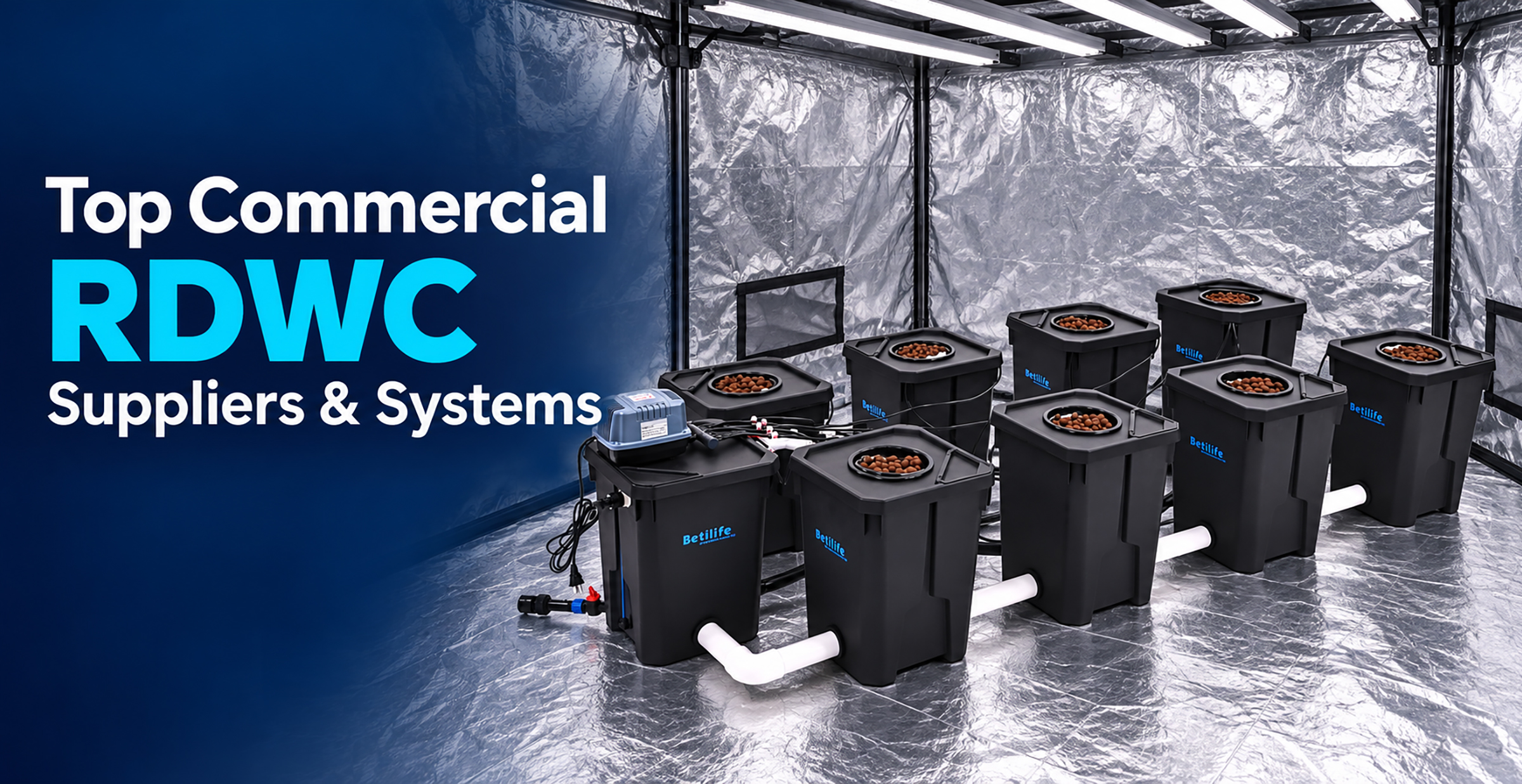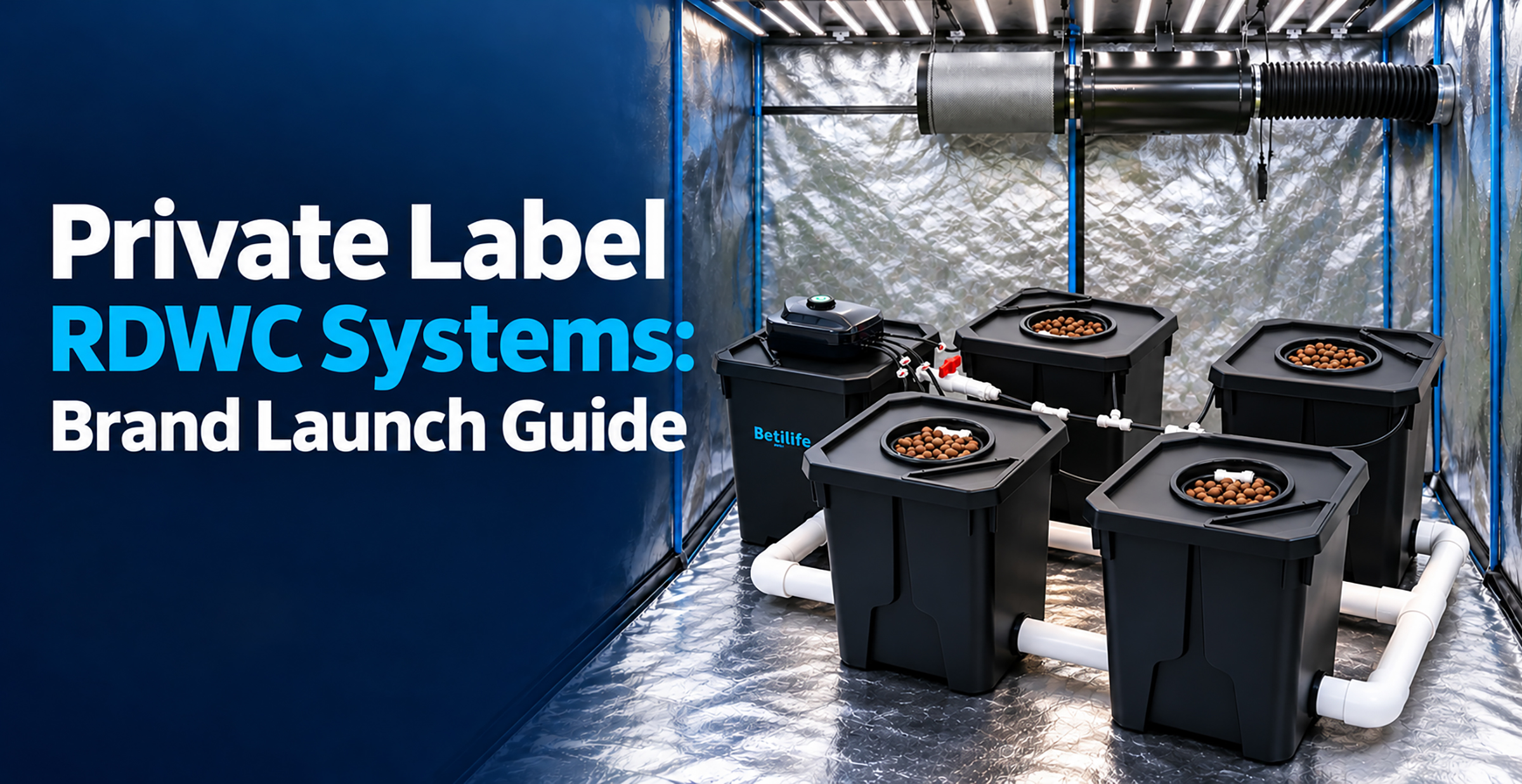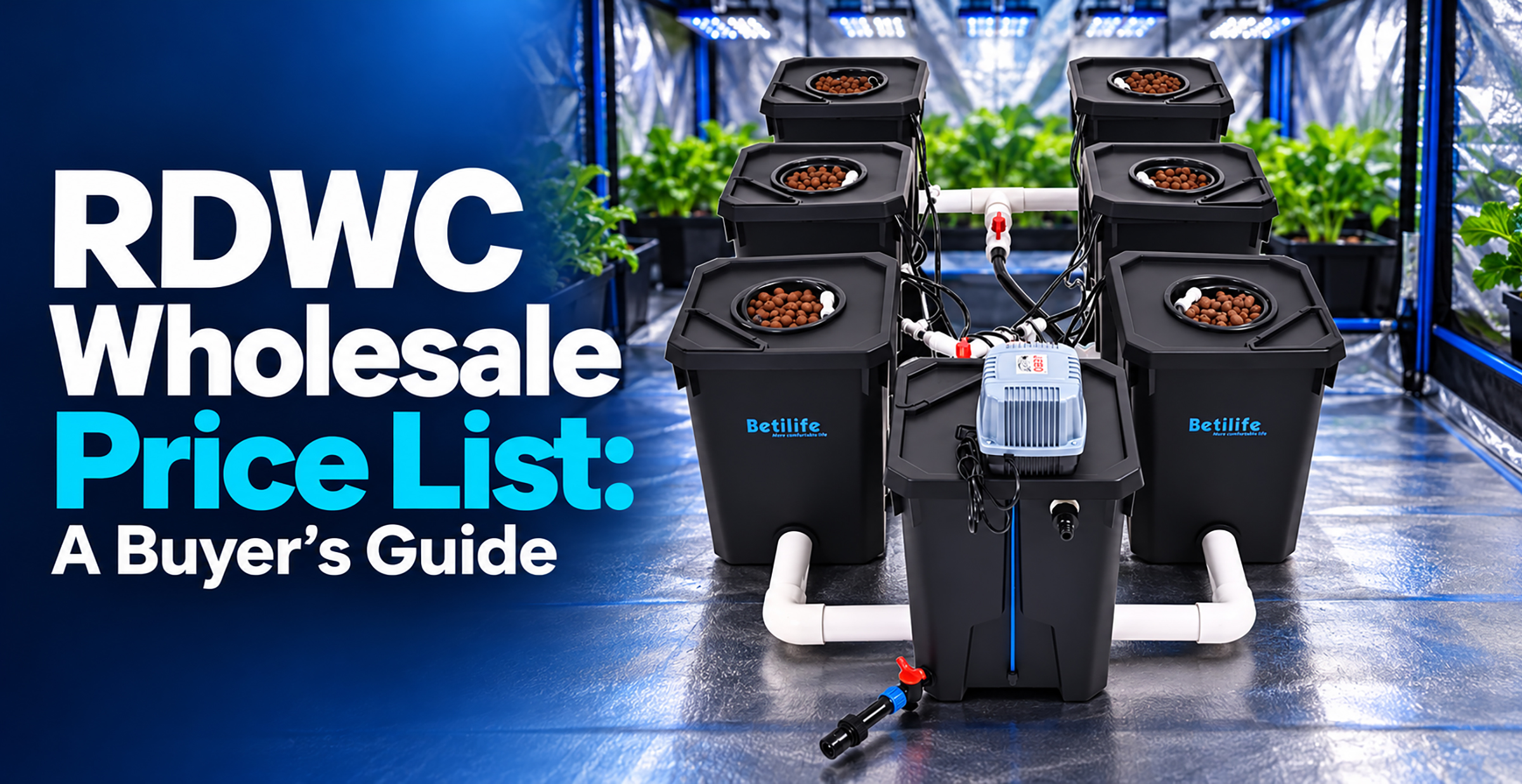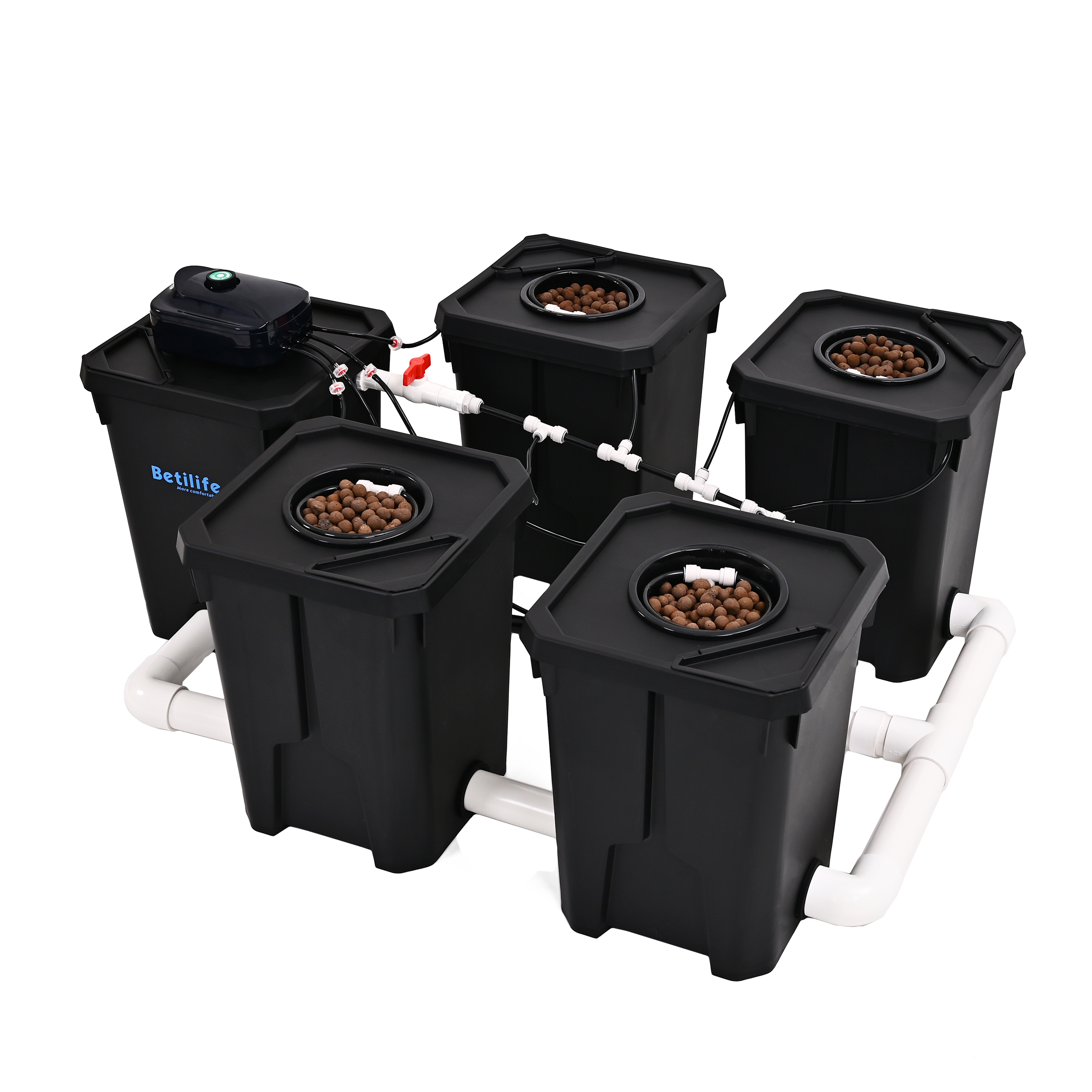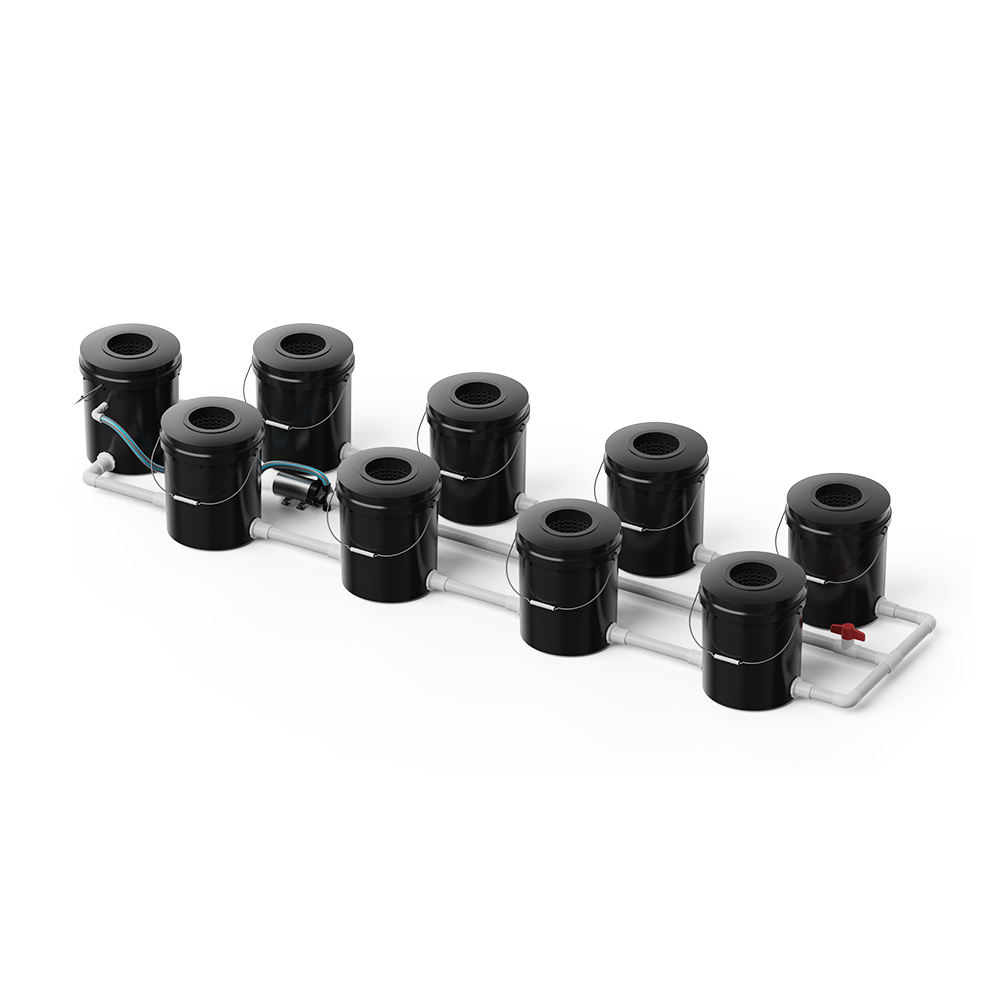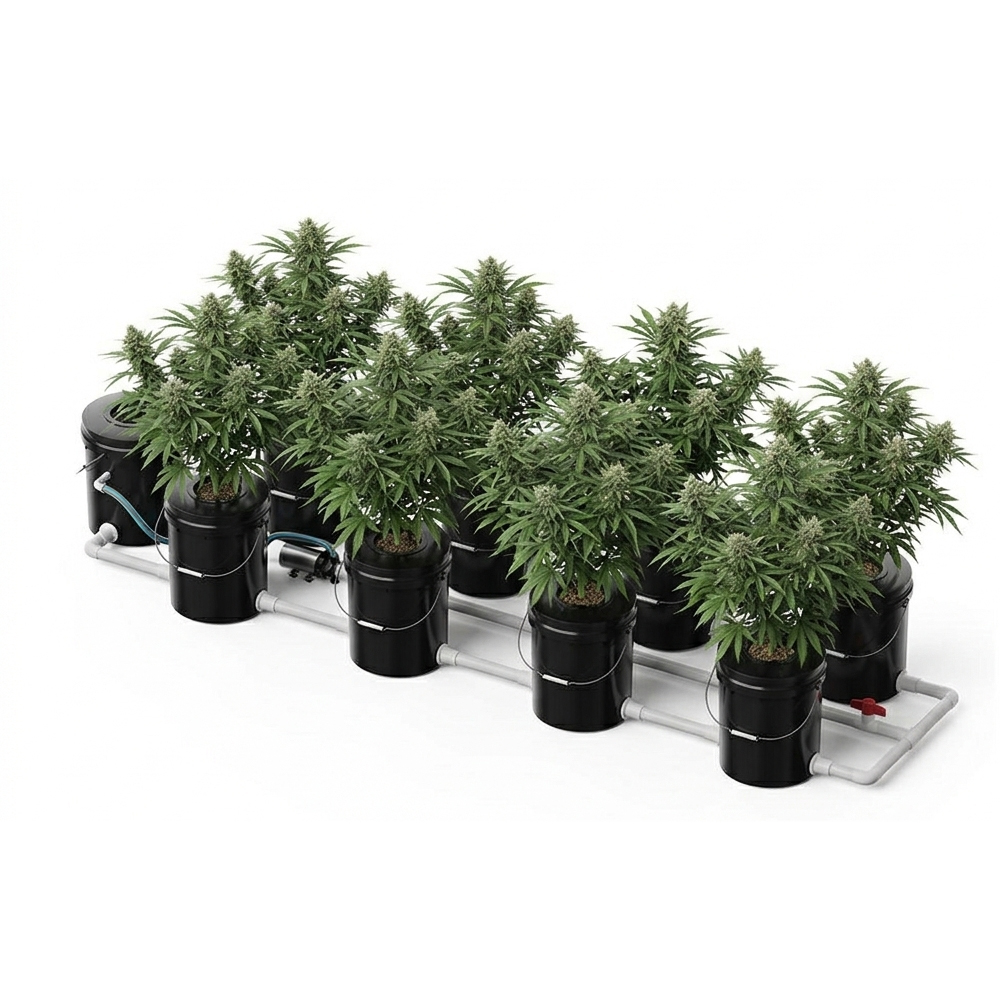

The best hydroponic products for grow shops work together to meet customer needs. A useful assortment combines everyday supplies, monitoring tools, equipment, and support. RDWC deserves consideration when a complete-system offering fills a real gap in that assortment and the store can sell, deliver, and support it at a workable cost.
For hydroponic retailers, the question is not simply whether RDWC is an interesting growing method. It is whether the category fits your customers, available space, purchasing budget, and staff capabilities. This guide explains that decision and shows where BetiLife's four 7-gallon models can fit.

What Makes a Hydroponic Product Worth Stocking?
A product deserves inventory space when its customer value and expected contribution justify the money, space, and support it requires. A high selling price, large discount, or long feature list is not enough.
- Customer demand: identify the customers asking for the product and the problem they want to solve.
- Assortment fit: decide whether it fills a gap, complements an existing category, or duplicates an offer you already have.
- Delivered economics: calculate the cost of receiving, selling, and supporting it at a realistic selling price.
- Space and handling: check display space, carton storage, receiving access, and customer delivery requirements.
- Support readiness: establish who can explain the product, identify parts, and handle the first customer questions.
- Reorder practicality: confirm purchasing terms, lead-time expectations, and replacement-part arrangements.
Different products play different roles. A supply item may be purchased again as it is used, while a complete system may involve a longer decision and more assistance. Evaluate each role on its own terms instead of expecting every category to sell at the same pace.
Core Hydroponic Product Categories for Grow Shops
A hydroponic retailer's product line should reflect the growing methods and purchasing needs of its customers. The following categories provide a planning framework, not a requirement to carry every item or brand.
| Category | Customer need | Stocking consideration |
|---|---|---|
| Nutrients and supplements | Products appropriate to the customer's nutrient-management plan. | Application, package sizes, storage requirements, and shelf life. |
| pH and EC meters and calibration supplies | Measurement, calibration, and routine nutrient-solution management. | Ease of use, maintenance, consumables, and support. |
| Lighting and environmental equipment | Equipment matched to the intended growing space. | Compatibility, electrical requirements, installation, and service. |
| Propagation supplies and growing media | Starting plants and supporting the chosen growing method. | Customer practices, system compatibility, and storage space. |
| Complete hydroponic systems | A defined equipment configuration rather than individually selected components. | Demand, system contents, footprint, assembly, and maintenance. |
| Replacement parts and maintenance supplies | Keeping existing equipment usable and serviceable. | Accurate part identification, compatibility, and replenishment. |
Keep essential supplies connected to actual growing needs
Nutrients, testing tools, and related supplies should be selected for the customer's method and operating requirements. For example, Oklahoma State University Extension identifies pH, salt concentration, alkalinity, and nutrient balance as important aspects of hydroponic nutrient management. That supports a practical conversation about measurement and water quality, not an automatic recommendation to buy every supplement. See its electrical conductivity and pH guide.
Match equipment to the space and the support available
Lighting, environmental equipment, and complete growing systems need more than a shelf label. Customers need to understand what fits, what is included, and what must be arranged separately. Offer only the installation or technical services your team can actually provide, and identify when specialist assistance is needed.
Use complete systems to fill a defined category gap
RDWC is one option within complete hydroponic systems, alongside other approaches your customers may use. It does not replace every growing method or eliminate demand for supplies. Its place depends on whether customers want this type of system and whether the store can support the purchase.
Why RDWC Deserves a Place in the Product Mix
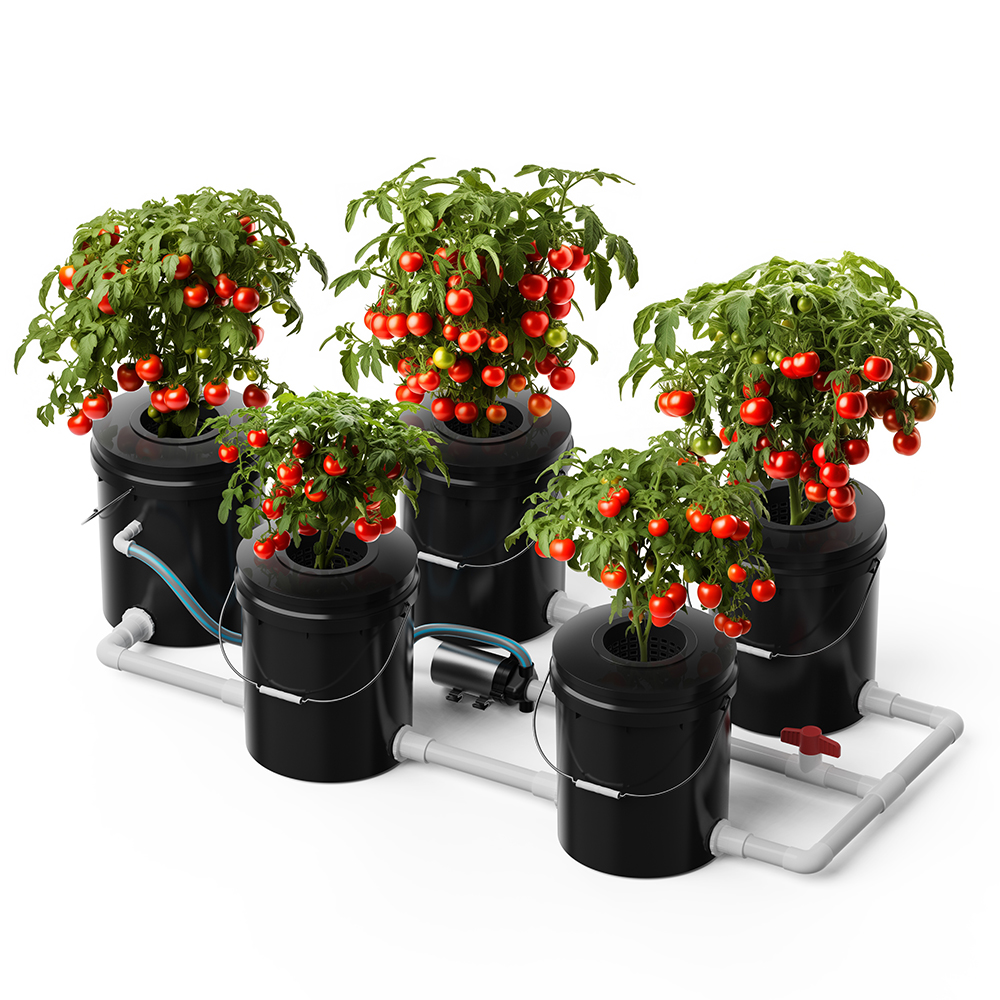
RDWC means recirculating deep water culture. Connected containers circulate nutrient solution while the system provides root-zone aeration. For a retailer, its value begins with offering a clear configuration and helping customers understand how it fits their plans.
1. Fill a complete-system gap
If customers already ask for RDWC layouts, bucket counts, or compatible components, a defined system offering may address a need that your existing shelves do not cover. Review actual inquiries, including requests your staff could not fulfill, before committing inventory.
Not every parts inquiry is demand for a complete kit. Some customers want to build or repair their own systems. Keep that distinction visible rather than assuming one offer should replace the other.
2. Connect equipment with relevant supplies
A system discussion creates an opportunity to check what the customer already owns and what remains necessary. Appropriate nutrient products, measurement tools, calibration supplies, and compatible maintenance items can form a useful package. The relationship should be based on need and compatibility, not a blanket add-on list.
3. Create a useful demonstration
A display can help staff show the difference between planting buckets and the reservoir, explain connections, and discuss service access. Its purpose is to make the purchase easier to understand. Track whether it produces useful conversations and quotes rather than assuming it will increase sales.
A dry display may be sufficient for layout and component explanations. A working demonstration needs an approved setup, routine checks, and a named staff member responsible for it.
4. Support customers beyond the first sale
A system may lead to later questions about maintenance, compatible parts, or additional equipment. That can strengthen the customer relationship, but it also creates work. Define the store's role, the supplier's role, and any charges before promising ongoing assistance.
When RDWC May Not Be the Right Stocking Priority
Offering RDWC and holding RDWC inventory are different decisions. If demand is unclear, consider a focused evaluation or a quote-based offer before committing to multiple models.
It may be sensible to wait when display or storage space is unavailable, staff cannot yet explain the system, parts support is unresolved, or the purchase would displace inventory that already meets established customer demand.
A special-order approach still requires current pricing, availability confirmation, and clear delivery expectations. It does not automatically mean a supplier will ship individual orders directly to your customers. Agree on that fulfillment arrangement separately if it is part of your plan.
Where BetiLife's Four 7-Gallon RDWC Models Fit
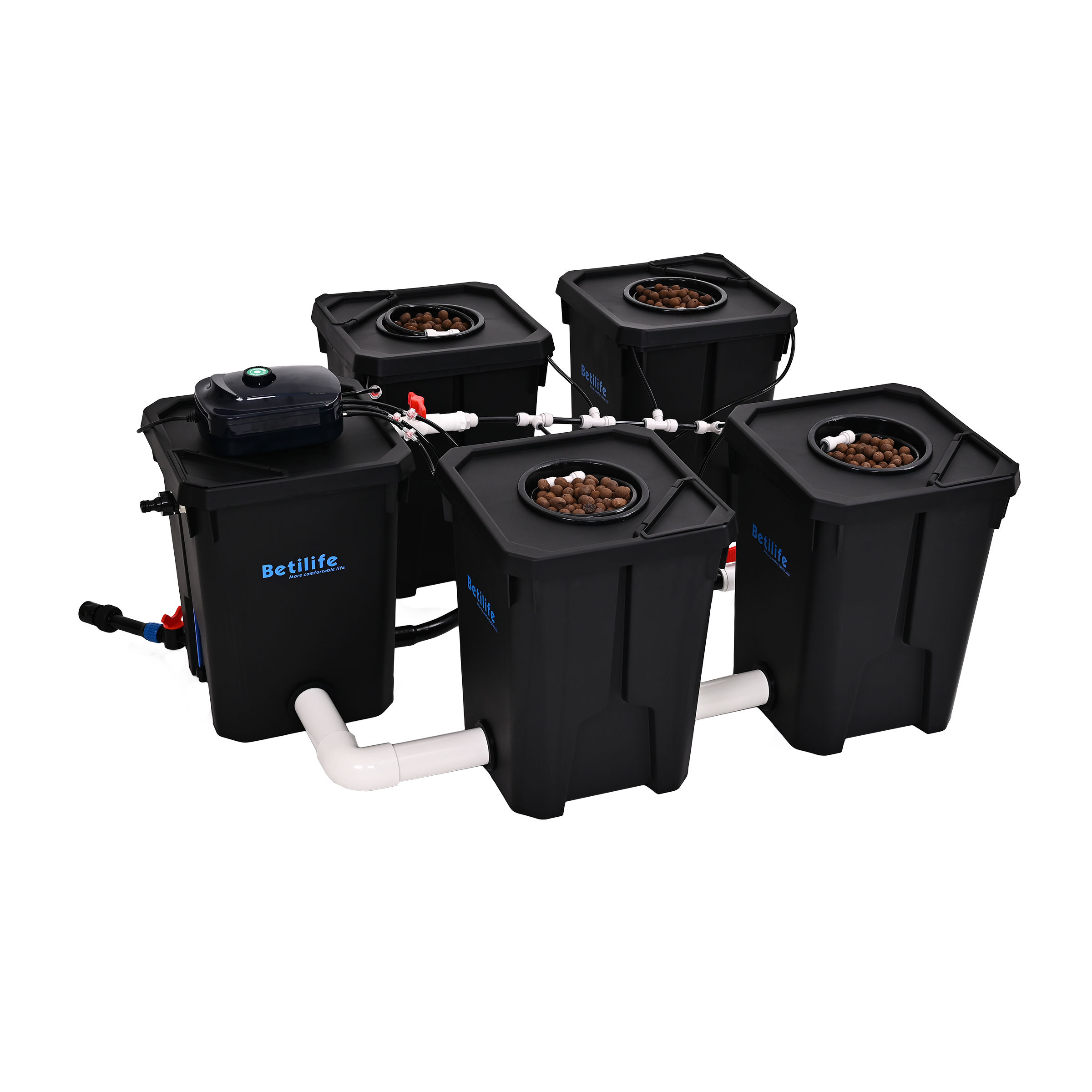
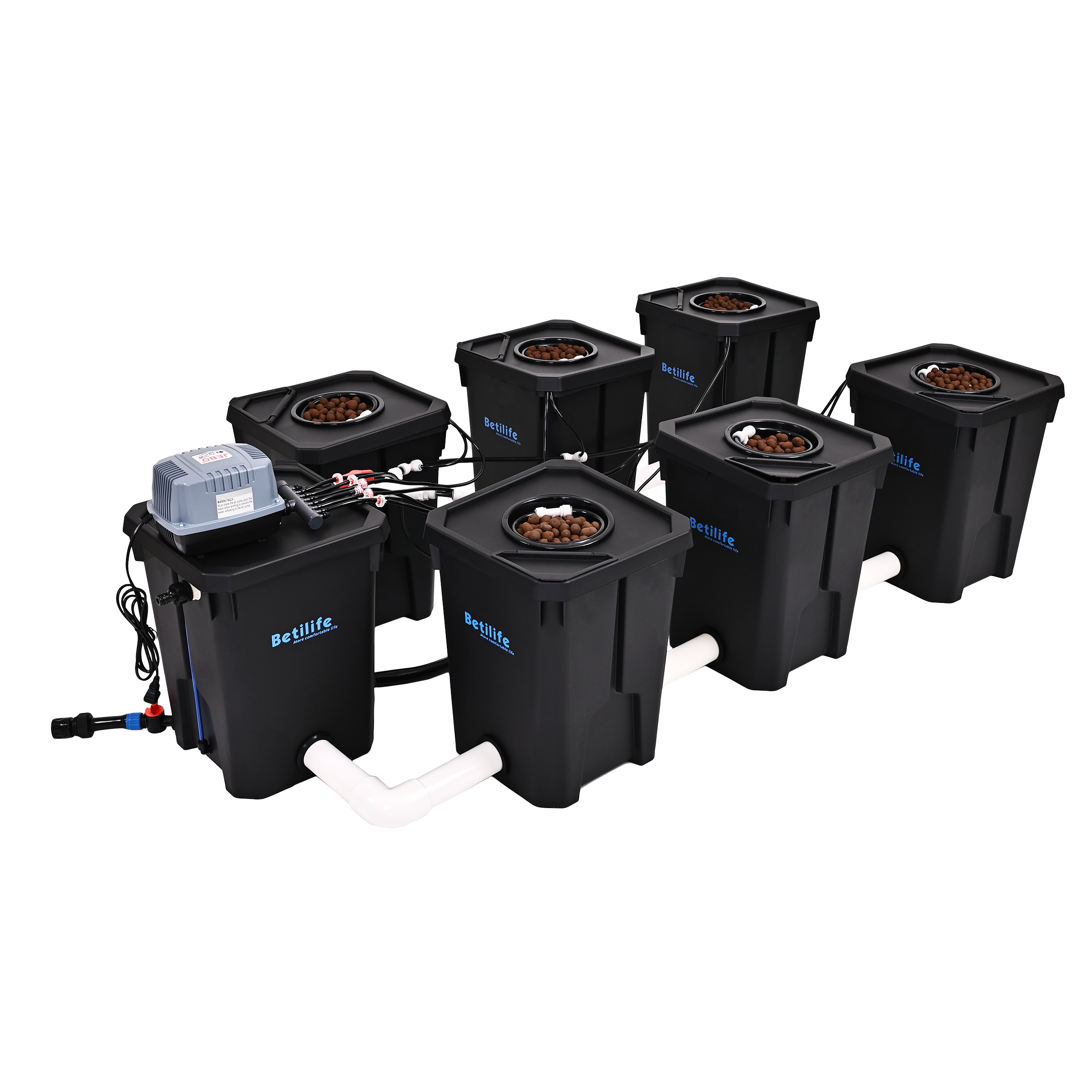
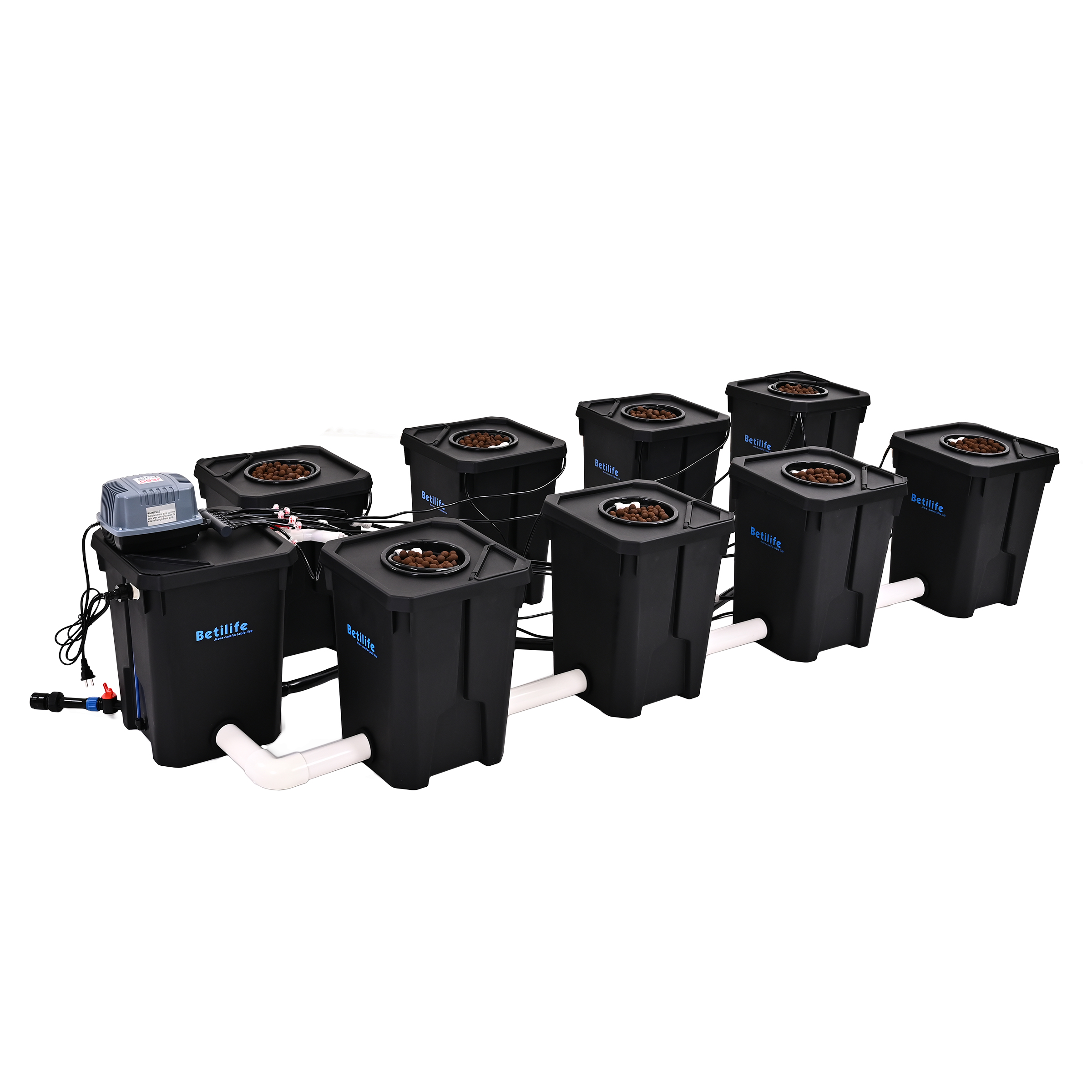
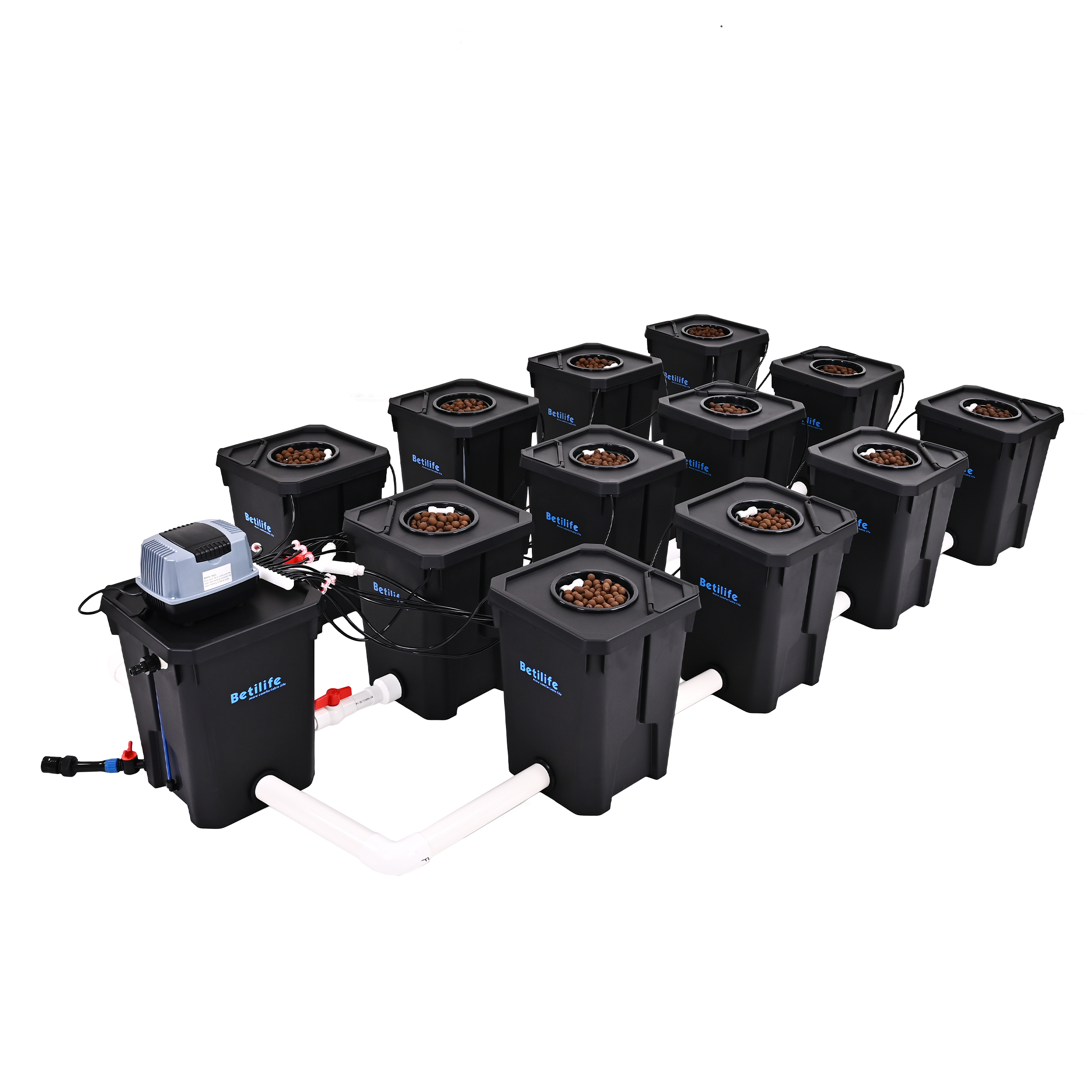
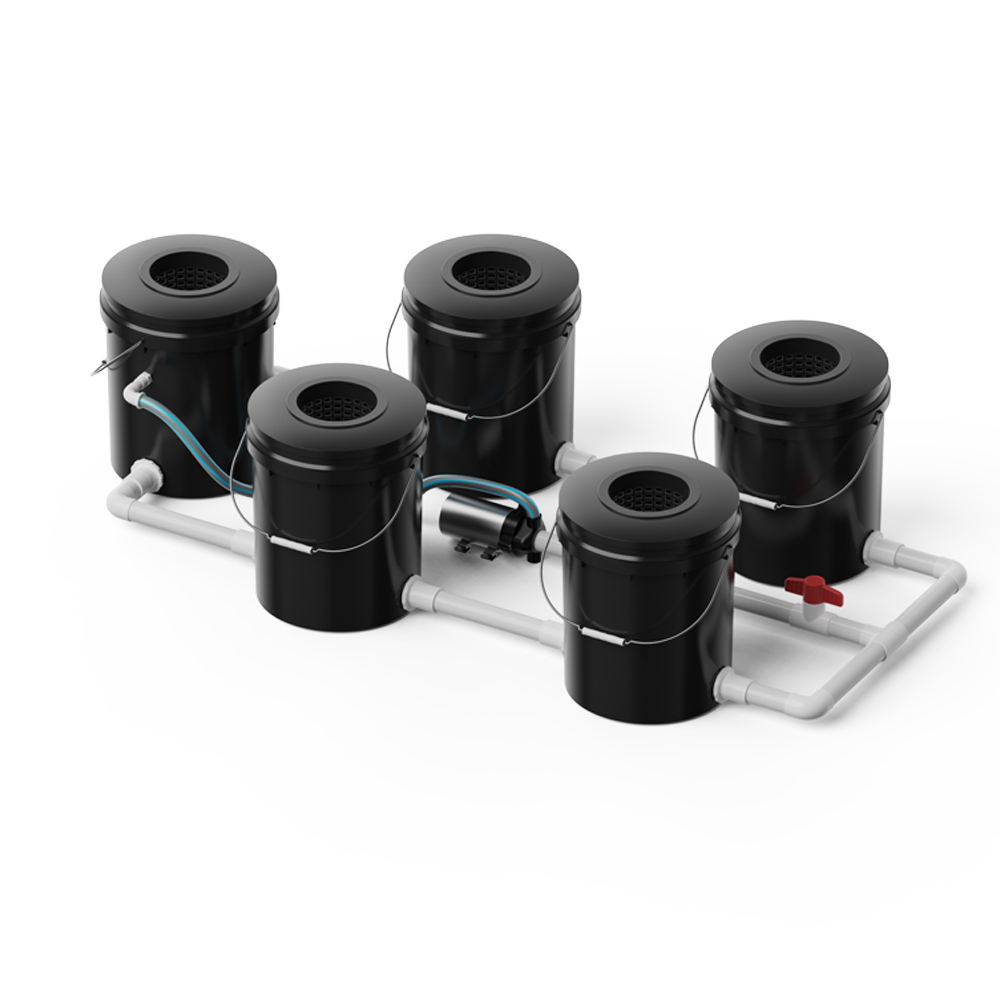
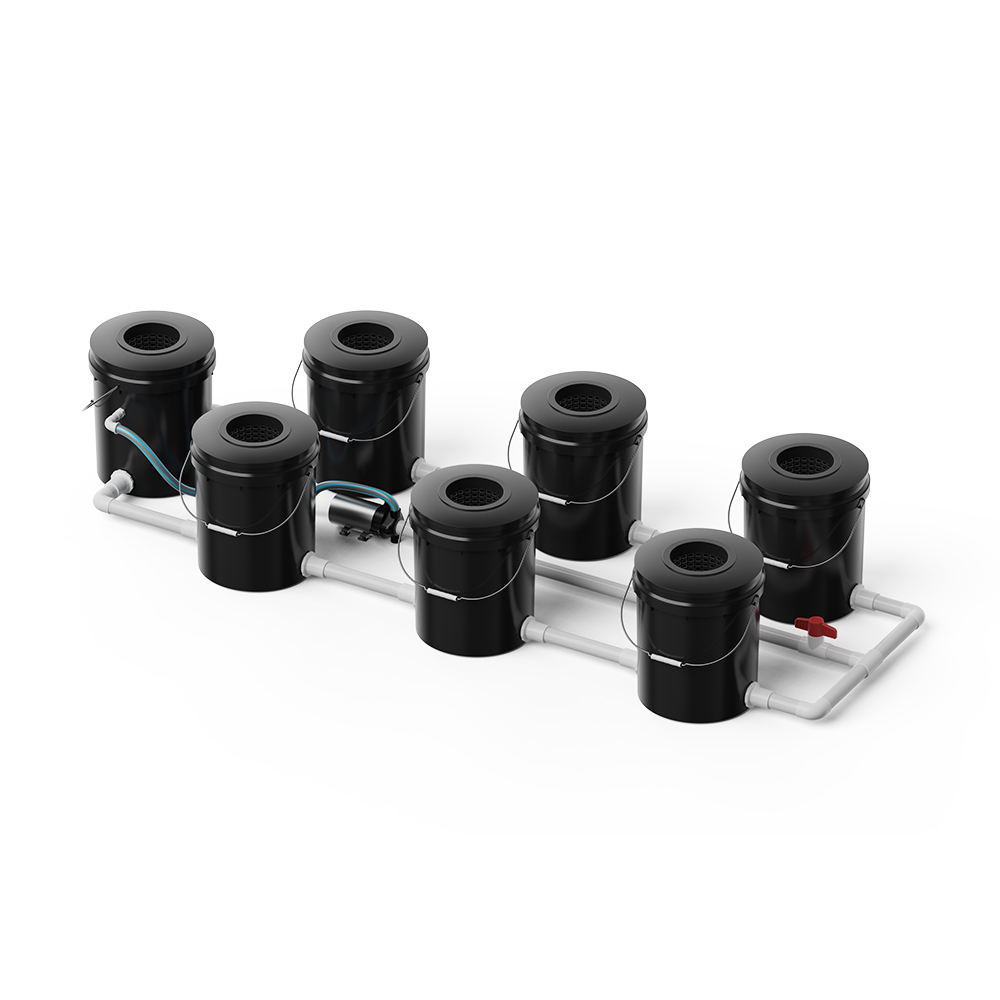
BetiLife's standard line includes BLGX-04, BLGX-06, BLGX-08, and BLGX-12: four, six, eight, and twelve planting buckets respectively, plus one reservoir. Each includes an integrated drip irrigation function. The nominal bucket size is 7 gallons, approximately 27 liters, not 27 gallons. See the BetiLife wholesale product overview.
Use the range to offer relevant capacity choices. A larger site count is not a higher quality grade, and offering four models does not mean stocking all four.
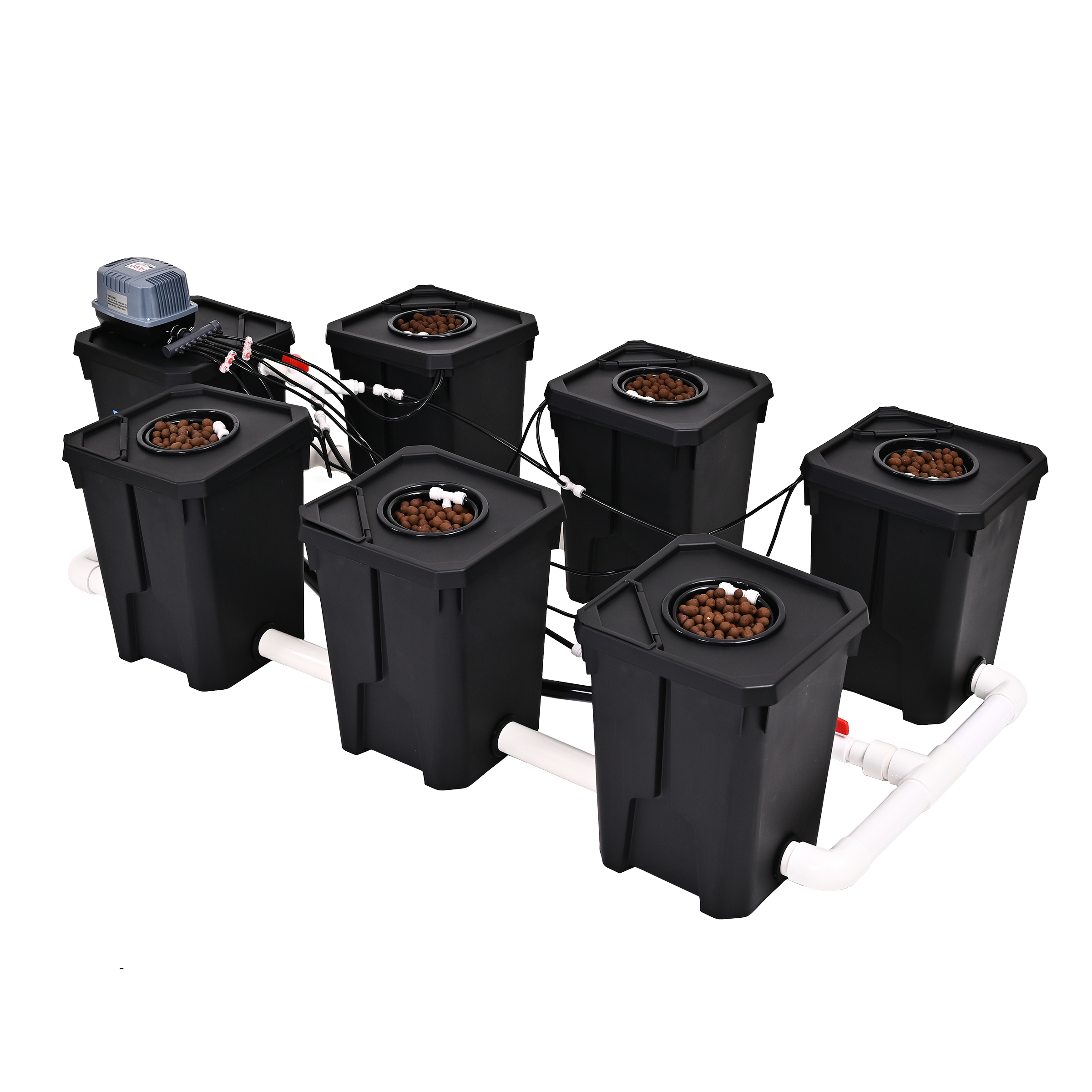
| Model | Retail reference | Possible retail role |
|---|---|---|
| BLGX-04: 4 sites | $599 | Four-site demand or an evaluation when this capacity fits the plan. |
| BLGX-06: 6 sites | $799 | A middle option to evaluate for six-site customer requirements. |
| BLGX-08: 8 sites | $949 | A higher-capacity offer where eight-site inquiries justify it. |
| BLGX-12: 12 sites | $1,499 | A defined twelve-site requirement or project-led special order. |
Price source: BetiLife's 7-gallon collection. Public retail references can change. They are not dealer prices, wholesale costs, or confirmed DDP totals. The retail roles above are planning suggestions, not sales rankings.
Separate demonstration, stock, and special-order decisions
A display model helps explain the category. A stocked model should reflect expected demand and replenishment conditions. A special-order model can address a specific requirement without being held at the same inventory depth.
If most relevant inquiries concern six or eight sites, compare BLGX-06 and BLGX-08 first rather than choosing the smallest unit solely because its advertised price is lower. Check the assembled footprint, service clearance, carton dimensions, and receiving requirements before purchasing.
For a deeper capacity comparison, read 4-bucket vs. 6-bucket vs. 8-bucket vs. 12-bucket RDWC.
Build Useful RDWC Packages Without Unnecessary Products
Start with the system's confirmed contents, subtract what the customer already owns, and add only what the intended setup needs. The following are retail planning concepts, not existing BetiLife package offers.
System only
This suits a customer who already has appropriate supporting equipment and wants the specified RDWC configuration. Provide the packing list and explain any equipment outside the quotation. Do not use “complete system” to imply a complete grow room.
System with selected setup essentials
After reviewing the customer's existing equipment, consider the relevant measurement tools, calibration supplies, or nutrient products. Lighting, temperature-management equipment, and other accessories need their own fit assessment. Do not add a chiller to every order automatically or sell a second pump without checking whether the intended pump is already included.
System with an agreed support service
If your store provides a handover session, assembly assistance, or a defined follow-up service, state the deliverables, exclusions, and fee. A short component walkthrough may be useful; unlimited technical support is a different commitment. Refer work outside your team's competence to an appropriate provider.
Before presenting any package, confirm compatibility, availability, itemized pricing, and responsibility for supporting each component. Complementary products may come from the store's existing suppliers rather than BetiLife.
Calculate the Economics Before Expanding Inventory
A margin opportunity must be tested against the actual selling price and cost of serving the order. Do not calculate expected profit from the public retail price and an assumed dealer discount.
Use a current quote for the selected model and quantity. Establish the full cost to your receiving location, then add the variable costs of making and supporting the sale.
Estimated contribution per sale = net sales revenue − landed product cost − variable selling and service costs.
Variable costs may include payment processing, delivery to the customer, and the labor committed to a particular order. This contribution is not net profit: rent, fixed payroll, and other overhead still need to be covered. Avoid counting a shipping charge twice if it is already included in the supplier's quotation.
Account for the cost of learning and holding the category
Allow for demonstration equipment, staff training, display space, and unsold inventory. Record these launch costs separately so a profitable individual sale does not hide an expensive category rollout. Assess add-on purchases separately rather than assuming every system buyer will also buy a full accessory package.
Track support time as well as product returns. A configuration can require no returned units yet still consume more staff hours than expected. That is a reason to improve documentation, clarify service boundaries, or reconsider how the offer is priced.
Compare delivery options on the same scope
BetiLife provides DDP quotation options for single standard systems and wholesale orders, with the destination and delivery scope confirmed for each quote. Buyers with their own freight forwarder can discuss other suitable arrangements. Compare the same models, quantities, and receiving location rather than assuming one shipping approach will always cost less.
For more detail, see how to read an RDWC wholesale price list and when a DDP quote makes sense.
Launch a Focused RDWC Offer and Measure the Results
A focused launch creates evidence for the next purchasing decision. It does not require a full four-model opening stock order.
- Review demand: record requested site counts, available space, budget expectations, and the questions customers ask.
- Select a starting offer: choose a relevant model and decide whether it needs evaluation, demonstration, stocking, or quotation only.
- Confirm supply terms: check the component list, electrical configuration, packaging, delivery, warranty, and replacement-part process.
- Prepare staff and product information: make included items, dimensions, customer responsibilities, and the support contact easy to find.
- Record outcomes: follow inquiries through quotes, orders, delivery, and support instead of recording only that a customer was contacted.
- Adjust the assortment: reorder, add another model, improve the offer, or retain special-order availability based on the evidence.
Use a review period that matches your order volume and sales cycle. A few slow weeks do not necessarily establish that a higher-consideration product has no demand.
- Qualified inquiries by model: distinguish specific purchase requirements from general interest.
- Quote-to-order conversion: follow comparable quote groups long enough to observe the outcome.
- Contribution per completed sale: use actual realized revenue and costs.
- Relevant companion purchases: note what customers bought and why, without treating add-ons as mandatory.
- Support time and issues: identify recurring questions, missing information, and parts needs.
- Inventory movement: review units received, sold, remaining, and the time needed to replenish.
If inquiries are strong but orders are weak, investigate the reason: fit, delivered price, timing, unclear contents, or confidence in support. If sales occur but contribution is weak, adding more inventory may amplify the problem rather than solve it.
Request RDWC Pricing for Your Grow Shop
Move from a general category idea to a specific purchasing discussion. Send BetiLife:
- Your business type and whether you already sell complete RDWC systems.
- The models or planting-site counts you are considering.
- Expected quantity and whether the purchase is for evaluation, display, stock, or a customer order.
- Your delivery ZIP code and relevant receiving requirements.
- Your target purchase date and preferred delivery arrangement.
If you already know the model and quantity, request pricing directly. An evaluation purchase can be useful when questions remain, but it is not an automatic prerequisite for discussing a wholesale order.
We are a U.S. grow shop considering BetiLife's 7-gallon RDWC line. Please quote [quantity] units of [model] for delivery to [ZIP code]. Include the system contents, delivery scope, quote validity, estimated lead time, and the available warranty and replacement-part arrangements.
Request RDWC Pricing for Your Grow Shop | Email Your Purchasing Requirements
Frequently Asked Questions
What hydroponic products should a grow shop consider stocking?
Consider relevant nutrients, monitoring tools, lighting and environmental equipment, propagation supplies, complete systems, and compatible maintenance parts. Prioritize the categories that match your customers and that your store can explain, supply, and support.
Does every grow shop need a complete RDWC product line?
No. RDWC deserves consideration where there is a clear customer need and a workable sales and support plan. A focused evaluation or quote-based offer may be more appropriate than immediate inventory expansion.
Should a retailer stock all four BetiLife models?
No. Offering the four capacities does not require equal stock across them. Choose demonstration and stocked models from observed demand, space, and purchasing economics; confirm availability and lead times for special orders.
What products can be paired with an RDWC system?
Depending on the setup and existing equipment, appropriate companions may include nutrient products, pH and EC measurement tools, calibration supplies, and compatible maintenance items. Confirm what the system already includes and what the customer actually needs.
How should a grow shop evaluate RDWC profitability?
Use the realized selling price, actual landed cost, variable selling expenses, and service workload. Also assess launch costs, inventory holding, and fixed overhead. Neither the advertised retail price nor an assumed discount establishes profit.
Can a retailer offer larger systems without holding every model in stock?
Yes, a special-order approach can be considered when the supplier confirms availability and delivery terms. Explain the arrangement to the customer before accepting an order. Do not assume direct-to-customer fulfillment is included.
Make RDWC a Deliberate Part of the Assortment
RDWC can earn a place in a grow shop by meeting a complete-system need and connecting that purchase with useful product knowledge and support. Its business value comes from the fit between customers, equipment, costs, and service—not from adding another product category by default.
Review BetiLife's four 7-gallon models, identify the role each could play in your shop, and request a quote for the offer you want to evaluate.