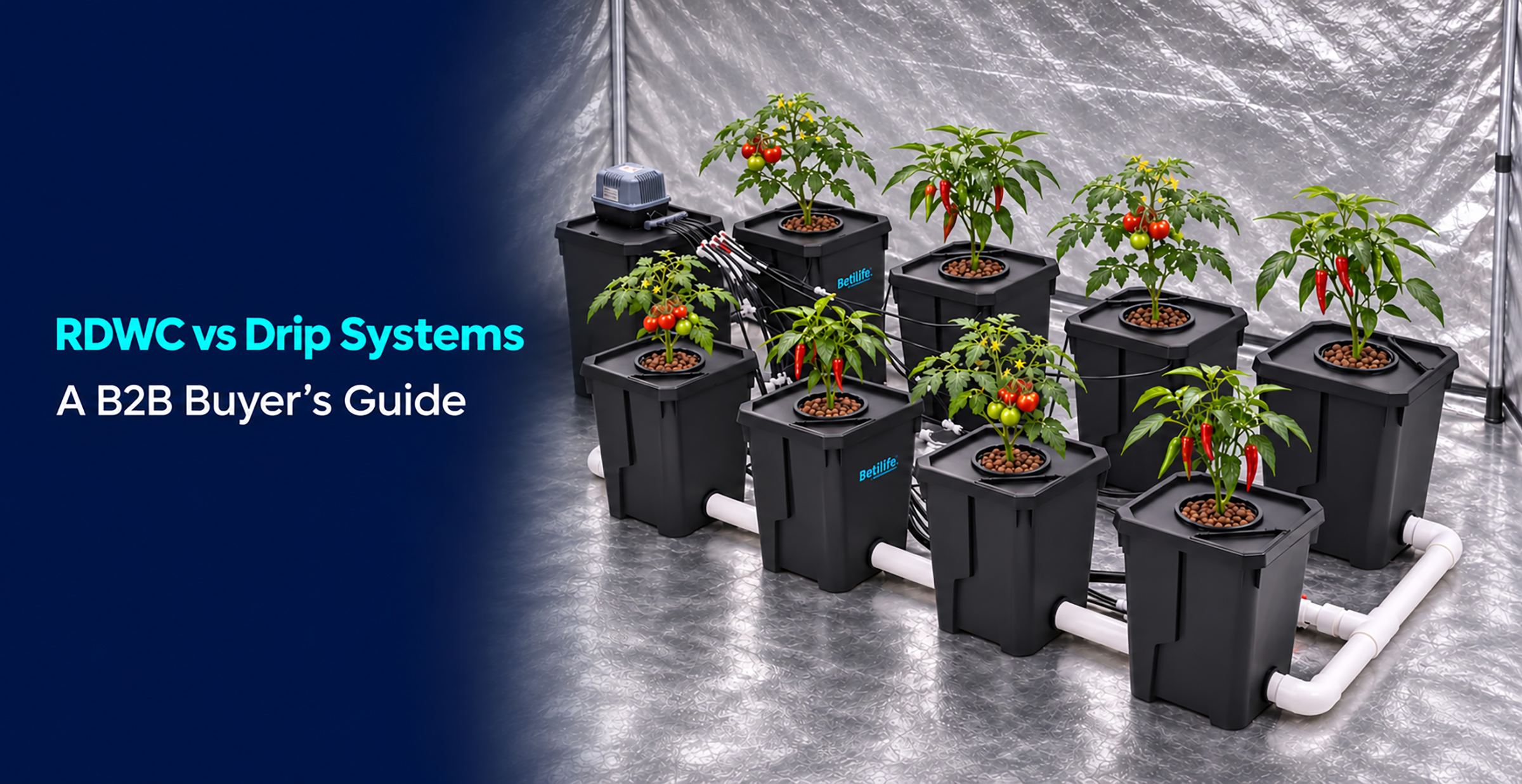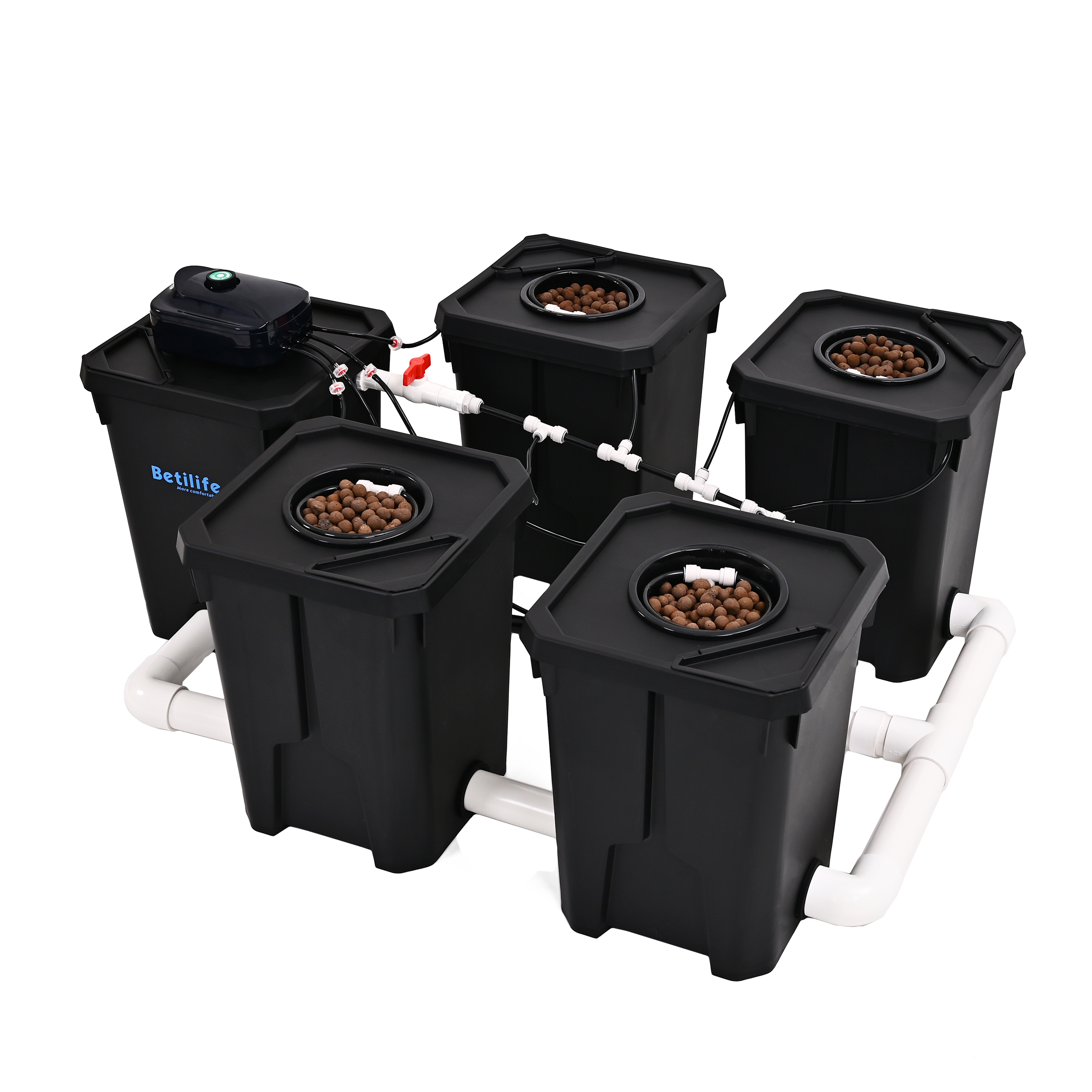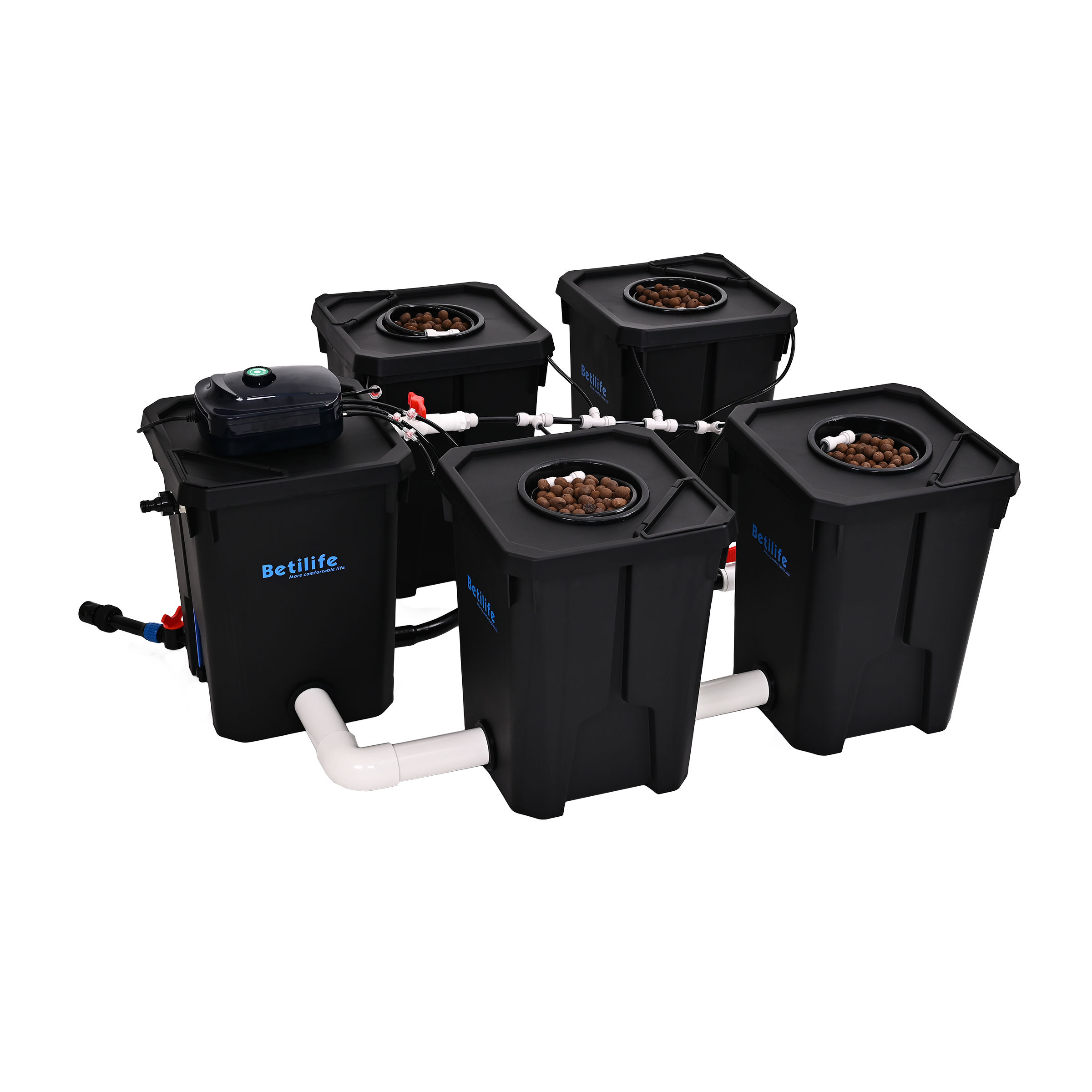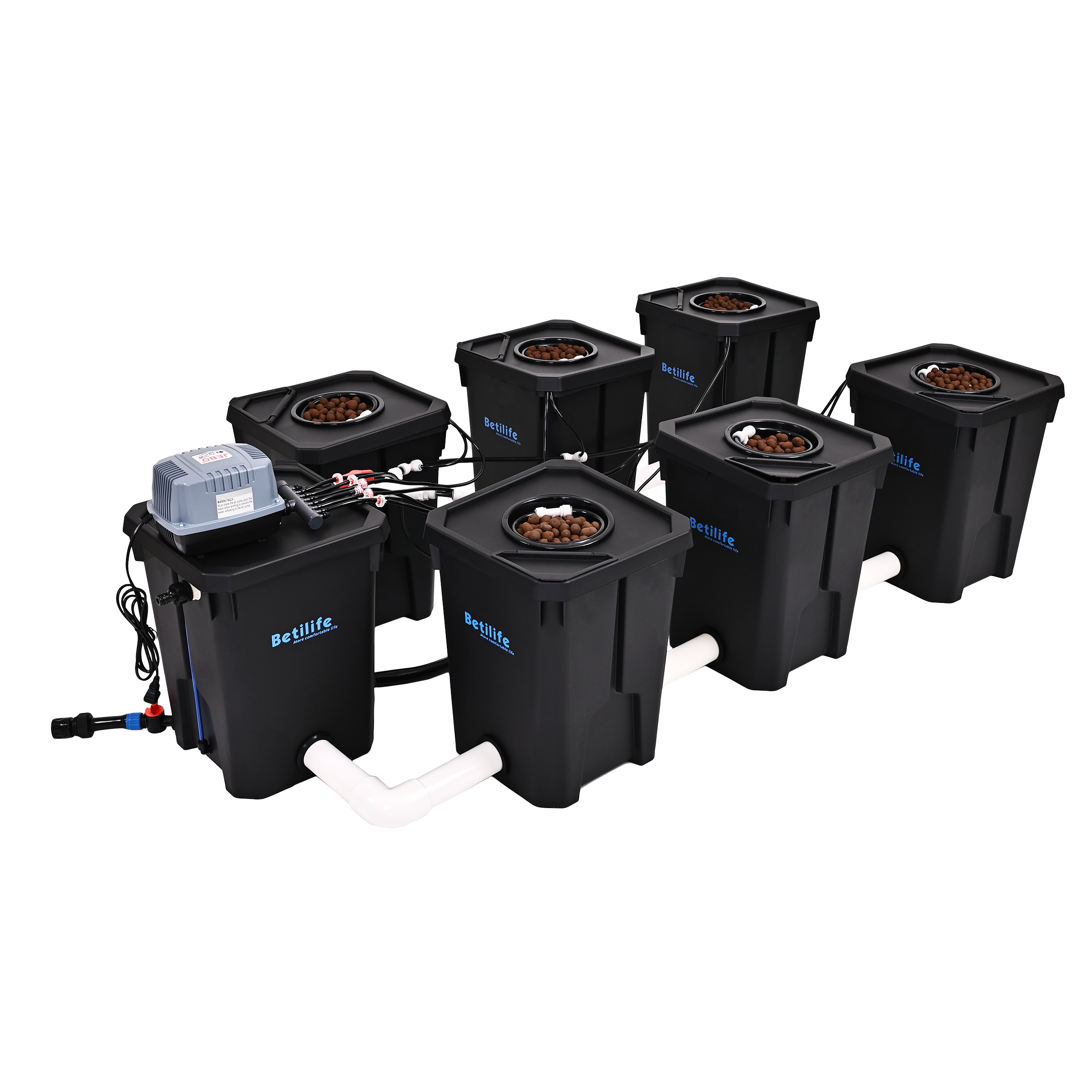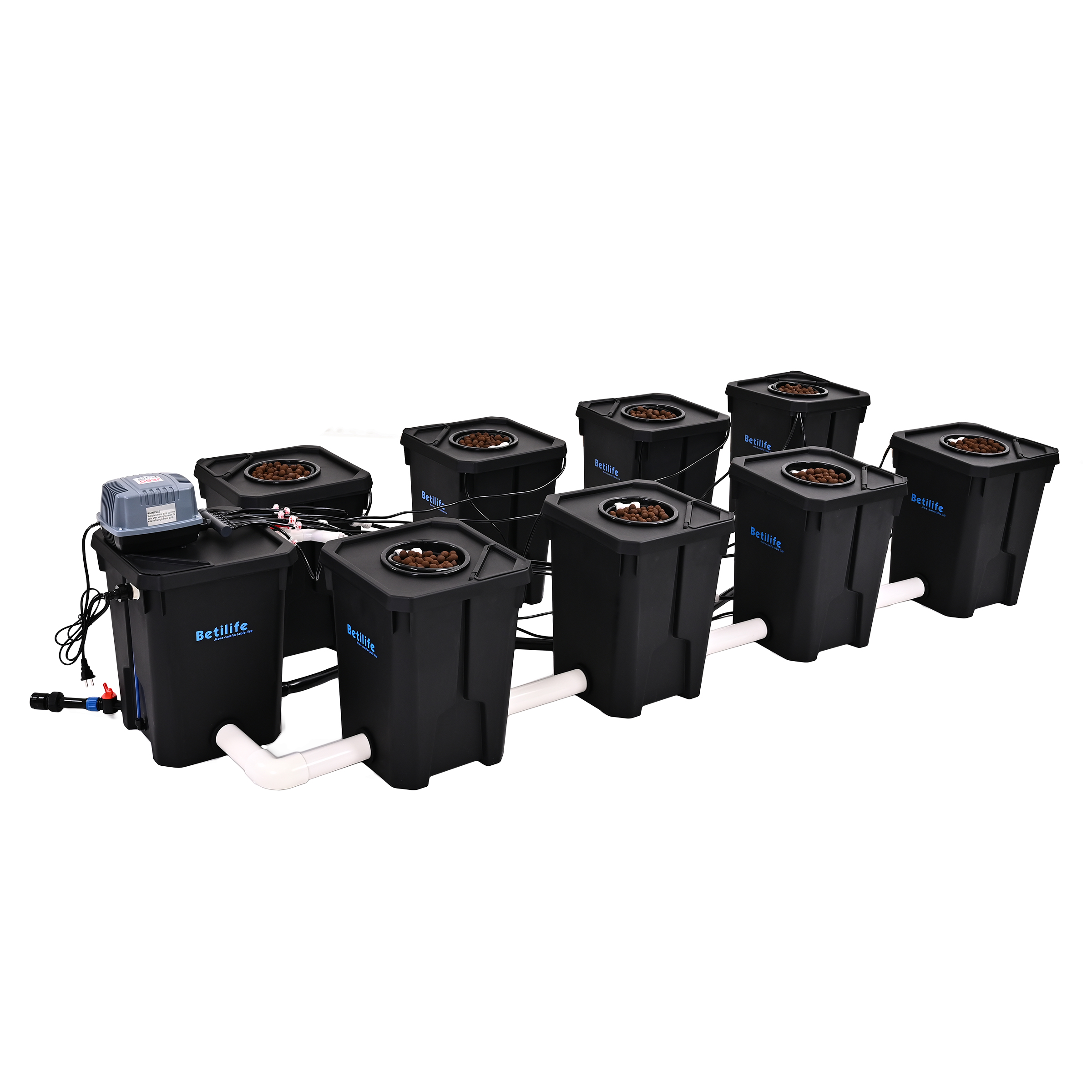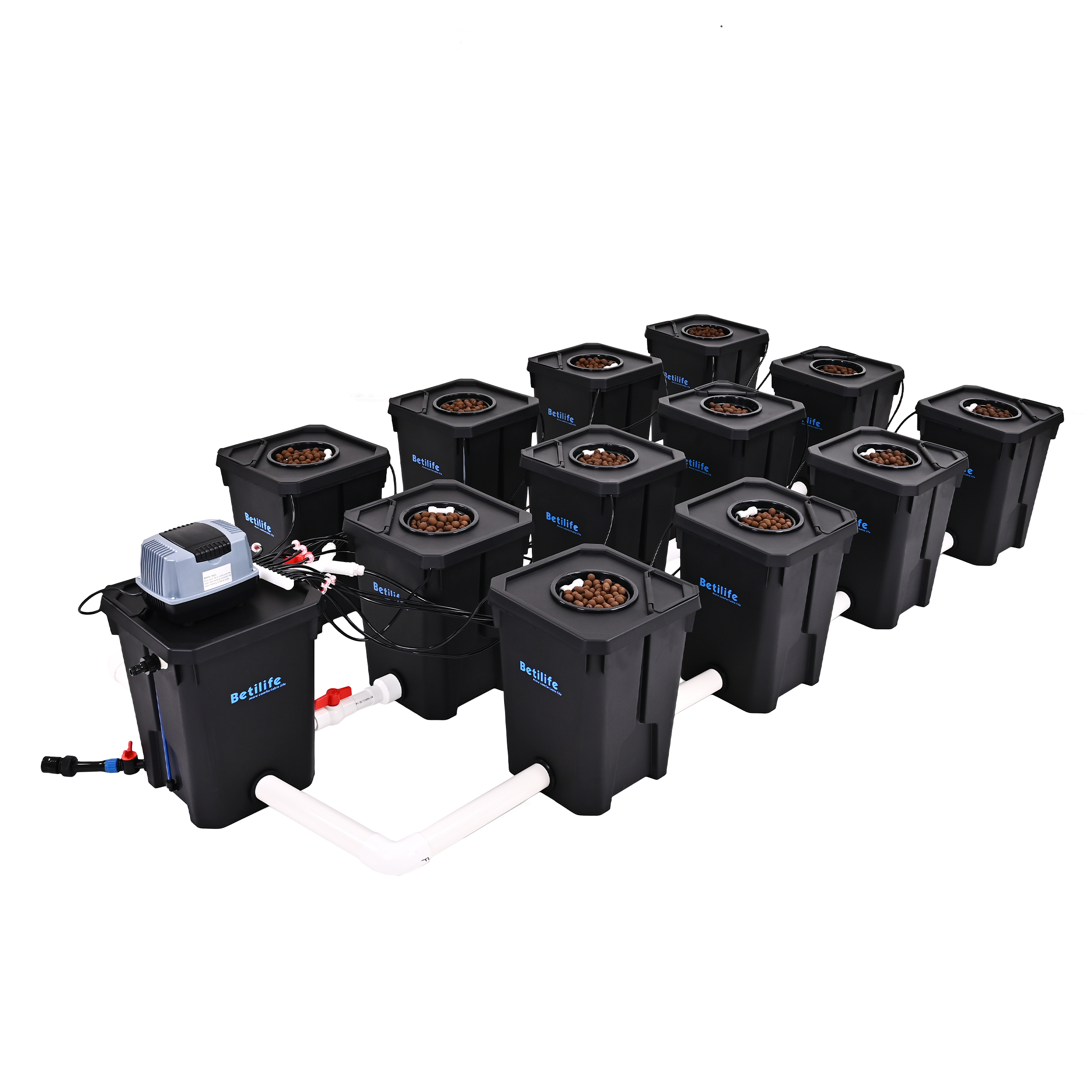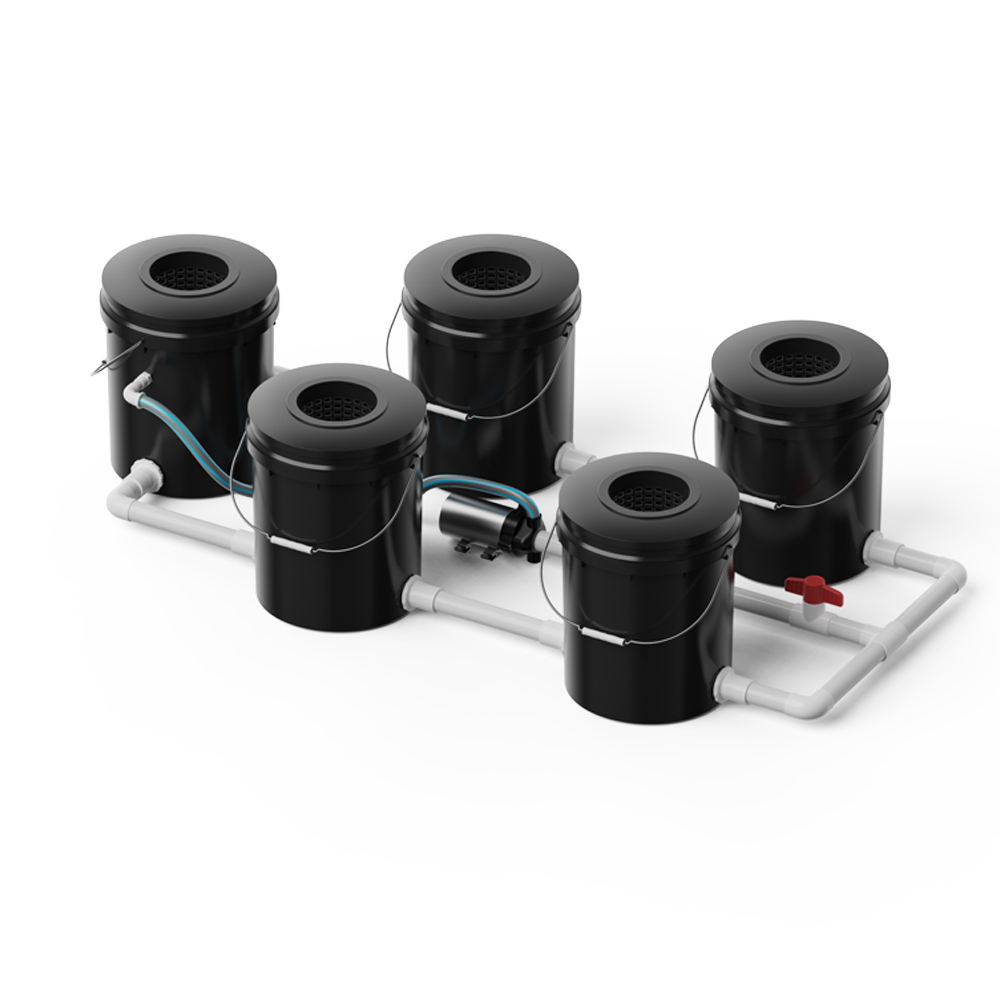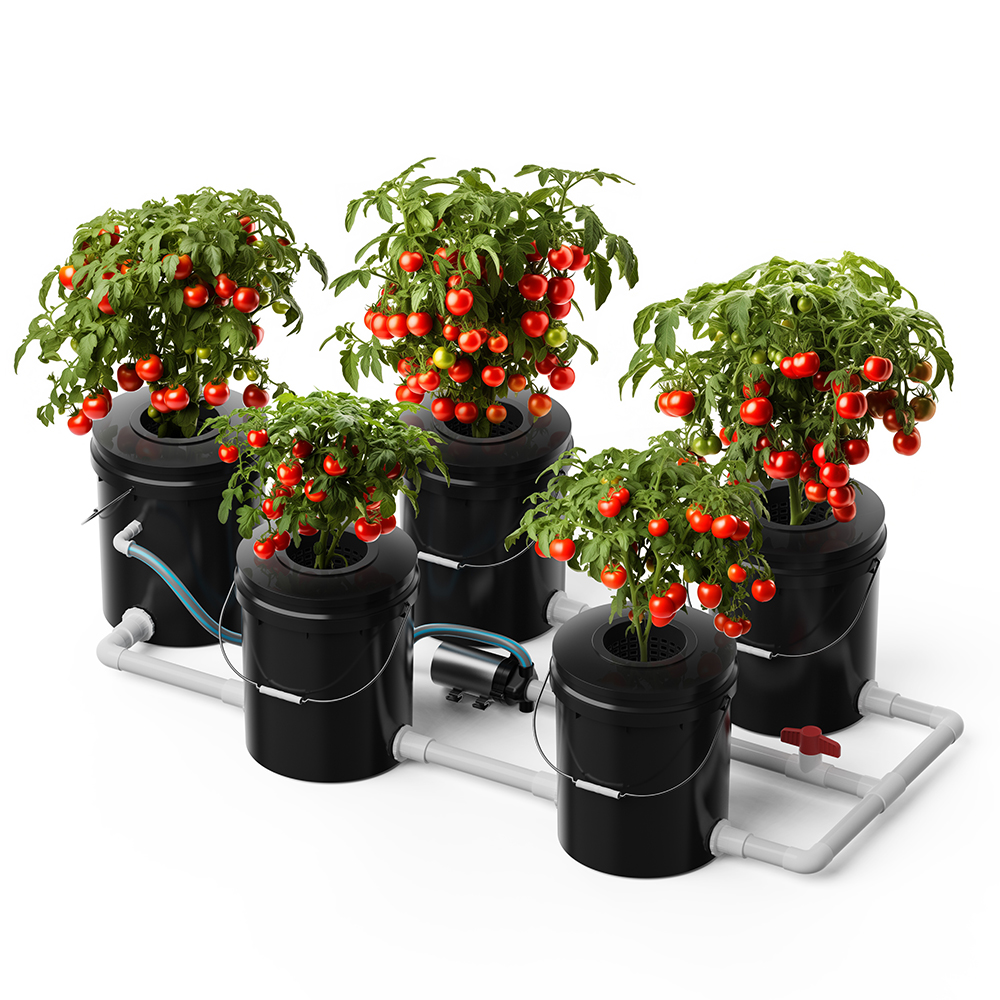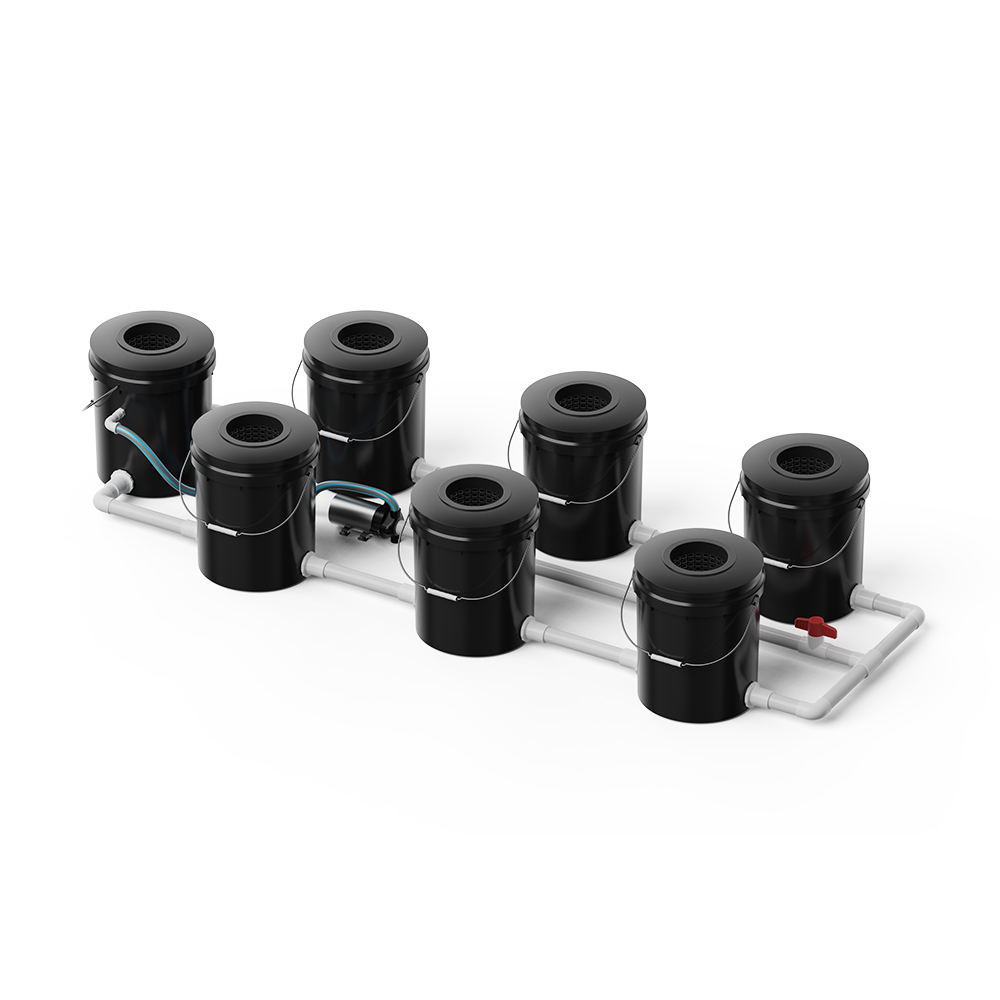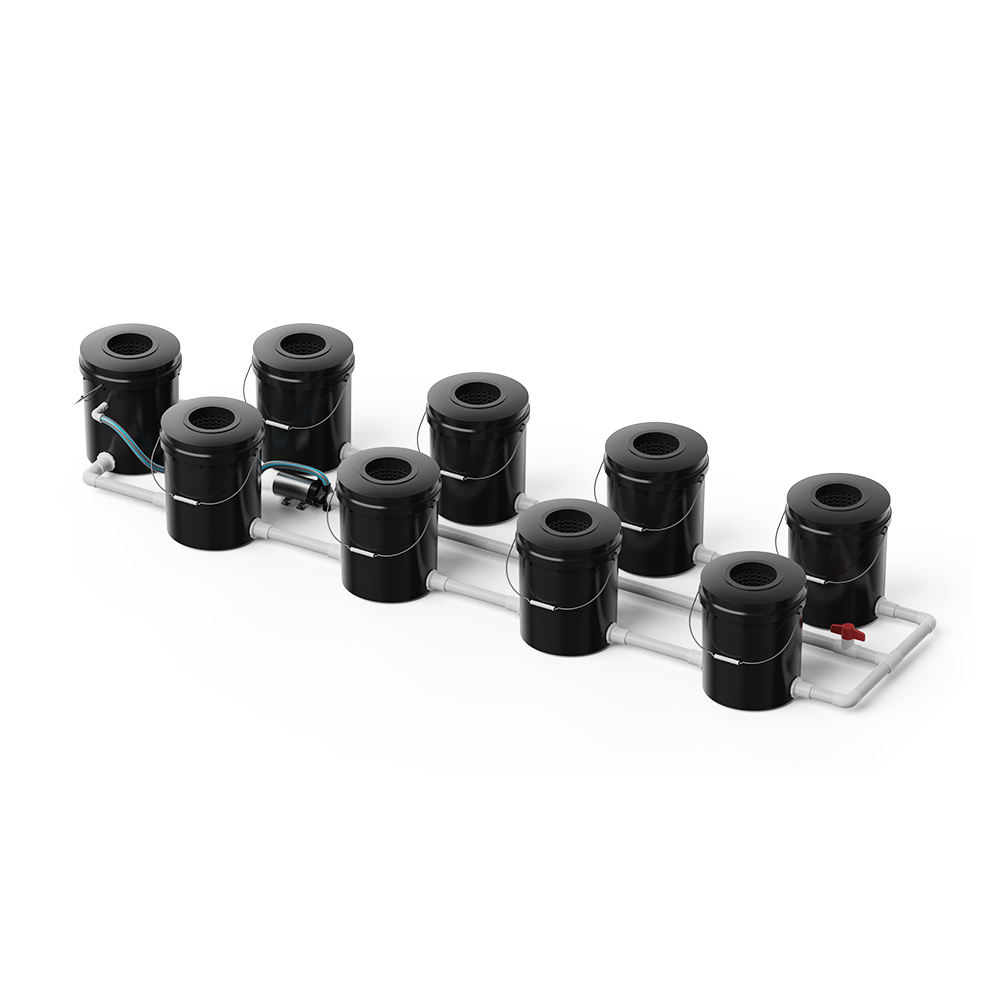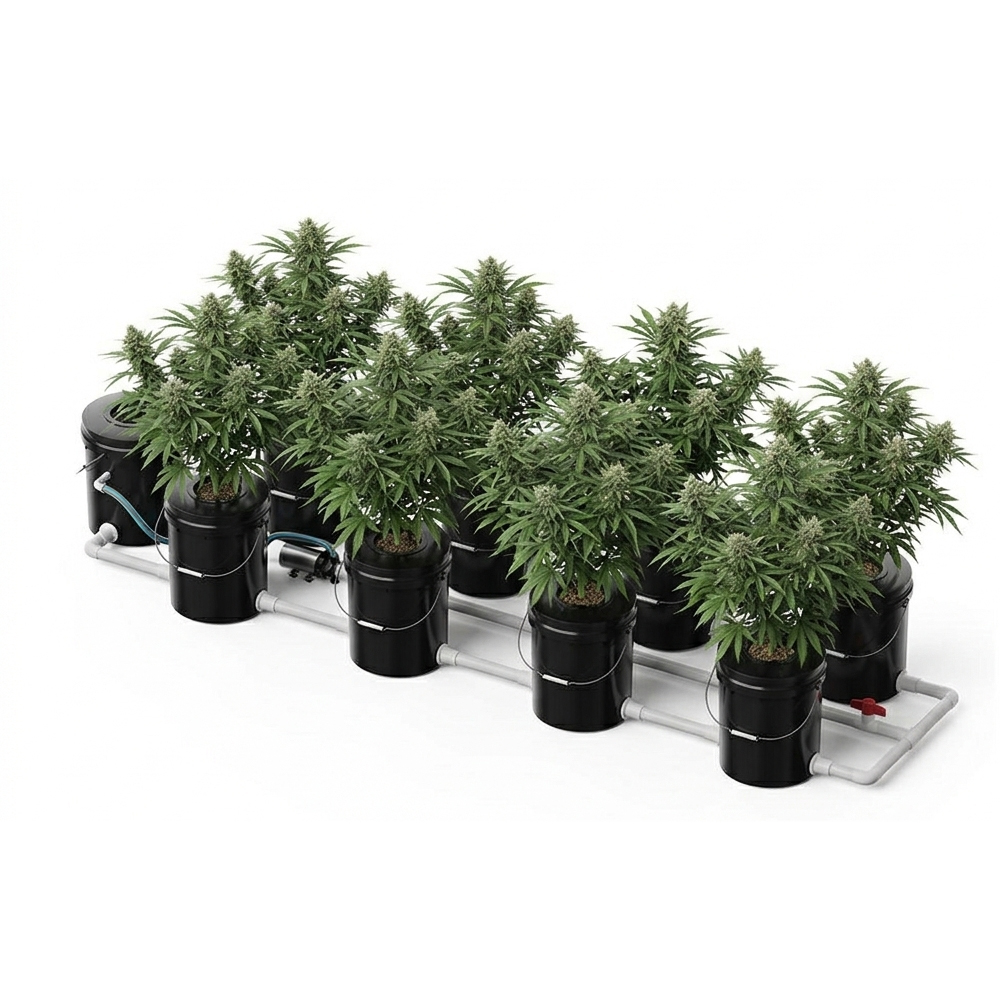
A customer calls your grow shop after a 12-site RDWC system arrives. They have opened one carton and cannot find the fittings they expected. Should you send another kit? BetiLife lists the BLGX-12 in two cartons, Box A and Box B. Look up both tracking records while the customer is on the phone. One carton may still be in transit. If both arrived, check their contents against the order’s packing list and report any shortage. BLGX-12 packing specifications.
To evaluate low-RMA RDWC systems, ask for the number of complete systems authorized for return, the number sold, and the period each unit was in service. Then ask how much work it took to resolve the remaining calls. A dealer can ship very few systems back and still spend hours tracing cartons, identifying pumps, and arranging replacements.
By BetiLife · U.S. dealer purchasing guide · Product and warranty references reviewed November 6, 2026.
What does “low RMA” mean for an RDWC dealer?
RMA stands for return merchandise authorization. It records permission to send an item back. A support call, a warranty decision, a physical return, and a refund can happen at different times for the same sale. A supplier may even issue an RMA for a single pump. Ask which events its figures include before comparing two lines of recirculating deep water culture (RDWC) systems.
For a fair comparison, choose a sales period, one model, and a follow-up window. For example, measure the first 90 days after each retail delivery and wait until every unit has had the full 90 days. Keep the underlying counts beside each result. One return among ten units gives you much less evidence for a stocking decision than ten among a thousand.
- Whole-system RMA rate. Count the unique systems in that sales group authorized for a complete return during the window. Divide by all systems delivered to customers in the group and multiply by 100. Count each system once, even if the customer called three times.
- Support cases per 100 units. Divide distinct cases by the same number of delivered systems and multiply by 100. Keep follow-up calls under the original case and record the extra minutes. A pump replacement can count here even when the customer keeps the system.
- Service cost per unit sold. Add the labor, parts, and freight your business absorbed for that group and divide by the units delivered. This shows how much of each sale to budget for support.
For distributors, separate shipments to dealers from sales to end users. Forty kits shipped to stores and ten installed by customers represent different amounts of field experience. Ask stores for sell-through and open-case counts. If a supplier cannot provide comparable model-level figures, record the rate as unknown. BetiLife’s public product specifications and warranty describe what you can buy and how to submit a claim. Establishing a return rate takes sales and claims records.
Which RDWC problems need support, and which need a return?
Start the case with the customer’s own words. “Water under the second bucket” tells the next person where to look. “Bad seal” sends them looking for a particular part before anyone has established the cause. Use the following checks to choose the next action and give the customer a time for an update.
| Customer report | First dealer action |
|---|---|
| “A bag of fittings is missing.” | Match the SKU, carton labels, tracking, and packing list. Trace any undelivered carton. If all cartons arrived and the count is short, identify the missing item and open a shortage claim promptly. |
| “There is water near a connection.” | Ask whether water has reached a plug, cord connection, or outlet. If so, stop troubleshooting, keep people clear, and have a qualified electrician make the area safe. Never ask someone to power up a leaking unit for a video. CDC guidance on wet electrical equipment. |
| “The pump won’t start.” | Identify the pump from the order or label. The water pump circulates nutrient solution, while the air pump supplies air. Send the model and symptom for review before selecting a spare. Leave damaged electrical equipment out of service. |
| “We can fit the buckets, but we can’t reach the reservoir.” | Compare the approved layout with the usable room dimensions and service aisle. Discuss a workable layout or the return options applicable to that sale. Log the fit issue so sales staff can catch it next time. |
| “The replacement has the same problem.” | Reopen the case, attach the original findings and part IDs, and escalate for supplier review. If several sites report the issue, give the supplier the affected orders or lot references. Keep each customer informed while the cause is investigated. |
A component replacement makes sense when the supplier confirms compatibility, the remedy suits the customer, and it can be completed safely. Where a whole-system return is appropriate, get the authorization, destination, and freight instructions in writing. A customer who is still waiting for a working system belongs on the open-case list.
What should an RDWC wholesale supplier show you before you stock a model?
Ask for four items alongside the quote. Give the documents to the employee who will actually answer the phone and see whether they can identify a part and find the right contact.
- A packing list for the exact SKU. Look for expected carton count, parts and quantities, and a way to match every carton to the order. For a split shipment, establish who can trace each package.
- The matching assembly guide and parts references. Pick a fitting and ask how to order its replacement. Confirm the pipe standard and pump electrical configuration on the order. Parts that look alike in a product photo may have different dimensions or ratings.
- A description of the shipment checks. Ask which items are counted, visually inspected, or function-tested, whether checks are sampled, and what record is available for your order. A packing check and a circulation test answer different questions.
- The written after-sales terms. Identify who reviews a case, what proof of purchase is accepted, which parts can be supplied, where they ship from, and who pays freight and labor. Confirm any lead time you intend to promise a customer.
BetiLife’s policy generally gives eligible components one year of limited coverage from the applicable delivery date for confirmed material or manufacturing defects under normal use. The terms agreed for a specific order can differ. A grow shop holding a unit for several months should establish which delivery starts the clock and which receipt its customer will need. BetiLife warranty and claim procedure.
For a broader supplier review, use the U.S. grow shop’s wholesale supplier checklist. If your shop also builds systems from individual components, establish who supports the assembled system using the complete RDWC system and DIY parts kit comparison.
Four BetiLife 7-gallon RDWC systems and what to check before the sale
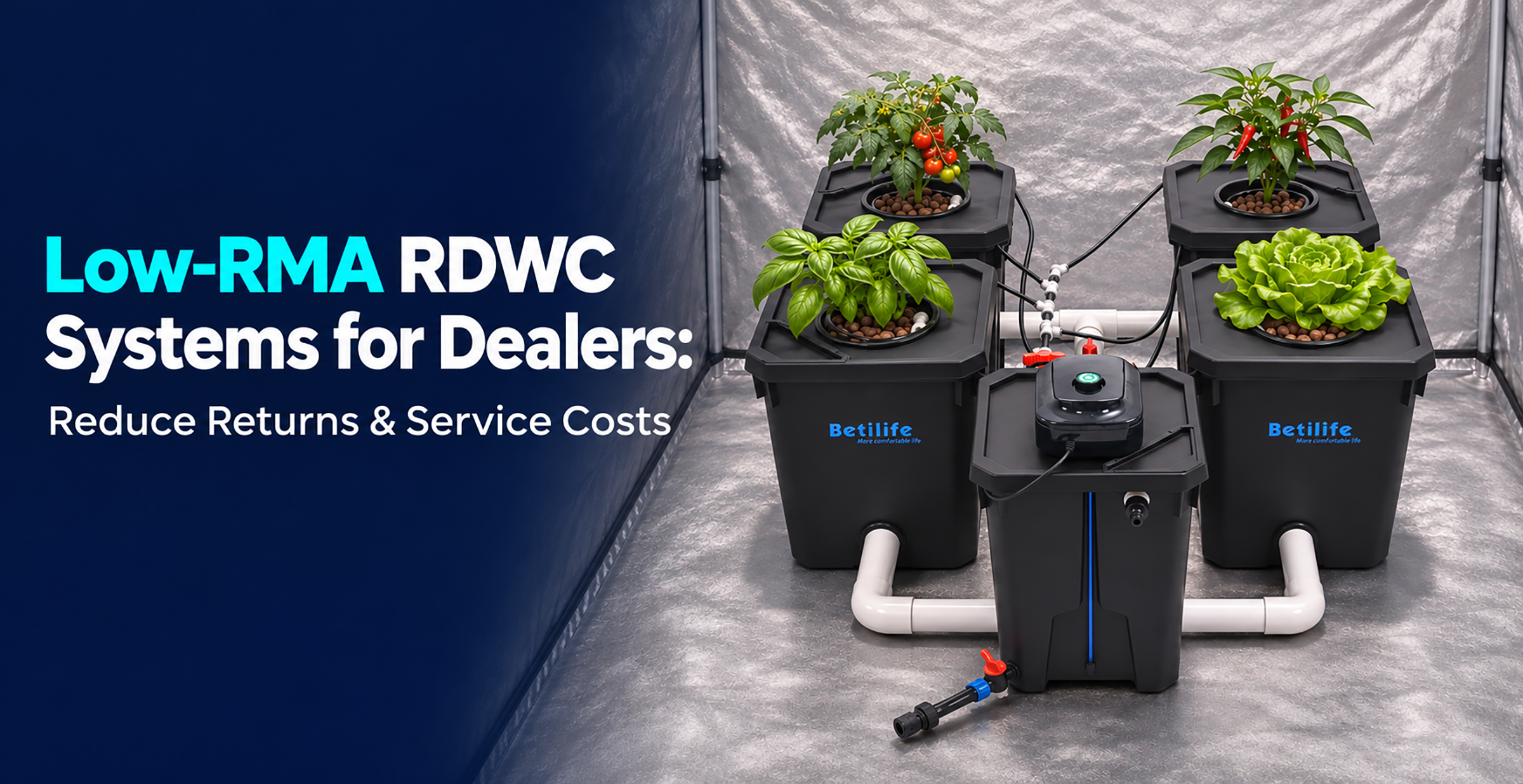
Each model has 7-gallon planting buckets (approximately 27 liters each), one additional reservoir, and an integrated drip irrigation function. Count the planting sites when quoting capacity. Use the system footprint when planning the room, then allow space to open the reservoir and reach the connections.
| Model and planting sites | Retail reference (USD) | What the dealer can verify |
|---|---|---|
| BLGX-04 · 4 sites | $599 | Mark four planting buckets and the separate reservoir on the customer’s room sketch. Check the listed 4 × 3 ft footprint against the available floor space. |
| BLGX-06 · 6 sites | $799 | Give the customer the six-site instructions. At a store demo, show staff how to find the air pump and water pump on the parts list so they can identify either one on a call. |
| BLGX-08 · 8 sites | $949 | Mark out the listed 230 × 90 cm footprint (about 7.5 × 3 ft). Have the buyer point out where they will stand to service the reservoir once the room is in use. |
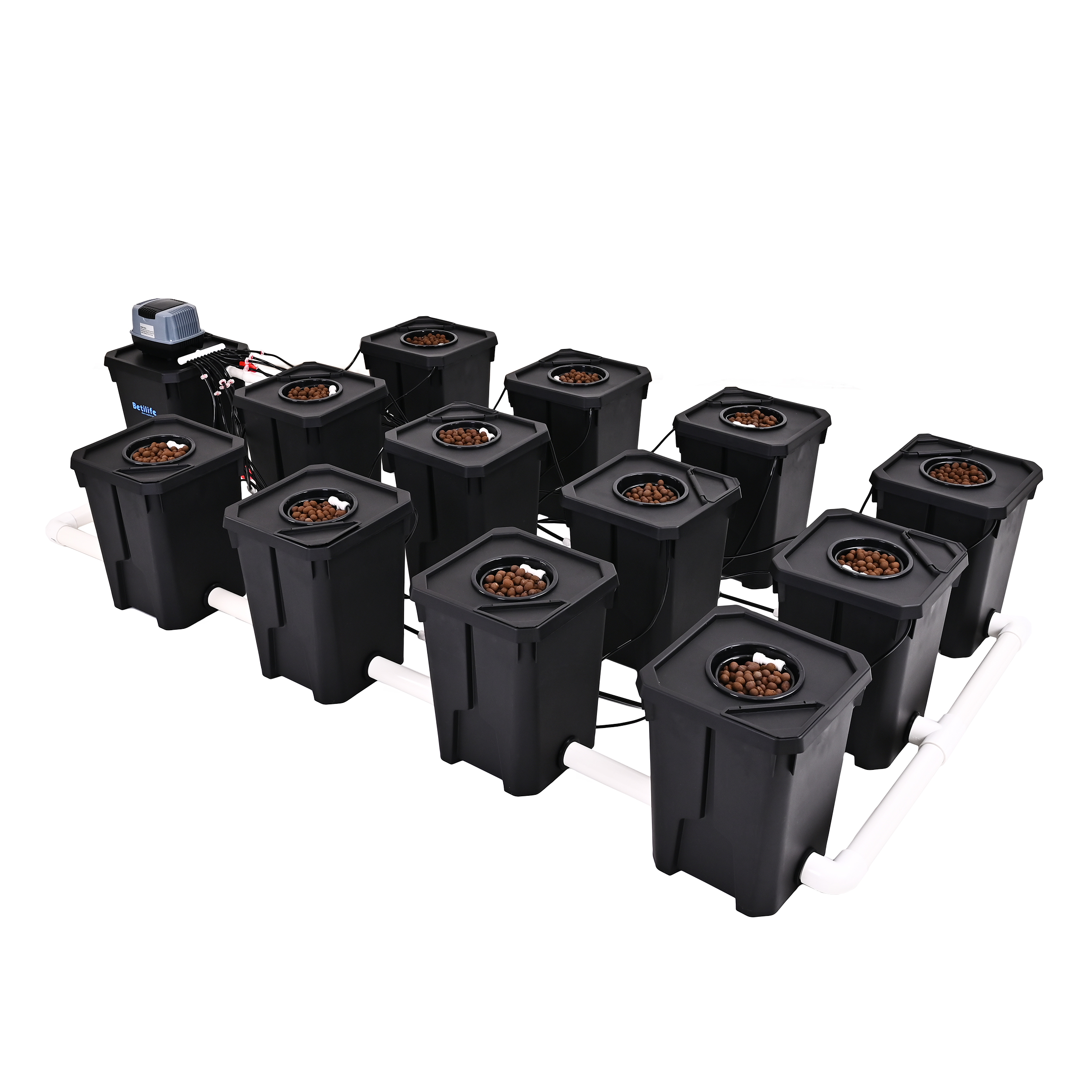
| BLGX-12 · 12 sites | $1,499 | Put “Box A + Box B” on the pick ticket and customer handoff. Keep the two cartons linked to one order in receiving, storage, and dispatch. |
These are public retail references reviewed November 6, 2026. Request a dealer or delivered quote for your quantity and destination before calculating margin. Official product and price chart · Four-model buying guide.
How to handle a dealer claim from delivery to closure
- Before dispatch, put the model, carton count, and support contact on the customer’s order. For commercial RDWC systems going to a project site, name the person who will receive the delivery. DDP quote and receiving guide.
- At delivery, record the cartons received, visible damage, and any discrepancy. Retain labels, packaging, and safely obtained photos while the issue is reviewed. Check the reporting deadline in the applicable shipping or purchase terms.
- When the customer calls, open one case with the order number, SKU, delivery date, symptom, and affected part if known. Assign a person to own the next update. A commercial grower with a stopped circulation pump should be flagged for prompt review.
- When a remedy is authorized, document what will ship or be returned, freight responsibility, and the next expected date. Ask the customer whether the part arrived and the issue was resolved. Escalate a failed remedy on the same case.
- At closure, record the outcome, cause if established, staff time, and costs. A distributor can then see whether several dealers reported the same part in one lot or whether one store repeatedly handed out the wrong guide. Each finding calls for a different fix.
How much does after-sales service cost per system sold?
Net service cost per unit sold = (dealer labor + parts + service freight + other direct case costs − supplier or carrier reimbursements) ÷ units sold and delivered. Use costs and units from the same sales group and observation window. Count a reimbursement once. Track any inventory write-down from a whole-system return separately if you also use it in your margin calculation.
Suppose a shop follows 100 delivered systems for 90 days each. Across those cases, staff spend five hours at a loaded labor cost of $24 per hour ($120). The shop also absorbs $70 in parts and $50 in freight after credits. Its net cost is $240, or $2.40 per system sold. This is an illustrative calculation. Use your own invoices, credits, and time records for a buying decision.
That breakdown points to a specific decision. If most of the five hours went into identifying one fitting, add its part number and photo to the counter copy of the assembly guide. Check the next comparable group for repeat calls and time spent. If the same part actually failed across several orders, give those records to the supplier for investigation. How B2B buyers evaluate commercial RDWC ROI.
What can you learn from one dealer evaluation unit?
Pick a model that matches a real customer request. A shop adding its first complete six-site system can evaluate the BLGX-06. A dealer preparing an eight-site showroom demonstration can use the BLGX-08 to check staff access and customer handoff. If you already have a twelve-site project, ask for the BLGX-12 packing details and project quote directly.
Have a receiving employee check the shipment against the packing list. Then hand a fitting to a second employee and ask, “A customer needs another one of these. Which part would you request, what evidence would you send, and who would you contact?” Record the time and any missing information. One unit can reveal a confusing instruction before it reaches customers. Field reliability takes a larger group of units followed over time.
Dealer questions about RDWC returns and warranty claims
What is the difference between an RMA and a warranty claim?
A warranty claim asks the supplier to review coverage. An RMA authorizes a specified item to be sent back. Record the supplier’s decision, the physical movement of goods, and any credit or refund as separate events.
How can a distributor verify a low return rate?
Ask for unit counts by SKU, sales channel, period, and time since delivery. Request separate counts for whole-system authorizations, completed returns, parts replacements, and unresolved cases. Compare equivalent sales groups.
Does a replacement pump count as a complete-system RMA?
If the customer keeps the system and only the pump is replaced, record a parts case and its cost. If the supplier asks for the old pump back, attach that component authorization to the same case.
What if only one BLGX-12 carton arrives?
Keep the order open as a partial delivery. Check each carton’s label and tracking record, report the discrepancy within the applicable claim window, and tell the customer when you will update them.
Who pays freight and labor on a dealer warranty case?
Check the written order terms and the authorization for that case before committing to a pickup, replacement shipment, or service visit. Record separately what the dealer, supplier, carrier, and customer have agreed to cover.
Can a successful sample order establish a low RMA rate?
A sample shows how that shipment arrived and whether your team could assemble and support it. Track subsequent deliveries by model and channel before publishing a rate or using one in a margin forecast.
Request a dealer quote with packing and after-sales details
Send BetiLife your intended use (store evaluation, resale inventory, or a customer project), model, quantity, and destination ZIP code. Ask for the current packing list, parts references, and written warranty and freight terms alongside the price. Your purchasing manager and service desk can then review the same offer.
Request an RDWC dealer quote · Review BetiLife’s U.S. wholesale options