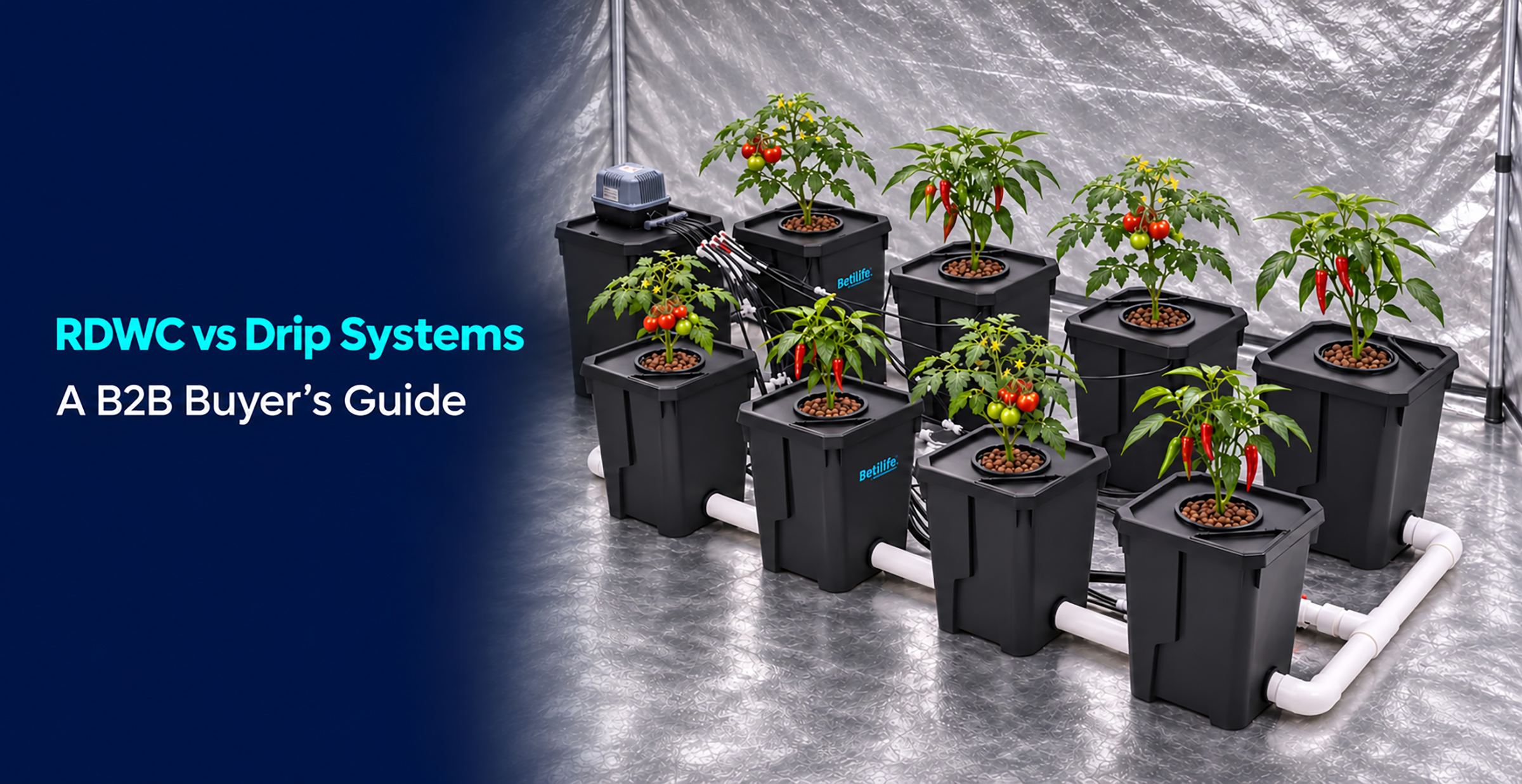
RDWC fits a B2B product strategy when customers want a defined recirculating water-culture system and the seller can support its setup and maintenance. Substrate-based drip systems may fit customers already organized around growing media, irrigation scheduling, and drainage. For many grow shops, the decision is whether to serve both needs selectively, rather than replace one category with the other.
This guide compares RDWC systems with substrate-based hydroponic drip systems for grow shops, distributors, and commercial project buyers. It also explains where BetiLife's four 7-gallon RDWC models fit and why their integrated drip function should be described accurately.
By BetiLife · Product and public retail references reviewed . This supplier-published guide presents purchasing considerations, not independent performance testing or guaranteed financial results.
1. What Are You Comparing: RDWC or a Substrate-Based Drip System?
RDWC and drip do not describe exactly the same thing. RDWC identifies a water-culture arrangement; drip identifies a method of delivering irrigation. A system can therefore include both an RDWC root-zone configuration and a top-feed function.
How RDWC works
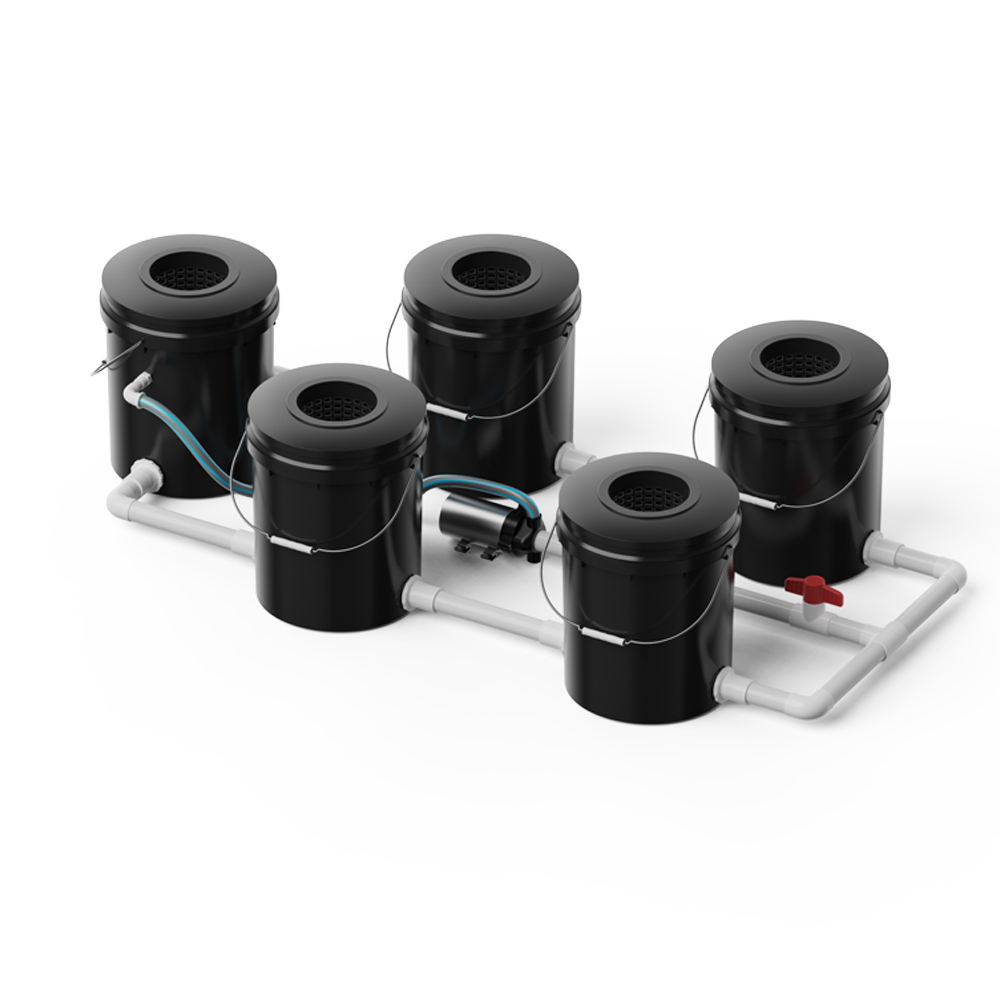
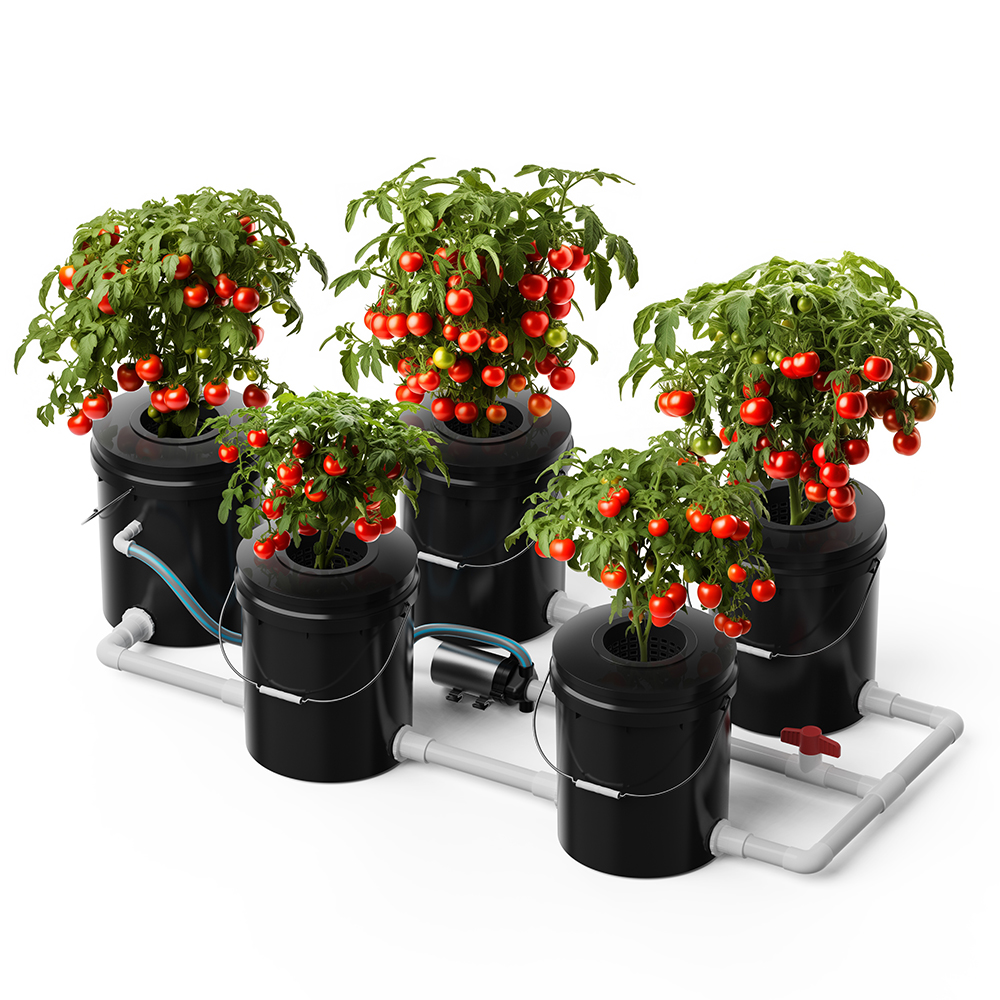
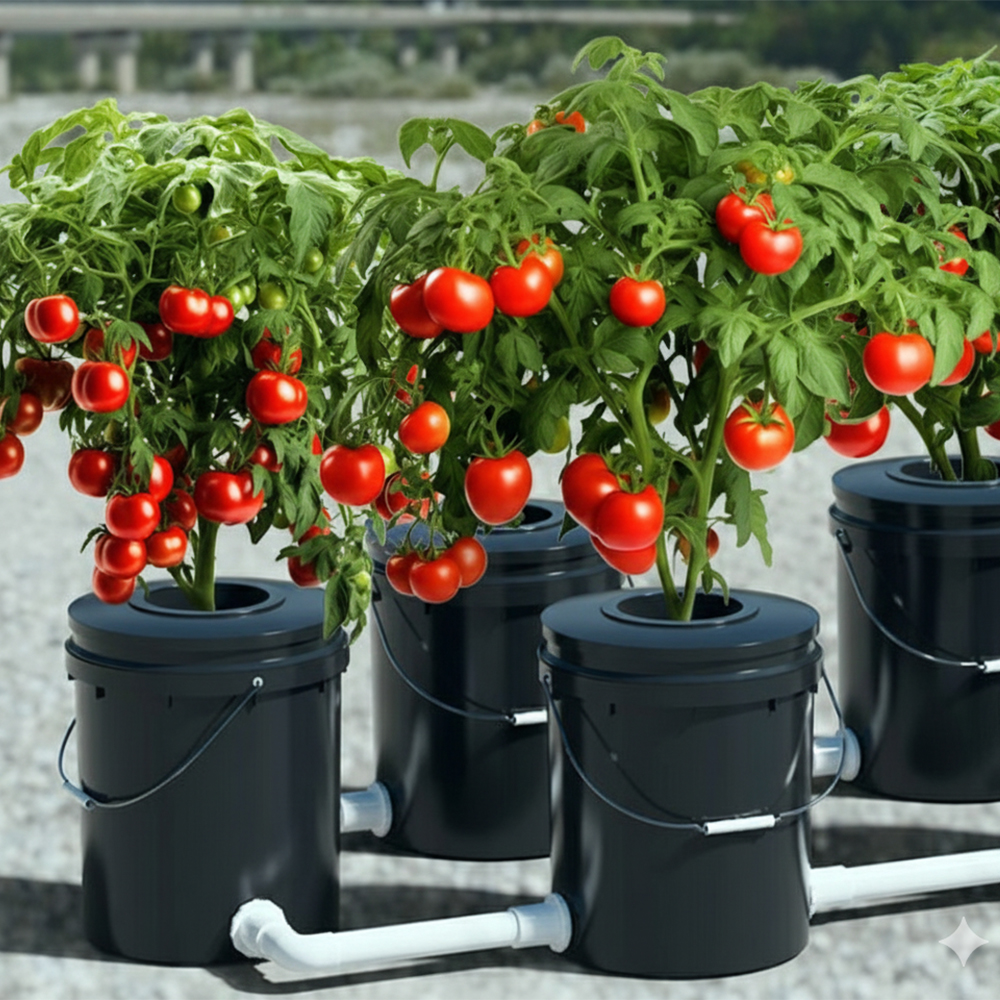
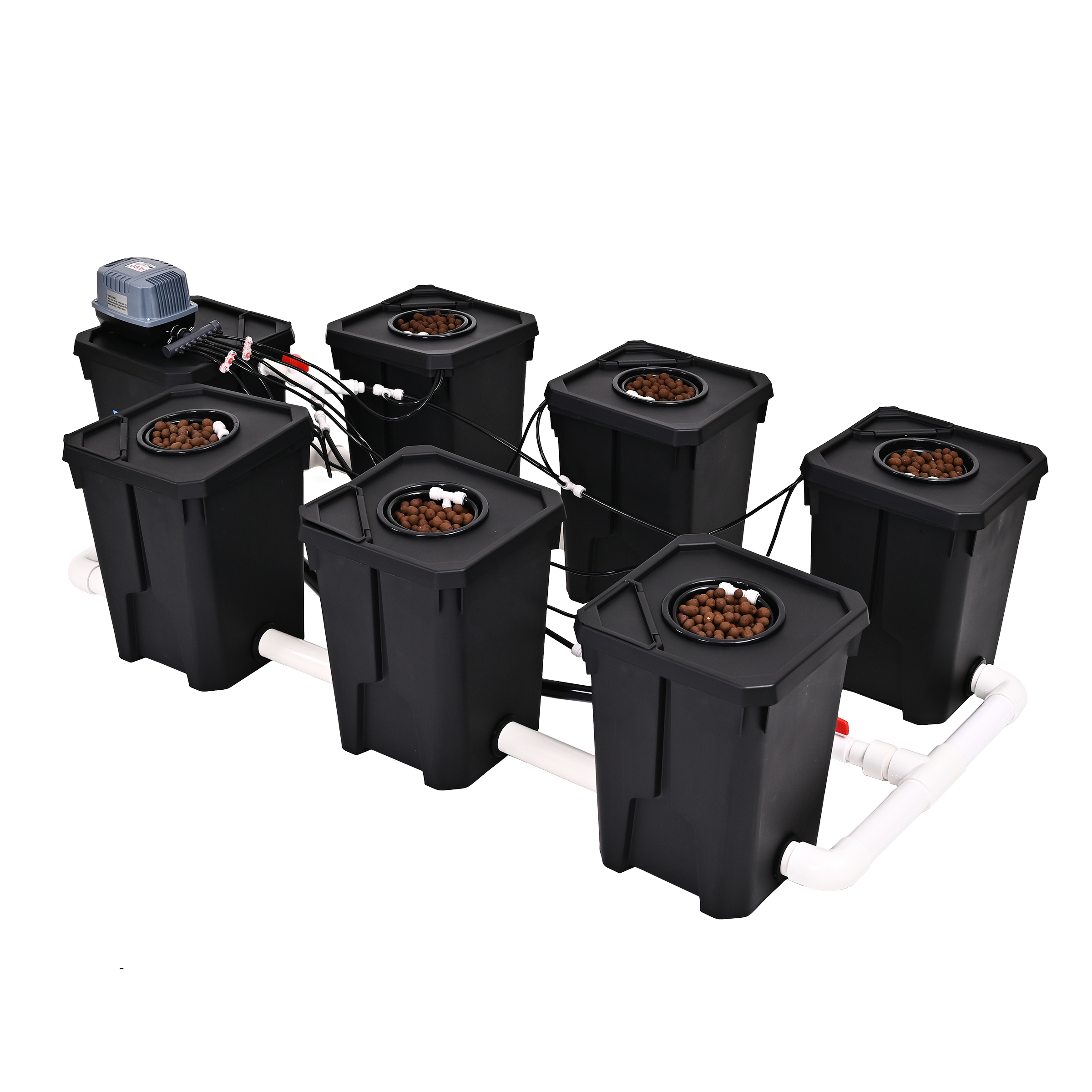
Recirculating deep water culture connects planting containers to a reservoir so nutrient solution circulates through the arrangement. Roots extend into the solution, while the specified aeration equipment supports root-zone oxygen supply. Starter plugs or supporting media may still be used around the plant; RDWC does not necessarily mean zero media anywhere.
The University of Minnesota Extension hydroponics guide describes connected containers and circulation through a reservoir. For purchasing, check the particular system's layout, circulation equipment, aeration, and access requirements rather than relying on the RDWC label alone.
How substrate-based drip works
In this article, a drip system means a hydroponic arrangement that supplies nutrient solution through drip lines or emitters to plants supported in a substrate, such as coir, perlite, or mineral wool. The University of Nevada, Reno's hydroponics guide distinguishes water-culture and medium-culture approaches and describes drip delivery to a solid growing medium.
Drainage may be collected and returned to the system, or it may not be reused in the same circuit. Non-recirculating operation still needs an appropriate plan for collecting and managing drainage. Virginia Cooperative Extension explains the distinction between open and closed media systems.
What BetiLife's integrated drip function means
BetiLife lists a drip irrigation function across its four standard 7-gallon RDWC models, described as supplementary top-feed support. This is a feature within the offered RDWC configuration, not evidence that one purchase includes two independent growing systems. Confirm the supplied components and operating instructions before explaining the function to a customer.
2. RDWC vs Drip: Differences That Matter to B2B Buyers
Use the comparison below to identify the questions a quotation and support plan must answer. It is not a ranking of yield, reliability, or profitability.
| Buyer question | RDWC | Substrate-based drip |
|---|---|---|
| Where is the main root zone? | In the nutrient solution, with plant support as specified. | In a substrate receiving nutrient solution through drip delivery. |
| What happens to the solution? | It circulates through connected planting containers and a reservoir. | Drainage may be recovered or not reused; confirm the design. |
| What must staff understand? | Circulation, aeration, connections, reservoir access, and maintenance. | Substrate choice, delivery consistency, filtration, scheduling, and drainage. |
| What belongs in the quotation? | The defined containers, circulation and aeration equipment, plumbing, and agreed options. | The defined supply equipment, controls, emitters, containers, filtration, and drainage or return components. |
| Can capacity be expanded? | Review the layout and equipment capacity before adding sites. | Review zones, flow, pressure, controls, and drainage before adding outlets. |
| What establishes business value? | Customer fit, actual costs, usable capacity, and support readiness. | The same business tests, applied to the specified drip configuration. |
A category label does not establish water use, energy cost, or labor requirements. Compare actual designs under comparable conditions. In particular, neither recirculation nor a substrate eliminates maintenance or crop-health responsibilities.
3. Start With Your Customers' Existing Growing Methods
The first sales question is what the customer needs to change, not which category you want to sell. Separate a request for parts, an irrigation upgrade, and a complete-system purchase.
Customers already using coco or other substrates
A customer with an established substrate-based process may need replacement emitters, another irrigation zone, or help specifying a more consistent delivery arrangement. Those requests do not automatically indicate an interest in switching to RDWC.
Ask what they want to keep, what is not working, and whether changing the root-zone method is actually part of the project. Existing equipment has value only when it is compatible with the proposed arrangement.
Customers asking for a complete RDWC setup
Move toward planting-site count, usable room dimensions, separate nutrient-zone requirements, and the equipment list. Explain installation and maintenance responsibilities before quoting. Our guide to choosing a commercial RDWC system covers layout considerations in more detail.
Customers who have not chosen a method
Use a short discovery conversation:
- What growing method are you using now?
- What problem are you trying to solve?
- What crop and planting-site capacity are you planning for?
- What space and equipment do you already have?
- Who will handle installation and routine maintenance?
These answers support a shortlist. They do not establish a yield forecast or justify recommending a complete system for every inquiry.
4. Choose the Role Each System Plays in Your Product Line
The following approaches are planning options, not claims about which category sells fastest. Choose from observed demand, available space, cash commitments, and your team's capabilities.
Keep drip as the core and add RDWC selectively
If a shop already serves substrate growers, retain the products those customers need. A focused RDWC offer can address separate requests for a complete recirculating system without requiring the existing customer base to change methods.
Start with the capacity customers actually request. One relevant display or quotation option may be more informative than an opening order covering every model.
Build a focused RDWC offering
When complete RDWC systems are a defined business priority, organize the offer around accurate model descriptions, component lists, installation resources, compatible parts, and clear support contacts. Staff should be able to explain what is included and what remains outside the package.
That product knowledge can support differentiation, but it also takes time and resources. See how grow shops can add RDWC without competing only on price.
Offer both without stocking everything
- Display: equipment used to explain a configuration and support staff learning.
- Stock: units held against supportable sales expectations and replenishment conditions.
- Special order: equipment purchased for a confirmed requirement under agreed delivery terms.
These roles can differ by model. A special-order offer still needs current availability and delivery confirmation; it does not automatically include supplier-to-customer dropshipping. For broader planning, read where RDWC fits in a grow shop's assortment.
5. Where BetiLife's Four 7-Gallon RDWC Models Fit
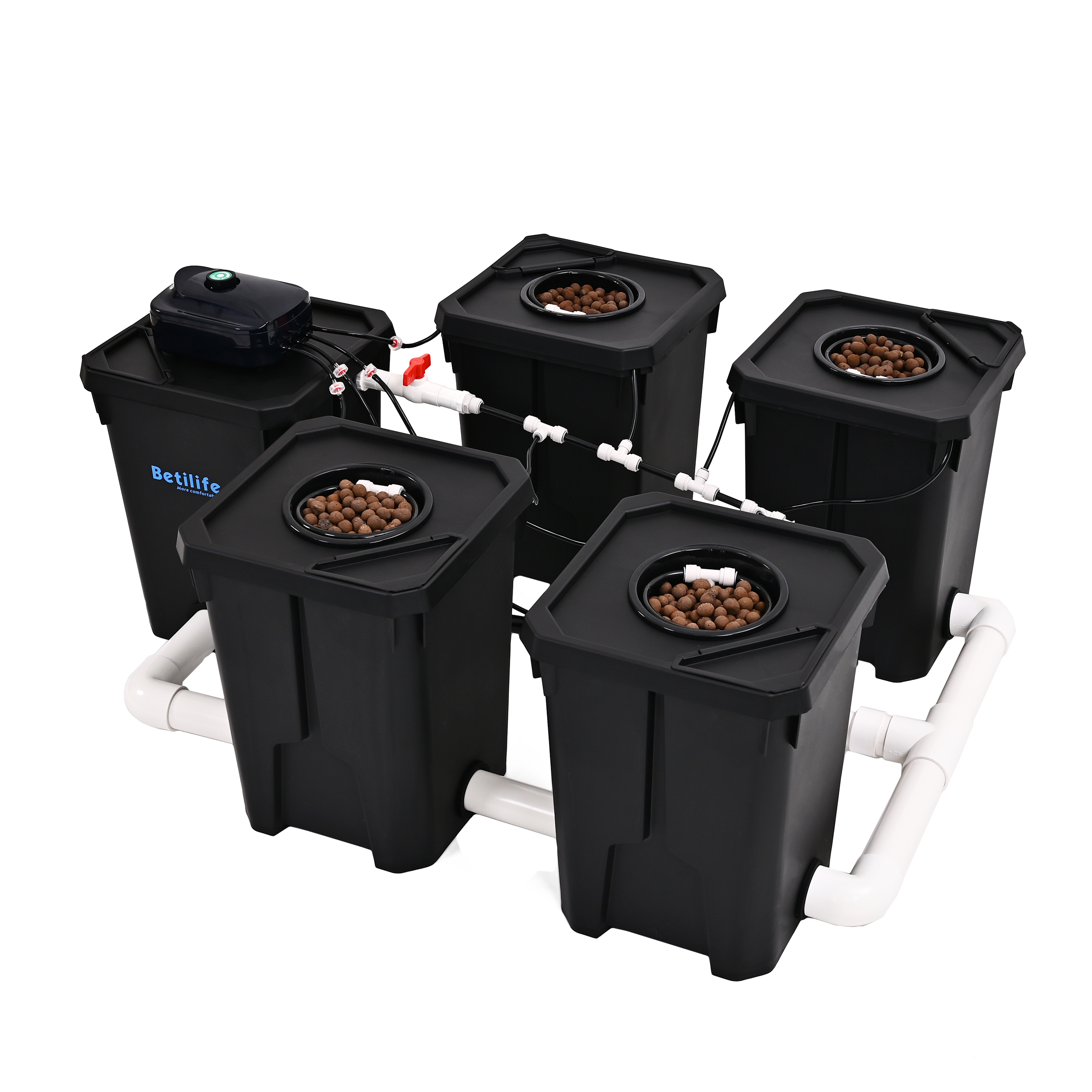
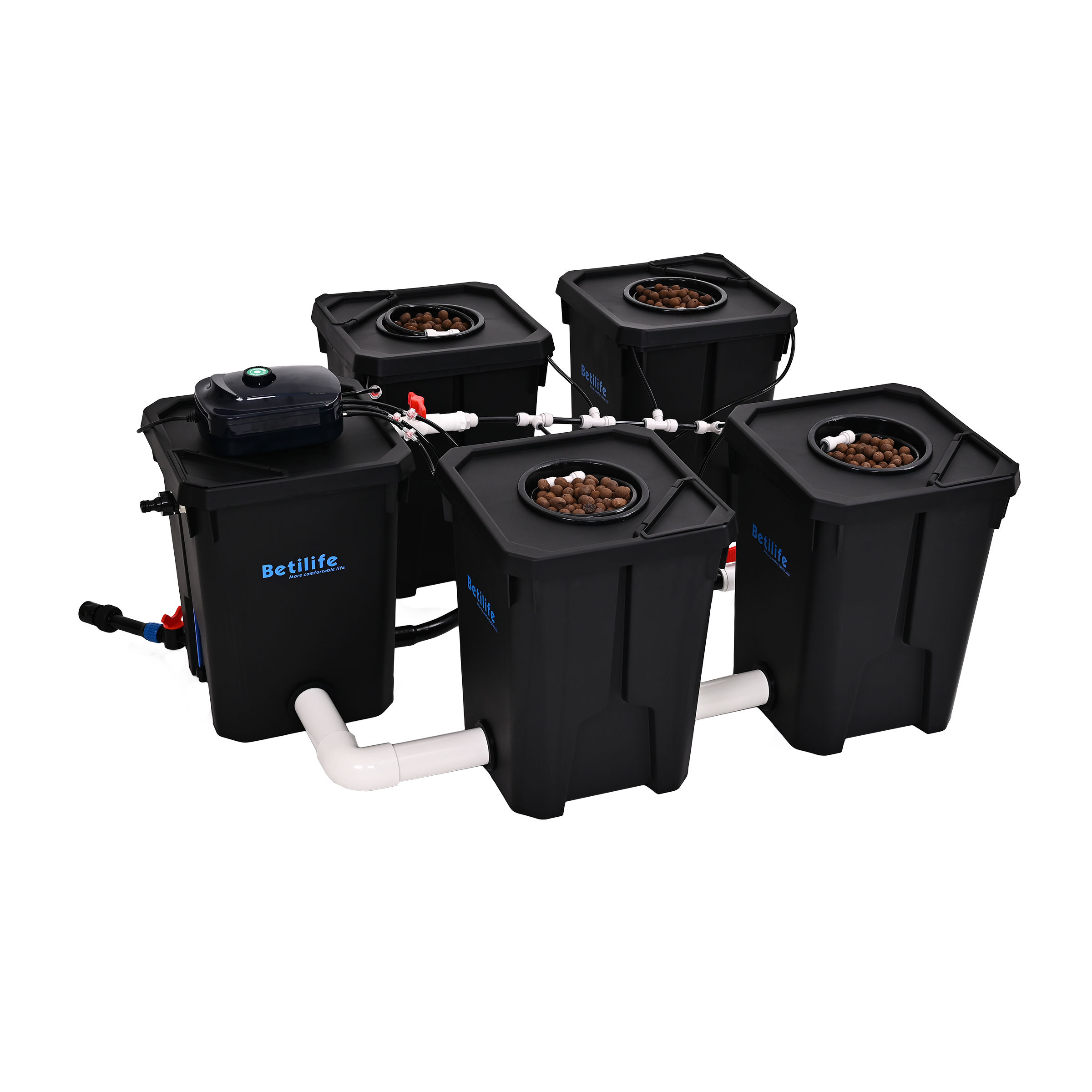
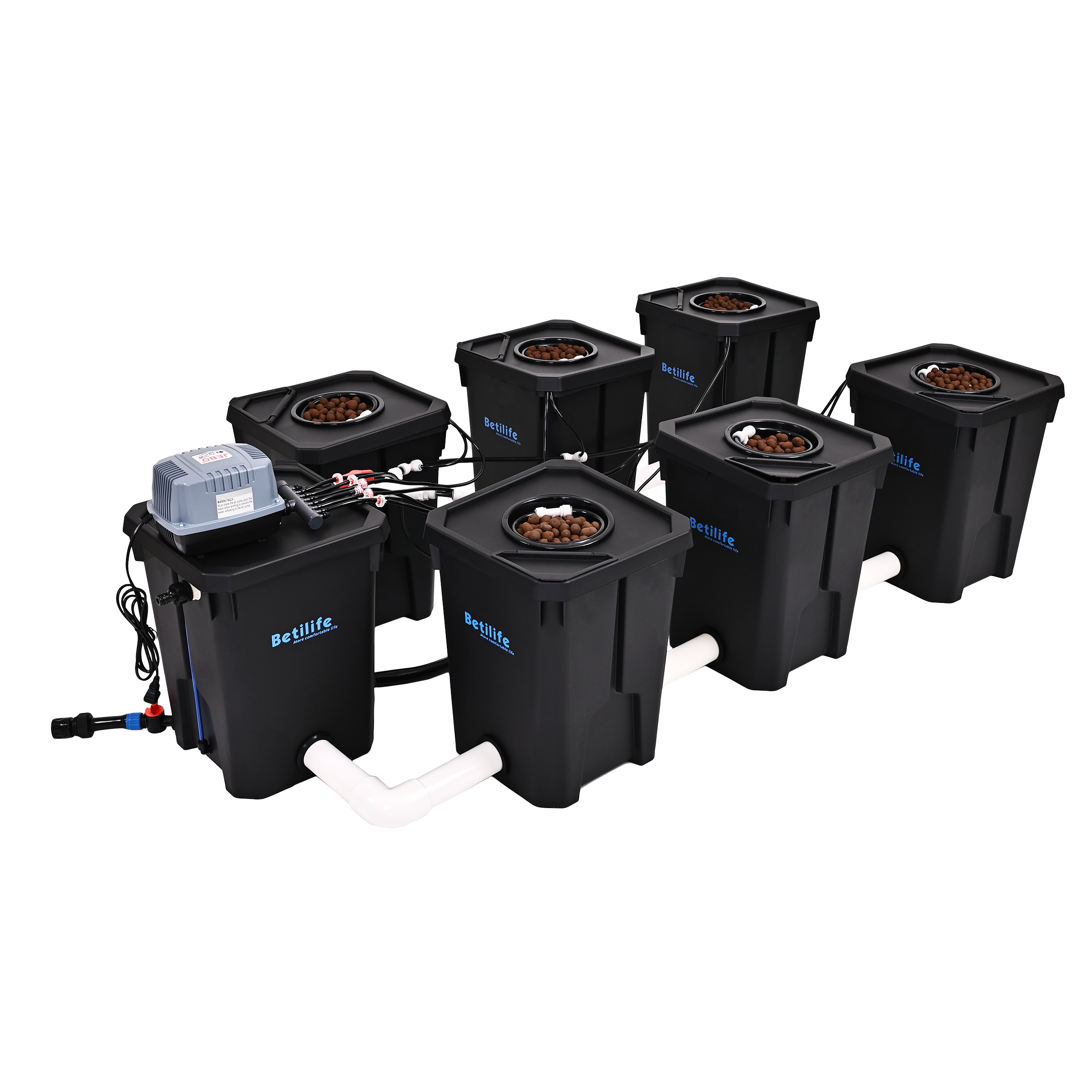
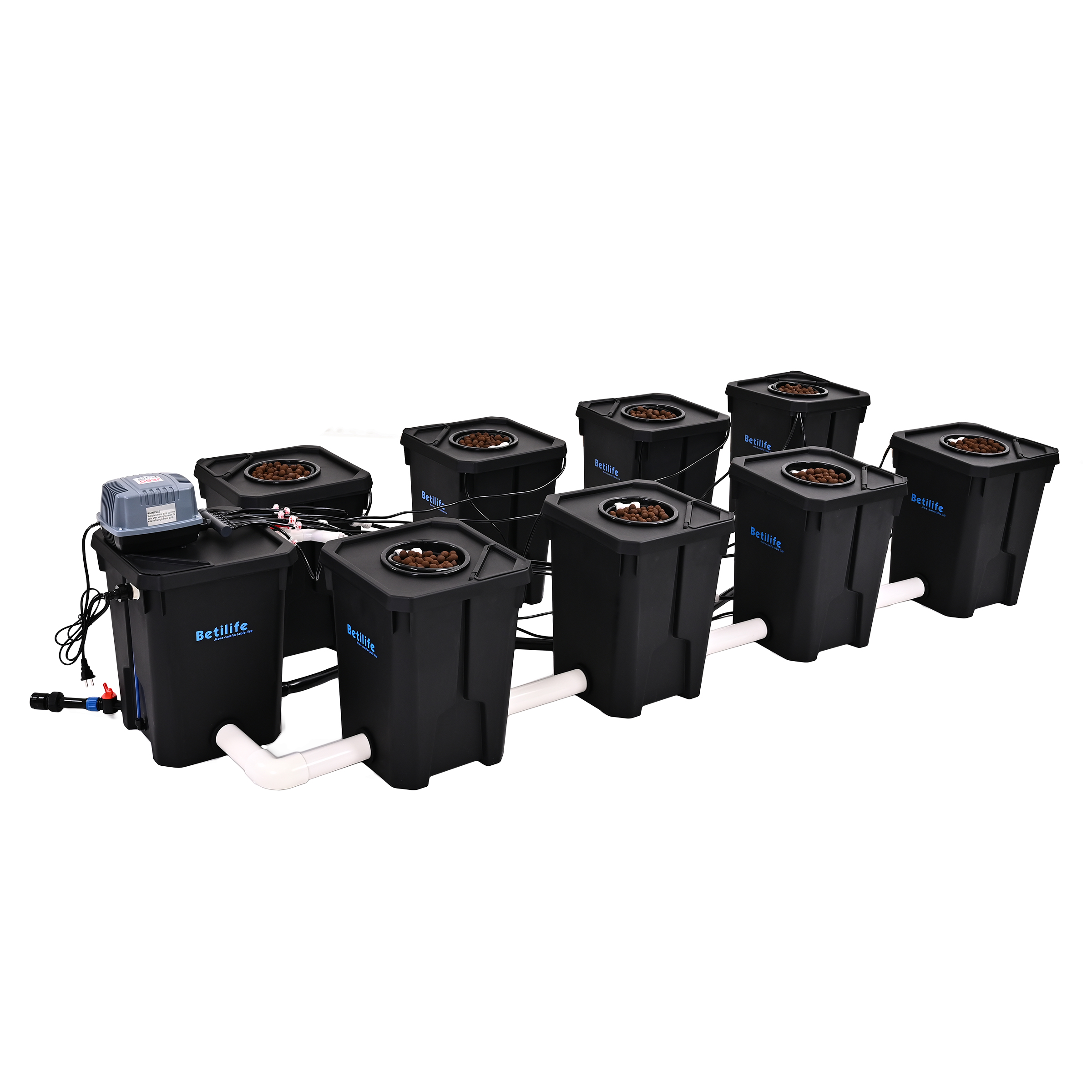
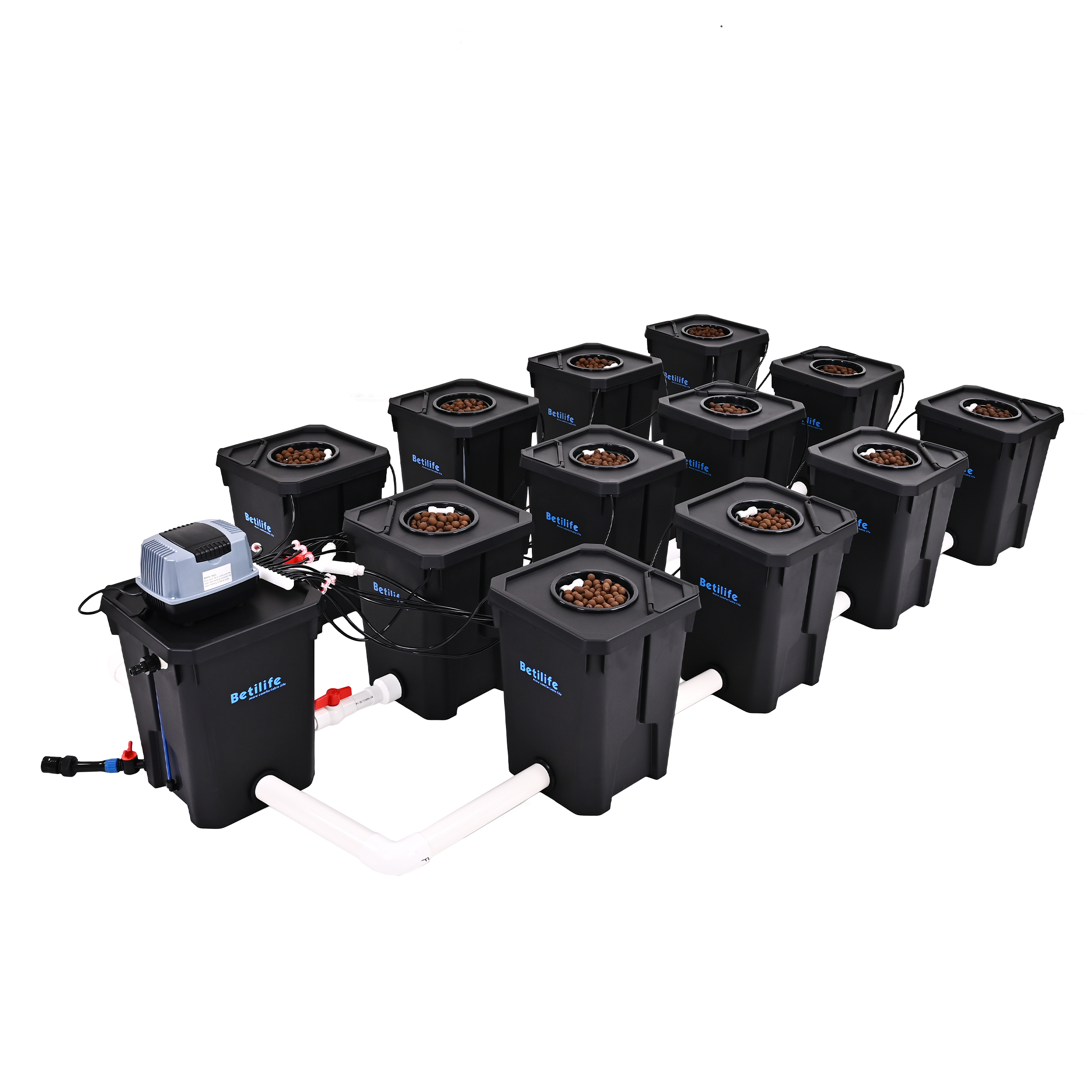
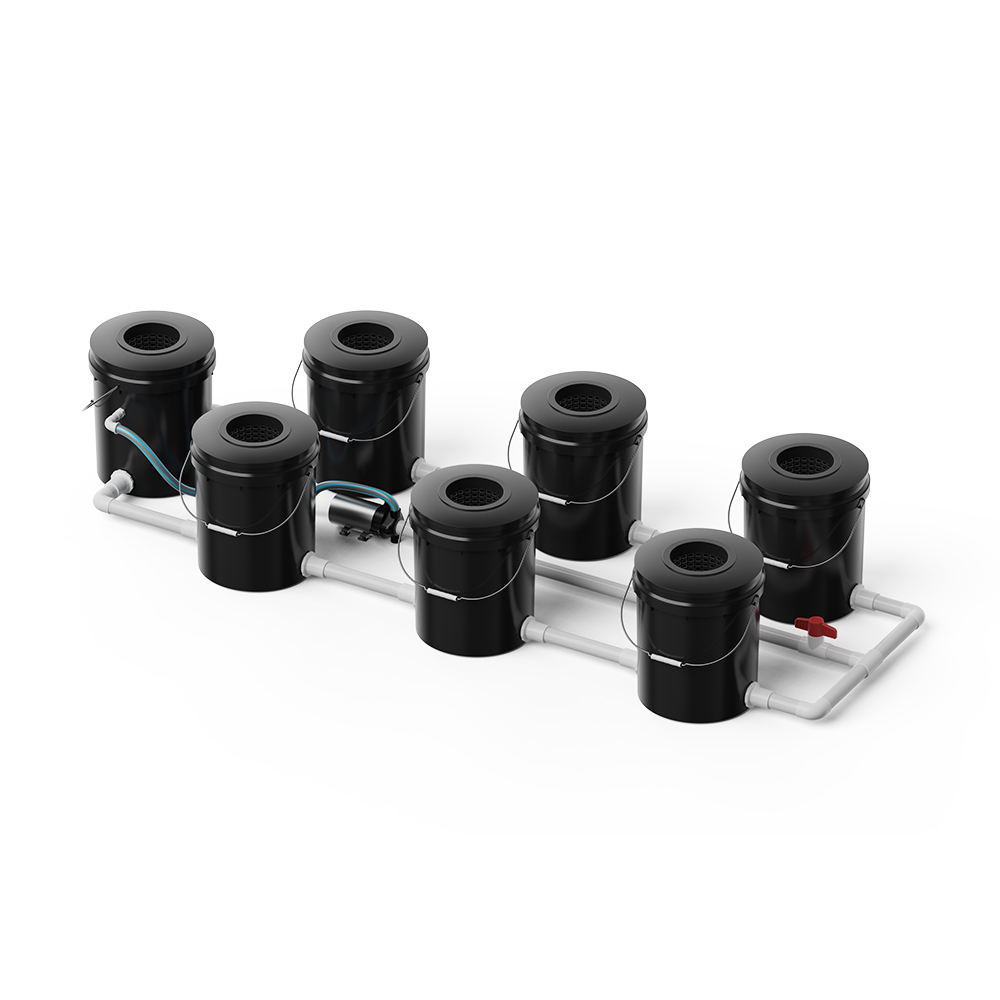
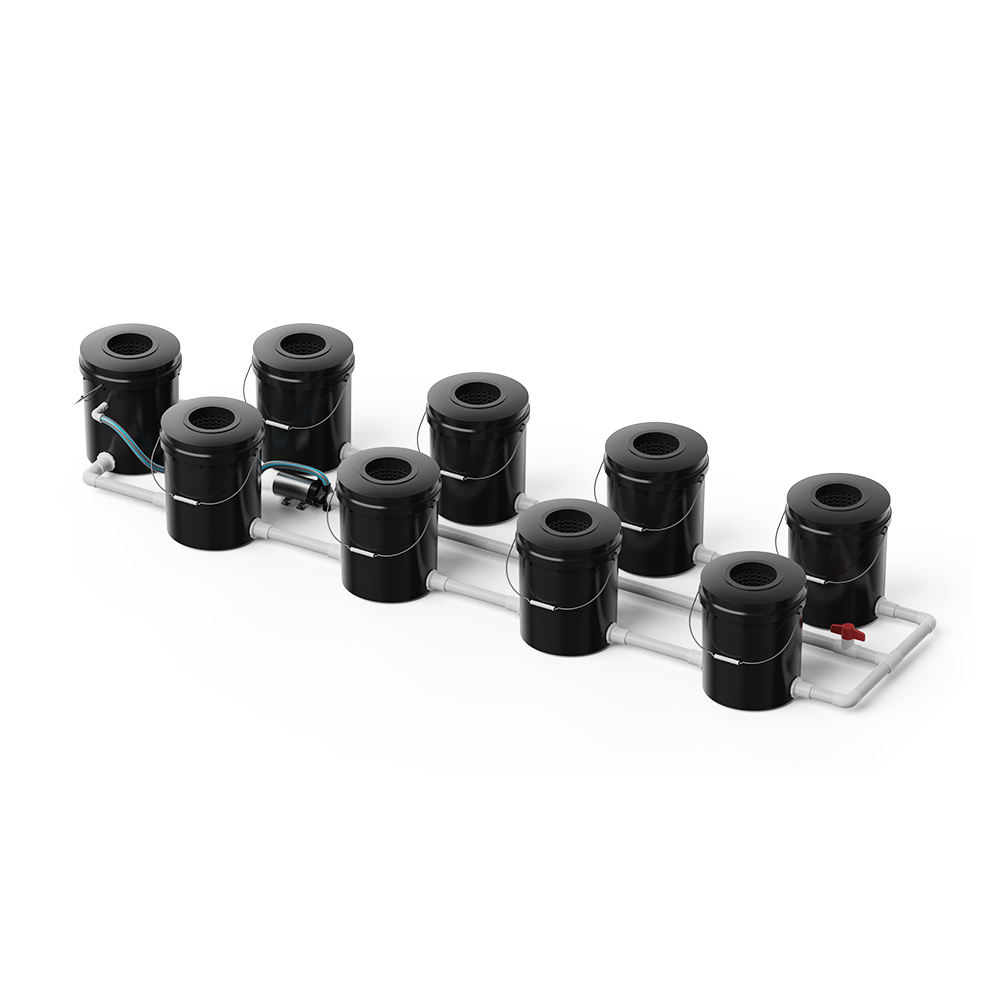
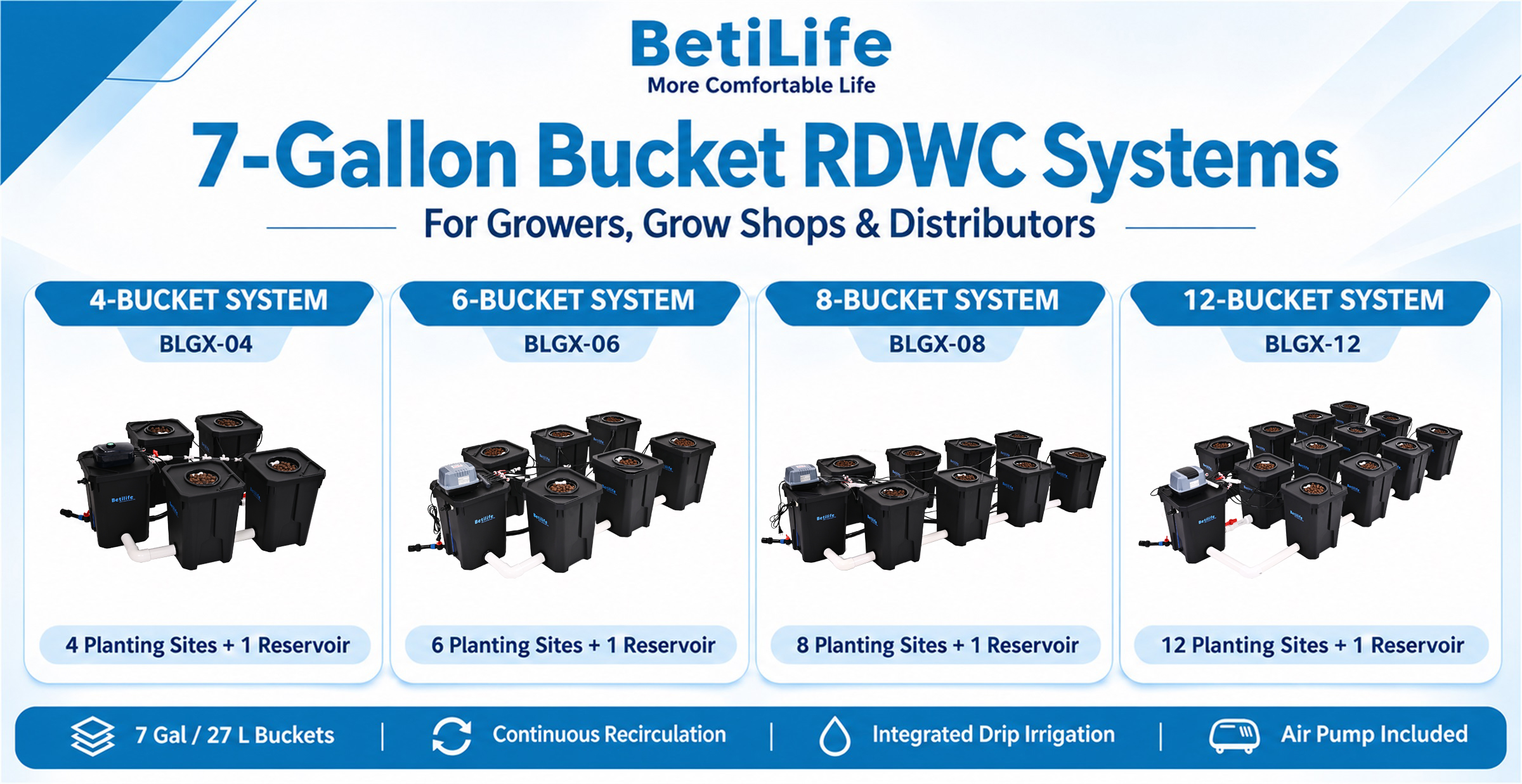
BetiLife's standard range includes four, six, eight, and twelve planting buckets, each with an additional reservoir. The nominal 7-gallon bucket size is approximately 27 liters; it does not describe the total system's operating water volume. All four models list an integrated drip irrigation function.
| Model | Configuration | Retail reference |
|---|---|---|
| BLGX-04 | 4 planting buckets + 1 reservoir | $599 |
| BLGX-06 | 6 planting buckets + 1 reservoir | $799 |
| BLGX-08 | 8 planting buckets + 1 reservoir | $949 |
| BLGX-12 | 12 planting buckets + 1 reservoir | $1,499 |
Source: BetiLife's 7-gallon RDWC collection. These are public retail references, not dealer costs, wholesale offers, or confirmed DDP totals. Prices and order-specific terms must be reconfirmed.
- BLGX-04: consider it for a defined four-site requirement or a demonstration suited to that capacity.
- BLGX-06: evaluate it when six-site inquiries represent the intended customer base.
- BLGX-08: consider it when eight-site demand and the available space support that configuration.
- BLGX-12: assess it for an established twelve-site requirement or a project-specific order.
These suggested roles are not sales rankings or quality tiers. If most relevant requests concern six or eight sites, compare BLGX-06 and BLGX-08 first. If the requirement is already four or twelve sites, evaluate that model directly. Check dimensions in the four-model RDWC comparison.
6. Compare Complete Offers, Not a System Against a Bag of Parts
A drip package containing tubing and emitters is not directly comparable with a specified RDWC equipment package. Equally, the word “complete” does not prove that either offer includes everything needed for a grow room.
Normalize the quotations around the same intended capacity and operating requirement. Check:
- Planting sites, usable layout, and required operating clearance.
- Reservoir or supply arrangement, pumps, controls, and electrical version.
- Aeration, filtration, emitters, plumbing, and fittings as applicable.
- Containers, substrates, and drainage or return equipment.
- Installation, testing, documentation, and separately required items.
- Delivery, receiving, replacement parts, and written support terms.
Confirm what the customer can reuse rather than charging every existing item to the new proposal. Our complete-system versus DIY guide addresses component scope and integration responsibilities.
For retailers, use the actual acquisition cost, realistic selling price, fulfillment expenses, support workload, and inventory commitment. For growers, compare installed cost and ongoing operating requirements. Neither category name establishes the stronger business return. See how B2B buyers evaluate commercial RDWC ROI.
BetiLife supports single-system and wholesale DDP quotation discussions, with suitable alternatives for buyers using their own freight forwarder. Compare the same destination and scope, and avoid counting charges already included. The DDP quotation guide and wholesale price-list guide explain the details.
This article does not present matched standalone drip quotations or controlled operating-cost tests. It therefore does not claim that BetiLife RDWC is always cheaper than drip, generates a higher dealer margin, or pays back within a fixed period.
7. Match the Product to the Support Your Business Can Deliver
A support plan should identify what the supplier provides, what the store provides, and what requires a qualified installer or other specialist. Do not let a sales conversation create an undefined service commitment.
Supporting RDWC customers
Prepare the correct assembly instructions, component identification, inspection checklist, and support contact. Staff should understand the distinction between planting buckets and the reservoir and know where to find guidance on the supplied circulation and aeration equipment.
Confirm maintenance access, cleaning instructions, compatible replacement parts, and how the buyer should report a problem. Do not assume all components or configurations are interchangeable.
Supporting drip customers
Establish who verifies emitter selection, filtration, operating pressure, irrigation zones, and drainage. Penn State Extension identifies filtration and emitter clogging as important drip-system considerations. Select the actual filter and maintenance procedure from the equipment specifications and water conditions; a general guide is not a universal design prescription.
For both categories, record recurring support questions and the time needed to resolve them. Clear parts lists and instructions can be evaluated as business tools without promising that they eliminate service work.
8. Validate Demand Before Expanding the Assortment
Test a specific purchasing idea rather than buying an entire range to discover whether customers want it.
- Classify inquiries: distinguish complete-system demand from parts, repairs, and upgrades.
- Choose a representative offer: select the model or configuration that matches the customers you intend to serve.
- Confirm the economics: obtain the applicable quotation, delivery scope, and support arrangements.
- Record outcomes: track qualified inquiries, quotes, completed orders, contribution, support time, and stock movement.
- Review the next purchase: replenish, change the model mix, retain special-order availability, or defer expansion.
Use a review period appropriate to the sales cycle. An evaluation unit can help answer open questions, but buyers with a defined model and quantity can request a formal quote directly. Commercial growers should describe the actual project phase rather than use a dealer-inventory plan.
9. Request an RDWC Quote Based on Your Product Strategy
Tell BetiLife what you currently sell or use, why you are considering RDWC, the model quantities, destination ZIP code, and intended purchase timing. Identify whether the order is for display, inventory, a customer project, or your own operation.
Include your delivery preference and receiving requirements. Ask for the current equipment list, exclusions, quotation validity, estimated lead time, warranty terms, and replacement-part arrangements.
We currently sell or use [growing method] and are evaluating RDWC for [business purpose]. Please quote [quantity] complete BetiLife [model] systems for delivery to [city, state, ZIP code, country]. Include the system contents, delivery scope, lead-time estimate, and available support arrangements. We [have / do not have] our own freight forwarder.
Request RDWC Pricing for Your Product Line
Compare BetiLife's 4-, 6-, 8-, and 12-Site Systems · Email Your Requirements
Frequently Asked Questions About RDWC vs Drip Systems
What is the main difference between RDWC and drip hydroponics?
RDWC circulates nutrient solution through connected water-culture containers. Substrate-based drip delivers solution to plants supported in a growing medium. The distinction concerns the root-zone arrangement as well as how the solution is delivered and managed.
Can a drip system recirculate nutrient solution?
Yes. A drip arrangement can collect and reuse drainage, while another may not return drainage to the same system. Confirm the specific design instead of assuming all drip systems are drain-to-waste.
Why do BetiLife RDWC systems include a drip irrigation function?
BetiLife lists it as supplementary top-feed support within the RDWC configuration. Confirm the included components and intended use in the supplied instructions. The feature does not establish a guaranteed crop-performance benefit.
Does integrated drip make an RDWC system two independent systems?
No. An additional delivery function is not a second complete production system. Any conversion to a different root-zone arrangement requires confirmation of design, compatible components, and operating requirements.
Should a grow shop replace drip products with RDWC?
Not by default. Keep products that meet existing customer needs. Consider RDWC when there is a distinct complete-system requirement and a workable plan to supply and support it.
Which system is cheaper to offer or operate?
There is no universal answer. Compare equivalent equipment scope, installed and delivered cost, consumables, energy, labor, and support. A drip-parts price and a complete RDWC-system price are not equivalent offers.
Should a retailer stock all four BetiLife models?
No. Choose display and inventory models from actual demand, space, cash availability, and replenishment conditions. Other configurations may be offered against confirmed customer orders.
What information is needed for a meaningful system quotation?
Provide the business use, crop or customer requirements, model or capacity, quantity, destination, timing, and relevant existing equipment. Confirm the component list and delivery and support scope before comparing totals.
Choose the Category Your Business Can Serve Well
RDWC and substrate-based drip can address different customer needs within the same hydroponic market. Start with those needs, compare complete offers, and build the support plan before expanding inventory. BetiLife's four standard 7-gallon models provide specific RDWC configurations to evaluate against that plan.
Technical references are linked beside the relevant discussion. University extension materials explain general system principles; they do not endorse BetiLife or validate product-specific yields, savings, margins, or payback. Confirm the latest specifications and written terms for your order.