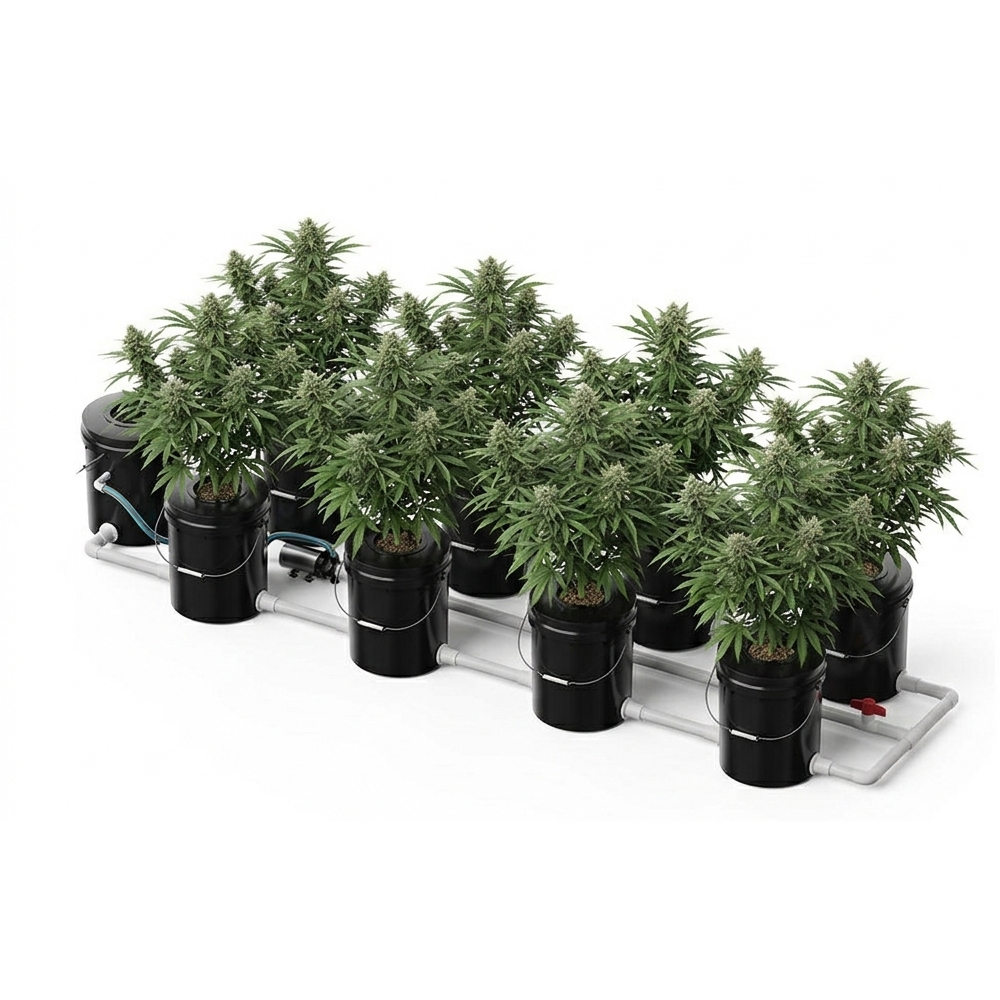
A practical guide to BetiLife's 4-, 6-, 8- and 12-site 7-gallon systems
For grow shops evaluating a mid-size RDWC offering, BetiLife's BLGX-06 and BLGX-08 are useful starting points. Choose BLGX-04 when compact display space or four-site demand is the priority. Consider BLGX-12 when customers already need a twelve-site configuration and have space for its wider layout.
The best RDWC systems for grow shops are the ones that fit the customers the store serves and the work its team can support. Bucket count and purchase price matter, but so do display space, delivery arrangements, product documentation and the terms of the dealer quotation.
This brand-published guide compares BetiLife's four standard 7-Gallon / 27L configurations. Recommendations are based on published specifications and intended retail use, not an independent ranking of every RDWC brand or a performance test. Product and price references reviewed September 23, 2026.
Compare the Four BetiLife RDWC Models or request a model recommendation for your shop.
Quick Picks for Different Retail Needs
Use this shortlist to identify a relevant evaluation model. These are different business fits within the BetiLife range, not positions on a best-selling list.
| Your retail requirement | Model to consider | Main condition |
|---|---|---|
| Compact display or four-site customer demand | BLGX-04 | The smallest configuration must still represent the customers you expect to serve. |
| A first evaluation for six-site, mid-size demand | BLGX-06 | Six planting sites and the shorter layout fit the intended offer. |
| Customers already requesting eight planting sites | BLGX-08 | The customer and display spaces accommodate its longer arrangement. |
| Confirmed twelve-site project requirements | BLGX-12 | The larger layout and delivery requirements suit the specific order. |
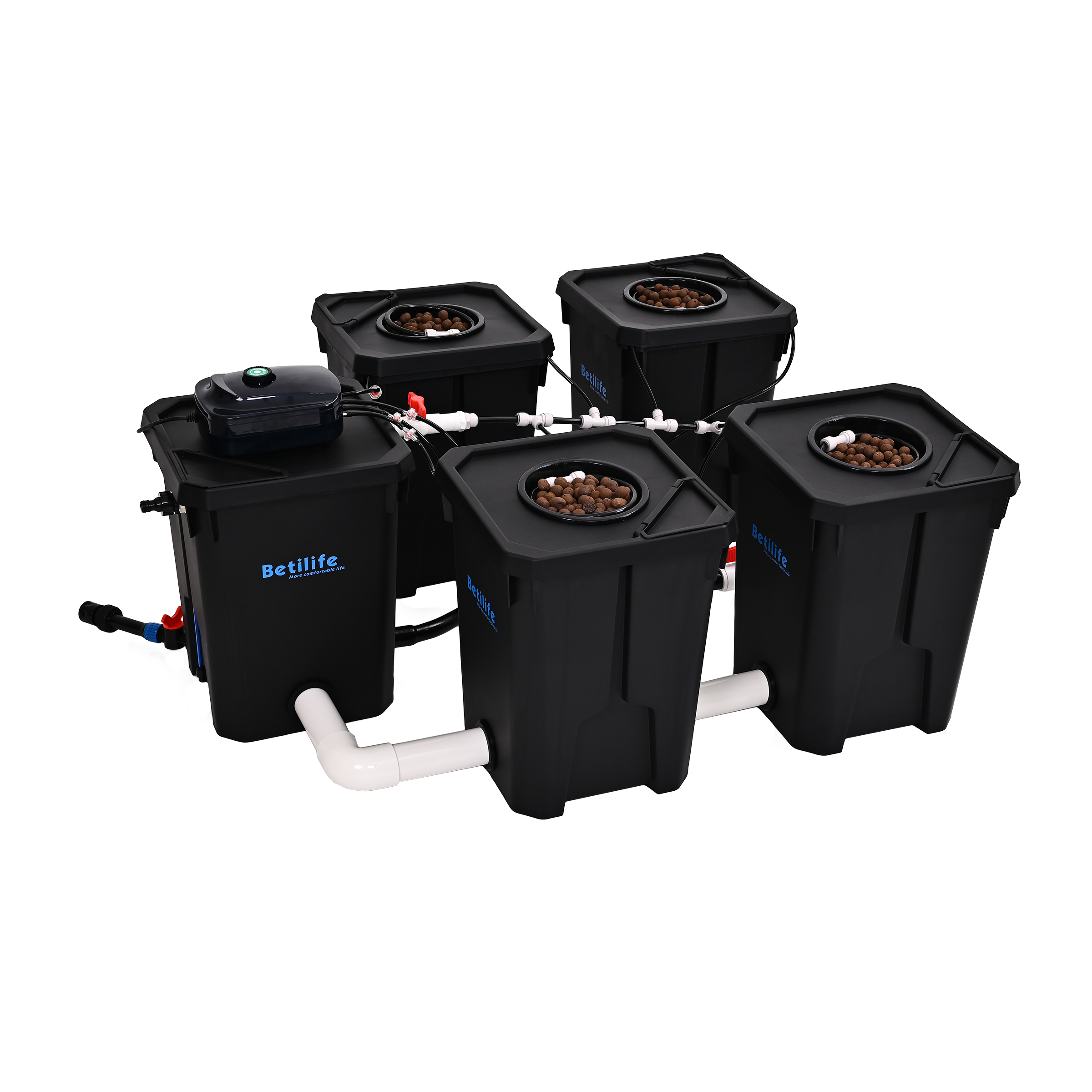
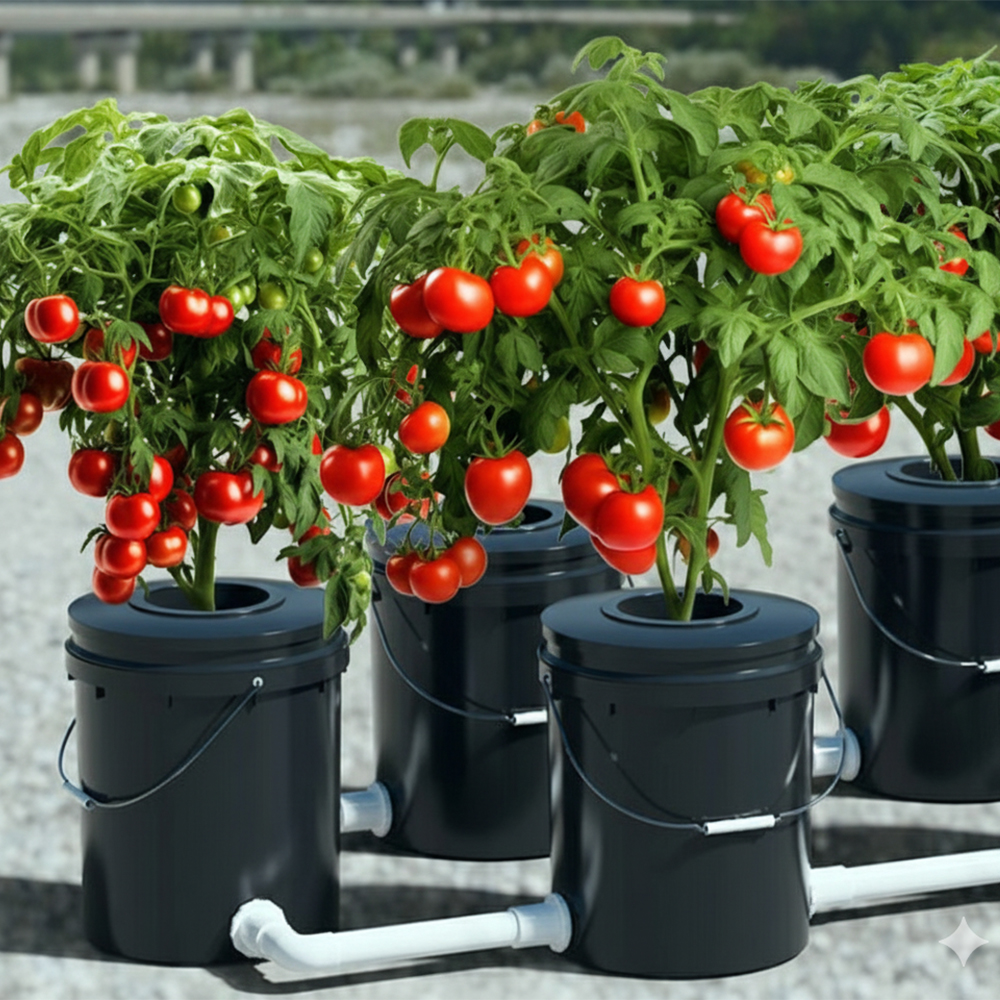
All four models use nominal 7-gallon planting buckets, approximately 27 liters each. The model number describes planting buckets only; one separate reservoir bucket is additional. Each standard configuration includes an integrated drip irrigation function. This is a 7-gallon / 27L line, not a 27-gallon line.
What Makes an RDWC System a Good Choice for a Grow Shop?
RDWC means recirculating deep water culture: planting containers are connected through a shared nutrient-solution circulation system. For a retailer, the buying decision includes how clearly that system can be explained, delivered and supported as a defined product.
Before comparing models, check six factors:
- Customer fit. Match planting-site count, usable space and budget to actual inquiries. General enthusiasm for hydroponics does not establish demand for a particular configuration.
- A defined equipment package. Obtain the component list and identify what the customer must buy separately. An assembled photograph cannot establish the complete supply scope.
- Display and handling requirements. Check floor space, receiving arrangements, carton dimensions and the store's delivery method.
- Staff readiness. Make sure sales staff can explain the layout, setup requirements and limits of the package.
- Product-support arrangements. Confirm documentation, troubleshooting contacts, replacement-part procedures and responsibility for associated charges.
- Workable acquisition cost. Review the actual dealer quotation together with fulfillment and support costs before deciding what to stock.
Use these criteria as checks, not an invented numerical rating. Published dimensions can support a space recommendation. They cannot establish installation speed, failure rates, crop results or dealer profitability.
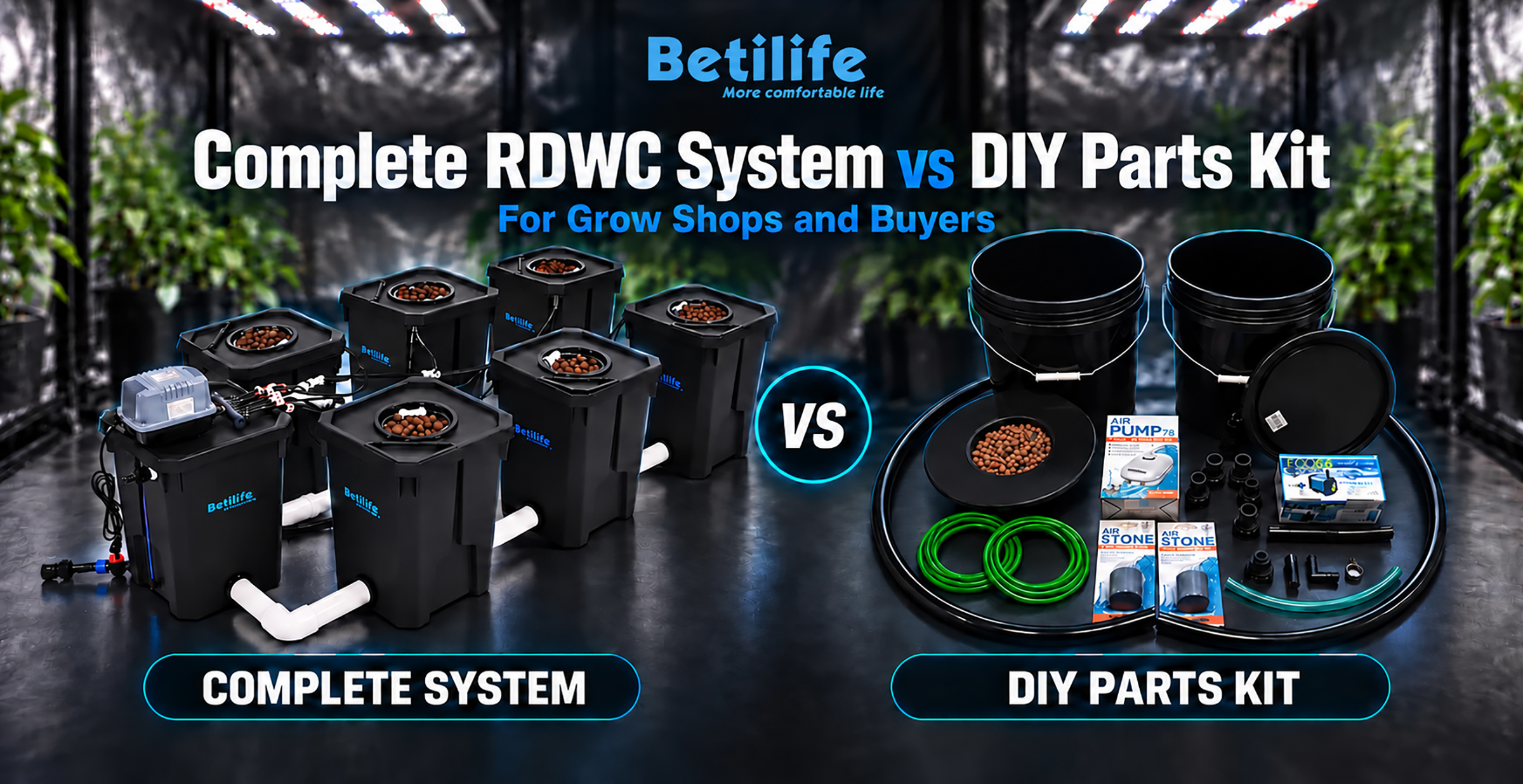
A complete RDWC package also does not mean a complete grow room. Lighting, nutrients, meters, cooling equipment and other accessories are only included when the order specifies them. For the equipment-format decision, see complete RDWC systems versus DIY parts kits.
BetiLife's Four 7-Gallon RDWC Options for Retailers
The following recommendations explain where each model can fit and when another choice may be more useful. Footprints describe the published equipment layout, not the full area required for access, plants and routine maintenance.
BLGX-04: A Compact Option for Displays and Four-Site Demand
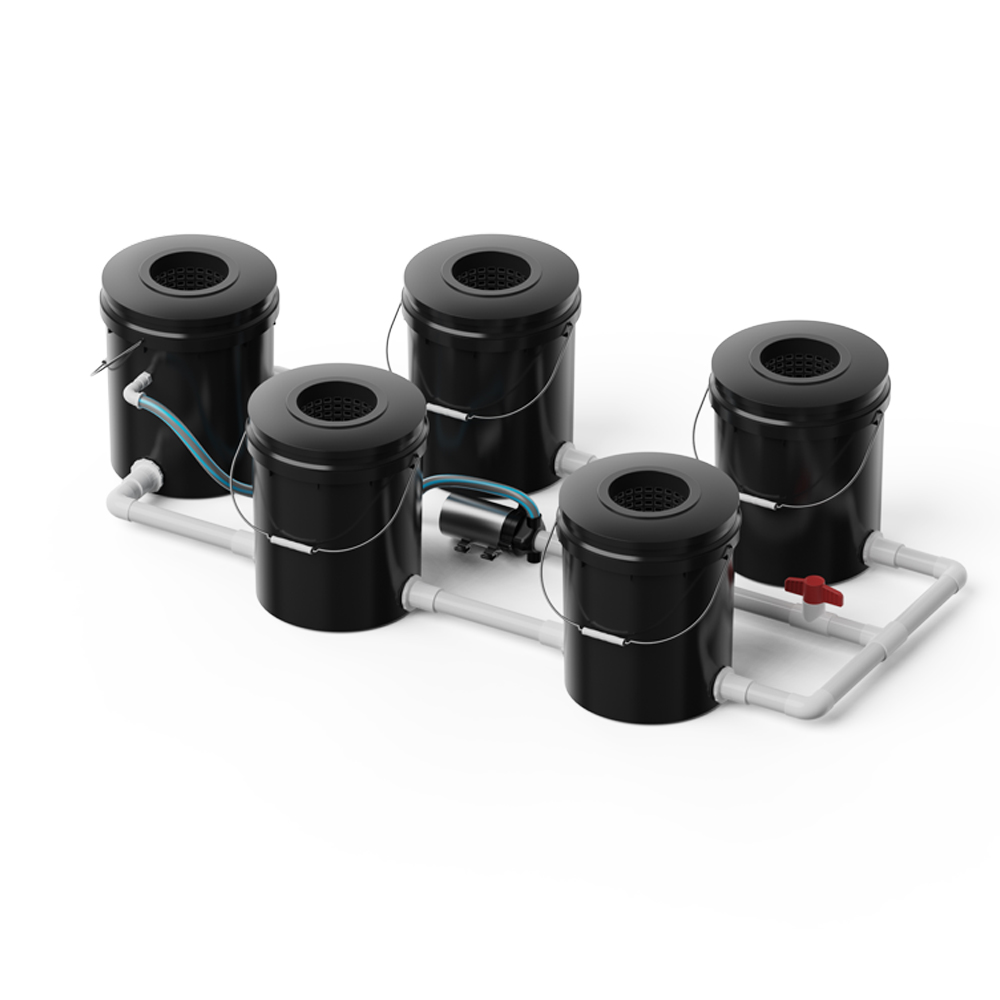
Best fit within this range: a compact product display, an initial evaluation for four-site customers or an offer with the lowest published system reference price.
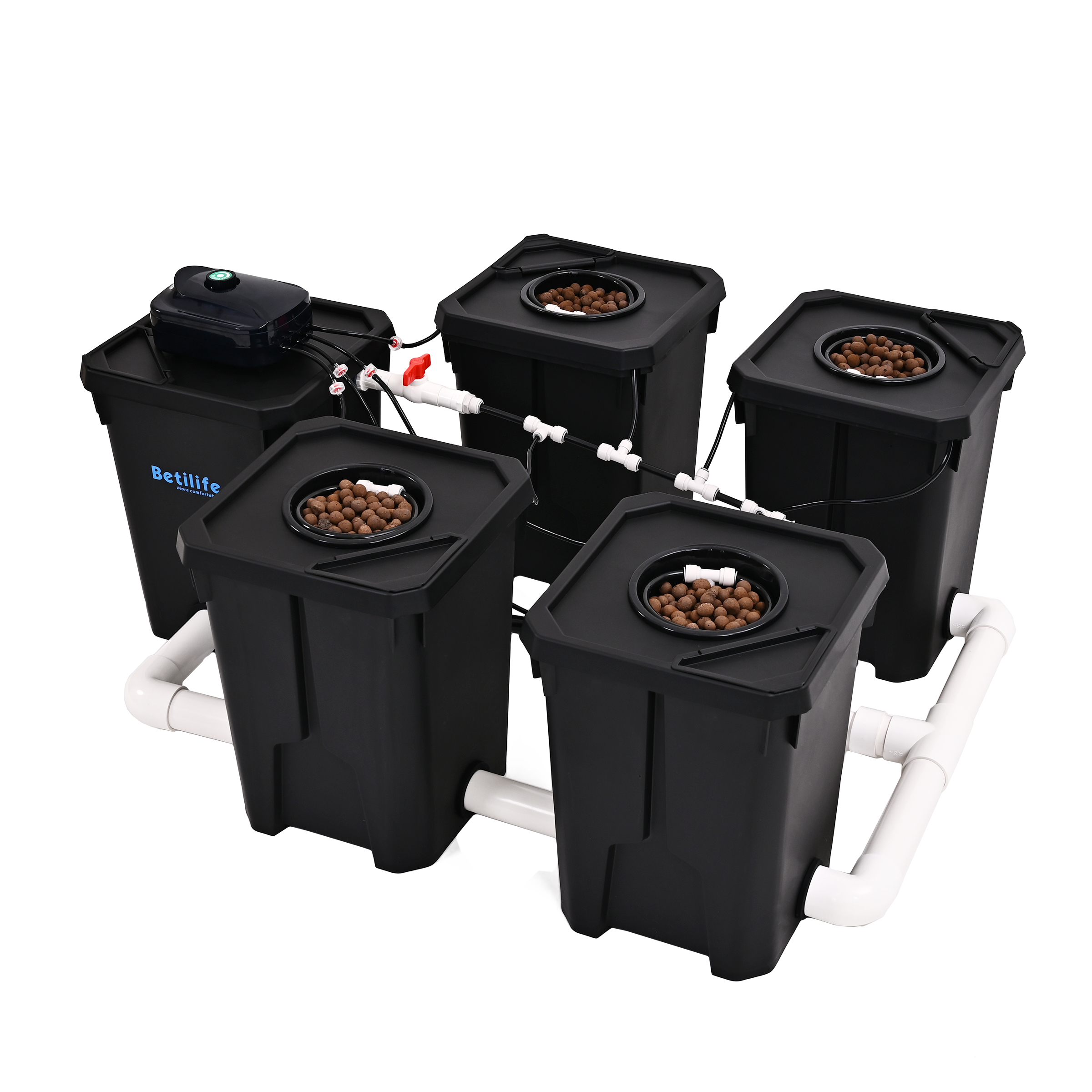
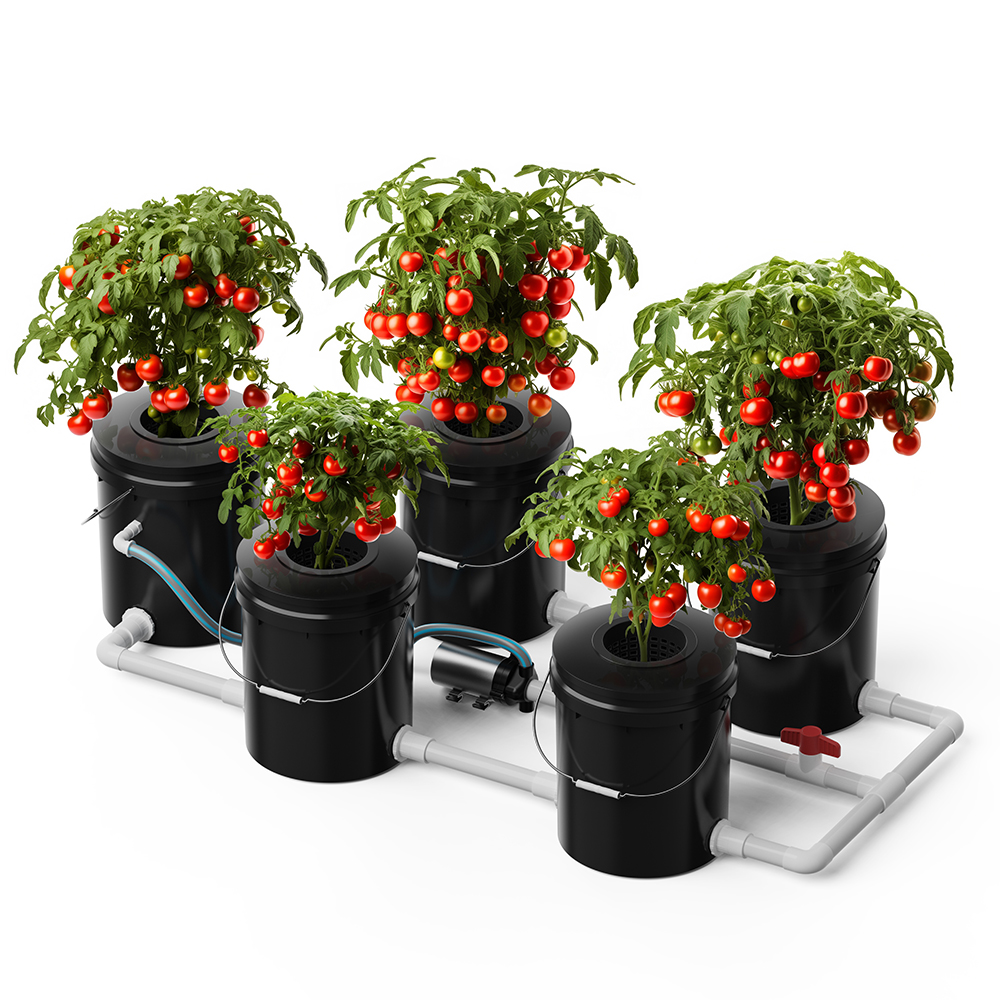
The BLGX-04 four-site system gives a space-constrained shop a smaller configuration for introducing the bucket, reservoir and circulation arrangement. It is a sensible candidate when four-site installations are also relevant to the store's customers.
Its main advantage for this decision is the smaller footprint and lower retail reference, not a claim that it requires less skill to operate. Staff still need to understand assembly, product scope and the support process.
When to look elsewhere: if nearly all inquiries concern six or eight planting sites, the smallest model may not answer the shop's most important evaluation questions. A larger representative unit can be more informative even when its initial cost is higher.
Before requesting a quote: confirm four-site customer demand and the space available for a display with access around it. Do not plan the display from equipment dimensions alone.
BLGX-06: A Practical First Evaluation for Mid-Size Demand
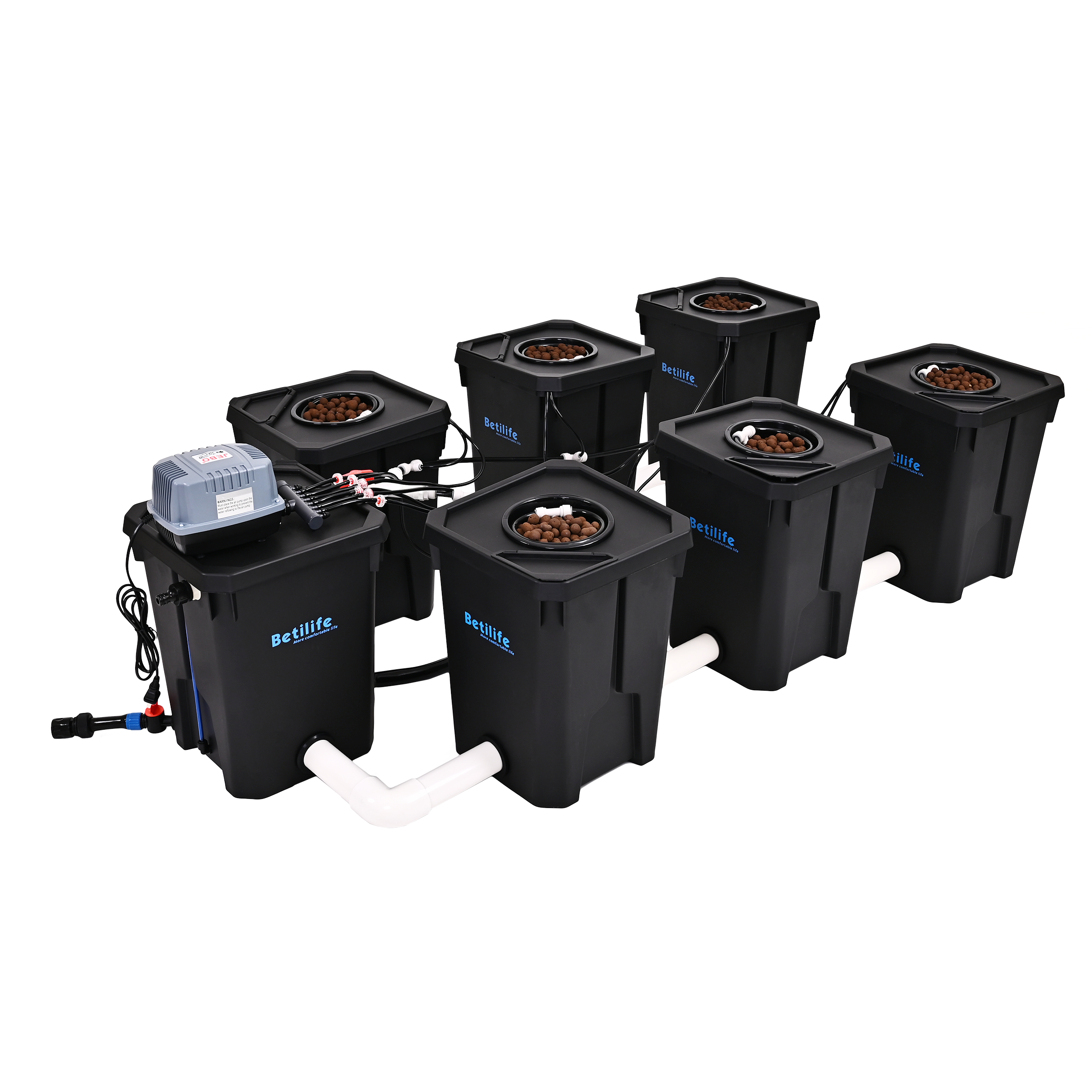
Best fit within this range: retailers whose customers need six planting sites and who want a shorter layout than the eight-site model.

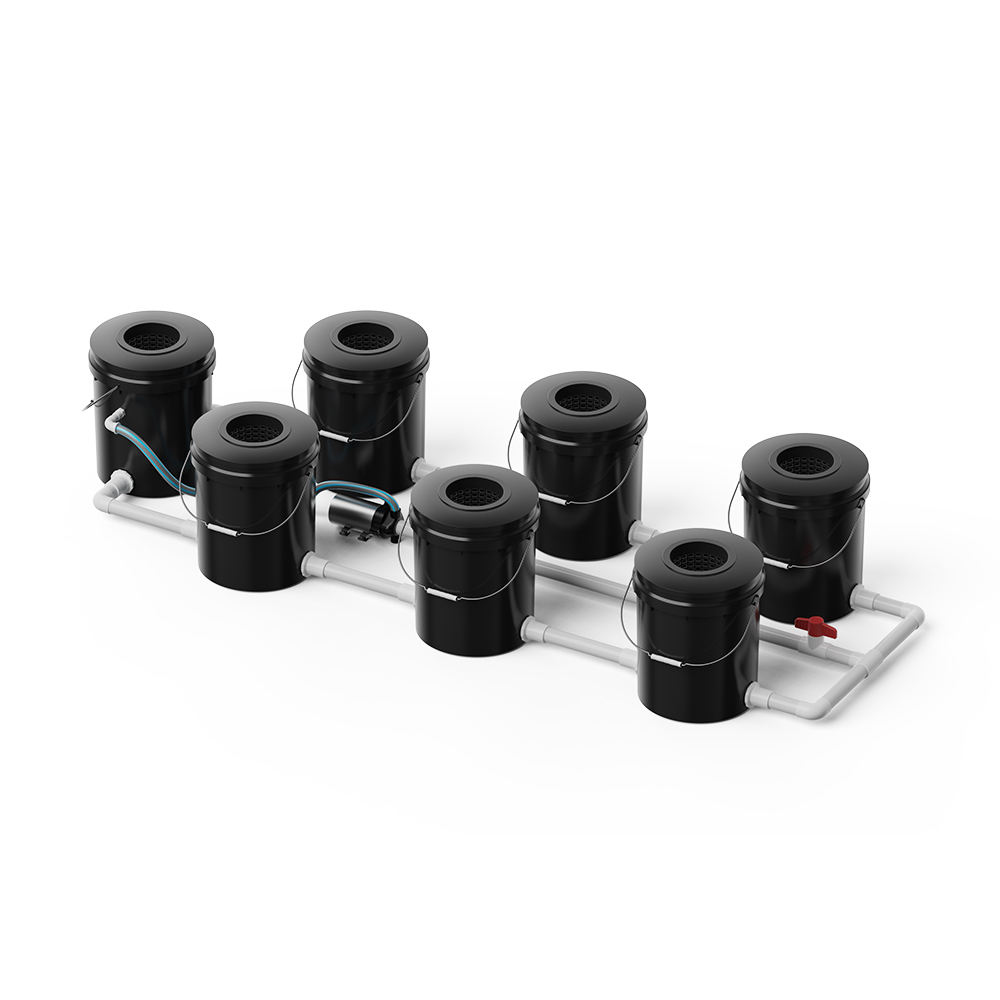
The BLGX-06 six-site system is a useful evaluation candidate when the store is adding its first mid-size RDWC offer. Compared with BLGX-08, it uses 60 cm less published layout length while retaining the same 90 cm width.
That difference can matter in a showroom where staff need to move around the display and point out connections. It may also match customers who want six planting sites without allocating space to the longer model.
When to look elsewhere: six sites are a poor substitute for a clearly established eight-site requirement. The model's middle position in the range is not evidence that it will become the store's best seller.
Before requesting a quote: decide whether the unit is for staff familiarization, a customer demonstration or a specific six-site order. Compare its current evaluation quotation with BLGX-08 if both are relevant.
BLGX-08: An Eight-Site Option for Established Customer Demand
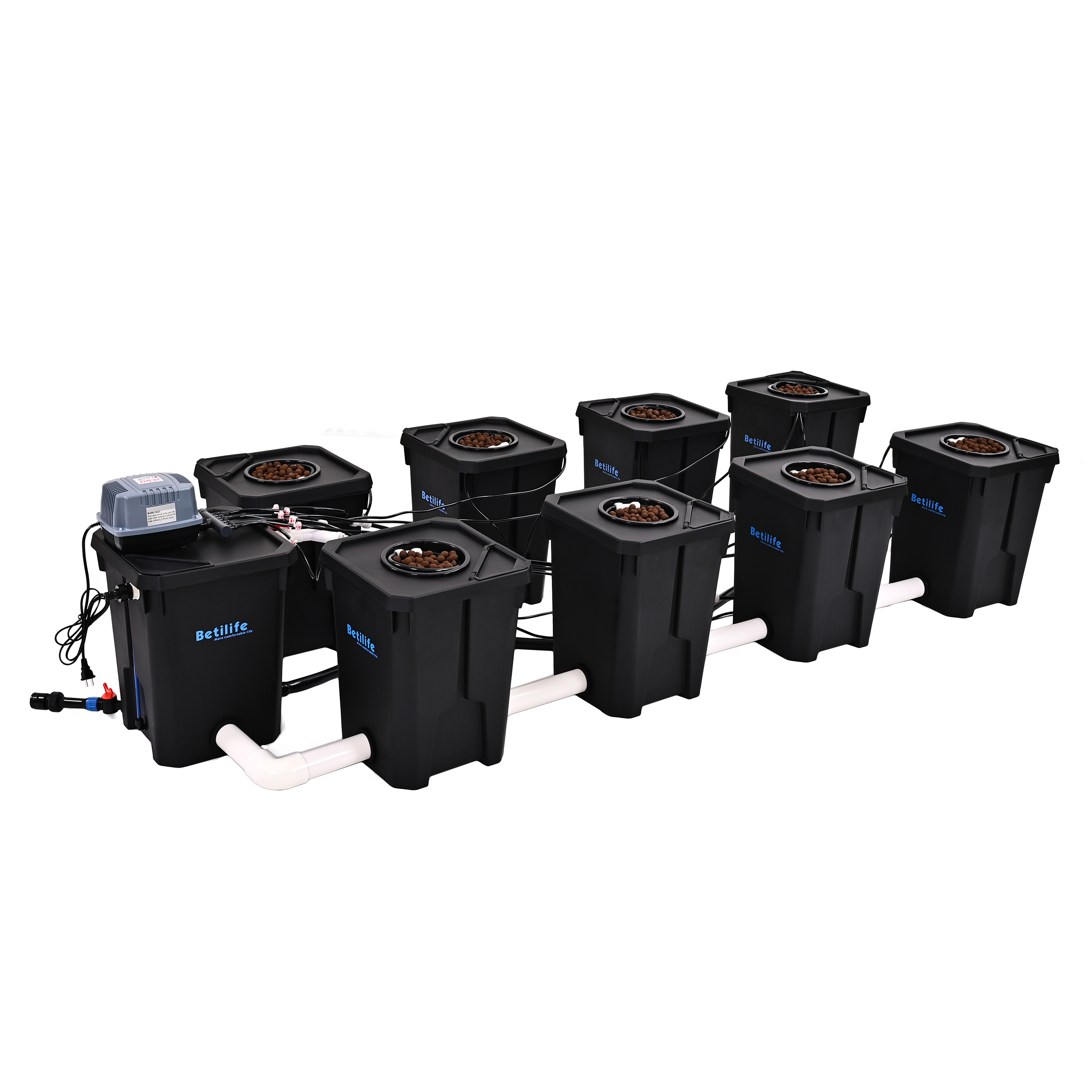
Best fit within this range: shops already receiving eight-site inquiries and able to accommodate a longer product layout.

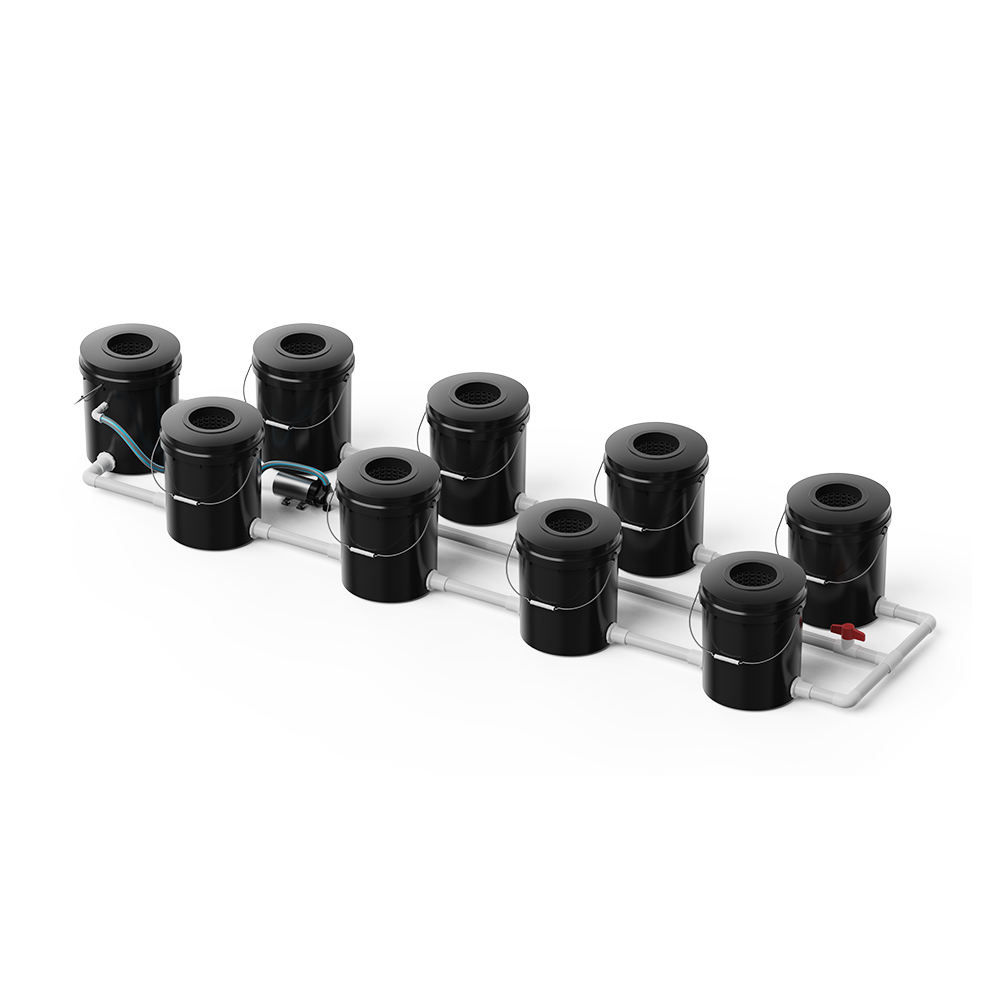
The BLGX-08 eight-site system lets a retailer demonstrate the configuration those customers intend to buy. This makes it a relevant comparison with BLGX-06 when choosing a first representative unit.
The published retail reference increases by $150 from the six-site to the eight-site model. That is a retail-reference comparison, not the difference between current dealer quotations. It also comes with an additional 60 cm of layout length.
When to look elsewhere: a shop serving smaller spaces may be better represented by BLGX-04 or BLGX-06. A nominal eight-foot area leaves limited remaining length around a 230 cm system; check actual interior dimensions and service access instead of relying on a tent-size label.
Before requesting a quote: confirm that eight-site demand is real, the longer arrangement fits and your team can explain the full package. A larger display alone does not establish higher sales or margin.
BLGX-12: A Larger Option for Project-Led Sales
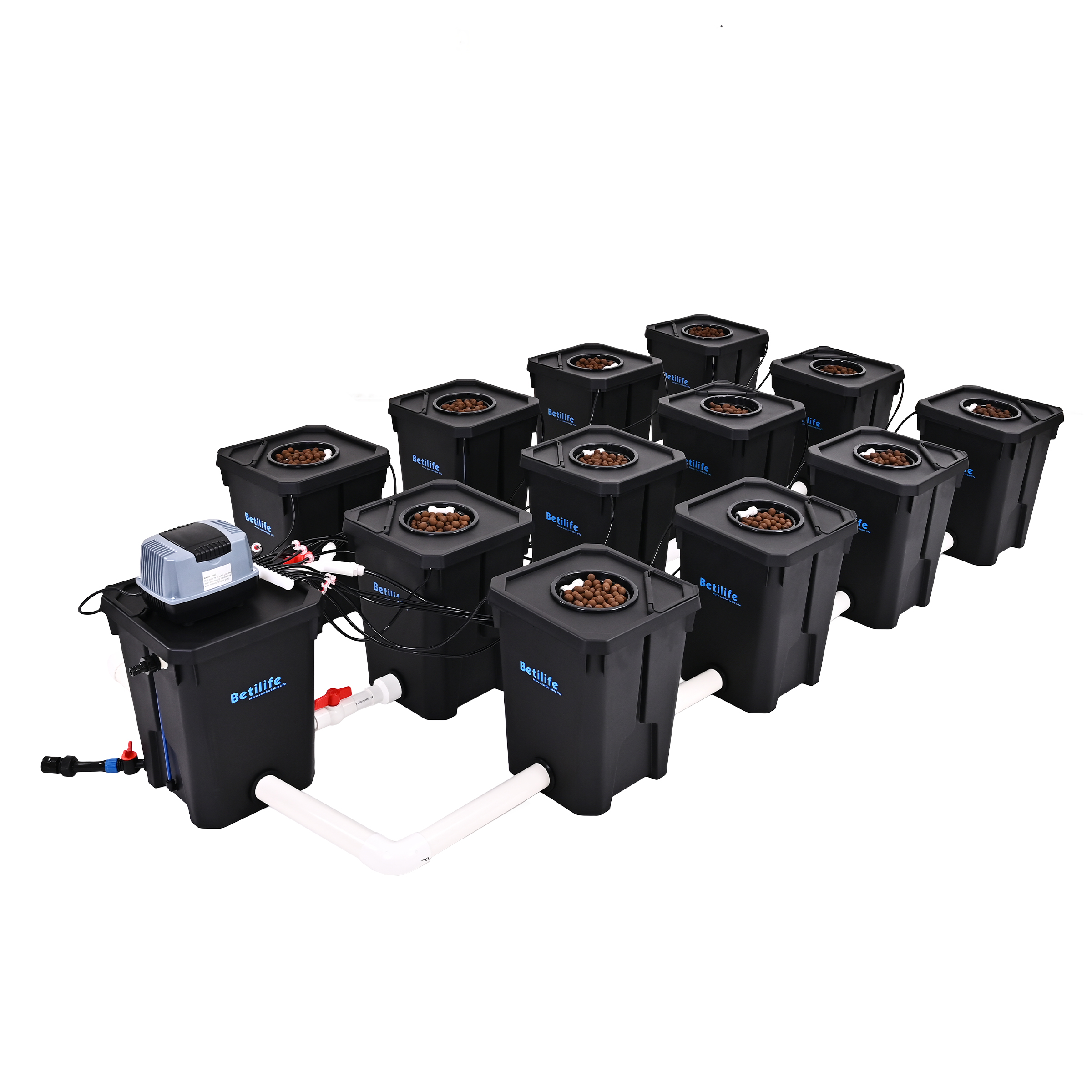
Best fit within this range: retailers handling confirmed twelve-site requirements and larger customer installations.

The BLGX-12 twelve-site system gives a store a larger standard configuration to discuss when a customer brings a defined requirement. It can be a quoted project option without becoming automatic opening stock.
Its width changes the space decision: 130 cm exceeds four feet, so the system should not be presented as suitable for a nominal four-foot-wide space. Receiving and final delivery also need to account for both cartons.
When to look elsewhere: a store with little large-system demand may learn more from a smaller evaluation model. The highest planting-site count and retail reference do not establish the best retail return.
Before requesting a quote: obtain the customer's usable layout, delivery location and timing. Confirm carton details, the supplied configuration and support responsibilities for that order.
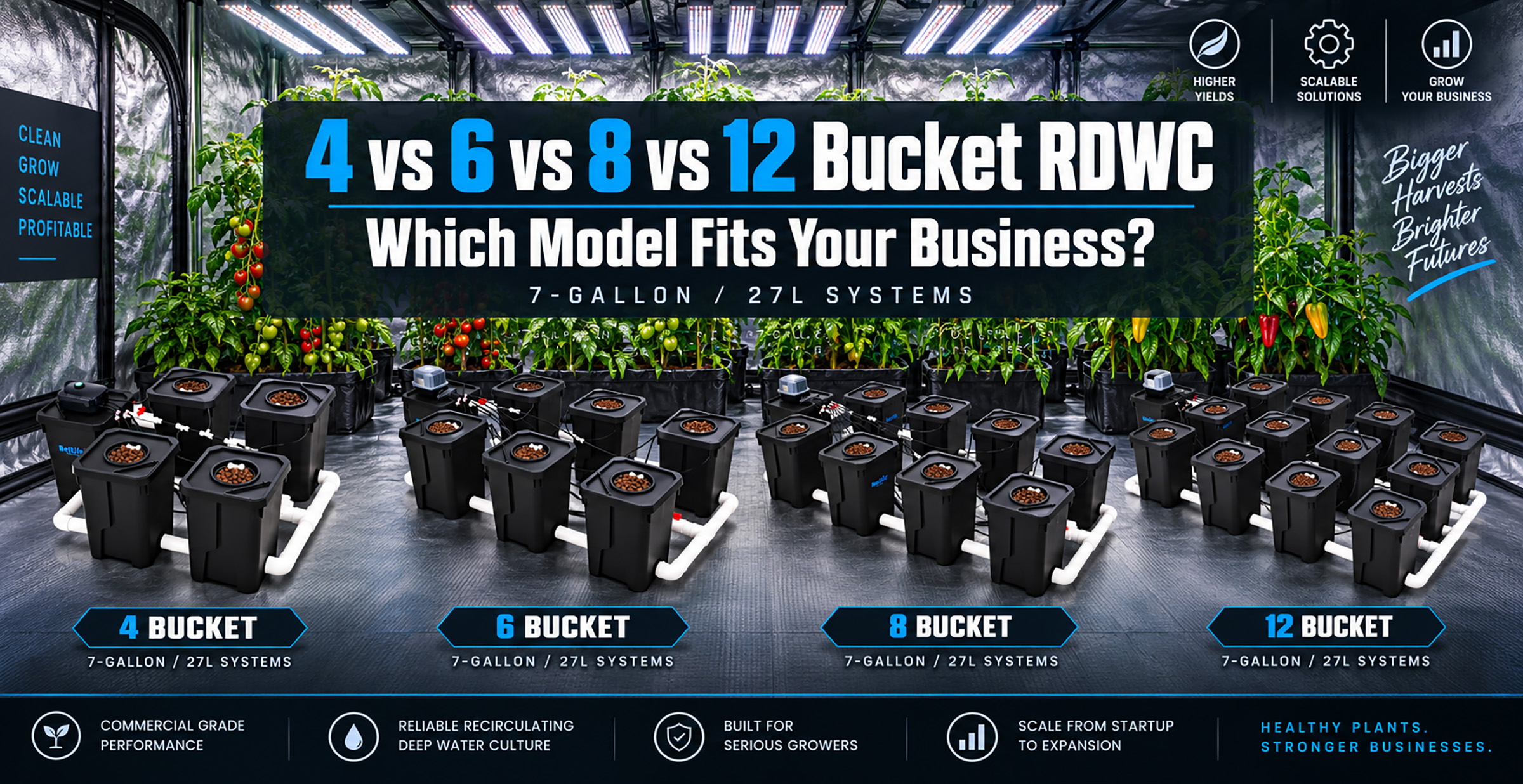
For additional space-planning comparisons, see 4 vs 6 vs 8 vs 12 bucket RDWC systems.
Which Model Fits Your Retail Business?
A model recommendation becomes more useful when tied to how your business sells. A showroom, an online store and a project-focused retailer can need different evidence before placing the same order.
An Established Grow Shop Adding Its First Complete RDWC Line
Start with the gap in your current range. If recent inquiries point to mid-size systems, compare BLGX-06 and BLGX-08 as evaluation candidates. Select the one that represents the customer questions your staff needs to answer.
Use the evaluation to prepare a clear product explanation and identify any missing documentation. Move to opening inventory only after reviewing customer interest and the applicable dealer offer; adding a category does not require stocking all four sizes.
A Small Store With Limited Display or Storage Space
BLGX-04 may be the practical display choice when four-site demand is relevant. If customers mainly need larger systems, consider whether a smaller physical display plus accurate model-specific materials is sufficient, or whether another evaluation arrangement would be more useful.
Other models can be discussed to order once availability and lead time are confirmed. Distinguish local stock from products that must be ordered.
An Online Hydroponic Retailer
Online selling does not make one bucket count the automatic winner. Prioritize the configurations your audience requests, then verify images, component lists, instructions, carton measurements and delivery costs.
Customers need to understand what arrives and what assembly involves without seeing a showroom. Confirm the fulfillment and returns process before listing the line. Do not assume a dropshipping service, local stock or a particular delivery promise without agreement.
A Retailer Serving Larger Grow Projects
Consider BLGX-08 or BLGX-12 when their site counts match a documented project. Keep the customer's equipment configuration separate from your store's decision about ongoing stock.
For requests beyond the standard range, ask for a project review rather than assuming that adding buckets to an existing circulation loop is supported. Multiple independent systems and a redesigned connected system are different proposals.
Retail Price References and What to Confirm Before Dealer Pricing
| Model | Planting sites | Retail reference per system |
|---|---|---|
| BLGX-04 | 4 | $599 |
| BLGX-06 | 6 | $799 |
| BLGX-08 | 8 | $949 |
| BLGX-12 | 12 | $1,499 |
Source: BetiLife's published 7-Gallon / 27L product-line references. These figures show price positioning, not dealer acquisition costs, evaluation-unit offers or delivered U.S. quotations. Verify current prices and included charges before buying.
Published retail reference, evaluation quotation and dealer inventory quotation are different price contexts. An evaluation offer is for the order being tested; it does not establish the permanent resale terms. Request an inventory quotation for the quantities and model mix you actually plan to buy.
For a useful quotation, confirm:
- Model codes, quantities and whether the purpose is evaluation, opening inventory or a customer project.
- The supplied component list, any required optional items and the layout being quoted.
- Voltage, frequency, plug type and applicable sales-channel documentation requirements.
- Delivery ZIP code, required timing, delivery scope and excluded charges.
- Carton count, dimensions, gross shipping weight and receiving arrangements.
- Current order quantities, payment terms, quotation validity and replenishment expectations.
- Available product materials, support contacts and the warranty and replacement-parts process.
BetiLife reviews trial orders, model mixes and DDP or FOB quotation requests through its RDWC wholesale supply process. Feasibility and commercial terms depend on the specific order. For broader due diligence, use the supplier checklist for U.S. grow shops.
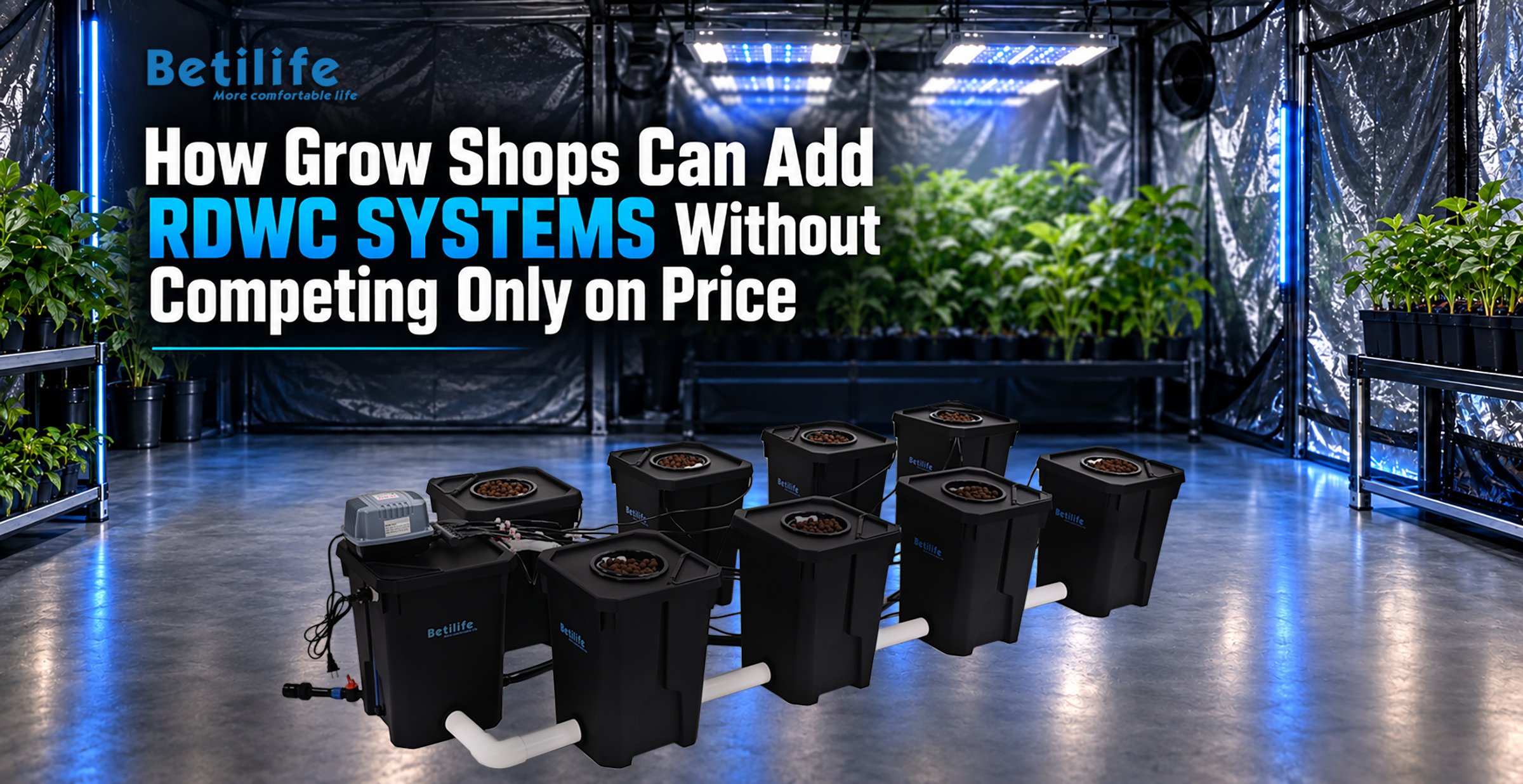
To evaluate selling costs and service commitments alongside the equipment purchase, read how grow shops can add RDWC systems without competing only on price.
Request an Evaluation Quote for Your Shortlisted Model
Start With a Relevant Evaluation, Then Decide What to Stock
An evaluation purchase is most useful when it tests a specific retail decision. Before ordering, write down what the unit needs to demonstrate: product completeness, assembly instructions, suitability for your customers or the support process.
- Verify what arrived. Compare the delivery with the packing list and record any shortages or damage through the agreed process.
- Follow the supplied setup instructions. Check connections and specified operating functions before demonstrating the system.
- Test the sales explanation. Have staff identify the planting sites, reservoir, footprint, included items and additional requirements.
- Record customer demand. Note requested models, space constraints, quotations and outcomes, not just favorable comments.
- Review the next purchase. Use the findings and current inventory quote to choose a focused opening order, another evaluation or no expansion yet.
Product familiarization is not proof of future sales. Likewise, a short period without an order does not establish that the category will fail. Record whether the issue was configuration, price, timing, presentation or limited demand before changing the assortment.
Frequently Asked Questions About RDWC Systems for Hydroponic Retailers
What is the best RDWC system for a small grow shop?
Within BetiLife's range, BLGX-04 is the compact starting point when display space and four-site demand are the priorities. If the shop mainly serves six- or eight-site customers, evaluating BLGX-06 or BLGX-08 may be more representative despite the larger footprint.
Should a retailer evaluate a six-site or an eight-site system first?
Choose BLGX-06 when six sites and a shorter layout match the intended offer. Choose BLGX-08 when customers need eight sites and there is room for its 230 cm length. Compare the current evaluation quotations rather than deciding only from public retail prices.
Do hydroponic retailers need to stock all four models?
No. A retailer can evaluate one representative configuration and plan inventory from actual demand. Other models may be quoted to order after availability and delivery expectations are confirmed. Carrying a product range does not require equal stock of every model.
Does the advertised bucket count include the reservoir?
No. The four standard BetiLife models have 4, 6, 8 or 12 planting buckets plus one separate reservoir bucket. For example, BLGX-06 has six planting sites and an additional reservoir. State that distinction clearly in retail listings.
Are the listed prices dealer prices?
No. The prices in this guide are published retail references. Evaluation and inventory quotations depend on the actual order and delivery scope. Ask for the appropriate written offer before calculating acquisition cost or resale economics.
What should a grow shop check before its first inventory order?
Confirm customer demand, model selection, the equipment package, electrical requirements, packing details, delivery costs and product-support responsibilities. Review evaluation findings and the current quotation. Do not treat a successful assembly demonstration as a guarantee of sales or profit.
Find the Right BetiLife RDWC Model for Your Shop
The most useful recommendation starts with your customers. BLGX-04 serves compact four-site requirements; BLGX-06 and BLGX-08 are candidates for mid-size retail demand; BLGX-12 addresses defined twelve-site projects. The next step is to match a model to a real business requirement and confirm its quotation.
Tell us whether RDWC is a new category for your store, which planting-site counts your customers request and whether you need an evaluation unit or opening inventory. Include your U.S. delivery ZIP code when requesting pricing. If you already know the model, send that directly.
- Request a Retail Model Recommendation
- Request an Evaluation Quote
- Discuss Your Requirements on WhatsApp
Contact JianHong Tan at jianhongtan@betilife.com, or email support@betilife.com for general product inquiries.
Sources and scope: model facts and product photographs come from the BetiLife product pages linked above and the 7-Gallon / 27L collection. Recommendations are editorial assessments of those configurations for stated retail needs. Confirm the latest specification sheet, packing list, quotation and applicable support terms before ordering.