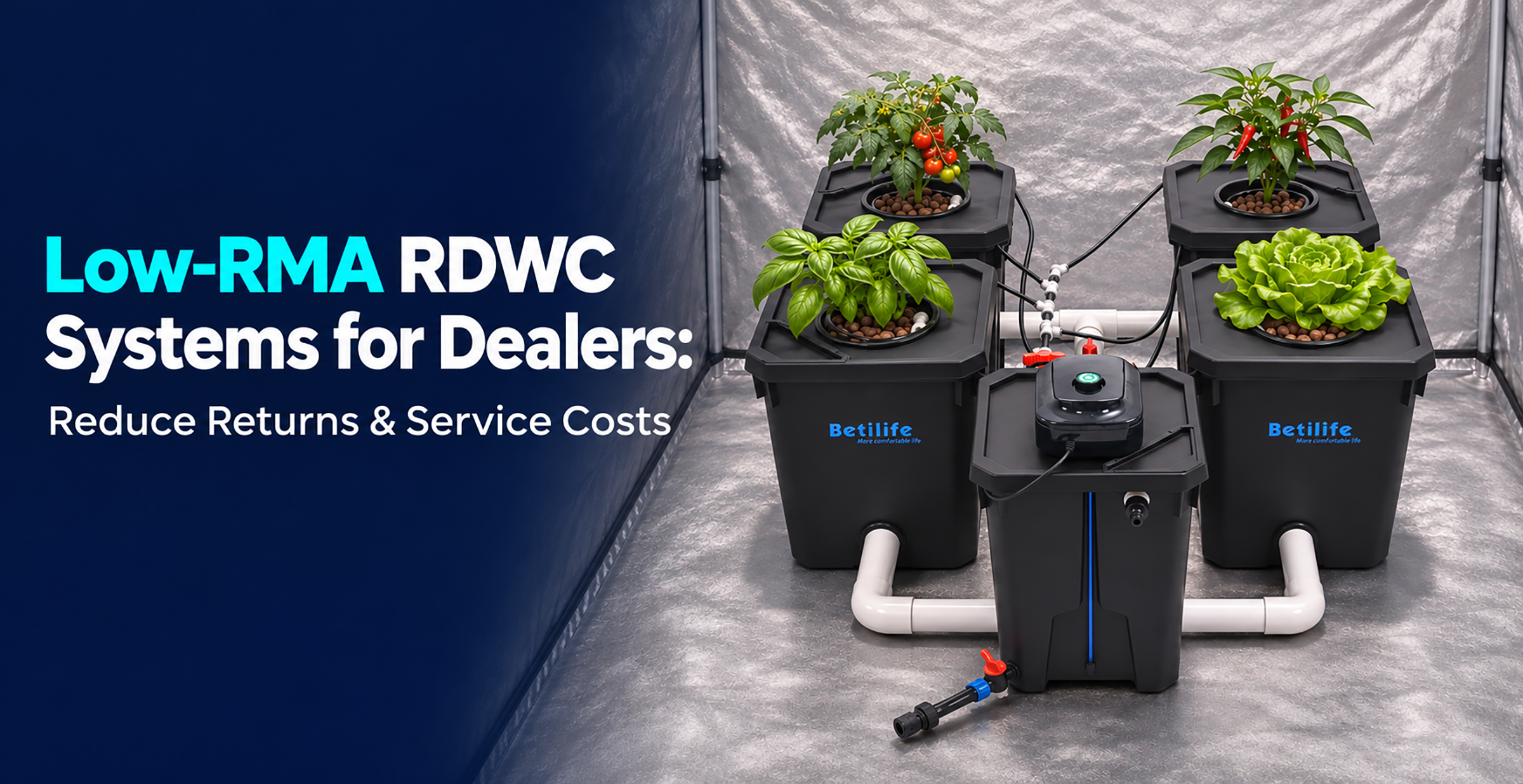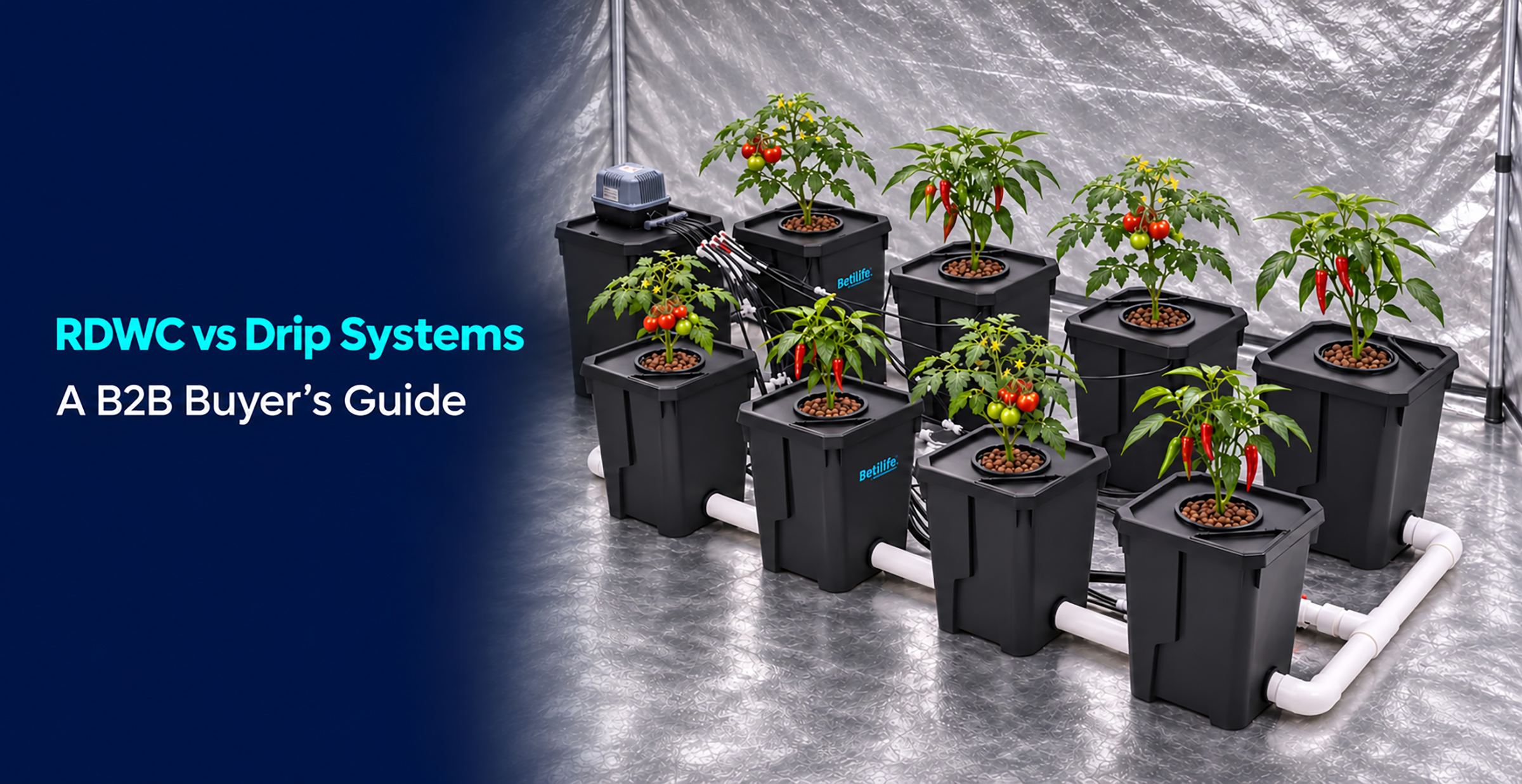

The value of an RDWC wholesale relationship becomes clearer when it is time to reorder or help a customer. Can the supplier identify the original configuration? Can your team find the correct replacement part? Can the next shipment be planned around actual demand?
Long-term RDWC wholesale cooperation can create value when each order builds on documented specifications, realistic reorder plans, and clear replacement-parts and service arrangements. Those practices can reduce repeated purchasing work and help buyers manage inventory and support costs.
This guide explains how grow shops, hydroponic retailers, distributors, and commercial project buyers can evaluate that value, using BetiLife's four standard 7-gallon RDWC models.
Explore BetiLife RDWC wholesale options or prepare your next-order inquiry.
Look Beyond the First Purchase Price
RDWC stands for recirculating deep water culture. Multiple planting sites share a circulating nutrient solution. Buying a system also means choosing equipment that staff or customers will need to assemble, maintain, and support.
For a retailer, the financial picture includes delivered inventory cost, storage, customer support time, and service expenses. For a grower, it includes installation, maintenance, spare parts, and the consequences of equipment downtime.
A lower equipment price can be useful. Its advantage becomes harder to assess if the buyer must repeatedly identify fittings, clarify missing items, or investigate configuration differences. Keep those costs visible when comparing suppliers.
A one-time purchase may suit a defined project. When purchases will continue, ask how the supplier will retain order details and handle future changes. The value of the relationship should become evident in subsequent transactions.
Keep Repeat Orders Consistent
A useful repeat-order record lets both parties identify what was approved and what, if anything, will change. Keep the quotation, bill of materials, packing list, and relevant instructions together under the original order number.
Record the details that affect installation and service:
- System identity: model, revision, planting-site count, reservoir, and included equipment.
- Electrical configuration: pump specifications, voltage, frequency, and plug.
- Connections: pipe and fitting specifications, seals, and approved replacement-part references.
- Customer materials: packaging, labels, instructions, and any approved customization.
If a component changes, ask whether it fits earlier orders and whether the installation instructions need updating. A familiar product name alone does not establish compatibility.
Plan Expansion Against an Approved Layout
Buying another complete system adds equipment capacity. Connecting additional buckets to an existing circuit requires a separate review of the layout, circulation, aeration, and components. Tell the supplier whether the next phase will use independent systems or modify an existing installation.
For dealers, this distinction also belongs in staff training. Clear answers about what customers can expand help prevent incorrect accessory recommendations and unrealistic expectations.
Choose Your BetiLife 7-Gallon Model Mix
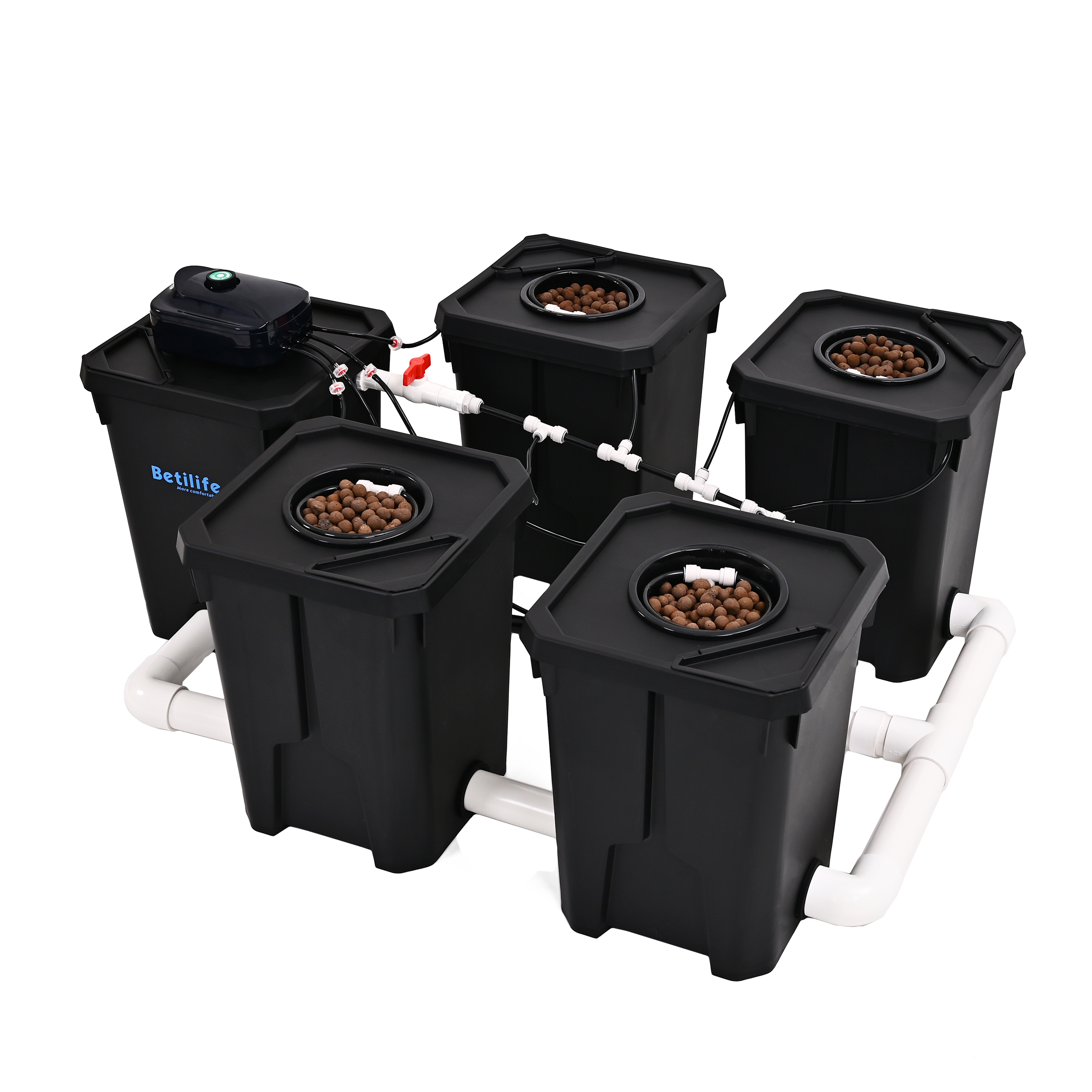
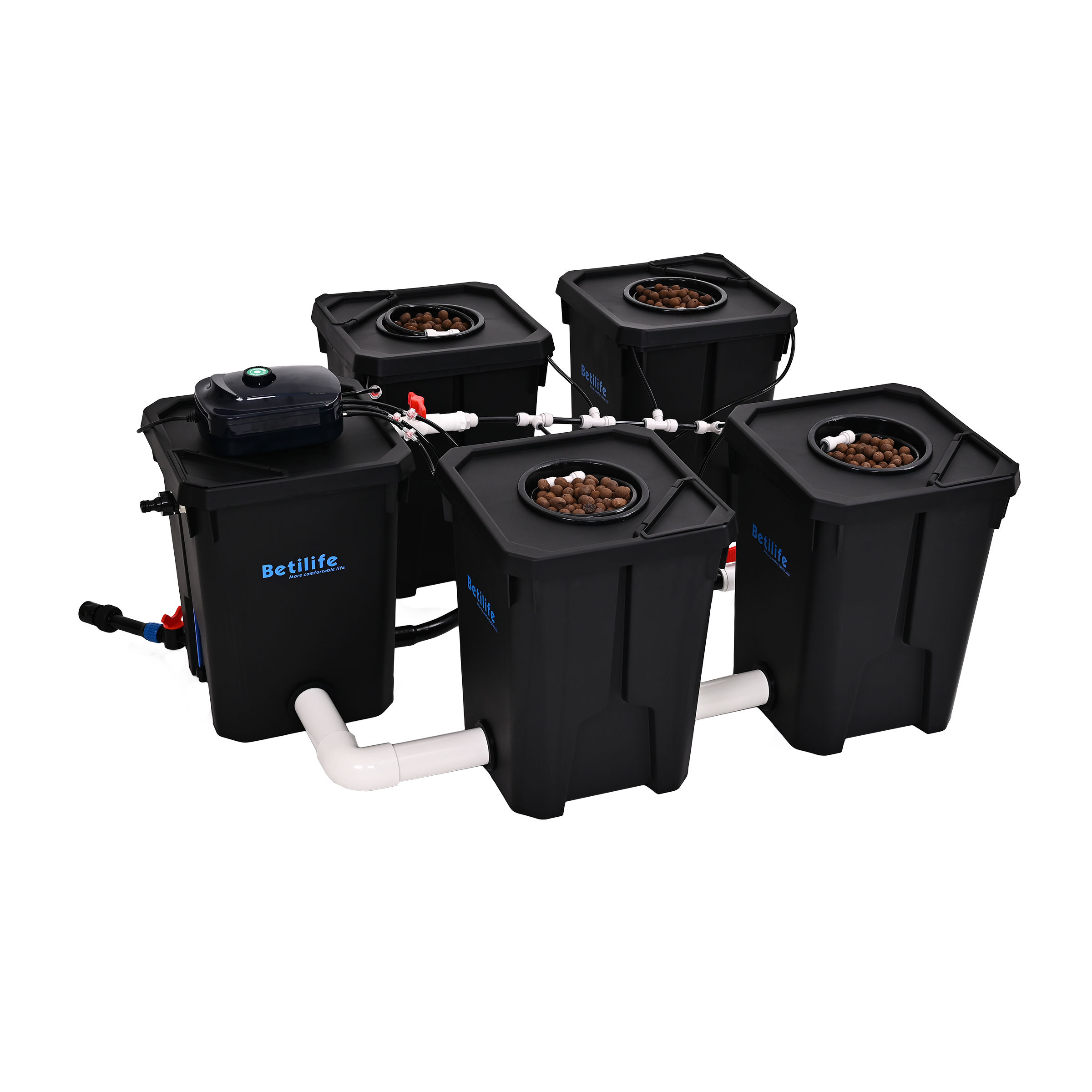
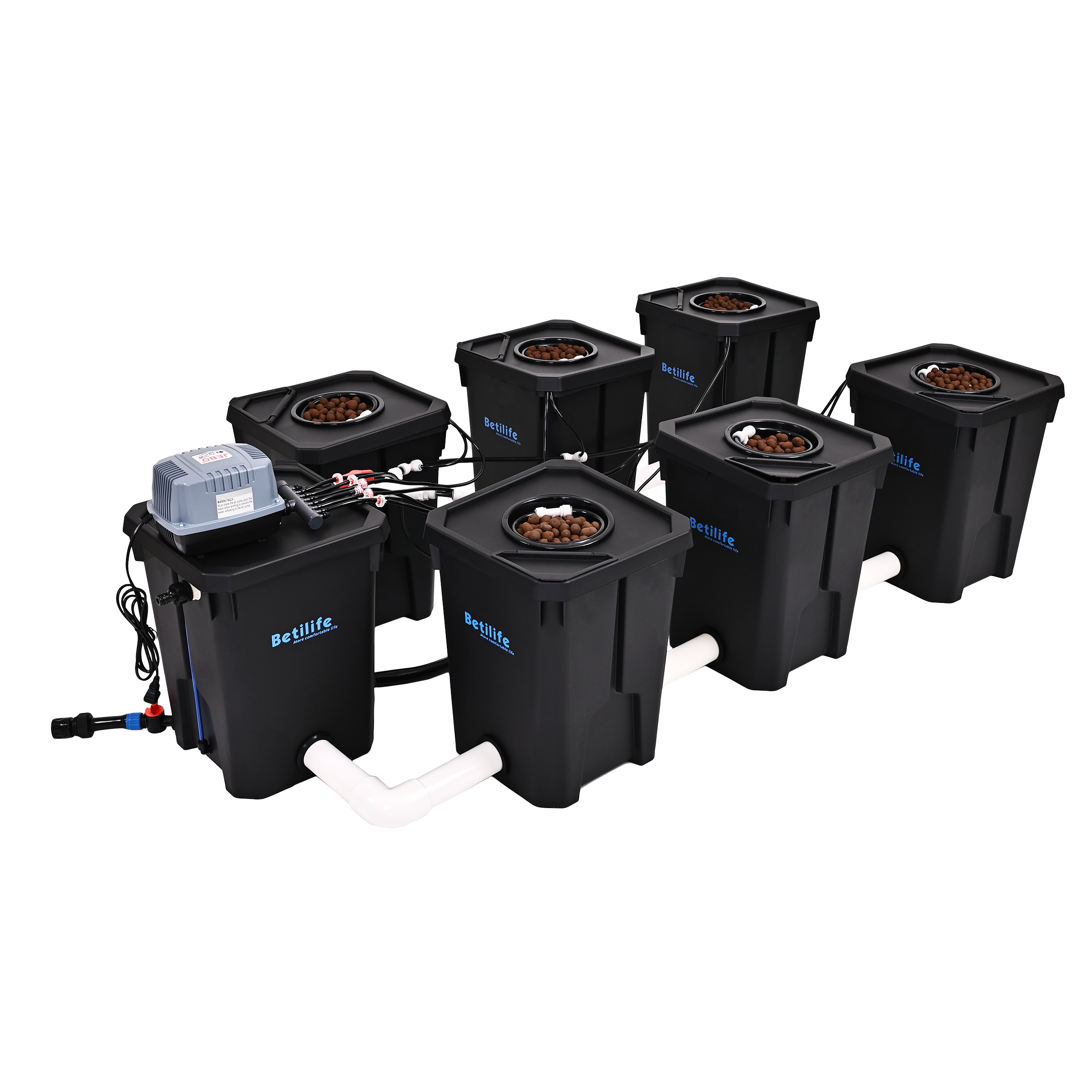
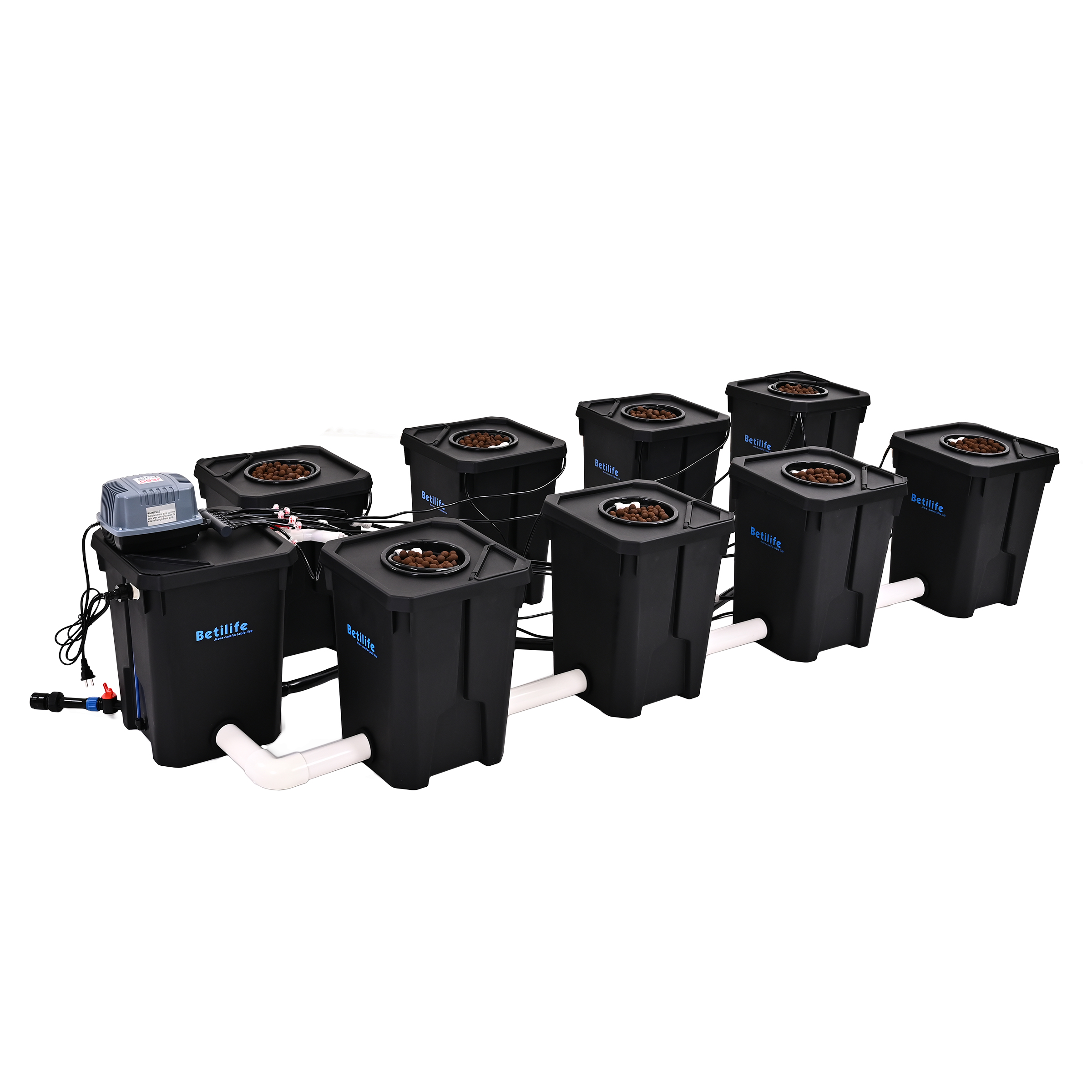
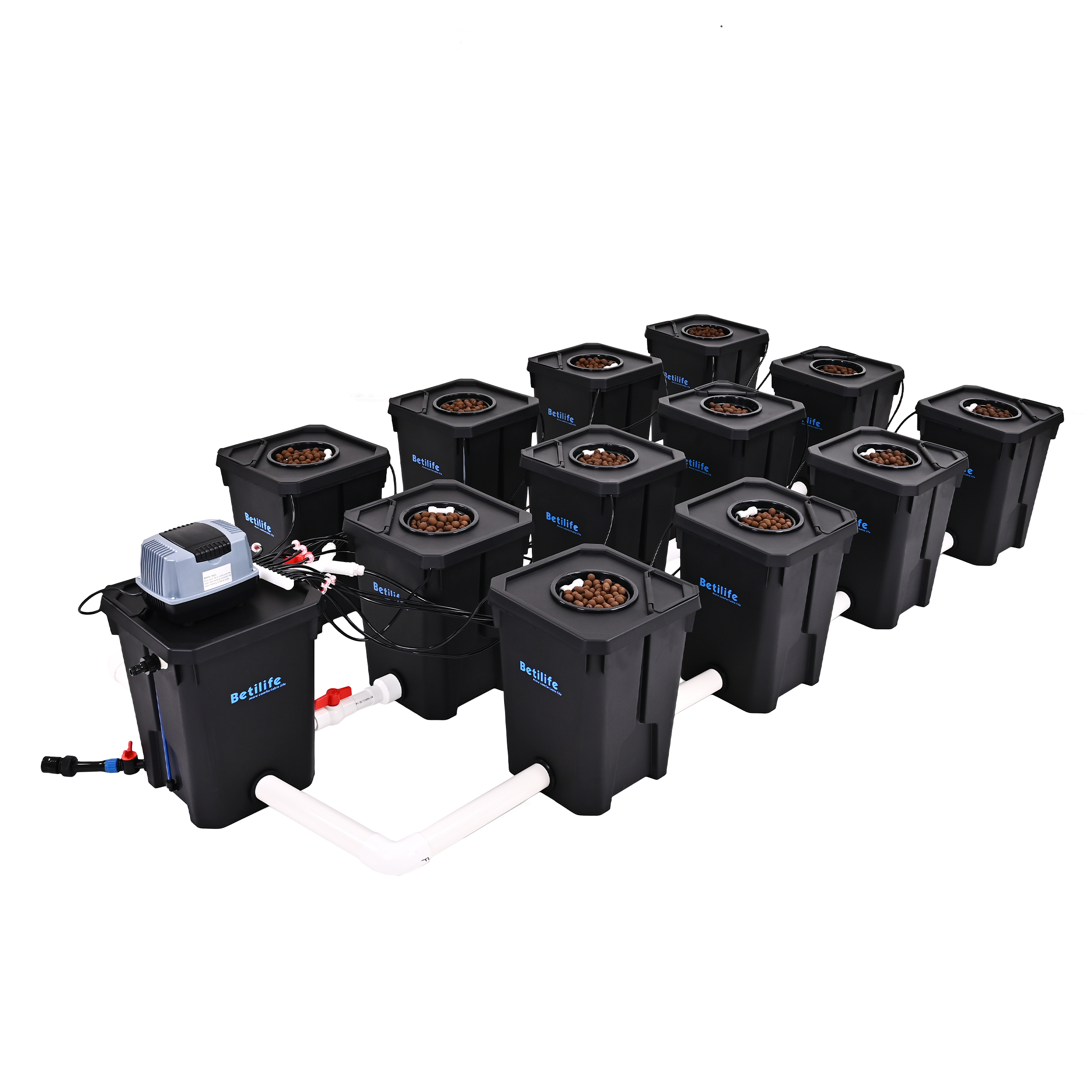
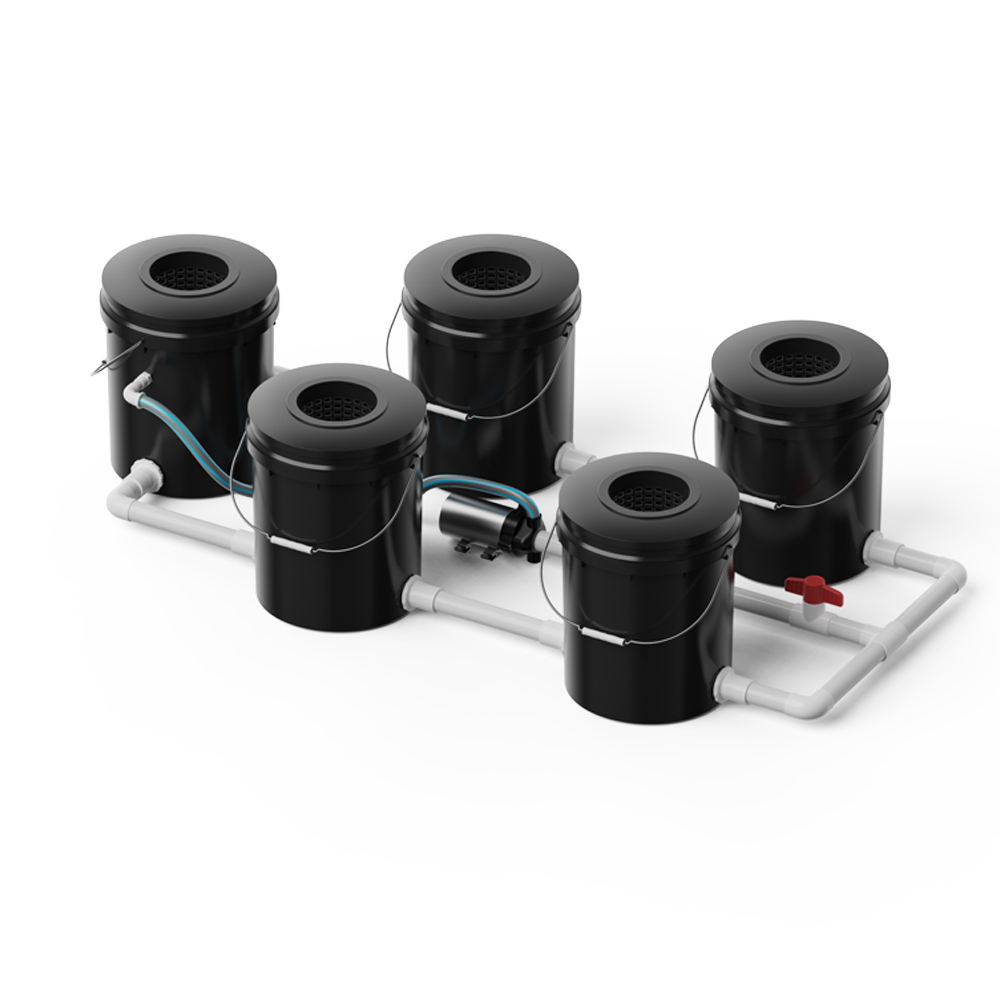
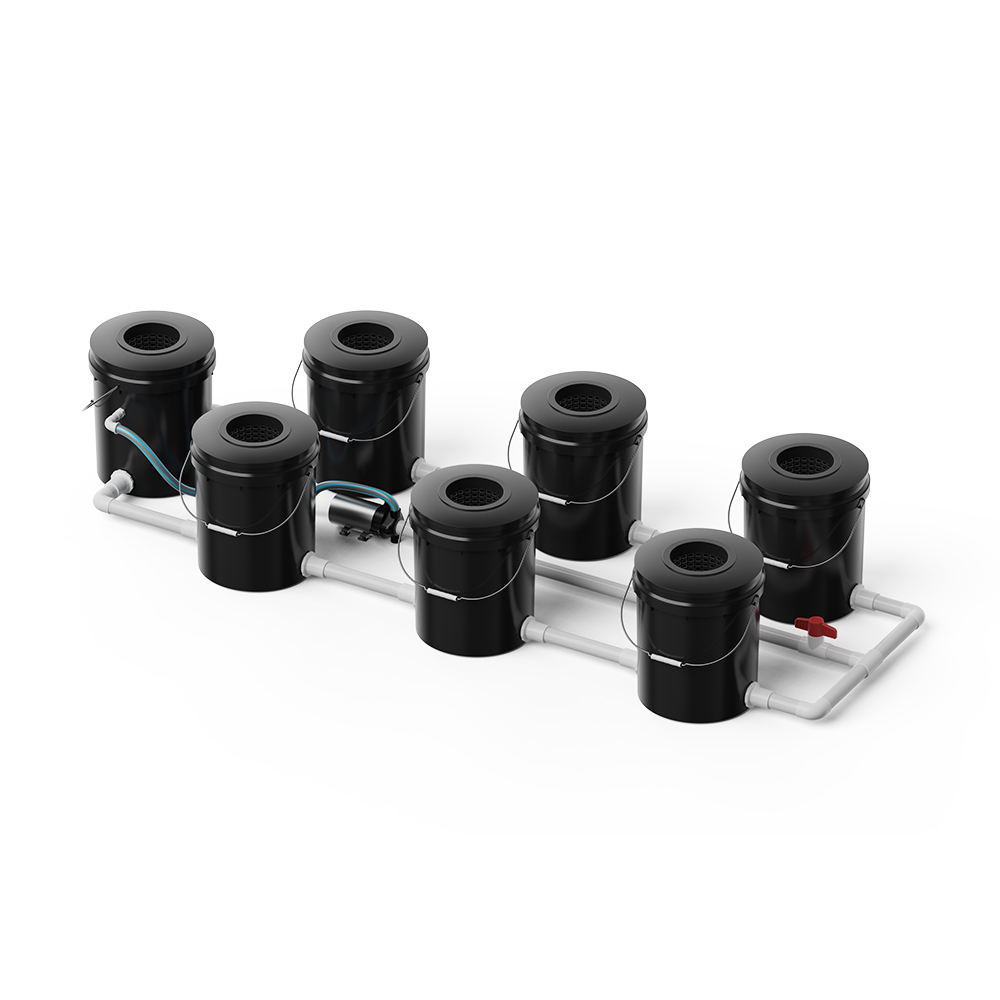
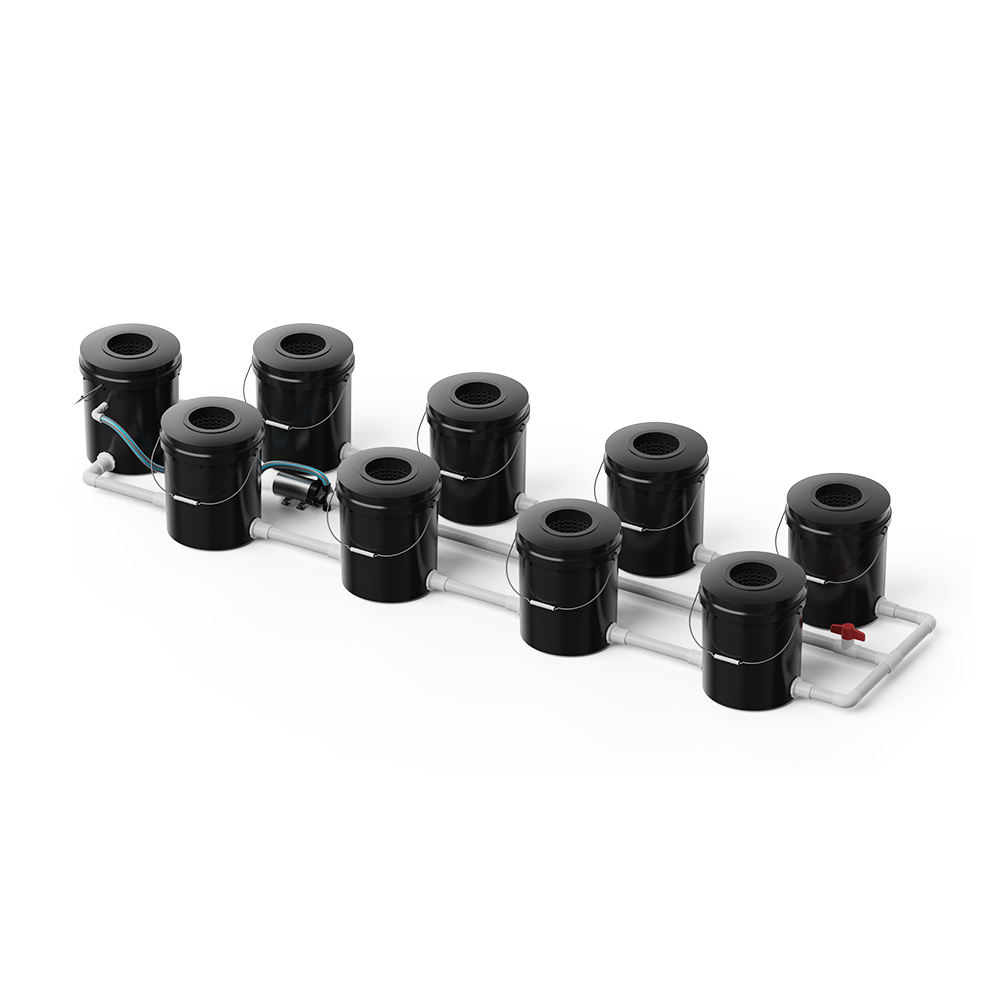
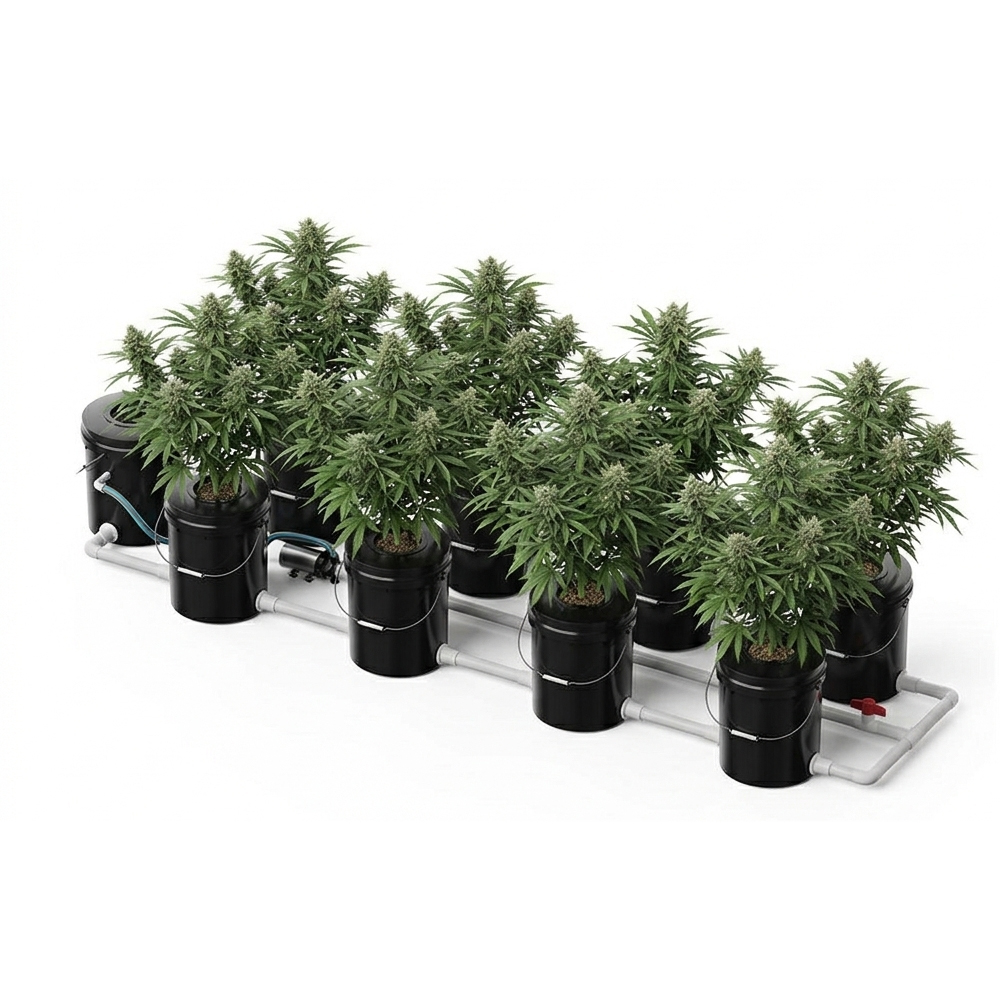
BetiLife's standard 7-Gallon / approximately 27L line includes four planting-site configurations. Each has an additional reservoir and an integrated drip irrigation function. The capacity description refers to the planting bucket, not the operating water volume of the entire system.
| Model | Configuration | Retail reference | Purchasing consideration |
|---|---|---|---|
| BLGX-04 | 4 planting sites + 1 reservoir | $599 | A four-site requirement or an evaluation where the layout fits. |
| BLGX-06 | 6 planting sites + 1 reservoir | $799 | Six-site customer demand, staff training, or a defined project. |
| BLGX-08 | 8 planting sites + 1 reservoir | $949 | An eight-site offer supported by suitable space and customer interest. |
| BLGX-12 | 12 planting sites + 1 reservoir | $1,499 | A twelve-site order with receiving arrangements for both shipping cartons. |
Source: BetiLife's official product and price chart. These are public retail references, not dealer costs, wholesale offers, or destination-specific delivered quotations. Purchasing considerations are planning suggestions.
Choose an opening model around the customers you expect to serve. A shop comparing six- and eight-site demand can evaluate BLGX-06 or BLGX-08. A buyer with a confirmed four- or twelve-site requirement can request that model directly.
You do not need equal quantities of all four models. Review inquiries, actual sales, available stock, and confirmed incoming shipments before reordering. Allow for production, transit, and receiving time when deciding when to place the next order.
A rolling forecast helps start that discussion, but inventory reservations and delivery commitments require separate agreement. Keep forecast quantities distinct from confirmed purchase orders.
Compare the four BetiLife RDWC models for layout and selection details.
Compare Wholesale Quotes on the Same Basis
A repeat-order quotation should make changes in price, equipment, and delivery scope easy to identify. Attach the earlier order reference and state whether the new requirement is identical.
Before comparing totals, check:
- The price per complete system and quantity of each model.
- The approved configuration and any separately charged items.
- Whether quantity tiers apply per model or to an agreed model mix.
- The delivery term, named location, and included charges.
- Quote validity, payment timing, and the basis for the estimated schedule.
BetiLife offers single-system and wholesale DDP quotation discussions. Buyers with their own freight forwarder can compare an appropriate alternative. Compare the complete delivery scope before deciding which arrangement offers better value. See the RDWC DDP quotation guide.
Regular purchasing may support discussions about pricing tiers, scheduled deliveries, or payment arrangements. Treat rebates, price protection, credit terms, and reserved stock as negotiated conditions that must appear in the applicable agreement.
For resellers, use the actual acquisition cost and expected selling price when reviewing margins. Include expenses that your business will carry, and avoid counting freight twice when it is already included. The RDWC wholesale price-list guide explains how to interpret those figures.
Plan Replacement Parts and Dealer Service
A service desk benefits from knowing which system the customer received and which components belong to it. Ask your RDWC wholesale supplier how order records, part identification, availability, and shipping responsibilities will be handled.
BetiLife's dealer and distributor information describes order-specific confirmation of warranty scope, claim procedures, parts availability, and applicable shipping costs.
Keep a Useful Service Record
For each case, retain the order number, model, relevant component markings, photographs, symptoms, and checks already completed. Record the approved next step and who will cover each expense. This gives the next person handling the case a clear starting point.
Use actual service history to discuss a spare-parts list. Confirm compatibility, quantities, replenishment timing, and storage requirements before buying parts. The same bucket-size category does not mean every model uses identical pumps or fittings.
Resolve Receiving Questions Before Replacing Equipment
BLGX-12 provides a practical example: its published packing arrangement includes Box A and Box B for one system. If a customer reports missing items after opening one carton, check both tracking records and the packing list before deciding what is missing.
Keeping carton references attached to the original order can reduce unnecessary investigation. Record component replacements separately from complete-system returns so you can see the work and cost involved. Read more about RDWC returns and dealer service costs.
Develop Your Private-Label Offer
A retailer with repeat demand may want its own branding, packaging, or instructions. Existing product and service experience can help define that project more precisely.
Separate presentation changes from engineering changes. A branded carton and a modified manifold require different reviews. For the proposed scope, confirm feasibility, minimum quantities, sample approval, one-time charges, production timing, and responsibility for customer support.
Keep approved artwork and instructions linked to the product revision used in each shipment. A later component substitution may require a corresponding change to the manual or spare-parts list.
BetiLife reviews OEM and private-label projects separately. Branding, exclusivity, and ownership arrangements need written agreement. Use the private-label RDWC planning guide to prepare a defined request.
Measure the Value of Cooperation
Review the relationship using purchasing and service records. Choose a consistent review period and compare similar models, order sizes, and delivery requirements.
| Measure | What to record | What it helps evaluate |
|---|---|---|
| Order confirmation time | Time from a complete request to confirmed terms. | Whether existing records simplify repeat purchasing. |
| Configuration accuracy | Differences between approved and received equipment. | How well specifications and changes are managed. |
| Delivery performance | Complete quantities received against agreed dates. | Whether replenishment plans match actual delivery. |
| Service cost | Labor, parts, and freight paid by your business. | The support burden associated with each model. |
| Resolution time | Time from complete case information to closure, plus open-case age. | Where diagnosis, approvals, or parts supply cause delays. |
| Inventory performance | Sales, stockouts, and unsold stock by model. | Whether the purchasing mix fits demand. |
One successful sample does not establish a long-term return rate. Include unresolved cases and allow comparable time in service when evaluating later shipments.
If ordering takes less staff time but slow-moving inventory increases, adjust the model mix before expanding purchases. If support costs remain high, identify the recurring issue and agree on a corrective action. For a broader financial assessment, see how B2B buyers evaluate commercial RDWC ROI.
Build a Repeatable Purchasing Process
You can begin with a defined order and develop the relationship as evidence accumulates.
-
Explain the business use.
Identify store evaluation, resale inventory, distribution, or your own growing project. -
Select the configuration.
Provide models and quantities, or describe the planting-site requirement and available space. -
Confirm the written offer.
Review equipment, delivery, payment, timing, and after-sales responsibilities. -
Record the first-order experience.
Check receiving, assembly, instructions, and any support needed. -
Plan the next purchase.
Use actual demand and service experience to update quantities, spare-parts needs, and requested changes.
An evaluation order is useful when your team needs product experience. Buyers with a defined inventory or project requirement can request that quotation directly. A detailed annual forecast can follow when there is enough purchasing history to make it useful.
Frequently Asked Questions
Does a long-term RDWC partnership always mean a lower unit price?
No. Compare the agreed equipment, delivery scope, inventory commitment, and support costs. Any repeat-order discount or price protection must be confirmed in the applicable terms.
Can I start with one system before ordering inventory?
Yes. Ask BetiLife for a quotation for the model and destination you want to evaluate. If your inventory requirement is already clear, request that order directly.
Can I reorder a mix of 4-, 6-, 8-, and 12-site systems?
Submit the quantity of each model. The quotation should confirm availability, minimum quantities, whether mixed models qualify for a pricing tier, and the shipment arrangement.
Will replacement parts fit systems from earlier orders?
Compatibility needs confirmation against the original configuration and component references. Supply the order number, model, and photographs or markings of the part.
Does cooperation include reserved stock or credit terms?
Only where separately agreed. A demand forecast or previous purchase does not automatically establish reserved inventory, fixed prices, or payment credit.
What should I send for a repeat-order quote?
Send the previous order number, models, complete-system quantities, destination, target receiving date, and any changes. Include your freight-forwarder preference and relevant service requirements.
Request an RDWC Wholesale Quote for Your Next Order
Tell BetiLife what your customers or project need now. If you expect repeat purchases, include an estimated reorder schedule so product, packing, and support requirements can be reviewed together.
Copy a Quote Request Template
We are a [grow shop / retailer / distributor / commercial grower] in [country]. Please quote [quantity] complete [BLGX model] systems for [evaluation / resale / project use], delivered to [city and postal code] by our target date of [date].
Our previous order reference is [number, if applicable]. We expect [estimated reorder needs] and [have / do not have] our own freight forwarder. Please confirm the configuration, packing, delivery scope, quote validity, estimated schedule, and replacement-parts and after-sales arrangements.
Request Your RDWC Wholesale Quote
For channel cooperation, review the BetiLife dealer and distributor program. You can also email jianhongtan@betilife.com with your model and order details.