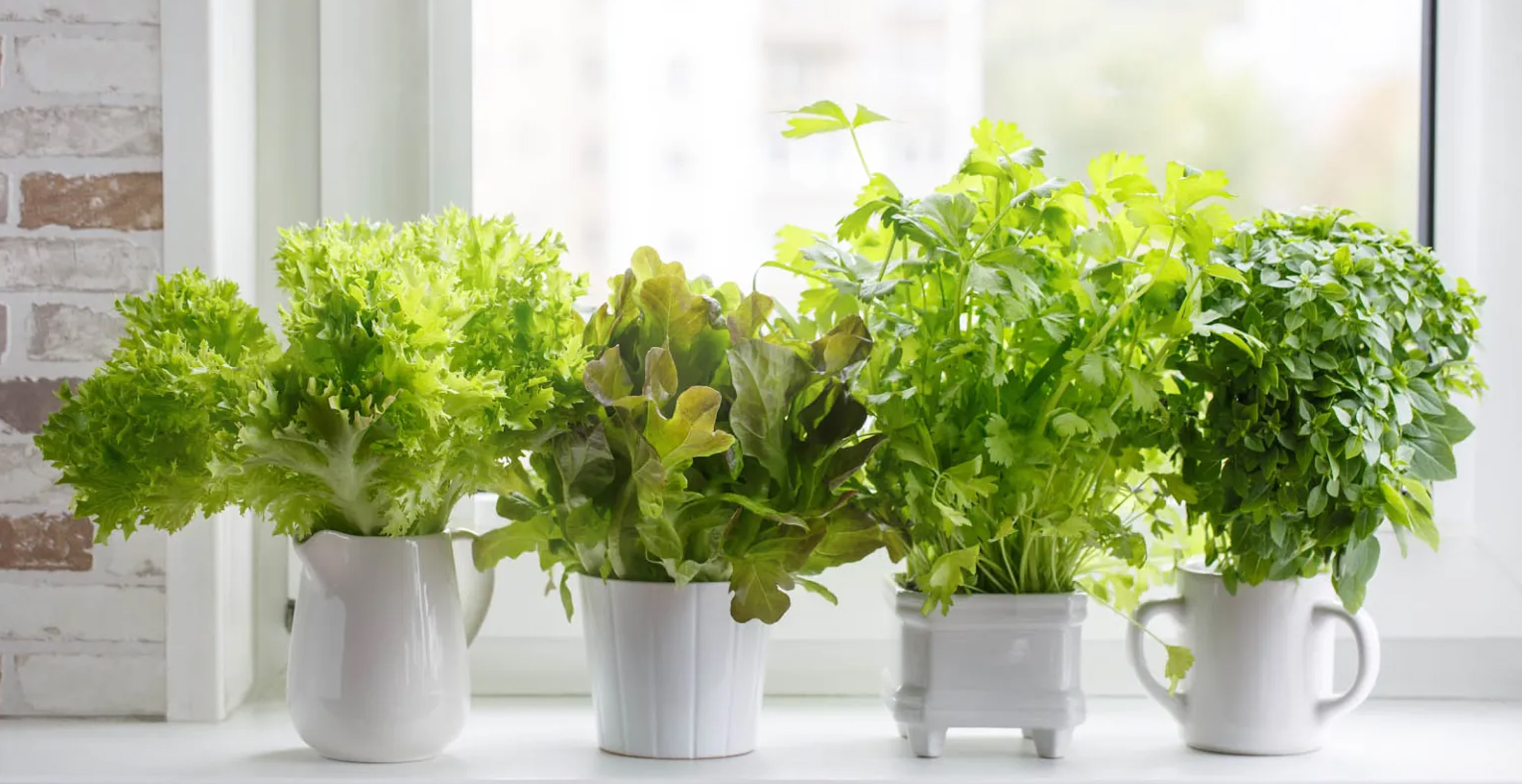
What is a Deep Water Culture Hydroponic System DWC
Deep Water Culture (DWC) is a method of hydroponics that submerges plant roots 24/7 in a deeper solution of nutrient-rich, oxygenated water to encourage rapid nutrient uptake and growth. DWC Deep Water Culture hydroponic system growing kits are popular for leafy greens, herbs, and other fast-growing crops. Learn together about the pros and cons of deep water culture and how it works.
What is Deep Water Culture Hydroponics?
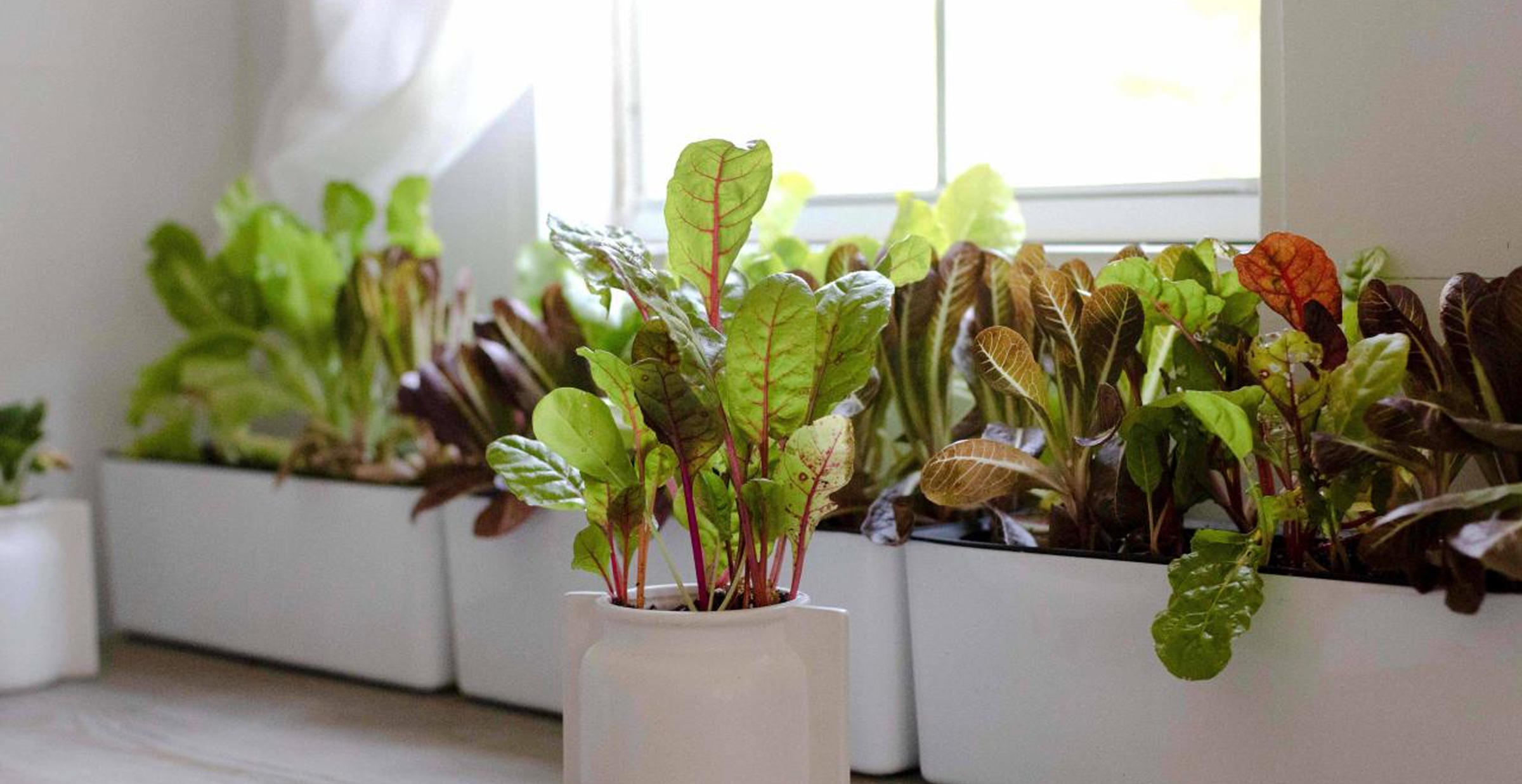
A Deep Water Culture (DWC) Hydroponic System is a method of growing plants where roots are submerged in a nutrient-rich, oxygenated water solution.
“Deep” means that the plant's root system must be submerged in relatively deep water to grow.
DWC is ideal for growers seeking a low-maintenance, high-yield hydroponic method, balancing simplicity with effective nutrient and oxygen delivery.
How does Deep Water Culture Work?
Here's a structured explanation of how it works:
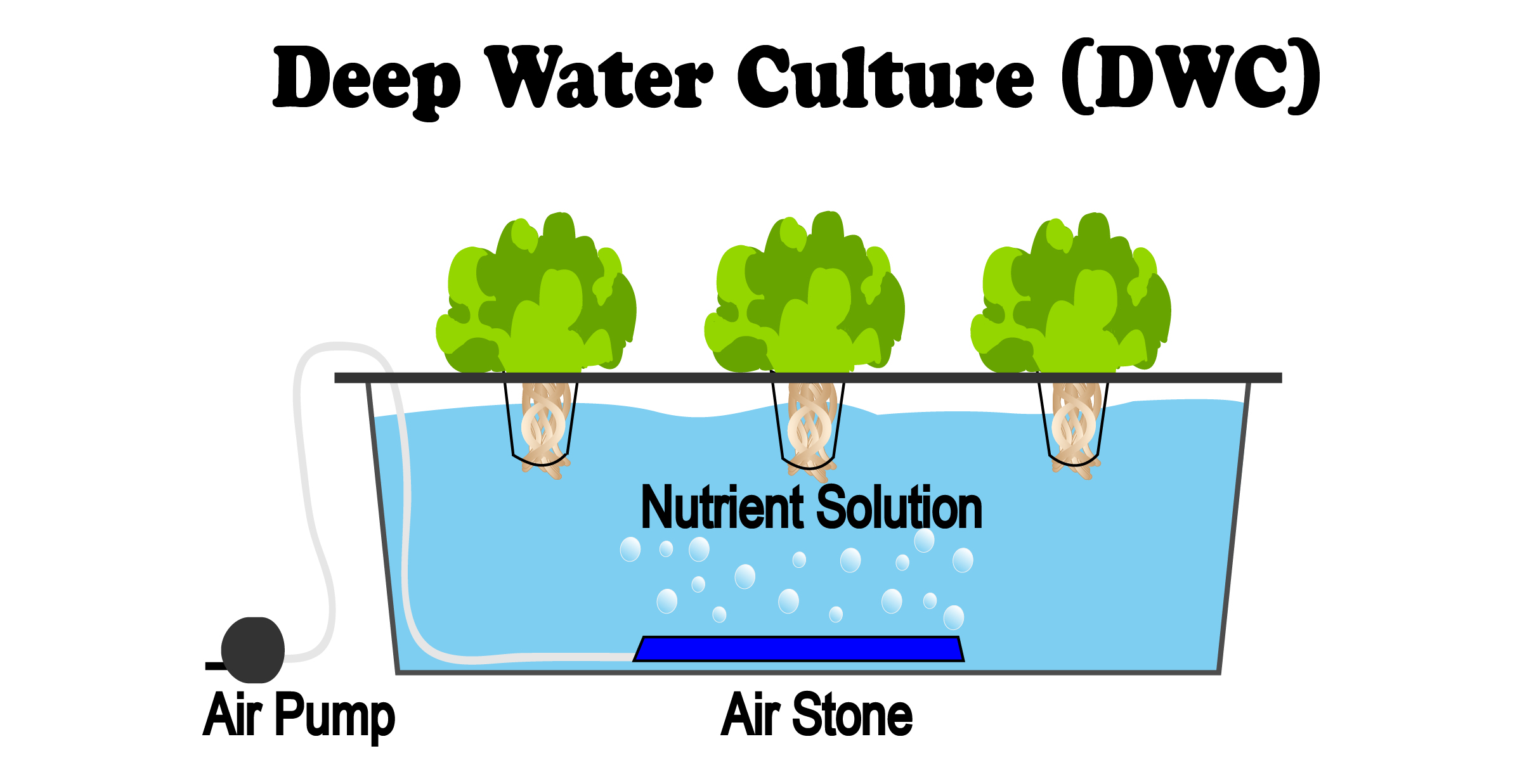
Key Components
-
Reservoir
A container (often opaque to prevent algae) holding nutrient-rich water.
-
Net Pots
Hold plants above the water, allowing roots to dangle into the solution.
-
Growing Medium
Inert materials like clay pellets or rockwool support plants in net pots.
-
Air Pump and Air Stone
Oxygenate the water, preventing root suffocation.
-
Nutrient Solution
Water mixed with essential minerals for plant growth.
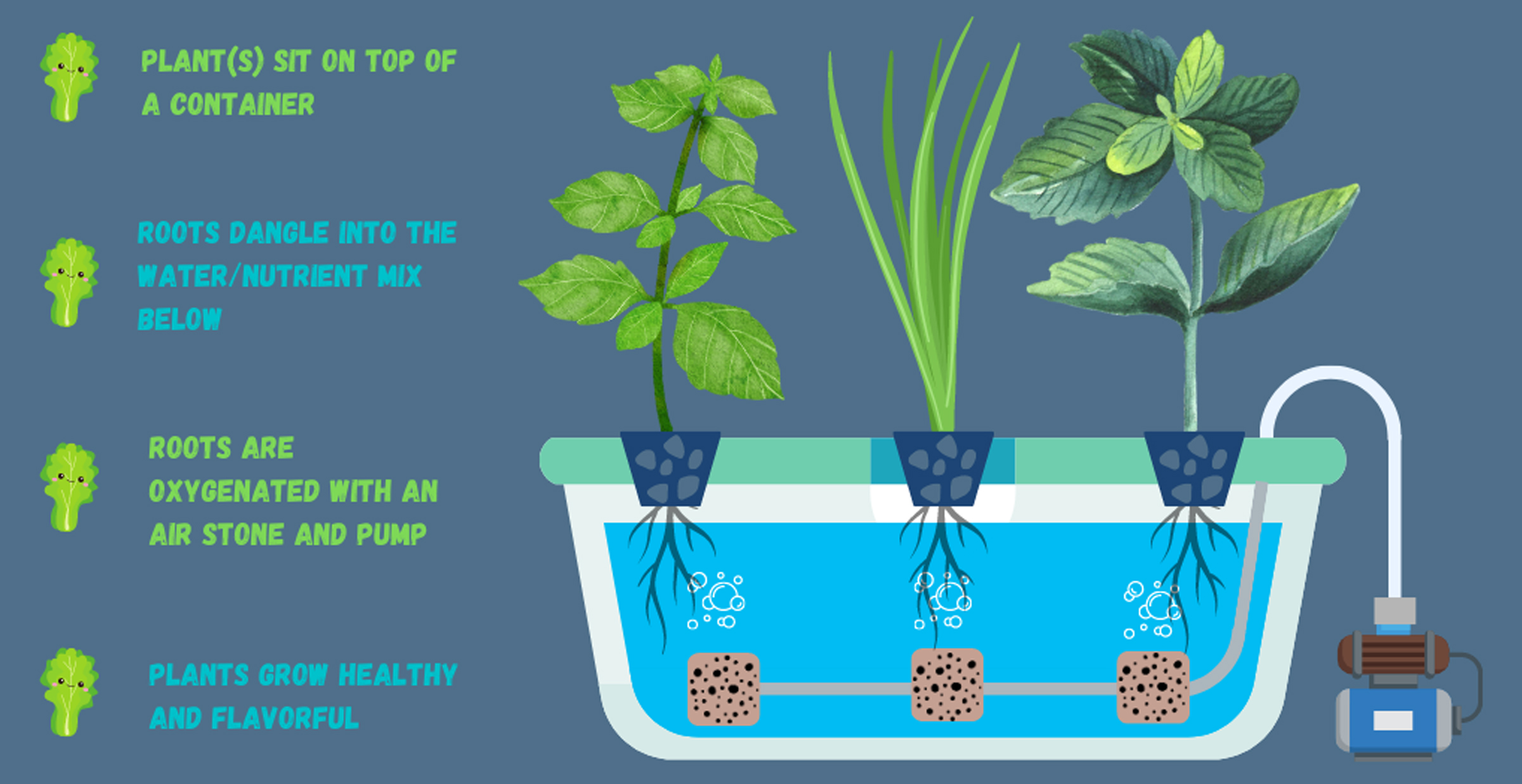
Process Overview
-
Plant Setup
Seedlings or clones are placed in net pots with a growing medium, suspended over the reservoir.
-
Root Submersion
Roots grow into the oxygenated nutrient solution below.
-
Aeration
The air pump continuously bubbles oxygen into the water via the air stone, ensuring roots receive both nutrients and oxygen.
-
Nutrient Uptake
Plants absorb water and nutrients directly, bypassing soil for faster growth.
Maintenance Considerations
-
PH and EC Monitoring
Maintain pH between 5.5–6.5 and adjust nutrient concentration (measured by electrical conductivity).
-
Water Temperature
Keep cool (18–22°C) to maximize oxygen retention and prevent pathogens.
-
Refilling
Regularly top up the reservoir as plants consume water and nutrients.
-
Cleanliness
Prevent algae and pathogens by using opaque reservoirs and periodic cleaning.
Variations
-
Multiple reservoirs connected for larger setups.
-
Bubbleponics
Combines DWC with top-fed nutrient delivery for faster root establishment.
-Hydroponics-Pros-and-Cons.jpeg?w=2400&h=1237)
Deep Water Culture (DWC) Hydroponics: Pros and Cons
-
Deep Water Culture Pros
-
Rapid Plant Growth
Constant access to nutrients and oxygen promotes faster growth compared to soil-based systems.
-
Water Efficiency
Recirculating systems reduce water usage, making DWC more sustainable than traditional gardening.
-
Low Maintenance (Post-Setup)
Minimal intervention needed once the system is operational, aside from periodic pH and nutrient checks.
-
Reduced Soil-Borne Issues
Eliminates soil pests and diseases, lowering the risk of plant infections.
-
Oxygenation
Air pumps prevent root rot by maintaining high oxygen levels in the root zone.
-
Scalability
Suitable for both small-scale home setups and large commercial operations.
-
Space Efficiency
Compact design allows vertical stacking or dense plant arrangements.
-
-
Deep Water Culture Cons
-
Electricity Dependency
Air pumps require continuous power; outages can lead to rapid root suffocation.
-
Nutrient and pH Management
Requires regular monitoring and adjustment to prevent deficiencies or toxicities.
-
Root Rot Risk
Pump failures, clogged air stones, or high water temperatures can reduce oxygen and cause rot.
-
Initial Costs
Higher upfront investment for equipment (pumps, containers, testers, etc.).
-
Temperature Sensitivity
Warm water encourages pathogens and lowers oxygen solubility, necessitating cooling solutions.
-
Transplant Challenges
Mature plants with established roots are difficult to move without damage.
-
Algae Growth
Exposure to light in non-opaque containers leads to algae, competing with plants.
-
Limited Plant Support
Heavy or large-rooted plants (e.g., tomatoes) may require additional structural support.
-
The Deep Water Culture Hydroponic System (DWC) is ideal for growers looking for rapid yield increases and efficient resource utilization, but requires careful management of environmental factors and infrastructure reliability. DWC is suitable for leafy greens and herbs, but less suitable for large, heavy plants.
If you need to grow vegetable hydroponically indoors or outdoors at home, you can choose BetiLife™ Hydroponic Systems:
- DWC Deep Water Culture Hydroponic System Growing Kits
- Hydroponic Growing Systems
- Vertical Hydroponic Towers
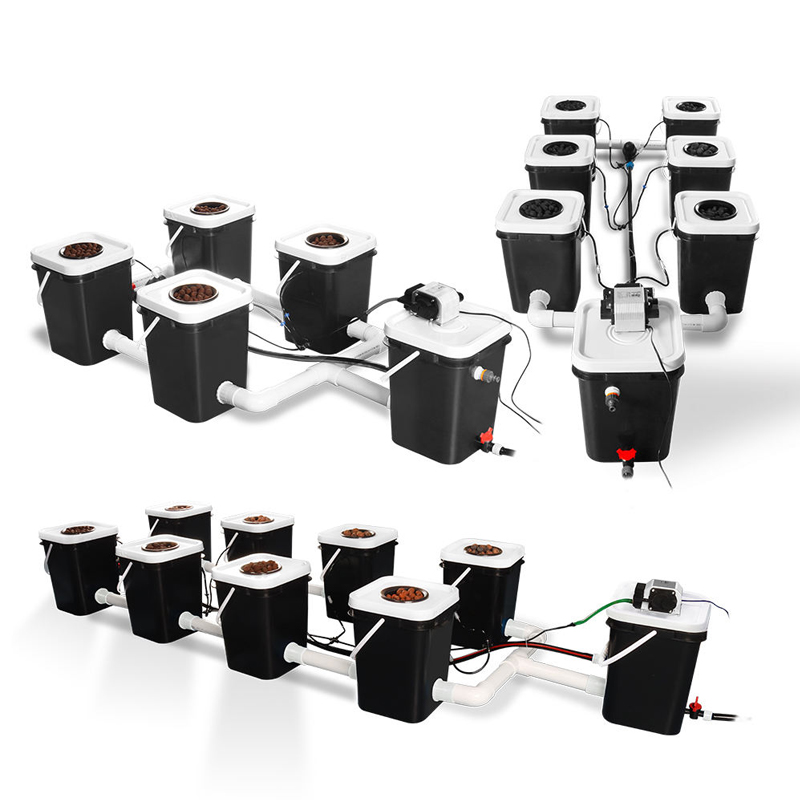
DWC Deep Water Culture Hydroponic System Growing Kits
(Deep Water Culture 5 Gallon Bucket)
Learn more about hydroponics:
- What Is Hydroponics
- What is the Nutrient Film Technique NFT
- What is Aeroponic
- What is the Ebb and Fow Flood and Drain System
- What is Drip System
- What is the Wick System In Hydroponics
- What Are The Best Flowers For Hydroponics
- How To Grow Hydroponic Tomatoes Indoor
- Can You Do Hydroponic Carrots
- What Are The Best Plants To Grow In Hydroponic Towers
- What Are The Best Hydroponic Lettuce Varieties
- How To Grow Hydroponic Lettuce Indoors At Home
- What Are The Best Strawberries To Grow Hydroponically
- What Are Hydroponic Strawberries