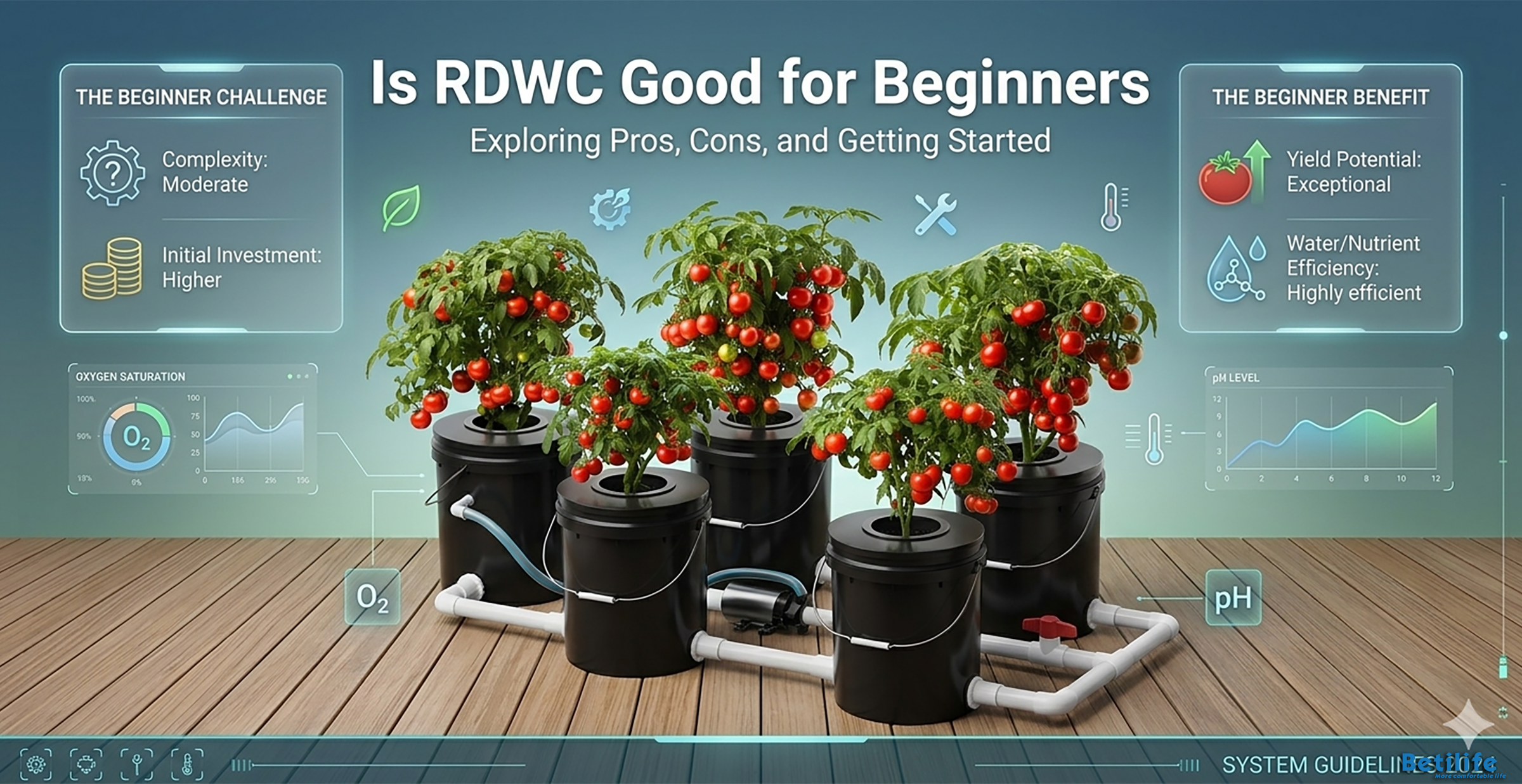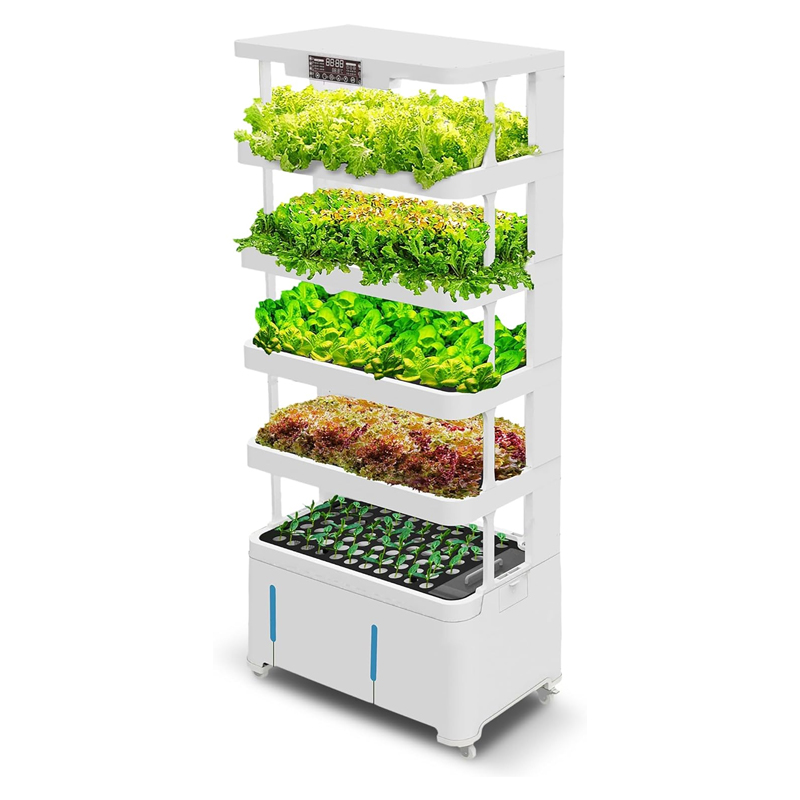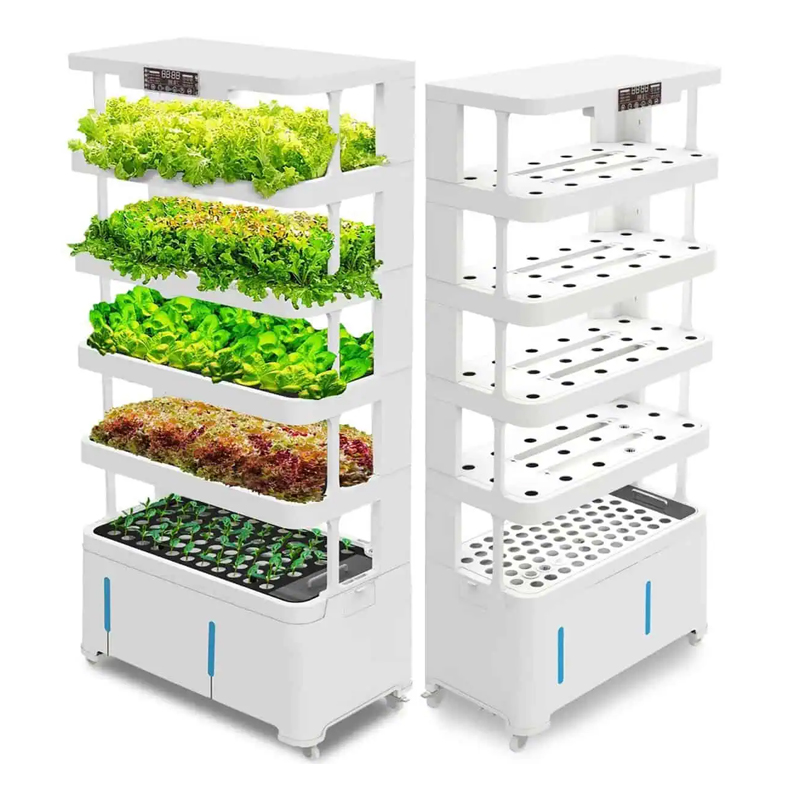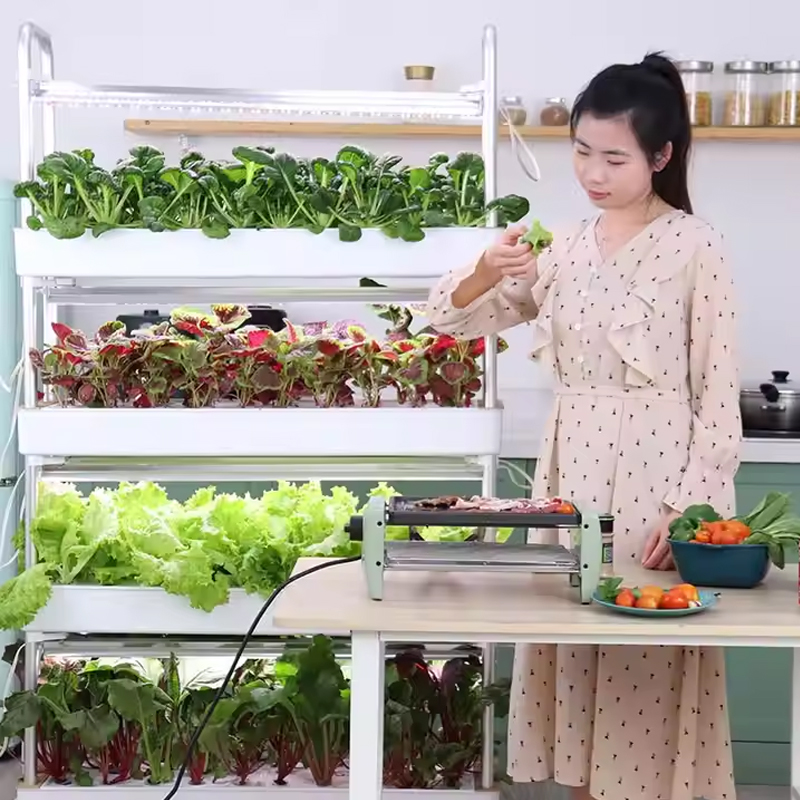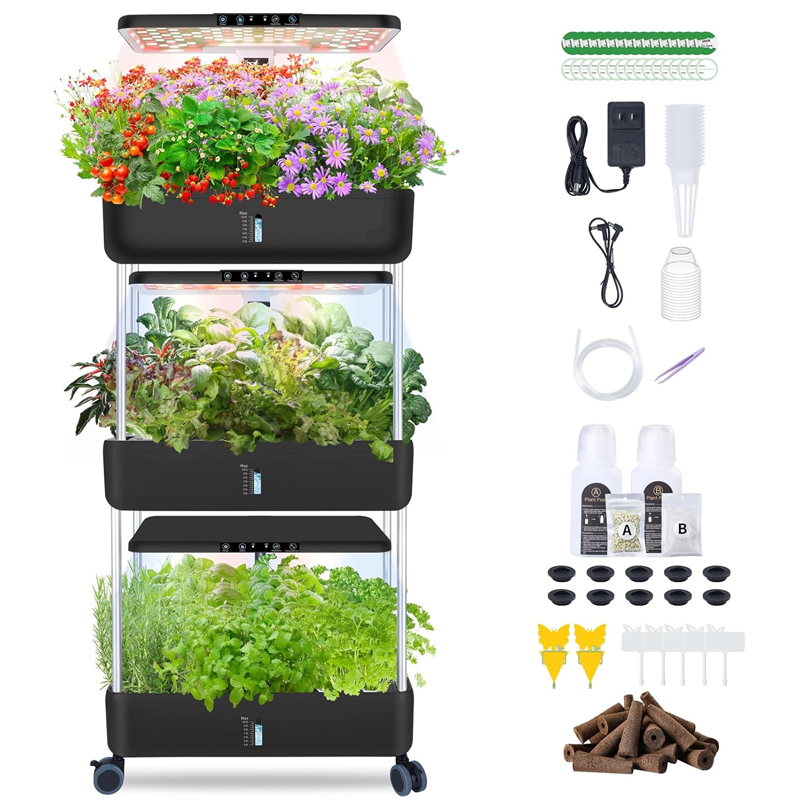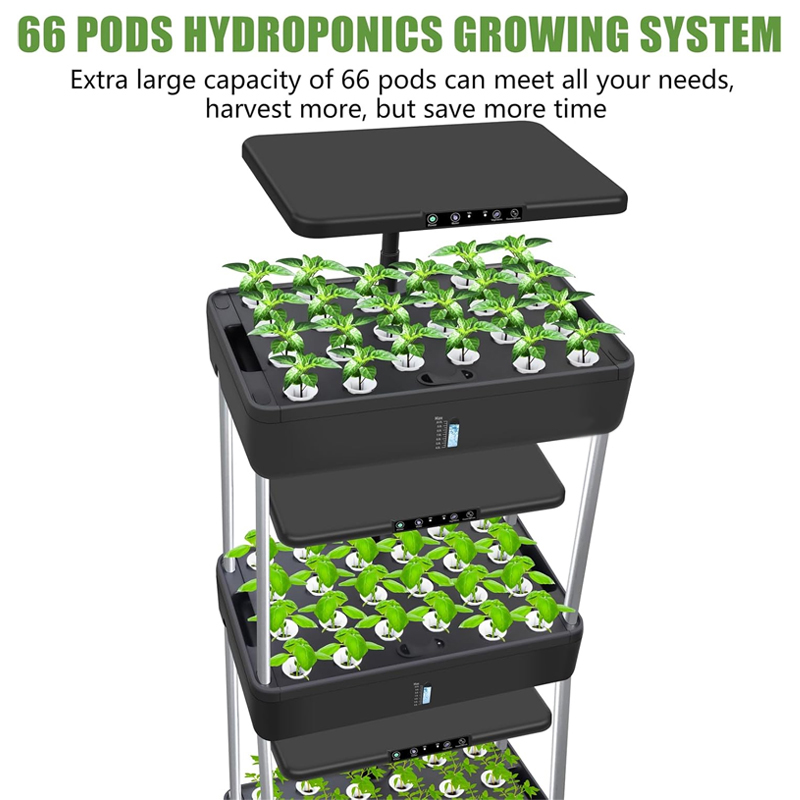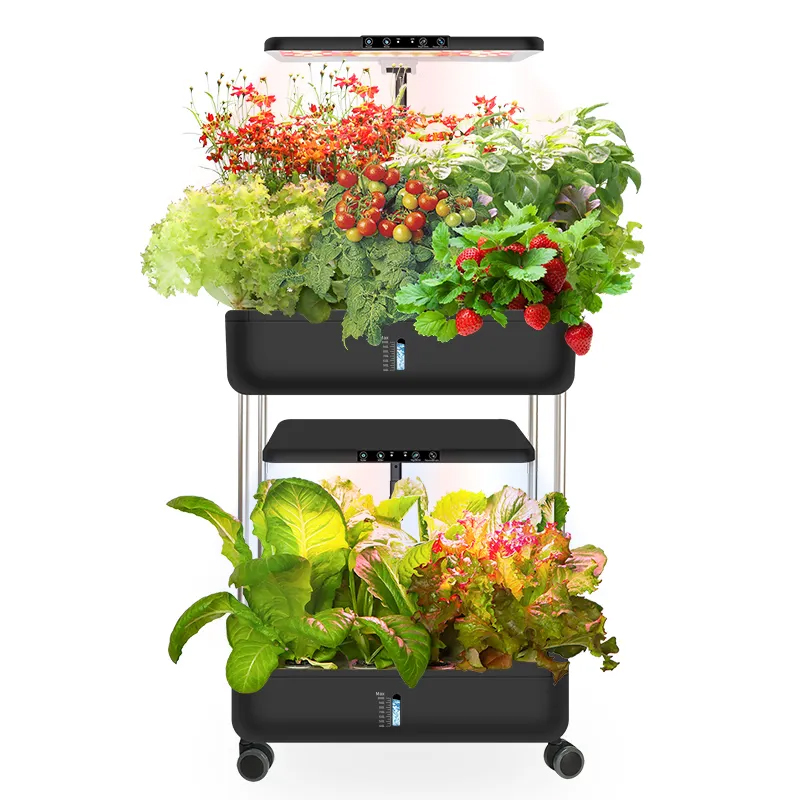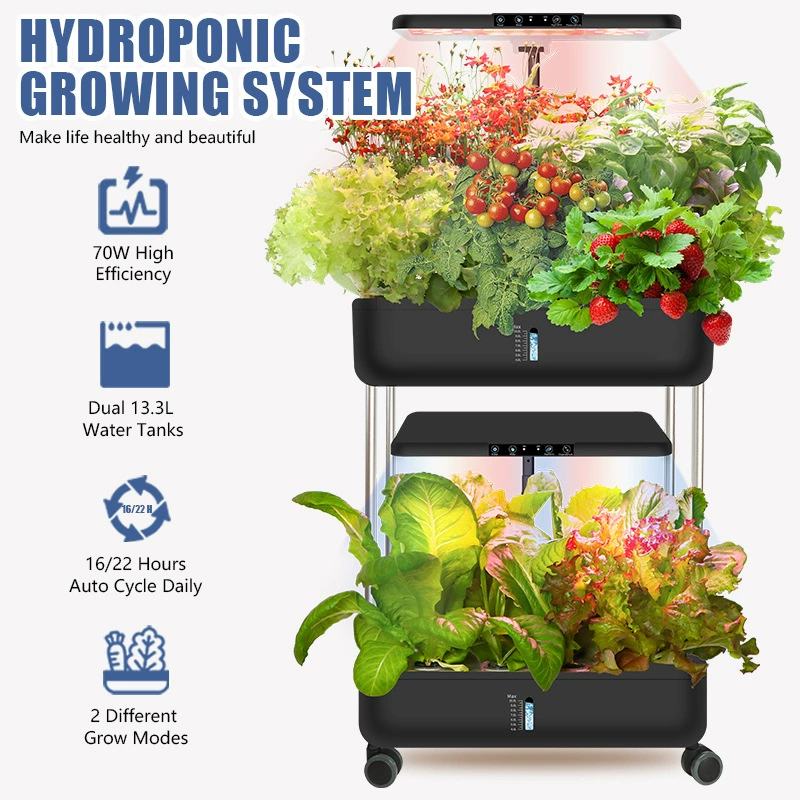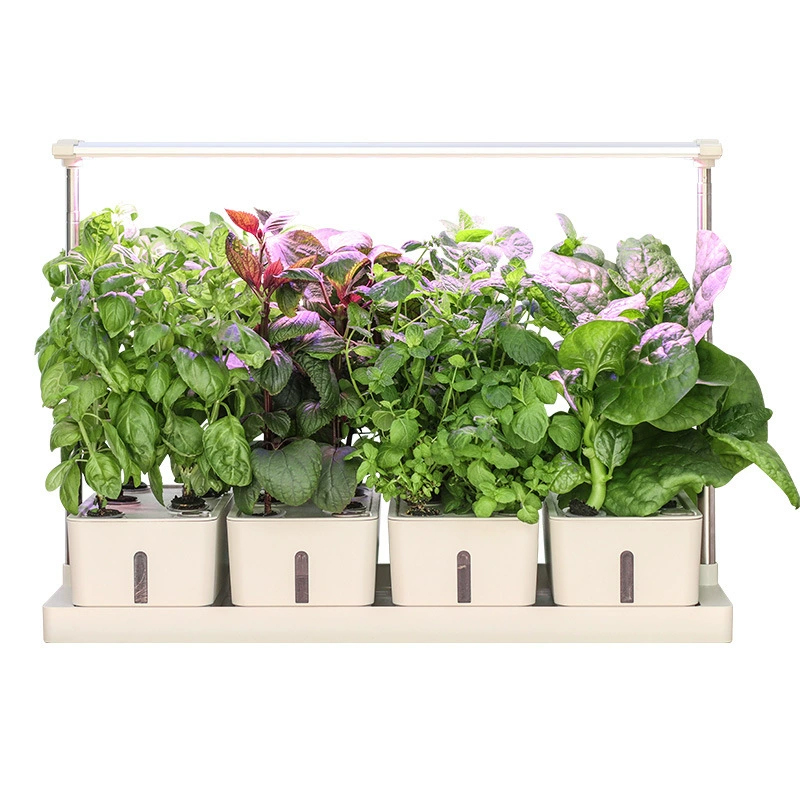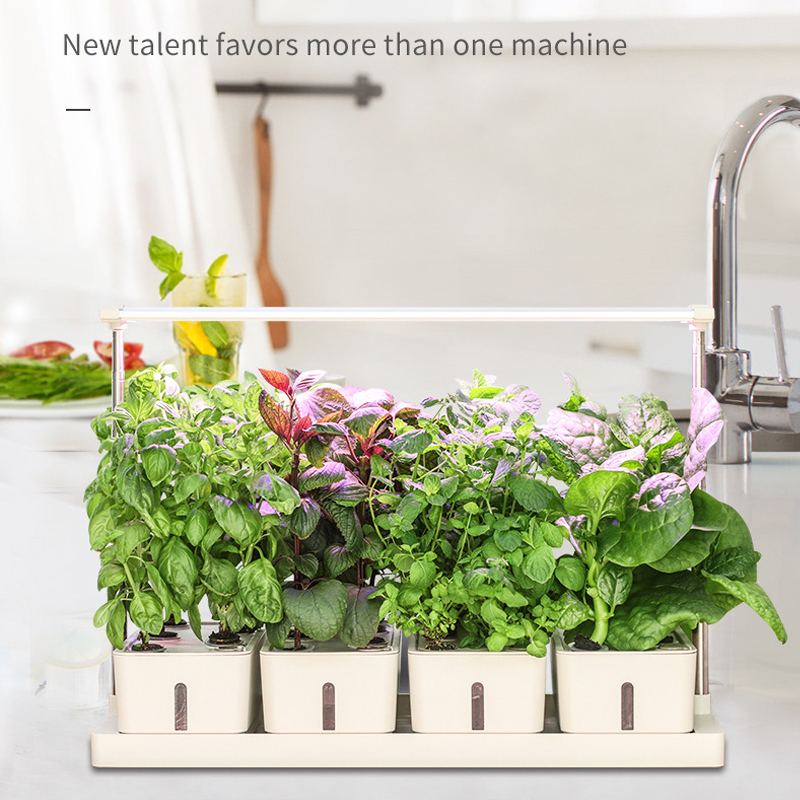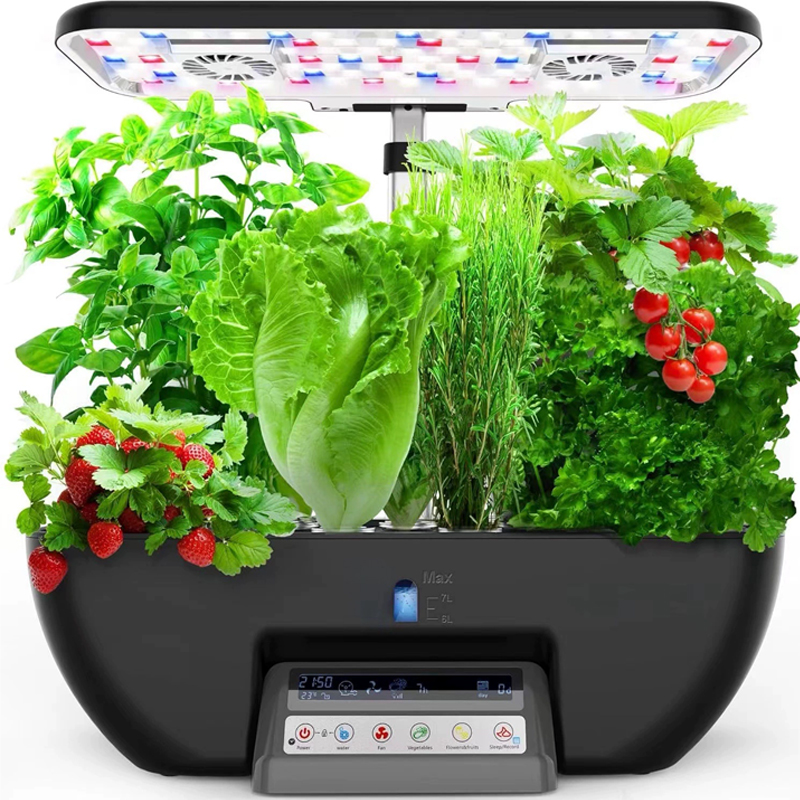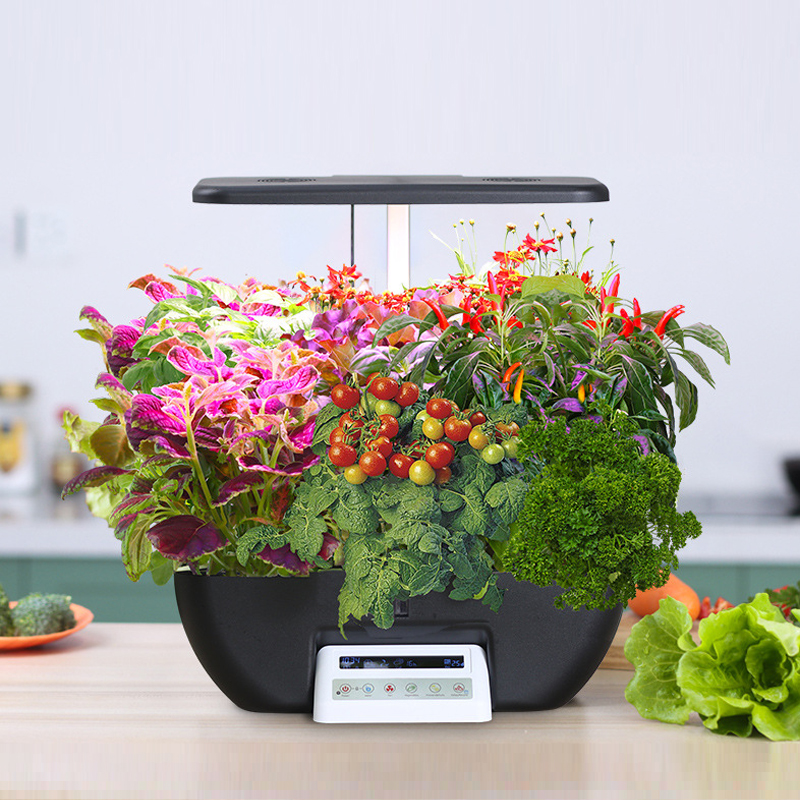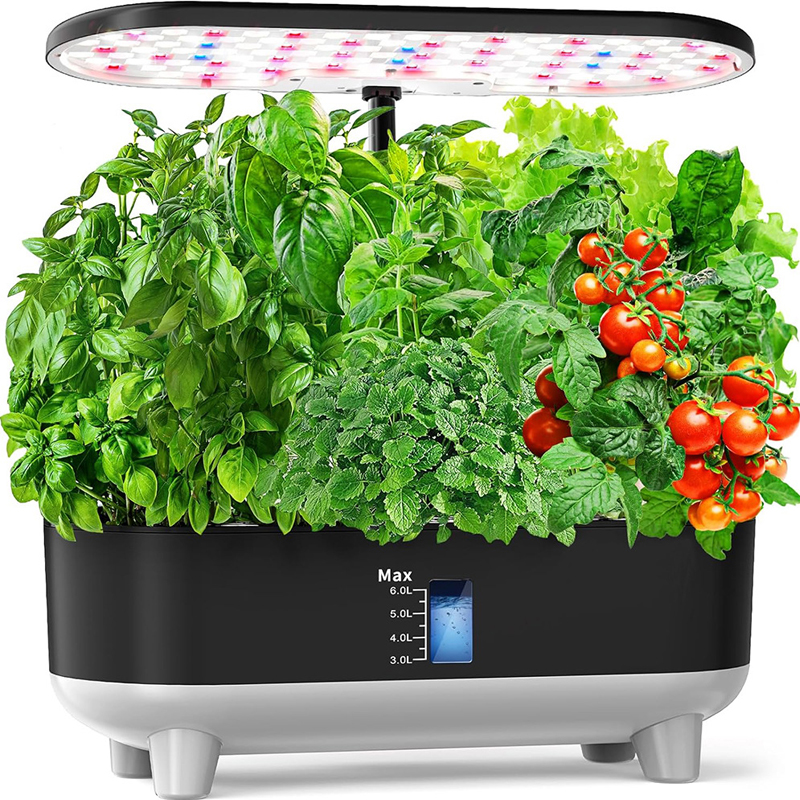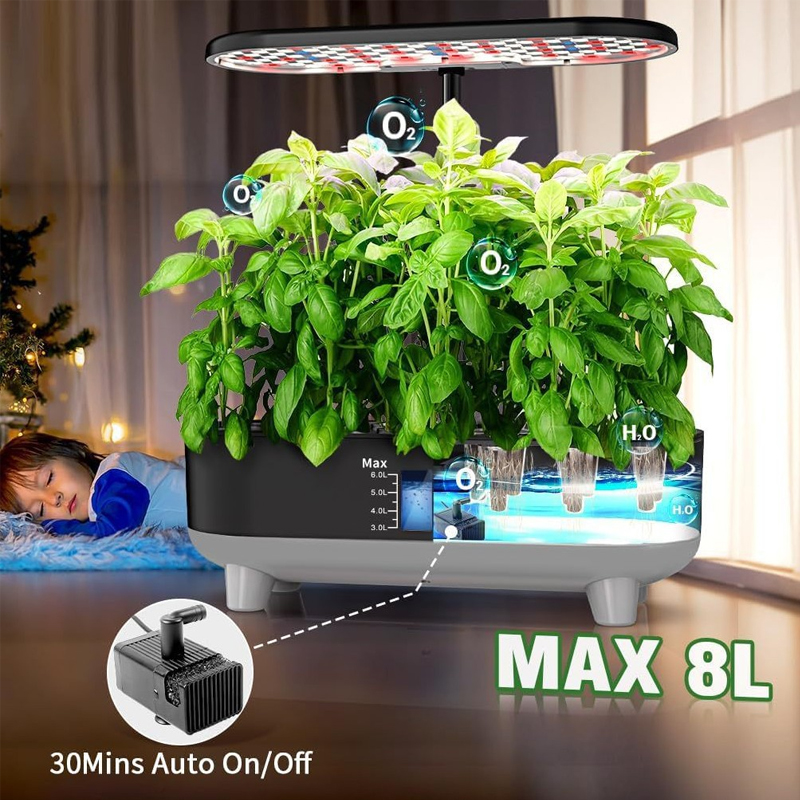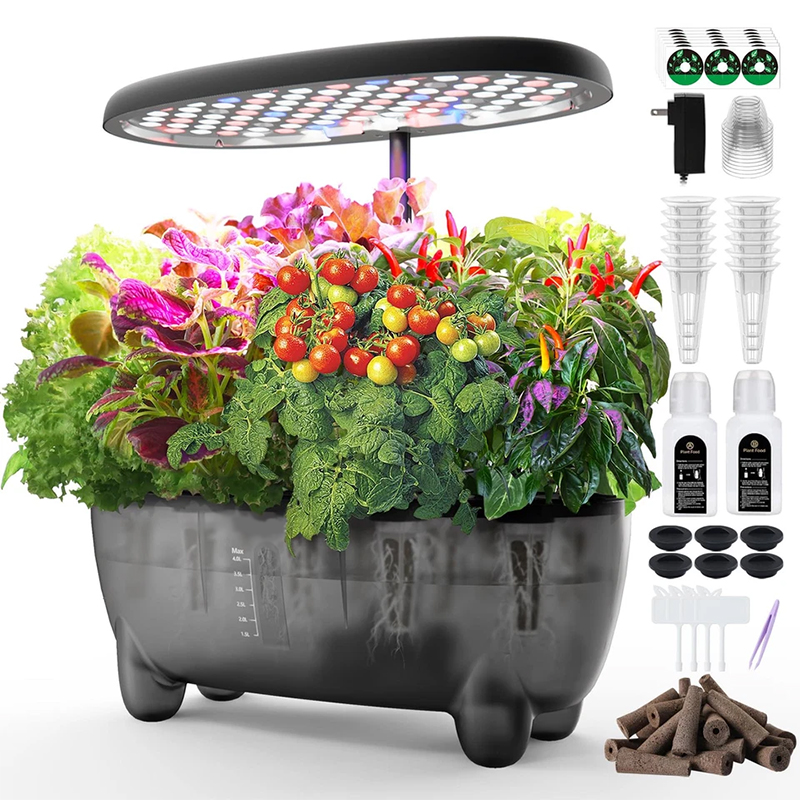
If you’re asking, “Is RDWC good for beginners?”, the short answer is yes! Beginner-Friendly RDWC Guide! Discover why RDWC can be easier than traditional hydroponics, plus recommend the best RDWC systems for beginners to start faster growth, bigger yields, and low-maintenance gardening.
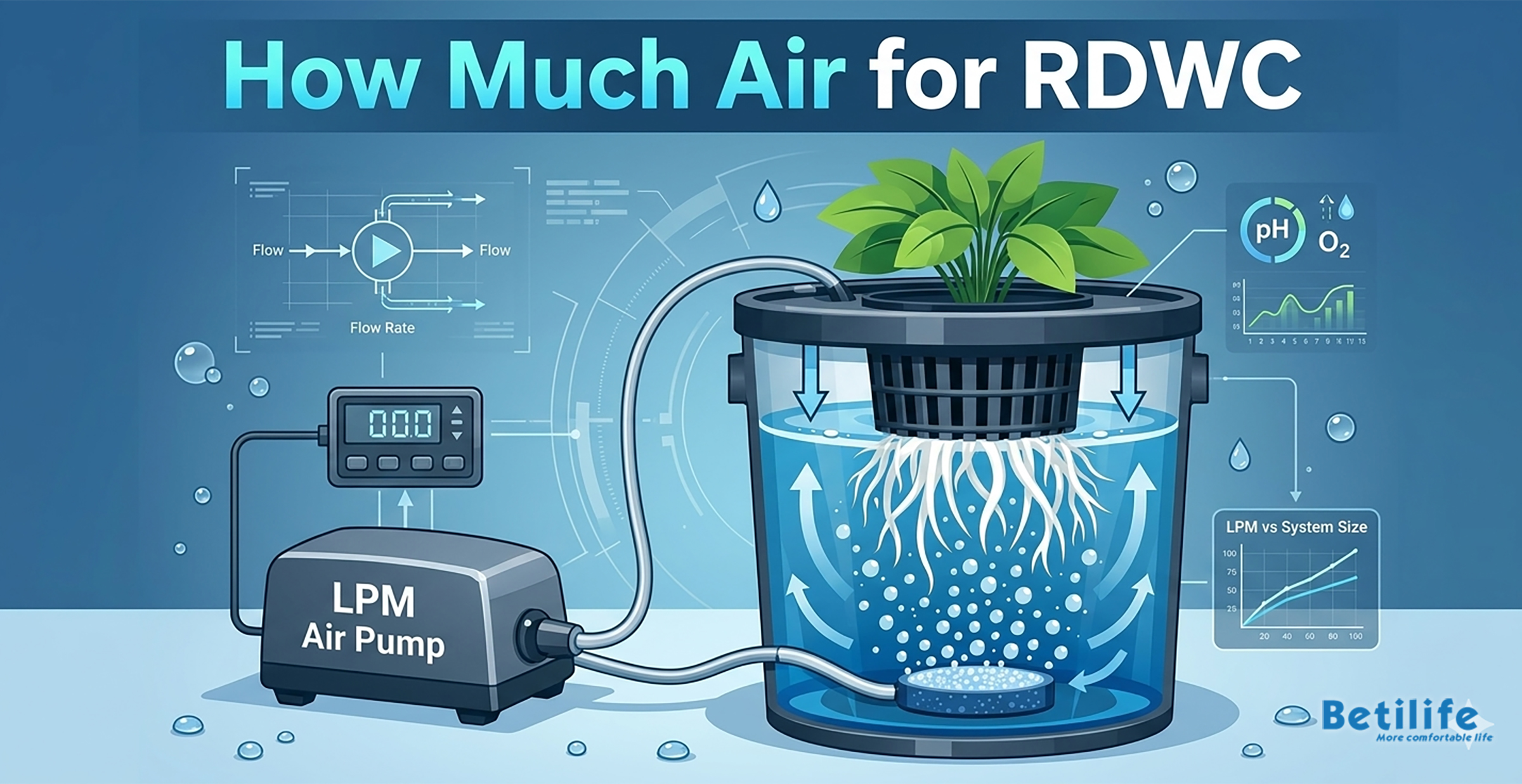
Wondering how much air your RDWC system needs per gallon & bucket? Learn the exact formula for sizing your air pump based on reservoir volume, airflow requirements, and ideal oxygen levels. The best air pump for the RDWC system full guide helps you prevent root rot and maximize plant growth.
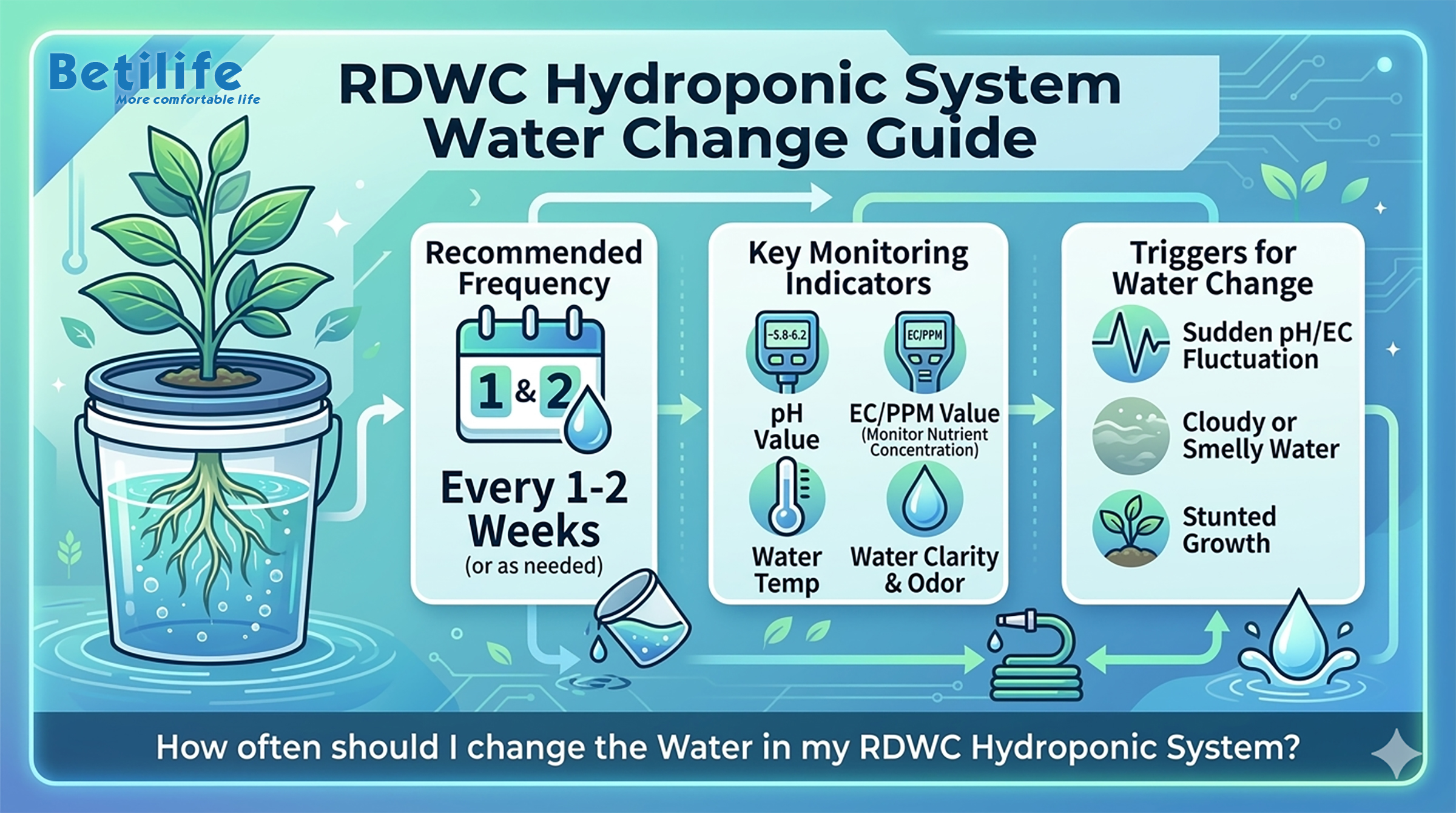
If you're running a recirculating deep water culture system, one questions is: how often should I change the water in my RDWC? The answer directly affects plant health, nutrient uptake, root oxygenation, and ultimately your yield.
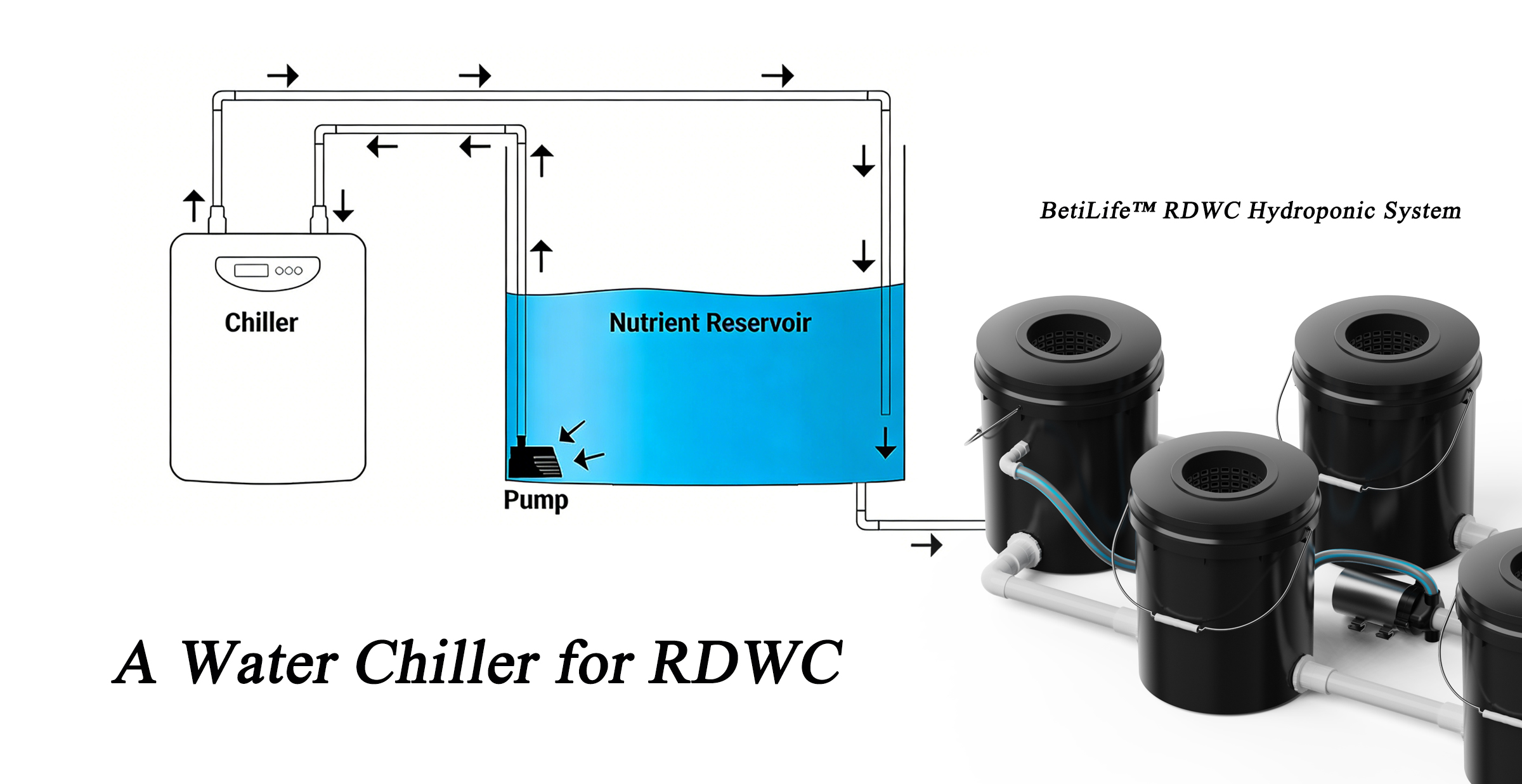
Do you need a water chiller for RDWC? Yes—in most cases, a water chiller is essential for RDWC systems. If your nutrient solution rises above 72°F (22°C), you risk root rot, low oxygen levels, and reduced yields. A hydroponic water chiller maintains stable temperatures, improving plant health, growth rate, and final harvest quality.
Struggling with algae in your RDWC system? How do I prevent algae in RDWC? Learn proven methods to prevent algae growth, improve water quality, and protect your plants. Discover expert tips on light control, nutrients, and system maintenance to maximize yield with your RDWC hydroponic setup.
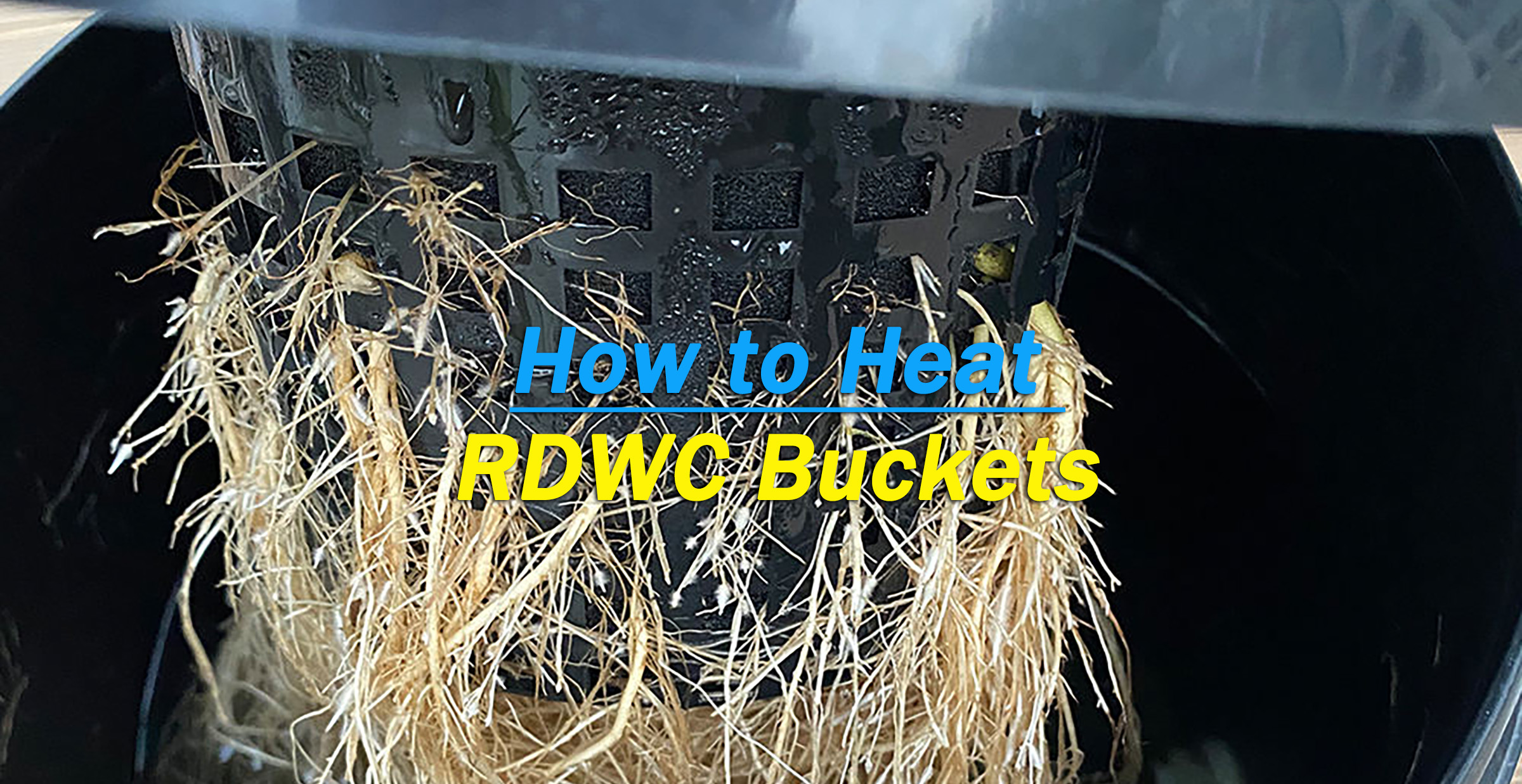
Maintaining the correct water temperature is one of the most critical factors in a successful RDWC grow. Many growers focus on nutrients, lighting, and airflow—but overlook the root-zone temperature inside their buckets.
The Deep Water Culture (DWC) method is an excellent way for beginners to get started with hydroponics. It's simple in concept, can produce speedy growth, and is very low-cost to start.
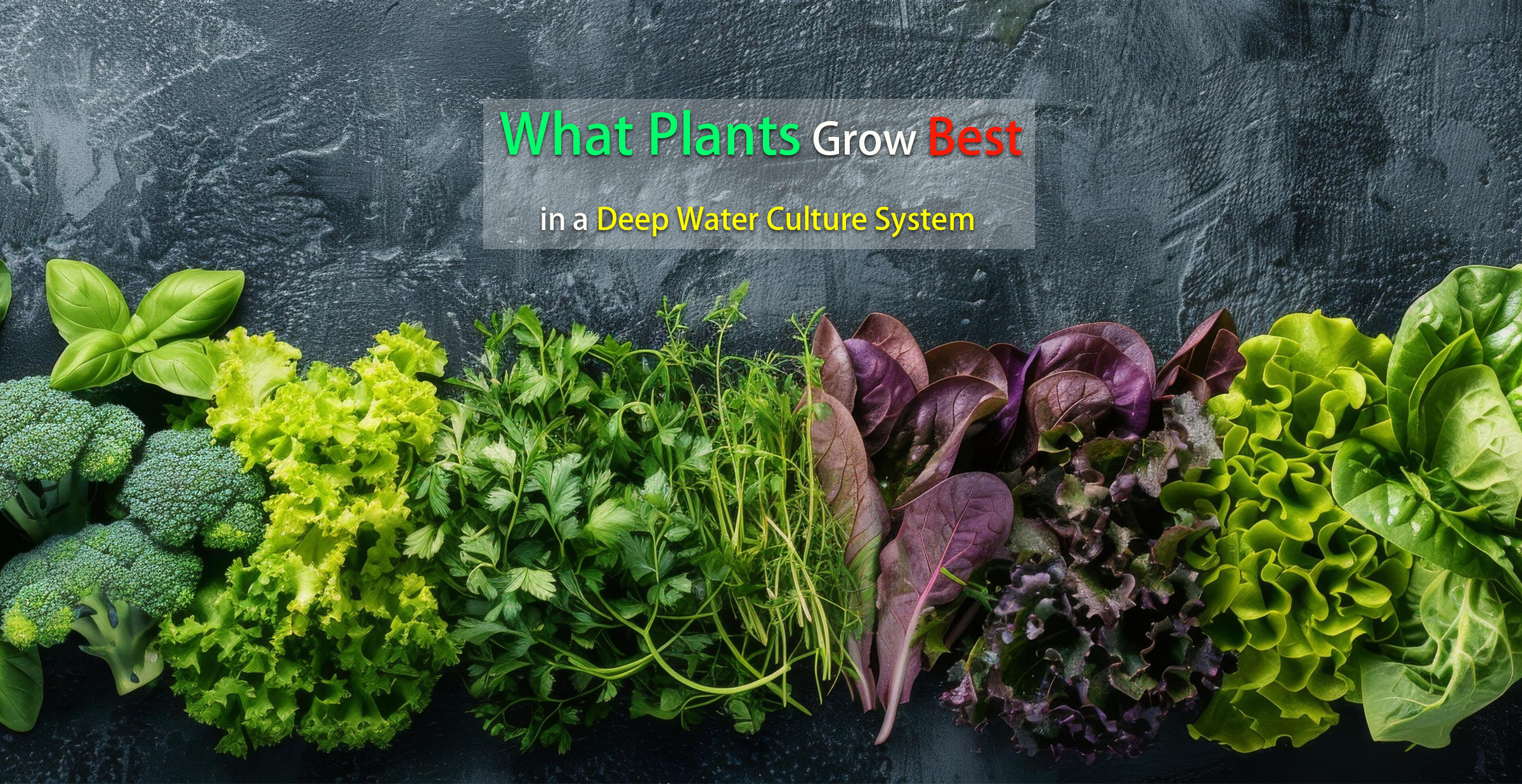
Many friends ask if I use a deep water culture hydroponic system, and what plants grow best in this system? Plants most suitable for deep water cultivation are typically leafy greens and herbs, such as lettuce, kale, spinach, mint, cilantro, and basil.
Deep Water Culture (DWC) is a popular hydroponic method that allows plants to grow in a nutrient-rich water solution, with their roots submerged. Here’s a concise summary of the best nutrients and how often to add nutrients in DWC:
Coconut coir can serve as an important hydroponic growing medium. Here, we share the coco coir hydroponics guide to teach you how to choose the right and best hydroponic grow pods coir, and combine coconut coir media to quickly grow plants hydroponically.
Can mint be grown hydroponically? Yes, growing hydroponic mint is considered the easiest way to grow mint. This article shares how to grow mint hydroponically, the definitive hydroponic mint guide to mint seeds, system setup, nutrient solution, and more.
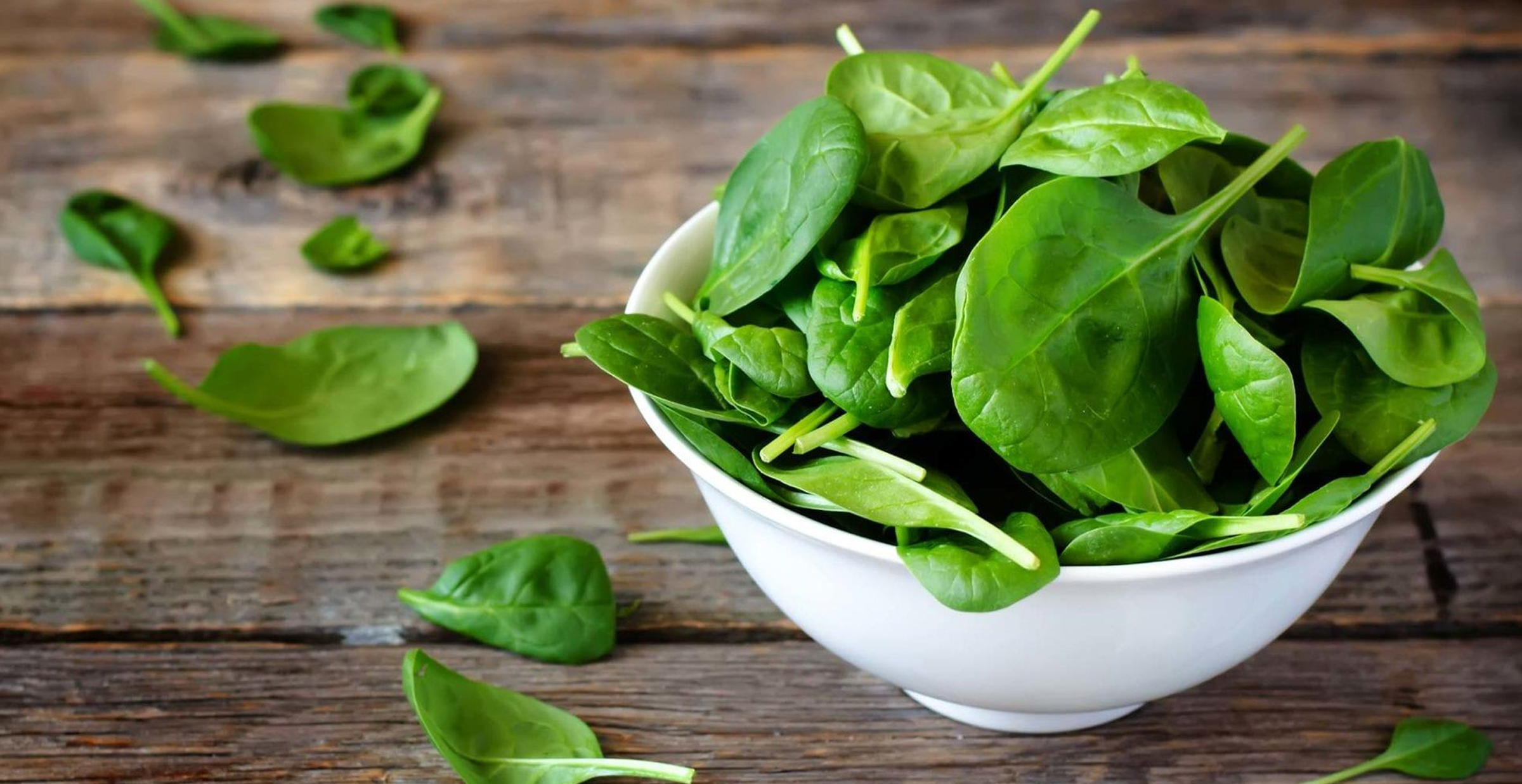
The indoor hydroponic spinach growing guide explains what hydroponic spinach is and how to grow and set up, covering hydroponic spinach nutrient solutions, growing times, yield per plant, and more problems.
The growing hydroponic blueberries guide teaches you how to grow blueberries hydroponically indoors, select the best blueberry varieties for hydroponic cultivation, and set up a hydroponic blueberry system kit to help you quickly harvest blueberries.
The definitive guide to hydroponic arugula, showing you how to grow arugula hydroponically indoors? By mastering the hydroponic arugula setup combined with the hydroponic arugula system kit, you will quickly and successfully harvest hydroponic arugula.
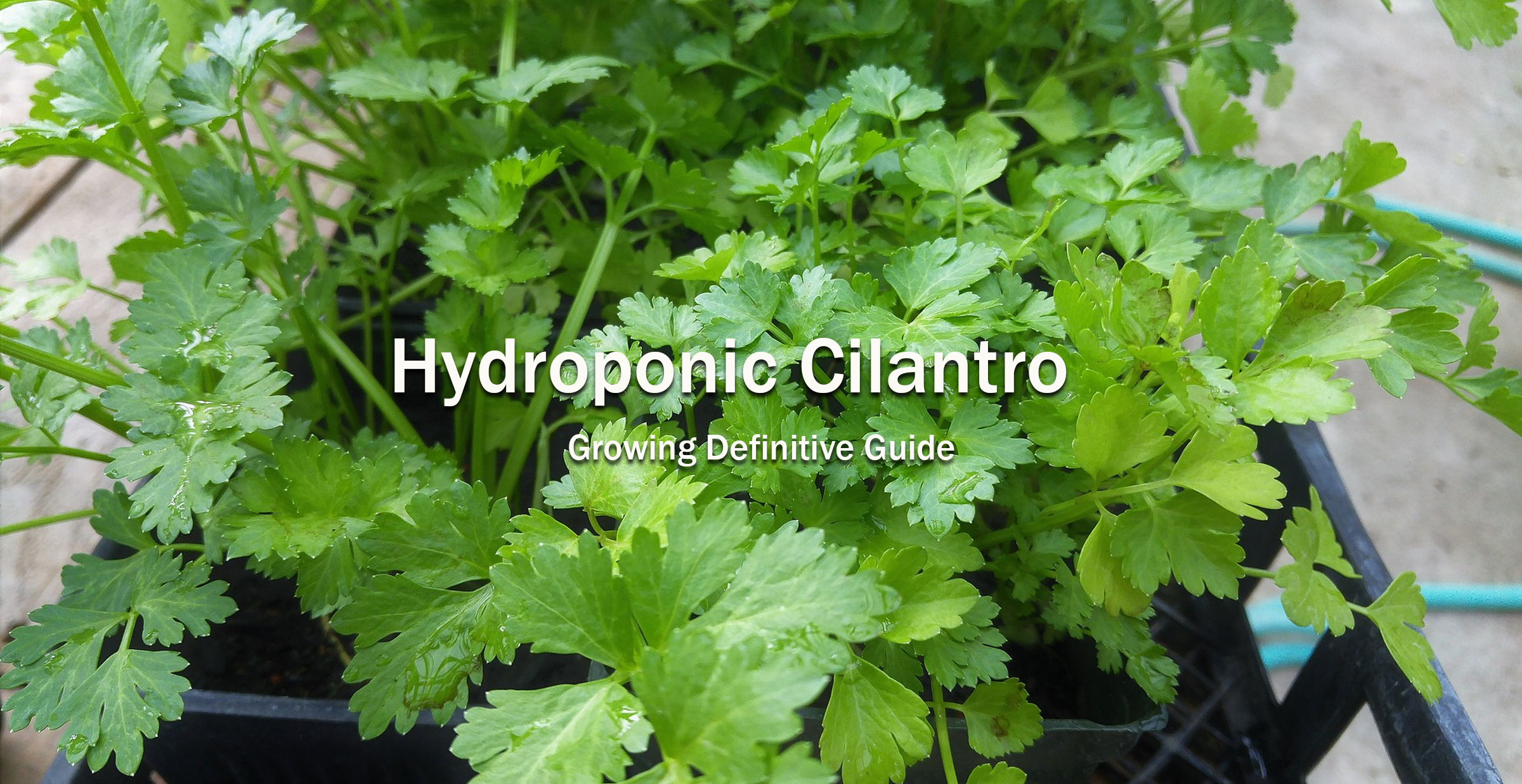
A definitive guide to hydroponic cilantro growing, teaching you how to grow cilantro hydroponically indoors at home. Master the hydroponic cilantro setup in conjunction with the cilantro hydroponic grow kit to help you quickly hydroponically grow cilantro
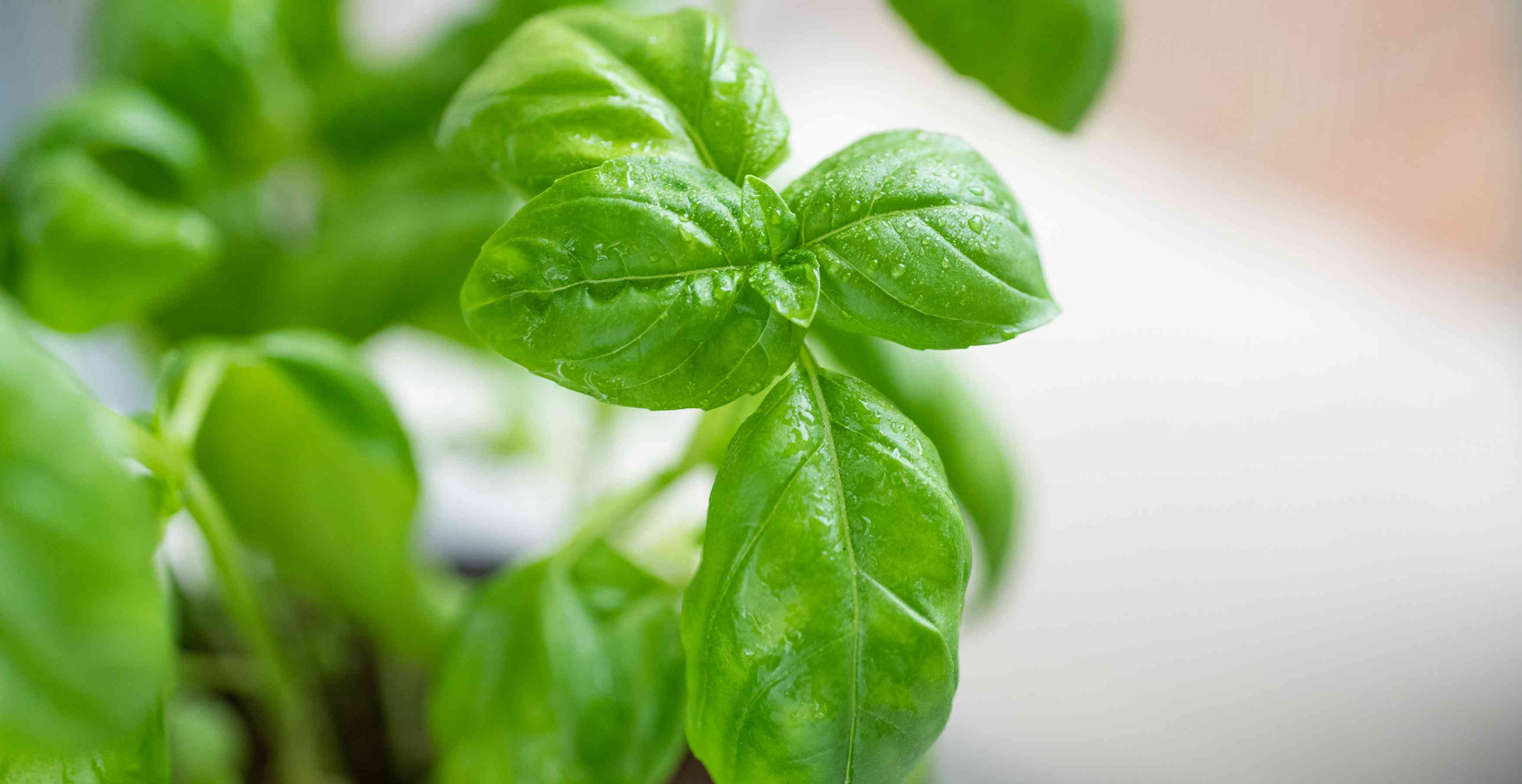
Tells you what hydroponic basil is and shares how to grow basil hydroponically indoors using the best hydroponic basil kit, mastering the hydroponic basil setup (light and nutrient requirements) for quick success in hydroponic basil plants.
If you don't know what hydroponic cucumbers are or how to grow them indoors, see below for a detailed guide to setting up hydroponic cucumbers and choosing the best hydroponic system for cucumbers.
Can lavender be grown hydroponically? Yes, lavender can be grown hydroponically with a hydroponic lavender kit. How to grow lavender hydroponically? If you master the lavender hydroponics setup correctly, you can quickly grow lavender hydroponically.
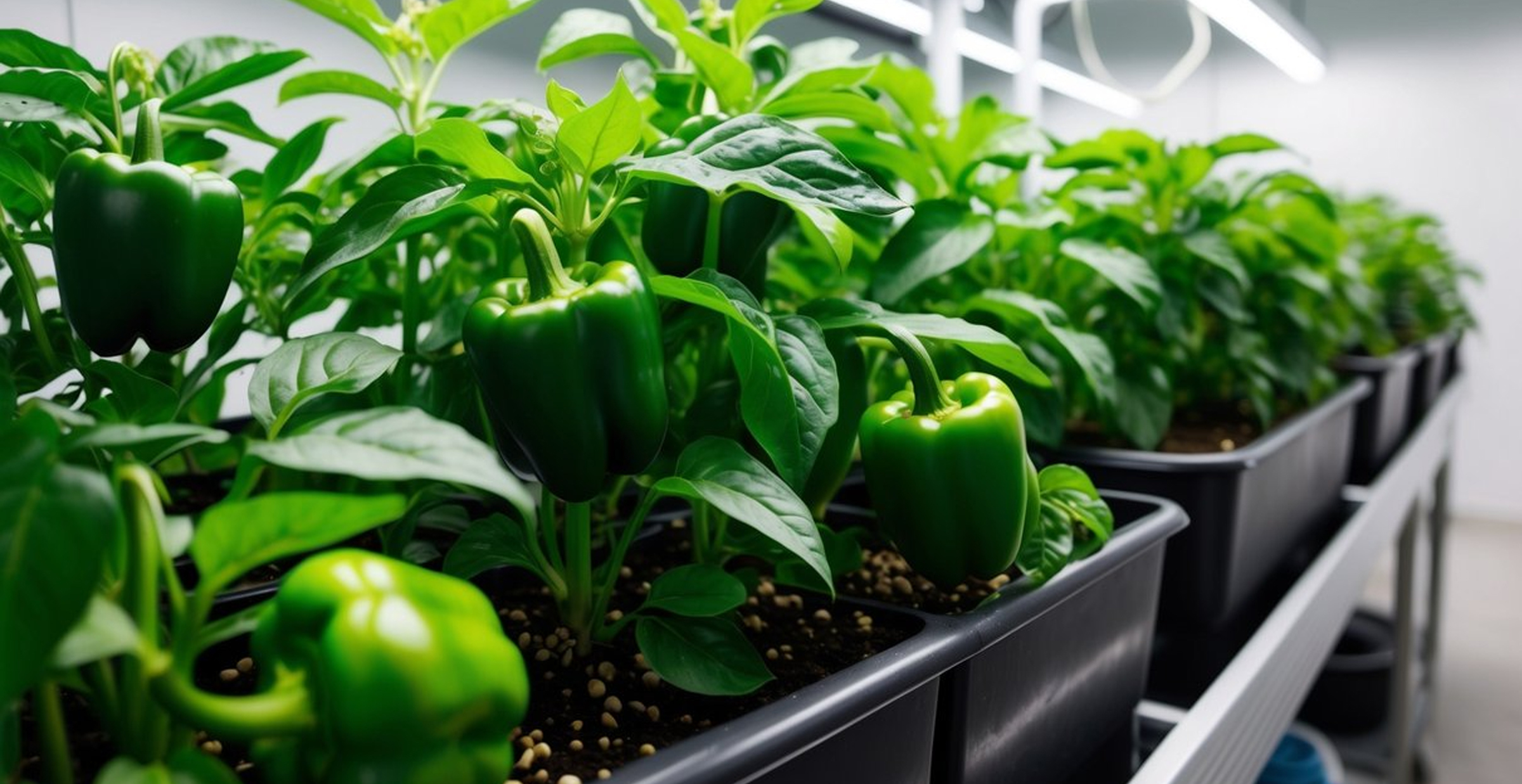
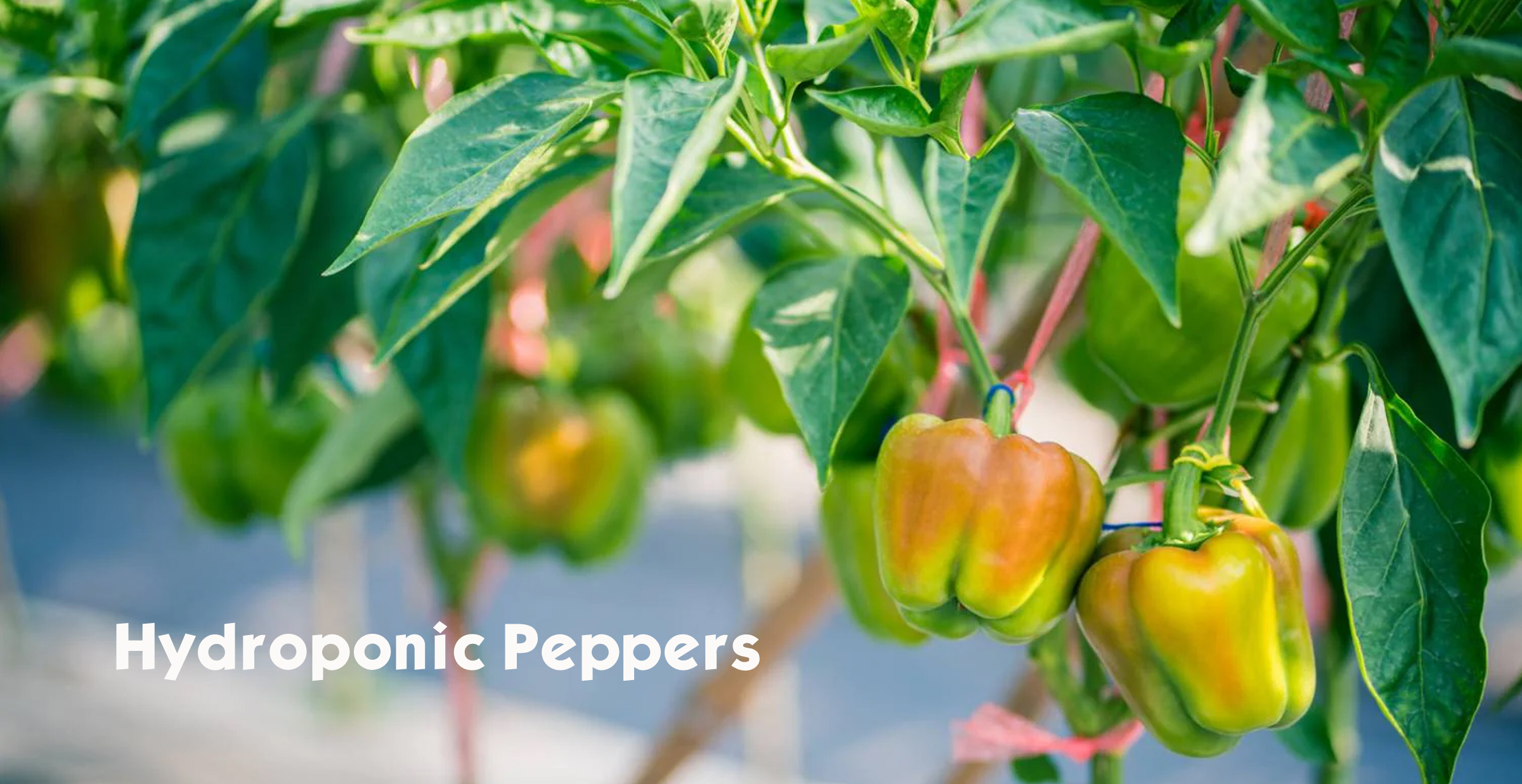
How to grow bell pepper hydroponic indoor? BetiLife™ offers a detailed guide to bell pepper hydroponics setup to help beginners get started, master the bell pepper plant hydroponics setup kits, and quickly grow sweet bell peppers hydroponically.
What is the Best Pepper for Hydroponics? There are many varieties of peppers suitable for hydroponics. The best hydroponic pepper varieties suitable for hydroponics for beginners are Bell Peppers, Jalapeños, Cayenne Peppers, and Mini Sweet Peppers.
The best strawberry plants for hydroponics grow are Albion, Seascape, San Andreas, Portola, Monterey, Evie-2, Mara des Bois, and Elan. When selecting strawberry varieties for hydroponic systems, it's essential to prioritize day-neutral (everbearing) types
Growing strawberries in a water solution environment (not soil). This soil-less hydroponic growing method is categorized as Deep Water Culture (DWC), Nutrient Film Technique (NFT), Drip Irrigation, Aeroponics, Ebb and Flow, and Wick System.
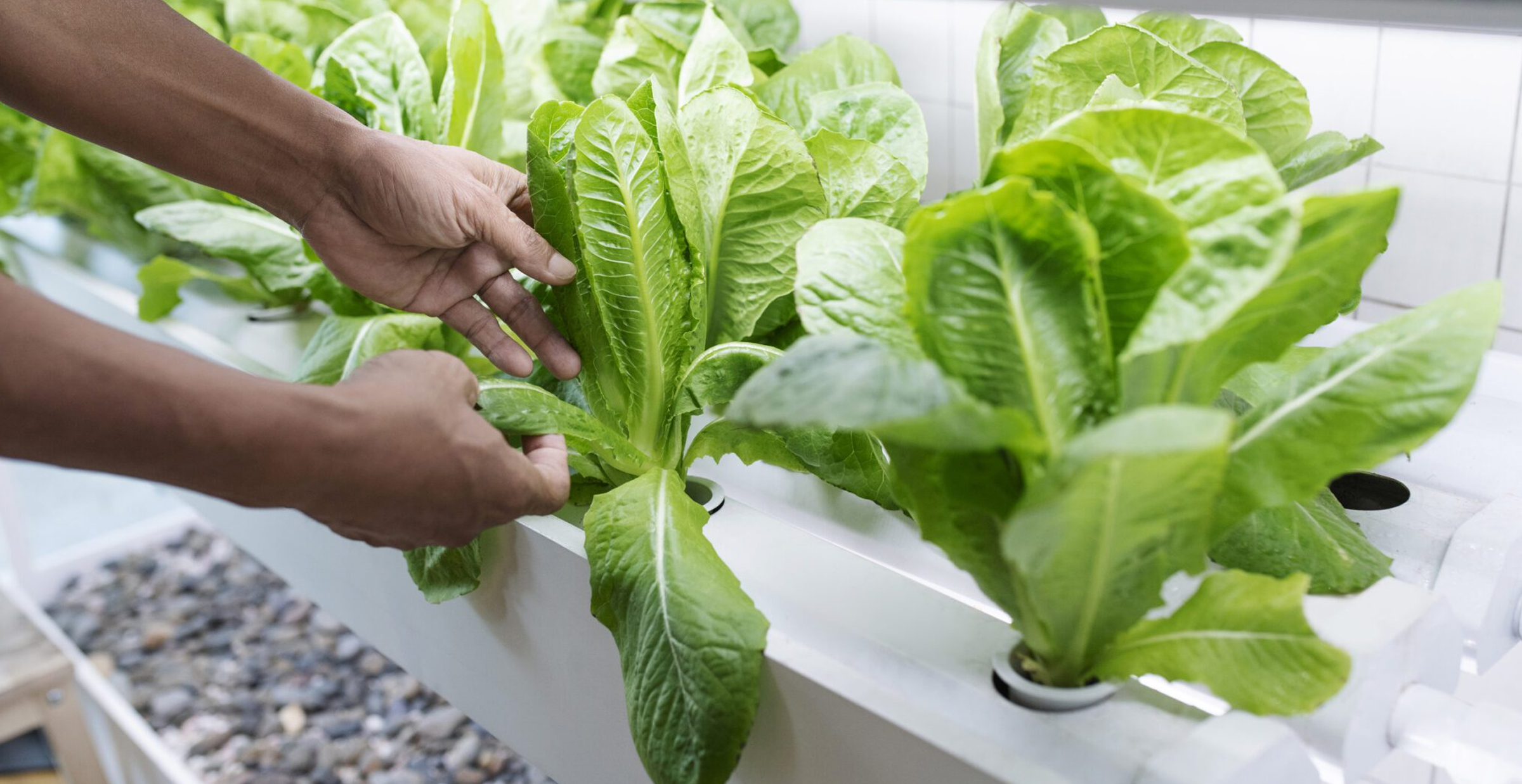
Growing lettuce hydroponically indoors at home can be done with Nutrient Film Technique (NFT), Deep Water Culture (DWC), Aeroponics, Drip Irrigation, Ebb and Flow, and Wick System. As for how to grow hydroponic lettuce indoors, see below for a detailed:
If you want to grow hydroponic lettuce indoors or outdoors at home and don't know what varieties of hydroponic lettuce to choose, see what are the best hydroponic lettuce varieties shared in detail below.